In an age where technology empowers us to capture stunning aerial views, it also raises important questions about privacy and surveillance. As DJI drones gain popularity, many users wonder: Can their drone be tracked? Understanding the tracking capabilities of these devices is vital, not only for safeguarding personal privacy but also for compliance with legal regulations. In this article, we’ll dive into the mechanics of drone tracking, reveal how data can be accessed, and share essential tips to protect your privacy while flying. Stay informed to ensure that your drone experience remains enjoyable and secure.
Understanding DJI Drone Tracking Capabilities
The ability of DJI drones to be tracked is a crucial element built into their design, intended to enhance both user experience and safety. DJI integrates several tracking technologies into their drones, which are primarily used for navigation, positioning, and recovery of lost units. The GPS and GLONASS systems allow pilots to monitor their drone’s location in real-time, providing peace of mind, especially when flying in complex environments or at long distances. By leveraging satellite signals and onboard sensors, these drones can accurately determine their geographic position, which can be displayed on a mobile device via the DJI Fly app or other compatible interfaces.
Moreover, advanced models like the DJI Mavic series and the Phantom range come equipped with features such as “Find My Drone” that help users recover lost drones. This functionality enables the pilot to view their drone’s last known location and route, significantly increasing the chances of recovery. When combined with barriers like geofencing, DJI ensures that drones are restricted from entering sensitive or restricted areas, thus enhancing overall airspace safety.
However, it is important to understand that this tracking capability can raise concerns regarding privacy. Drones equipped with these tracking technologies collect a variety of data, and users may worry about unauthorized access or misuse of this information. Therefore, DJI has made efforts to assure users about the security of their data through regular updates and strict privacy settings within their software. Overall, understanding how tracking works can empower drone users to make informed decisions about their flying practices, ensuring they can enjoy their hobby without compromising safety or privacy.
The Technology Behind Drone Tracking Systems
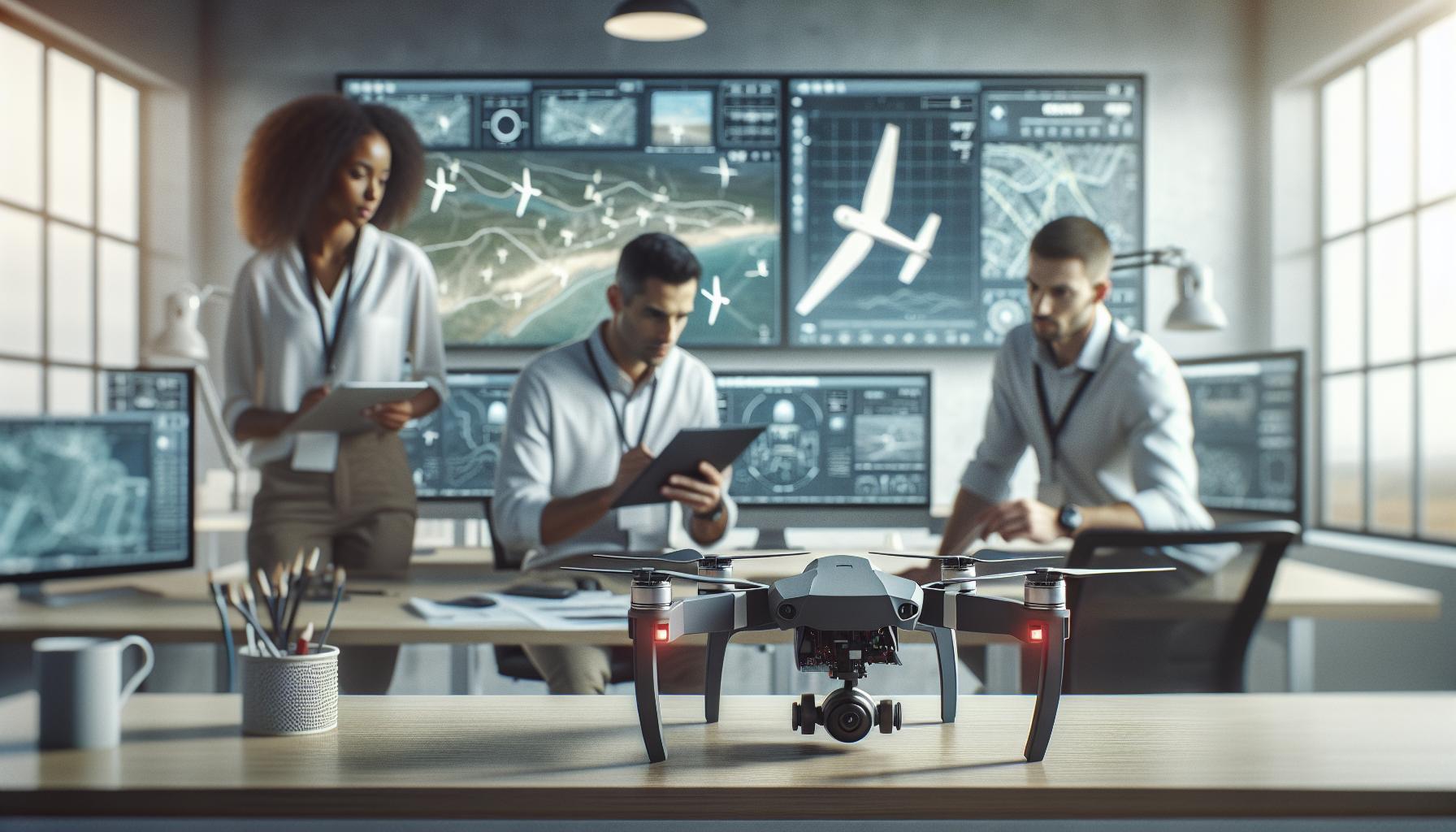
DJI drones incorporate a variety of sophisticated tracking technologies that empower users to maintain awareness of their aircraft’s location and ensure safe operation in varied environments. At the heart of these systems is Global Navigation Satellite System (GNSS) technology, which includes both GPS (Global Positioning System) and GLONASS (Global Navigation Satellite System). Together, these satellite systems enable precise location tracking by triangulating the drone’s position based on signals received from multiple satellites. Real-time data is then transmitted to the operator through the DJI Fly app or similar interfaces, allowing for effective situational awareness.
Advanced Tracking Features
Many DJI models come equipped with advanced features designed to enhance usability and safety. For instance, the “Find My Drone” function allows users to pinpoint the last known location of their drone, making recovery feasible in case of loss. This is particularly beneficial for casual pilots who may not be accustomed to navigating in complex flight environments. Alongside features like geofencing, where the drone is programmed to stay clear of restricted airspace, these technological integrations serve to not only safeguard the aircraft but also to comply with local aerial regulations.
Data and Sensory Integration
Drones are outfitted with an array of onboard sensors, including barometers, magnetometers, and accelerometers, which work in concert with GNSS data to boost navigation accuracy. This multi-sensory integration allows for better altitude control, stability during flight, and robust performance even in challenging weather conditions. Furthermore, features such as obstacle avoidance enhance tracking capabilities, enabling the drone to navigate around physical barriers autonomously, which is particularly useful in urban or heavily wooded areas.
Maintaining user confidence in tracking technology encompasses ongoing aircraft and software updates. DJI regularly rolls out firmware updates that not only enhance performance but also address any emerging privacy or data security concerns. Thus, users are not just assured of their drone’s tracking reliability but also of the safety and integrity of their data-a critical aspect in today’s era of heightened digital privacy awareness.
Privacy Concerns: Are DJI Drones Monitoring You?

The soaring popularity of drones, particularly those manufactured by DJI, has sparked a growing curiosity regarding their data collection practices, especially concerning user privacy. With advanced tracking capabilities built into many of these devices, it’s essential to explore whether this technology leads to monitoring beyond intended operational use. Users often wonder if DJI drones are designed to capture more data than necessary, igniting concerns about surveillance and privacy encroachment.
At the core of these concerns is the nature of data collected during flight operations. DJI drones utilize a range of onboard sensors and GPS technology to provide invaluable tracking features such as real-time location, telemetry data, and flight logs. While this data is critical for operations, users need to be aware of how it is handled post-flight. DJI claims that personal data is anonymized and only retained for system performance and enhancement purposes. Nonetheless, some users express skepticism about how robust these privacy protocols truly are.
To alleviate privacy concerns, it’s advisable for drone operators to familiarize themselves with the privacy settings available in the DJI Fly app or other associated software. Users can manage data sharing preferences by disabling certain features that are not essential for their flying experience. Regularly updating firmware and ensuring that personal data is stored appropriately further helps to mitigate risks. It’s crucial to understand the UAV’s operational scope and choose settings that prioritize privacy while still allowing for safe and efficient drone operation.
In a broader context, regulations surrounding drone usage are continually evolving, reflecting the need for a balance between technological advancement and privacy rights. As drone technology continues to progress, manufacturers like DJI are under increasing scrutiny. Thus, transparent practices and user-centric policies will pave the way for responsible drone operation without compromising personal privacy, ultimately allowing enthusiasts and professionals alike to enjoy the advantages of aerial technology without fear.
Legal Regulations on Drone Tracking

As drone technology evolves, so too does the legal framework surrounding its operation, particularly concerning tracking practices. In the United States, for instance, the Federal Aviation Administration (FAA) regulates drone use through guidelines that emphasize safety, privacy, and operational compliance. The FAA has taken steps to incorporate remote identification for drones, which mirrors the concept of license plates for vehicles. This identification allows authorities to track drones in flight, ensuring operators are held accountable for their actions. Such regulatory measures ensure that drone enthusiasts can enjoy their hobby while respecting public safety and privacy rights.
In addition to federal regulations, many states and local jurisdictions have enacted their own laws governing drone usage. These often address issues such as where drones can be flown, the necessity of maintaining a line of sight with the drone, and specific restrictions around flying near populated areas or critical infrastructures, such as schools and airports. For example, certain states have made it illegal to use drones to gather personal data about individuals without consent, highlighting the ongoing tension between technological capabilities and privacy rights. This patchwork of regulations can complicate matters for drone operators who travel between states, making it essential to stay informed of local laws.
Moreover, international regulations on drone tracking are also taking shape as countries recognize the potential for drone misuse. The European Union’s EASA (European Union Aviation Safety Agency) has proposed regulations that focus on the remote identification of drones, similar to the FAA’s initiatives. This move aims to enhance safety and mitigate privacy concerns across member states. Understanding these regulations is crucial for DJI drone operators, as compliance not only fosters safe operation but also builds public trust in this rapidly expanding technology.
For drone users, it is vital to be proactive in understanding and adhering to legal regulations concerning tracking. Regularly consulting resources such as the FAA website or local aviation authorities can provide clarity on the rules applicable to your area and help ensure that your flying practices remain lawful. By fostering an informed drone community, we can collectively navigate the evolving legal landscape while enjoying the vast benefits of drone technology.
How Accurate is DJI’s Tracking Technology?
The tracking technology embedded in DJI drones brings an unparalleled level of precision and reliability to aerial operations, making them suitable for both recreational and professional use. DJI models, with their advanced GPS and GLONASS systems, can achieve positioning accuracy within a few meters, essential for a range of applications from photography to mapping. Most DJI drones also come equipped with features like Return to Home (RTH), which utilizes the tracking data to autonomously navigate back to the takeoff point, further enhancing operational safety.
When evaluating the accuracy of DJI’s tracking systems, it’s crucial to consider their dual-satellite functionality. By tapping into both GPS and GLONASS signals, these drones receive positioning updates more frequently and reliably, especially in environments where satellite visibility is obstructed. This is particularly advantageous in urban areas or amidst natural obstructions like mountains and trees, where single-satellite systems may struggle. Moreover, DJI uses additional sensors, including vision positioning systems and downward obstacle sensing, to refine hover stability and allow for seamless indoor flying, which is more challenging for traditional drones relying solely on GPS.
However, users must be aware of potential factors that can affect tracking accuracy. Environmental conditions-such as high electromagnetic interference, tall buildings, or dense forests-may lead to inaccurate readings. To ensure optimal performance, drone operators should conduct pre-flight checks, including firmware updates and calibrating their drone’s compass and IMU (Inertial Measurement Unit). Regular maintenance and careful attention to operating conditions will significantly enhance the reliability of tracking technology, ensuring safe and effective drone usage.
In practice, many drone pilots have reported that when flying in open, unobstructed areas, their DJI drones maintain excellent tracking accuracy, often exceeding user expectations. Conversely, pilots flying in complex environments have encountered discrepancies, underscoring the importance of understanding the limitations of drone technology. By anticipating these challenges and adapting flight practices accordingly, operators can make the most of their DJI drones’ tracking capabilities, ensuring successful operations every time.
User Experiences: Tracking Issues and Solutions
User experiences with DJI drones reveal a varied landscape of tracking issues and practical solutions that both novice and seasoned pilots can learn from. One prevalent concern centers around the Return to Home (RTH) feature, which is designed to autonomously bring the drone back to its takeoff point if signal loss occurs or the battery level runs low. Users have reported issues with RTH failing in areas with poor GPS reception, particularly in densely wooded or urban settings. To mitigate this, regular pre-flight checks should include verifying GPS signal strength. Upgrading the drone’s firmware can also enhance the reliability of RTH functions.
Another common tracking issue arises from the inaccuracies in real-time positioning when flying in complex environments. Users have noted that electromagnetic interference from nearby structures can disrupt tracking accuracy. To address this, drone pilots are advised to familiarize themselves with local environments before flight. In areas with potential interference, choosing a higher flying altitude can help maintain a clearer signal. Some pilots have successfully employed a compass calibration procedure before flights in challenging environments to improve their drone’s navigational precision.
Despite these challenges, many users have shared productive experiences where they resolved tracking problems through trial and error. For instance, one operator who frequently flies in urban settings began using external GPS signal boosters, which significantly improved tracking precision and overall flight performance. Additionally, joining online forums can provide valuable insights, where users exchange tips on enhancing GPS accuracy and troubleshooting specific issues.
Finally, maintaining up-to-date knowledge of DJI updates and common user experiences can drastically improve tracking success. Regular engagement with community discussions can expose users to innovative solutions and the latest firmware enhancements that may address their specific tracking challenges. By actively participating in these resources, drone operators can not only ensure their own success but contribute to a community of informed and equipped pilots.
Comparing DJI Drone Models for Tracking Features
When evaluating DJI drones for their tracking capabilities, it’s crucial to recognize that not all models are created equal. Each series offers distinct features that cater to different use cases, from advanced mapping and surveying to casual photography and videography. Understanding these differences can help you choose the right drone for your needs, particularly when it comes to how well each model can maintain its position and navigate complex environments.
DJI Mini Series
The DJI Mini drones, including the Mini 2 and Mini SE, are designed for portability and ease of use, making them ideal for beginners and hobbyists. While they feature basic GPS tracking for stable flight, their tracking capabilities, such as the Return to Home (RTH) function, may not be as robust in challenging environments compared to higher-end models. In urban settings with potential signal interference, users have reported that these models occasionally struggle to maintain a steady connection, which affects their ability to return accurately to their launch point. Regularly updating firmware can improve performance, but for critical tasks requiring consistent tracking, they may not be the best choice.
DJI Mavic Series
Moving up in complexity, the Mavic series-specifically the Mavic Air 2 and Mavic 3-provides enhanced tracking technology, including ActiveTrack 4.0 for automated subject tracking. These models are equipped with advanced sensors that help them maintain a solid GPS signal, even in urban landscapes. Users appreciate how these drones can follow moving subjects seamlessly while avoiding obstacles. The Mavic 3, in particular, offers improved dual-camera systems and extended range, making it a strong option for professionals needing reliable real-time tracking capabilities over large areas or uneven terrain.
DJI Phantom Series
The Phantom series, including the Phantom 4 RTK, excels in high-precision tracking and automation features that are beneficial for mapping and surveying applications. This model’s real-time kinematic (RTK) capability provides centimeter-level accuracy, making it invaluable for tasks where precise data collection is critical. It operates effectively in various environments, thanks in part to its larger size and more powerful sensors, which facilitate improved GPS reception. That said, the Phantom series is bulkier and less portable, which may not suit all users’ needs.
DJI Avata
The DJI Avata introduces a unique perspective to drone flight with its FPV (first-person view) experience. While it offers robust tracking features, its design focuses more on agile maneuverability and immersive flying, rather than high-precision tracking in the same way as the Phantom series. The Avata’s indoor flying capabilities make it ideal for shooting in confined spaces, although its reliance on advanced sensors means that outdoor performance can be less reliable in obstructed areas compared to the Mavic series.
Comparison Table
| Model | Tracking Features | Best Use Case | Portability |
|---|---|---|---|
| DJI Mini 2 | Basic GPS tracking, RTH | Beginners, casual photography | Highly portable |
| DJI Mavic 3 | ActiveTrack 4.0, obstacle avoidance | Professional videography, events | Moderate portability |
| DJI Phantom 4 RTK | RTK, enhanced GPS | Mapping, surveying | Less portable |
| DJI Avata | Aerial FPV, agile tracking | Indoor flying, immersive experiences | Moderate portability |
Understanding the strengths and limitations of each DJI model can significantly influence your decision. For users seeking reliable tracking in diverse environments, the Mavic series represents a well-rounded choice, while those focused on specialized tasks like surveying may find the Phantom series more beneficial. Always consider the environment and your specific requirements before making a purchase to ensure you choose the best drone for your tracking needs.
Steps to Enhance Your Drone’s Privacy Settings
As drone technology continues to advance, it becomes increasingly vital for users to prioritize their privacy while enjoying the benefits of aerial photography and videography. DJI drones are equipped with various functions that can track their location and activities, raising valid concerns about privacy. Thankfully, there are several steps you can take to enhance your drone’s privacy settings, ensuring a safer flying experience and protecting your personal data.
One of the first steps you can take is to regularly check and update your drone’s firmware. Firmware updates often include enhanced security features and privacy settings that can mitigate potential vulnerabilities. To perform updates, connect your drone to the DJI Fly app or the DJI Assistant 2 desktop application, and follow the prompts to download and install the latest version.
Another effective way to safeguard your privacy is by reviewing and customizing the location services settings on your mobile device and within the DJI app. Limiting location access can reduce the amount of data synchronized with DJI’s servers. For further control, you can disable features that you don’t frequently use, such as flight sharing or telemetry data when not needed. This can help ensure that sensitive information, such as where your drone has flown, is not transmitted unnecessarily.
Using a virtual private network (VPN) while connected to your drone’s remote control can add an extra layer of security by masking your IP address and encrypting your online activities. This is particularly valuable if you’re flying in public areas where you may be vulnerable to unwanted tracking. VPN technology can also help shield your location data from unauthorized access.
Additionally, consider engaging with DJI’s privacy recommendations and community forums. DJI often shares valuable insights and best practices on how to manage privacy and security settings effectively. Staying informed about privacy policies and potential concerns raised by other users can guide you in making more informed decisions about your drone operations.
Implementing these steps can significantly improve your control over privacy when operating your DJI drone. Understanding your equipment and taking proactive measures ensure that you enjoy the exhilarating experience of flight without compromising your personal information.
Impacts of Tracking on Drone Flight Safety
The integration of tracking technology in DJI drones brings significant advantages for flight safety, enhancing user experience while operating these sophisticated machines. One of the primary benefits of drone tracking systems is the ability to provide real-time positioning data, which is essential for maintaining situational awareness during flights. By utilizing GPS and onboard sensors, DJI drones can accurately track their trajectory, allowing pilots to assess their location relative to no-fly zones, obstacles, and other air traffic. This information is crucial not only for avoiding accidents but also for ensuring compliance with local regulations.
Enhanced tracking capabilities also contribute to safer return-to-home (RTH) functionalities. Should the connection between the drone and its controller be lost or the battery level drop critically low, the drone can autonomously navigate back to its takeoff point using its last known GPS coordinates. This automated safety feature greatly reduces the risk of losing the drone, particularly in complex environments such as densely populated areas or rugged terrain. Pilots can fly with greater confidence, knowing that the drone has built-in mechanisms to mitigate potential hazards.
However, the reliance on tracking technology also presents challenges that pilots must be aware of. For instance, GPS signal loss due to environmental interference-like flying in canyons or urban settings with tall buildings-can hinder the drone’s ability to accurately determine its location. This scenario may lead to erratic flight behavior or unexpected landings. Pilots should always conduct pre-flight checks, including verifying GPS signal strength and understanding how their specific model behaves under various conditions.
In summary, effective usage of tracking capabilities can significantly enhance flight safety for DJI drone operators. By leveraging technology responsibly, pilots not only maximize the safety of their operations but also minimize risks associated with unforeseen circumstances. Continuous learning about drone functionalities, pilot regulations, and environmental influences will empower users to make informed decisions, ensuring safety remains a paramount consideration during every flight.
Future Trends in Drone Tracking Technology
The future of drone tracking technology is set to evolve dramatically, influenced by advancements in artificial intelligence (AI), machine learning, and improved sensor capabilities. As the demand for drones in various sectors-ranging from agriculture and construction to search and rescue-continues to rise, the need for more sophisticated tracking systems that ensure safety, compliance, and data integrity is paramount.
One of the most promising developments is the integration of AI-powered obstacle detection and avoidance systems. This technology not only enables drones to navigate complex environments with ease but also enhances their tracking capabilities. Drones equipped with advanced vision systems can recognize and adapt to their surroundings in real-time, making them increasingly autonomous. Furthermore, innovations in GPS accuracy, including the use of multi-frequency and multi-constellation GNSS (Global Navigation Satellite Systems), will significantly improve positioning accuracy, even in challenging environments where traditional GPS struggles.
Enhanced User Control and Data Management
The future will likely see improved user interfaces that allow drone operators to better manage their tracking settings and data privacy. For example, real-time dashboards could provide comprehensive insights into a drone’s location history, battery status, and environmental factors that may impact flight. With growing awareness about privacy concerns, manufacturers like DJI are expected to implement more robust data protection measures, ensuring that user data is kept secure and used only for the intended purposes.
Moreover, as regulatory frameworks evolve, we’re likely to see integration between drone tracking systems and local air traffic control infrastructures. This could facilitate real-time data sharing that enhances situational awareness and safety in the airspace, thereby reducing the risk of collisions and unauthorized flights in sensitive areas. Drones could soon communicate with other airspace users, providing crucial tracking data that supports safer operations within crowded environments.
In conclusion, the next few years will witness significant transformation in drone tracking technology, steering towards a future characterized by enhanced safety features and improved user control over operational data. As these advancements unfold, both hobbyists and professional operators will benefit from enriched tracking capabilities, while also having a greater responsibility to operate their drones in compliance with evolving regulations and ethical standards.
Tips for Responsible Drone Operation and Privacy
When flying drones, especially DJI models, being responsible and privacy-conscious is paramount. With the increasing concerns regarding surveillance and data privacy, both hobbyists and professionals must adopt best practices to ensure compliance with regulations and to respect the privacy of others. Understanding the capabilities and limitations of your drone’s tracking technology is essential for maintaining a good operating ethic.
One of the primary steps toward responsible drone operation is familiarizing yourself with local laws and regulations regarding drone use. Many countries or states have specific rules governing where and how drones can be flown, particularly concerning privacy and data collection. Staying informed about these regulations not only avoids legal repercussions but also builds trust and respect within the communities you fly in. Always be conscious of no-fly zones, such as near schools, hospitals, and other sensitive areas, and make use of apps or tools that indicate where you can legally operate.
Privacy Practices
Implementing robust privacy settings is crucial. DJI provides options to manage the data your drone collects. Regularly update your drone’s firmware to enjoy the latest security features and enhancements. Before every flight, check the settings related to GPS tracking and data storage, ensuring that you understand what information is being captured and stored. Be selective about the data you share, and consider disabling features that you do not need, such as automatic uploads of flight logs and photos.
Lastly, maintaining awareness of your surroundings during flights is critical. Drones can inadvertently record individuals or private property, leading to violations of privacy rights. If you find yourself in a situation where people may be affected by your drone operation, such as flying over crowds or private residential areas, consider repositioning your drone to mitigate any potential privacy intrusions. Communicating with locals if you are operating near populated areas can also help in alleviating privacy concerns and fostering a respectful environment for drone usage.
In summary, adhering to a set of responsible operational practices ensures that your use of DJI drones is both safe and respectful. By actively managing privacy settings, staying informed about applicable laws, and maintaining situational awareness, you can enjoy the benefits of drone technology while minimizing privacy concerns for yourself and others.
Q&A
Q: Can DJI drones be tracked by the manufacturer?
A: Yes, DJI drones can be tracked by the manufacturer for various reasons, including hardware and software diagnostics. Users have the option to disable this tracking through privacy settings, but it’s essential to review the implications of doing so.
Q: How does DJI track the location of their drones?
A: DJI uses GPS and other telemetry data to track drone locations. This tracking is crucial for functionality, such as returning home and avoiding obstacles. Users should ensure their GPS functionality is enabled for optimal performance.
Q: Are DJI drones required to share tracking data with authorities?
A: DJI drones may be required to share tracking data with authorities if mandated by local regulations. Users should stay informed about specific laws in their region regarding drone operations and monitoring to ensure compliance.
Q: What measures can I take to enhance the privacy of my DJI drone?
A: To enhance your DJI drone’s privacy, consider disabling location services in the app settings, turning off the Flight Record feature, and avoiding the use of Wi-Fi for connectivity. Regularly check the firmware updates that may affect privacy settings.
Q: Can someone hack into my DJI drone’s tracking system?
A: While hacking into a DJI drone’s tracking system is possible, it generally requires advanced technical knowledge. To reduce risks, keep your firmware updated and use strong passwords on your accounts associated with the drone.
Q: How often does DJI collect flight data from users?
A: DJI collects anonymized flight data periodically to improve products and services, but specific policies may vary. Users can opt-out of data collection in the app settings, ensuring greater control over their personal information.
Q: What features do DJI drones have for user tracking?
A: DJI drones come equipped with built-in GPS for real-time location tracking, geofencing capabilities to prevent flying in restricted areas, and return-to-home features that enhance safety during operation.
Q: Do DJI drones work without internet access?
A: Yes, DJI drones can function without internet access as long as GPS signals are available. However, certain features, such as app-based telemetry and flight logs, may require an internet connection for full functionality.
The Conclusion
Understanding whether DJI drones can be tracked is crucial for both privacy concerns and responsible flying. As we’ve explored, there are options to mitigate tracking, but it’s important to weigh the benefits against the functionalities that tracking offers, such as safety and loss prevention. If you’re still curious about your drone’s capabilities, we encourage you to check out our detailed guides on drone setup and firmware updates to enhance your flying experience.
Don’t miss your chance to stay informed-subscribe to our newsletter for the latest insights on DJI drones, or dive deeper into our articles on drone safety and legal compliance. Whether you’re just starting or looking to refine your skills, we have resources that cater to every level. Join the conversation in the comments below to share your experiences or ask questions. Your next adventure in the skies awaits-let’s explore it together!