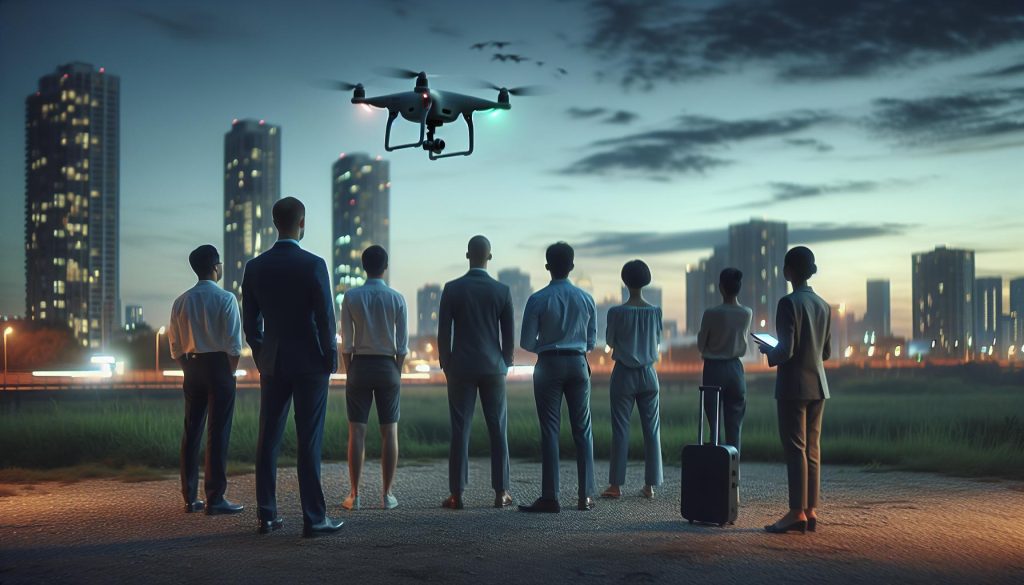
As the popularity of drone photography and videography soars, many enthusiasts and professionals wonder: can DJI drones fly at night? Understanding the legal requirements for nighttime flying is crucial for anyone looking to expand their aerial capabilities. Not only does flying after dark open the door to stunning shots and unique perspectives, but it also navigates a complex web of regulations that vary by region.
For hobbyists eager to capture breathtaking nighttime landscapes or professionals who need to operate in low-light conditions, being informed about the laws and safety practices is essential. This guide will illuminate the path to responsible nighttime flying with your DJI drone, ensuring that you can pursue your creative goals while staying compliant with legal frameworks. Let’s dive into what you need to know about the legal landscape of nighttime drone operations, empowering you to make informed decisions as you take your photography and videography skills to new heights.
Can DJI Drones Fly at Night: Understanding the Legal Landscape
Flying DJI drones at night opens up a captivating world of aerial photography and exploration, but it comes with a set of strict legal requirements that operators must navigate. The Federal Aviation Administration (FAA) provides a framework that dictates when and how drones can be operated after sunset. According to regulations, drone pilots need to ensure they are familiar with the specifics of night flying rules, which often include obtaining a waiver if the drone is not equipped with appropriate lighting or if the pilot is not rated for night operations. This legal backdrop not only promotes the safety of pilots and the public but also helps to prevent accidents that could arise from reduced visibility.
To legally fly a DJI drone at night, it is essential to equip it with anti-collision lights visible from a distance of at least three statute miles. This means that many DJI models, like the Phantom and Mavic series, can be adapted for night operations by ensuring they have the correct lighting installed. Besides this, operators must maintain visual line-of-sight with their aircraft during flight. The FAA’s requirement for visual line-of-sight is critical as it ensures that the pilot can safely navigate obstacles and respond to any emergencies that arise.
Moreover, local laws can further complicate the landscape for night flying. It’s crucial for pilots to consult local regulations regarding drone operations in their area, as some municipalities may impose additional restrictions on flying during nighttime hours. Compliance with these local ordinances is just as important as adhering to FAA standards, and failure to do so can result in fines or other penalties. This legal knowledge, combined with proper equipment, can significantly enhance the night flying experience, paving the way for creative opportunities while ensuring safety and legality in the skies.
The Importance of FAA Regulations for Night Flying
When it comes to night flying with DJI drones, understanding the Federal Aviation Administration (FAA) regulations is crucial. These regulations are designed not only to ensure the safety of drone operators but also to protect the public and other aircraft in the skies. Night flights present unique challenges due to reduced visibility, making compliance with the FAA’s rules more important than ever. Pilots are required to fly with caution and make informed decisions to mitigate potential risks associated with nighttime operations.
Key FAA Regulations for Night Flying
The FAA mandates that any drone flight conducted during nighttime requires the operator to possess a Part 107 Remote Pilot Certificate, along with specific operational knowledge. An essential rule is the requirement for anti-collision lights that are visible for at least three statute miles, which helps increase the drone’s visibility to other airspace users. Without these lights, the FAA mandates that pilots refrain from flying at night, as this could lead to a higher risk of collision.
Maintaining Visual Line-of-Sight
Another critical FAA regulation is the need to maintain visual line-of-sight (VLOS) with the drone. This means that a pilot must be able to see the drone without the use of vision-enhancing devices, such as binoculars or night vision goggles. The VLOS requirement is vital for ensuring that pilots can navigate safely, avoid obstacles, and react to unexpected situations that may arise during a flight. By adhering to these rules, operators can help ensure a safer flying environment for themselves and those around them.
Understanding Waivers for Night Operations
Although the regulations may seem restrictive, they are intended to establish a structured path for safe operations. For those looking to fly without the standard restrictions-such as using drones lacking proper lighting-a waiver is an option. However, obtaining such a waiver requires a demonstration of safety protocols and adherence to specific criteria set forth by the FAA. This pathway reinforces the importance of not just the regulations themselves but the necessity of planning and preparation in advancing drone operations responsibly.
In summary, the rigorous FAA regulations surrounding night flying aren’t just bureaucratic hurdles; they serve a vital purpose in maintaining safety within the airspace. By understanding and following these guidelines, DJI drone operators can enjoy the unique experiences that nighttime flying offers while upholding their responsibilities as pilots.
Understanding Night Flight Restrictions for DJI Drones
Flying a DJI drone at night can unlock new possibilities for stunning aerial photography and videography, but it brings a set of legal restrictions and operational challenges that operators must navigate carefully. Understanding these restrictions is crucial for any drone pilot who wishes to take to the night skies safely and in compliance with the law.
To legally operate a DJI drone at night, pilots must adhere to the FAA’s requirements, which include possessing a valid Part 107 Remote Pilot Certificate. This certification not only reinforces the pilot’s understanding of airspace regulations but also emphasizes the importance of safety during nighttime operations. One prominent stipulation is that the drone must be equipped with anti-collision lighting that is visible for at least three statute miles. These lights enhance the visibility of the drone to other aircraft, reducing the risk of collisions in low-light conditions.
Furthermore, operators must maintain a visual line-of-sight (VLOS) with their drone at all times. This means that the pilot must be able to see the drone clearly without the aid of tools like binoculars or night vision devices. The reduced visibility at night complicates this requirement as it demands heightened situational awareness. Pilots also need to be adept at identifying and managing any potential obstacles, such as trees or buildings, which may be harder to see in darkness. Comprehensive pre-flight planning and familiarization with local airspace are equally essential to ensure compliance with all regulations and to mitigate operational risks during night flights.
In summary, pushing the boundaries of night flying with DJI drones requires more than just the desire to explore the night sky; it necessitates a thorough comprehension of legal requirements and operational best practices. By following FAA regulations and implementing smart operational strategies, pilots can safely enjoy the unique thrill of flying their drones after sunset.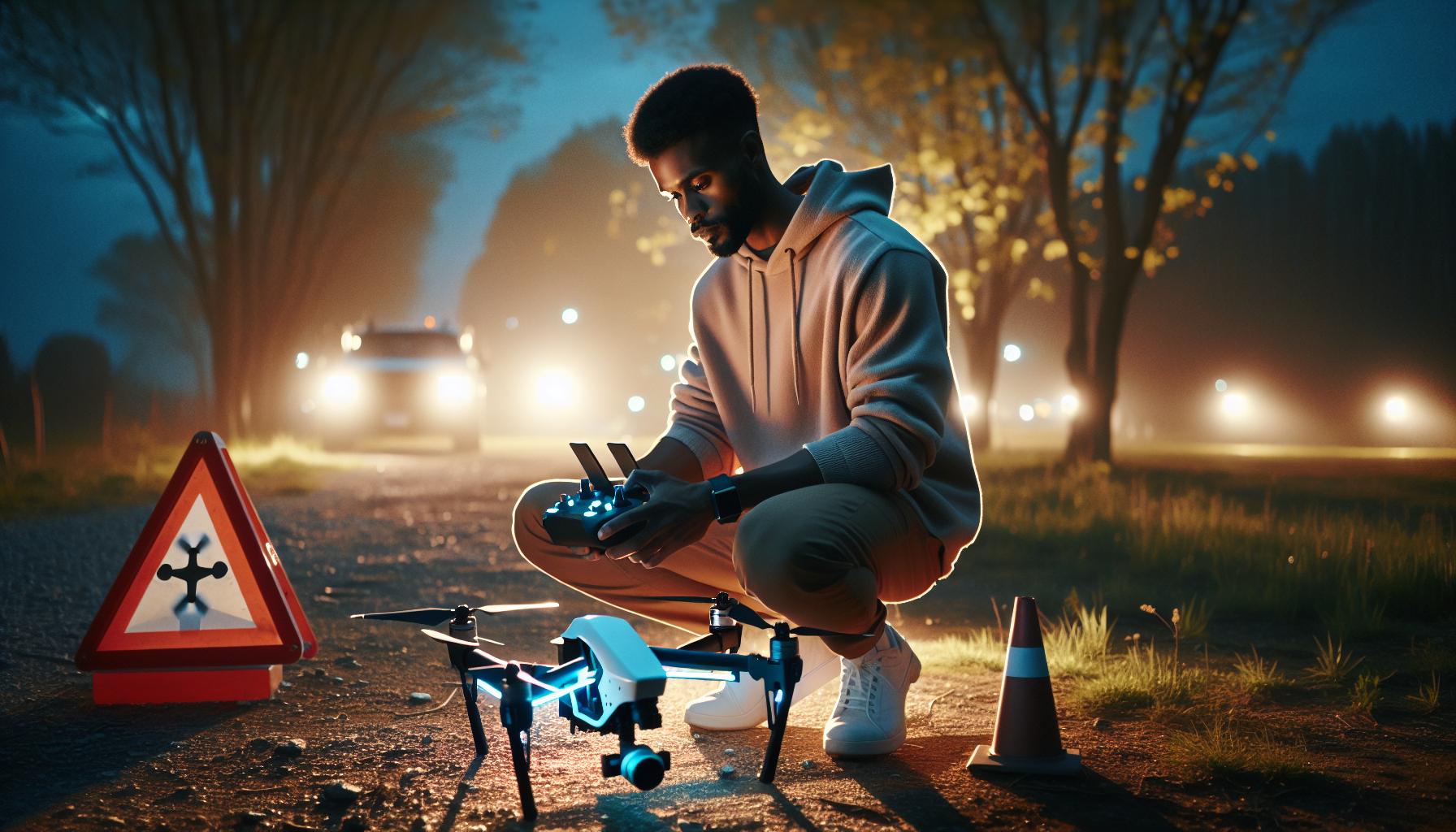
Necessary Safety Precautions for Night Drone Flights
Flying a DJI drone at night offers a unique perspective and stunning visuals, but it requires careful attention to safety precautions. The challenges of decreased visibility and increased difficulty in spotting obstacles demand heightened awareness and preparation. Before launching into the night sky, drone operators should take specific steps to ensure compliance with safety standards and a safe flying experience.
First and foremost, familiarity with your drone is essential. Ensure that all systems, including batteries, GPS, and communication links, are fully operational. Perform a pre-flight check to confirm that your drone is in optimal condition. Consider conducting a test flight during twilight to acclimatize yourself to the drone’s behavior in low-light conditions. Practice the controls until you feel confident navigating in diminishing light.
Equipping your drone with adequate anti-collision lighting is critical. These lights not only make your drone visible to other aircraft but also help you maintain visual line of sight. Ensure the lights are mounted securely and tested before flight. Additionally, employing onboard sensors and obstacle avoidance features is highly recommended, as these tools can significantly mitigate risks associated with flying in darker environments.
Furthermore, it’s prudent to create a detailed flight plan that includes both your intended flight path and nearby non-fly zones. This practice includes being acutely aware of airspace regulations and avoiding populated areas where potential hazards are present. Communication is key; if you’re flying near other pilots or a public event, consider notifying them of your operations to ensure safety in shared airspace.
Lastly, always prepare for unexpected situations. Have a plan for battery life management, and know your return-to-home procedure. Prioritize techniques such as altitude management and maintain a safe distance from obstacles. By taking these precautions, drone pilots can elevate their night flying experience while adhering to safety guidelines and regulatory compliance.
Top DJI Drones Approved for Night Use
When it comes to flying drones at night, not all models are created equal. Certain DJI drones are particularly well-suited for nighttime operations due to their advanced features, built-in safety technologies, and compliance with legal requirements for night flying. These capabilities not only enhance the pilot’s experience but also ensure adherence to aviation regulations, allowing enthusiasts and professionals to capture breathtaking aerial footage under the stars without compromising safety.
Among the most commendable options for nocturnal flights are the DJI Mavic 3 and the DJI Air 2S. These models come equipped with high-quality imaging sensors that perform exceptionally well in low-light conditions, providing clear and vibrant visuals even when natural light is limited. The Mavic 3, with its dual camera system, including a 4/3 CMOS sensor, ensures superior performance in nighttime photography and videography, making it ideal for capturing dynamic shots in various lighting scenarios.
Another notable mention is the DJI Phantom 4 RTK, renowned for its stability and reliable GPS capabilities. This drone’s robust design and advanced obstacle avoidance system are especially useful for ensuring safe navigation during night flights, minimizing the risk of collisions with unseen objects. When planning a night operation, it’s also crucial to equip your drone with external anti-collision lights. These lights enhance visibility, making it easier for other air traffic and the pilot to maintain a clear line of sight, which is a legal requirement in many jurisdictions.
For drone pilots considering nighttime operations, verifying that the drone has the necessary certifications for night flying is essential. Familiarizing oneself with regional regulations, such as those set forth by the FAA for operating at night, alongside the capabilities of drones like the Mavic 3 and Air 2S, will enhance both safety and the quality of the aerial footage captured under the night sky.
The Role of Anti-Collision Lighting in Night Operations
When flying drones at night, visibility becomes paramount-not just for the operator, but also for other air traffic. Anti-collision lighting systems play a crucial role in maintaining aerial safety during nocturnal operations. These systems are designed to increase the drone’s visibility, making it easier for other pilots, both manned and unmanned, to spot the drone from a distance. In many jurisdictions, including the United States under FAA regulations, equipping your drone with appropriate anti-collision lights is not just recommended but often required.
Understanding Anti-Collision Lighting
The primary purpose of anti-collision lights is to prevent collisions by ensuring that your drone is visible under low-light conditions. These lights typically come in various colors and intensities, allowing pilots to choose an appropriate configuration based on their operational needs. Bright red or green lights are commonly used as they are easily recognizable and can be seen from several kilometers away. Moreover, some advanced systems offer flashing patterns that can further enhance visibility against night skies.
When preparing your drone for night flights, consider the following factors regarding anti-collision lighting:
- Compliance: Ensure that the lighting system meets local regulations. For instance, the FAA mandates that drones are visible for a minimum of three statute miles at night.
- Setup: Properly install and configure the lights so they are unobstructed and provide a 360-degree view.
- Battery Life: Select lights with sufficient battery life to cover your entire flight duration, considering that night operations may involve prolonged usage.
Choosing the Right Anti-Collision Lights
Different models of DJI drones may have specific recommendations regarding compatible anti-collision lighting systems. It’s essential to choose lights that can be easily mounted without affecting the drone’s aerodynamics or weight balance. Some popular options include LED strips, strobe lights, and dedicated drone lighting systems designed specifically for aerial use.
Investing in quality lights not only improves visibility but also enhances the overall night flying experience by providing peace of mind. Additionally, incorporating these safety measures not only aligns with safety best practices but also reinforces the importance of responsible drone operation in any setting. By prioritizing visibility through effective anti-collision lighting, drone pilots can navigate the exciting challenges of night flying with confidence and safety.
How to Prepare Your DJI Drone for Night Flights
Preparing your DJI drone for night flights involves several crucial steps to ensure compliance with legal regulations while enhancing safety during your operations. One of the first things to consider is the addition of anti-collision lights, which are not just a suggestion but a requirement under FAA regulations for night flying. These lights help ensure visibility from at least three statute miles, significantly reducing the risk of accidents.
Key Preparations for Night Flights
Before taking off, you should conduct a thorough pre-flight check. This includes inspecting the drone’s batteries; flying at night often demands longer battery life due to potentially extended flight times and visibility concerns. Ensure your batteries are fully charged and that you have spares if necessary. Additionally, confirm that the firmware and software are updated to the latest versions, as DJI frequently releases updates that can enhance flight performance and safety.
Another critical aspect is adjusting your flight settings. Familiarize yourself with your drone’s camera settings in low-light conditions to optimize image quality without sacrificing flight stability. For DJI models with advanced night vision capabilities, such as the Mavic Air 2, explore features like HDR video to enhance visibility and detail in your shots.
Testing Settings and Equipment
Perform a test flight in a controlled environment during twilight to get a feel for how your drone handles in low-light conditions. This practice will allow you to adjust any necessary settings, ensuring that your visuals remain sharp and your flying experience smooth. During this test, pay particular attention to your anti-collision lighting; check the intensity and pattern to make sure they are effective.
Finally, familiarize yourself with your local regulations regarding night flying. Specific areas may have further restrictions, and knowing this information will prevent potential legal issues and ensure responsible operation. Keeping these preparations in mind will help create a safer and more enjoyable flying experience when taking your DJI drone into the night sky.
Navigating Local Laws and Ordinances for Night Flying
Understanding the legal landscape for flying DJI drones at night is crucial for both enthusiasts and professionals. Laws can differ significantly between states and municipalities, making it essential to do thorough research before taking your drone into the evening skies. Local regulations may impose stricter requirements than federal ones laid out by the FAA, which mandates specific lighting and operational restrictions for night flying.
Before launching your drone at night, it’s vital to check for any local ordinances that may restrict or prohibit night operations. Some communities might have regulations against flying over residential areas, near schools, or within certain distances of critical infrastructure. These laws are often influenced by safety concerns, noise ordinances, or privacy issues. Familiarizing yourself with these restrictions can help you avoid fines or additional scrutiny from law enforcement.
Additionally, it’s wise to connect with local drone organizations or forums where you can gather insights from fellow drone pilots about any challenges they face regarding local regulations. Such networking not only provides firsthand experiences but can also guide you in understanding what permits, if any, are needed for night flights in your area. Many drone pilots have found success in advocacy, working to educate local authorities about the benefits of drone technology, which can lead to more favorable regulations.
Always remember, compliance is not just about avoiding penalties-it’s about fostering a culture of responsible flying within your community. Engaging with locals, understanding their concerns, and adhering to current laws are vital for ensuring that drone operations are seen as a positive addition, not a nuisance. By navigating these local laws effectively, you can enjoy the thrill of night flying while contributing to the safe and responsible use of drone technology.
Tips for Safe and Effective Night Operations
Flying DJI drones at night opens up a new realm of creativity and exploration, but it also requires careful planning and adherence to safety practices. As the sun sets, visibility diminishes, making it crucial for pilots to prepare adequately to prevent accidents and comply with regulatory requirements. Here are some essential tips to enhance safety and effectiveness during night operations.
Firstly, ensure your drone is equipped with proper lighting. FAA regulations state that drones must be visible from a distance of three statute miles when flying at night. Install anti-collision lights or any other illumination that meets regulatory standards. These lights not only help you keep track of your drone but also make it visible to other pilots and people on the ground. Moreover, using different colored lights can aid in determining the orientation of your drone during flight.
Next, get familiar with your drone’s controls and features before taking off at night. This is where a solid understanding of your DJI drone’s capabilities and controls shines through. Be sure to practice flying in daylight conditions first, so you can learn how to interpret the drone’s camera feed, respond to control inputs, and manage any emergency situations without the added challenge of darkness. Familiar features, such as GPS positioning and return-to-home functions, can prove invaluable during night flights, where spatial awareness may be limited.
Plan your flight path carefully. Utilize apps and tools that help in pre-flight planning, such as airspace maps that indicate restricted zones where flying might be prohibited. Ensure your flight area is free of obstacles and hazards, and try to avoid densely populated places at night where potential disturbances could cause issues. Use pre-programmed flight paths if available; many DJI drones come with intelligent flight modes that can simplify your operation.
Lastly, conduct thorough post-flight checks and maintenance. Night flying can stress your equipment differently than daytime operation. After each flight, examine your drone for any signs of wear or damage, particularly on the propellers and light systems. Regular maintenance intervals can also prevent malfunctions during your next night operation.
By implementing these tips, drone operators can enjoy the beauty and excitement of night flights while ensuring safety and compliance with regulations. Always prioritize awareness, preparation, and responsible piloting practices to make night flying a rewarding experience.
Common Challenges When Flying Drones at Night
Flying drones at night can be exhilarating, offering unique perspectives and stunning visuals under a starry sky. However, this also presents specific challenges that pilots must navigate to ensure safe and compliant operations. One of the primary difficulties is reduced visibility. Even with adequate lighting, distinguishing between the drone and its surroundings can be tricky, making it harder to identify potential obstacles. This limitation can lead to disorientation, especially for those inexperienced with night flying.
Another significant challenge involves the enhanced risk of operator fatigue and increased stress levels at night. Pilots are naturally inclined to perform fewer flight maneuvers and exercises during these hours, which can lead to a lack of familiarity with the drone’s behavior in low-light conditions. It’s crucial to stay alert and focused, as fatigue can lead to lapses in spatial awareness, potentially compromising safety.
Additionally, not all DJI drones are suited for night operations. While models equipped with advanced features such as obstacle avoidance and GPS tracking can enhance night flights, others may not perform well in low-light conditions. Knowing your drone’s limitations is essential to avoid unexpected challenges, particularly if it lacks the necessary lights or camera capabilities for night flying.
Finally, regulatory compliance adds another layer of complexity. The FAA mandates specific lighting and visibility requirements for nighttime operations, and these regulations must be fully understood and adhered to. Violating these rules can result in fines and loss of flight privileges, emphasizing the importance of staying informed about both local and federal drone laws. Adopting a cautious, prepared approach will not only make for a more enjoyable flight experience but also help ensure that you remain compliant and safe while soaring through the night sky.
Expert Insights: Night Flight Experiences with DJI Drones
Flying a drone at night opens up a realm of possibilities, turning the sky into a canvas for creativity and exploration. Experienced pilots often recount how nighttime flights can provide unique opportunities for captivating aerial footage that showcases a landscape in a completely different light-literally. However, successful night operations hinge on understanding both the technological and regulatory frameworks that govern them.
To enhance nighttime flying, using DJI drones equipped with advanced features, such as the Mavic series or the Phantom 4, significantly contributes to a safer experience. For instance, these models often include high-intensity LED lights which not only enhance visibility but also help in detecting obstacles in low-light conditions. Pilots recommend ensuring that your drone’s firmware is up-to-date before night flights; manufacturers frequently release updates that improve performance and safety features, specifically for low-light scenarios.
It’s crucial to adapt your flight techniques when operating at night. Many seasoned pilots emphasize the importance of practicing in a controlled environment during twilight hours to familiarize themselves with the drone’s behavior and controls in limited visibility. This is particularly vital since many pilots report that their perception of distances can change significantly in the absence of natural light. Preparing for night flights also involves planning your routes carefully, using visual aids like lighted markers, and remaining within visual line-of-sight (VLOS) as mandated by FAA regulations.
Lastly, many operators suggest carrying additional lighting equipment, such as anti-collision lights or strobes, which are essential for compliance and safety. These tools can not only aid visibility for the operator but also alert other airspace users to your presence. Sharing experiences among pilot communities, especially on platforms dedicated to DJI enthusiasts, further enriches the learning curve-revealing insights that can help new pilots feel at ease while expanding their skill set for night operations. As technology progresses and regulations adapt, the future of night flying with DJI drones appears promising, encouraging creative exploration under the stars while prioritizing safety and compliance.
Future Trends in Drone Night Operations and Legal Changes
As the popularity of nocturnal drone flights continues to rise, so does the evolving regulatory landscape designed to ensure safety and compliance in the skies. The next few years are poised to witness significant changes in how night drone operations are regulated, driven by advancements in technology and increased demand for commercial and recreational nighttime usage. Ultimately, striking a balance between enhancing operational freedoms and maintaining safety protocols will be crucial for all stakeholders involved.
Innovative technology is paving the way for more sophisticated night flying capabilities. With the integration of enhanced vision systems, such as thermal imaging and low-light cameras, operators can navigate and capture high-quality footage with greater ease and accuracy even in dim lighting. DJI, for instance, continues to lead the charge by implementing features that enhance safety, such as real-time data sharing and automated obstacle detection, which could redefine night flying standards. As these capabilities become more prominent, regulatory bodies are likely to adjust guidelines to accommodate new operational frameworks, potentially leading to simpler certification processes for night flight approvals.
Considerations for legal requirements will also be shaped by feedback from the drone community and stakeholder engagement. As pilots become more adept at night operations, they will advocate for regulations that reflect the realities of modern drone technology. For instance, initiatives could arise that further define acceptable use cases for night flying, streamline permit processes, and clarify local laws that impact flight hours and equipment use. Operators should be proactive in staying informed about these changes; participation in local drone clubs or forums can provide critical insights regarding upcoming regulations and their implications for night flying.
Regulatory bodies will likely take a proactive stance in promoting safety through education and awareness campaigns. This might include mandatory training sessions specifically focused on nighttime operations or the imposition of stricter penalties for non-compliance to ensure adherence to safety measures. By fostering a culture of safety and compliance, authorities can help prevent accidents and enhance public perception of drone usage in urban and rural settings alike.
In summary, as DJI and other manufacturers push the boundaries of what’s possible with night flying technology, it’s likely that legal frameworks will evolve too. Operators who embrace these advancements while staying informed about regulatory changes will be better equipped to navigate the complexities of flying their drones after dark, ensuring that they can fully engage in the creative exploration that night operations offer.
FAQ
Q: Can DJI drones legally fly at night?
A: Yes, DJI drones can legally fly at night if they comply with FAA regulations and local laws. Pilots must have the appropriate lighting and obtain necessary waivers for night flying, ensuring safety and visibility during operations.
Q: What FAA requirements must be met for night flying with DJI drones?
A: To fly DJI drones at night, pilots must follow FAA Part 107 regulations, which typically require anti-collision lighting and an approved waiver for night operations. It’s essential to maintain visual line-of-sight and operate safely in low-light conditions.
Q: Are there specific DJI drones approved for night flying?
A: Yes, models like the DJI Mavic 2 and Phantom 4 Pro are often approved for night flights when equipped with proper lighting. Always verify compliance with local regulations and ensure the drone is capable of safe night operation.
Q: What safety precautions should I take when flying DJI drones at night?
A: Ensure your DJI drone is equipped with anti-collision lights, conduct thorough pre-flight checks, and maintain visual line-of-sight. Familiarize yourself with the flight area and potential obstacles to enhance safety during night operations.
Q: How do local laws affect night flying with DJI drones?
A: Local laws may impose additional restrictions on night flying, such as designated flight zones or curfews. Always check with local authorities for regulations specific to your area to ensure compliance and safety.
Q: What challenges do pilots face when flying DJI drones at night?
A: Night flying poses challenges such as reduced visibility, potential obstacles, and difficulty in maintaining orientation. Pilots should practice night flights and use proper lighting to mitigate these risks effectively.
Q: Why is anti-collision lighting important for night drone operations?
A: Anti-collision lighting is crucial for night drone operations as it enhances visibility for both the operator and others in the vicinity. It helps prevent accidents and keeps the flight compliant with FAA regulations.
Q: What should I prepare before flying my DJI drone at night?
A: Before flying at night, ensure your DJI drone has functional anti-collision lights, check battery levels, and plan your flight path. Conduct test flights during daylight to familiarize yourself with the area and potential hazards.
In Retrospect
As you dive into the exciting capabilities of DJI drones flying at night, remember that understanding the legal requirements is crucial for a smooth and enjoyable experience. With proper preparation and knowledge, you can unlock the full potential of your drone adventures after sunset. Don’t miss out on exploring more about drone safety regulations and advanced operational tips in our guides on legal compliance for drone pilots and 10 essential drone tips that elevate your flying skills.
Ready to take your drone experience to the next level? Subscribe to our newsletter for updates on the latest drone technology, assistance with setup, and expert advice tailored just for you. If you have any lingering questions or experiences to share, drop a comment below-your insights could help fellow drone enthusiasts. Keep exploring the skies safely, and seize every opportunity to enhance your skills while enjoying the breathtaking possibilities of night flights!