Traveling with a DJI drone can transform your adventures, capturing stunning aerial views and memories from above. However, understanding the regulations for bringing your drone on a plane is crucial to ensure a hassle-free journey. Airlines and countries often have specific rules regarding drone transport, which can lead to confusion for both novice and seasoned drone enthusiasts. As you prepare for your next trip, knowing the do’s and don’ts of traveling with your drone will help you comply with regulations and protect your equipment. Read on to discover essential tips and guidelines that will empower you to travel confidently with your DJI drone, keeping your creative pursuits alive wherever you go.
Can I Bring a DJI Drone on a Plane? Airline Regulations Explained
Traveling with a DJI drone can be an exhilarating experience, but it’s crucial to navigate the complex web of airline regulations to avoid any unfortunate surprises at the airport. Each airline may have distinct policies regarding the transportation of drones, largely due to concerns over battery sizes and the overall weight of the equipment. Generally, most airlines permit passengers to carry drones on board, provided they meet certain size and weight restrictions. For instance, most DJI drones fall within the allowable limits, but it is always wise to check specific airline guidelines prior to your departure.
When preparing to bring your DJI drone on a plane, consider that lithium batteries-which power most drones-are subject to stringent regulations. The Federal Aviation Administration (FAA) advises that lithium batteries should not exceed 100 watt-hours and should ideally be carried in your carry-on luggage rather than checked baggage. It’s advisable to carry your drone batteries in a protective case to prevent short-circuiting, and be vigilant about any required documentation that may specify battery wattage.
Before your flight, familiarize yourself with the Transportation Security Administration (TSA) security screening process. Drones will typically require inspection at security checkpoints, so keep your drone and accessories easily accessible for screening. It can be beneficial to label your drone and equipment as fragile to ensure gentle handling by security personnel. Additionally, always have your drone’s manual and any necessary registration documents handy, as some airline personnel may request proof of ownership or compliance with local laws.
To enhance your travel experience, research airline-specific policies regarding the transportation of drones to avoid any confrontation at check-in. For instance, some airlines may restrict the maximum number of batteries per passenger or have specific packing requirements. Notably, international flights involve additional regulations and may require you to adhere to the drone laws of your destination country. Being well-informed and prepared is not only beneficial for seamless travel but also essential for ensuring your drone adventures are enjoyable and stress-free.
Understanding Drone Size and Weight Limits
Traveling with your DJI drone can easily become a logistical challenge if you’re not familiar with the size and weight limits set by airlines. Both commercial and private airlines have specific regulations in place, often derived from safety concerns and aircraft design limitations. Understanding these constraints is crucial for ensuring that your drone can travel with you without incident.
Most commercial airlines will allow drones on board, but they typically impose stringent regulations regarding size and weight. Commonly, the combined weight of the drone and its accessories should not exceed 22 pounds (10 kg) if you’re traveling domestically. However, international flights might have different restrictions. It’s always recommended to check your airline’s specific guidelines prior to packing. DJI drones, such as the Mavic Mini or Air series, are usually compliant with these limits, but larger models like the Mavic 3 may push the envelope.
When packing your drone, consider the dimensions. Ensure that the drone fits within the airline’s carry-on dimensions, which generally caps at 22 x 14 x 9 inches (56 x 36 x 23 cm). Securing your drone in a dedicated case that is lightweight and compact can facilitate easier transport and protect your investment. It’s also wise to keep your payload-like camera equipment-within the allowed limits to avoid additional scrutiny at security checkpoints.
Lastly, while many airlines permit drones, compliance with their carry-on allowance is ultimately the traveler’s responsibility. For hassle-free travel, check any baggage fees related to weight, overall dimensions, and additional accessories, as exceeding these limits can lead to last-minute challenges at the airport. Preparation is key to ensuring your drone travels safely and smoothly alongside you.
Packing Your DJI Drone for Air Travel
Traveling with your DJI drone not only opens up exciting opportunities for aerial photography and videography but also requires careful preparation to ensure a seamless experience at the airport. When packing your drone for air travel, consider investing in a high-quality, protective case designed specifically for drones. These cases come with customizable foam interiors to snugly fit your drone model, such as the Mavic Air or Mini series, ensuring that all delicate components, including props and cameras, remain secure during transit.
Important Packing Tips:
- Remove Batteries: Always detach batteries and pack them separately in your carry-on luggage. LiPo batteries pose fire risks and typically have specific restrictions regarding watt-hours.
- Create a Packing Checklist: Before you pack, list essential items like your drone, controller, batteries, chargers, and accessories. This ensures nothing is overlooked and helps with reassembling when you’re ready to fly.
- Consider Weight Distribution: Ensure that the weight of your packed drone and accessories adheres to airline regulations. Distributing weight evenly in your case can also help mitigate damage during handling.
Additionally, familiarize yourself with the specific dimensions of your drone case to ensure compliance with your airline’s carry-on allowances. Most airlines cap carry-on luggage dimensions at around 22 x 14 x 9 inches (56 x 36 x 23 cm). Opting for a compact yet robust case can make it easier to maneuver through crowded airports while protecting your investment.
Lastly, label your case with your contact information and consider using a bright or distinctive case to make it easily recognizable on baggage claim. By taking these steps, you can mitigate risks and enhance the likelihood of a smooth travel experience with your DJI drone.
Security Screening: What to Expect with Your Drone
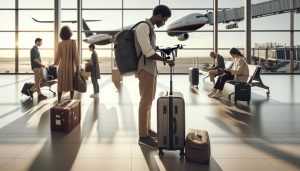
Navigating security screening with your DJI drone can be a challenge, but understanding the process can help you feel more confident and prepared. As you approach the TSA security checkpoint, expect to remove your drone and its accessories from your carry-on bag. In many cases, you’ll be required to place them in separate bins for scanning, much like you would with laptops or larger electronics.
What to Expect During Security Screening
Upon reaching the conveyor belt, TSA agents will closely examine your drone, batteries, and controllers, so it’s best to ensure everything is organized and easily accessible. Keep in mind that airport security personnel are trained to spot potential hazards, and your drone’s lithium polymer (LiPo) batteries can often raise questions. Be prepared to explain what these batteries power, as they are subject to specific regulations due to their fire risk. Familiarizing yourself with the watt-hour ratings of your batteries can help clarify compliance; typically, batteries under 100 watt-hours do not face restrictions for air travel, but understanding the specifics of your airline’s policy is key.
Tips for Smooth Security Processing
Here are some practical strategies to expedite the security screening process:
- Keep Documentation Handy: It’s a good idea to print out and carry any relevant documentation regarding drone and battery specifications, especially if there are any special requirements.
- Minimize Components: If possible, bring only essential attachments such as propellers and chargers. This minimizes the volume of items that require screening and simplifies the process.
- Be Patient and Cooperative: TSA agents must adhere to strict protocols, so if they ask questions or request additional screenings, remain patient and helpful to facilitate a smooth process.
By preparing adequately for security screening, you can enhance your travel experience with your DJI drone, allowing you to focus more on the adventure ahead rather than the potential hassles at the airport. Being proactive in understanding and accommodating airport protocols ensures a quicker and more enjoyable security experience.
Airline-Specific Policies for DJI Drones
When planning to travel with your DJI drone, understanding the specific policies of airlines is crucial, as their regulations can vary widely. Most airlines permit the transport of drones, but they often impose restrictions based on the size, weight, battery capacity, and even the type of drone. For instance, certain budget carriers may not allow larger drones as carry-on items, while others might permit them if they fit within the specified cabin luggage dimensions.
Before you embark on your journey, check the airline’s website for their specific guidelines regarding drone transport. A key detail to confirm is the allowed number of lithium batteries in your carry-on luggage. Airlines may restrict you to a maximum of two batteries over a certain watt-hour rating. For example, most airlines adhere to the IATA guidelines which allow batteries under 100 watt-hours without restriction, whereas those over 160 watt-hours are generally prohibited in both checked and carry-on baggage.
Common Airline Policies
Here’s a quick overview of typical airline policies related to drones:
- Carry-On vs. Checked Baggage: Many airlines mandate that drones are carried on rather than checked due to fire hazards associated with lithium batteries.
- Battery Restrictions: Most airlines adhere to the two-battery rule for batteries over 100 watt-hours, with varying limits on the total number based on airline-specific policies.
- Drone Size Limits: If your drone exceeds standard carry-on dimensions, it may need to be transported as checked luggage, which might not be possible for all drone models.
International Flight Considerations
When flying internationally, factors such as customs regulations and destination country laws also come into play. Some countries have stringent regulations on drone imports, demanding prior approval or registration. Therefore, it’s also wise to research the local drone laws of your destination. Additionally, language barriers can complicate compliance; carrying printed documentation of your drone’s specifications and your travel permission might ease interactions with local authorities.
Being aware of and prepared for airline-specific policies regarding your DJI drone can smooth your travel experience. Compliance with these protocols not only saves you from potential stress at the airport but also helps protect your valuable equipment during transit. Always double-check with your airline before traveling to stay ahead of any unexpected policy changes.
International Travel Rules for Flying with Drones
Traveling internationally with a DJI drone requires thorough preparation and knowledge of regulations that vary by country. Each destination may have its own set of rules governing drone usage, including import restrictions, registration requirements, and specific airspace regulations. For instance, countries like Japan and Spain require tourists to register their drones before flying, while others, such as the UK, have specific drone zones where flying is permitted.
Before embarking on your journey, research the local laws of your destination regarding drone operation. This includes understanding any required permits for flying your drone, restrictions on where you can fly, and what safety measures you need to put in place. Carrying printed copies of your drone’s specifications and any relevant permits can also be beneficial in case you encounter questions from local authorities. In some cases, providing evidence of compliance, such as insurance documentation or training certificates, can smooth potential interactions.
Customs and Import Rules
Be mindful of customs regulations when bringing your drone into another country. Some nations impose limits on the number of drones or the total weight of the equipment that can be brought in duty-free. Additionally, declaring your drone at customs is sometimes necessary, especially in countries with strict import laws. It’s advisable to check if your drone falls under restrictions for personal or commercial use.
When traveling, always have your drone well-packed. Carrying it in a hard case can minimize wear and tear, and battery safety regulations could restrict how many batteries you can bring. For instance, most international guidelines allow operations with batteries under 100 watt-hours, but you’ll need to ensure compliance with the specific watt-hour limits set by your airline and destination country. Knowing the rules around lithium batteries is crucial, as failing to comply can lead to significant penalties or even confiscation of your equipment.
In summary, while traveling internationally with a DJI drone can be a rewarding experience, it requires careful planning and adherence to various regulations. Being well-informed will not only enhance your travel experience but also ensure that you can capture stunning visuals without unnecessary interruption.
Batteries and Drone Transportation Safety Guidelines
When it comes to air travel, understanding how to safely transport your drone’s batteries is crucial. Lithium batteries, which power most DJI drones, pose unique challenges due to regulatory restrictions and safety concerns. The first step is ensuring you know your battery’s watt-hour (Wh) rating. Airlines and international guidelines generally permit batteries under 100Wh in carry-on luggage, which is suitable for most drones, including the DJI Mini 4 Pro and other models. If your battery exceeds this limit, special permissions or transport methods may be required.
Battery Transportation Guidelines
When packing your drone for air travel, follow these essential tips to ensure safe transportation of your batteries:
- Carry-On Only: Always carry your lithium batteries in your hand luggage rather than checked baggage. This practice minimizes the risk of damage from pressure changes and ensures you can manage any emergencies, such as overheating.
- Use Proper Packaging: Invest in a fireproof battery bag or case when traveling. These specialized bags contain potential fires and keep the batteries secure during transit.
- Terminal Protection: Cover terminals with tape or use battery terminal caps to prevent accidental short-circuiting. Many airlines require this step for compliance.
- Limit Quantity: Check airline policies on the number of batteries allowed. While most will permit multiple batteries under the 100Wh threshold, some airlines stipulate unique limits on the total number you can carry.
- Check for Damage: Before you travel, inspect your batteries for any signs of damage, swelling, or leakage. If you find any issues, it’s best to leave the battery behind to prevent any safety hazards.
Understanding Airline Regulations
Each airline may have specific policies regarding the transportation of drone batteries. Some generic guidelines include:
- Battery Size Limits: Typically, single batteries rated between 100Wh and 300Wh are allowed with a limit of two per passenger.
- Documentation Requirements: Certain airlines may require documentation proving the watt-hour ratings of your batteries. Carry this information in printed form to avoid delays during security checks.
It’s vital to review the requirements and regulations of both your airline and any countries you may be traveling to. By following these guidelines and being well-prepared, you can minimize complications and risks associated with transporting drone batteries, allowing you to focus on capturing stunning aerial footage at your destination.
Drone Insurance: Do You Need It for Travel?
Traveling with your DJI drone can be an exhilarating experience, but it also comes with its set of risks. This is where drone insurance becomes a crucial consideration. While many hobbyists tend to overlook this aspect, having the right coverage can save you from significant financial setbacks, especially during air travel where the potential for accidents or loss is increased. From damage during transit to liability for accidents while flying, insurance can provide peace of mind and protection against the unexpected.
In general, drone insurance can be categorized into two main types: liability insurance and hull insurance. Liability insurance protects you against claims if your drone causes injury or property damage to another person. On the other hand, hull insurance covers the physical drone itself, including damage from crashes or theft. For travelers, ensuring you have at least liability coverage is essential, especially since different countries can have varying legal requirements regarding drone operation and liability.
It’s wise to get familiar with the specific policies associated with your insurance provider before you travel. Some companies offer specialized drone insurance that covers you for international flights or specific events like drone races or exhibitions. Make sure you read the fine print, particularly regarding exclusions or limitations that may apply to travel. For instance, some insurers may not cover damage incurred while the drone is being transported.
If you opt for insurance, keep all your documentation handy when traveling. This includes your insurance policy and any relevant contact information, which can be crucial in case of an incident. By proactively considering insurance, you not only safeguard your investment but also alleviate stress, allowing you to focus on capturing stunning aerial shots from new heights.
Essential Tips for Smooth Drone Travel Experience
Traveling with a DJI drone opens up a world of possibilities for capturing breathtaking aerial footage, but ensuring a smooth experience requires careful planning and attention to detail. The excitement of flying in new locations can quickly become stressful if you’re unprepared for the logistics involved in air travel with your equipment. Here are some essential tips to ensure your drone journey is as seamless as possible.
First and foremost, always check the airline’s specific regulations regarding drone transport. Most airlines have unique policies concerning the size limits, weight restrictions, and whether the drone can be carried in the cabin or must be checked as luggage. Packing your drone in a sturdy, well-padded case is crucial to protect it from bumps and drops during transit. Consider carrying your drone and all accessories in a dedicated backpack designed for drone transport; this not only keeps your gear safe but also helps you stay organized.
Documentation and Compliance
Having the right documentation can save you headaches at security checkpoints. Carry a copy of your drone’s registration paperwork-if applicable-along with any necessary permits required for your destination. Familiarize yourself with the local drone laws of the area you plan to visit, as regulations can vary significantly from country to country. This helps you avoid fines and ensures a lawful flying experience.
Additionally, be prepared for security screening. When going through security, be ready to remove your drone from its case and place it on the conveyor belt separately. Having a clear, organized bag will make this process smoother. Chains of backpacks and cases can draw suspicion and lead to longer inspection times. Keeping a polite demeanor and being patient can also ease your way through security.
Battery Safety
Batteries are often the most scrutinized aspect of drone transportation. Ensure your lithium polymer (LiPo) batteries comply with airline regulations-typically, batteries must be stored in a protective case and kept under certain watt-hour limits. Consider investing in a LiPo battery bag, which not only protects the batteries but can also add an extra layer of safety during your travels. Remember to charge your batteries before your trip but avoid carrying a fully charged battery that exceeds the recommended percentage.
By following these guidelines, your DJI drone travel experience can be both enjoyable and efficient. Prepare thoroughly, respect airline and destination regulations, and you’ll be ready to take to the skies and capture stunning footage without the stress of logistical hiccups.
Common Mistakes to Avoid When Traveling with Drones
Traveling with a DJI drone can be as exhilarating as flying it, but overlooking some crucial details can lead to frustrating experiences at airports or even fines and confiscations. One common misstep is neglecting to review each airline’s specific regulations concerning drone transportation. Different airlines can have wildly varying policies regarding weight limits, size restrictions, and whether drones must be placed in checked baggage or can be taken as carry-on. Failing to adhere to these rules could result in unexpected hurdles during boarding.
Another frequent mistake involves improper packing. Many drone enthusiasts underestimate the necessity of a robust, well-padded case designed explicitly for drone transport. A simple camera bag or unpadded backpack often doesn’t provide the necessary protection against the jostling and bumps of travel. For maximum safety, ensure that the drone and all accessories are securely wrapped and organized; consider using dividers or custom foam inserts to prevent any movement during transit.
Additionally, inadequate preparation for security screening can lead to delays. Always be ready to take your drone out of its case during the scanning process-this can save time and reduce the chances of raising suspicions that might lead to more thorough checks. An organized packing strategy will not only facilitate a smoother screening process but also showcase your professionalism as a drone pilot, which can make security personnel more accommodating.
Lastly, don’t underestimate the importance of battery regulations. Many travelers mistakenly think they can carry fully charged batteries without restrictions. Always verify that your lithium polymer (LiPo) batteries conform to airline policies regarding watt-hour limits, and remember to pack them in a protective case. Bringing multiple batteries entails being extra cautious-ensure they are transported safely and compliant with any local regulations at your destination. These proactive measures will help you avoid common pitfalls, allowing you to focus on enjoying your journey and capturing stunning aerial footage.
Best Practices for Legal Compliance When Traveling
Traveling with a DJI drone requires more than just excitement over capturing breathtaking aerial views; it demands careful planning and adherence to a multitude of regulations to ensure a smooth journey. The best practices for legal compliance not only enhance your travel experience but also mitigate any risks of fines or confiscation. Start by thoroughly researching the laws governing drone use in your destination. This includes understanding local regulations related to flight restrictions, registration requirements, and any required permits for flying in specific areas such as national parks or city centers.
Know Your Airlines
Each airline has its own set of rules regarding the transportation of drones, which can vary significantly. Before booking your flight, verify that the airline allows you to carry your drone on board and whether it has specific restrictions on size, weight, or battery capacity. Contact the airline directly or consult its website for updated policies to avoid any last-minute surprises. Many airlines also require that the drone’s batteries adhere to specific watt-hour limits, further emphasizing the importance of pre-flight research.
Adhere to Battery Regulations
Lithium polymer (LiPo) batteries are a significant consideration when it comes to drone travel. Most airlines allow only a certain watt-hour rating for batteries when carried in the cabin. It’s critical to check these limitations and label your batteries, if necessary, for safety compliance. Carry spare batteries in protective carry cases, and avoid transporting any damaged or swollen batteries, as these can create safety hazards during the flight.
- Always pack batteries in carry-on luggage: This avoids issues of fire hazards present in checked luggage.
- Remove batteries from the drone: This not only complies with regulations but also protects the drone from damage and accidental activation.
Respect Local Laws and Regulations
Before flying in a new location, familiarize yourself with the local drone regulations, which can differ widely even within the same country. Some regions implement strict no-fly zones, while others may require you to register your drone or obtain a permit before taking flight. Respecting these regulations demonstrates responsible citizenship and helps foster a positive relationship between drone enthusiasts and local authorities.
By adhering to these best practices, you can navigate the complex landscape of air travel and drone compliance, ensuring your journey is as enjoyable as it is legal. Being informed empowers you, allowing you to focus on the adventure of capturing outstanding footage in new and exciting locations.
Storing and Maintaining Your Drone While Traveling
Traveling with your DJI drone offers immense potential for capturing stunning aerial footage in new locations. However, proper storage and maintenance while on the go are critical to ensure your equipment remains in top condition and ready to fly when you reach your destination. The way you handle your drone during transit can significantly impact its performance and longevity.
To start with, always use a dedicated carrying case specifically designed for your drone model. These cases provide essential protection against impacts, moisture, and dust, which can harm sensitive components like the camera and gimbal. Look for a case with custom compartments to secure the drone, batteries, and accessories, preventing any movement that could lead to damage. In addition to protecting the drone physically, a well-organized case will make it easier to access your equipment when you arrive at your location.
Temperature and humidity are also crucial factors in maintaining your drone’s integrity. Drones, especially those equipped with electronic components, are sensitive to extreme temperatures-both hot and cold. Avoid leaving your drone in a hot car or exposed to direct sunlight for extended periods. When traveling to different climates, ensure that your drone acclimatizes to temperature changes gradually before operating it. Additionally, if you’re traveling to areas with high humidity, consider using silica gel packs in your carrying case to absorb any moisture.
Regular maintenance checks before and after your journey can go a long way. Inspect propellers for any signs of damage or wear, as even small nicks can affect flight performance. Check that the gimbal is functioning correctly, ensuring your camera will operate smoothly. Cleaning the drone’s exterior gently with a microfiber cloth can also prevent dirt and debris from accumulating and impairing performance. Before using your drone in your new location, it’s wise to perform a brief test flight to ensure everything is working as expected.
By being proactive in storing and maintaining your drone, you enhance not only its lifespan but also your overall travel experience. A well-cared-for drone is more likely to perform reliably, allowing you to focus on capturing breathtaking visuals without the worry of equipment failure.
Q&A
Q: Can I take my DJI drone on a plane?
A: Yes, you can take a DJI drone on a plane, but you must comply with airline regulations and security guidelines. Always check with your airline for specific rules related to drone transport, particularly concerning battery size and weight limitations.
Q: How do I pack my DJI drone for air travel?
A: To pack your DJI drone for air travel, remove the batteries, and store them in your carry-on luggage as per regulations. Use protective cases to prevent damage, and consider disassembling components for compactness. Refer to the section on “Packing Your DJI Drone for Air Travel” for more detailed guidelines.
Q: What are the FAA rules for traveling with a drone?
A: The FAA allows passengers to travel with drones, necessitating compliance with safety standards. Ensure your drone weighs under 55 pounds and that batteries are stored correctly. Review the FAA’s guidelines on drone travel for complete details.
Q: Do I need to inform security about my drone at the airport?
A: Yes, you should inform airport security about your drone when going through screening. Place the drone and its components in separate bins, and comply with any additional requests from security personnel to ensure a smooth process.
Q: Can I fly my DJI drone at my destination after flying?
A: Flying your DJI drone at a new destination depends on local regulations. Always research local laws and airspace restrictions before flying your drone to ensure compliance. Review the “International Travel Rules for Flying with Drones” section for helpful tips.
Q: What should I know about lithium battery regulations for drone travel?
A: Lithium batteries for drones are subject to specific airline regulations. Batteries must typically be stored in carry-on luggage, with a watt-hour (Wh) limit of 100 Wh without special permits. Check the “Batteries and Drone Transportation Safety Guidelines” for more details.
Q: Are there restrictions on the size of a DJI drone for air travel?
A: Most airlines do not impose strict size limits on drones, but the cumulative weight and packaging may affect carry-on versus checked luggage designations. Ensure your drone fits within your luggage dimensions and weighs less than 55 pounds for hassle-free travel.
Q: What to do if my drone doesn’t fit in standard luggage?
A: If your DJI drone doesn’t fit in standard luggage, consider purchasing a specialized drone case with backpack straps or wheels for easier transport. Always check with your airline about oversized baggage policies to avoid unexpected charges.
Final Thoughts
Now that you’re equipped with essential information on bringing your DJI drone on a plane, it’s time to prepare for your next adventure! If you have any lingering questions about specific airline regulations or need advice on drone accessories, don’t hesitate to explore our detailed guides on air travel with drones and top DJI accessories. Remember, staying informed not only enhances your travel experience but also helps you avoid potential pitfalls.
As you get ready for takeoff, consider signing up for our newsletter to receive the latest tips and insights on drone flying straight to your inbox. Share your travel stories or ask questions in the comments below-we love hearing from fellow drone enthusiasts! Your next flight awaits, so stay ready, stay informed, and keep your drone adventures soaring!