In recent years, DJI drones have revolutionized both amateur and professional photography, offering advanced features that make aerial imaging accessible to everyone. As interest in drone technology grows, potential buyers often wonder about the legalities and logistics of purchasing a DJI drone in the US. Whether it’s capturing stunning landscapes or elevating your videography skills, understanding how to navigate the buying process is crucial. This guide will walk you through essential considerations, from model selection to compliance with FAA regulations, empowering you to make informed decisions. Ready to discover the world of DJI drones? Let’s dive in!
Understanding DJI Drones: A Beginner’s Overview
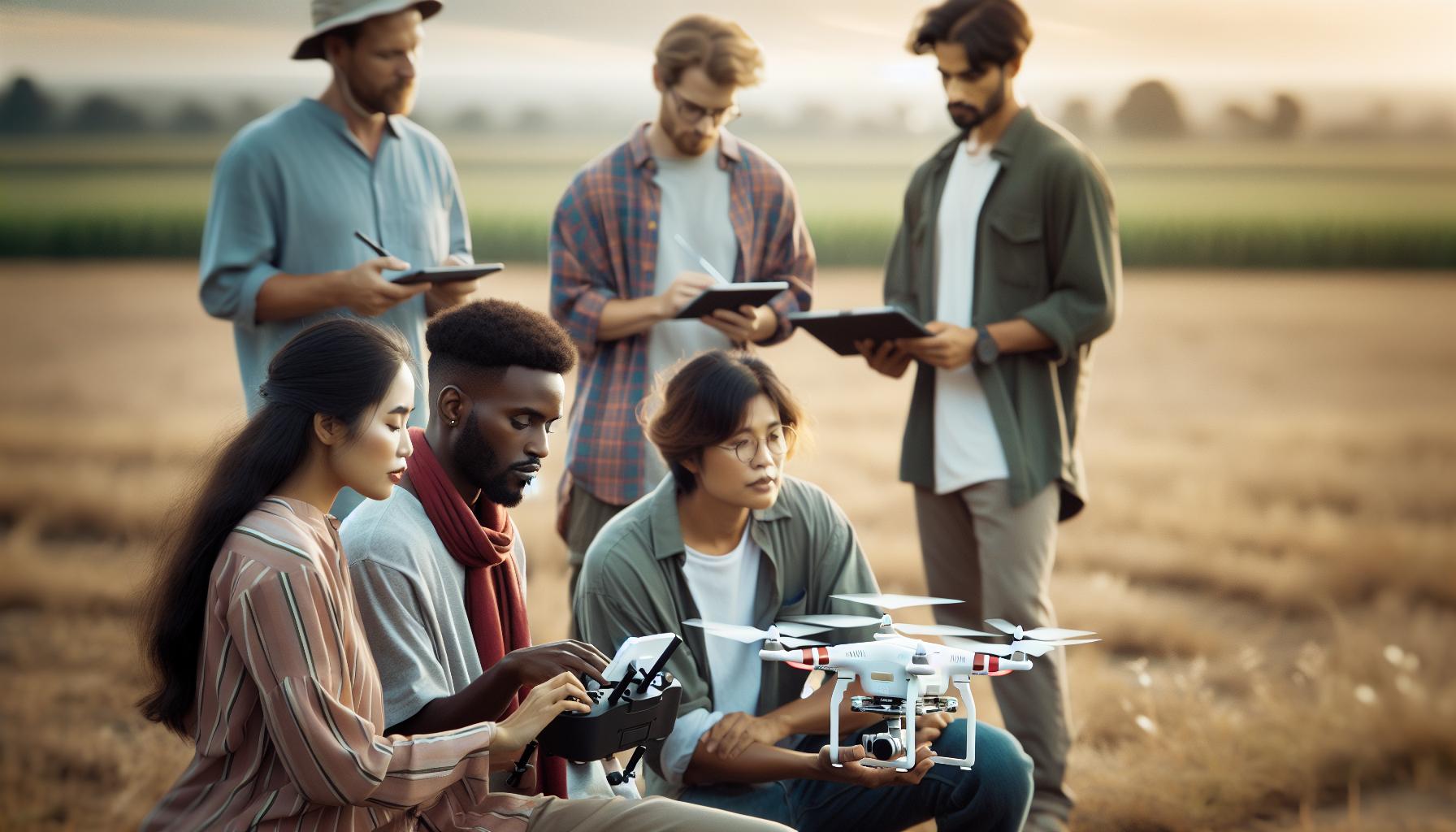
When considering the world of aerial photography and videography, DJI drones stand out as some of the most popular and reliable options available. Renowned for their innovative technology and user-friendly interfaces, DJI drones cater to a wide range of skill levels and purposes, from casual hobbyists to professional filmmakers. Understanding the unique features and functionalities of these drones is essential for anyone looking to make an informed purchase, especially within the competitive U.S. market.
DJI offers a diverse lineup of drones that include models like the Mini Series, Mavic Series, and Phantom Series, each designed with specific use cases in mind. The Mini Series, for example, is perfect for beginners due to its lightweight design and ease of use, while the Mavic Series features advanced capabilities such as 4K video recording and sophisticated obstacle avoidance technologies, making it suitable for professional applications. The Phantom Series, well-known for its robust design and high-quality camera options, is a favorite among professional users who demand exceptional stability and image quality.
To navigate the complexities of selecting the right model, it’s vital to consider your intended use, budget, and experience level. For those new to flying, starting with a model that offers intelligent flight modes, such as GPS and Follow Me functionalities, can enhance the learning experience while ensuring safety. Conversely, seasoned pilots may want to explore models with customizable settings and advanced flight features, allowing them to push the boundaries of aerial creativity.
Additionally, purchasing DJI drones in the U.S. brings the advantage of comprehensive customer support and extensive online resources, including tutorials, community forums, and software updates. When choosing where to buy, consider reputable retailers or the official DJI store to ensure that you receive authentic products along with warranty protection. With careful consideration of your specific needs and an understanding of DJI’s product offerings, you can confidently select the ideal drone to elevate your aerial pursuits.
Key Features of Popular DJI Drone Models
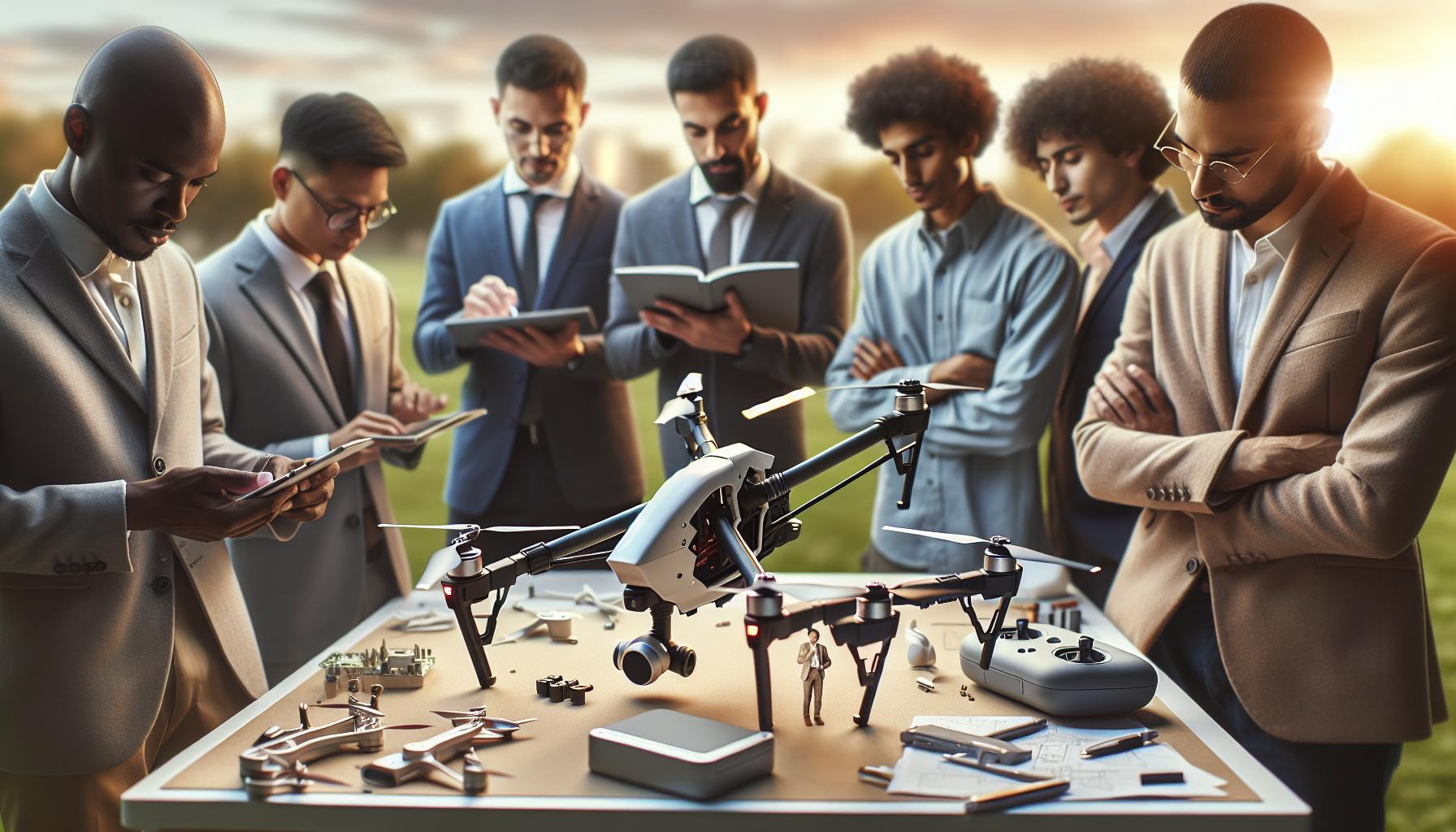
The world of DJI drones is packed with innovative features that cater to various user needs, making them a top choice among personal and professional flyers. For those considering a purchase, understanding the key attributes of popular models can guide your decision-making and enhance your flying experience. Each drone model offered by DJI is equipped with a unique set of features that cater to different skill levels and applications, ensuring there’s a perfect fit for everyone.
Mini Series
The Mini Series, particularly models like the DJI Mini 3 Pro, is designed for those who are new to drone flying or need a compact option. Weighing under 250 grams, these drones are incredibly lightweight, making them easy to carry and fly without much hassle. They come equipped with a robust camera capable of capturing 4K video and 12 MP photos, delivering high-quality results. The Mini Series also offers features like QuickShots to automate cinematic shots and Smart RTH (Return to Home) for safe navigation. Users benefit from extended flight times of up to 34 minutes, making longer flights enjoyable without the constant worry of battery life.
Mavic Series
On the other hand, the Mavic Series, including flagship models like the Mavic 3, delivers superior capabilities for seasoned users. These drones are equipped with powerful camera systems featuring larger sensors for exceptional low-light performance and higher-quality imagery. The Mavic 3 boasts 5.1K video recording capabilities and advanced features such as Omni-Directional Obstacle Sensing and ActiveTrack, allowing it to avoid obstacles while following subjects. The versatility of the Mavic Series makes it ideal for professional filmmakers and serious enthusiasts who demand high performance and flexibility.
Phantom Series
For those looking for stability and exceptional image quality, the Phantom Series remains a popular choice. Known for their robust design, these drones incorporate gimbal-stabilized cameras that are perfect for aerial photography. With the ability to achieve high resolutions and stable footage even in challenging environments, the Phantom drones cater well to professionals in real estate, film, and recreational use. They also feature intelligent flight modes and can operate longer distances, making them suitable for extensive shooting sessions.
Air and Avata Series
The Air Series, like the DJI Air 2S, provides an excellent balance between portability and capability, with features that include Mastershots and FocusTrack for drone photography enthusiasts. The Avata Series caters to FPV (First Person View) pilots, providing immersive flying experiences with advanced stabilization features that make flying easier and more intuitive. Users can capture dynamic footage from new perspectives, making it fit for creative filmmakers looking to explore aerial dynamics.
With these diverse offerings, DJI supports a wide spectrum of users-from beginners to professionals-ensuring everyone can elevate their aerial photography and videography skills. Whether you want to create stunning landscapes, capture dynamic action shots, or simply explore the skies, understanding these key features will help you make an informed choice when purchasing your DJI drone in the U.S.
Choosing the Right DJI Drone for Your Needs
Selecting the ideal DJI drone can be an exciting yet daunting task, especially with the diverse offerings available. The key to finding the right model lies in understanding your specific needs, be it for recreational use, professional photography, or advanced FPV flying. To ensure you make an informed decision, consider aspects such as your skill level, intended application, and budget before diving into the vibrant world of aerial videography.
Begin by assessing your flying experience. If you’re a beginner, you might be drawn to the Mini Series, like the DJI Mini 3 Pro. This lightweight and compact drone is designed for ease of use and is equipped with automated features that make launching and piloting straightforward. Its impressive flight time and high-quality camera capabilities make it an excellent choice for casual users who want to capture stunning imagery without investing too much in complex technology.
For those who possess a bit more experience and seek a blend of portability and advanced features, the Mavic Series would be a wise pick. The Mavic 3, for instance, not only offers professional-grade video recording with exceptional low-light capabilities but also incorporates intelligent flight modes-ideal for filmmakers and content creators. Conversely, if your focus is stability and high-resolution imaging, look no further than the Phantom Series. The robust design and gimbal-stabilized cameras of these drones are perfect for persistent aerial photography, making them a staple for real estate professionals and filmmakers alike.
Lastly, if you’re eager to immerse yourself in FPV flying, the Avata Series provides an exhilarating experience with advanced stabilization and intuitive controls. This drone is perfect for adventurers looking to capture dynamic visuals from unique angles. Regardless of your choice, always ensure that the drone caters to your particular style of flying and creative needs, and remember to consider the learning curve associated with more advanced models. Understanding these facets will not only enhance your purchasing decision but also support a smoother transition into the art of drone flying.
Where to Buy DJI Drones in the US
When considering a purchase of a DJI drone in the United States, it’s essential to know where to look for the best deals and reliable options. DJI drones are available through various channels, each offering distinct advantages and considerations that cater to different buyer preferences-from novice hobbyists to seasoned professionals.
Authorized retailers, such as Best Buy, B&H Photo Video, and Adorama, typically provide comprehensive customer service and the assurance of buying a genuine product. These stores often have knowledgeable staff who can guide you in selecting the right model for your needs, and they sometimes offer in-store demos and classes that can enhance your understanding of drone technology. When buying from these retailers, look out for seasonal sales and bundles, which may include essential accessories, propellers, or extra batteries at no additional cost.
Another effective option is purchasing directly from the DJI website. This ensures you get the latest models and access to exclusive offers. Buying directly also allows you to take advantage of tailored packages that include accessories and protection plans, such as DJI Care Refresh, offering peace of mind for first-time users. Additionally, the DJI online store often features promotions that may not be available elsewhere.
For those who prefer second-hand options, marketplaces like eBay, Facebook Marketplace, or local classifieds can be valuable resources. While this approach can save you money, it’s crucial to thoroughly investigate the seller and ask about the drone’s condition and history. Always ensure that there are no outstanding issues, such as accidents or warranty problems, that could impact your purchase.
Regardless of the option you choose, it’s advisable to compare prices across retailers and watch for promotions or discounts. Utilize customer reviews and ratings to inform your decision, ensuring you not only secure a good deal but also a reliable product. In addition to understanding the purchasing channels, being aware of return policies and warranties can protect your investment in the exciting world of aerial videography.
Navigating DJI Drone Pricing: What to Expect
When entering the market for DJI drones, understanding the pricing landscape can significantly influence your purchasing decision. DJI’s range of drones reflects an impressive evolution in technology, but this innovation comes at varying price points, catering to beginners and professionals alike. The cost of a DJI drone largely depends on its capabilities, features, and accessories included in the package.
For instance, entry-level models like the DJI Mini SE offer a mix of affordability and performance, typically retailing around $299. These drones are perfect for newcomers wanting to explore aerial photography without making a hefty investment. On the other hand, models like the DJI Mavic 3, priced at approximately $2,199, feature advanced functionalities such as dual-camera systems and extended flight times, appealing to serious videographers and content creators.
To navigate these prices effectively, consider the following tips:
- Research Models: Familiarize yourself with different DJI models and their respective capabilities. Websites and forums can provide invaluable insights into community experiences.
- Look for Bundles: Retailers often offer bundle deals that include essential accessories such as extra batteries, carrying cases, and propellers, which can enhance your overall value.
- Seasonal Sales: Timing your purchase around holiday sales or special events can lead to significant savings. Keep an eye on price drops during these periods.
- Second-Hand Markets: For budget-conscious buyers, exploring platforms like eBay or local listings can yield good deals. However, ensure to check the condition and history of the drone thoroughly to avoid potential pitfalls.
In addition to the initial purchasing cost, factor in ongoing expenses such as spare batteries, propellers, and possible repair needs. Knowing what to expect in terms of total ownership costs will better prepare you for enjoying your new drone to its fullest. Always keep an eye on the warranty and return policies to safeguard your investment and ensure satisfaction as you embark on your aerial adventures.
Legal Regulations for Flying DJI Drones
Flying a DJI drone can be an exhilarating experience, but it’s essential to navigate the legal landscape to ensure you’re flying within the law. In the U.S., the Federal Aviation Administration (FAA) governs the use of drones and has established specific regulations that all pilots must follow, whether you’re flying for recreational or commercial purposes.
For recreational users, the FAA requires that all drone operators follow the “LAANC” (Low Altitude Authorization and Notification Capability) system for airspace authorization. This often means that you should only fly in uncontrolled airspace (Class G) without requiring special approval. However, should you wish to fly in controlled airspace (Class B, C, D, or E), you will need to obtain permission through the LAANC app or directly from the FAA. Additionally, recreational pilots must register their drones that weigh over 0.55 pounds (250 grams) and must not fly above 400 feet, keep the drone within visual line-of-sight, and avoid flying near airports.
If you’re considering using a DJI drone for commercial purposes, the regulations become more stringent. You’ll need to obtain a Remote Pilot Certificate (Part 107) from the FAA, which involves passing a knowledge test covering topics such as airspace classification, weather, and drone operation rules. Commercial pilots must also adhere to operational requirements like flying only during daylight hours, maintaining visual line-of-sight, and ensuring the drone does not exceed a maximum weight of 55 pounds for the operation.
State and Local Regulations
In addition to federal regulations, it’s crucial to be aware that individual states and local municipalities may have their own laws regarding drone usage. Certain areas, such as National Parks and federal facilities, may prohibit drone flights altogether. Additionally, many cities have specific ordinances that restrict flying over populated areas or private property. Before launching, check local laws to avoid fines or penalties.
To stay informed on any regulatory changes, consider joining local drone enthusiast groups, which often provide updates and share experiences navigating the legal landscape. Online platforms, community forums, and the FAA’s official website are also excellent resources for current regulations and best practices in drone operations.
By understanding and adhering to these legal requirements, you can enjoy the full benefits of your DJI drone while contributing to safe and responsible flying practices in your community.
Essential Accessories for Your DJI Drone
To enhance your experience with DJI drones, equipping yourself with the right accessories is crucial. These additions not only improve functionality and performance but also ensure a safer and more enjoyable flying experience. Whether you’re a beginner or a seasoned professional, the right set of gear can significantly elevate your aerial photography and videography capabilities.
One essential accessory is a high-capacity battery. DJI drones often come with standard batteries, but investing in additional or higher-capacity batteries can extend your flight time significantly. This is particularly useful for lengthy shoots or exploring larger areas, as swapping out batteries quickly can keep downtime to a minimum. Additionally, a multi-charger can be an invaluable tool for managing multiple batteries, allowing you to charge several at once and keeping your drone ready for action.
Another vital accessory is a protective carrying case. This not only safeguards your drone during transport but also organizes all of your components-such as extra propellers, cables, and batteries-in one convenient location. A case designed specifically for your drone model provides padded compartments, ensuring everything is secure and reducing the risk of damage.
For those interested in capturing stunning aerial shots, ND (Neutral Density) filters are a game-changer. These filters reduce the amount of light entering the camera, allowing for longer exposure times and creating smooth motion effects in video. This is particularly beneficial for cinematic shots, drone operators can achieve a professional look that is often difficult to replicate in post-production.
Moreover, a set of spare propellers is essential for any drone operator. Accidents happen, and having extra propellers on hand can mean the difference between continuing your flight or grounding your drone for repairs. Similarly, investing in a propeller guard can help avoid damaging your drone’s propellers during indoor flights or flying in tight spaces, creating an extra layer of protection when operating in these environments.
In conclusion, enhancing your DJI drone with the right accessories can significantly improve your flying experience, boost your creative output, and ensure that you have a reliable setup for capturing stunning aerial footage. From batteries and protective cases to filters and spare parts, each accessory plays a pivotal role in making your drone endeavors safer and more productive, allowing you to focus on getting the best shots possible.
Setting Up Your DJI Drone: Step-by-Step Guide
Setting up your DJI drone for the first time can feel overwhelming, but once you break it down into manageable steps, you’ll soon be ready to take to the skies. From unboxing to taking your first flight, each phase is crucial for optimal performance and safety. Before you even think about launching your drone, familiarizing yourself with the components, features, and basic controls is essential.
Begin by carefully unboxing your drone and ensuring all components are present. This usually includes the drone itself, a remote controller, batteries, propellers, cables, and manuals. Once unpacked, charge the batteries using the included charger and consider investing in a multi-charger for added convenience. While your batteries charge, download the DJI Fly app on your mobile device. This app is crucial as it will guide you through the setup process, including account creation, firmware updates, and flight planning.
Once your batteries are charged, install them into the drone, and attach the propellers, ensuring they are secured properly-check the marks on the motor and props to match clockwise and counterclockwise rotations. Next, power on the remote controller and your drone. Link them via the DJI Fly app, which will prompt you to perform a firmware update if necessary. Keeping your drone’s firmware up to date ensures access to the latest features and fixes.
With the setup complete, it’s vital to calibrate your drone’s gimbal and compass. Gimbal calibration ensures the camera operates smoothly, while compass calibration helps the drone accurately understand its orientation and function correctly in the air. Follow the prompts on the DJI Fly app for both calibrations. Finally, perform a pre-flight check that includes ensuring your drone’s battery is secure, propellers are attached properly, and you’re in a clear area free of obstacles and no-fly zones.
Preparing correctly will not only enhance your flying experience but also pave the way for safe and successful drone operation.
Firmware Updates for Optimal Performance
Keeping your DJI drone’s firmware up to date is essential for achieving optimal performance, safety, and access to the latest features. Firmware updates provide enhancements that improve flight stability, add new functions, and resolve existing bugs. Failing to update can lead to unpredictable performance, reduced flight times, and compatibility issues with new software features.
To begin the firmware update process, you’ll need the DJI Fly app, which serves as an interface between your drone and your mobile device. Once you’ve connected your drone to the app via Bluetooth, check the notification area for firmware update prompts. A user-friendly interface will guide you through the steps, ensuring that you are informed about what changes are included in the update. It’s crucial to keep your drone charged and in a stable environment during this process. Always perform updates in a location with a good internet connection to avoid interruptions.
After the update is complete, take a moment to verify that the new firmware is installed by checking the version number in the app. This simple step not only confirms the update but also allows you to explore any new features that may enhance your flying experience. Remember that maintaining updated firmware is not just about enjoying new features but also about the safety and reliability of your flights, especially when operating in complex environments where functionality is critical.
Tips for Successful Firmware Updates:
- Ensure your drone is fully charged before starting the update.
- Use a reliable and stable Wi-Fi connection to avoid interruption.
- Read the release notes to understand what improvements or fixes have been made.
- Perform updates regularly to take advantage of the latest advancements.
By routinely checking for and installing firmware updates, you can enhance the longevity and performance of your DJI drone, ensuring it operates efficiently throughout its lifetime. This practice is a key aspect of responsible drone ownership, improving not just your drone skills but also enriching your overall flying experience.
Common DJI Drone Issues and Troubleshooting Tips
Common issues faced by DJI drone owners can often be resolved with some straightforward troubleshooting steps, and understanding these can significantly enhance your flying experience. One common problem is connectivity. If your drone isn’t connecting to the controller or your mobile device, ensure all devices have the latest firmware updates. Restarting both the drone and the controller can often resolve stubborn connection issues. Check that the DJI Fly app is up to date and that your mobile device’s Bluetooth is turned on.
Battery drains can also be a frequent concern. If you notice that your drone’s battery isn’t lasting as long as expected, it might be time to recalibrate the battery. This can often be done through the DJI Go app by following calibration instructions. Also, ensure the battery is not exposed to extreme temperatures during storage or flight, as this can significantly affect performance.
Another area where users often seek assistance is during the setup of waypoints and missions. Sometimes, a drone may not respond correctly to set waypoints due to poor GPS signal. To remedy this, ensure you are in an open area away from obstructions that could potentially interfere with GPS reception. Always wait for your drone to establish a strong GPS lock before initiating any flight missions.
Lastly, issues with the gimbal are not uncommon. If the gimbal appears to be shaky or not responding, check for any foreign objects blocking its movement, or ensure it is properly calibrated. Performing a gimbal calibration through the app can usually resolve any erratic behavior.
By being proactive and familiarizing yourself with these common issues and troubleshooting tips, you can ensure a smoother flying experience and prolong the lifespan of your DJI drone. Taking the time to understand the technology behind your drone can empower you to handle challenges effortlessly and enhance your aerial adventures.
Safe Flying Practices for DJI Drone Operators
Flying a drone may seem straightforward, but it comes with a responsibility that every operator must embrace to ensure safety and compliance. Understanding the critical safe flying practices not only preserves the integrity of your technology but also fosters a positive environment in your flying community. Before taking off, familiarize yourself with the area you’ll be flying in. Look out for no-fly zones, local regulations, and airspace restrictions, as flying in these areas can have serious legal repercussions.
One key element to safe flying is maintaining a line of sight with your drone at all times. This practice is essential not just for safety but also to comply with FAA regulations. You should avoid flying at night unless your DJI drone is equipped for night operations, including appropriate lighting, as visibility can dramatically reduce your ability to mitigate risks. Always check the weather conditions before flying; high winds, rain, or fluctuating temperatures can negatively impact drone performance and battery life.
Essential Safety Tips
- Pre-Flight Checklist: Before each flight, conduct a thorough inspection of your drone. Check for firmware updates, battery levels, and any physical damage. A reliable drone is crucial for safe operation.
- Flight Modes: Understand the flight modes available on your DJI drone. Utilizing modes such as “Beginner” or “Tripod” can greatly enhance stability and ease of control, especially for novice pilots.
- Emergency Procedures: Familiarize yourself with emergency procedures, such as Return to Home (RTH) functions, which can help protect your drone in low battery situations or when you lose connection.
Respecting Privacy and Community
Respecting the privacy of those around you is also a major component of safe flying. Avoid flying over private properties without permission, and be considerate of local residents when selecting flying locations. Additionally, consider joining community groups or forums where experienced pilots share best practices and safety tips. Not only does this foster learning, but it also creates a supportive network that emphasizes responsible flying.
By adhering to these safe flying practices, DJI drone operators can contribute to a positive flying culture while maximizing their flying experience. A mindful approach to drone operation ensures that you and your equipment remain safe, compliant, and respectful of others in the airspace.
Advanced Features of DJI Drones You Should Know
DJI drones are equipped with a range of advanced features that enhance flying experiences, maximize safety, and elevate creativity in aerial photography and videography. Understanding these features can help you make informed decisions when purchasing or operating your drone.
One standout capability is Obstacle Avoidance. Most of DJI’s newer models, such as the Mavic Air 2 and the Mini 2, include advanced sensors that allow the drone to detect and navigate around obstacles autonomously. This technology is especially beneficial for beginners, as it helps prevent crashes that can occur when flying in unfamiliar environments. Users can fly with confidence, knowing that the drone will intuitively steer clear of physical barriers.
The inclusion of Intelligent Flight Modes further enriches the flying experience. Modes like ActiveTrack allow the drone to follow a subject while maintaining a set distance and angle, crucial for capturing dynamic action shots without manual input. Additionally, features such as Waypoints enable preset flight paths, allowing users to focus solely on composition and filming instead of manual navigation, making them invaluable for both hobbyists and professionals aiming for smooth cinematic shots.
Another major advancement lies in the drones’ Camera Capabilities. Models like the Mavic 3 boast dual-camera systems with high-resolution lenses that support 4/3 CMOS sensors. This results in stunning, professional-grade images and videos, even in low-light conditions. Coupled with features like Hyperlapse and HDR video, DJI drones provide creative tools that appeal to photographers and filmmakers looking to push the limits of their aerial imagery.
Finally, DJI’s robust App Integration enhances user experience, providing real-time data such as battery life, GPS signal strength, and live video feeds. The DJI Fly app, for instance, offers a user-friendly interface with comprehensive tutorials and community sharing features, promoting ongoing learning and connection among pilots.
By familiarizing yourself with these advanced features, you can harness the full potential of your DJI drone, whether you’re a beginner exploring a new hobby or a seasoned professional pushing the boundaries of aerial cinematography.
Faq
Q: Where can I buy DJI drones in the US?
A: You can purchase DJI drones at authorized retailers, both online and in-store, including the official DJI website, Amazon, Best Buy, and specialty drone shops. Make sure to buy from reputable sources to guarantee product authenticity and support.
Q: What should I consider when buying a DJI drone?
A: When purchasing a DJI drone, consider factors such as drone type (e.g., Mavic, Mini), your skill level, intended use (recreational vs. professional), camera specifications, flight time, and budget. Each model offers unique features tailored to different needs.
Q: Are there any legal requirements to buy a DJI drone in the US?
A: Yes, while anyone can purchase a DJI drone, you must comply with FAA regulations, including registering drones over 0.55 pounds, understanding airspace restrictions, and following local laws regarding flight. Always check the latest guidelines before flying.
Q: What is the price range for DJI drones in the US?
A: DJI drones typically range from $399 for entry-level models like the Mini SE to over $2,000 for advanced models such as the Mavic 3. Prices can vary based on features, accessories included, and retailer discounts.
Q: Can I buy used DJI drones, and what should I check?
A: Yes, you can buy used DJI drones, but ensure you check the drone’s condition, flight history, and any included warranty or support. Purchase from trusted platforms and consider asking for a demonstration to ensure it operates correctly.
Q: What accessories should I consider when buying a DJI drone?
A: Essential accessories include extra batteries for extended flight time, a high-capacity memory card for storage, ND filters for better video quality, and a carrying case for protection. Consider purchasing DJI-branded accessories for compatibility and reliability.
Q: Is there a warranty for DJI drones purchased in the US?
A: Yes, DJI offers a limited warranty on its drones, typically covering manufacturing defects for one year. Be sure to register your drone on DJI’s website to activate the warranty and review their customer support policies for claims.
Q: How can I ensure I’m buying a genuine DJI product?
A: To ensure you buy a genuine DJI drone, purchase from authorized retailers or the official DJI website. Look for a warranty card and check for product authenticity through DJI’s serial number verification process after your purchase.
Key Takeaways
In conclusion, purchasing a DJI drone in the US opens up a world of creativity and exploration. By understanding the key factors such as model selection, legal regulations, and the importance of reliable accessories, you’re now equipped to make informed decisions. Don’t wait-take the next step in your drone journey and discover our detailed guides on firmware updates and top accessories for your DJI models.
If you’re still unsure, explore our comprehensive comparison of the DJI Mini, Mavic, and Phantom series to find the perfect fit for your needs. Dive deeper into the drone world with our expert tutorials, and don’t hesitate to connect with fellow enthusiasts in the comments below. Your aerial adventure awaits!