Flying a DJI drone in India can be an exhilarating way to capture stunning landscapes, yet it’s crucial to navigate the complex web of legal requirements. Did you know that the Indian government has introduced specific regulations to promote safe and responsible drone use? Understanding these laws is essential for both hobbyists and professional pilots to avoid penalties and ensure a smooth flying experience. This comprehensive guide will explore the essential legal frameworks, registration processes, and operational guidelines you need to know before taking to the skies. Whether you’re looking to document your travels or utilize drones for commercial purposes, being well-informed will empower you to fly responsibly while maximizing your drone’s potential. Let’s dive into the world of drone regulations in India and equip you with the knowledge to soar confidently!
Can I Legally Fly a DJI Drone in India?
Flying a DJI drone in India can be a rewarding experience, but it’s crucial to navigate the complex web of legal and regulatory frameworks that govern drone operations. As drone technology evolves, so too do the laws surrounding their use. The Directorate General of Civil Aviation (DGCA) is the central authority that regulates drone use in India, providing guidelines that every pilot must familiarize themselves with to ensure compliance and safety.
To legally operate your DJI drone in India, you must complete several steps. Firstly, the drone must be registered through the Digital Sky Platform, which includes obtaining a Unique Identification Number (UIN). This process not only authenticates your drone but also tracks its operations. Furthermore, if you plan to use the drone for commercial purposes, you will need to acquire an Unmanned Aircraft Operator Permit (UAOP). This permit confirms that you have the necessary training, insurance, and operational plans in place to conduct drone operations safely and legally.
It is also vital to be aware of the specific no-fly zones that exist in India. These can include areas around airports, military installations, and other sensitive regions where drone activity is prohibited or restricted. Understanding these zones is essential for lawful flying and can be easily checked on official government sources or through drone apps that outline these regulations. By adhering to these guidelines, you not only comply with the law but also enhance public safety and the positive perception of drone usage within society.
In summary, while flying a DJI drone in India is entirely feasible, it requires diligent adherence to local aviation laws, registration requirements, and the understanding of operational zones. By following these protocols, you can ensure a safe and enjoyable drone flying experience.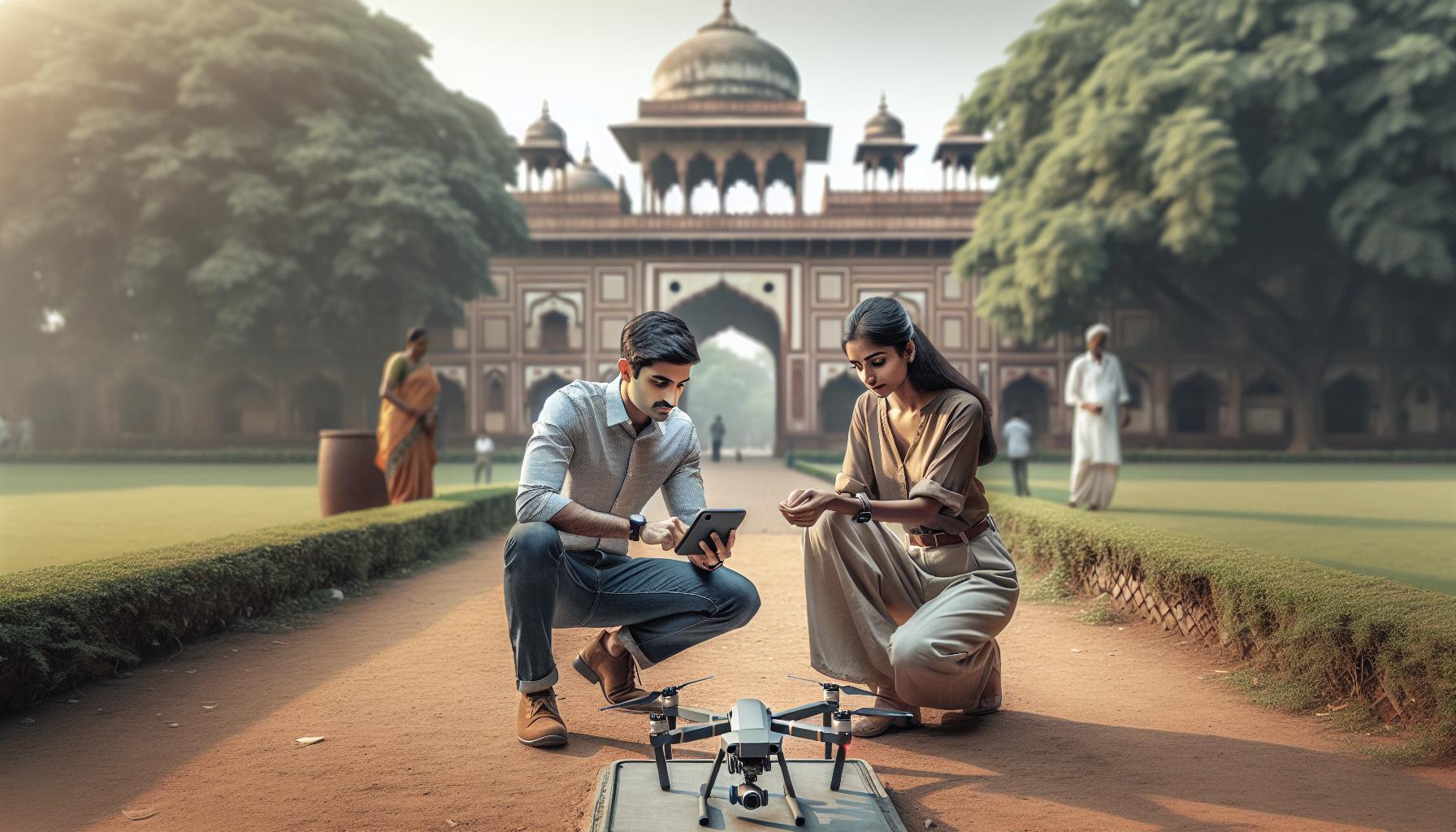
Understanding Drone Regulations in India
Flying a DJI drone in India opens up a world of creative possibilities, but it also comes with a strong legal framework designed to ensure safety and compliance in the airspace. Understanding the drone regulations is not just about following rules; it’s about fostering a responsible community of pilots who respect the skies and those beneath them. With the rise of drone technology, the Directorate General of Civil Aviation (DGCA) has established comprehensive guidelines that every pilot must adhere to for legal operation.
To start with, it’s essential to grasp the requirement of registering your drone on the Digital Sky Platform. This platform is the backbone of drone regulation in India, enabling users to apply for a Unique Identification Number (UIN). This registration is not just a formality; it serves multiple purposes such as tracking drone operations, enhancing accountability, and contributing to a national database of flying drones. In addition, if you aspire to operate your drone for commercial endeavors, you will need to obtain an Unmanned Aircraft Operator Permit (UAOP). This permit signifies that you meet all necessary criteria, including training and insurance, to conduct your operations legally and safely.
Navigating no-fly zones is another critical aspect of flying legally in India. Certain areas, especially around airports, military installations, and government buildings, are strictly off-limits for drone activity. Pilots must regularly consult updated maps provided by the DGCA or use dedicated drone applications that clearly mark these prohibited zones. Moreover, being aware of the operational limitations, including maximum altitude restrictions and distance from the operator, is pivotal in mitigating risks and ensuring compliance with the law.
By understanding these regulations, you empower yourself as a drone pilot. Not only do these laws exist for the safety of the public and the drone community, but they also enhance your credibility as a responsible operator. Always stay updated on any amendments to the legislation, as the regulatory landscape is continually evolving with advancements in drone technology. This vigilance not only keeps you within the legal framework, but it further promotes the responsible use of drones, engendering public trust and paving the way for future developments in aerial technology.
Registering Your DJI Drone: Step-by-Step Guide
Registering your DJI drone in India is not merely a bureaucratic step but a crucial part of ensuring that you operate within legal and regulatory frameworks, paving the way for a safer flying experience. The registration process helps the Directorate General of Civil Aviation (DGCA) maintain a comprehensive track of drone activities, which is essential for both safety and accountability in the nation’s airspace. Here’s a step-by-step guide to help you navigate the registration process smoothly.
Start by visiting the Digital Sky Platform, which is the official portal for drone registration in India. Before you begin, ensure that you have the necessary documentation on hand, such as your identity proof, address proof, and any necessary details about your drone itself. This site allows you to create a user account, which is essential for submitting your application.
Once logged in, you can proceed to apply for a Unique Identification Number (UIN) for your drone. Fill out the application form with accurate details, including the model, serial number, and specifications of your drone. After submission, the DGCA will review your application. If everything is in order, you will receive your UIN, which you must display on your drone as part of the compliance requirements.
For those wishing to operate drones commercially, obtaining an Unmanned Aircraft Operator Permit (UAOP) is necessary. This involves an additional set of requirements, such as demonstrating adequate training and securing necessary insurance. Make sure to prepare for any evaluation tests or interviews that may be part of the permit application process.
After obtaining your UIN and UAOP (if applicable), it’s advisable to keep all registration details and documents organized. Having ready access to these documents can be useful during inspections or if any issues arise while flying. Stay updated with any amendments in regulations by regularly visiting the DGCA website or subscribing to their notifications. By following these steps, you not only comply with legal requisites but also embrace the responsibilities of being a knowledgeable and conscientious drone operator in India.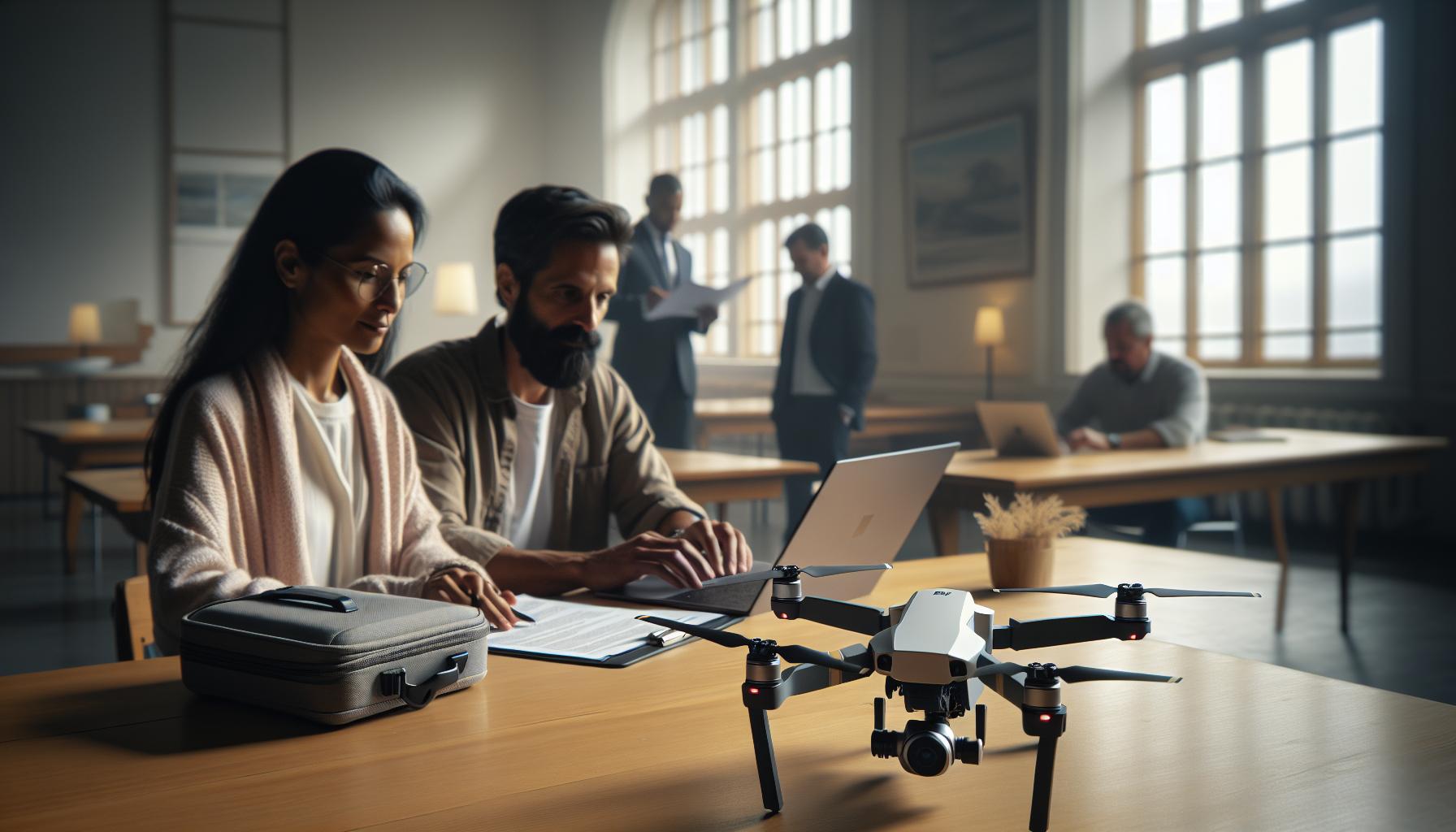
Types of Licenses Required for DJI Drones
Navigating the landscape of drone operation in India requires an understanding of various licensing requirements imposed by regulatory authorities. If you’re flying a DJI drone, whether for recreational or commercial purposes, it’s crucial to be aware of the types of licenses you might need to remain compliant with the law.
For hobbyists operating drones under 250 grams, registration is not necessary; however, they must adhere to established flight rules. On the other hand, most DJI drones weigh significantly more, which mandates the acquisition of a Unique Identification Number (UIN) from the Directorate General of Civil Aviation (DGCA). This administrative requirement affirms your drone’s registration and allows for greater oversight of drone activities for safety purposes.
For those seeking to operate their DJI drones commercially, obtaining an Unmanned Aircraft Operator Permit (UAOP) is paramount. This license is more comprehensive and requires applicants to demonstrate a thorough understanding of drone operations, compliance with safety standards, and often, proof of training from a recognized institute. The UAOP application process involves several steps, including submitting additional documentation related to operational drones and defining the purpose of your flights. Regular audits and checks ensure that UAOP holders maintain compliance with DGCA guidelines.
It’s also important to recognize that a UIN and UAOP are not the only documents made necessary by the evolving drone regulations in India. Pilots must keep in mind that additional permits may be required for specialized operations, such as those involving aerial photography or survey mapping, depending on the operational airspace and purpose. Thus, staying informed about the legal framework is essential for both hobbyists and professionals aiming to harness the full potential of their DJI drones safely and legally.
Navigating No-Fly Zones in India
Flying a DJI drone in India involves understanding and navigating various no-fly zones that protect sensitive areas and ensure public safety. Recognizing these constraints is crucial for both hobbyist and professional drone pilots who want to comply with the law while enjoying their flying experience.
No-fly zones in India typically encompass airports, military installations, government buildings, and densely populated urban areas. To avoid infringing upon these restricted areas, pilots should first familiarize themselves with the “No Drone Zones” designated by the Directorate General of Civil Aviation (DGCA). The DGCA provides a digital platform known as the “Drones in India” portal, which offers interactive maps detailing the geographical boundaries of these zones. Utilizing this resource is essential for pre-flight planning, ensuring that your flight path does not inadvertently cross into restricted airspace.
Here are some key considerations when navigating no-fly zones:
- Use Technology: Equip yourself with apps specifically designed for drone operations, such as DJI’s own “DJI Fly” or other third-party applications. These apps often provide real-time notifications regarding airspace restrictions.
- Be Aware of Temporary Zones: Certain events, like public gatherings or increased security measures during national holidays, may create temporary no-fly zones. Always check local news and updates before planning your flight.
- Understand the Regulations: Regulations may vary by state or region in India, so it’s advisable to stay updated with local drone laws that may impose additional restrictions or requirements.
In practice, conducting a thorough pre-flight check, which includes reviewing the latest updates from the DGCA and cross-referencing with navigation apps, will significantly reduce the risk of inadvertently flying into restricted airspace. The penalty for violating no-fly zones can be severe, including fines and possible confiscation of your equipment, so vigilance and preparedness are your best tools for successful drone operation in India.
Essential Documents for Flying a DJI Drone
Flying a DJI drone in India can be an exciting endeavor, but it comes with a crucial need for compliance with the regulatory framework. To ensure a smooth flying experience, being well-versed in the essential documents required is vital. These documents not only establish your legitimacy as a drone operator but also help you avoid potential legal issues.
First and foremost, it’s imperative to secure a Remote Pilot License (RPL) from the Directorate General of Civil Aviation (DGCA) if you plan to operate drones commercially. This involves completing a DGCA-approved training program and passing an examination. For hobbyists flying under the permissible weight limits, obtaining an RPL may not be necessary, yet vigilance in understanding the regulations remains essential.
In addition to the RPL, registering your drone is mandatory. The registration process typically includes submitting forms and relevant fees through the DGCA’s “Drones in India” portal. This also includes providing specific information about the drone model, its purpose of use, and attaching verification documents like the drone’s invoice or proof of purchase, which ensures traceability and accountability.
Furthermore, maintaining an updated insurance policy is advisable, even though it may not be legally mandatory for all operators. Drone insurance can cover liabilities arising from accidents, property damage, or personal injury, thus acting as a safeguard for both professional and recreational flyers. Lastly, always carry documents proving compliance, such as your flight permits for specific areas or no-fly zone permissions, which can be crucial if approached by regulatory authorities during your operations.
By preparing and keeping these essential documents organized, drone pilots can ensure not just compliance with Indian regulations but also the safety and integrity of their flying endeavors.
Compliance with DGCA Guidelines for Drones
In India, adhering to the Directorate General of Civil Aviation (DGCA) guidelines is paramount for anyone looking to operate a DJI drone, whether for recreational use or commercial purposes. One of the primary requirements is that all drone operators must register their UAVs through the DGCA’s online portal. This registration not only legitimizes your authority to fly but also facilitates accountability and traceability of the equipment used in drone operations. Additionally, your drone must adhere to the standards set forth by the DGCA regarding weight, specifications, and safety features, which ensures that even entry-level DJI models like the Mini 4 Pro align with regulatory expectations.
To ensure compliance, operators should keep themselves informed of the various categories of drones as defined by the DGCA-ranging from Nano to Heavy categories based on weight. Each category carries specific operational limits and requirements, such as maximum altitude and no-fly zones. Notably, while hobbyists flying sub-250g drones may enjoy more relaxed regulations, understanding the airspace they are entering is critical. For instance, DJI’s geo-fencing technology helps users avoid restricted zones, making it easier to comply with regulations when planning flights. However, operators should not solely rely on the drone’s automatic features; every pilot has the ultimate responsibility to verify their intended flight paths are permissible.
Furthermore, keeping abreast of frequent amendments and updates in drone legislation is essential. The DGCA regularly revises its rules to incorporate technological advances and respond to emerging issues in drone use. Engaging with certified training courses can provide valuable insights into these evolving regulations while also empowering operators with the skills needed for safe drone operation. Compliance with DGCA guidelines is not merely about fulfilling legal obligations; it represents a commitment to ethical flying practices that enhance safety for everyone involved.
In some cases, acquiring a Remote Pilot License (RPL) is necessary for specific operations, further emphasizing the importance of preparedness in your flight activities. If you plan to conduct commercial drone services, taking the time to learn about legal documentation and obtaining the proper licenses can be invaluable. Before each flight, thorough pre-flight checks should entail verifying the aircraft’s system status, environment conditions, and operational permissions, laying the groundwork for responsible and lawful drone piloting in India.
Safety Protocols for DJI Drone Operations
Flying a DJI drone in India can be a thrilling experience, but it also comes with a set of responsibilities that ensure both safety and compliance with regulations. Adhering to established safety protocols is essential for every drone operator, whether you are a beginner or an experienced pilot. An incident resulting from negligence can not only jeopardize your drone but can also endanger people and property on the ground.
One fundamental aspect of safety in drone operations is conducting comprehensive pre-flight checks. Before launching your DJI drone, ensure that you:
- Inspect the Drone: Check for physical damage, ensure propellers are securely attached, and verify that the battery is fully charged.
- Update Firmware: Keeping your drone’s firmware updated can prevent technical issues and enhance operational safety.
- Plan Your Flight Path: Review maps and confirm that your intended flight area is free from obstacles and within legal flying zones.
- Check Weather Conditions: Ensure that the weather is suitable for flying, avoiding windy days or adverse weather that could hinder control.
While DJI drones come equipped with advanced features such as obstacle avoidance systems, they should not replace vigilant piloting. Familiarize yourself with the drone’s operational modes, like the ‘Sport’ mode for speed and responsiveness, or ‘Cine’ mode for smooth video capture. Knowing when to use these settings can greatly enhance safety and control during varied flying conditions.
Furthermore, compliance with no-fly zones is a crucial aspect of safe drone operations. DJI drones are programmed with geo-fencing capabilities that restrict access to certain areas-such as airports, military zones, and densely populated regions-to prevent unauthorized flights. Always observe local regulations and respect the privacy and rights of individuals when operating your drone. Engaging in flight training and staying updated on drone regulations from the DGCA can empower you to navigate the complexities of drone flying safely and legally, thus contributing to a safer aerial environment for all.
Drone Insurance: Is It Necessary in India?
Flying a drone can provide unique perspectives and creative opportunities, but it also comes with its share of risks. In India, drone insurance is becoming an increasingly important consideration for operators, both for compliance and peace of mind. Many pilots wonder whether obtaining insurance is genuinely necessary or if it remains a mere optional investment. The reality is that while drone insurance is not explicitly mandated by the Directorate General of Civil Aviation (DGCA), it offers critical financial protection against potential liabilities.
The risk landscape for drone pilots encompasses various factors, including property damage, personal injury, and the potential loss or theft of the drone itself. For instance, if an accident occurs while flying, the costs associated with property damage can be significant. Without insurance, drone operators may find themselves facing hefty bills and legal fees, potentially jeopardizing their financial stability. Hence, having coverage for liability claims related to third-party injury or property damage can mitigate these risks effectively.
Additionally, as the drone ecosystem continues to evolve, regulations may change and impose greater requirements on operators. Being proactive about securing insurance demonstrates a commitment to responsible flying, enhancing the credibility of the pilot, especially for those looking to undertake commercial projects. Insurers commonly offer different policy types tailored to specific flying needs, from basic liability coverage to comprehensive plans that include equipment theft and crash damage. Understanding the nuances of these options is crucial in selecting a policy that aligns with your flying frequency and potential exposure.
In summation, while it may not be a legal necessity, drone insurance in India serves as a vital safeguard against the unexpected, ensuring that operators can focus on exploring the skies without the looming threat of financial repercussions. As responsible flying practices gain importance in the regulatory landscape, considering insurance becomes not just a wise option but a smart investment in your flying journey.
Common Legal Pitfalls for Drone Pilots
Operating a drone in India, particularly a DJI drone, can be an exhilarating experience, yet it is laden with legal complexities that every pilot must navigate. One common pitfall involves failing to stay current with regulations stipulated by the Directorate General of Civil Aviation (DGCA). For instance, the regulations mandate that all drone operations fall under specific categories depending on weight and usage purpose (such as commercial vs. recreational). Ignoring these classifications can result in fines or, worse, legal action.
Another frequent issue arises from not understanding the clear distinction between no-fly zones and permissible airspace. Drone pilots may unknowingly drift into restricted areas such as those near airports or sensitive military installations, leading to serious infractions. Using apps that provide real-time airspace data can significantly reduce this risk. Furthermore, a lack of adequate pre-flight planning, including verifying local regulations and airspace restrictions, often leads to unintentional violations.
Operators also encounter challenges related to documentation and registration. Failure to register a drone, carry necessary permits, or maintain updated insurance can lead to penalties. Consulting a checklist of required documents, including the Unique Identification Number (UIN) and Remote Pilot License (RPL), can streamline this process. Importantly, understanding the implications of flying without proper certification or insurance will safeguard against hefty legal repercussions.
Finally, a critical consideration is the necessity of operational safety protocols. Many drone pilots overlook basic safety measures, such as conducting regular equipment checks or failing to follow altitude restrictions. These oversights can cause accidents with damaging outcomes, raising liability concerns. Incorporating comprehensive pre-flight checks and adhering to best practices in flight operations can foster a safer environment for all, helping to mitigate legal repercussions and ensuring adherence to the evolving regulatory landscape for drone use in India.
Up-to-Date Amendments in Drone Legislation
The landscape of drone legislation in India is dynamic, with ongoing developments reflecting technological advancements and evolving societal needs. As drone enthusiasts or operators of DJI drones, it’s crucial to stay informed about these changes to ensure compliance and maximize operational opportunities. Recent amendments to regulations have aimed to simplify and streamline processes for drone registration, operation, and safety, significantly impacting how pilots can legally fly their aircraft.
One notable change has been the introduction of the Digital Sky Platform, which allows operators to register their drones and obtain necessary permits online. This shift from a more cumbersome paper-based process to a digital framework has made it easier for new drone users to navigate legal requirements. Additionally, the relaxation of some restrictions in populated areas is also noteworthy; drones are now permitted to fly in certain urban environments, provided operators adhere to local regulations and guidelines.
Moreover, the categorization of drones based on their weight and designated purpose has been refined. Pilots can expect clearer definitions regarding the types of licenses required for different drone classes, which simplifies the process for commercial and recreational users alike. For instance, micro drones (weighing less than 250 grams) may have fewer regulatory burdens compared to larger units, but understanding the specific requirements for each category remains essential.
To stay compliant, drone operators should regularly check for updates from the Directorate General of Civil Aviation (DGCA), as they frequently issue new guidelines and clarifications on existing laws. Utilizing resources such as official DGCA publications or trusted drone community forums can provide insight into the latest regulations impacting your operations. By staying informed and prepared, DJI drone pilots can take full advantage of their flying experience in India while ensuring adherence to the legal framework governing it.
Tips for Responsible Drone Flying in India
Flying a DJI drone in India requires not only the right equipment but also a commitment to responsible operation. One fundamental guideline is to always fly within your line of sight, ensuring you maintain visual contact with your drone at all times. This practice not only enhances safety but also allows for quick responsiveness to changing conditions or Sudden obstacles. Use of First-Person View (FPV) goggles is popular among enthusiasts, but they should be used in compliance with regulations that require keeping the drone visible.
Understanding the local environment is crucial. Before you ascend, familiarize yourself with your surroundings, particularly in urban areas where residential buildings, trees, and other potential hazards can impede flight. Use tools like the DGCA’s drone regulations app to verify if you’re in a no-fly zone or if there are any temporary restrictions in your intended area. Incorporating local knowledge, such as popular flying spots among other drone enthusiasts, can also enhance your flying experience and promote community engagement.
Another important aspect is respecting the privacy of others. Avoid flying over private properties without permission and be considerate of individuals who may not want to be filmed or photographed. This is not just a legal requirement but also fosters a good relationship between drone operators and the public, which is vital for the continued acceptance and growth of drone usage in India.
Moreover, always be mindful of the weather conditions. Strong winds, rain, or extreme temperatures can significantly impact your drone’s performance and battery life. Before a flight, it is wise to check weather reports for potential issues. Additionally, ensure your drone is regularly maintained: update firmware, check battery health, and inspect for any physical damage. This proactive approach can prevent unexpected failures during flight.
Lastly, consider investing in drone insurance to cover potential liabilities. Although insuring your drone is not mandated in India, it can safeguard you from potential financial repercussions stemming from accidents or damages. It shows responsibility and can provide peace of mind, allowing you to focus on enjoying your aerial adventures. By following these guidelines, you can ensure safer, more enjoyable flying, aligning with the legal requirements set forth by Indian regulations.
Frequently asked questions
Q: What are the legal age requirements for flying drones in India?
A: In India, the legal age to fly a drone is 18 years old. Pilots below this age cannot operate drones commercially or recreationally. For more details on drone regulations, refer to the section on legal requirements in your guide.
Q: Do I need a license to fly a DJI drone in India?
A: Yes, you need a Remote Pilot License (RPL) issued by the Directorate General of Civil Aviation (DGCA) if you intend to operate a drone for commercial purposes. For recreational use, a license may not be required, but it’s advisable to check local regulations.
Q: How do I register my DJI drone in India?
A: To register your DJI drone in India, visit the DGCA website and follow the online registration process. You will need to provide personal identification, drone details, and proof of compliance with safety norms. Refer to the registration section of your guide for a step-by-step process.
Q: What are the penalties for flying a drone illegally in India?
A: Penalties for illegal drone flying in India can include fines, confiscation of the drone, and potential imprisonment depending on the severity of the violation. Always ensure compliance with DGCA guidelines to avoid legal issues.
Q: Can I fly my DJI drone in urban areas in India?
A: Yes, you can fly your DJI drone in urban areas, but you must adhere to specific restrictions, including altitude limits, no-fly zones, and obtaining necessary permissions if required. Check local regulations to ensure compliance.
Q: Are there specific no-fly zones for DJI drones in India?
A: Yes, there are designated no-fly zones in India, including near airports, military bases, and densely populated areas. Always check the latest guidelines published by the DGCA before flying to ensure safety and compliance.
Q: What documents are required for flying a DJI drone in India?
A: Required documents include your Remote Pilot License, drone registration certificate, and insurance documents if applicable. Make sure to carry these while flying for compliance with Indian regulations.
Q: How can I ensure compliance with DGCA guidelines when flying a drone?
A: To ensure compliance, familiarize yourself with DGCA regulations, obtain necessary licenses and permits, register your drone, and adhere to safety protocols like flying within the allowed altitude and distance from people and properties.
In Conclusion
Navigating the legal landscape for flying DJI drones in India can feel overwhelming, but you’re now equipped with essential insights to take action confidently. Remember, staying informed about regulations not only protects you as a pilot but also enhances your flying experience. Don’t let uncertainty hold you back-explore our guides on drone safety procedures and advanced flight modes to elevate your skills today!
If you have any lingering questions or need more clarity, dive into our comprehensive articles on DJI drone setup and compliance. Join our community of enthusiasts who share tips and experiences that can enrich your journey. Interested in staying updated on the latest drone news and regulations? Sign up for our newsletter to ensure you never miss an essential update!
Whether you’re a seasoned pilot or just starting, there’s always something new to learn. Tap into the wealth of resources available on our site, and unlock your potential in the fascinating world of drone flying. Happy flying, and see you in the skies!