As drone technology continues to evolve, many enthusiasts and professionals are left wondering: “Can I still fly my DJI drone?” Understanding the current legal landscape is crucial for safe and responsible flying. With regulations constantly changing and varying by location, it’s essential to stay informed to avoid potential fines or legal issues. Whether you’re capturing breathtaking aerial photography or exploring new sites, knowledge of the laws that govern drone use can enhance your flying experience and protect your investment. Join us as we delve into the important considerations surrounding drone regulations, ensuring you stay compliant while enjoying the freedom that flying brings.
Current Legal Framework for Drone Use
The evolution of drone technology has led to an intricate legal framework designed to balance innovation with public safety and privacy. As drone enthusiasts, particularly those operating DJI models, understanding the current regulations is essential for responsible flying. In recent years, the Federal Aviation Administration (FAA) has implemented comprehensive rules governing the operation of drones in the United States, categorizing them into different classifications based on weight and intended use.
Overview of FAA Regulations
At the federal level, the FAA mandates that all drone operators, regardless of whether they fly for recreational or commercial purposes, must adhere to specific guidelines. These include maintaining visual line-of-sight with the drone, flying below 400 feet, and avoiding flight in controlled airspace without proper authorization. Importantly, operators are required to register their drones if they weigh over 0.55 pounds. This registration not only improves accountability but also enhances safety and compliance with air traffic regulations.
State and Local Regulations
In addition to federal laws, many states and local jurisdictions impose their own regulations. These can cover a variety of areas, including privacy issues, restrictions on flying over private property, and specific no-fly zones. Always check with local authorities to ensure compliance with both state-specific and local drone laws, as violations can lead to penalties or confiscation of equipment.
Best Practices for Compliance
To effectively navigate the legal landscape of drone usage, operators should take proactive steps to stay informed. Utilize resources such as the FAA’s website for the latest updates on regulations and enforcement practices. Additionally, employing apps that provide real-time information about airspace restrictions can help avoid no-fly zones.
Understanding the is not just an obligation, but an integral part of being a responsible pilot. By adhering to these regulations and actively seeking out information on any changes, drone operators can contribute to a safer and more enjoyable flying environment for everyone.
Understanding FAA Regulations for Drones
Flying a drone, especially a popular model like those from DJI, requires a solid understanding of the legal landscape governed by the Federal Aviation Administration (FAA). Adhering to these regulations not only keeps pilots compliant but also ensures safety in shared airspace. The FAA, aiming to manage the growing interest in drone usage responsibly, has established clear rules that apply to all drone operators in the United States.
At the core of these regulations is the requirement for drone operators to maintain visual line-of-sight (VLOS) with their drones at all times. This ensures that pilots can effectively control their drones and avoid potential obstacles or hazards. Furthermore, the FAA restricts flights to a maximum altitude of 400 feet above ground level, aimed at preventing interference with manned aircraft operations. These altitude restrictions are crucial for maintaining safety in busy airspaces, particularly near airports and urban centers.
Registration is another critical aspect of compliance. Drones weighing over 0.55 pounds (250 grams) must be registered with the FAA. This process is straightforward, requiring operators to provide their name, address, and a valid email to obtain a registration number, which must be displayed on the drone. Registration serves as a form of accountability and helps in the evaluation of drone operations in case of incidents.
Moreover, it’s essential to recognize that pilots cannot operate drones in controlled airspace-typically within 5 miles of an airport-without prior authorization. This entails utilizing the FAA’s Low Altitude Authorization and Notification Capability (LAANC) system, which streamlines the process for obtaining real-time airspace authorizations. The FAA also enforces specific guidelines regarding night flying and operations over people, where additional permissions or waivers may be required. Being familiar with these regulations contributes to a safer and more responsible drone flying experience.
To keep up with the dynamic nature of drone regulations, operators should regularly consult the FAA’s official website. Engaging with resources like drone forums and communities can also provide practical insights into adapting to ongoing legal developments. This proactive approach ensures that all drone operators, whether flying for fun or business, can enjoy their hobby while maintaining compliance with the law.
State-Specific Drone Laws You Need to Know
Navigating the complex landscape of drone regulations doesn’t end with federal laws; state-specific laws can significantly impact where and how you can fly your DJI drone. Each state may have unique requirements and restrictions, which can vary widely, affecting everything from registration to where flights are permissible. For instance, some states have laws concerning drone use for capturing images or recording videos, particularly when it involves private property. In states like California and Texas, there are strict privacy laws that govern how drones are used in residential areas.
It’s also important to consider that several states require permits for certain types of operations, especially commercial activities. For instance, in Nevada, operators must obtain a Special Use Permit for flying drones in certain zones, particularly near wildlife areas or state parks. Similarly, New York state has enacted laws that prohibit drone flights above certain heights without a permit, particularly in populated areas where the risk to safety is higher.
In addition to these regulations, many cities and municipalities enact their ordinances, which can further dictate where drones can fly. For example, some urban areas have designated “no-fly” zones for drones near parks, schools, and hospitals. In certain jurisdictions, drone use in public parks may be entirely banned unless a special permit is obtained. To avoid fines or legal repercussions, it’s crucial for drone operators to research their local laws and any specific restrictions that may apply in areas they intend to fly.
Keeping a detailed checklist of these laws can help you stay compliant and avoid inadvertent violations. Consult your state’s aviation authority or a legal expert on drone regulations regularly to stay informed about changes. Utilizing resources like local drone forums can also provide a community-driven perspective on navigating state-specific rules effectively. Being proactive about understanding the legal landscape can ensure a safer and more enjoyable flying experience.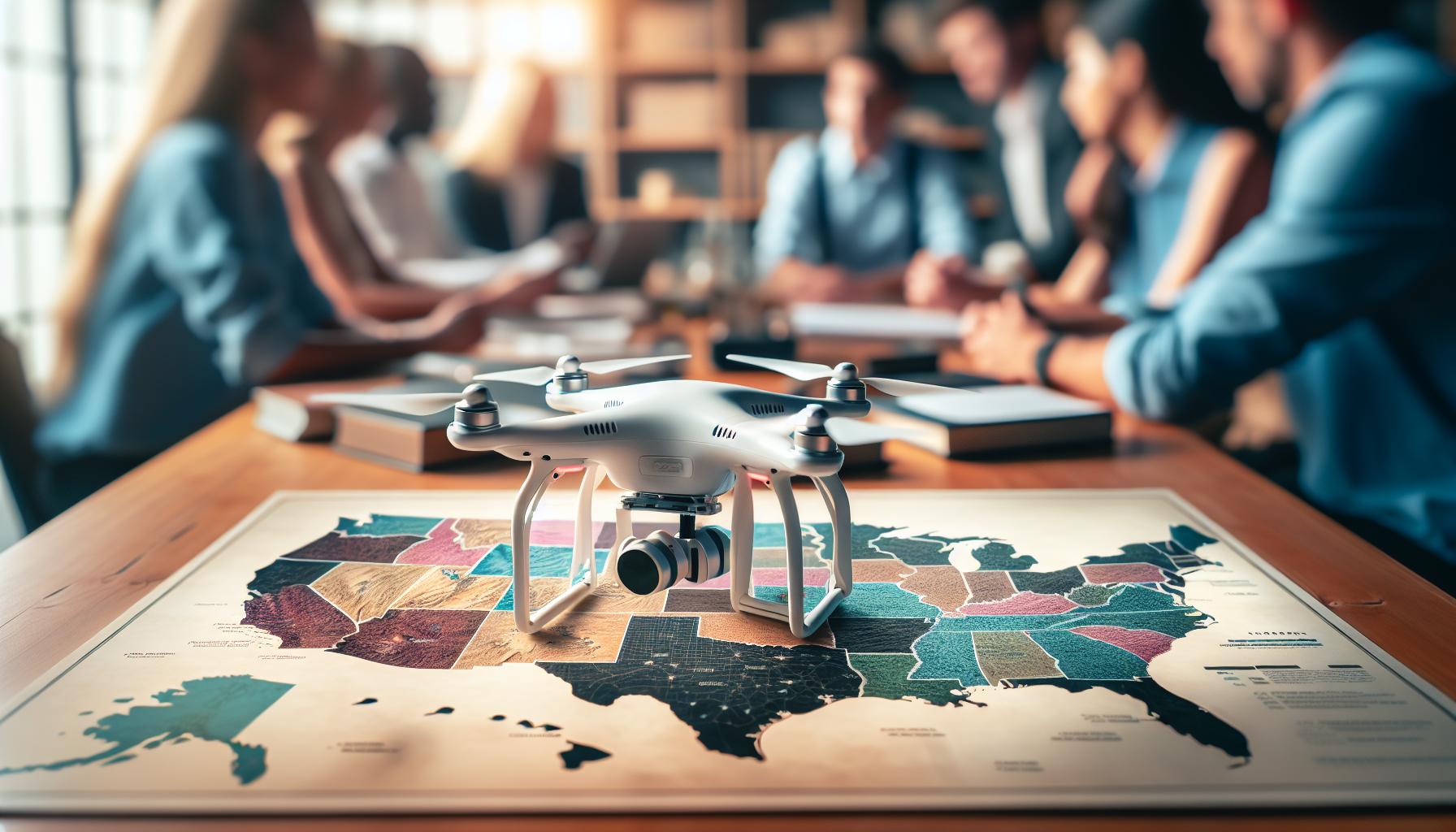
Common Restrictions on Drone Flights
Flying a drone offers an unparalleled perspective of the world, but it comes with a set of common restrictions that every operator should be acutely aware of to ensure compliance and safety. Understanding these limitations is essential for both recreational and commercial pilots looking to navigate the skies responsibly.
One of the primary areas of restriction involves altitude limits. The Federal Aviation Administration (FAA) stipulates a maximum flying altitude of 400 feet above ground level unless you’re within 400 feet of a structure. Exceeding this varies by state and can lead to severe penalties. Moreover, drones are prohibited from flying near airports or air traffic, typically within a five-mile radius, unless you have explicit permission from air traffic control. This includes both public and private-use airports, requiring pilots to familiarize themselves with any nearby airfields before taking off.
Additionally, some local laws impose flight restrictions over public gatherings, stadiums, or festivals. This restriction is designed to prevent accidents and ensure public safety. Flight is often prohibited over certain sensitive areas, such as military bases, government buildings, and wildlife sanctuaries, to protect both privacy and security interests. Recreational pilots should take heed, as these regulations can be enforced heavily, with fines for unintended violations.
To get started on the right foot, always check for no-fly zones before flying, which can be done using various mobile apps and resources provided by the FAA. Operators are also advised to respect the privacy of individuals – flying over private property can lead to disputes and legal consequences. By staying informed about the common restrictions in place, drone pilots can foster a more harmonious coexistence with local communities and authorities, ensuring a safe and enjoyable flying experience.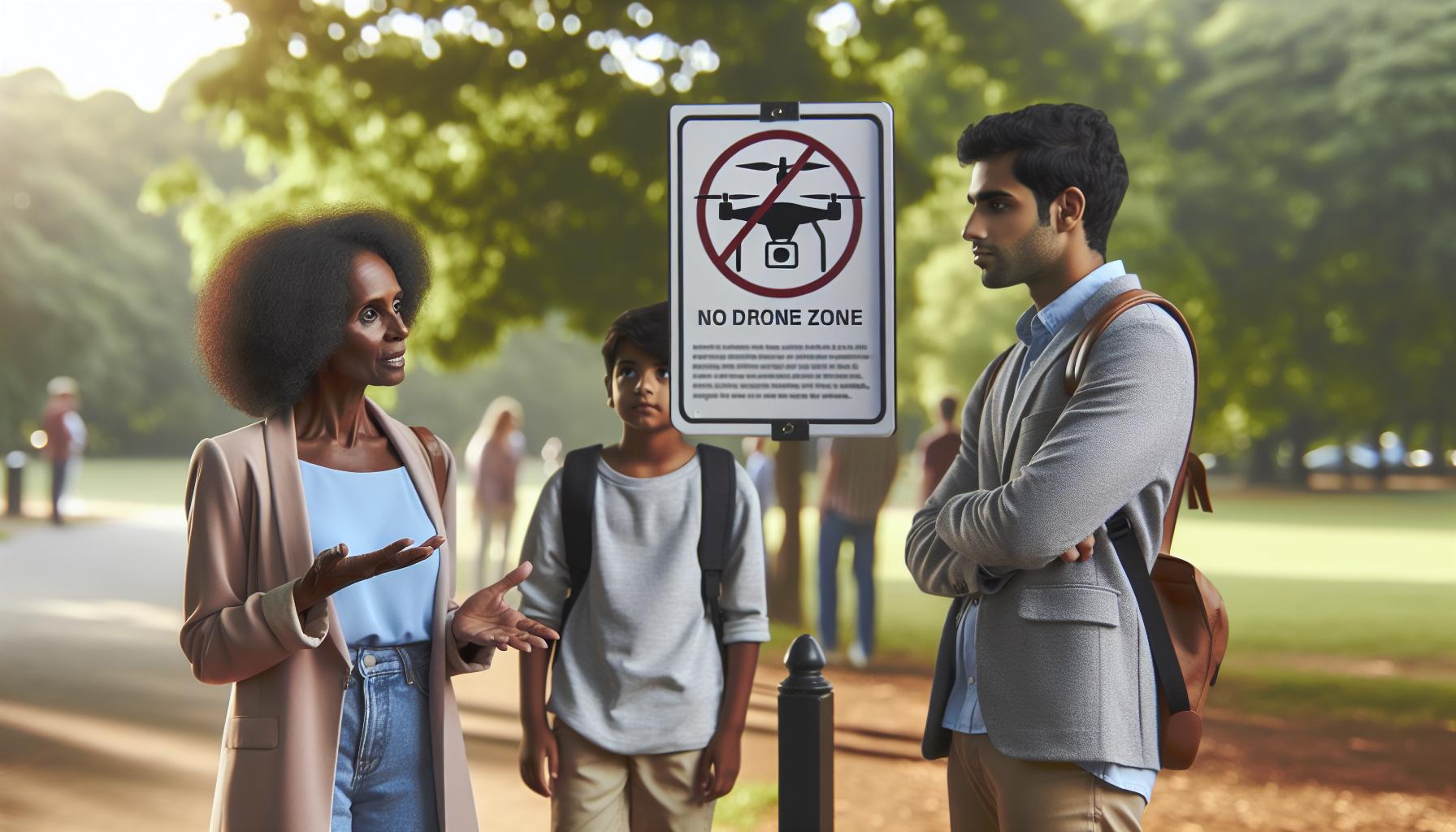
How to Check for No-Fly Zones
Before taking flight with your DJI drone, checking for no-fly zones is essential to ensure you stay within legal boundaries while enjoying the exhilarating experience of aerial photography. No-fly zones exist for various reasons, including safety concerns around airports, military installations, and emergency response areas. Being unaware of these restrictions can lead to hefty fines and legal troubles, making it crucial for drone pilots to be proactive about compliance.
To begin with, one of the most effective ways to check for no-fly zones is through the official apps or tools provided by the FAA. The FAA has a flight restrictions page, which includes a map indicating where you cannot operate without authorization. In addition, most DJI drones come equipped with built-in geofencing technology. This feature uses GPS coordinates to identify restricted areas and prevents the drone from flying in these zones. Make sure your drone’s firmware is updated frequently to ensure the geofencing database is current.
Another reliable method is to utilize mobile apps designed specifically for drone pilots. Apps like Airmap or Skyward provide real-time data about airspace restrictions, including no-fly zones, air traffic instructions, and local regulations. These tools are user-friendly and allow both novice and experienced pilots to plan their flights safely. Before each flight, it is prudent to review this information so you can identify any recent changes to local airspace laws or restricted areas.
Finally, staying informed through community resources and local authorities can also be helpful. Engaging with local drone clubs or online forums dedicated to drone usage can provide insights into temporary flight restrictions due to events or construction activities that might not yet be reflected in official resources. Always be aware that the airspace is dynamic; therefore, continuous education on no-fly zones and flight regulations is a key aspect of responsible drone operation. Remember, a well-informed pilot is a safe pilot!
Navigating Drone Registration Requirements
To operate a drone legally in the U.S., understanding and navigating the registration requirements is of paramount importance. The Federal Aviation Administration (FAA) mandates that all drones weighing more than 0.55 pounds (approximately 250 grams) must be registered before flight. This requirement applies even if you own a compact model like the DJI Mini, which could easily exceed this threshold once additional components such as batteries and prop guards are attached.
How to Register Your Drone
Registering your drone is a straightforward process. Here’s a step-by-step guide:
- Visit the FAA Drone Zone: Go to the FAA Drone Zone.
- Create an Account: If you don’t already have an account, you will need to create one. This involves providing basic information such as your name, email address, and a password.
- Register Your Drone: Once logged in, select the option for registration. You will need to provide specifics about your drone, including its make, model, and serial number. Make sure to have this information at hand.
- Pay the Registration Fee: There is a nominal fee of $5 for registration, which is valid for three years.
- Receive Your Registration Number: After payment, you will receive a unique registration number that must be marked on your drone.
Marking Your Drone
To comply with FAA regulations, you must clearly display your registration number on the drone in a way that is legible and durable. This can often be done by using a permanent marker or a label. If you own multiple drones, you’ll need to register each one separately but can manage all registrations under the same FAA account.
Renewing Your Registration
Keep in mind that your registration is only valid for three years. It’s crucial to set a reminder for renewal to avoid any lapses in legal compliance. The process for renewal is similar to initial registration and can be completed through the FAA Drone Zone.
While the registration process is relatively simple, it is essential for ensuring that all drone operators are accountable for their aircraft, especially regarding public safety. By fulfilling these obligations, drone enthusiasts can continue to explore the captivating world of aerial photography and drone flying with peace of mind, knowing they are compliant with the law.
What to Expect During a Drone Inspection
During a drone inspection, particularly if you’re flying a popular model like a DJI, it’s crucial to understand what the process entails and how to prepare effectively. Inspections typically serve multiple purposes, including ensuring safety, compliance with regulations, and maintaining the operational integrity of your drone. They can be initiated either by a regulatory body or as a routine check to ensure that the drone remains in optimal working condition.
When preparing for an inspection, you should first conduct a thorough pre-flight check. This includes verifying that all hardware components, such as propellers and batteries, are in good condition. Pay special attention to the firmware; keeping it updated is essential for maintaining functionality and adhering to the latest safety standards. If you haven’t done so already, consider calibrating the gimbal and other navigational equipment before any scheduled inspection. Moreover, familiarize yourself with your drone’s specifications and features, which can empower you during the inspection process.
During the actual inspection, inspectors may look for visible wear and tear, functionality of the control systems, and adherence to established safety protocols. Be prepared to demonstrate your drone’s abilities, including flying it briefly if required. Inspectors may also check your documentation, such as registration and maintenance logs. It’s advantageous to maintain meticulous records not just for compliance but to showcase your commitment to safety and reliability.
As you engage in the inspection process, stay open to feedback and suggestions from the inspectors. This can enhance your understanding of best practices and help you identify areas for improvement in your flying habits and drone maintenance. Overall, regular inspections foster a higher level of safety and reliability in your drone operations, ensuring you are always ready and legal to fly.
Drone Flight Rules for Commercial Operators
Operating a DJI drone for commercial purposes involves a set of established guidelines that, when followed, ensure safe and compliant flying practices. The FAA mandates that all commercial operators adhere to Part 107 regulations, which govern the use of small unmanned aircraft systems (sUAS) for commercial purposes. Understanding these rules is essential for pilots looking to leverage their drones for professional uses such as photography, surveying, or inspections.
To begin, all commercial drone operators must possess a valid Remote Pilot Certificate issued by the FAA. This certification requires passing a knowledge test that covers various crucial areas, including airspace classifications, weather effects, and emergency procedures. Remember, your journey doesn’t end after obtaining the certificate; continuous education on evolving regulations and safety practices is vital to remain compliant.
Operational Restrictions
Under Part 107, there are specific operational restrictions that commercial drone operators must adhere to:
- Altitude Limitations: Drones must not exceed an altitude of 400 feet above ground level unless flying within a 400-foot radius of a structure.
- Line of Sight: Operators must maintain visual line of sight (VLOS) with their UAV at all times during operation.
- Night Operations: Commercial drone flights are typically restricted to daylight hours unless operators possess a waiver allowing night flights.
- Airspace Compliance: Respect airspace classifications, avoiding restricted or controlled areas unless permission is obtained.
Ensuring that you’ve planned your flight operations within these parameters can greatly mitigate potential legal issues and enhance safety.
Preparation and Safety Protocols
Before each flight, conduct a thorough pre-flight inspection of your DJI drone. This includes checking all hardware components, ensuring your firmware is updated, and calibrating the drone’s gimbal and navigation systems. Additionally, a detailed risk assessment of the flight area should be performed, considering factors such as nearby people, structures, and weather conditions. These preparatory steps not only comply with FAA regulations but also promote operational excellence.
Regular training sessions and safety briefings are also recommended for commercial operators to foster an understanding of both drone technology and regulatory compliance. This practice can help prepare operators for unexpected situations that may arise during their flights.
Complying with these rules ensures a professional image, promotes safety, and, ultimately, enhances the viability of drone operations in commercial sectors. As the drone landscape continues to evolve, staying informed and adhering to the current legal framework is crucial for commercial success and safety in the air.
Safety Guidelines for Recreational Drone Pilots
Flying a drone can be an exhilarating experience, providing stunning aerial perspectives and capturing breathtaking footage. However, it’s essential for recreational pilots to follow specific safety guidelines to ensure their own safety as well as that of others. By adhering to established protocols, you can enjoy your drone flights while remaining compliant with legal requirements and promoting a positive image of the drone community.
Understanding the basic rules is crucial for safe operations. Recreational drone pilots should always maintain a visual line of sight (VLOS) with their aircraft. This allows for immediate adjustments during flight and enhances safety. Additionally, it’s important to fly below the 400-foot altitude ceiling to avoid potential conflicts with manned aircraft. Familiarizing yourself with your local airspace is equally critical; avoid flying near airports, stadiums, or other crowded areas unless explicitly permitted.
Before taking off, conducting a thorough pre-flight check can prevent numerous issues. Inspect your drone for mechanical faults, ensure the batteries are fully charged, and verify that the firmware is updated. It’s also wise to plan your flight path in advance, considering local weather conditions and potential obstacles in your airspace, such as power lines or trees.
After every flight, reflect on your experience. Review what went well and what could be improved, which is a practice that promotes continuous learning. Moreover, familiarizing yourself with local regulations and staying updated on changes in drone laws will ensure that you are not only a responsible pilot but also an advocate for the safe use of drones in your community.
Consequences of Violating Drone Laws
Ignoring drone laws can have serious repercussions, ranging from fines to criminal charges, depending on the severity of the violation. In the U.S., the Federal Aviation Administration (FAA) regulates drone use, and failing to adhere to FAA regulations can result in civil penalties. For instance, fines can reach up to $27,500 for civil violations, and if the violation is egregious, it could escalate to criminal penalties that encompass fines of up to $250,000 and imprisonment for up to three years.
Beyond federal consequences, individual states may have their own specific regulations regarding drone use. For example, some states have enacted laws that prevent drone operators from capturing images of private property without consent, which can also result in significant penalties, potentially including fines or even jail time, depending on the intent behind the violation and the state’s laws concerning privacy and surveillance [[2]](https://statutes.capitol.texas.gov/docs/gv/htm/gv.423.htm). This means that operators may find themselves facing legal action not just from federal or state enforcement but also from individuals claiming damages for breaches of privacy.
Moreover, the potential damage to your reputation as a responsible drone operator should not be underestimated. Violating drone laws can result in a loss of trust within the drone community as well as negative publicity, which can hinder opportunities for those looking to operate drones for commercial purposes. Nowadays, with social media and community forums, stories of reckless operation can spread quickly, leading to a broader curtailment of flying rights for all drone enthusiasts.
To safeguard yourself and your investment, it’s crucial to stay informed about the latest regulations, conduct pre-flight checks, and familiarize yourself with local laws surrounding drone operation. Knowing the risks allows you to fly confidently and within the framework of the law, thereby enhancing both your skills and the integrity of the drone community as a whole.
The Future of Drone Legislation
As drone technology rapidly evolves, so too does the legislative landscape governing its use. There’s little doubt that the integration of drones into our airspace presents complex challenges, but it also offers exciting opportunities for innovation and improved regulation. Recent shifts are hinting at a future where drone operation could become even more streamlined, with an emphasis on safety, compliance, and public interest.
The Federal Aviation Administration (FAA) is currently navigating the development of regulations tailored to advanced drone operations, such as package delivery and urban air mobility. This includes plans for the Remote Identification rule, which, once fully implemented, will require all drones to broadcast their identification and location. This transparency can ease public concerns over privacy and security while allowing law enforcement to monitor compliance effectively.
Furthermore, a growing number of states are working to harmonize their specific laws with federal regulations. This is critical as drones can easily cross state lines, and inconsistent laws can create confusion among operators. Expect to see more initiatives aimed at providing clearer guidelines that protect privacy and safety without stifling the innovation that drones can offer.
Another notable direction is the heightened focus on environmental considerations. As public awareness about climate change and its impacts grows, drone legislation may begin to incorporate sustainability measures. Drones are already being used in environmental monitoring and conservation efforts, and future regulations could incentivize their use in eco-friendly applications.
Engaging with emerging legislation is essential for all drone operators. Keeping an eye on updates at both state and federal levels can help you anticipate changes that may affect your flying rights or operational capabilities. Joining drone advocacy groups and participating in community forums are effective ways to stay abreast of legislative developments. By contributing to discussions surrounding drone laws, you can help shape a future where drone use is both safe and beneficial for all.
Ultimately, will likely be one marked by collaboration among regulators, industry stakeholders, and the public-aiming for a balanced approach that recognizes the potential of drones while addressing safety and privacy concerns.
Tips for Staying Informed About Legal Changes
Staying updated on the ever-evolving legal landscape surrounding drone operations is crucial for every pilot, especially when it comes to popular drones like those from DJI. Given the rapid advancement in drone technology and the legislative frameworks that govern them, being proactive about your knowledge can help you avoid penalties while maximizing your flying experiences. Here are some effective strategies to ensure you stay informed about legal changes affecting your drone usage.
Follow Official Sources
One of the best ways to stay updated is by monitoring official channels. Regularly check the Federal Aviation Administration (FAA) website, as it provides official announcements, updates on regulations, and newly published guidelines related to drone flight. Additionally, state aviation authorities often post local laws that can influence where and how you can fly your DJI drone. Subscribing to email newsletters from these agencies will also ensure you receive the latest news straight to your inbox.
Join Online Communities and Forums
Engaging with fellow drone enthusiasts through online forums and social media groups can provide you with real-time information and diverse perspectives. Websites like Reddit or dedicated drone-focused groups on platforms like Facebook can serve as a valuable resource for sharing experiences, asking questions, and discussing recent changes in the legal landscape. Many members also share updates on local laws that might not yet be widely publicized.
Participate in Local Drone Clubs
Joining a local drone club or association can significantly enhance your understanding of drone regulations. These groups often organize meetings or events where experts speak about the latest legal developments, safety practices, and operational tips for drone pilots. Collaboration with local operators can offer insights into state-specific laws and how to navigate them efficiently.
Utilize Mobile Apps for No-Fly Zones
Several mobile applications, such as DJI’s own Fly app or other dedicated drone management tools, not only assist in planning your flights but also provide real-time updates about no-fly zones and recent compliance requirements. These apps can help you visually understand any restrictions in your area, ensuring that your flying remains within legal boundaries.
Staying informed about drone legislation is not just essential compliance; it’s a matter of responsible flying. By leveraging these strategies, you empower yourself to fly safely and legally, helping to shape a positive future for all drone operators.
Frequently asked questions
Q: Can I legally fly my DJI drone in urban areas?
A: Yes, you can legally fly your DJI drone in urban areas, but it is subject to specific regulations. Check local laws, obtain necessary permits, and avoid densely populated sites. Refer to your article’s section on “Common Restrictions on Drone Flights” for more insights.
Q: What are the current no-fly zones for DJI drones?
A: No-fly zones typically include airports, military bases, and national parks. You can use apps or online maps to identify these areas before flying. For further details, see the “How to Check for No-Fly Zones” section of your article.
Q: Do I need to register my DJI drone if I’m flying for recreation?
A: Yes, if your DJI drone weighs more than 0.55 pounds (250 grams), you must register it with the FAA even for recreational use. Visit the “Navigating Drone Registration Requirements” section in your article for more information.
Q: Are there restrictions on flying drones at night?
A: Yes, flying drones at night is restricted unless you have proper lighting and meet specific FAA requirements. You can find detailed guidelines in your article’s section on “Common Restrictions on Drone Flights.”
Q: How do I stay updated on drone regulations?
A: To stay informed, regularly check the FAA website or join drone pilot communities. Your article’s “Tips for Staying Informed About Legal Changes” section provides additional resources for keeping up with the latest regulations.
Q: What measures are in place to enforce drone regulations?
A: Enforcement measures include fines, confiscation of drones, and potential revocation of pilot licenses. Understand the “Consequences of Violating Drone Laws” in your article to grasp the seriousness of compliance.
Q: Can I still fly my DJI drone during a temporary flight restriction (TFR)?
A: No, flying during a TFR is prohibited. Always verify TFRs before flying and monitor updates as they may change rapidly. Reference your article’s section on “Common Restrictions on Drone Flights” for further explanation.
Q: What should I do if I’m approached by law enforcement while flying my drone?
A: If approached by law enforcement, remain calm and comply with their requests. Be prepared to show registration and follow-up details regarding your flight. Consult the “What to Expect During a Drone Inspection” section of your article for best practices.
Wrapping Up
You’ve explored the vital aspects of flying your DJI drone under current legal conditions. Understanding these regulations is crucial for safely enjoying your aerial adventures. Don’t wait-check local laws today to ensure you’re compliant and ready to fly without worry! For more in-depth guidance, explore our articles on drone safety procedures and tips for legal compliance, or dive into our comprehensive reviews of the latest DJI models including the Mavic and Mini series.
Stay informed, and consider signing up for our newsletter to receive the latest updates on drone regulations and technology straight to your inbox. Have questions or want to share your flying experiences? Join the conversation in the comments below. Your feedback is invaluable as we strive to build a community of knowledgeable drone enthusiasts! Keep exploring, and let your DJI drone capture the world from new heights!