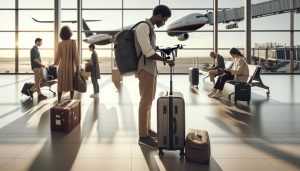
As drone enthusiasts prepare for their travels, understanding the rules surrounding flying with DJI drones on airplanes is crucial. Did you know that specific regulations can vary significantly from one airline to another? This guide provides comprehensive insights into TSA guidelines, ensuring your flying companion is safely packed and compliant with air travel rules. Whether you’re capturing stunning landscapes or documenting adventures from above, navigating these regulations is essential for a hassle-free journey. With the right knowledge, you can confidently avoid potential pitfalls and focus on creating unforgettable aerial memories. Read on to discover everything you need to know about taking your DJI drone on a plane in 2025.
Can I Bring My DJI Drone on a Flight?
Bringing your DJI drone on a flight is a travel experience that many enthusiasts look forward to, yet it comes with its own set of rules and considerations. Travelers must navigate both TSA regulations and airline policies to ensure a smooth experience. Understanding these guidelines is essential, especially as more people are discovering the joy of aerial photography and videography while globetrotting.
First, it is crucial to recognize that most airlines permit you to carry your drone in either your carry-on or checked baggage, though carrying it on board is highly recommended. Keeping your drone with you means you can manage it directly and avoid potential damage. Additionally, make sure to protect the drone itself with suitable packing materials to prevent impacts during transit. Ensure your device is completely powered off to comply with TSA requirements.
Another key point to consider is the lithium batteries that power your drone. TSA guidelines stipulate that batteries rated above 160 watt-hours must be checked and may not be allowed. For most DJI drones, the standard batteries fall below this threshold, but you should always verify the watt-hour rating on your specific batteries. It’s advised to carry batteries in protective cases, especially if they have exposed terminals, to minimize any risk of short-circuiting.
Finally, before you travel, check the airline’s specific regulations regarding drones as there can be variations in allowed sizes, weights, or documentation required. Keeping informed on every aspect of your travel plans-from airport procedures to destination regulations-will help ensure your drone adventure goes off without a hitch. With the right preparation, you can focus on capturing stunning aerial footage around the world.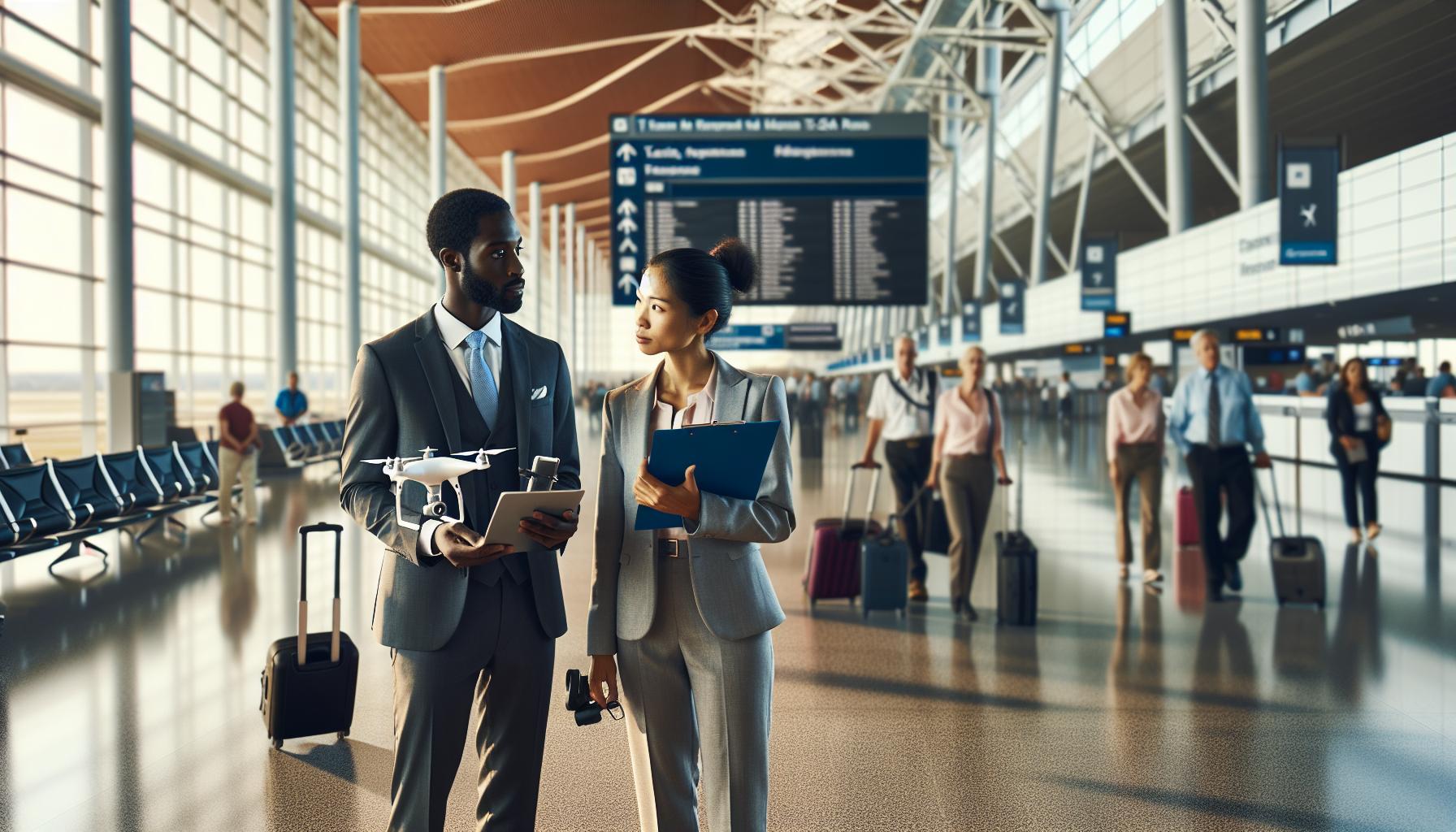
Understanding TSA Regulations for Drones
Flying with a drone opens up a world of breathtaking aerial photography and videography, but it’s imperative to navigate the maze of regulations to ensure your travel experience is as seamless as possible. The Transportation Security Administration (TSA) has established guidelines that dictate how electronic devices, including drones, should be handled at airports. Understanding these regulations is key for any drone enthusiast looking to travel.
First and foremost, the TSA allows you to bring your drone through security checkpoints in both carry-on and checked luggage. However, carrying your drone in the cabin is generally recommended. By keeping your drone with you, you can avoid mishandling that often occurs in checked baggage, which may lead to damage. When preparing your drone for travel, ensure it is powered off completely and securely packed with appropriate cushioning to protect it from impacts during transit.
Lithium batteries pose specific considerations under TSA regulations. Drones, including popular DJI models, typically use lithium-ion batteries that must be handled carefully. The TSA mandates that batteries rated under 160 watt-hours can be transported in your carry-on luggage. For reference, the standard batteries used in many DJI drones are usually well below this threshold, but it’s crucial to verify the watt-hour rating for your specific model. To further ensure safety, carry batteries in protective cases, especially if terminals are exposed, to mitigate the risk of short-circuiting.
No matter where you are flying to, being well-informed of both TSA guidelines and individual airline policies regarding drones will streamline your travel process. Some airlines may have specific restrictions based on the drone’s size, weight, or even the need for documentation. Always check your airline’s policy before traveling. By understanding TSA regulations and preparing your drone accordingly, you can enjoy your travels without worrying about unexpected complications while capturing the stunning vistas that only drone photography can provide.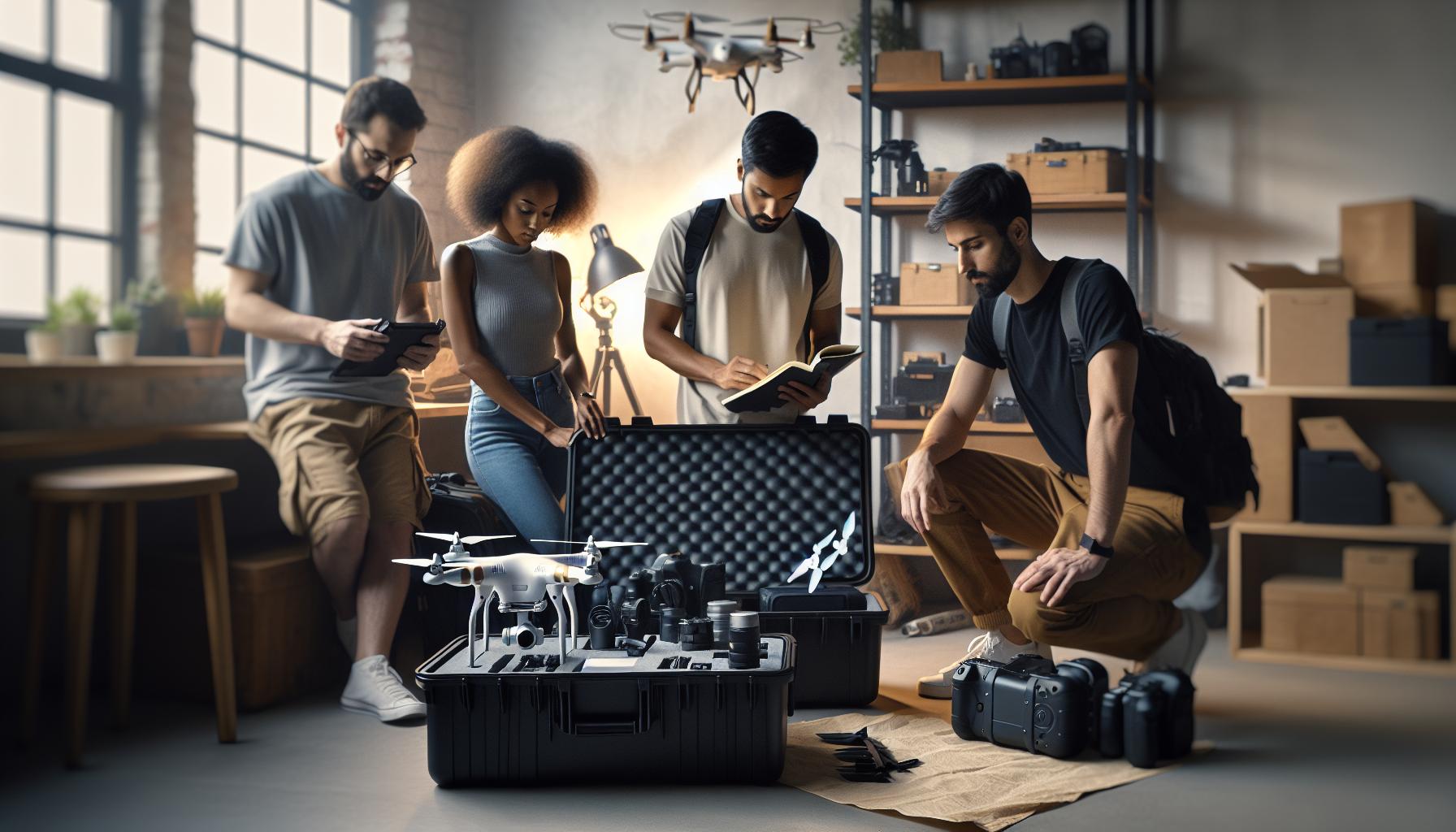
Packing Your Drone: Best Practices
When it comes to traveling with your DJI drone, packing it efficiently is crucial to ensuring its safety and functionality upon arrival. Drones are intricate devices made up of delicate components that require careful handling, especially during air travel. Utilizing the right packing techniques not only protects your drone from potential damage but also makes your journey much smoother.
To begin, it’s essential to choose an appropriate case. Invest in a high-quality, padded carrying case specifically designed for your drone model. This should provide ample cushioning and protection from bumps and shocks. Opt for cases with customizable foam inserts that securely hold your drone, remote controller, and accessories in place. Here are some best practices to follow when packing your drone:
- Remove all accessories: Before packing your drone, detach any external parts, such as propellers, gimbals, and camera lenses. This minimizes the risk of breakage and makes packing simpler.
- Power down and store safely: Ensure your drone is completely powered off. This not only helps prevent accidental activation but also conserves battery life.
- Include a protective barrier: Use bubble wrap or soft cloths to add extra protection around sensitive areas of the drone, especially the camera and gimbal. This layer can absorb shocks during transport.
- Organize your accessories: Use individual compartments for batteries, chargers, and cables within your carrying case. Keeping everything organized will simplify your setup upon arrival.
Furthermore, always check the weight and size of your packed case against your airline’s luggage policies. Some airlines may impose restrictions on carry-on sizes or weights, especially for items containing lithium batteries, which are commonly found in drones. Look for guidelines specific to your airline regarding drone transport, as compliance can save you from unexpected surprises at the airport.
By adhering to these packing best practices, you’ll not only protect your equipment but also enjoy a hassle-free travel experience, fully prepared to capture breathtaking aerial shots once you reach your destination.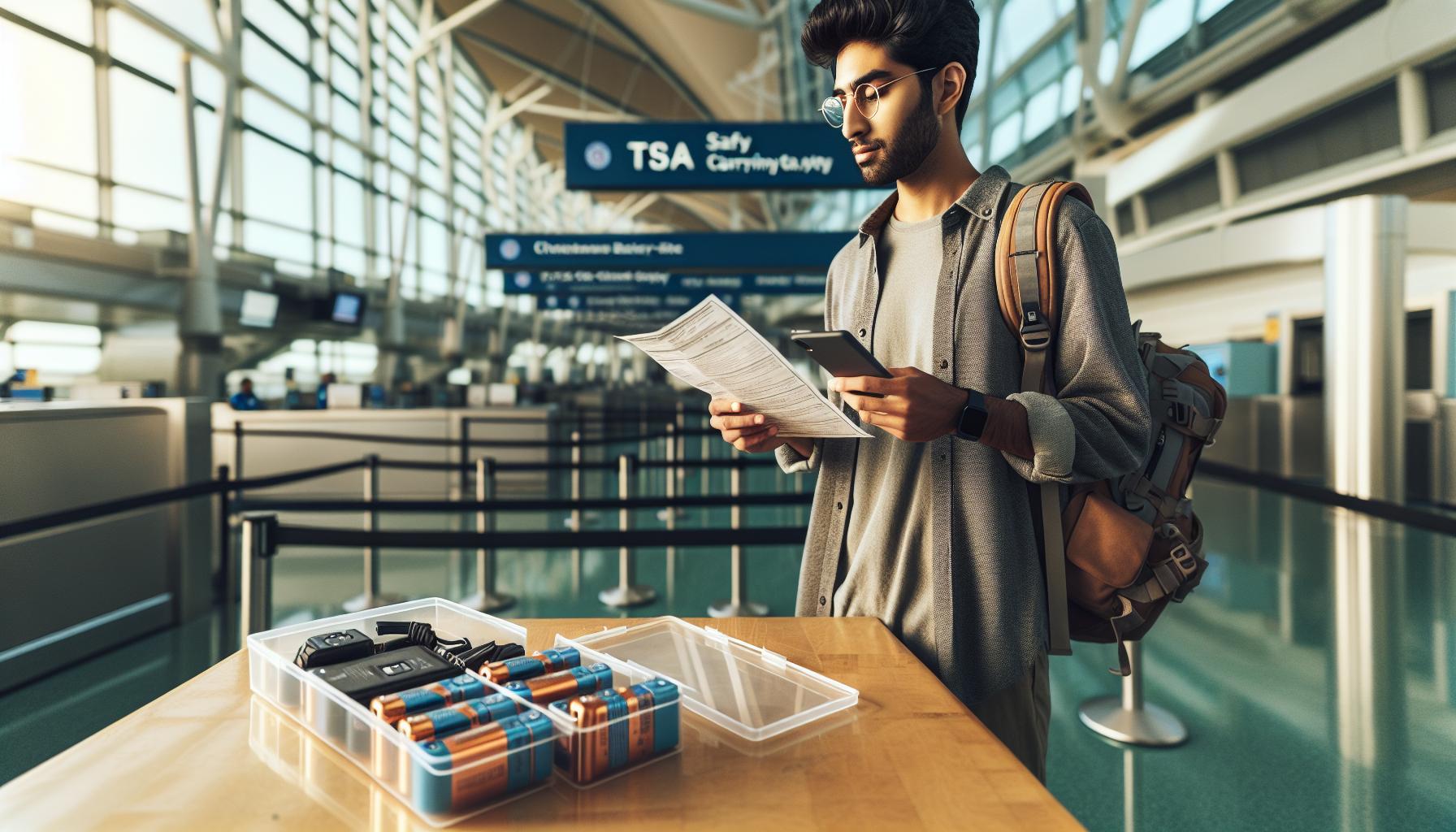
Battery Safety: TSA Guidelines for Lithium Batteries
Flying with lithium batteries can feel daunting, but understanding the guidelines from the Transportation Security Administration (TSA) can turn your air travel into a seamless experience. Lithium-ion batteries, commonly used in DJI drones, are generally safe to transport as long as you adhere to specific regulations. The TSA has outlined clear rules to ensure the safety of air travel while allowing drone pilots to bring their equipment aboard.
First and foremost, batteries are best transported in your carry-on luggage rather than checked bags. This is crucial because the cabin crew has immediate access to any issues that might arise, which is not the case with checked luggage. Ensure that the watt-hour rating of each lithium battery does not exceed 100 watt-hours. Most DJI batteries, such as those used in the Mavic line, fall well within this limit. However, batteries ranging from 100 to 300 watt-hours may still be brought on board but are subject to strict limits, typically one or two per traveler. Always check the specifications of your battery against TSA guidelines to confirm compliance.
When packing your batteries, consider taking additional precautions to prevent short-circuiting. Use protective cases or battery bags designed for this purpose. These specialized carriers not only keep batteries safe but also help contain any incidents should a battery malfunction. Additionally, it’s advisable to keep your batteries partially charged (around 30-50%) for optimal performance during travel.
If you are traveling internationally, be aware that other countries may have different regulations regarding battery transport. Researching the rules specific to your destination can prevent any surprises at customs or security checks. By following these TSA guidelines, you’ll ensure that your drone batteries are safely transported, allowing you to focus on capturing stunning aerial footage once you reach your destination.
Checked vs. Carry-On: Where to Put Your Drone
When it comes to traveling with a DJI drone, deciding whether to pack it in your carry-on or checked luggage can significantly impact your trip experience. Carrying your drone in your carry-on bag is highly recommended, and for good reason. The primary advantage is accessibility; if something were to go awry with your equipment, such as damage or theft, you’ll want to have it within reach. Additionally, airlines and the TSA have specific regulations that favor carry-on storage, especially for items that contain lithium batteries.
Most airlines require that lithium batteries are stored in carry-on luggage due to the potential fire hazard they pose. DJI batteries, typically found in models like the Mavic and Phantom series, fall under TSA guidelines that usually permit them in carry-on bags provided they do not exceed the watt-hour limits. Make sure you check individual airline policies, as some may have their own restrictions or additional requirements. Including the drone’s remote controller, spare batteries, and other accessories in your carry-on ensures their safety and reduces the risk of being delayed or denied boarding due to issues with your checked luggage.
While packing your drone, consider a few tactical tips:
- Use a good-quality, padded case: This will protect your drone from bumps and impacts while traveling.
- Remove the propellers: Detaching the propellers before packing helps minimize damage and makes packing more efficient.
- Organize accessories: Store extra batteries, chargers, and cables in separate compartments to prevent tangling and protect them from damage.
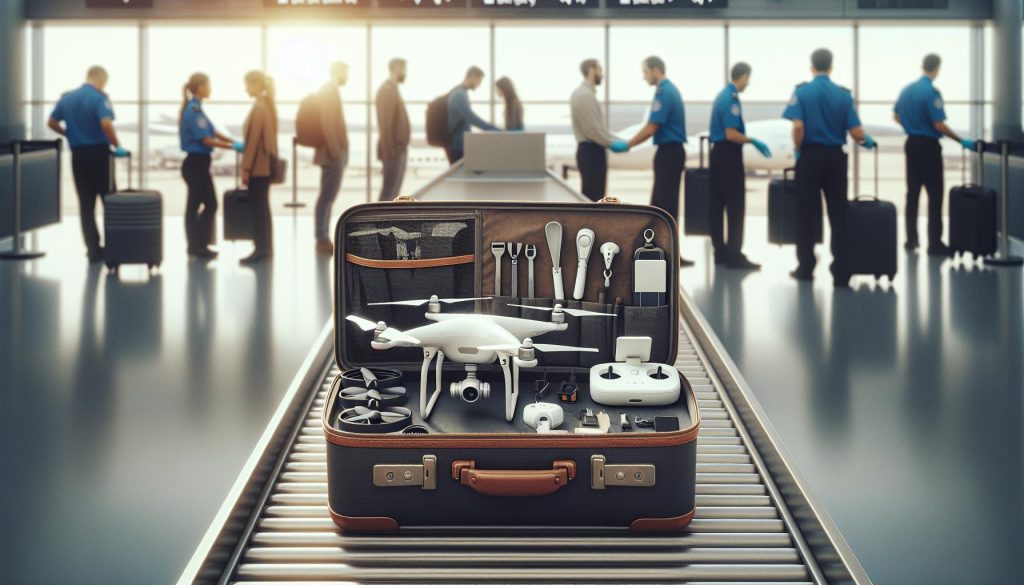
It’s crucial to also remember that even while traveling with your drone in carry-on luggage, you should always be prepared for security screenings. Be ready to take your drone out of its case and place it in a separate bin when requested, much like a laptop or tablet. By following these practices, you secure the well-being of your valuable gear and set yourself up for a smooth and hassle-free travel experience.
Navigating Airport Security with Your Drone
When traveling with your DJI drone, navigating airport security can feel daunting, but knowing what to expect can make the process smoother. Start by arriving early at the airport to give yourself ample time for security procedures. Being prepared can alleviate stress and help ensure that your gear is treated with the care it deserves.
As you approach the security checkpoint, have your drone and accessories readily accessible. Since your drone is likely to be subject to additional scrutiny, it’s a smart move to remove it from its case and place it in a separate bin just like you would with your laptop or tablet. This allows the TSA officers to clearly see the device and ensures it passes through the screening without delay. Additionally, be prepared to remove your batteries from their compartments for individual screening, as lithium batteries can carry specific regulations due to their potential fire risk.
Keep in mind that security personnel may request to inspect your equipment further, depending on the policies in place at the specific airport. Stay patient and cooperative to facilitate the process. If traveling with multiple batteries, it can be helpful to have them organized in a protective case or in their original packaging, as this can further expedite the screening process while demonstrating compliance with safety standards.
Finally, don’t forget to familiarize yourself with the latest TSA guidelines regarding drone transportation. These regulations can change periodically, and checking them before you travel will help you avoid unexpected hurdles. By being well-prepared and informed, you can navigate airport security with confidence, allowing you to focus on your journey ahead and the exciting aerial shots waiting for you at your destination.
Airline-Specific Policies on Drones
Traveling with a drone requires awareness not just of general regulations but also the specific policies set by individual airlines. While the TSA offers overarching guidelines for traveling with drones, airline policies can vary widely, making it critical for drone operators to check the rules of the airline they plan to travel with beforehand. Some airlines allow drones in carry-on luggage, while others might have restrictions on size and battery capacity.
Understanding Airline Policies
Many major airlines, including Delta, American Airlines, and United, generally permit drones in both carry-on and checked luggage but often require that certain conditions are met. For instance:
- Battery Restrictions: Most airlines follow the IATA (International Air Transport Association) guidelines, which typically limit lithium batteries to a maximum of 100 watt-hours in carry-on luggage. Batteries exceeding this limit may need to be shipped separately, declared, or not permitted at all.
- Size Limitations: The dimensions of your drone can also impact its transportability. Airlines might restrict the total dimension of carry-on items (length + width + height), so know your drone’s measurements.
- Labeling and Packaging: Some airlines require that lithium batteries be packed properly, ideally in their original packaging or a protective case, to avoid short circuits or damage during transport.
Always verify any necessary documentation, as some airlines may ask for proof of purchase, especially when flying internationally, due to different regulations in other countries.
Checking with Your Airline
When planning air travel with your DJI drone, it’s best to check the airline’s website or contact customer service directly for up-to-date information regarding their policies on drones. For instance, while Southwest Airlines typically allows drones in carry-on bags, their policies may differ based on specific routes or aircraft types. Budget airlines may impose stricter rules on carry-on limits and may not allow drones in the cabin at all.
By being proactive about understanding these airline-specific policies, you can ensure a smoother travel experience and avoid any unnecessary airport hassles. Preparedness is key; having clear documentation about your drone’s specifications, batteries, and adherence to airline rules will help ease your journey from takeoff to landing.
Tips for Traveling Internationally with a Drone
Traveling internationally with a drone can be both thrilling and complex, given the myriad of regulations and restrictions that vary from country to country. To ensure a smooth journey and an enjoyable flying experience, there are several key considerations to keep in mind before you embark on your travels.
First and foremost, thorough research is crucial. Each country has its own laws governing the use of drones, and ignorance of these regulations can lead to significant penalties, including fines or confiscation of your equipment. Start by checking the aviation authority in your destination country. Websites like the International Civil Aviation Organization (ICAO) and local government sites often provide detailed guidelines on drone usage. Look for specific rules regarding maximum altitude, no-fly zones, and any required permits or registrations.
When it comes to flying in foreign airspaces, understanding local customs is just as important as knowing legal regulations. For instance, some countries may require you to obtain special permissions to fly your drone in crowded areas or near sensitive locations such as military bases or government buildings. Always carry documentation that proves your drone’s registration and your ownership; this will be beneficial if local authorities question your flight activities.
Protecting your drone during travel is another vital aspect. Invest in high-quality carrying cases designed specifically for drones; these provide both protection against physical damage and organization for accessories such as batteries, propellers, and remote controllers. Furthermore, consider the power and battery regulations that come into play when checking your drone for international flights. Many countries have strict rules about transporting lithium batteries, often limiting the watt-hours you can bring either in your carry-on or checked luggage. Familiarize yourself with these limits to ensure compliance and avoid unwanted surprises at the airport.
Finally, be prepared for cultural differences regarding UAV operations. In some regions, public perception of drones can be wary or even negative, and flying in certain areas might attract unwanted attention. Approaching your drone experience with respect for local customs and an awareness of your surroundings not only demonstrates good etiquette but can also enhance your overall travel enjoyment. Remember, a little preparation goes a long way in ensuring that your international drone adventure is both safe and fulfilling.
Common Mistakes to Avoid When Flying with a Drone
When navigating the world of drone travel, particularly with your DJI drone, avoiding common pitfalls can significantly enhance your flying experience. One prevalent mistake is not thoroughly understanding the regulations of each destination you plan to fly your drone in. Many travelers assume that if they are compliant with their home country’s laws, they will be in the clear elsewhere. However, each region may impose unique restrictions regarding no-fly zones, altitude limitations, and even operational timeframes. Always research the local drone laws and obtain necessary permissions in advance to avoid hefty fines or confiscation.
Another frequent error is failing to check your drone’s compatibility with airline policies. Each airline has its own regulations regarding the transport of drones, particularly concerning battery requirements and weight limits. While many airlines allow drones in carry-on luggage, they may restrict the size of the batteries and how they are packed. Review each airline’s guidelines and consider contacting their customer service for clarifications if anything seems unclear-this proactive approach saves you from surprises at the airport.
Improper drone packing also leads to a multitude of issues. Many travelers overlook the importance of protective cases, believing that a simple backpack suffices. Drones are delicate pieces of technology and can be easily damaged. Invest in a sturdy, well-cushioned carry case designed specifically for your model to keep it safe from physical damage during transit. Each component-batteries, propellers, and the controller-should also be securely stored, prioritizing organization to streamline your setup and flying process once you reach your destination.
Lastly, don’t underestimate the value of practicing your flying skills before you embark on your journey. Flying in an unfamiliar location with an audience can amplify pressure and impact your performance. If possible, conduct a few practice flights in different environments beforehand to refine your skills and become adept at handling your drone. This preparation not only builds confidence but also improves your ability to react to unexpected situations, allowing you to focus on capturing breathtaking aerial shots rather than overcoming operational challenges in a new environment.
Legal Considerations: Flying Your Drone After Landing
Flying your drone may be exhilarating, but it’s essential to keep the legal landscape in mind immediately after landing. Understanding the regulations governing drone operations at your destination can lead to a smoother experience and help you avoid potential fines or legal troubles. Each country, state, or even municipality can have a distinct set of rules about where and how you can fly your drone post-arrival. This makes it crucial to conduct thorough research beforehand.
Before you decide to launch your DJI drone, familiarize yourself with local laws that may include restrictions on operating near airports, residential areas, or protected wildlife habitats. Many countries have strict no-fly zones and require specific permits for commercial use. It’s advisable to check local aviation authority websites or apps designed to provide drone pilots with live information on airspace classifications, such as FAA’s B4UFLY app in the United States or similar tools in other regions.
Be Considerate of Privacy Regulations
In addition to airspace regulations, be aware of privacy laws that may dictate how and where you can record video or capture images with your drone. For instance, some locations may have laws that prohibit flying over private property without consent, particularly in residential neighborhoods. Understanding these privacy concerns not only protects you legally but also fosters goodwill in the communities you visit.
Document Your Flight
Consider documenting your flight sessions, especially if you are operating in busy or contested areas. Keeping a log that includes flight paths, dates, locations, and any permissions obtained can serve as a valuable reference in the event of any disputes or inquiries by local authorities. Additionally, if you’re traveling internationally, ensure that your drone is registered and that you have copies of any required certifications or insurance documentation readily available.
By being informed and prepared, you ensure that your drone experience remains enjoyable and free from legal complications. Prioritize understanding the legal requirements before taking to the skies, allowing you to focus on capturing stunning aerial imagery instead of navigating through potential legal hurdles.
Preparing Your Drone for Air Travel
Traveling with your DJI drone can be an exciting prospect, but ensuring that it’s prepared for air travel is crucial to avoid any hassles at the airport. Start by giving your drone a thorough inspection. Check for any loose parts or damage that might have occurred during previous flights or travels. Ensure that the gimbal is locked and that the propellers are securely attached or packed to prevent any accidental activation or damage.
Before you head to the airport, update your drone’s firmware to the latest version, as this can help prevent any unexpected performance issues during flight. Having the most recent software will also ensure you have all the latest features available. Additionally, calibrate the gimbal and GPS systems to ensure optimal performance, especially if you are flying in a new location. Familiarize yourself with the specific operational limits of your drone model, as certain features may be restricted in particular areas.
When packing your drone, use a high-quality carrying case that can absorb shocks, provide padding, and keep your drone secure during transit. Make sure to remove any batteries and pack these separately following the TSA guidelines for lithium batteries, which emphasize the need to keep them in their original packaging or in protective pouches. Ensure each battery has a capacity below the allowed limit, typically under 100 watt-hours when flying domestically.
To facilitate a smooth passage through airport security, reserve your drone and its accessories for your carry-on luggage rather than checked bags. This allows you to have control over the handling of your drone and makes it easier to access if security personnel need to examine it. Being proactive in these preparations can save you time and stress, ensuring you and your drone are ready to soar as soon as you reach your destination.
Protect Your Drone: Accessories for Safe Travel
Ensuring that your DJI drone is well-protected during air travel is essential for safeguarding your investment and making your travel experience as hassle-free as possible. Using the right accessories can significantly enhance your drone’s protection from the rigors of transit, whether you’re navigating airport security or relocating to your next flying destination.
One of the most crucial investments you can make is a reliable carrying case. A well-designed drone case should not only fit your specific drone model snugly but also provide ample padding to absorb shocks and impacts. Look for hard-shell cases with customizable foam interiors, which help keep your drone and accessories safe from accidental damage in transit. Many cases also come with extra compartments for storing batteries, chargers, and other essential equipment. This organized storage minimizes the risk of loss and damage during your travels.
Alongside a sturdy carrying case, consider protective accessories specifically designed for drone components. For instance, propeller guards can prevent blades from damage during transport, especially if the drone is packed with its propellers attached. Additionally, using a gimbal lock is crucial to protect the camera during travel. Without a lock, the gimbal remains free to move, which can lead to misalignment or damage to internal components over time.
Battery management is another vital consideration when traveling with your drone. TSA regulations require that lithium batteries be stored properly to minimize fire hazards. Invest in lithium battery cases that provide fire-resistant safety features and are compliant with TSA guidelines. Furthermore, it’s advisable to bring extra battery packs as they significantly extend your flying time once you reach your destination. Ensure that these batteries are also compartmentalized and stored securely to prevent short circuits.
In summary, equipping your travel setup with high-quality protective accessories not only safeguards your DJI drone but also enhances the overall travel experience. By prioritizing protection, organization, and compliance with regulations, you’ll be better prepared to enjoy your adventures, knowing your equipment is secure and ready to fly.
Frequently Asked Questions
Q: Can I take my DJI drone on a plane as carry-on luggage?
A: Yes, you can generally take your DJI drone as carry-on luggage. Ensure it meets your airline’s size and weight restrictions and follows TSA guidelines for lithium batteries. Always check with your airline for specific regulations regarding drones.
Q: What should I do if my drone has a lithium battery?
A: If your drone has a lithium battery, it must be transported in accordance with TSA regulations. Keep batteries under 100 watt-hours in your carry-on, and ensure they have terminals that are protected against short-circuiting. Refer to the “Battery Safety: TSA Guidelines for Lithium Batteries” section for best practices.
Q: Are there restrictions on flying drones internationally?
A: Yes, international travel with drones can involve regulations that vary by country. Always check the destination’s laws regarding drone use and registration. The “Tips for Traveling Internationally with a Drone” section can help you navigate these challenges.
Q: What happens if my drone is flagged at airport security?
A: If your drone is flagged at airport security, be prepared to provide documentation and explain its purpose. Familiarize yourself with the “Navigating Airport Security with Your Drone” section to avoid issues during your security screening.
Q: How do I pack my DJI drone for air travel?
A: Pack your DJI drone in a sturdy, padded case designed for protection. Disassemble components if necessary, and keep batteries and accessories in compliance with TSA guidelines. See “Packing Your Drone: Best Practices” for more packing tips.
Q: Can I check my drone in my luggage?
A: While you can check your drone in your luggage, it’s not recommended due to potential damage. It’s safer in your carry-on, where you can monitor it. Review the “Checked vs. Carry-On: Where to Put Your Drone” for more details.
Q: What accessories should I bring for traveling with my drone?
A: Recommended accessories include a travel case, extra batteries, chargers, and protective skins or covers. These can help safeguard your drone against damage while traveling. Explore the “Protect Your Drone: Accessories for Safe Travel” section for further recommendations.
Q: How do I prepare my drone for air travel?
A: Prepare your drone for travel by fully charging batteries, updating firmware, and ensuring all parts are securely packed. Familiarizing yourself with the “Preparing Your Drone for Air Travel” section will provide additional insights for smooth travel.
Wrapping Up
Now that you’re equipped with the essential guidelines on taking your DJI drone on a plane, you’re one step closer to capturing stunning aerial shots on your travels. Remember, adhering to TSA regulations not only smoothes your journey but also keeps your equipment safe. If you’re eager to learn more about maximizing your drone experiences, be sure to check out our detailed guides on DJI drone setup and calibration and the latest model comparisons.
Curious about what else you can do with your drone? Explore our article on advanced flying techniques to enhance your skills further. Don’t let questions hold you back-join our community of enthusiasts by signing up for our newsletter, where we share tips, exclusives, and updates tailored for both beginners and seasoned flyers. Your adventure starts now-let’s keep exploring the skies together!