Many drone enthusiasts are often curious about whether they can interchange DJI controllers with different drone models. This question is crucial for maximizing the usability of their equipment, especially for those looking to save on costs or streamline their gear. The compatibility of a controller can significantly impact your flying experience, allowing for greater versatility in your aerial photography and videography adventures. Understanding the extent of this compatibility empowers you to make informed decisions about which drones to invest in and how to utilize your existing equipment effectively. Whether you’re a hobbyist or a professional pilot, this guide will delve into the various DJI drones and their potential for controller interchangeability, ensuring you get the most out of your drone flying journey.
Compatibility of DJI Controllers with Various Drone Models
The versatility and create a seamless experience for users, whether they are hobbyists or seasoned professionals. One of the most frequently asked questions is whether a specific DJI controller can be used with multiple drone models. Generally, DJI has designed specific controllers that cater to various series of drones, ensuring optimal performance and functionality. However, there are notable exceptions and variations in compatibility based on the controller design and the drone models in consideration.
To understand compatibility better, it’s essential to consider the series of drone you own. For instance, the Mavic series typically pairs with specific controllers like the RC-N2 and RC-N3, while controllers for the Phantom series are not interchangeable with the Mini or Air series. Recent models, such as the DJI Avata, utilize specialized controllers like the Motion Controller, which is not compatible with other series. Furthermore, advancements in drone technology mean that controllers often feature updated firmware that improves performance but may limit backward compatibility with older drone models.
When assessing compatibility, refer to comprehensive guides provided by DJI or other reputable resources that outline which controllers work with specific models. For example, the DJI Remote Control & Drone Compatibility Guide offers insights into which controllers can be utilized with various drones, making it easier for users to identify the right pairing for their equipment.[[1]] This is especially important when contemplating upgrades or replacements, ensuring that you can leverage the latest technology without the risk of incompatibility.
Make sure to also consider third-party solutions, which might offer universal compatibility options for some models, but these can sometimes come with limitations in functionality or compatibility. Reading reviews and seeking advice from fellow users can provide invaluable insight into which controller will best meet your needs while ensuring a smooth and reliable flying experience. Always remember, while some DJI controllers may seem versatile, due diligence in confirming compatibility will save you time and frustration in the long run.
Key Features of DJI Controllers Explained

DJI controllers are engineered with advanced technology that enhances the flying experience for both amateurs and professionals. These controllers not only serve as the communication link between the pilot and the drone but also integrate a multitude of features designed to optimize performance and user convenience.
One of the standout attributes of DJI controllers is their customizable interface, which allows users to assign specific functions to buttons according to their flying style. For example, pilots can easily switch camera modes or adjust settings during flight without having to navigate through screens. The build quality of these controllers is also notable; they are designed to endure various weather conditions while maintaining a comfortable grip for long flying sessions. Additionally, many controllers are equipped with transmission technology that offers a robust connection, ensuring real-time video feed and control over long distances. This reduces the lag that can affect maneuverability and overall flying experience.
Another wonderful feature of DJI controllers is the inclusion of smart flight modes, such as Follow Me, Waypoints, and Circle, which enhance the capabilities of the drones. These modes allow pilots to capture stunning aerial footage effortlessly, making them suitable for filmmakers or those needing dynamic shots. Furthermore, the integration of GPS and other sensors in the controllers provides enhanced stability and positioning, ensuring that the drone remains in its intended flight path.
Moreover, with advancements in technology, many DJI controllers support firmware updates that can unlock new features or improve existing ones, offering continuous enhancements to drone performance. Understanding these key features can lead to better-informed decisions about which controller best suits individual needs, thus maximizing flying potential while ensuring a safe and enjoyable experience.
How to Check Compatibility with DJI Drones
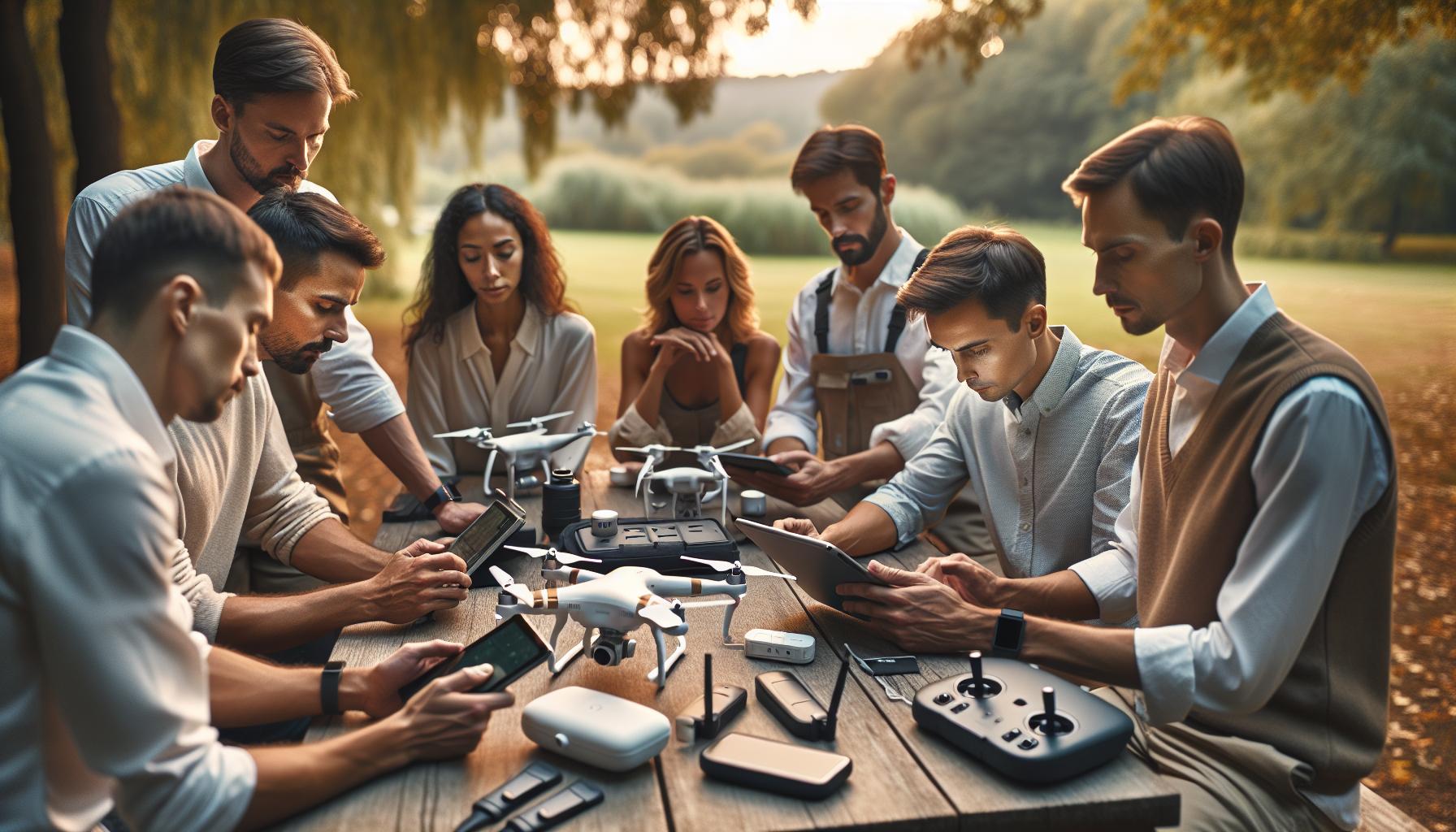
When it comes to maximizing your drone experience, ensuring compatibility between your DJI controller and your drone model is crucial. Understanding which controller works with which drone can save you time, frustration, and money, especially if you’re considering an upgrade or trying to connect multiple devices. DJI has a range of controllers tailored for different drone models, and knowing how to check compatibility is an essential skill for any drone enthusiast.
To get started, always refer to the official DJI website or user manuals, as they provide the most reliable compatibility information. Each drone model typically has a list of compatible controllers. For instance, the DJI FPV Drone is specifically compatible with the DJI FPV and DJI Motion controllers, while other drones like the Mavic series may have different options available [1[1]. Additionally, forums and community discussions can offer insights and user experiences regarding compatibility that may not be covered in official documentation.
Another effective way to check compatibility is by looking at the transmission technology used by the controller. Some controllers feature advanced transmission systems and may be limited to specific drone models to ensure optimal performance and connection stability. For example, the DJI Neo controller only works with the RC-2 and other specific models like the RC-N2 and RC-N3 Step-by-Step: Connecting Your DJI Controller Start by ensuring that both your drone and the controller are fully charged. This prevents any unexpected shutdowns during the pairing process. Next, power on your drone and the controller. Most DJI controllers have a distinct power button that lights up to indicate energy levels. Once both devices are on, activate the pairing mode on your controller. This is typically achieved by pressing and holding the connection button – located either on the back or side of the controller – until the LEDs begin to blink rapidly. Now, proceed to initiate the connection from your drone. This step can vary depending on the model, but generally, it involves pressing the link button located on the drone. For many Mavic models, this button is found near the battery compartment. Once pressed, the drone should emit a series of beeping sounds indicating that it’s ready to connect. Watch the LEDs on both devices; a successful connection usually changes the blinking pattern to a solid light. Often, the controller will also emit sound prompts, confirming the successful connection. If the pairing fails, repeat the previous steps ensuring that both devices are in pairing mode. In case you encounter problems during the connection, check these common issues: Once connected successfully, you’re ready to explore all the features and functionalities your DJI equipment offers, elevating your aerial photography and flying adventures to the next level. Always handle your equipment with care, and refer to user manuals for specific instructions based on your drone model to ensure optimal performance. Keeping your DJI drone and controller updated with the latest firmware is essential for ensuring optimal performance and compatibility. Firmware updates often introduce new features, improve stability, and address bugs that can affect your flying experience. For instance, a recent update for the DJI Avata added enhanced flight safety features that maximize user confidence. Understanding how to manage these updates can make a significant difference in the usability and functionality of your equipment. To check for firmware updates, start by accessing the DJI Fly app or your controller’s settings. Both platforms have intuitive interfaces that guide you through the update process. It is advisable to periodically connect your drone and controller to Wi-Fi for automatic update notifications. Updates will usually include a brief description of the enhancements, allowing you to see what improvements have been made. Make sure both devices are fully charged before initiating an update to avoid interruptions that could render your equipment unusable. Best Practices When Updating Firmware: By adhering to these practices and understanding the significance of firmware updates, you set yourself up for a smoother flying experience. Regular updates not only enhance compatibility with other DJI models-making it easier to use your controller across various drones-but also help you leverage the latest technological advancements that DJI provides. When navigating the world of DJI drones, one of the common challenges operators face involves compatibility and connectivity between their controllers and different drone models. Users often encounter various issues, ranging from failure to connect to performance inconsistencies, which can stem from a host of factors including firmware mismatches, signal interference, and battery concerns. One prevalent issue is the connectivity failure between a DJI controller and a drone. This can often arise because of outdated firmware on either the drone or the controller. Users should ensure that both devices are running the latest firmware versions, as updates can resolve compatibility issues and enhance functionality. If the drone fails to connect, restarting both the controller and the drone can sometimes resolve the issue-a simple yet effective first step in troubleshooting. Another common problem involves signal interference. If flying in crowded areas or near other electronic devices, this can affect the controller’s ability to communicate with the drone effectively. To mitigate this, pilots should choose open, obstacle-free environments for their flights and ensure that the controller’s antennas are positioned optimally for signal reception. Battery-related troubles can also impede control. If the controller’s battery is low or the drone’s battery isn’t adequately charged, it might lead to unexpected disconnections or performance drops. It’s advisable to check battery levels before each flight and to keep spare batteries on hand. In cases where the controller seems unresponsive, a complete reset may be necessary. Check the user manual for specific instructions on how to reset your model. By keeping an eye on these common pitfalls and adhering to regular maintenance practices, drone operators can significantly enhance their flying experience. Addressing these issues promptly not only improves both connectivity and functionality but also builds confidence in the reliability of their equipment. Universal DJI controllers offer an array of benefits that cater to both casual drone enthusiasts and professional operators alike. At the forefront is the flexibility of use across multiple drone models. This allows pilots to upgrade their drones without the added expense of purchasing a new controller for each model. For instance, a single controller can seamlessly operate various drones, such as the Mini, Mavic, or Phantom series, simplifying the setup and enhancing the flying experience. Another significant advantage is the streamlined user interface that many universal controllers provide. These controllers are often designed with intuitive layouts, ensuring that essential functions are easily accessible, thereby reducing the learning curve for new users. With features like customizable buttons and settings tailored for different flight styles or drone capabilities, pilots can maximize their efficiency and comfort during flight. Moreover, these controllers typically support advanced functionalities such as real-time telemetry and intelligent flight modes, which can significantly enhance overall control and insight during operations. For example, advanced features like waypoint navigation or follow-me mode can be effortlessly activated, allowing users to engage in more complex aerial maneuvers without cumbersome setups. Lastly, the potential for future-proofing should not be overlooked. With ongoing improvements in drone technology, compatible controllers can continue to receive firmware updates that enhance performance and add new features, ensuring that pilots remain on the cutting edge without necessitating further investments in equipment. This adaptability not only enhances the user’s flying experience but also fosters a deeper engagement with the evolving world of drone technology. In summary, utilizing a universal DJI controller can vastly improve operational flexibility, while optimizing user experience through streamlined controls and access to advanced functionalities, making it a worthy consideration for any drone operator looking to enhance their aerial adventures. When considering the diverse range of DJI drones, understanding the limitations of compatibility among various controllers can significantly enhance the user experience. While DJI has designed many of their controllers to work with multiple drones, not every controller is universally compatible. This limitation is particularly vital for operators who own different models or are contemplating upgrading their drones without investing in new controllers. One common issue is that newer models of drones often feature upgraded technology that may not communicate effectively with older controllers. For instance, a high-end controller specific to a model like the Mavic 3 may not function seamlessly with the older Phantom 4, primarily due to differences in communication protocols and advanced features that require dedicated hardware. Therefore, if you attempt to operate a latest-generation drone with a controller from an earlier series, you may encounter issues ranging from limited flight functionality to the inability to access advanced features like tracking modes or intelligent flight assists. Another important aspect to consider is the firmware compatibility between controllers and drones. Each DJI controller is paired with firmware that is optimized for specific models. If you try to use a controller designed for the Mini Series with a Mavic Air 2, the drone may not react as expected or could fail to recognize the controller altogether. Regular firmware updates can alleviate some of these issues but often require both the drone and the controller to be compatible with the latest software releases. In some cases, cross-compatibility can lead to reduced operational capabilities, such as loss of specific flight modes or reduced range. To make informed decisions, users should consult the official DJI compatibility guides or community forums, where experienced pilots frequently share insights and solutions. Being aware of these limitations not only helps in maintaining smooth operations but also in fostering safer flight experiences by ensuring that all equipment interacts correctly. Ultimately, while the appeal of a universal controller exists, the nuances of compatibility cannot be overlooked. Understanding these constraints allows operators to maximize the potential of their drones while minimizing frustration and operational challenges. When it comes to maximizing the potential of DJI drones, the controller you choose can play a decisive role in unlocking advanced features and functionalities tailored to your specific flying style and photography needs. For instance, higher-end controllers like the DJI RC Pro are designed to support a variety of sophisticated features that standard models may lack. These can include enhanced video transmission capabilities, customizable controls, and compatibility with more advanced flight modes. One notable advantage of using a controller designed for a specific drone model is the access to features like ActiveTrack and Point of Interest. These intelligent flight modes allow drones to autonomously follow or circle around subjects, making them invaluable for filmmakers and content creators looking to capture dynamic visuals without the need for meticulous manual control. For example, pilots using the Mavic 3 with the RC Pro can leverage improved ActiveTrack capabilities, which utilize advanced AI algorithms to better recognize and maintain a subject’s position in the frame, even when it moves in and out of obstacles. The integration of specific controllers with DJI drones can also significantly enhance user experience. Features such as low-latency video transmission and HDMI output available on models like the RC Pro allow for smoother live video feeds and real-time adjustments during flight. This is particularly useful during professional shoots where capturing high-quality content is critical. Moreover, the ability to customize buttons for operations-like quickly switching between flight modes or adjusting camera settings-can streamline your workflow and improve efficiency in the field. For more advanced users, certain controllers enable functionality that supports third-party applications and API integration. This allows for greater flexibility in drone operation, including the use of custom flight paths, automation, and integration with other technologies or software platforms. For instance, using the DJI SDK, developers can create custom applications to enhance the capabilities of their drones, offering specific features that standard controllers do not provide. In conclusion, while the allure of a universal controller might be understandable, specific DJI controllers are key to unlocking the full spectrum of functionalities offered by their corresponding drones. Leveraging these advanced features not only enhances the overall flying experience but also empowers pilots to maximize their creativity and productivity, whether in recreational flying or professional applications. Selecting the right DJI controller can make all the difference in your flying experience, whether you’re a casual enthusiast or a professional pilot. Each controller offers distinct features, tailored compatibility, and advanced functionalities that suit various DJI drone models, allowing you to maximize your drone’s capabilities. Understanding these differences can help you make an informed decision that aligns with your flying style and specific operational needs. One of the most popular options, the DJI RC Pro, is designed for high-level functionality and advanced pilots. It features a bright display, customizable controls, and low-latency video transmission, making it ideal for shooting high-quality aerial footage in demanding conditions. If you’re frequently using intelligent flight modes like ActiveTrack or Waypoint, this controller can enhance your workflow through smooth, precise control. In contrast, the DJI RC, suitable for models like the Mini 3 and Air 2, strikes a balance between portability and functionality, making it a great choice for those who want a more streamlined experience without sacrificing key features. For those flying the Mavic Air 2, the dedicated controller combines robust features with a compact design, while the standard remote for the Phantom series focuses on reliability and user-friendliness, catering to beginner and intermediate pilots. Meanwhile, the Avata drone’s motion controller opens up a unique way to operate, allowing for intuitive flying experiences similar to gaming. When comparing controllers, consider factors such as: Ultimately, choosing the right DJI controller involves weighing your flying style, the specific drone’s capabilities, and any advanced features you may want. By aligning your controller selection with your operational goals, you can enhance your aerial experience and take full advantage of what DJI drones have to offer. Upgrading your DJI drone controller can significantly enhance your flying experience, allowing for greater control, increased functionality, and improved safety during your flights. When considering an upgrade, it’s essential to understand the specific benefits offered by newer models and how they complement your flying style or the particular capabilities of your drone. Start by assessing compatibility with your drone model. Not all controllers work with every DJI drone, so verify compatibility through official DJI documentation or compatibility guides. For instance, while the DJI FPV controller is great for racing and acrobatic maneuvers, the DJI Motion controller, designed for the Avata, offers a unique flying experience that mimics gaming controls. When you upgrade, you want to ensure that the new controller not only fits your drone but maximizes its capabilities. Next, take into account the advanced features available on newer controllers. Many modern controllers now include enhanced video transmission systems with lower latency, touchscreen interfaces for easier navigation, customizable button layouts for person-specific functionality, and integration with intelligent flight modes. Upgrading can therefore transform how you interact with your drone, making tasks like tracking subjects or capturing complex shots much simpler and more intuitive. Moreover, consider the longevity of your investment. If you frequently update your drone hardware or plan to extend your fleet in the future, investing in a universal controller that supports multiple models might be a smart choice. This not only saves money in the long run but also simplifies the entire flying setup. When making your decision, weigh the factors of price against features and usability – ensure you’re getting a controller that genuinely meets your needs, improving your overall experience. Lastly, don’t forget about software updates. Upgrading to a new controller may require you to update the firmware on both the controller and your drone to ensure compatibility and optimal performance. Taking the time to maintain your equipment properly allows you to take full advantage of the controller’s capabilities, enhancing your safety and enjoyment while flying. Operating a drone isn’t just about flying high; it carries a responsibility to adhere to legal restrictions and safety guidelines to ensure smooth and safe operations. When considering the use of DJI controllers with various drone models, it’s crucial to stay informed about local laws and regulations governing drone flight. Most jurisdictions require drone pilots to register their drones, especially those over a certain weight, and to follow specific flight practices such as not flying in restricted airspace, maintaining line-of-sight with the drone, and adhering to altitude limits. Furthermore, safety considerations extend beyond legal obligations. The interoperability of controllers across different DJI models can introduce unexpected challenges. For example, using a controller that is not explicitly designed for your drone model can complicate the user interface, potentially leading to miscommunications between the controller and the drone. These miscommunications can result in loss of control, making it essential to ensure that the controller is paired correctly. Always consult the latest compatibility guides provided by DJI, as they frequently update this information, ensuring that you are flying with the most reliable technology. Equally important is the robustness of the connection between the controller and the drone. Maintaining a strong signal is critical to avoid accidents. Check for firmware updates not just on your drone but also on the controller; both devices must have compatible software versions to work efficiently. Up-to-date firmware can improve connectivity and overall flight performance, enhancing safety and enjoyment. In summary, while using DJI controllers interchangeably may enhance convenience, it also requires careful attention to legal requirements and safety practices. Prioritize understanding the regulatory landscape and ensuring all equipment is compatible and well-maintained, empowering a safer and more enjoyable flying experience. Q: Can I use a DJI controller with different drone models? Q: How do I know if my DJI controller is compatible with my drone? Q: What should I do if my DJI controller won’t connect to my drone? Q: Are there any limitations when using a DJI controller with other drones? Q: Can I update the firmware of my DJI controller if it’s connected to a different drone? Q: What benefits do I gain from using a universal DJI controller for different drones? Q: Why does my DJI controller have limited functionality with certain drones? Q: How can I reset my DJI controller to resolve connectivity issues? In conclusion, understanding the compatibility of DJI controllers with various drones not only enhances your flying experience but also empowers you to maximize the potential of your equipment. Remember, whether you’re flying a Mavic Mini or a Phantom, using the right controller can significantly influence your drone’s performance. If you’re eager to dive deeper, check out our detailed guides on drone setup and advanced flying techniques. Don’t miss out on our latest tips for optimizing flight modes and firmware updates! Ready to elevate your skills? Explore our comprehensive resources, and join our community of drone enthusiasts. Share your experiences or ask questions in the comments below-we’d love to hear from you! For ongoing insights, consider subscribing to our newsletter or visiting our product pages to stay informed about the latest DJI innovations and accessories. Your next great flight awaits!
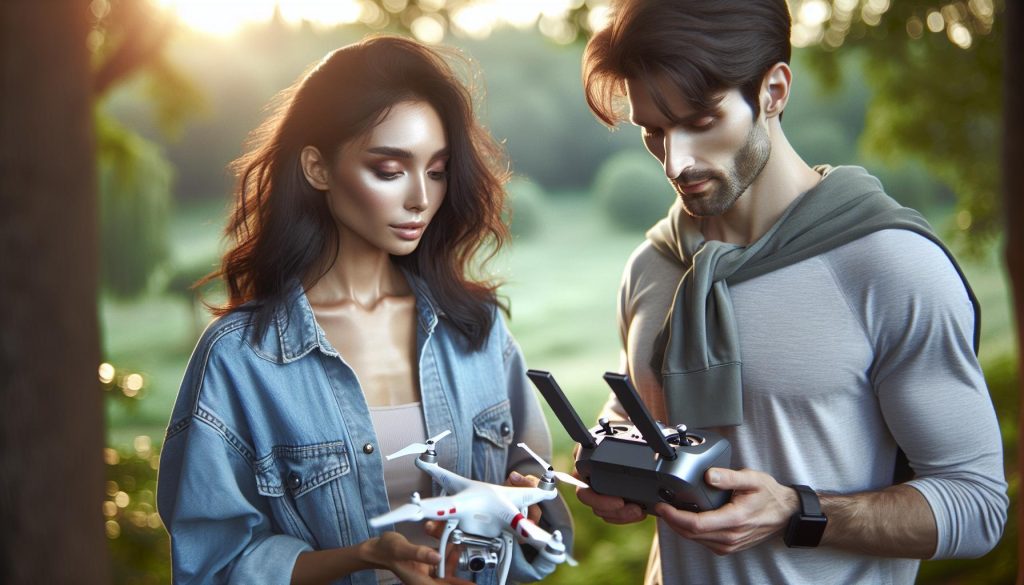
Successfully connecting your DJI controller to your drone can significantly enhance your flying experience, providing more control and better functionality. Whether you’re using a standard remote for a Mavic model or a more advanced controller for the FPV series, following these steps will ensure a smooth connection process.Establishing Connection
Troubleshooting Common Issues
Understanding Firmware Updates for Controllers and Drones
Common Issues When Using Controllers and Troubleshooting Tips
Benefits of Using a Universal DJI Controller
Controller Limitations with Other DJI Drone Models
Advanced Features Enabled by Specific DJI Controllers
Enhanced User Experience
Comparing DJI Controllers: Which One is Right for You?
Tips for Upgrading Your DJI Drone Controller
Legal and Safety Considerations for Drone Controllers
FAQ
A: Yes, you can use a DJI controller with various drone models, but compatibility may vary. Always check the specific compatibility list for your controller and drone model before using them together for optimal performance.
A: To check compatibility, refer to the DJI website for the latest compatibility charts. Additionally, inspect the drone documentation or the settings menu within the DJI app for any specific compatibility notifications.
A: If your DJI controller won’t connect, ensure both devices have the latest firmware updates. Restart both the drone and the controller, and try re-pairing them through the DJI app. If issues persist, consult the troubleshooting section in the user manual.
A: Yes, while some DJI controllers can be used with multiple drone models, certain advanced features may be limited or unavailable with incompatible drones. Check the model-specific functionalities in the compatibility guide for best results.
A: Firmware updates for your DJI controller should typically be done in connection with the intended drone. Ensure to connect the controller to the specific drone it is intended for when performing firmware updates to avoid conflicts.
A: A universal DJI controller can streamline your setup, allowing for a consistent user experience and potentially reducing the number of controllers you need. It often features customizable controls and settings suitable for various aircraft.
A: Limited functionality often results from incompatibility between the controller and the drone’s features. Some drones may require specific controllers to access advanced features like obstacle avoidance or intelligent flight modes.
A: To reset your DJI controller, locate the reset button, usually found in the battery compartment or on the device. Hold it for about 10 seconds until the indicator lights flash. Then, try re-pairing it with your drone.Insights and Conclusions