Flying a DJI drone in the rain poses significant challenges and risks that every pilot should understand. While it may be tempting to capture that dramatic stormy landscape, moisture can compromise your drone’s electronics and functionality, leading to potential malfunctions or crashes. This article delves into the safety rules and considerations for weather conditions, addressing common concerns about flying in wet environments. Whether you’re a seasoned pilot or a newcomer eager to explore aerial photography, knowing the limits of your DJI drone will enhance your flying experience and protect your investment. Read on to uncover the essential guidelines that will help you navigate these tricky conditions safely.
Can You Legally Fly DJI Drones in Rain?
While many drone pilots often yearn to capture stunning aerial footage during various weather conditions, the legality of flying DJI drones in rain can be complex. Generally, there are no explicit laws that prohibit flying drones in light rain; however, local regulations and safety considerations play a crucial role in determining whether to proceed with a flight. Understanding these factors can empower pilots to make informed decisions.
First and foremost, it’s vital to check the drone’s specifications regarding water resistance. DJI drones come with various water resistance ratings, and knowing these can help you gauge how well your equipment can handle adverse weather. For instance, models like the DJI Mavic 3 are advertised with certain levels of resistance, though it’s essential to remember that rain can still lead to malfunctions if flown improperly. Always refer to the manufacturer’s guidance on operating in wet conditions.
Local laws and regulations can vary greatly. In some areas, flying during inclement weather might violate specific drone regulations, especially regarding visibility and safety. Moreover, flying in rain can lead to reduced control and functionality, potentially putting others at risk. If weather conditions include lightning, heavy winds, or reduced visibility, it’s generally best to postpone your flight. Ultimately, pilots should prioritize safety, adhering to both legal requirements and best practices for responsible drone use.
Understanding DJI Drone Water Resistance Ratings
Understanding the water resistance ratings of DJI drones is crucial for responsible flying, especially in rainy conditions. Many drone enthusiasts are eager to push the boundaries of their equipment, and while some DJI models feature water-resistant designs, it’s essential to recognize the limitations inherent in these ratings. Each model carries a specific Ingress Protection (IP) rating, which indicates its resistance to dust and moisture.
For example, the DJI Mavic 3 and the DJI Mini 2 are designed to provide some level of protection against light rain and splashes thanks to their sealed connectors and conformal-coated electronics. However, despite these features, they are not fully waterproof. It’s important to remember that even light rain can introduce moisture into critical areas like cooling vents, potentially leading to malfunctions if the drone is flown while wet.
Key Considerations for Flying in the Rain
Before taking off in rainy conditions, consider the following factors:
- Manufacturers’ Guidelines: Always refer to the official guideline from DJI for specifics about your drone’s capabilities when it comes to weather resistance.
- Flight Conditions: Assess conditions beyond just the rain; factors like wind speed and visibility also play a significant role in safe flying.
- Real-World Tests: While some users report positive experiences flying in light rain, others have experienced damage, emphasizing the importance of caution.
Ultimately, understanding your drone’s water resistance rating not only protects your investment but also enhances your flying skills by promoting informed and cautious operational practices.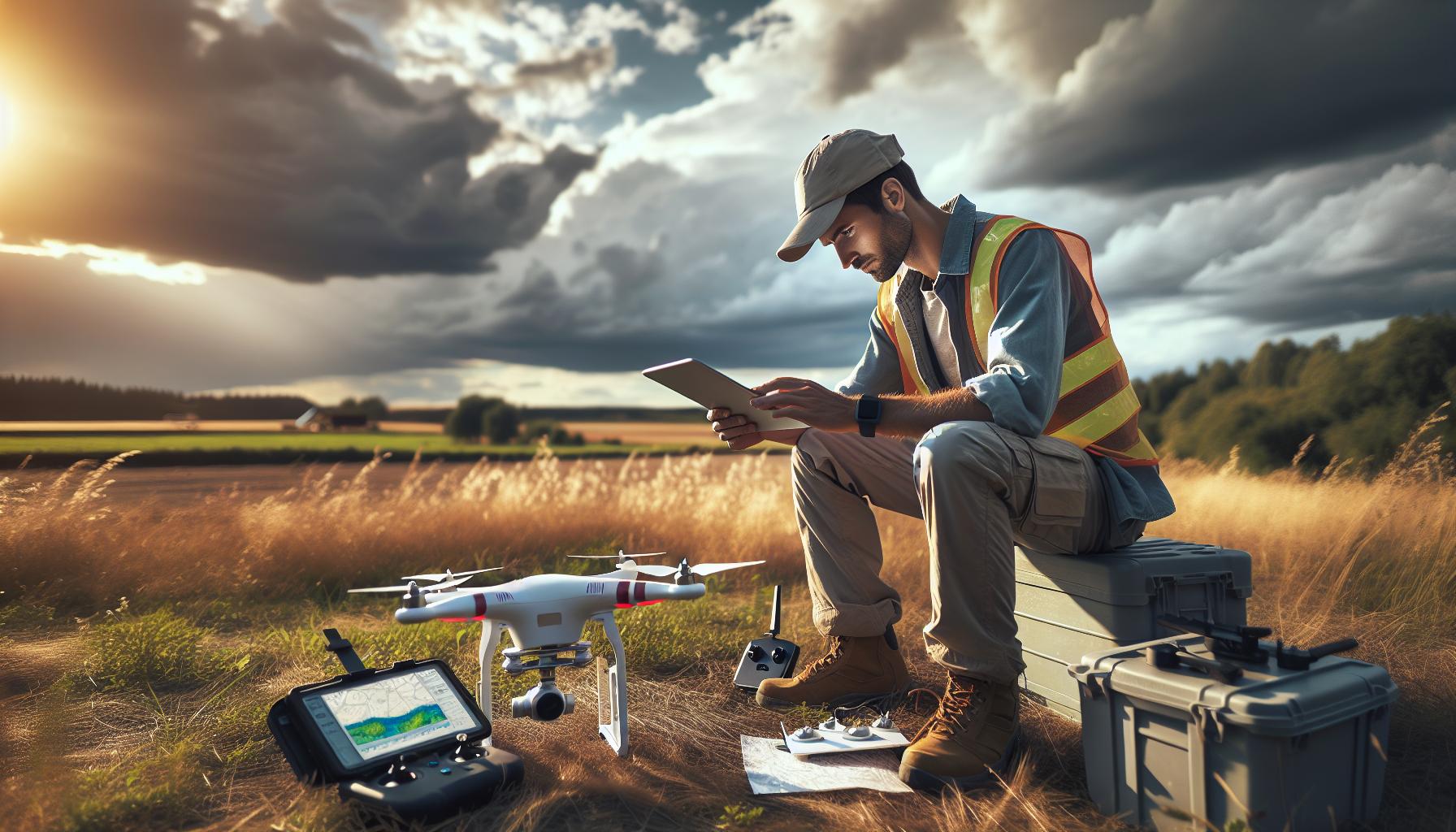
Assessing Weather Conditions for Safe Drone Flights
Determining whether to fly your DJI drone in rainy weather hinges on thoroughly assessing various environmental conditions. Not only does rain create challenges for visibility, but it can also affect your drone’s performance and safety. Before launching, consider the current weather report, which should provide insights on rainfall intensity, wind speed, and temperature. Mild rain might seem manageable, but it’s essential to monitor moisture levels that could impair functionality, especially if your drone lacks full waterproofing.
Wind conditions are equally crucial. High winds can turn minor precipitation into a significant problem for stabilizing your drone. For instance, gusts can affect control during flight, potentially leading to crashes or loss of signal. A drone might broadly handle some light rain, but when combined with windy conditions, the risk increases substantially. Always check wind speeds and expected gusts, particularly if operating in open or elevated areas.
Visibility is another key factor in weather assessment. Rain can blur vision, making it tough to track your drone at distance, which is vital for maintaining line-of-sight and safe operation. Flying in reduced visibility conditions not only poses hazards for your drone but also may violate local regulations, depending on your jurisdiction. If you’re uncertain about how well you can see your drone in such conditions, put safety first and delay your flight.
Lastly, understand that environmental changes can occur rapidly. Always prepare for unexpected shifts in weather by monitoring conditions not just before takeoff, but throughout your flight. Employ your drone’s telemetry features to help track conditions and make informed decisions, ensuring that you adhere not only to best flying practices but also to legal guidelines for drone operation in inclement weather.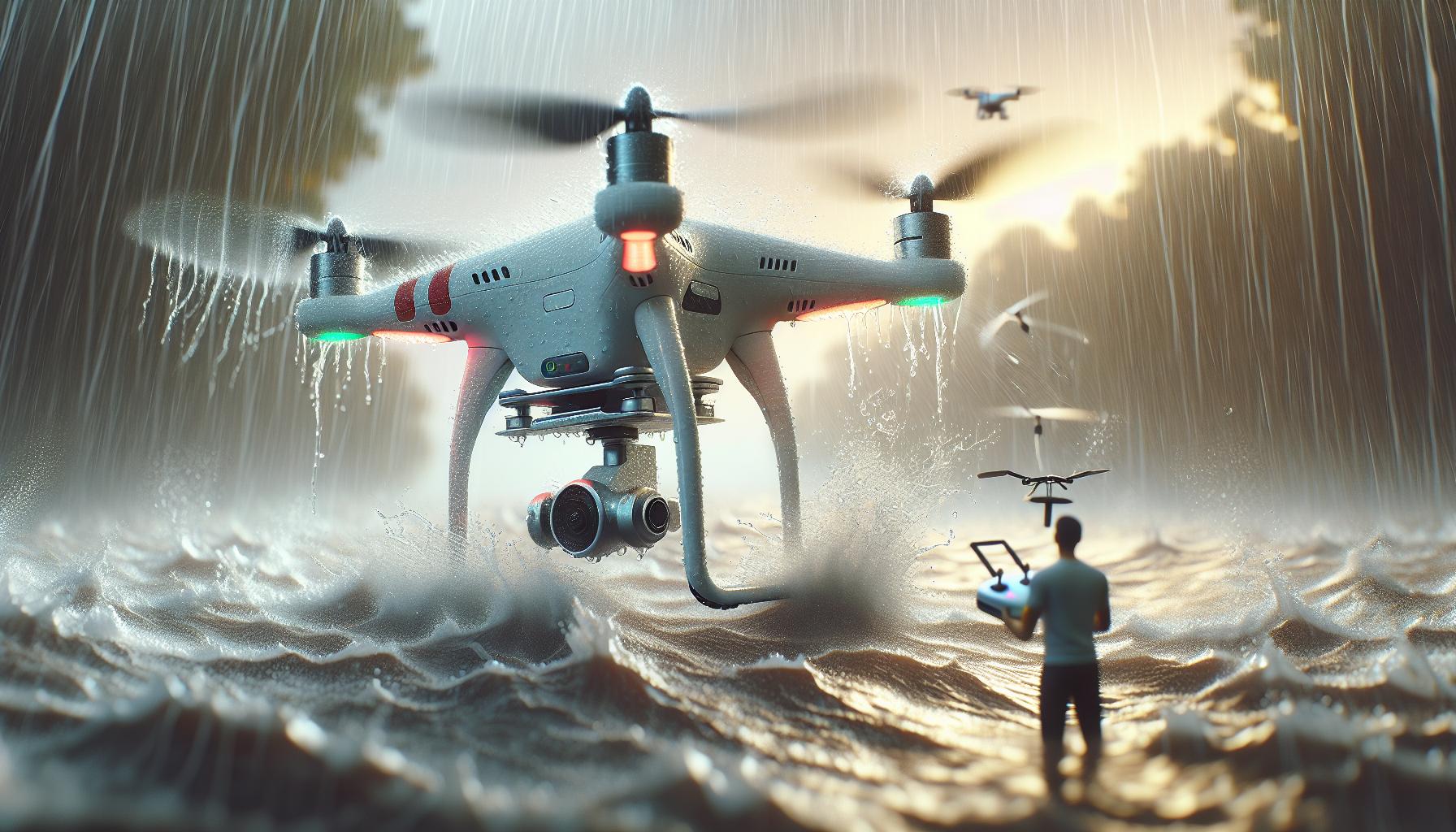
How Rain Affects Drone Performance and Stability
Flying a drone in rain can dramatically impact its performance and stability, a concern that every operator should take seriously. Rain can create several challenges that affect not only the drone’s functionality but also the quality of the footage captured. The added weight of wet components can affect flight times and battery efficiency, leading to increased power consumption. Furthermore, water can seep into electronic compartments, even in drones with some level of water resistance, potentially causing permanent damage to sensitive components.
The stability of a drone in the air is also influenced by rain. Water droplets can disrupt the airflow around the drone’s body, particularly at high speeds. This disruption can make it difficult for the drone to maintain a steady flight path, resulting in erratic movements that can negatively affect image capture and control. For instance, gusts of wind can cause a drone to drift unexpectedly, making precise maneuvers more challenging. In severe weather, the combination of rain and wind can further compromise a drone’s ability to stay level and controllable.
To mitigate these risks, operators should be aware of the IP rating of their drone. For example, the DJI M300 RTK has undergone testing that certifies it for light rain exposure (IPX1), meaning it’s not fully waterproof but can handle minimal moisture. Nevertheless, even drones with higher ratings should not be subjected to heavy rain or thunderstorms, as the operational limits are not designed for extended exposure to wet conditions. Another essential consideration is the weight of water accumulation on the drone itself; when flying in the rain, it’s crucial to monitor how much water may be collecting on the frame and components.
In conclusion, while it may be tempting to fly a drone in light rain for specific shots or data collection, it’s vital to recognize the potential consequences. Always assess the environment and err on the side of caution-when in doubt, it’s best to wait for clearer skies. Understanding how rain affects performance can help you make informed decisions, ensuring a safer and more effective flying experience.
Tips for Flying Drones in Light Rain
Operating a drone in light rain can be a tempting opportunity for capturing unique aerial footage or surveying properties in challenging weather conditions. However, understanding how to do so safely is essential for avoiding potential damage to your equipment and ensuring smooth operation. Here are some practical tips to navigate flying your DJI drone during light rain.
Firstly, always assess the rain’s intensity. Light drizzle may be manageable for drones certified for minimal water resistance, such as the DJI M300 RTK, which can handle exposure but is not completely waterproof. Check the IP rating of your drone; higher ratings can offer better protection against moisture. For added precaution, consider utilizing a protective wet suit specifically designed for your drone model. These accessories can significantly enhance your drone’s resilience against water ingress and prevent damage to sensitive electronics from moisture exposure[[1]](https://www.phantomrain.org/product-page/dji-fpv-wet-suit).
Before taking off, ensure your drone is in peak condition. Conduct a thorough inspection of the drone’s components to ensure that all ports, including battery compartments and camera inputs, are secure and dry. Be cautious of water pooling on the drone, as this can add extra weight and affect flight performance. Consider using a desiccant to absorb any moisture present before and after flights, particularly in humid conditions.
In-flight, keep your maneuvers smooth and steady. Rain can disrupt airflows around your drone, so it’s advisable to maintain a lower altitude to minimize wind exposure, which can exacerbate stability issues. If you encounter heavy droplets, consider landing as soon as it is safely possible, as erratic movements can negatively impact control and capture quality. Always remain vigilant about battery levels, since cold, wet conditions can reduce battery efficiency. Opt for shorter flight sessions to maintain performance.
Finally, after landing, thoroughly check your drone for signs of water exposure. Allow it to dry in a warm, dry place for several hours before storing it. If your drone has been exposed to significant moisture, consider running a dry cycle with silica gel packets or a specialized electronic cleaning product to ensure that it remains in optimal condition for future flights. By following these guidelines, you can safely navigate flying in light rain while protecting your valuable equipment.
Best Practices for Pre-Flight Rain Checks
Flying a drone in rainy conditions can present unique challenges, but a systematic pre-flight check can help mitigate risks and ensure your equipment remains safe. Before taking to the skies, consider the following best practices to enhance both your safety and your drone’s performance.
Start by assessing the weather conditions beyond just the rain itself; check for wind speeds and potential gusts that could affect stability. Use local weather apps or services that provide real-time updates to avoid unexpected changes. Additionally, review the rain’s intensity-light mist may be manageable for certain models, while heavy downpours can pose serious risks. Ensure you understand your specific drone’s water resistance rating, as this significantly influences capability in wet conditions.
Next, perform a thorough inspection of your drone. Focus on critical components such as battery compartments, camera gimbals, and any open ports. Ensure these areas are sealed and free from any moisture that could lead to electrical shorts or permanent damage. Consider utilizing water-repellent sprays on non-electrical surfaces for added protection against moisture. For extra precaution, a well-fitted drone cover or wet suit can effectively shield your device from water exposure during flight.
Finally, prepare for flight by setting up an emergency landing strategy. Know your surroundings and have designated landing spots in mind where you can safely bring your drone down if the rain worsens or battery life dwindles. Additionally, implement a pre-flight checklist that includes checking battery levels, recalibrating sensors in light of altered weather conditions, and allowing your drone a few moments to acclimate to changing temperatures or humidity before takeoff.
By conducting these essential pre-flight rain checks, you enhance your ability to navigate through light rain while preserving the integrity and functionality of your DJI drone. With the right preparation, you can seize opportunities for stunning aerial photography even in inclement weather.
Protective Gear and Accessories for Rainy Weather
Flying a drone in rainy conditions can be tricky, but with the right protective gear and accessories, you can significantly enhance your drone’s resilience against the elements. Understanding the importance of gear designed for wet weather is crucial for both hobbyists and professionals who wish to capture stunning aerial shots even when the forecast isn’t ideal.
To begin with, consider drone covers or waterproof bags that fit snugly around your device during transport and while flying. These should ideally be made of durable, water-repellent materials that ensure maximum protection against moisture. Some accessories even come with reflective surfaces to prevent overheating, which is particularly useful when transitioning from wet conditions to warmer environments.
Investing in waterproof batteries can also be beneficial. Standard batteries may be more susceptible to moisture-related damage, potentially leading to operational failures. Look for options specifically designed to withstand rain, ensuring safe operation can continue even in unruly weather. Moreover, utilizing a high-quality gimbal rain cover will help shield your camera from raindrops and prevent water from affecting your footage quality. These accessories can often be found tailored for specific drone models, ensuring a snug fit.
Additionally, equipping your drone with drone landing pads that can be used in areas where water can accumulate is a wise choice. These pads not only provide a clean and stable surface for takeoffs and landings but can also prevent water damage during ground operations. Lastly, incorporating silicone sealants around vulnerable openings and connectors can serve as an effective barrier against moisture intrusion. By being proactive and preparing your equipment with the right accessories, you can successfully mitigate the risks of flying in rainy weather and keep your DJI drone performing at its best.
How to Handle Dji Drones Post-Rain Flight
After flying your DJI drone in rainy conditions, it’s essential to conduct a thorough post-flight examination to ensure that your equipment remains in top condition. Rain can introduce moisture into various components of your drone, which could lead to performance issues or long-term damage if not addressed properly. Taking proactive steps can extend the life of your drone and enhance its reliability for future flights.
Start by carefully inspecting the exterior of the drone for any signs of water accumulation, particularly around the propellers, camera, and battery compartments. Gently wipe down these areas with a soft, lint-free cloth to remove any excess moisture. Pay special attention to cooling vents; moisture can accumulate there and potentially affect the electronic components. Next, it’s wise to remove the battery immediately after flight. This not only ensures a safe environment but also prevents any risk of short-circuiting or corrosion that can occur if moisture is trapped inside the battery compartment.
Drying and Maintenance
To further protect your drone, place it in a dry, warm environment for at least 24 hours. You might consider using a desiccant, such as silica gel packets, to absorb lingering moisture. Avoid using heat sources like hair dryers, as they can damage sensitive components. It’s important to let your drone come to room temperature before powering it on again.
Additionally, after ensuring that your drone is completely dry, check the gimbal and camera lens for moisture before your next flight. If you notice any fogging, leave the drone in a dry environment with good airflow to help eliminate condensation. Regular maintenance checks, such as inspecting for corrosion on connectors and wiring, will also help mitigate long-term moisture-related issues.
By adhering to these post-rain flight care practices, you’ll significantly reduce the risk of damage, ensure optimal performance, and increase the longevity of your DJI drone, allowing you to focus on capturing breathtaking aerial shots regardless of the weather.
The Impact of Wind and Rain on Drone Operations
When contemplating drone operations in inclement weather, understanding the interaction between wind and rain becomes crucial. While a light drizzle may not seem problematic, the combination of wet conditions and gusty winds can severely impact a drone’s stability and performance. Wind can increase the risk of losing control, especially if the drone is lightweight or not designed for adverse conditions. For DJI drone operators, recognizing the specifications and limitations of their specific models is essential to ensure safe operation.
DJI drones, particularly those from the Mavic and Air series, often feature integrated stability systems that help counteract wind turbulence. However, even with such technologies, factors such as wind speed and direction can substantially affect flight. Pilots should consider that wind can redirect moisture onto critical components, potentially leading to unexpected behavior or flight failure. A common guideline suggests avoiding flights when wind speeds exceed the manufacturer’s recommended limits, typically around 15-20 mph (24-32 km/h) for most consumer models.
The effects of rain also introduce unique challenges. Water accumulation can interfere with sensors, reduce visibility for cameras, and cause unwanted weight that impacts battery life and overall flight performance. Drones exposed to rain may face difficulties in maintaining optimal lift, leading to increased descent rates or difficulty in achieving stable hover. To mitigate these issues, it is advisable to limit flying during heavy rain or when precipitation is expected to worsen. Utilizing flight modes designed for adverse conditions, such as sport mode, can also help in maintaining control, but this is still subject to the prevailing weather conditions.
In essence, successful drone operations in wet and windy conditions require careful planning, skillful navigation, and adherence to safety protocols. Pilots must not only assess the immediate weather conditions but also understand their drone’s resilience against elements like wind and rain. By staying informed of both the capabilities and limitations of their equipment, operators can make intelligent, well-considered decisions, ensuring that each flight remains safe and enjoyable, regardless of the weather.
Maintaining Your Drone After Flying in Rain
Exposure to rain presents unique challenges for drone maintenance, especially for models like the DJI Mini 2 which aren’t designed to be water-resistant. After a flight in wet conditions, a thorough inspection and maintenance routine is essential to ensure your drone’s longevity and performance. Here are the key steps to take following inclement weather flights.
First, upon landing, carefully remove the battery immediately. This minimizes the risk of short circuits caused by water exposure. Next, turn the drone upside down to allow any accumulated moisture to drain from the motors and vents. If you notice any water in the crevices, gently dab it with a lint-free cloth to absorb as much moisture as possible. Avoid using any heat source like a hair dryer, as this can damage electronic components.
Cleaning and Drying Process
Once you’ve removed visible moisture, it’s important to ensure that the drone dries thoroughly. Place your drone in a well-ventilated area, ideally with low humidity, and let it sit for at least 24 hours. You can also use silica gel packets or a desiccant to help absorb residual moisture. Be cautious when checking for any signs of water damage, such as corrosion or unusual noises from the motors.
Inspection and Testing
After the drone has dried, conduct a detailed inspection. Check the propellers for warping or damage, ensuring they are in good condition before the next flight. Examine the camera lens and gimbal for water spots or moisture; these can hinder performance and image quality. If your model has accessible filters, remove and clean them, ensuring there is no moisture trapped inside.
Before your next flight, conduct a ground test of all systems, including the battery and sensor calibration. Ensure that all indicators function properly-this includes the lights, camera, and remote signals. If any issues arise during these tests, consult the DJI support resources or forums for troubleshooting advice. Regular maintenance and care post-flight can greatly extend your drone’s operational life and performance, ensuring optimal flights even in challenging weather conditions.
Troubleshooting Common Rain-Related Drone Issues
Flying a drone in rainy weather can lead to unique challenges, but understanding how to troubleshoot potential issues can save your machine from serious damage. Even if your DJI drone is equipped with some level of water resistance, it’s vital to be aware of problems that can arise in wet conditions. Rain can not only affect the drone’s functionality but may also lead to long-term mechanical issues without immediate symptoms.
When operating in light rain, one of the most common problems pilots encounter is water ingress. This can occur in various components like motors, batteries, and electrical systems, leading to potential short circuits. If you notice erratic behavior, such as inconsistent motor speeds or unresponsive controls after a flight, immediately perform a careful inspection. Pay special attention to the battery compartment and motor mounts as water can collect there. Always remove the battery as soon as you land to prevent short circuits, even if you don’t see visible moisture initially.
Another problem may arise during operation, such as decreased GPS signal strength or instability in flight due to wet sensors. Water can cause interference with the GPS and other vital sensors, leading to poor altitude hold or erratic flying behavior. If you suspect that moisture has affected your drone’s performance, ground test the sensors once the drone has dried. Check calibration settings to ensure that they are functioning correctly. If anomalies continue, refer to DJI’s troubleshooting guides for specific sensor recalibration instructions or consider reaching out to support.
Cleaning and drying after a flight in the rain is further essential to prevent corrosion. Make cleaning a part of your post-flight routine by using a delicate cloth to wipe down the drone, particularly in crevices and joints where moisture can hide. Allow the drone to dry thoroughly in a well-ventilated area. If you suspect significant moisture exposure, utilizing silica gel packets can help absorb residual humidity. By being proactive with checks and maintenance, you can mitigate many common rain-related issues and maintain the performance integrity of your DJI drone.
Alternatives to Flying in Rainy Conditions
Flying a drone in less than ideal weather conditions can compromise both the safety and performance of your aircraft. While the excitement of capturing rain-soaked landscapes may tempt some pilots, prioritizing safety and equipment integrity is crucial. Here are some viable alternatives to consider instead of flying in the rain.
One excellent option is to take advantage of indoor flying environments. Many drone clubs and enthusiasts maintain indoor spaces where pilots can practice maneuvers and skill development without the challenges posed by weather. If an indoor facility is available, use this opportunity to hone your piloting skills, calibrate new settings, or test out various accessories without the risks associated with flying outdoors in inclement weather.
Utilizing your drone’s camera capabilities for ground photography can also yield impressive results. When weather conditions are unsuitable for flying, consider utilizing static photography techniques to capture stunning images from ground level. Creative compositions focusing on rain droplets, reflections, or atmospheric effects can add a unique touch to your portfolio without risking the safety of your drone.
If capturing aerial shots is essential, planning for future flights during optimal weather conditions can be a wise strategy. Use apps and tools that provide real-time weather data to help schedule flights when conditions are clear, avoiding the unpredictable nature of rain altogether. Always be prepared with backup locations in case your initially planned site becomes unsuitable due to unexpected weather changes.
Lastly, focus on drone maintenance during rainy periods. Use the time to inspect and clean your drone thoroughly, perform firmware updates, or organize your flight gear. Checking your equipment ensures it remains in peak condition and ready for when the skies clear. This proactive approach not only maintains your gear but empowers you as a pilot to fly responsibly when conditions improve.
Employing these alternatives not only ensures the longevity of your equipment but also enhances your skills as a drone operator, preparing you for more exciting and safe flights in the future.
Faq
Q: Can DJI drones fly in light rain?
A: Yes, some DJI drones can fly in light rain due to their water-resistant features. However, it’s essential to assess the specific model’s water resistance rating and exercise caution. Check the weather conditions carefully to prevent performance issues related to moisture.
Q: What are the risks of flying a DJI drone in the rain?
A: Flying a DJI drone in the rain can lead to reduced visibility, malfunctioning sensors, and battery performance issues. Moisture can also damage electronic components, potentially voiding warranties. Always evaluate weather conditions before flying.
Q: How can I protect my DJI drone from rain?
A: To protect your DJI drone from rain, consider using a rain cover or a waterproof case. Additionally, ensure that ports and openings are sealed and avoid flying in heavy rain to minimize water exposure.
Q: What features help DJI drones resist rain?
A: Many DJI drones come with water-resistance ratings, specialized seals, and protective coatings that help repel moisture. Features like these allow drones to withstand light rain, but always refer to the manufacturer’s guidelines for details.
Q: How should I maintain my DJI drone after flying in the rain?
A: After flying in the rain, dry your DJI drone thoroughly with a soft cloth. Inspect all parts for moisture accumulation, and ensure that ports are free from water. Conduct a thorough battery inspection before flying again.
Q: Is it safe to fly DJI drones in windy, rainy conditions?
A: No, it is not safe to fly DJI drones in windy, rainy conditions. Wind can destabilize the drone and make control difficult, while rain can impair visibility and cause moisture damage. Opt for stable weather for flight.
Q: What happens if my DJI drone gets wet?
A: If your DJI drone gets wet, power it off immediately. Remove the battery and let it dry completely before attempting to power it back on. This helps prevent corrosion and electronic failure.
Q: Where can I find more information on DJI drone safety in adverse weather?
A: For more information on DJI drone safety in adverse weather, refer to sections on “Assessing Weather Conditions for Safe Drone Flights” and “Best Practices for Pre-Flight Rain Checks” in our comprehensive guide.
The Way Forward
Flying a DJI drone in adverse weather conditions like rain can be risky, but understanding the safety rules can help protect both your equipment and your flying experience. Always remember that while some models are weather-resistant, conditions can vary greatly. Ensure you’re familiar with your drone’s specifications and perform pre-flight checks to avoid mishaps. For those eager to take their skills further, check out our detailed guides on drone care during unpredictable weather and essential flying techniques.
Ready to take your drone knowledge to the next level? Explore our comprehensive tutorials on firmware updates and gimbal calibration to ensure your setup is optimized for any weather condition. Don’t hesitate to reach out in the comments with your questions or share your experiences flying in the rain! For more insights, consider subscribing to our newsletter for the latest updates and tips on mastering your DJI drone. Flight safety is key, and your skills deserve to grow-let’s elevate your flying game today!