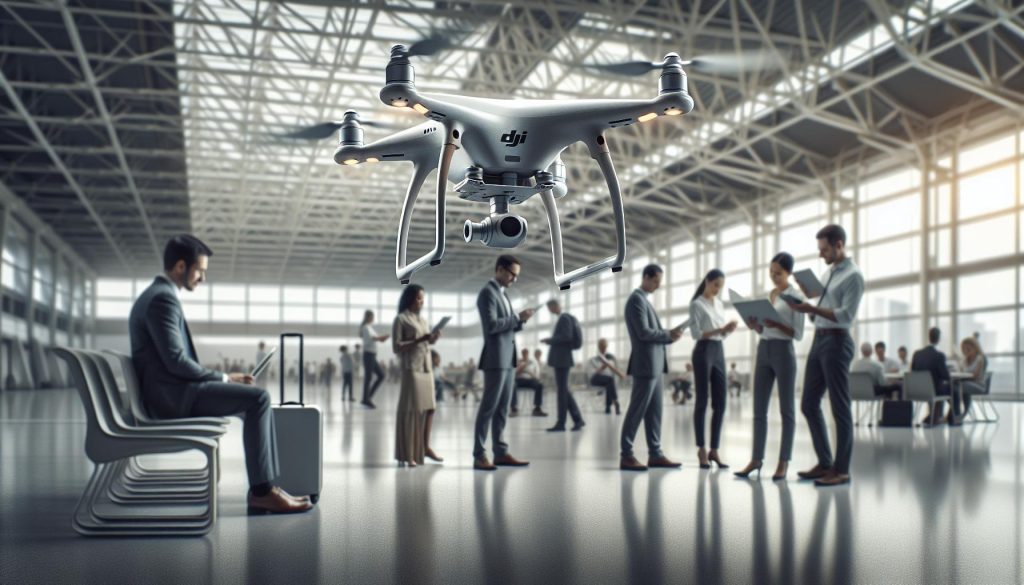
Flying a DJI drone indoors offers exciting opportunities for creativity and practice, but it also comes with unique challenges. While many enthusiasts are eager to capture stunning footage within the comfort of their own homes, safety concerns such as minimizing collisions and understanding spatial awareness become paramount. This article will explore effective safety tips and best practices to ensure that your indoor flying experience is not only enjoyable but also secure. Whether you’re a seasoned pilot or just starting, navigating the complexities of indoor drone flight will enhance your skills and confidence. Let’s delve into the essential guidelines that can keep your flights smooth while maximizing your drone’s capabilities.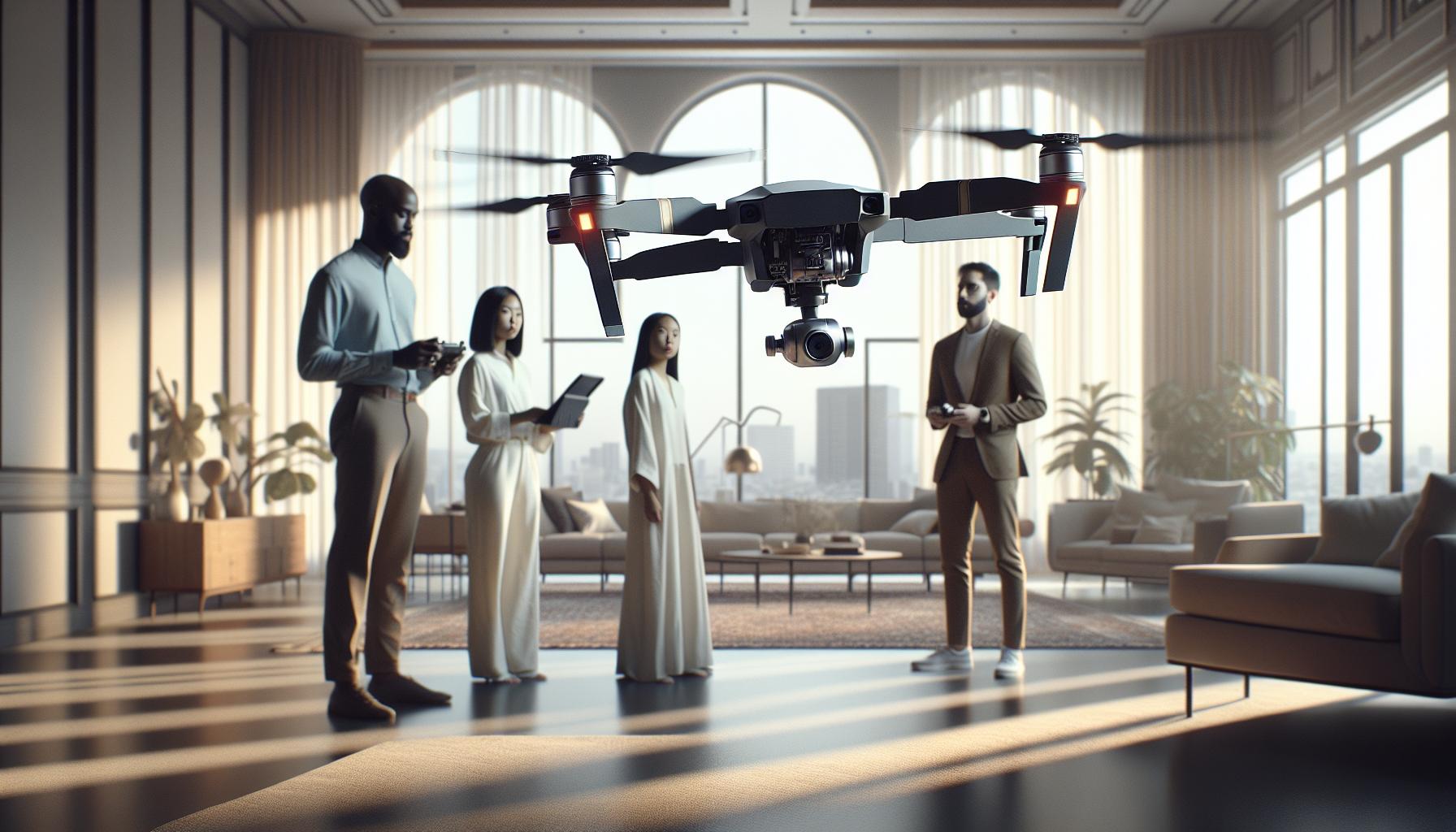
Essential Safety Tips for Flying DJI Drones Indoors
Flying a DJI drone indoors can be a thrilling experience, but it also comes with its own set of challenges and risks. As indoor environments lack the open space typically found outdoors, the potential for crashes and unintended obstacles increases significantly. Therefore, adhering to essential safety tips is crucial to ensure both the pilot’s and the drone’s safety.
First, before engaging in indoor flight, it is vital to conduct a thorough pre-flight check. Make sure that the drone is properly calibrated and that all components, including the propellers, are secure and functioning correctly. Ensure your drone has updated firmware, as this can improve stability and safety features during flight. Additionally, switching the drone to indoor flight mode-if it features one-helps optimize control and limits the maximum altitude, reducing the risk of collisions with ceilings or other objects.
Next, assess the indoor environment for potential hazards. Clear any clutter from the flight area, ensuring there are no obstacles like furniture, electronics, or people that could interfere with your flight path. Consider the room’s size-an area at least twice the size of your drone’s wingspan can make maneuvering more manageable. It’s wise to inform others in the vicinity that you’ll be flying the drone to prevent any unexpected distractions or interference.
When flying indoors, maintain a steady pace and avoid rapid movements. Quick maneuvers can result in loss of control. Utilize features such as obstacle avoidance if your model supports it, as this can help prevent crashes into walls or other objects. Lastly, be aware of battery life; indoor flying can sometimes lead to disorientation, and a sudden loss of power should be avoided. Always land the drone safely when prompted by low battery warnings to prevent potential accidents.
By following these guidelines, you can enhance your indoor flying experience and ensure a safer environment for both you and your DJI drone.
Setting Up Your DJI Drone for Indoor Use
When preparing to fly your DJI drone indoors, initiating a meticulous setup process is essential for a successful and safe experience. The confined spaces typically found indoors can pose unique challenges, so understanding the necessary configurations and adjustments will empower you to maneuver proficiently while minimizing risks.
Start by ensuring all components of your drone are in optimal condition. Perform a pre-flight checklist, which should include inspecting the propellers for any signs of wear or damage, checking battery levels, and ensuring that sensors are clean for accurate readings. Next, update the firmware through the DJI Fly app to guarantee the latest safety and performance enhancements are utilized. A well-maintained and updated drone is crucial in indoor environments where every inch of space counts.
Once the pre-flight checks are done, adjust the drone’s settings for indoor flying. Many DJI models offer a specific indoor flight mode, which limits altitude and increases stability. This mode is designed to help you maintain better control in tighter spaces, reducing the likelihood of crashing into ceilings or walls. If your drone has a gimbal, calibrate it before flight to ensure smooth footage and accurate responses to your controls, particularly important in a potentially disorienting indoor setting.
Selecting the right accessories can also enhance your indoor flying experience. Consider using prop guards to protect both your drone and the surroundings from accidental impacts. Additionally, employing an indoor positioning system, if available on your model, can help stabilize flight and maintain your drone’s position, even in challenging environments where GPS signals might be weakened.
Finally, familiarize yourself with the unique environment where you’ll be flying. Conduct a quick walk-through to identify any potential hazards such as furniture or low-hanging light fixtures. By taking these preparatory steps, you can enhance your indoor flying experience, instilling both confidence and control as you navigate your drone in confined spaces.
Choosing the Right Indoor Flight Location
When flying DJI drones indoors, selecting the right location is pivotal to a successful and enjoyable experience. Not all indoor spaces are created equal when it comes to accommodating drone flight, and a well-thought-out choice will not only enhance your flying skills but also significantly reduce the risk of accidents.
Start by considering the size and layout of the indoor area. Larger spaces such as gymnasiums, warehouses, or hangars offer more room for maneuvering, allowing you to practice different flight maneuvers without the immediate threat of crashing into walls or obstacles. If you have access to a space that can be temporarily cleared of obstacles, such as furniture or decorative items, this will greatly enhance your flying potential. Ensure that the area has high ceilings, as this will prevent any accidental collision with overhead fixtures.
Safety is paramount when selecting an indoor location. Look for areas that are relatively quiet, with few interruptions from people or pets. Spaces where you can control the environment are ideal; you may want to avoid locations with busy pedestrian traffic, as unexpected movements can pose a significant hazard. Furthermore, ensure proper ventilation is available since flying indoors for extended periods can cause the drone’s motors to heat up more quickly than usual.
Consider lighting conditions as well. A well-lit area will not only make it easier for you to see and navigate your drone but also for any onboard cameras to detect obstacles accurately. If you plan to shoot aerial footage or stills, natural light will provide better results. However, be mindful of reflections from windows or shiny surfaces that can confuse your drone’s sensors.
Lastly, always remember to inform any occupants of the space prior to your flight. Although you’re in a controlled environment, communication will help prevent misunderstandings and ensure everyone’s safety. With thoughtful consideration of your chosen indoor flight location, you can create an environment that fosters skill development while minimizing potential mishaps, making your DJI drone flying experience both enjoyable and safe.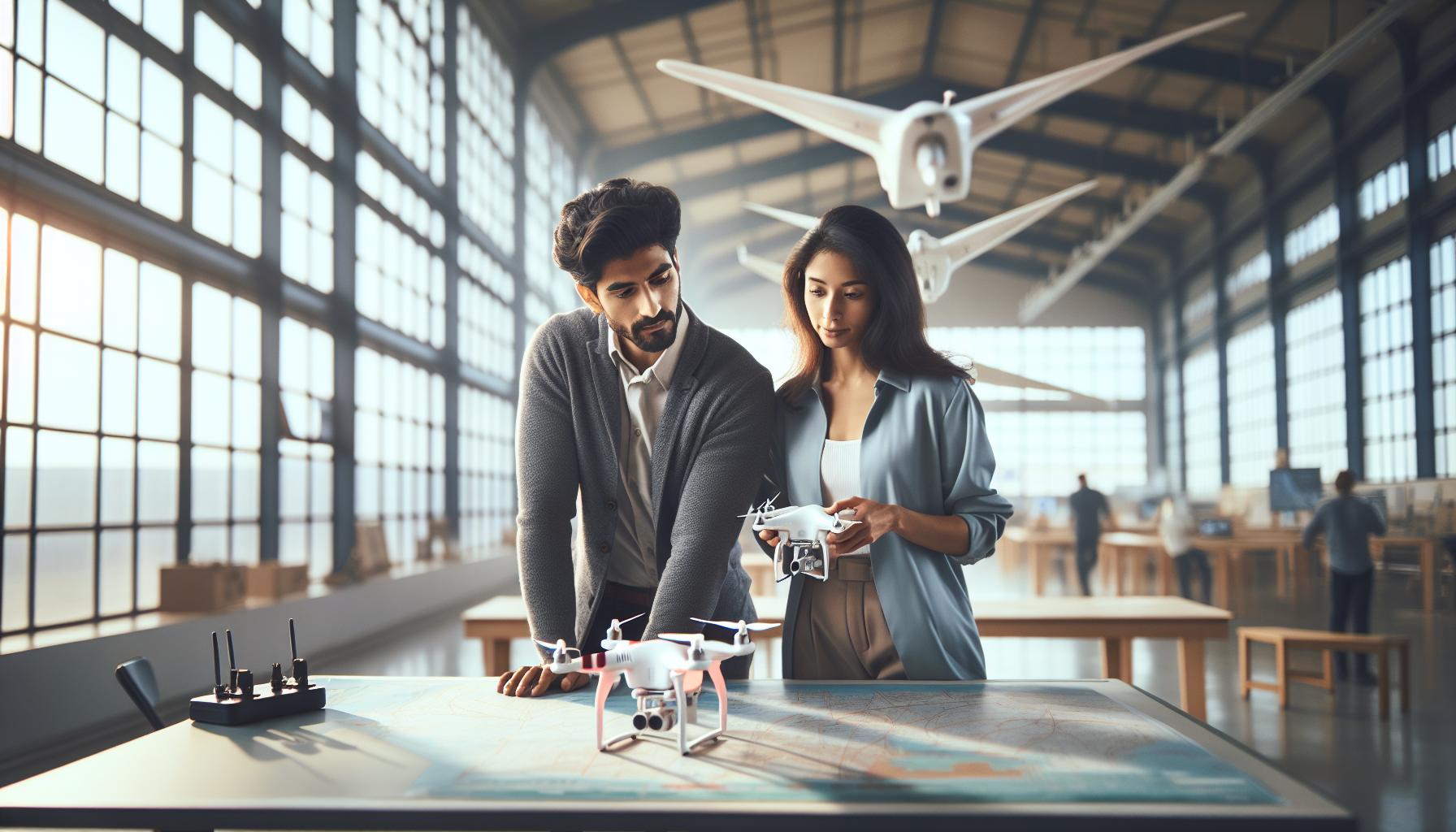
Navigating Obstacles: Tips for Indoor Flying
Flying a DJI drone indoors presents a unique set of challenges, primarily due to the confined space and potential obstacles. The key to navigating these hurdles lies in a combination of preparation, awareness, and utilizing the advanced technologies embedded in DJI drones. Take advantage of features like obstacle avoidance and precise positioning to enhance your indoor flying experience.
To effectively maneuver around obstacles, make use of hovering and slow movements. Utilize your drone’s ability to maintain a stable hover; this gives you time to assess your surroundings accurately. For example, if you encounter a narrow doorway or a tricky corner, you can stop, hover, and plan your next move without the urgency of flying forward or backward. Practice in open spaces before tackling more complex environments. If you’re new to indoor flying, start in a large, obstacle-free area to build confidence.
When navigating obstacles, employing the right flight modes can significantly ease the process. For instance, many DJI drones come equipped with intelligent flight modes such as Tripod Mode and ActiveTrack. Tripod Mode reduces the drone’s speed, allowing for more precise control when flying in tight spaces, while ActiveTrack can help avoid obstacles by automatically adjusting the drone’s flight path as it follows a subject. Always remain aware of your drone’s location in relation to its environment, and consider the angles of approach to avoid sudden clashes with walls or furniture.
Additionally, use visual aids to assist with navigation. Mark reference points in your indoor environment, such as tape on the floor or temporary markers on walls, to maintain spatial awareness. These can be particularly useful for determining distances and ensuring you are aware of significant obstacles, especially in lower light conditions. Keep your line of sight clear: a clutter-free flying path not only helps in avoiding obstacles but also minimizes distractions, allowing you to focus entirely on piloting your drone safely.
Incorporating these strategies not only enhances your skill but also boosts confidence during indoor flights. Remember, practice makes perfect; allocate time to refine your skills in navigating obstacles, and you’ll be better equipped to handle challenging indoor flying scenarios with ease.
Unique Features of DJI Drones for Indoor Flight
Flying a DJI drone indoors is a thrilling experience that demands a solid understanding of the unique features these drones offer, specifically designed to enhance safety and control in confined environments. One of the standout features is the advanced Obstacle Sensing System, which employs multiple sensors to detect objects in the drone’s path. This technology allows drones like the DJI Avata 2 to automatically adjust their flight path, minimizing the risk of collisions with walls, furniture, or other obstacles. Knowing when to rely on this feature can save you from costly repairs and enhance your flying confidence.
Another crucial aspect is GPS Signal Disablement when flying indoors. Unlike outdoor flying, where GPS provides accurate positioning, indoor environments can confuse this system due to interference. DJI drones compensate for this limitation with Visual Positioning Systems (VPS) that utilize downward-facing cameras and ultrasonic sensors. This system allows for stable hover capabilities at lower altitudes, ensuring precise control even without GPS. Pilots can take advantage of this feature to maintain a steady position, especially when performing intricate maneuvers or capturing detailed footage in close quarters.
Equally important is the Smart Flight Modes offered by DJI, such as Tripod Mode, which significantly slows the drone’s speed. This setting is invaluable for indoor flying, allowing operators to execute delicate operations with greater precision. Another useful mode is QuickShots, which provides pre-programmed flight paths that automate complex aerial shots, perfect for capturing dynamic visuals without complex piloting skills.
Lastly, the ability to customize flight parameters through the DJI app gives pilots an edge when navigating indoors. Adjusting settings like maximum altitude and speed can be tailored to match the confines of your environment, ensuring a safer and more enjoyable flying experience. These features collectively empower both novice and experienced pilots to explore the fascinating world of indoor drone flight with confidence, creativity, and safety.
Legal Regulations for Indoor Drone Use
Flying a drone indoors can offer a unique set of opportunities and challenges, particularly when it comes to legal regulations. Unlike outdoor flying, which is heavily regulated by the Federal Aviation Administration (FAA) due to the potential for airspace conflicts and safety risks, indoor drone flights enjoy a more lenient regulatory environment. The FAA does not impose licensing requirements or stringent regulations on drones flown inside buildings, making it easier for hobbyists and professionals alike to practice and experiment in a controlled space [[2]].
However, this doesn’t mean safety and responsibility can be overlooked. It is crucial for drone operators to respect the privacy of others and ensure that indoor flight does not interfere with local regulations or the policies of the facility being used. For instance, flying in educational institutions, hospitals, or places of work may have specific restrictions, even if they aren’t governed by federal regulations. Always check with building management or owners to avoid any potential issues and ensure that you have permission to fly.
Furthermore, even though the FAA’s oversight is limited indoors, it’s still beneficial for operators to stay informed about best practices and safety measures. Familiarizing yourself with the manufacturer’s guidelines, like those provided by DJI, and understanding your drone’s specific features can enhance both safety and compliance. In practice, this means taking advantage of features like the Obstacle Sensing System for safe navigation and using Smart Flight Modes to maintain control in tight spaces.
Overall, while the indoor flying environment is less regulated than outdoor spaces, being aware of local laws and guidelines is essential to promote a safe and enjoyable flying experience. Embracing good practices not only helps in avoiding legal issues but also ensures that indoor drone flying remains a respected and valued hobby.
Common Indoor Flight Modes and Their Uses
Drones come equipped with a variety of flight modes that can significantly enhance the indoor flying experience, allowing operators to navigate tighter spaces and execute complex maneuvers with ease. Understanding these common flight modes is essential for both novice and seasoned pilots aiming to maximize their drone’s capabilities indoors.
One popular mode among DJI drones is Tripod Mode, which reduces the drone’s speed and enhances stability, making it ideal for indoor environments where precise movements are crucial. This slower, more controlled flight allows for careful maneuvering around delicate objects, such as furniture or other obstacles, ensuring that the pilot can capture stunning footage without the risk of collisions.
Another valuable feature is CineSmooth Mode. This mode offers smooth and gradual movements, making it perfect for indoor filming where shock and abrupt changes in speed can compromise video quality. By slowing down the responsiveness of controls, operators can create cinematic shots that highlight the intricate details of their surroundings, all while maintaining safe flying conditions.
Follow Me Mode is another option worth mentioning. Although typically used for outdoor activities, it can be adapted for specific scenarios indoors, such as chasing pets or capturing dynamic movements in a large warehouse. This mode intelligently tracks the pilot’s movements, allowing for hands-free operation which can be beneficial in environments where the pilot needs to remain mobile.
By mastering these flight modes, indoor drone operators can enhance their flying skills and capture captivating footage while maintaining safety and control. Remember always to practice in a suitable space, starting with the less complex modes before advancing to those requiring more precision. By leveraging these technological advancements, pilots can not only enjoy their flying experience but also push the boundaries of creativity in capturing breathtaking indoor visuals.
Troubleshooting Indoor Flight Issues with DJI Drones
Flying DJI drones indoors can be a thrilling experience, but it comes with its share of challenges. Unlike outdoor environments, indoor spaces are often filled with obstacles, variances in lighting, and potential interference that can complicate flight operations. When issues arise, knowing how to troubleshoot effectively is essential for a smooth flying experience.
One common problem encountered during indoor flights is loss of GPS signal. Indoors, the GPS satellites are often out of reach, which can lead your drone to rely on less accurate data for navigation. To mitigate this, it’s advisable to switch your drone to a mode that does not depend on GPS, such as the ‘Attitude Mode’, where the drone can still maintain stability using its onboard sensors. Be mindful that without GPS, certain automated features, like Return-to-Home, will not function.
Another issue operators face is interference from electronic devices and metal structures that can disrupt the drone’s compass. When flying in a room filled with electronic equipment or near metallic objects, calibrating the drone’s compass before takeoff becomes crucial. It’s also important to ensure that the drone’s firmware is up-to-date to minimize technical glitches that could disrupt your flight. A quick pre-flight check-confirming battery levels, propeller condition, and camera settings-can save you from unexpected crashes or malfunctions.
Lastly, maintaining awareness of the indoor environment is vital. Strong lighting can affect the drone’s sensors, while reflective surfaces can create confusion during obstacle avoidance. Using the ‘Tripod Mode’ can be beneficial here, allowing for smoother and slower movements as you navigate tight spaces. When obstacle detection issues arise, manually piloting your drone while utilizing visual references can provide better control.
By implementing these troubleshooting strategies and adopting a proactive approach to issues that may arise, pilots can enjoy a safer and more enjoyable indoor flying experience with their DJI drones.
Best Practices for Indoor Drone Maintenance
Maintaining your DJI drone properly is essential, especially when flying indoors, to ensure it performs reliably and safely. Indoor environments can expose your drone to dust, debris, and accidental collisions, making regular maintenance even more critical. A well-maintained drone not only extends its lifespan but also enhances your flying experience, allowing you to focus on capturing stunning footage without worrying about technical issues.
One key aspect of indoor drone maintenance is regular cleaning. Use a soft cloth to gently wipe down the drone’s body, propellers, and camera lens. Dust accumulation can interfere with sensors and optics, leading to performance issues or compromised image quality. Additionally, check the propellers for any nicks or cracks; replacing damaged propellers promptly reduces the risk of failure during flight. To clean the propellers, use a microfiber cloth and, if necessary, a small brush to remove any debris that may have lodged between the blades.
Firmware Updates
Keeping your drone’s firmware up to date is another critical maintenance task. DJI frequently releases updates that enhance performance, add features, and improve safety. Regularly check for firmware updates through the DJI Fly app or the DJI Assistant 2 software on your PC. Installing the latest updates ensures that your drone can utilize the newest flight modes and safety features, which is particularly important when flying in complex indoor environments.
Battery Care
Proper care of your drone’s batteries is fundamental, especially since indoor flights might require more frequent battery changes due to shorter flight times in smaller spaces. Always store batteries in a cool, dry location and avoid exposing them to extreme temperatures. Make sure to charge your batteries fully before flying and monitor their discharge cycles. It’s advisable to never let batteries drop below 20% before recharging, as constant deep discharges can shorten their lifespan. Additionally, consider using a battery management system to monitor the health and performance of your batteries over time.
Incorporating these best practices into your regular routine not only helps maintain your drone’s performance but also fosters your skills as a pilot. By prioritizing maintenance, you can confidently enjoy the unique challenges and thrills of indoor drone flying.
Accessorizing Your Drone for Indoor Flying
Accessorizing your DJI drone specifically for indoor flying can significantly enhance both the safety and enjoyment of your flying experience. Unlike outdoor conditions, indoor environments require thoughtful consideration of various factors, including space limitations, potential obstacles, and the need for minimal noise levels. By choosing the right accessories, you can tailor your drone for optimal performance in confined spaces.
One essential accessory for indoor flying is a set of propeller guards. These lightweight shields offer protection to both the drone and your surroundings, preventing damage during accidental collisions with walls, furniture, or other obstacles. Brands like DJI provide propeller guards designed to fit seamlessly on models like the Mavic Mini and Air series, ensuring you can maneuver safely without the threat of catastrophic crashes.
Another vital component is the landing gear. If you’re flying in tight spaces where landing surfaces may be uneven or cluttered, consider investing in extended landing gear. These not only provide stability when landing but also help keep your drone’s camera clear of debris and potential hazards on the floor. Enhanced landing gear can improve your drone’s performance during takeoff and landing, giving you peace of mind when operating in smaller areas.
Battery management is crucial during indoor flights due to the limited time most drones can stay airborne in tighter confines. Having extra batteries on hand allows for extended flying sessions without interruptions. Additionally, a dedicated battery case can keep your batteries organized and safe, ensuring quick access and reducing the risk of damage.
Finally, an indoor-focused flight mode, often found in DJI models, can optimize sensitivity and responsiveness, allowing for smoother and controlled maneuvers. This is particularly useful when navigating around obstacles or performing complex aerial shots. Make sure to activate these modes in your drone’s settings for an improved indoor flying experience.
By equipping your DJI drone with these specialized accessories and utilizing specific features, you will not only safeguard your equipment but also elevate your indoor flying sessions into a more enjoyable and creative endeavor.
Advanced Tricks for Expert Indoor Piloting
Mastering indoor drone piloting requires not only technical knowledge but also creativity and finesse. Expert pilots understand that the unique challenges presented by indoor environments can be transformed into opportunities for impressive maneuvers and stunning aerial footages. To elevate your skills, consider applying the following advanced techniques during your indoor flights.
Utilizing the Follow Me Feature
Many DJI drones come equipped with intelligent flight modes such as Follow Me, which allows the drone to track and film you as you move through your indoor space. This feature is particularly useful in home tours or dynamic shots involving movement, like showcasing activities or events. To effectively use this mode, ensure you have sufficient space and minimal obstacles to maintain a smooth flight path while the drone captures your movements.
Implementing 3D Maneuvers
Perfecting 3D maneuvers can significantly enhance your indoor flying experience. Practice basic aerial acrobatics such as flips and rolls, but do so cautiously. Utilizing the drone’s sport mode can allow for quicker rotations and sharper turns, making it feasible to perform these tricks while maintaining control. Always ensure there is ample room for these maneuvers, and limit your practice to open spaces to avoid crashes.
Creating a Flight Path
Another effective strategy is to pre-plan your flight path. Use apps or the built-in flight planning features available in models like the DJI Mavic and Phantom series to map out a course that accounts for obstacles and tight spaces. Highlight waypoints where you want the drone to hover or take specific maneuvers, allowing for a choreographed shot during complex projects such as indoor sports or dance recitals.
Exploring Camera Settings
Indoor lighting conditions can vary dramatically, affecting your drone’s camera performance. Familiarize yourself with settings like ISO, shutter speed, and frame rate to capture clear, high-quality footage. For lower light scenarios, increased ISO may help, but it could introduce noise; thus, balancing it with a lower shutter speed can yield better results. Don’t forget to exploit the drone’s gimbal stabilization settings to enhance smoothness during filming.
By implementing these advanced techniques, you can take your indoor drone piloting to the next level. Mastery involves patience and practice, so allow yourself time to experiment with these strategies safely, ensuring enjoyable and remarkable flying experiences.
Frequently Asked Questions
Q: Can I fly my DJI drone indoors without any modifications?
A: Yes, you can fly a DJI drone indoors without modifications, but it is advisable to use propeller guards. These guards help prevent damage to the drone and surrounding objects in case of collisions, making your indoor flight safer [3[3].
Q: What are the best indoor locations for flying a DJI drone?
A: Ideal indoor locations for flying a DJI drone include large, open spaces with minimal obstacles, such as gymnasiums or warehouses. Avoid areas with fragile decorations or low ceilings, which can increase the risk of crashes [1[1].
Q: What are the top safety tips for indoor drone flying?
A: Key safety tips for indoor drone flying include using propeller guards, maintaining a clear area of at least 10 feet, flying at low speeds, and keeping your drone within visual line of sight. These measures significantly reduce the risk of accidents [3[3].
Q: What should I do if my DJI drone loses connection indoors?
A: If your DJI drone loses connection indoors, try to remain calm and utilize the “Return to Home” feature if it is enabled. If that fails, slowly move closer to the drone to re-establish the connection while avoiding obstacles [3[3].
Q: What common mistakes should I avoid when flying a DJI drone indoors?
A: Common mistakes to avoid while flying a DJI drone indoors include ignoring the environment (like flying too close to walls), not using propeller guards, flying in GPS mode, and losing visual contact with the drone. These can lead to crashes and damages [1[1].
Q: How do indoor flight modes affect my DJI drone’s performance?
A: Indoor flight modes typically adjust the drone’s sensitivity and stability for confined spaces, allowing safer navigation. Utilizing these modes can help you control the drone better and prevent it from reacting too aggressively to inputs, reducing the likelihood of crashes [3[3].
Future Outlook
Flying your DJI drone indoors can be an exhilarating experience, but it’s essential to prioritize safety and follow best practices. Remember to check your surroundings, utilize obstacle avoidance features, and keep your drone’s firmware updated to ensure a smooth flight. If you enjoyed this guide, explore more on our site about advanced flight modes and the latest DJI models to enhance your skills. Don’t miss out on our detailed troubleshooting tips to help you overcome any obstacles in your indoor flying journey!
If you have any questions or want to share your indoor flying experiences, drop a comment below. Every flight is a chance to learn, and your insights can help others in the community! For more helpful resources and to stay updated with the latest in drone technology, consider signing up for our newsletter. Safe flying, and we look forward to seeing you explore the world of drones further!