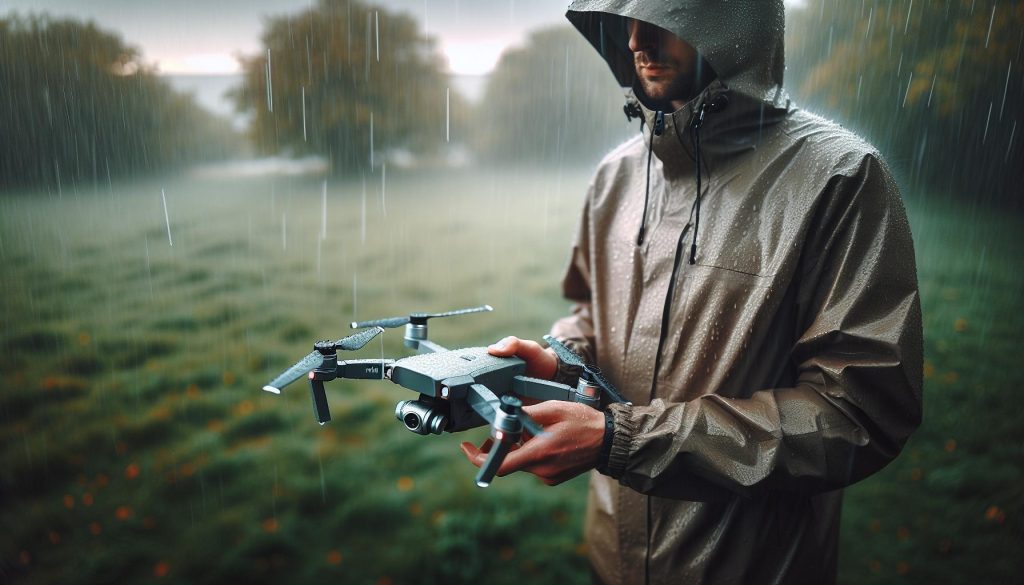
Flying a DJI Mini in the rain might seem like an adventurous pursuit, but it’s essential to understand the limitations and risks involved. While the allure of capturing stunning aerial footage in moody weather is tempting, operating a drone in adverse conditions can lead to costly mistakes and safety hazards. Many pilots grapple with questions about the impact of rain on flying capabilities, including concerns about equipment damage, flight stability, and compliance with regulations. In this article, we’ll dissect the weather limits governing DJI Mini drones, providing you with the knowledge to make informed decisions. Whether you’re a seasoned pilot seeking to expand your skills or a beginner eager to safely explore the skies, understanding these weather limits is crucial to enhancing your flying experience and prolonging the life of your equipment. Read on to uncover what you need to know about navigating rain and ensuring successful flights under less-than-ideal conditions.
Can DJI Mini Handle Rainy Conditions?
Flying a DJI Mini drone can be an exhilarating experience, but when rain clouds gather, many operators hesitate. Understanding the capabilities and limitations of the DJI Mini in rainy conditions is crucial for ensuring safety and preserving the longevity of the drone. The DJI Mini is not designed for wet weather flying; it lacks an official IP rating that guarantees any level of water resistance. Rain can severely impact both the electronic components and the overall stability of your drone.
If you find yourself in a situation where rain is inevitable, it’s important to assess the intensity and duration of the precipitation. Light drizzle might not pose an immediate threat, but even small amounts of water can infiltrate crevices and lead to corrosion over time. To mitigate risks, you should avoid flying in heavy rain or when there are strong winds, as these conditions can complicate the drone’s handling and may lead to loss of control. Always remember that visibility and signal strength can also be affected by weather, making it more challenging to pilot the drone.
To protect your DJI Mini from adverse weather, consider investing in rain-resistant accessories such as drone covers or skins that provide a layer of protection. However, the best practice remains to avoid flying altogether in wet conditions when possible. Pilot prudently, assess forecasts, and adhere to safety guidelines to ensure both you and your DJI Mini stay in safe operating conditions.
Understanding the DJI Mini’s Weather Resistance
Flying a drone in wet conditions can be a daunting prospect, especially when the aircraft in question is the DJI Mini. Unlike some of its more robust counterparts, the Mini does not carry an official water resistance rating, which raises questions about its ability to withstand rainy weather. The DJI Mini’s lightweight design prioritizes portability and ease of use, but this comes at the cost of ruggedness. Given this, understanding its limitations in inclement weather is essential for operators looking to protect their investment and ensure safe flying experiences.
When considering the weather resistance of the DJI Mini, it’s crucial to recognize that the drone’s components are not sealed against moisture. Damp conditions can lead to rapid deterioration of electrical parts, compromising flight stability and overall performance. Even minimal exposure to rain can facilitate water ingress through joints and crevices, potentially causing irreversible damage. Therefore, pilots should approach flying in rainy weather with a healthy dose of caution, keeping in mind that electronic failures often occur unexpectedly.
To mitigate the risks associated with flying in rain, operators can adopt some practical strategies. For instance, using accessory covers designed specifically for DJI Mini can help shield it from moisture, albeit temporarily. However, this should not replace the prudent decision to avoid flying during rainfall whenever possible. Understanding local weather patterns and monitoring real-time conditions ensures that you make informed decisions, keeping both your DJI Mini and the surrounding environment safe from the adverse impacts that flying in rain can bring.
Key Factors Influencing Safe Flight in Rain
Flying a DJI Mini in rainy conditions requires a nuanced understanding of several key factors that greatly influence safe flight operations. Although the DJI Mini is celebrated for its lightweight design and portability, its lack of formal water resistance poses significant challenges in inclement weather. Pilots must prioritize not just the environmental conditions but also their drone’s specifications and capabilities.
Environmental Conditions
The immediate weather conditions play a crucial role in determining whether it is wise to fly. Factors such as the intensity of the rain, wind speed, and temperature can directly impact flight behavior. For instance, light drizzle might seem manageable, yet high winds can cause instability, complicating control during a flight. It’s essential to monitor local weather forecasts and be prepared for sudden changes, particularly in regions known for unpredictable weather patterns.
Drone’s Performance Specifications
Understanding the specifications of the DJI Mini is paramount. While the drone is equipped with stability features like GPS and downward sensors, these systems can be less effective in challenging conditions. Increased moisture can lead to erratic readings, hindered sensor performance, and even cause erratic flying behavior. Pilots should familiarize themselves with how these changes in performance manifest in rainy conditions. For instance, the Mini’s battery life may also be adversely affected by low temperatures coupled with high humidity, leading to shorter flight times.
Flight Planning
Effective flight planning is indispensable for safe operations. Before launching, it’s prudent to conduct thorough pre-flight checks, ensuring that all components are dry and free from moisture. Utilizing accessories like rain covers can provide temporary protection, yet their effectiveness is limited, and they should be used in conjunction with the inherent caution necessary when flying in the rain. Always establish a clear flight path that allows for quick landing should conditions deteriorate unexpectedly.
By understanding these factors and how they influence flying in rainy weather, DJI Mini pilots can make better-informed decisions to safeguard their drones and enhance their flying experiences. Whether you are an experienced pilot or a newcomer, integrating these considerations into your flight planning will significantly reduce risks associated with operating in adverse weather conditions.
What to Avoid When Flying in Rain
Flying your DJI Mini in rainy conditions can be a risky endeavor, particularly given the drone’s lack of formal water resistance. Pilots must be acutely aware of what to avoid to ensure safety and protect their investment. One of the most critical pitfalls to sidestep is launching the drone during moderate to heavy rain. Even light rain can compromise the camera’s lens and electronic components, leading to potential malfunctions during flight.
Furthermore, it’s wise to avoid flying in windy conditions that often accompany rain. Wind can make it challenging to control the drone’s movements, increasing the likelihood of losing control and crashing. Always check local weather reports, and steer clear of flying if winds exceed the recommended limits for your specific model. Smooth, stable air is ideal, so if you detect turbulence or gusts, it’s better to postpone your flight.
Another aspect to avoid is risking prolonged flights or extended distances in poor visibility. Rain can obscure the drone’s sensors and impede your ability to see it clearly. This lack of visibility can make it difficult to navigate back safely if the drone experiences issues. Stick to familiar areas where you can keep the drone in sight and maintain control, and make sure to plan for a prompt landing if visibility diminishes.
Lastly, avoid assuming that flying with protective accessories, like rain covers, will guarantee safety. While they can provide some level of protection, they are not foolproof, and accumulated moisture can still seep in. It’s essential to conduct thorough pre-flight checks and avoid relying solely on these accessories for protection. Proper maintenance after flying in damp conditions is also crucial-ensure that moisture doesn’t settle into the drone’s delicate components by cleaning and drying it thoroughly after each flight. This approach not only prolongs the drone’s lifespan but also safeguards your investment against potential water damage.
Tips for Flying Your DJI Mini in Wet Weather
Flying a DJI Mini in wet weather can pose significant challenges, but with the right precautions and strategies, you can minimize risks while capturing stunning aerial footage. Understanding the limitations of your drone is crucial, particularly since the DJI Mini is not officially rated for water resistance. Here are some practical tips to enhance your flying experience in rainy conditions.
Plan for Short Flights
When venturing out in light rain, it’s prudent to limit your flight duration. Short flights allow you to monitor weather changes closely and reduce the time your drone is exposed to moisture. Plan your flying route to keep the drone within a close distance to facilitate a quick return if the weather worsens unexpectedly.
Maintain a Low Altitude
Flying at a lower altitude can help mitigate risks associated with poor visibility and sudden downpours. By keeping the drone close to the ground, you can easily manage its navigation and quickly land if conditions become unfavorable. However, always ensure that you’re still adhering to local regulations regarding minimum flight heights.
Avoid Strenuous Maneuvers
In wet conditions, it’s best to avoid aggressive maneuvers that require rapid ascents, descents, or sharp turns. Such actions increase the chances of losing control, especially when compounded by wind or moisture affecting the drone’s performance. Aim for smooth, gradual movements to maintain maximum control and stability.
Perform Thorough Pre- and Post-Flight Checks
Before taking off, examine your drone for any signs of damage or wear, especially around the camera and electronic components, which are susceptible to moisture. After each flight, conduct a thorough inspection to ensure that no moisture has infiltrated the drone, and always carefully dry off any damp parts with a microfiber cloth. Adopting these practices can prolong the life of your equipment and keep it functioning optimally.
By employing these strategies, you can enhance your flying experience even in light rain. While the DJI Mini is not designed for wet weather, careful preparation, and mindfulness can go a long way in ensuring safe and enjoyable flights.
Recognizing Rain-Induced Flight Hazards
Flying your DJI Mini in the rain can introduce a range of hazards that every pilot should recognize and consider before taking off. Rain not only compromises visibility but also significantly impacts the drone’s stability and performance. While the DJI Mini is a well-engineered piece of technology, its lack of official water resistance rating means that moisture intrusion can lead to serious malfunctions.
One notable hazard is the effect of water on the drone’s sensors. Drones rely heavily on their GPS, optical flow sensors, and cameras to maintain stable flight and navigate effectively. Rain can mask the visual terrain that these sensors depend on, leading to erratic behavior or a loss of GPS signal. If your DJI Mini’s sensors become obscured or malfunction, it may not accurately respond to commands, increasing the risk of crashes. Pilots should be mindful of these potential sensor failures, especially in light rain or when flying near bodies of water that can create unpredictable wind patterns.
Moreover, wet conditions can reduce battery efficiency and overall flight time. The added weight of moisture can affect the drone’s aerodynamics, making it work harder to maintain altitude and stability. This may lead to rapid battery drain, which can catch less experienced pilots off-guard. To mitigate such issues, always monitor battery levels closely during rainy flights and be prepared to bring the drone down earlier than planned.
Lastly, it’s essential to recognize the risks associated with visibility. Rain can create blurriness, affecting your ability to track your drone visually. This lack of clarity may result in difficulties in maneuvering or returning the drone to its home point safely. To address this, consider flying in more open areas where you have a clear line of sight and avoid complex environments filled with obstacles, which could complicate navigation under poor conditions.
In summary, understanding these rain-induced flight hazards will enable pilots to make informed decisions regarding their flying activities in inclement weather, ultimately ensuring safer operations and protecting valuable equipment.
Analyzing Drone Performance in Different Weather Situations
Flying a DJI Mini in various weather conditions presents unique challenges that require careful consideration and preparation. Understanding how different weather scenarios affect drone performance is crucial for ensuring safe and successful flights. From wind and rain to temperature fluctuations, these environmental factors can significantly influence the drone’s ability to navigate, maintain stability, and perform effectively.
One critical weather element is wind. Drones like the DJI Mini are designed with lightweight materials for agility and stability; however, strong gusts can create instability, making it difficult to control the drone. For instance, while light breezes might not pose issues, anything exceeding 15-20 mph could lead to difficulties in altitude maintenance and precise maneuverability. Consequently, it’s advisable to check wind speeds before flying and avoid flying in gusty conditions that exceed the manufacturer’s recommended limits.
Rain, as previously noted, can severely impact sensor operation and flight dynamics. The Mini’s design lacks an official water resistance rating, and moisture on the sensors can lead to erratic GPS signals and errant behavior. Pilots should recognize that even light rain or damp conditions can lead to unexpected challenges, such as reduced battery performance. To optimize flight planning, flights should only be conducted in dry, clear weather whenever possible.
Temperature is another critical factor that can dramatically affect drone operation. Extremes in temperature, whether hot or cold, can impact battery life and charging efficiency. Cold temperatures can cause batteries to drain more quickly, potentially leading to an emergency landing far from your intended destination. In contrast, excessive heat can lead to overheating issues, which may impact the drone’s sensors and overall performance. It’s essential to monitor temperature and adjust your flight plans accordingly, perhaps limiting flight times in extreme conditions to ensure safe operation.
In summary, analyzing how different weather conditions affect your DJI Mini’s performance can empower you to make informed decisions for safer flights. It’s not just about avoiding rain; it’s about understanding the broader impacts of wind, moisture, and temperature on your drone’s capabilities. Taking the time to evaluate these factors not only enhances flight safety but also improves the overall flying experience, ensuring that every mission-whether capturing stunning aerial footage or simply enjoying the flying hobby-remains enjoyable and successful.
Best Practices for Maintenance After Rainy Flights
After navigating through rainy conditions, the maintenance of your DJI Mini is crucial to ensure its longevity and operational readiness. Water exposure, even from light rain, can lead to various problems, including corrosion, sensor malfunction, and reduced battery efficiency. Therefore, implementing best practices for post-flight maintenance is essential for any diligent drone pilot.
First, an immediate inspection of your drone is vital. After landing in wet conditions, carefully check for any signs of moisture on the exterior components, especially around the camera, gimbal, and battery compartment. Use a soft, dry cloth to gently wipe away any water droplets. Pay special attention to areas where water can accumulate, such as between joints and moving parts. If you detect any moisture inside the battery compartment or near electrical contacts, avoid powering up your drone until it has completely dried.
Drying Techniques
To expedite the drying process, consider the following techniques:
- Air Drying: Leave the drone in a dry, well-ventilated area for several hours. Avoid exposure to direct sunlight, which can cause other components to overheat.
- Desiccants: Place silica gel packets around the drone or in a sealed bag to help absorb moisture. This method can effectively remove residual humidity.
- Grain Rice Method: Similar to desiccants, placing the drone in a container with uncooked rice can help draw moisture out, but it’s less effective than silica gel.
After ensuring all components are dry, it’s wise to recalibrate the IMU (Inertial Measurement Unit) and perform a compass calibration. These recalibrations help restore the drone’s ability to accurately perceive its position and orientation, which might have been compromised by exposure to wet conditions.
Regularly monitor the battery’s performance afterwards as well. Insulate the battery terminals with a soft, dry cloth and store them separately from the drone. This will prevent any moisture from causing short circuits. If you notice any swelling, discoloration, or reduced flight time, consider replacing the battery, as these are clear indicators of damage.
Implementing these maintenance practices after rainy flights will not only prolong the life of your DJI Mini but also ensure that it remains a reliable aerial tool for all your future flying endeavors. Proper care and prompt attention to moisture issues can significantly mitigate risks and enhance your overall flying experience.
User Experiences: Flying the DJI Mini in Rain
Flying a drone in the rain can be a nerve-wracking experience for many pilots, especially those new to the DJI Mini series. Users have reported varied experiences, with some managing successful flights while others faced challenging conditions that led to difficult landing scenarios. It’s essential to understand the factors that can influence flight performance in wet weather and how to navigate them safely.
Many DJI Mini operators suggest closely monitoring the drone’s response to rain. One user shared that during light drizzle, their Mini performed adequately, capturing stunning footage of a rain-soaked landscape. However, they noted a significant difference as rain intensified, leading to unexpected drops in battery efficiency and troublesome GPS signal fluctuations. This variance highlights the importance of assessing not just the rainfall but also wind conditions, as increased wind combined with rain can degrade both control and stability.
When considering flying in rain, user experiences indicate that pilots who remained cautious and adhered to a few best practices had more success. For instance, maintaining lower altitudes can provide better control, as the risk of losing signal and the effects of wind gusts are magnified at greater heights. Additionally, experienced users recommend ensuring that the drone has an adequate battery charge before flying in adverse weather since battery performance can diminish when subjected to moisture.
After successful flights, many users stress the importance of post-flight inspections and drying procedures. One pilot recounted a flight where their Mini encountered unexpected downpours. Despite safely landing, moisture had entered the battery compartment, necessitating a thorough drying process and recalibration before their next flight. Such precautions are vital; they emphasize that being proactive about moisture management significantly enhances the longevity and reliability of the DJI Mini, ultimately allowing pilots to enjoy flying even when the weather doesn’t cooperate.
Alternatives to Flying in Adverse Weather
While the thrill of flying a drone in dynamic weather conditions can be enticing, there are times when opting not to fly in adverse weather can save valuable equipment and enhance safety. Instead of facing rain and wind, aviators have several alternatives to capture stunning aerial footage or conduct surveys effectively.
First and foremost, consider indoor flying as an option, particularly in larger spaces such as warehouses or gymnasiums. This not only allows for practicing flying skills but also opens up opportunities for filming creative landscapes that might not be available outdoors during inclement weather. Utilizing obstacle avoidance features available in many DJI models, including the Mini series, can offer a unique challenge and help hone piloting skills without the risk of weather interference.
Another alternative lies in leveraging post-processing techniques. Those equipped with high-quality footage from previous flights can utilize software to simulate weather effects in their content. This approach enhances creativity, allowing the addition of rain or mist effects, thus providing a captivating narrative without putting the drone at risk.
If the intent is to capture specific outdoor scenes, consider utilizing time-lapse photography or scheduled flights during periods of brief clear weather within the rain. Monitoring weather patterns closely can reveal breaks in the storm, providing windows of opportunity for capturing highlights while ensuring safety.
Utilizing terrestrial equipment can also complement drone activities during adverse weather. Ground-based cameras and gimbals, for instance, can capture high-quality visuals without the complications associated with flying in challenging conditions. This method allows creators to maintain productivity without compromising the integrity of their equipment.
Ultimately, while inclement weather can pose challenges, these alternatives offer innovative solutions. Drones can still be an integral part of creative projects even when weather conditions make flying impractical. Prioritizing safety and equipment longevity ensures that the opportunity for aerial exploration remains available when conditions improve.
Drone Regulations and Weather Constraints
The operation of drones, including the DJI Mini series, is intricately linked to relevant regulations and the impact of weather conditions on safe flying practices. Notably, drone enthusiasts must not only adhere to guidelines set by civil aviation authorities but also respect the environmental limitations that can affect flight safety. Flying a drone in rainy conditions presents unique challenges, both from a regulatory perspective and a practical one.
Drone regulations often vary by country, but most aviation authorities establish clear protocols regarding weather limitations. For instance, the Federal Aviation Administration (FAA) in the United States stipulates that pilots must ensure visual line-of-sight during operations, which can be severely hindered during rainstorms or low visibility conditions. Flying in adverse weather not only poses risks to the drone but may also lead to regulatory violations if pilots lose control of the aircraft or fail to maintain the necessary observational standards.
In addition to regulatory constraints, weather poses significant safety considerations for drone flights. Rain, wind, and other adverse weather phenomena can affect the drone’s performance, including battery efficiency, GPS accuracy, and camera stability. Pilots should monitor real-time weather updates and forecasts before attempting to fly, as even light rain can lead to slippery surfaces or impede visibility and control. It’s critical to understand that flying in such conditions not only risks damaging your equipment but could also endanger others, potentially resulting in fines or operational restrictions from aviation authorities.
Ensuring compliance with regulations and understanding the implications of weather conditions fosters a responsible flying culture. Operators are encouraged to educate themselves about local laws, including no-fly zones and weather-related operating restrictions, while acquiring the necessary permissions when required. Keeping abreast of these regulations and understanding the interplay between drone performance and environmental factors ensure that pilots can conduct their operations safely and legally. Always err on the side of caution; if the weather looks questionable, it’s wise to postpone the flight and wait for a clearer day.
Preparing for Unpredictable Weather Conditions
Flying a drone like the DJI Mini can be exhilarating, but it also requires careful preparation, especially when facing unpredictable weather conditions. Sudden storms or unexpected rain can transform a routine flight into a challenging situation, impacting both the safety of your operation and the performance of the drone. As a responsible pilot, equipping yourself with the right knowledge and tools is crucial for navigating these environmental challenges effectively.
To begin, always check the weather forecast before your flight. Utilize reliable weather apps and websites that provide real-time updates and alerts about impending weather changes. Pay special attention to predictions about rain, wind speeds, and temperature fluctuations. Notably, even light rain can lead to reduced visibility and affect battery life, which can compromise the stability of your flight. If the conditions seem questionable, it might be best to reschedule for a clearer day.
When preparing to fly in potentially inclement weather, consider investing in protective gear for your drone. Although the DJI Mini isn’t waterproof, it can benefit from lightweight, weather-resistant covers that shield it from water and moisture. Additionally, ensure all connections and ports are securely sealed before flight. Regular maintenance checks and firmware updates can also enhance the drone’s reliability during tricky weather scenarios, ensuring optimal performance when it matters most.
Familiarize yourself with the drone’s emergency procedures, and practice transitioning into these modes if adverse weather strikes while you’re airborne. Understanding your drone’s limits in terms of wind resistance and battery performance under duress can help you make informed decisions during flight. Always prioritize safety; should unexpected weather conditions arise, be prepared to land your drone promptly in a safe area. By adopting these practices, you can safely navigate the unpredictability of weather, maximizing both the enjoyment and safety of your drone flying experience.
Frequently asked questions
Q: Can the DJI Mini fly in light rain?
A: The DJI Mini is not designed for wet conditions. While it may tolerate very light rain, flying in such weather increases the risk of damage to the drone. It’s best to avoid flying in any rain and wait for dryer conditions to ensure optimal performance.
Q: What are the risks of flying a DJI Mini in the rain?
A: Flying a DJI Mini in the rain can lead to water damage, reduced battery efficiency, compromised flying stability, and malfunctioning sensors. Water can seep into electronic components, potentially causing permanent damage, so it’s advisable to fly only in suitable weather.
Q: How does rain affect drone battery life?
A: Rain can negatively impact the battery life of the DJI Mini. Wet conditions can lead to increased resistance in electrical components, causing the battery to drain faster. For consistent performance, it’s best to fly in dry weather conditions, as highlighted in the article on maintenance.
Q: Are there any specific settings for flying in rainy conditions?
A: The DJI Mini lacks specific settings for operating in rainy conditions. Instead, it is recommended to focus on maintaining a safe distance from rain and wind. If rain unexpectedly occurs, it’s wise to return to the ground safely rather than adjust settings.
Q: What should I do if my DJI Mini gets wet?
A: If your DJI Mini gets wet, power it off immediately and remove the battery. Dry the exterior gently with a soft cloth and leave it in a dry, well-ventilated area for at least 24 hours before attempting to use it again to prevent damage.
Q: Can I fly the DJI Mini during a thunderstorm?
A: No, flying the DJI Mini during a thunderstorm is highly discouraged. Lightning poses a serious danger, along with strong winds and heavy rain that can significantly impair flight control and safety.
Q: What are safe flying temperature limits for the DJI Mini?
A: The DJI Mini operates best in temperatures ranging from 0°C to 40°C (32°F to 104°F). Extreme cold or heat, combined with rain, could adversely affect the drone’s performance. Always check the weather and fly within these limits.
Q: How can I check weather conditions before flying my DJI Mini?
A: To check weather conditions, use reliable weather apps or websites that provide real-time forecasts. Look for parameters like wind speed, precipitation, and overall weather conditions to ensure it’s safe to fly, as noted in the article’s section on preparation for unpredictable weather.
Concluding Remarks
As we’ve explored, while flying a DJI Mini in the rain isn’t outright forbidden, understanding the weather limits and risks involved is crucial for ensuring the safety and longevity of your drone. Ready to take your knowledge further? Check out our guide on “Best Practices for Flying DJI Drones in Various Weather Conditions” and learn how to optimize your flight experience regardless of Mother Nature’s mood. Don’t forget to explore our drone maintenance tips to keep your device in top shape!
If you have questions or want to share your experiences flying in challenging conditions, drop a comment below! And for those looking to upgrade their flying gear, visit our product page for the latest DJI drones and accessories. Stay tuned for more insightful tutorials that empower your drone flying skills!