
Transferring a DJI drone to another account can seem daunting, but it’s essential for anyone looking to buy or sell a used drone. Whether you’re upgrading your equipment or passing on your beloved drone to a friend, understanding how to navigate the transfer process ensures you maintain safety and compliance. Many drone operators find themselves confused about the requirements and steps involved in transferring ownership. This guide will walk you through everything you need to know, making it simpler to connect with new users while allowing them to fly without any hitches. Join us as we explore the ins and outs of transferring your DJI drone, setting you up for a seamless experience and peace of mind.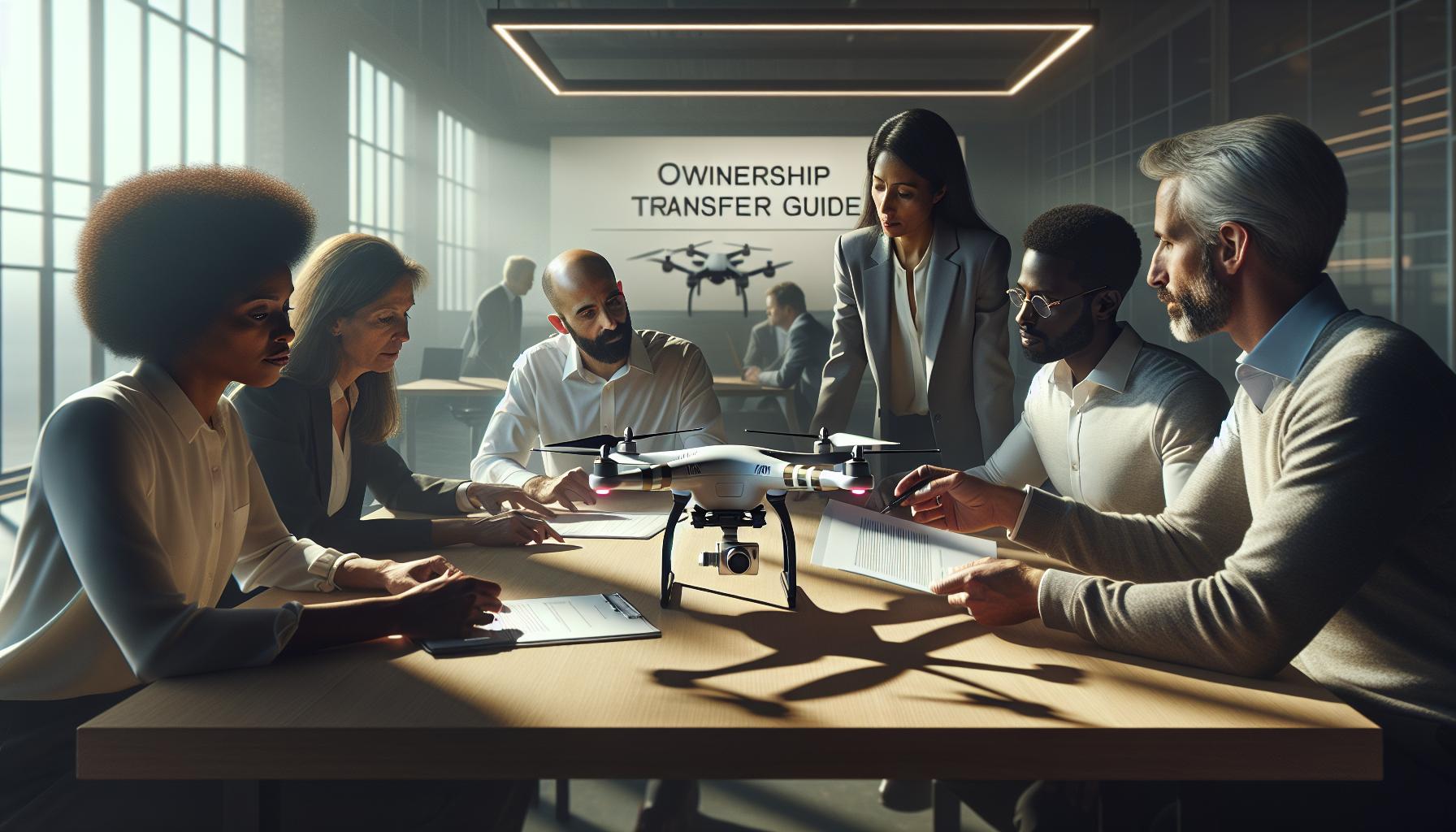
Can You Fly a DJI Drone Registered to Someone Else?
Flying a DJI drone that is registered to someone else is generally not possible without going through an ownership transfer process. DJI’s ecosystem is designed to link drones to specific accounts, ensuring that the registered owner has full control over their device. This means that if you attempt to fly a drone under another person’s account, you may face restrictions such as limited functionality, mandatory account verification, or complete denial of access to the drone’s features.
When considering flying a drone registered to someone else, it’s essential to communicate openly with the owner about your intentions. They can facilitate the process by either granting you temporary access through DJI’s account management tools or, more efficiently, by transferring ownership of the drone. To initiate an ownership transfer, both parties must ensure they follow the proper steps through the DJI app to unlink the drone from the original account and link it to the new one. This process typically involves logging into the DJI Smart Farm app or the DJI Fly app, navigating to device settings, and following on-screen prompts to complete the transfer [1[1].
Ultimately, while it is theoretically possible to fly a drone registered to another account if the owner provides access, the most straightforward and legally sound solution remains completing the transfer of ownership. Engaging in these practices not only fosters a good relationship between users but also ensures adherence to DJI’s policies and regulations, allowing for smoother operations and safer flying experiences.
Understanding DJI Accounts and Drone Linking
When you consider flying a DJI drone, it’s crucial to recognize how DJI’s account system ties into drone functionality and ownership. Each DJI drone is intimately connected to a specific DJI account, serving as a digital lock that ensures only the registered owner has control over their equipment. This system is designed not only for security but also for managing updates, features, and services linked directly to the owner’s account. For users, this means that attempting to use a drone that belongs to another person without appropriate authorization can be a complicated affair, often fraught with restrictions.
Understanding the nuances of DJI accounts is key to navigating the process of drone usage. When someone buys a DJI drone, they create an account that becomes associated with that drone, through which they access features like Fly Safe Databases, firmware updates, and customer support. If you’re looking to operate a drone registered under a different user’s account, it becomes imperative to have that owner connect with their DJI account. Utilizing account management tools available in the DJI Fly app, the original owner can either grant temporary access or proceed with a transfer of ownership, ensuring the new user has complete control and can fly without limitations.
The importance of clear communication cannot be overstated in this arrangement. Engaging with the drone owner to discuss your intentions is fundamental to a seamless experience. Both parties should understand the steps involved in unlinking and linking accounts, which include initiating the transfer within DJI’s app environment. This process is straightforward, but clarity in the process will help avoid potential frustrations and foster trust between users, ensuring that flying together can happen without unnecessary complications.
In essence, DJI has created a robust environment that emphasizes security and responsible ownership through its account linking system. Whether you’re looking to borrow a drone for a unique project or are considering a more permanent ownership change, understanding how these accounts work and the importance of adhering to DJI’s protocols will lead to a smoother and more enjoyable flying experience.
Step-by-Step Guide to Transferring DJI Ownership
Transferring ownership of a DJI drone can seem daunting, but understanding the process can transform the experience into a straightforward task, enabling you to utilize the drone seamlessly. Here’s a step-by-step guide to ensure that both the current owner and the new user can navigate the transfer of DJI drone ownership without any hassles.
Initiating the Transfer
To begin, the current owner must ensure that their DJI drone is linked to their DJI account. They should open the DJI Fly app or DJI GO 4 app on their mobile device. The owner will need to log in to their account and navigate to the settings menu, where they can find the option for account management.
- Select the drone that will be transferred from the list of connected devices.
- Look for the Transfer Ownership option within the device settings.
- Initiate the transfer process, which may involve entering the new owner’s DJI account email address.
Confirming the Transfer
Once initiated, the new owner will receive an email to confirm the transfer of ownership. It’s critical that they check their email and follow the link provided to accept the transfer. This step is essential to complete the process adequately.
- Upon clicking the link, the new owner must log in to their DJI account or create a new one if they don’t already have an account.
- After logging in, they should verify the ownership change on their account settings page.
Final Setup and Registration
After the transfer is confirmed, the new owner should set up their drone with their account. This includes linking the drone to their mobile device through the DJI Fly or GO 4 app.
- Download the latest version of the DJI Fly or GO 4 app if not already installed.
- Connect the drone to the app by following the prompts, which often involve powering on the drone and syncing it via Wi-Fi or Bluetooth.
Important Considerations
Before and after the transfer, it’s advisable for both parties to ensure the drone’s firmware is updated to prevent any potential issues with compatibility or performance. Regular updates can often resolve bugs and improve functionality, providing a better user experience.
By following these simple steps, transferring ownership of a DJI drone can be a smooth and efficient experience, empowering new users to take to the skies with confidence. Always remember that good communication between the owner and the new pilot is key to a successful transfer, aligning expectations and ensuring both parties are on the same page throughout the process.
Common Issues When Flying Another Account’s Drone
Flying a drone that is registered to another account may seem like an exciting prospect, especially when sharing the joy of aerial photography or recreational flying. However, several common issues can arise during this process, making it essential for pilots to be aware of potential pitfalls.
Firstly, authorization and accessibility can pose significant challenges. If the drone is still linked to the original owner’s DJI account, the new pilot may face restrictions when trying to control the drone. This can lead to frustrating moments if the original owner hasn’t completed the ownership transfer process or if there are connectivity issues preventing access. It’s crucial for both parties to communicate effectively and ensure that proper transfer protocols are followed.
Moreover, firmware compatibility problems can emerge if the drone’s software isn’t updated before flying. Each DJI drone model requires regular firmware updates to enhance performance and address security issues. If the current owner hasn’t maintained the drone’s firmware, the borrowed pilot might find themselves unable to utilize specific features or, in some cases, unable to operate the drone at all. Regularly checking and updating the firmware before flight ensures a safe and smooth flying experience.
Lastly, understanding local regulations and compliance becomes particularly important when operating someone else’s drone. The responsibility for adhering to drone laws and regulations typically falls on the pilot, meaning it’s essential to be aware of any specific restrictions regarding the drone or the area where you plan to fly. This includes being mindful of no-fly zones, altitude limits, and privacy regulations, which can vary widely depending on the location and the specificities of the drone’s registration.
In summary, while flying a drone linked to another account can be enjoyable, it is accompanied by several issues that require careful attention. Clear communication between owners and new pilots, thorough firmware checks, and a firm understanding of regulatory compliance are key components to ensuring a positive flying experience. Staying proactive in these areas not only enhances safety but also reinforces the shared enjoyment of drone technology.
Safety Precautions for Using a Transferred Drone
When handling a transferred DJI drone, safety should be your top priority. Operating a drone, especially one registered to another person, comes with unique challenges and risks that require diligent attention. The excitement of flying shouldn’t overshadow the necessity of proper safety measures.
Before taking off, conduct a thorough pre-flight inspection. This includes checking the drone’s physical condition, ensuring propellers are secure, and verifying that all components are functioning correctly. Equally important is conducting a battery check to ascertain that the drone has ample charge for your intended flight duration. A faulty battery can lead to unexpected mid-flight failures, posing risks to both the drone and those nearby.
Familiarize yourself with the drone’s specific features, especially if it is a model you haven’t flown before. Each DJI drone comes equipped with various safety features such as obstacle avoidance, GPS stability, and Return to Home (RTH) functions. Understanding how to activate and rely on these features is essential, as they can mitigate risks associated with loss of control or adverse flying conditions. Always practice flying in open areas away from people and obstacles until you’re comfortable with the controls and the nuances of the drone’s behavior.
Moreover, legal implications should be at the forefront of your mind. Each country and region has specific regulations regarding drone operations, many of which may vary depending on whether you are the registered owner or borrowing someone else’s equipment. Always check that you are authorized to fly and that you have any necessary permits or registrations in place. Avoid flying in no-fly zones, such as around airports and certain public spaces, to minimize the risk of legal repercussions.
Finally, after each flight, assess the drone’s condition, and communicate any issues to the owner. Documenting your experiences helps identify potential problems early and contributes to the overall care and maintenance of the drone. Following these precautions not only ensures a safer flying experience but also fosters trust and responsibility when operating another person’s equipment. By remaining vigilant and informed, you can enjoy the thrill of flight without compromising safety.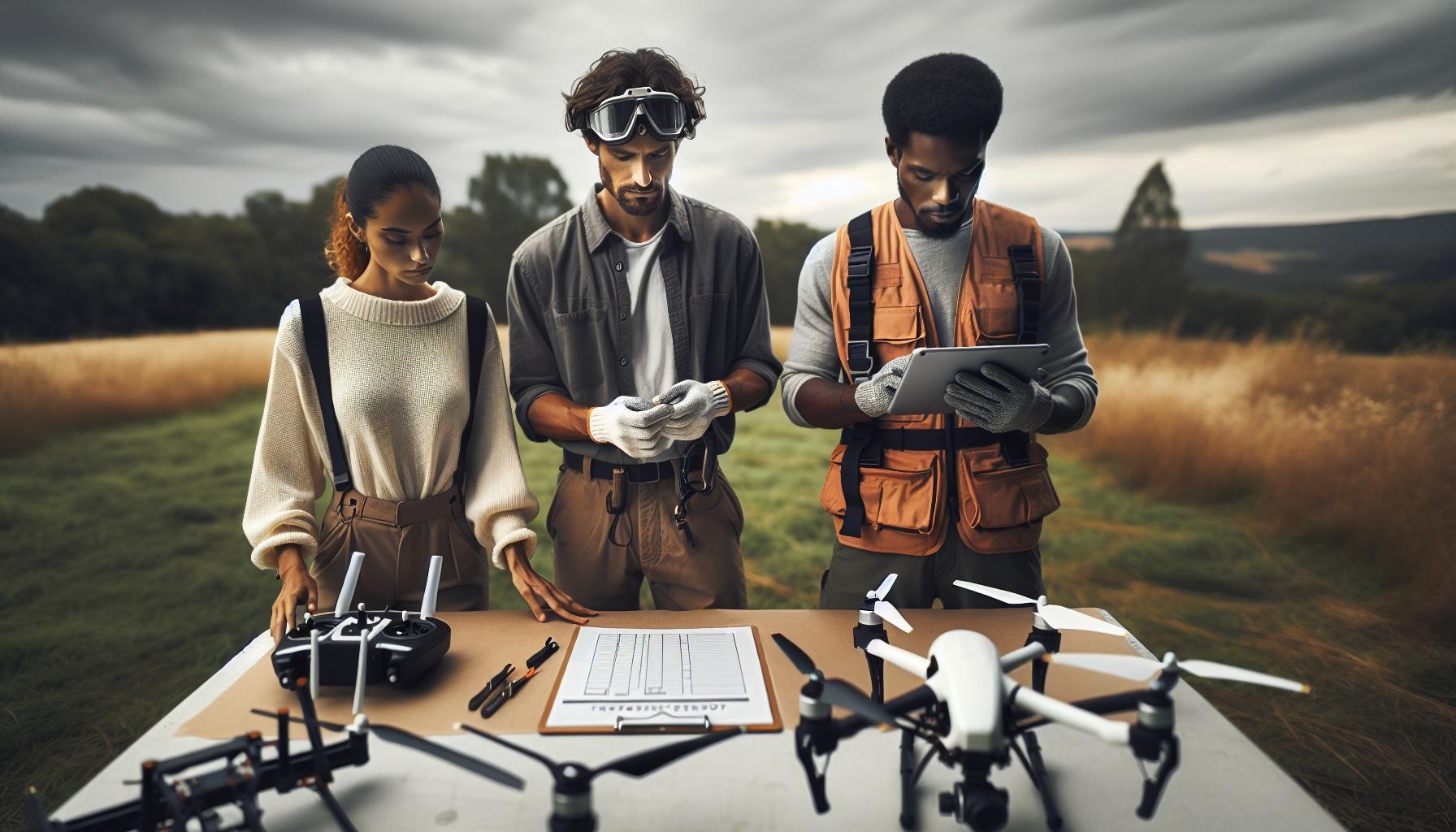
Legal Considerations for Flying Borrowed Drones
Flying a drone, particularly one registered to someone else, involves navigating a complex landscape of legal considerations. Understanding these regulations is crucial not only for compliance but also for ensuring the safety and trust required in the shared use of drone technology. Each country has different rules and requirements regarding drone operation, and when operating a drone owned by someone else, these rules can become even more intricate.
First and foremost, it is essential to verify that you are authorized to pilot the borrowed drone. This begins with obtaining explicit permission from the drone’s registered owner. Documentation between the owner and the operator outlining this agreement can serve as protection for both parties should any issues arise. Furthermore, be sure that you possess any required licenses or certifications that may be relevant to your location. For instance, in many jurisdictions, flying a drone may necessitate a Remote Pilot Certificate or adherence to local registration requirements.
Additionally, you must remain aware of the drone’s operational settings and compliance with local laws. If the drone was previously linked to another DJI account, certain geographic restrictions may apply, such as no-fly zones near airports or crowded areas. Understanding these limitations beforehand can save you from accidental infractions. Always check your local laws regarding drone operations and ensure that you are not in violation of any existing ordinances by using a drone you do not own.
Lastly, consider insurance implications. Depending on the cost and capabilities of the drone, the owner may want to verify that their insurance policy covers you as an operator. Discussing liability issues ahead of the flight can avoid misunderstandings later and assures both parties that, should an accident occur, there are protections in place. By addressing these legal and regulatory considerations before taking to the skies, you can enjoy a more confident and compliant flying experience.
Tips for Updating Firmware on Transferred DJI Drones
Keeping your DJI drone’s firmware up to date is crucial for maximizing its performance and integrating the latest safety features. When you’re using a drone registered to someone else, this process can seem daunting. However, with the right approach, you can ensure a smooth and effective update.
Before diving into the update process, first confirm that you have access to the drone’s account where it’s registered. This is vital since firmware updates are often tied to the device’s associated DJI account. If you don’t have the login details, consult with the owner to facilitate the process. Once access is granted, follow these steps:
Step-by-Step Firmware Update Process
- Download the DJI Fly App (or the relevant app for your drone model) from the App Store or Google Play Store.
- Connect Your Drone: Turn on the drone and its remote controller, then link it to your mobile device via Wi-Fi or USB.
- Log In: Use the owner’s DJI account credentials to log into the app. This is necessary for the app to recognize the drone and its firmware status.
- Check for Updates: Navigate to the settings or maintenance section in the app. The app will automatically notify you if there are available firmware updates.
- Initiate the Update: Follow the prompts to download and install any available firmware updates. Ensure your device remains connected and charged throughout the process to prevent interruptions.
- Verify Successful Installation: After the update, confirm within the app that the firmware version has changed to the latest version indicated.
It’s important to note that firmware updates can sometimes reset certain settings in the drone. Thus, you should familiarize yourself with the standard configurations or preferences set by the owner beforehand.
Best Practices for Firmware Updates
- Backup Drone Settings: If possible, take a backup of the drone’s settings before performing an update, so any preferences can be restored afterwards.
- Update in Optimal Conditions: Perform updates in a quiet area with a strong Wi-Fi connection; interruptions can potentially corrupt firmware installations.
- Communicate with the Owner: Discuss with the drone owner any specific features or modes they frequently use, as you may need to adjust these after the update.
Remember: Regular firmware updates not only enhance your flying experience but also fortify safety by resolving bugs and improving the drone’s overall functionality. By following these steps, you’ll ensure that the borrowed drone operates at its best, keeping your flights smooth and secure.
How to Troubleshoot Connection Problems with DJI Drones
Connection issues with DJI drones can be frustrating, especially when piloting a device registered to another user. However, these problems can often be resolved with systematic troubleshooting approaches. Begin by ensuring that both the drone and the remote controller are powered on and fully charged. A low battery can lead to connection failures, so it’s crucial to eliminate this common issue right away.
Another frequent cause of connectivity problems is the presence of interference. Drones operate on specific frequencies that can be disrupted by other electronic devices, Wi-Fi networks, and physical barriers. To reduce interference, try moving to an open area with fewer potential obstructions. Additionally, ensure that Wi-Fi and Bluetooth settings on your mobile device are configured correctly and that the correct app for your drone model is in use, such as the DJI Fly app or DJI GO 4.
Steps to Troubleshoot Connection Problems
- Check for Updates: Ensure that the DJI app you are using is updated to the latest version, as older versions may have unresolved bugs affecting connectivity.
- Reconnect Devices: Disconnect and reconnect the drone to the remote controller. This can often reset the connection and resolve issues.
- Reboot Devices: Restart both the drone and the remote controller. A simple reboot can resolve many temporary connection glitches.
- Clear Caches: If using a mobile device, clear the cache for the DJI app. This can help improve performance and connectivity.
- Examine GPS Signal: Make sure the drone has acquired enough GPS satellites. Inadequate signal strength can impede connection to the remote controller.
- Inspect for Physical Damage: Check the drone and remote controller for any physical damage or abnormalities that may affect performance.
If you’re still experiencing connection issues after these steps, it may be useful to consult the DJI community forums or technical support, especially if the drone is tied to another account. It is important to check if any account settings, such as linking the device to a different DJI account or enabling cloud features, are impacting your ability to connect.
By methodically troubleshooting connection problems, you can maximize the usability of borrowed DJI drones, ensuring that your flying experience is both enjoyable and efficient. These practices not only enhance the performance of your operations but also build confidence in handling DJI’s advanced drone technology.
Best Practices for Sharing DJI Drones with Friends
Sharing a DJI drone with friends can be an exciting way to explore new aerial adventures, but it also requires a clear understanding of responsibilities and procedures to ensure a seamless experience. When sharing a drone, communication is key. Set clear guidelines about usage, battery life, and the types of flying maneuvers allowed. Each pilot should be familiar with the specific model being used, as controls and features can vary significantly between models like the Mavic Air and the Phantom series.
Before sharing, it’s essential to ensure that the drone is linked to your friend’s DJI account for a smooth operation. This may involve transferring ownership or temporarily linking accounts depending on your agreement. As the owner, make sure to provide comprehensive instructions on any specific settings, modes, or restrictions you apply to the drone. Highlight the importance of pre-flight checks, such as ensuring firmware is up to date and that safety features like obstacle avoidance are calibrated correctly. After every flight, check for any damage and perform necessary maintenance before handing the drone over to the next user.
Establishing Safe Operating Procedures
- Pre-Flight Briefing: Discuss the drone’s functions, flight modes, and safety features with your friend.
- Location Scouting: Choose a flying location together, checking for any regulations that might affect drone operations such as no-fly zones.
- Battery Maintenance: Keep an eye on battery levels before and after flying. Don’t allow the battery to deplete beyond safe levels, and always recharge after use.
Educating your friend about legal considerations is also crucial. Different regions have varying regulations regarding drone flight, including required registrations and no-fly zones that might affect the operation. An informed pilot is not only safer but also helps in fostering good habits for responsible drone use.
By adhering to these best practices, you can turn the shared flying experience into a learning opportunity and strengthen your collaboration as drone enthusiasts. Additionally, exploring shared responsibilities opens the door to engaging discussions about improvising techniques, sharing tips, and even planning future drone projects or trips together, making the experience richer for all involved.
Exploring DJI’s Device Management Features
To maximize the flying experience of shared DJI drones, understanding the device management features provided by DJI is essential. These tools facilitate not only the linking of accounts but also the management of settings, firmware updates, and operational guidelines. DJI’s ecosystem is designed to enhance user control and provide essential tools for seamless operation, especially when navigating the complexities of flying a drone registered to another account.
When flying a DJI drone associated with a different account, you may leverage the DJI Fly or DJI GO 4 apps to access device management features. These applications allow users to check the status of their drones, update firmware, and understand flight logs. The flight activity and battery health display essential information that helps maintain the drone’s performance. For instance, users can view crucial data concerning software updates that affect flight stability and camera functions, directly impacting the quality of aerial photos and videos.
One key feature is the ability to manage account settings, including linking or unlinking multiple devices. This flexibility allows users to temporarily connect their DJI account to another drone. For those considering longer-term borrowing or sharing, it may be beneficial to go through the formal transfer of ownership process, which involves deregistering the drone from the original account and registering it under the new user’s DJI account. This transition not only simplifies management but also ensures you have complete control over firmware updates and device settings, which is crucial for optimizing flight performance.
For smooth operations, always keep in mind the respective settings related to the drone’s geofencing capabilities. DJI drones are equipped with built-in no-fly zones to comply with local law regulations. This feature can be tailored within the app based on the account governing the drone, ensuring that you remain compliant while flying. Familiarizing yourself with these management features not only enhances your flying experience but also fosters responsible drone usage when sharing with friends or colleagues.
By utilizing DJI’s robust device management ecosystem effectively, you can ensure that your shared flying experience is both enjoyable and professional, paving the way for creative exploration and safe practices in the sky.
Maximizing Performance of Borrowed DJI Drones
To truly elevate your experience with borrowed DJI drones, understanding and optimizing their performance becomes paramount. Whether you’re temporarily using a friend’s Mavic or testing out a Phantom, several strategies can enhance both the functionality and your enjoyment of the flight. Proper management of the device, coupled with a thorough understanding of its features, can create a seamless flying experience.
Firstly, ensuring the firmware is up-to-date is crucial. DJI frequently releases updates that can improve stability, introduce new features, and enhance performance metrics. When using a drone tied to another account, coordinate with the owner to confirm that the firmware is current. If updates are necessary, you can easily perform this through the DJI Fly or DJI GO 4 apps, which allow you to check the product status and prompt firmware updates directly.
Beyond updates, understanding the flight modes available in the drone is essential for maximizing performance. DJI drones typically offer various flight modes, such as Beginner, Sport, and Tripod mode, each designed for different flying experiences. For instance, while Sport mode provides thrilling speed and agility, Tripod mode allows for slow, precise movements perfect for filming or achieving specific aerial shots. Knowing when to switch modes can drastically improve your flying efficiency, especially in complex environments.
Another fundamental aspect to consider is battery management. Fully charging the battery before a flight ensures optimal performance, discharging to about 20% to 30% remaining power. Make use of pre-flight checks to confirm battery health, as older batteries experience degradation. Always carry a spare battery if you anticipate extended flight times; this practice can significantly reduce downtime and enhance your time in the air.
Lastly, familiarize yourself with DJI’s geofencing capabilities. These built-in restrictions protect users and comply with local regulations but can sometimes limit your flying experience, particularly in sensitive areas. By checking the settings in the app, you can understand the boundaries that may restrict your operations. If applicable, only fly in areas where permissions have been properly obtained, ensuring compliance with both safety and legal guidelines.
By combining these strategies and best practices, you can maximize the performance of any borrowed DJI drone, allowing for an exhilarating and highly productive flying experience.
Understanding Restrictions and Limitations of DJI Accounts
Understanding how DJI accounts interconnect with drone capabilities is essential when considering flying a drone registered to someone else. Each DJI drone is tightly linked to its original owner’s account, meaning that the functionality and permissions can vary significantly for users of different accounts. The primary restriction arises from DJI’s device management system, which allows the original owner complete control over features, firmware updates, and geofencing restrictions.
When a drone is registered under a specific DJI account, certain features may be locked or inaccessible if operated under a different account. For instance, advanced functionalities, like modifying geofencing settings or accessing specific flight data, might be limited until the ownership transfer is fully executed through the official DJI process. It’s also worth noting that if the device is linked to the previous owner’s phone or software, it may not connect correctly or could be subject to unexpected restraints, thereby hampering your flying experience.
Additionally, understanding geofencing limitations is crucial. DJI employs geofencing to prevent drones from entering restricted areas, such as airports or sensitive sites. Depending on the account settings of the original owner, there may be areas where the drone cannot operate, even if you possess the controls. As a pilot flying someone else’s drone, you must be diligent in adhering to these limitations to avoid legal issues or operational hazards.
In conclusion, always ensure that the original account holder has properly completed the transfer process if you expect full access to the drone’s capabilities. Confirm that the firmware is updated and check any geofencing restrictions before attempting your flight. Following these precautions helps ensure a safe and enjoyable drone-flying experience while respecting the limitations tied to DJI accounts.
Faq
Q: Can I fly a DJI drone that is linked to another person’s account?
A: No, you cannot fly a DJI drone that is linked to another person’s account. The drone must be transferred to your DJI account through the re-binding process to gain full control and access before flying it.
Q: What is the process for transferring a DJI drone to a new account?
A: To transfer a DJI drone, log into the DJI app, navigate to the device settings, and select the transfer option. You’ll need the recipient’s DJI account information to complete the process. More detailed steps can be found in the “Step-by-Step Guide to Transferring DJI Ownership” section.
Q: Are there any restrictions when flying a borrowed DJI drone?
A: Yes, restrictions may include the previous owner’s settings, limitations on usage based on the account type, and firmware issues. Always ensure the drone is transferrable and set up correctly for safe operation. Review the “Legal Considerations for Flying Borrowed Drones” for important information.
Q: What should I do if my transferred DJI drone won’t connect to my account?
A: If your transferred DJI drone won’t connect, ensure that the binding process was completed successfully. Try resetting the drone and re-attempting the connection. Consult the “How to Troubleshoot Connection Problems with DJI Drones” section for further assistance.
Q: How can I ensure my DJI drone’s firmware is updated after a transfer?
A: After transferring the drone, connect it to the DJI app to check for available firmware updates. Keeping the firmware up to date is critical for optimal performance and safety. Refer to “Tips for Updating Firmware on Transferred DJI Drones” for detailed guidance.
Q: What are the legal implications of flying a DJI drone owned by someone else?
A: Flying a DJI drone owned by another individual may have legal implications regarding liability, insurance, and adherence to local regulations. Always verify ownership transfer and consult local laws before operating the drone.
Q: Can I share my DJI drone with friends without transferring ownership?
A: You can share a DJI drone with friends in limited circumstances, like letting them fly with supervision. However, for full access and control, it is best to transfer ownership. See the “Best Practices for Sharing DJI Drones with Friends” section for more information.
Q: How does DJI’s device management feature work for transferred drones?
A: DJI’s device management feature allows you to track, monitor, and manage your drone after ownership transfer. Make sure to explore this feature to understand your drone’s status and optimize its performance. Check “Exploring DJI’s Device Management Features” for more details.
In Retrospect
If you’re navigating the complexities of flying a DJI drone tied to another account, you now have the essential knowledge to manage that transfer efficiently. Remember, understanding the steps involved can enhance your flying experience and save you from potential frustrations. Don’t hesitate-act now and optimize your drone’s capabilities with our comprehensive resources available for all DJI models, from the Mavic series to the Mini.
For further insights, dive into our guides on drone setup and firmware updates or explore advanced features like obstacle avoidance and thermal imaging. Still have questions? Join our community in the comments below or sign up for our newsletter to stay updated with the latest tips and tricks for drone enthusiasts. Your journey with DJI drones doesn’t just end here-expand your skills and confidence in flying while ensuring you’re compliant with all regulations. Explore, learn, and elevate your aerial photography skills today!