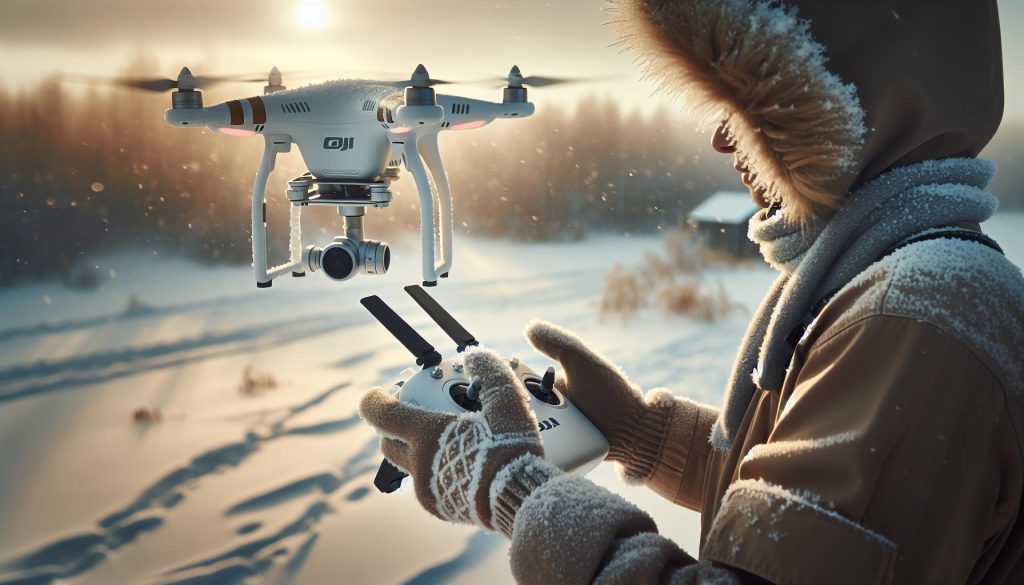
Flying your DJI drone in snow can offer breathtaking visuals and unique opportunities for stunning aerial photography, but it also comes with a set of challenges that every pilot should be aware of. As temperatures drop and the snow begins to fall, many drone enthusiasts worry about battery performance, potential damage from moisture, and visibility issues. Understanding how to navigate these winter conditions not only enhances your flying experience but also ensures the safety and longevity of your equipment. In this article, we’ll explore essential tips and practices for flying your DJI drone in snowy weather, empowering you to capture those perfect winter landscapes while keeping your drone safe and operational.
Understanding the Impact of Snow on Drone Performance
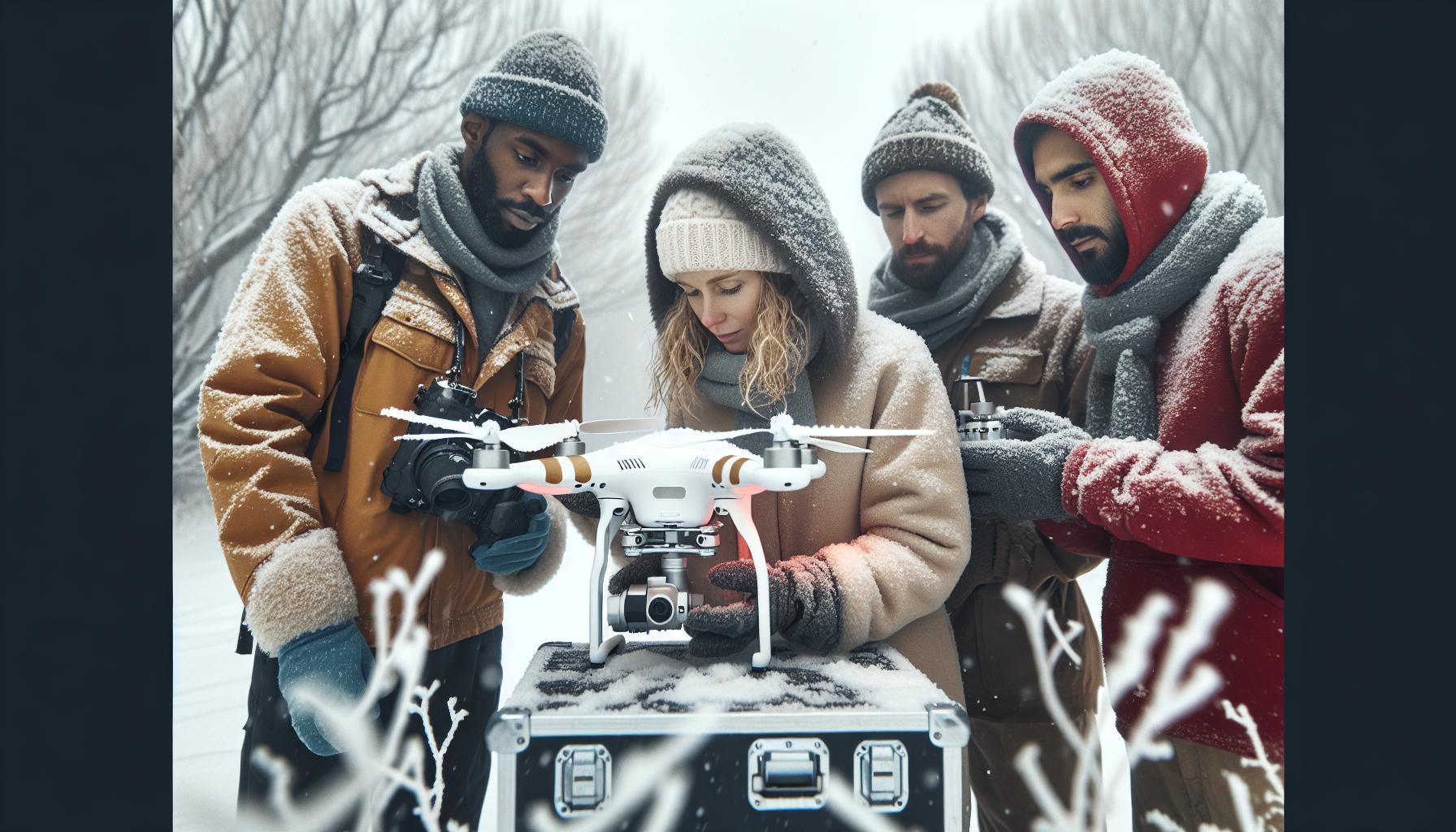
Flying a drone in snowy conditions offers a breathtaking perspective, but it also presents unique challenges that can significantly impact performance. Snow can add weight and cause potential malfunctions if it accumulates on various components. The most critical aspect is that moisture can seep into electronic parts, which could lead to short circuits or other electronic failures. In addition to this, the reflective nature of snow can confuse the drone’s sensors, making navigation and obstacle avoidance more difficult.
Cold temperatures affect battery performance, causing a decrease in flight time and efficiency. The lithium polymer batteries used in DJI drones are particularly sensitive to extreme cold, which can lead to reduced voltage and, consequently, less power. It’s essential to regularly monitor battery status during cold flights, as cold batteries are prone to sudden voltage drops. To counter this, pilots can warm batteries prior to flight, ensuring they reach an optimal operating temperature.
Visibility is another factor that can be affected by snowy conditions. Snowfall and overcast skies can reduce visibility, making it harder to maintain line-of-sight operations, a key legal requirement for drone flying in many jurisdictions. Furthermore, the drone’s color might blend in with the snowy landscape, making it challenging to track its location. Pilots should consider using brightly colored skins or markers to enhance visibility in whiteout conditions.
Lastly, pilots must be aware of local regulations that may affect flying in snowy weather, especially in areas designated as no-fly zones during winter months. Understanding the impact of snow on both the drone’s performance and the flying environment ensures a safer and more effective flying experience during the winter months. By taking proactive steps and planning for these challenges, drone operators can capture stunning aerial footage while navigating the unique demands of winter conditions.
Preparing Your DJI Drone for Winter Conditions
Flying your DJI drone in winter conditions can be a thrilling experience, offering picturesque snowy landscapes from above. However, ensuring your drone is prepared for the challenges that come with cold weather is crucial for a safe and successful flight. From battery management to protective gear, several steps can greatly enhance your flying experience during these frosty months.
Start by checking your drone’s firmware and updating it if necessary. DJI frequently releases updates that improve performance, especially in extreme conditions. Before heading out, ensure all components are in optimal condition, including the propellers and motors. Cold weather can make materials brittle, so inspect for any wear or damage. Warming up the drone in a warm environment before takeoff helps to prevent any brittle material breakage.
When it comes to batteries, lithium polymer batteries are particularly sensitive to cold temperatures, leading to reduced voltage and flight time. To mitigate this, keep spare batteries close to your body to maintain their warmth before inserting them into the drone. A battery warmer or insulated case can also be beneficial. Remember to check the battery status throughout the flight, as cold can drastically impact performance, resulting in sudden voltage drops.
Protection from the elements is also essential. Consider investing in drone covers or protectors specifically designed for winter use. These accessories can help prevent snow accumulation and moisture ingress, which could lead to shorts or other electronic failures. Additionally, using brightly colored skins or decals will enhance visibility against the snowy backdrop, ensuring you can always keep track of your drone in the air.
Preparation extends to your flying habits as well. Familiarize yourself with flight limitations in snowy conditions; strong winds can lead to unstable flight, and the reflective nature of snow can confuse obstacle avoidance systems. Take the time to practice flying in controlled environments before venturing out into more unpredictable settings, and always have a plan for returning your drone safely to the ground in case of adverse weather changes. By taking these preparations seriously, you’ll be ready to capture stunning winter vistas while keeping your equipment safe and secure.
Essential Winter Accessories for DJI Drones
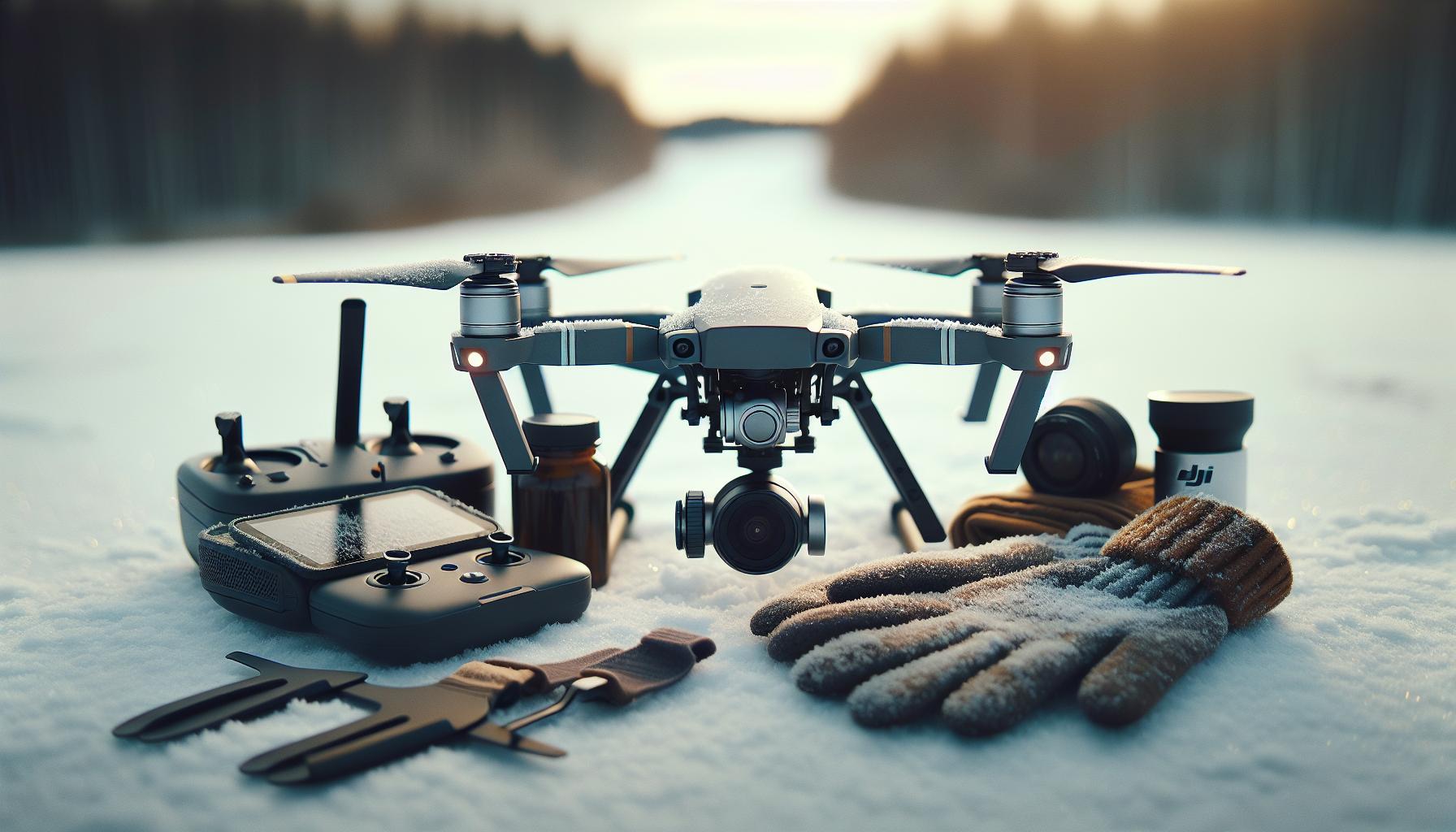
Flying your DJI drone in winter conditions not only showcases stunning white landscapes but also depends on the right gear to ensure both safety and optimal performance. Equipping your drone with essential winter accessories can make the difference between a successful flight and an unwanted mishap in the snow.
One critical accessory is a battery warmer. Cold temperatures can significantly decrease the performance of lithium polymer batteries, leading to shorter flight times and unexpected voltage drops. A battery warmer maintains your batteries at optimal temperatures, ensuring they deliver power efficiently throughout your flight. If you prefer a DIY approach, insulated battery bags can help retain heat by protecting them from the cold.
Investing in protective covers for your drone is another wise choice. These covers shield the drone from snow and moisture, which can cause internal components to malfunction. They help to minimize the risk of moisture ingress, especially when flying in areas known for heavy snow. Look for covers specifically designed for your drone model to ensure a perfect fit.
When navigating snowy areas, enhanced visibility is crucial. Brightly colored skins or reflective decals can make it much easier to track your drone against the white landscape. Additionally, consider outfitting your drone with landing gear extensions that can help avoid snow accumulation on the drone’s body and camera during landings.
Lastly, propeller guards are beneficial when flying in winter. They protect your propellers from potential impacts with ice or snow, which could lead to severe damage during takeoff or landing. Not only do they extend the lifespan of your drone’s components, but they also contribute to safer flying by preventing unintended damage.
By arming your DJI drone with the right winter accessories, you can confidently tackle the unique challenges posed by flying in snow, ensuring both stunning aerial captures and the longevity of your equipment.
Best Practices for Flying Drones in Snow
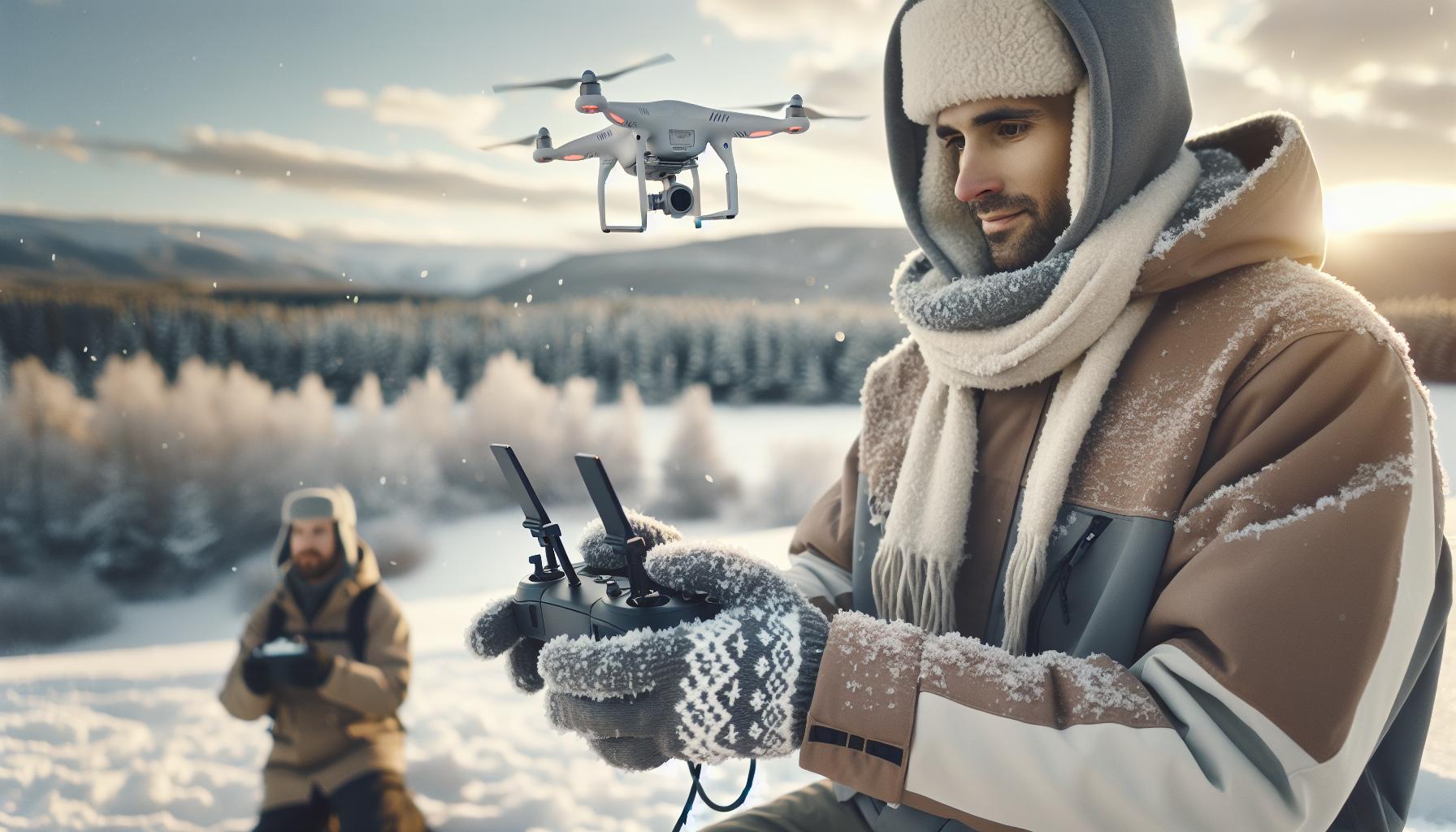
Flying your DJI drone in snowy conditions can be a breathtaking experience, but it also presents unique challenges that require careful preparation and conscientious operation. Cold temperatures can adversely affect battery performance, reduce visibility, and increase the likelihood of mechanical failures. To ensure a successful flight, understanding best practices tailored for winter flying is essential.
Before takeoff, check your local weather conditions. Maintaining awareness of changes in temperature, wind speed, and snowfall can help you make informed decisions. When flying in snow, aim to stay at lower altitudes where the wind is less likely to impact your drone. Snowy landscapes can also reflect radio signals, leading to potential interference; therefore, staying within visual range is advisable.
Proper battery management is critical. Cold weather can significantly reduce lithium polymer battery efficiency, so it’s vital to keep your batteries warm either by using dedicated battery warmers or insulated bags. Additionally, always have fully charged spare batteries on hand, as their capacity will diminish quicker than in warmer conditions.
Visibility is another factor to consider. Drones can become hard to see against the white backdrop, so brightly colored decals or skins can help keep track of your craft. Utilize tracking features on your controller to help with orientation in whiteout conditions. When landing, carefully choose a spot free from deep snow drifts to prevent snow ingestion into the motors, which can lead to malfunctions.
Lastly, ensure to monitor your drone’s sensors and cameras. Snow accumulation on these components can disrupt their function. If moisture does get into any critical areas, allow the drone to dry completely before subsequent flights. Each of these practices not only enhances the flight experience but also safeguards your equipment, ensuring that your aerial adventures remain both enjoyable and safe.
Tips for Winter Weather Flight Safety
Flying a DJI drone in snowy conditions can yield some of the most breathtaking aerial views, but it also poses a unique set of safety challenges that need to be carefully navigated. To ensure safe operation during winter weather, it is crucial to remain aware of the specific risks and implement strategies that enhance safety and performance.
First and foremost, pre-flight planning is vital. Always keep an eye on the weather forecast to anticipate any sudden changes. Wind can be particularly deceptive in winter; calm conditions can quickly shift, affecting your drone’s stability. It’s a good practice to fly during clearer days when visibility is high, avoiding storms or even light snowfall that could obfuscate your view.
Warm Your Batteries: Cold temperatures impact battery performance significantly, often leading to reduced flight times. To mitigate this, consider using insulated battery bags to keep your batteries warm prior to and during flights. Additionally, it’s wise to keep a spare battery in your jacket or body heat area to maintain its temperature.
Increase Visibility: In the bright expanse of snow, your drone can become difficult to track. Using brightly colored skins or decals can help maintain visibility. Furthermore, familiarize yourself with the drone’s tracking features. Regularly checking the battery status and GPS signal will also provide peace of mind, as these indicators can fluctuate in cold weather.
When it comes to landing your drone, be cautious of the snow conditions. Aim for clear areas free of deep snow to avoid the risk of snow ingestion into the motors or components, which could lead to malfunctions. Be prepared for the drone’s landing gear to become coated in snow upon landing; it’s essential to clean it off before packing away your equipment to prevent moisture-related issues later.
Lastly, check your drone’s sensors and cameras post-flight. Snow can accumulate on these components, affecting their functionality. If moisture enters any critical areas, ensure to dry the drone thoroughly before the next flight. By implementing these strategies, you can enjoy the beauty of winter landscapes from the air while ensuring the safety and longevity of your DJI drone.
Troubleshooting Common Winter Flight Issues
Flying in snowy environments can lead to a variety of issues that may hinder a successful flight, and preparing for these challenges is crucial for every drone operator. Cold temperatures, changing weather conditions, and the presence of snow can all impact performance. Addressing these common winter flight issues requires a combination of pre-flight checks, on-the-fly adjustments, and thorough post-flight maintenance.
One prevalent issue is the effect of cold temperatures on battery life. As temperatures drop, the chemical reactions within lithium polymer (LiPo) batteries slow down, leading to a significant reduction in capacity and voltage. Pilots often find their drones performing erratically or experiencing sudden shutdowns mid-flight. To counteract this, keep batteries warm before takeoff by using insulated bags, and monitor battery readings closely during flight. It’s not uncommon for a battery to show a full charge before flight but then display warnings due to cold-induced voltage drops mid-air.
Another common problem is signal interference, especially in snowy conditions where moisture can cloud the transmission. Make sure to maintain a clear line of sight with your drone, and consider using a higher frequency channel if available, as it can sometimes provide better resilience against interference. Additionally, be aware that high reflective surfaces like snow can muffle GPS signals, which may cause navigation errors. Before flying, ensure that you have sufficient satellite lock and consider performing a test flight in an open area to gauge responsiveness.
Snow accumulation on the drone’s sensors, camera, and motors presents another challenge that requires vigilance. Regularly inspect your drone during and after flights to clear any snow that could obstruct functionality. Have a soft, dry cloth on hand to quickly wipe down components as needed, ensuring that your sensors remain unobstructed for optimal performance. Furthermore, be mindful of how frozen components may affect mechanical operations such as the gimbal and landing gear, which are crucial for stable flight.
Lastly, if your drone does experience a malfunction or unusual behavior during winter flights, remain calm and reroute to a safe landing area. Prioritize low-altitude landings to minimize risks associated with signal loss or power issues, especially in challenging conditions. After landing, thoroughly check your drone for accumulated snow or ice, and dry any moisture to prevent long-term damage. By being proactive about these troubleshooting strategies, you can help safeguard your flying experience, ensuring that your winter aerial adventures remain enjoyable and problem-free.
Understanding Battery Life in Cold Weather
Cold weather presents a significant challenge for drone operators, particularly regarding battery performance. Lithium polymer (LiPo) batteries, which power most DJI drones, are highly sensitive to temperature fluctuations. As the mercury drops, the chemical reactions within these batteries slow significantly, resulting in reduced voltage and capacity. This decrease can lead to erratic flight behavior, alerts indicating low battery levels, or even complete power loss mid-flight, all of which can compromise safety and flight quality.
To mitigate these issues, keeping your batteries warm before takeoff is essential. Here are some proven strategies:
- Insulated Storage: Use insulated battery bags or pockets close to your body to retain warmth during transport.
- Warm-up Time: Allow your batteries to acclimate to a slightly warmer environment before flying; if possible, keep them in a warm place right before deployment.
- Temperature Monitoring: Regularly check the battery’s temperature using your drone’s app or built-in telemetry; a battery is ideally used when it’s at room temperature (around 20°C or 68°F).
- Flight Time Caution: Expect reduced flight time under cold conditions. Aim to end your flights early to avoid battery depletion, especially as you notice a performance drop.
Battery management isn’t just about preparation but also involves real-time adjustments during flight. Pay attention to in-flight battery readings; many DJI drones will alert you if voltage drops critically low or if the battery temperature is outside optimal ranges. Always have a strategic plan for landing if you receive these warnings, especially if you’re flying in more remote areas where retrieving a downed drone could be complicated.
If flying in consistently cold conditions, consider investing in spare batteries that can remain warm while you fly others. This strategy allows for quicker, safer battery swaps and maximizes your airborne time. By understanding how cold weather impacts battery performance and adopting these preventive measures, you can significantly enhance the reliability and safety of your winter drone flights.
Navigating Drone Regulations for Winter Flights
Flying a drone in winter conditions can be exhilarating, but navigating the legal landscape requires careful consideration. Each country has its own regulations governing drone flights, and these can become more complex during snow-laden months. Before you launch your DJI drone into the snowy wilderness, familiarize yourself with local laws and guidelines to ensure a safe and compliant flying experience.
Many jurisdictions have specific regulations that dictate where and when drones can be operated, especially in sensitive areas such as parks or wildlife reserves that may be more vulnerable in winter. For instance, in some regions, flights may be restricted near certain public structures or crowded areas to mitigate risks associated with limited visibility during snowstorms. Ensuring your compliance with these regulations not only protects you from potential fines but also contributes to the safety of others.
It’s also crucial to consider safety regulations that relate directly to drone operations in snow. This includes understanding altitude limits, no-fly zones, and maintaining a visual line of sight during operation, which can be more challenging in snowy conditions where whiteouts or visibility issues are common. Additionally, many countries require drone pilots to register their UAVs with regulatory bodies and adhere to specific operating procedures, which may differ from standard practice due to winter weather challenges.
To take an informed approach, research the regulations from your local aviation authority, as they often provide guidance on winter flying. Resources such as the FAA in the United States or EASA in Europe outline the acceptable practices and rules for flying in winter conditions. Consider joining local drone communities online or in-person where experienced pilots can share insights and updates regarding regulations tailored to winter operations. By staying informed and compliant, you enhance not only your safety but also the reputation of the drone community as conscientious operators in all seasons.
Techniques for Capturing Stunning Winter Aerials
Capturing breathtaking winter landscapes from the air can transform ordinary scenes into extraordinary visuals. The stark contrast of white snow against winter foliage, the unique patterns formed by snowdrifts, and the ethereal quality of winter light offer endless opportunities for stunning aerial photography and videography. To make the most of these conditions with a DJI drone, consider utilizing some specific techniques that enhance your winter aerials.
First, pay careful attention to your camera settings. The snow can trick your drone’s camera into underexposing images due to the overwhelming brightness, leading to dull, dark photos. To counter this, increase the exposure compensation by +1 to +2 stops. Using a flat color profile can also help preserve highlights and ensure you capture the nuances of glare and shadows that snow creates. Additionally, basic rules of photography still apply: composition, leading lines, and the golden hour can significantly enhance your shots.
Utilize Unique Features
Take full advantage of your drone’s intelligent flight modes and features. For instance, use *Waypoint* or *ActiveTrack* mode to achieve smooth, cinematic movements that can highlight the serene beauty of snowy environments. Remember to fly at varying heights to capture different perspectives; higher altitudes can provide sweeping landscape shots, while lower altitudes might reveal intricate details, like frost patterns on tree branches.
If you’re capturing video, utilizing *D-log* or a similar flat color profile allows for more flexibility during post-processing, enabling you to push colors and contrast more effectively. Experiment with different frame rates; shooting at a higher frame rate offers the option for slow-motion footage, which can be particularly magical when showcasing falling snow.
Be Mindful of Battery Life
Winter conditions affect battery performance, so it’s crucial to keep this in mind. Cold temperatures can reduce your drone’s battery life significantly. To mitigate this, keep your batteries warm before flight-consider using battery warmers or storing batteries in pockets. It’s advisable to plan shorter flight times and have a backup battery ready to ensure you can continue capturing those stunning winter vistas.
By harnessing these techniques and tips, you can elevate your winter aerial photography and videography to new heights, capturing the beauty of chilly landscapes while ensuring a seamless flying experience.
Comparing DJI Models for Winter Performance
When it comes to capturing stunning winter landscapes, not all DJI drone models are created equal. Each model presents unique capabilities and limitations that can significantly influence performance in cold and snowy conditions. Understanding these differences can guide your choice and enhance your aerial photography adventure throughout the winter months.
Battery Performance
Winter temperatures can drastically affect battery life, a critical aspect of any drone flight. For instance, the DJI Mini 3 Pro features an impressive flight time under optimal conditions, but be aware that cold weather can reduce its performance. On the other hand, larger models like the Mavic 3 are equipped with more substantial batteries, thereby offering better endurance in chilly weather. If you plan extensive flights in cold environments, consider a model that boasts a longer average flight time, such as the Mavic 3, which can still provide reliable performance despite the cold.
Durability and Weather Resistance
While no DJI drones are marketed as fully waterproof, certain models offer better durability against snow and moisture. The Mavic 3 and Air 2S feature enhanced build quality and weather-resistant designs that can better withstand the elements. In contrast, smaller drones like the Mini series may be more susceptible to weather-related damage when exposed to heavy snow. If you’re an adventurer eager to fly in harsher conditions, opting for a more robust model with extra protective features could be crucial.
Camera Capability
A critical factor for winter shooting is the camera quality. The Mavic 3, equipped with a Hasselblad camera, excels in dynamic range and low-light performance, making it ideal for capturing the soft light of winter sunsets or the intricate details of frost. The Mini 3 Pro also offers decent camera capabilities with its 4K resolution and HDR support, but for professional photographers needing specific color profiles and adjustments, you’ll find the Mavic series more aligned with those needs.
Intelligent Features for Winter Flight
Utilizing intelligent flight modes can enhance your winter filming experience. The Mavic series, especially the Mavic 3, offers advanced features such as ActiveTrack and Waypoint flying that can help create smooth footage in variable snowy terrains. While the Mini 3 Pro has some smart modes, they may be less sophisticated compared to its larger counterparts. A model that provides additional intelligent flight options can make navigating challenging snowy landscapes more manageable.
In summary, selecting the right DJI drone for winter performance boils down to understanding your unique flying requirements and anticipated conditions. Always take individual model specifications into account, especially regarding battery performance, durability, camera capability, and intelligent features, to ensure a successful, safe, and enjoyable winter flying experience.
Post-Flight Maintenance After Flying in Snow
After a thrilling day of capturing winter landscapes with your DJI drone, it’s vital to conduct thorough post-flight maintenance to ensure your equipment remains in peak condition. The combination of snow, moisture, and cold can take a toll on your drone, making care even more critical in winter conditions.
First and foremost, visual inspection is your first line of defense. Carefully examine your drone for any signs of snow accumulation, ice, or moisture inside and out. Pay particular attention to:
- Motors and Propellers: Remove any snow or ice that may have accumulated during your flight. Ice can affect the performance of the motors and impair the drone’s ability to fly safely.
- Battery Compartment: Open the compartment and ensure that it is dry and free from moisture. This is crucial for maintaining battery health, as even a small amount of moisture can lead to significant issues.
- Camera Lens and Gimbal: Wipe the camera lens with a soft, dry microfiber cloth to remove any smudges or frost that may obscure your photos and videos.
Next, to combat the effects of cold weather, it’s advisable to allow your drone to acclimate to room temperature before charging. Charging a cold battery can lead to inefficiencies and reduce battery life. Place your drone in a dry, temperature-controlled environment and let it warm up for at least an hour before plugging it in for charging.
One of the key points often overlooked in post-flight procedures is cleaning the drone’s sensors and landing gear. Snow and ice particles can cling to these areas, potentially affecting flying performance and sensor accuracy the next time you take off. Use a soft cloth or a brush designed for electronics for this task. Regular maintenance of your drone’s exterior not only enhances its performance but also prolongs its lifespan, which is especially important after exposure to harsh winter conditions.
Finally, consider logging your flight data and documenting any anomalies or issues encountered during your flight. This log can serve as an invaluable resource for identifying patterns or recurring problems, allowing you to address them proactively in future flights. Such detailed observations facilitate better decision-making and improve your flying experience over time.
By implementing these straightforward but effective maintenance practices, you ensure not only the immediate functionality of your DJI drone but also its long-term reliability and performance throughout the winter months. Safe flying and happy shooting!
Frequently asked questions
Q: Can I safely fly my DJI drone in snowy conditions?
A: Yes, you can fly your DJI drone in snow, but ensure the drone is rated for cold weather and check for ice accumulation. Always monitor battery performance, as cold temperatures can reduce flight time. Refer to the section on “Preparing Your DJI Drone for Winter Conditions” for best practices.
Q: What precautions should I take before flying a DJI drone in snow?
A: Before flying in snow, check weather conditions, clear the drone of snow and moisture, and ensure all components are functioning correctly. It’s crucial to charge the battery fully before flight, as cold weather can drain battery life quickly. For detailed steps, see “Preparing Your DJI Drone for Winter Conditions.”
Q: How does snow affect DJI drone batteries?
A: Snow and cold temperatures can significantly reduce battery life. Lithium-polymer batteries lose capacity in cold weather, which may lead to shorter flight times. To mitigate this, keep your batteries warm before and during use. More on this is covered in “Understanding Battery Life in Cold Weather.”
Q: What are the best DJI drones for flying in winter weather?
A: DJI drones like the Mavic 2 and Phantom series typically perform well in winter weather due to their robust design. Look for drones with advanced insulation and water-resistant features for the best performance. For a comparison, check “Comparing DJI Models for Winter Performance.”
Q: Are there specific accessories I need for flying my DJI drone in the winter?
A: Yes, accessories like propeller guards, thermal battery cases, and lens covers are recommended for winter flying. These items help protect your drone from cold weather effects and ensure better performance. See “Essential Winter Accessories for DJI Drones” for a complete list.
Q: How can I maintain my DJI drone after flying in snow?
A: After flying in snow, clean your drone thoroughly to remove any moisture or ice, and inspect all components for damage. Performing a detailed post-flight maintenance and reviewing the section on “Post-Flight Maintenance After Flying in Snow” will help prolong your drone’s life.
Q: What flight regulations should I consider when flying drones in winter?
A: Regulations can vary by location, but it’s essential to stay updated on local laws regarding drone use in winter conditions. Always fly within visual line of sight and be aware of any temporary or seasonal restrictions. Refer to “Navigating Drone Regulations for Winter Flights” for specific guidelines.
In Conclusion
As you gear up for winter adventures, remember that flying your DJI drone in the snow can yield stunning results, but requires careful preparation and awareness of your drone’s limits. Always check conditions and ensure your equipment is winter-ready to ensure optimal performance and safety.
For more in-depth tips, don’t miss our guides on drone maintenance for harsh weather and essential flying gear for winter. Dive deeper into your drone knowledge by following our latest tutorials on plugin setup and battery care during cold snaps.
Ready to take your skills to new heights? Sign up for our newsletter for expert insights and special offers, and share your winter drone experiences in the comments below. Whether you’re a hobbyist or a seasoned pilot, embracing winter flying always leads to breathtaking opportunities!