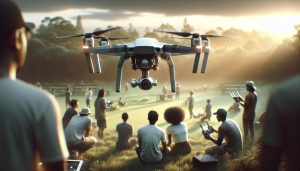
Imagine this: you’re in a breathtaking location, ready to capture stunning aerial footage with your DJI drone, but there’s no WiFi signal in sight. Can you still fly? The good news is yes! Flying your DJI drone without WiFi is not only possible but also a practical skill for every drone enthusiast. Understanding how to operate your drone offline opens up a world of possibilities, ensuring you can enjoy your flying experience anywhere without worrying about connectivity issues. In this guide, we’ll explore essential tips and techniques to help you make the most of your flight time without relying on an internet connection, empowering you to take your aerial photography and videography to new heights. So, let’s dive in and discover how to unleash the full potential of your drone, even when the sky is free from WiFi!
Can You Fly DJI Drones Offline?
Flying DJI drones without WiFi is not only feasible but also often necessary, especially in remote areas or during adventures. The key to achieving a seamless offline flight experience lies in the preparation of both the drone and the pilot. While earlier models relied heavily on constant internet connectivity for features like real-time map updates or aerial photography, many of today’s DJI drones are equipped to handle flights without needing to be tethered to WiFi networks.
One major advantage of flying offline is the ability to maintain complete control and focus on the mission at hand, undistracted by connectivity issues. For example, DJI’s Mini and Mavic series have built-in GPS, enabling precise navigation even without internet assistance. Before launching the drone, make sure to download any necessary maps via the DJI Fly app while connected to the internet. This will allow you to set waypoints or flight paths that are stored locally on your device.
However, operating offline does come with its challenges. Pilots need to be well-versed in their drone’s flight modes and capabilities since certain features may be limited without internet access. Familiarizing yourself with the drone’s settings and calibrating the gimbal beforehand ensures that your offline flying experience is smooth and effective. Additionally, it’s prudent to regularly check the drone’s battery life, as extended flights offline can strain power reserves quicker than anticipated.
In summary, flying DJI drones offline is not only possible but can also enhance the flying experience by promoting greater focus and control. By preparing your equipment and understanding your drone’s capabilities ahead of time, you can maximize your enjoyment and effectiveness, even in the absence of a WiFi connection.
Understanding DJI Drone Connectivity
Understanding the nuances of DJI drone connectivity is crucial for any operator, especially when venturing into areas where WiFi signals are absent. DJI drones are equipped with advanced connectivity features that allow them to operate independently of internet access, relying instead on GPS and onboard sensors for navigation and stability. This capability not only enhances the reliability of the flight experience but also ensures that pilots can maintain control in environments where connectivity is unreliable.
When flying offline, it’s essential to familiarize yourself with the various connectivity options that DJI drones offer. Most models, such as the Mavic and Mini series, utilize a combination of GPS and GLONASS satellite systems to provide precise positional data. This satellite connection is typically adequate for most civilian operations, allowing pilots to navigate effectively without needing an internet connection for real-time updates. However, prior to takeoff, pilots should download offline maps and any necessary flight data while still connected to the internet. This pre-flight preparation can involve setting waypoints and ensuring that important maps are readily accessible on the mobile device paired with the drone.
Furthermore, understanding the limitations of offline usage is equally important. Certain features, such as live video streaming or cloud-based data storage, require internet connectivity and will not be available when flying offline. Pilots should also be knowledgeable about their drone’s flight modes, as features like obstacle avoidance may behave differently without real-time data. Regularly updating the drone’s firmware when connected to the internet ensures that you have the latest capabilities and bug fixes applied, enhancing performance even when flying offline.
In summary, mastering the art of flying DJI drones in an offline mode is not merely about having the right technology; it’s also about understanding how to leverage this technology effectively. With the right preparation and knowledge, pilots can enjoy a seamless flying experience that is both exhilarating and free from the distractions of internet connectivity issues.
Essential Features for Internet-Free Flight
Flying a DJI drone without an internet connection opens up a world of possibilities, especially in remote locations where connectivity is scarce. To maximize your offline flying experience, you must fully understand and leverage the essential features that DJI drones offer. These functionalities not only enable effective navigation but also ensure a smooth and reliable flight.
First and foremost, GPS functionality is a core feature for offline operations. Most DJI models, including the Mavic and Mini series, utilize advanced GPS and GLONASS satellite systems, which allow for accurate positioning even without internet access. This satellite connectivity is critical as it enables you to track the drone’s location precisely, making manual navigation feasible. To enhance your navigation experience, it’s advisable to download offline maps beforehand. This pre-flight preparation involves selecting the relevant maps in your DJI app while still connected to WiFi, ensuring you have access to crucial geographic data during your flight.
Another significant aspect to consider is the drone’s various autonomous flight modes. Features such as Waypoint Navigation or Course Lock can be pre-set before takeoff, helping to define your flight path without needing real-time internet updates. When preparing your flight plan, configure these modes to ensure that the drone follows designated routes autonomously. However, it’s important to note that while obstacle avoidance systems function effectively offline, their performance may vary without live data inputs, so always be vigilant and ready to pilot manually when required.
Additionally, mastering the drone’s camera settings is essential when flying offline. Engaging the camera’s photo and video settings prior to flight allows you to optimize image quality based on the conditions you’re operating in, without having to adjust settings mid-flight. This ensures you’re capturing the best possible content while focusing on flying.
In summary, understanding the vital features that facilitate offline operations not only enhances your confidence as a pilot but also enriches the overall flying experience. Whether you’re capturing breathtaking landscapes or conducting professional surveys in remote areas, being equipped with the right knowledge and pre-planned strategies allows for a compelling and successful flight, free from internet dependency.
Setting Up Your DJI Drone Without WiFi
To successfully set up your DJI drone for offline operation, it’s essential to prepare in advance, ensuring you harness the device’s capabilities without relying on an internet connection. The key to a seamless offline experience lies in thorough pre-flight planning, strategic downloads, and understanding your drone’s features.
Begin by downloading all necessary maps relevant to your flight area using the DJI app while still connected to WiFi. This process not only ensures you have offline access to critical terrain information but also allows for better navigation throughout your flight. Identify the area you plan to fly in, open the map section in your DJI app, and select the necessary regions for offline storage. This preparation is crucial, particularly if you are traveling to a location with limited or no connectivity.
In addition, configure your drone’s autonomous flight settings. Features like Waypoint Navigation can be programmed before launch, enabling the drone to follow a predetermined path without needing real-time updates. Make sure to test these settings in a controlled environment first, ensuring they respond correctly to your inputs. Additionally, check your firmware is up to date prior to leaving WiFi; updates can sometimes enhance performance and may not be accessible once you’re offline.
Key Pre-Flight Checklist:
- Download offline maps relevant to your flight area.
- Set autonomous flight modes and test them in controlled settings.
- Update firmware and calibrate sensors before heading out.
- Optimize camera settings for the environmental conditions.
When the day of the flight arrives, engage in a thorough pre-flight inspection of your drone. Check the battery levels, propeller integrity, and GPS signal strength. Once you’re ready to fly, ensure that these features are functioning properly, as they may impact your drone’s performance in an offline state. By completing these preparatory steps, you can maximize your DJI drone’s capabilities and enjoy a smooth, internet-free flying adventure.
Navigating Flight Modes Without Internet
When preparing to fly a DJI drone without internet connectivity, understanding how to effectively navigate and utilize various flight modes becomes paramount. Many users may worry about losing functions typically supported by online resources, yet DJI drones are equipped with features that allow for a fully autonomous flying experience, even in offline settings.
A key feature for maintaining control during internet-free flights is Waypoint Navigation. This enables pilots to pre-program a series of GPS coordinates that the drone can autonomously follow, allowing it to execute complex flight paths without needing real-time internet access. Prior to departure, use the DJI app while connected to the internet to establish these waypoints and ensure they are adequately saved to the drone’s memory. This allows you to enjoy advanced aerial photography or mapping missions without the fear of losing connectivity during flight.
In addition to Waypoint Navigation, Familiarizing yourself with different flight modes such as Point of Interest and ActiveTrack can enrich your offline flying experience. Point of Interest allows the drone to circle around a specific object, while ActiveTrack enables it to follow a subject dynamically. Both modes should be tested in advance to ensure they function as expected, allowing for smooth operation without needing to adjust settings mid-flight.
Lastly, proper pre-flight checks are essential to avoid complications caused by lack of internet. Confirm that GPS signal is strong, as accurate positioning is crucial for all autonomous flight modes. Maintain a thorough understanding of your drone’s capabilities and settings to ensure that you can switch between modes seamlessly, even when offline. By mastering these features and practical applications, you can confidently navigate your DJI drone in the skies, regardless of your internet connectivity.
Step-by-Step: Preparing for Offline Flight
Before venturing out for a flight, especially in areas where WiFi is absent, meticulous preparation is crucial to ensure a smooth and successful experience. Flying a DJI drone offline may seem daunting, but with the right approach, it can provide a liberating and rewarding experience. Firstly, it’s essential to check that your drone is fully charged and that you have enough battery life for the intended flight. Think through your flight plan, understanding the area’s geography and potential obstacles, whether they be physical barriers or restricted zones.
To prepare effectively for your offline flight, follow these steps:
Pre-Flight Setup
- Update Firmware: Ensure your drone’s firmware is up to date to minimize issues during operation. Connect to WiFi at home or work to download the latest updates via the DJI app.
- Plan Waypoints: While online, set up waypoints using the DJI app for autonomous navigation. This planning step enables your drone to follow predetermined paths without needing internet access.
- Download Important Maps: If your drone supports it, download offline maps to help navigate the area effectively. Pre-loading these maps can significantly enhance your situational awareness.
- Calibrate Your Compass: Before each flight, especially in new locations, perform a compass calibration. This step ensures your drone knows its position relative to the Earth’s magnetic field, which is vital for accurate navigation.
Final Checks
Once you arrive at your intended flying location, perform the following checks:
- GPS Signal: Make sure the GPS signal is strong before taking off. A weak signal can affect positioning and autonomous functions.
- Check Battery Levels: Double-check the battery level of both your drone and the remote controller to avoidmid-flightpowerissues
- Review Flight Modes: Familiarize yourself with the various flight modes you intend to use, such as Sport, Positioning, or GPS mode. Performing a quick dry run of these settings can save time and assure functionality during the mission.
Having prepared adequately, you’ll be equipped to enjoy a fulfilling flight experience, confidently managing your DJI drone’s capabilities even when offline. By mastering these preparatory steps, you can focus more on the creative aspects of flying, knowing your setup is ready for success.
Common Challenges When Flying Without WiFi
Flying a DJI drone without WiFi presents unique challenges that require thoughtful navigation. A primary hurdle is the dependency on GPS signals for positioning and navigation. While many DJI drones are equipped to operate autonomously with pre-planned waypoints, a weak GPS signal can severely affect the drone’s performance. Before takeoff, it’s crucial to establish a strong GPS connection to ensure successful flight, as a poor signal can lead to erratic flight behavior or automatic return-to-home functions that may not align with the pilot’s intentions.
Another significant challenge is the potential for limited access to real-time updates or support. Without WiFi, pilots cannot receive crucial data, such as flight restrictions in the area or temporary no-fly zones imposed by local authorities. To combat this, pilots should research their flying area thoroughly before the flight. Using offline maps and pre-downloading any necessary regulatory information can assist in maintaining compliance and ensuring safety.
Additionally, software limitations can arise when operating in offline mode. Certain advanced features, such as live video streaming or software updates, will be inaccessible without an internet connection. For pilots planning to utilize features like obstacle avoidance or specific flight modes that may require additional calibration or updates, it’s imperative to ensure that all necessary settings are configured before heading into areas without connectivity. This pre-flight preparation can reduce the risk of encountering unexpected limitations mid-flight.
Being aware of the drone’s battery levels is vital when flying without WiFi. While the drone generally menus indicate battery status, it’s important for pilots to monitor their battery usage through pre-planned flight times and efficient routing. An offline flight could unexpectedly extend due to unforeseen circumstances, potentially leaving the operator with less battery to safely return home. As diligent pilots prepare for such eventualities, they can enjoy a seamless drone flying experience even in remote locations.
Advanced Tips for Internet-Free Drone Operation
Flying a DJI drone without WiFi can be not only a necessity in remote areas but also a thrilling adventure that showcases your flying skills. While the absence of an internet connection might seem limiting, there are several advanced strategies and preparations you can adopt to enhance your offline flight experience.
First and foremost, pre-flight planning is crucial. Ensure you download offline maps of your intended flight area, which can help you navigate without real-time updates. Apps like Google Maps allow you to save areas offline, but tools designed specifically for drone operations, such as DJI’s Fly app, may offer additional insights and features. By plotting out your flight path ahead of time, you can avoid no-fly zones and obstacles, thereby reducing the risk of unplanned interruptions.
Another critical component is conducting thorough pre-flight checks. Make sure your drone’s firmware is up to date before heading out. Firmware updates often enhance performance and stability, which can be pivotal when flying without support. Utilize the drone’s built-in GPS systems effectively; ensuring that all necessary settings are configured can significantly improve navigation and responsiveness. Plan your battery usage diligently; knowing the limits of your drone’s range and flight time is essential when you cannot obtain real-time data. Employing efficient flight paths and shorter routes can conserve battery life, allowing you to return safely without the threat of running out of power mid-flight.
Consider adjusting your flight modes to accommodate offline conditions. Many DJI drones come with various pre-programmed modes, such as GPS mode or altitude hold, that can help ensure your craft remains stable without an internet connection. However, these modes often rely heavily on reliable GPS accuracy, so ensuring a solid satellite connection before takeoff is paramount. Additionally, practicing manual piloting skills can be beneficial; if GPS fails, being able to control the drone manually will give you greater assurance of safe operation.
Lastly, always have a backup plan. When heading to remote areas, carry extra batteries and a portable charger to extend your flight times. Familiarize yourself with local regulations regarding drone use, as laws may vary significantly depending on your location. By being proactive and prepared, you can unlock the full potential of your DJI drone, relishing the freedom of flying without the constraints of WiFi.
Troubleshooting Connectivity Issues
Flying a DJI drone without WiFi can present unique challenges, especially when connectivity issues arise. One common problem is losing connection between the drone and the remote controller. This situation can easily occur in areas with physical obstructions, interference from other electronic devices, or even during strong weather conditions. Understanding how to troubleshoot these connectivity problems is essential for a successful offline flying experience.
To address connection hiccups, start with a simple reboot of both the drone and the remote controller. This step can often restore a stable connection by resetting any temporary glitches that may be affecting their communication. Next, ensure that both devices are fully charged and within the recommended range. If the remote controller is too far from the drone or if there are obstacles like trees or buildings blocking the line of sight, you may experience interruptions in connectivity. Therefore, maintaining a clear line of sight during flight and staying within a reasonable distance can help mitigate these issues.
In some cases, your drone may lose GPS signal, which is crucial for stable flight, especially when operating offline. Monitor the GPS status on your device’s display; if you notice weak satellite signals, try repositioning to an area with a clearer view of the sky. Consider flying at a higher altitude if possible, as this may help regain a stronger GPS signal. Additionally, before you fly, allow your drone to acquire as many satellites as possible to ensure a solid GPS foundation.
Lastly, remember that software updates on your drone can play a significant role in connectivity and overall performance. Make sure that your drone’s firmware is up to date before heading out for an offline flight. Regular updates often include fixes for bugs and improvements in communication protocols that enhance connectivity. If you continue to face issues after trying these troubleshooting steps, consult the DJI support resources or community forums for more specific guidance tailored to your drone model. By taking these proactive measures, you can minimize connectivity challenges and maximize your offline flying experience.
Legal Considerations for Offline Drone Use
Flying a drone offline can be an exhilarating experience, but it’s critical to understand the legal implications that accompany it. Whether you’re an experienced pilot or just starting, being aware of local regulations ensures that you fly safely and legally. Regulations governing drone use frequently vary by country, state, or even municipality, which means it’s essential to educate yourself on the specific laws applicable to your location.
When planning offline flights, it’s particularly important to adhere to regulations concerning airspace restrictions. For instance, flying in controlled airspaces-such as near airports or military installations-requires proper authorization, even in areas without WiFi. To avoid legal setbacks, always check if your intended flight area has a Temporary Flight Restriction (TFR) or any other prohibitive notices that could affect your planned activities. Utilizing resources like the FAA’s B4UFLY app can assist pilots in understanding airspace classifications and restrictions.
Additionally, respect privacy laws when operating your DJI drone. When flying in public or private areas, be mindful of capturing images or videos that may infringe upon the privacy of individuals without their consent. Many jurisdictions have strict laws against unauthorized surveillance, and breaches can lead to legal action. To mitigate risks, familiarize yourself with local privacy legislation and consider obtaining consent from individuals who may be featured in your footage.
In summary, as you prepare for your internet-free flights, prioritize compliance with airspace regulations and privacy laws. By staying informed and responsible, you not only enhance the safety of your flying experience but also contribute to the growing community of drone enthusiasts who value ethical and legal operation. Embrace the freedom of flying your DJI drone, but always do so within the bounds of the law to maximize enjoyment without compromising legality.
Comparing DJI Models for Offline Capability
Understanding the capabilities of different DJI drone models is essential for pilots who wish to fly offline, free from the hassles of WiFi connectivity. Each DJI series offers unique features that can significantly influence the offline flying experience, catering to various user needs from amateurs to seasoned professionals.
The DJI Mini series, for example, is celebrated for its portability and ease of use, making it a favorite among casual users and travelers. Even without internet access, these drones can execute pre-programmed waypoint missions using GPS. However, they rely heavily on the DJI Fly app for setup and flight logs, which may be less accessible offline. In contrast, the Mavic series provides more advanced features, such as intelligent flight modes like ActiveTrack and Point of Interest, which can be utilized without internet connectivity once parameters are set up. The Mavic 3, with its extended flight time and robust camera capabilities, is ideal for professional photographers looking to capture stunning aerial shots without needing a constant connection.
The Phantom series, historically favored for its superior camera quality and stability, also allows for offline operation. Pilots can plan flights using the DJI GO app and can fly freely as long as the drone has been properly calibrated and is familiar with the location’s GPS data. However, it’s noteworthy that firmware updates and additional features could become inaccessible without an internet connection. On the other hand, the DJI Avata is designed for immersive experiences, providing FPV (first-person view) capabilities. With its built-in safety features, it offers stable flights even in challenging environments, making it an excellent choice for adventurous offline flying.
In summary, when choosing a DJI model for offline capabilities, consider factors such as portability, camera quality, intelligent flight modes, and safety features. The right choice depends on your specific needs and how you intend to use your drone. Being aware of these distinctions can empower you to make an informed decision, ensuring your offline flying experience is seamless and enjoyable.
Maximizing Battery Life During Internet-Free Flights
To make the most out of your DJI drone’s battery life during offline flights, it’s essential to adopt a strategic mindset about both drone use and environmental factors. Understanding how to optimize battery performance can vastly improve flight time and enhance your overall experience, especially when you are not relying on WiFi for operation.
One of the simplest yet most effective ways to extend battery life is to limit unnecessary power consumption. Avoid features such as the gimbal tilt or high-resolution video recording unless absolutely needed. Setting your drone to operate in a lower resolution can significantly save on battery usage while still providing quality footage. Additionally, employing efficient flight techniques, like smoother navigation and avoiding abrupt maneuvers, can result in reduced battery drain.
Smart Battery Management is critical. Always fully charge your batteries before going on a flight, and ensure they are stored in a cool, dry place when not in use to prevent degradation. Using a smart charging hub for multiple batteries can also save time and establish a routine for readiness. Moreover, consider using the DJI Fly app pre-flight to assess battery health and status. This proactive approach helps ensure that the battery is in optimal condition before you launch.
Flight Tips for Battery Efficiency
- Adjust Flight Modes: Use options like ‘Sport Mode’ cautiously, as increased speed leads to quicker battery consumption. Reserve it for short, dynamic maneuvers.
- Monitor Altitude: Flying at lower altitudes reduces power draw. High altitude requires more power for stable flight.
- Wind Considerations: Be aware of weather conditions; flying against strong winds demands additional power.
- Maintain a Safe Distance: Keep your drone within visible range to prevent unnecessary long-distance returns, which consume more battery.
Utilizing these strategies can help ensure you are maximizing your DJI drone’s battery life when flying offline. Being resourceful and applying efficient flight techniques and careful planning not only enhances your aerial performance but also ensures more time spent flying and less time worrying about recharging. By approaching your flight sessions with these principles, you can truly enjoy the freedom of flying without the constraints of internet connectivity.
FAQ
Q: Can I use my DJI drone without an internet connection?
A: Yes, you can fly your DJI drone without an internet connection. Before flying, download the necessary flight plans and maps in the DJI app while connected to WiFi. This allows you to operate offline effectively.
Q: How do I prepare my DJI drone for offline flights?
A: To prepare your DJI drone for offline flights, ensure you download all required maps and flight missions via the DJI app while on WiFi. This will allow you to access the necessary data once you are in the field without an internet connection.
Q: What are the challenges of flying a DJI drone without WiFi?
A: Challenges include potential issues with real-time data retrieval, such as live weather updates and flight restrictions. Ensure all essential data is downloaded ahead of time to mitigate these challenges.
Q: Is GPS necessary for flying DJI drones offline?
A: Yes, GPS is necessary for flying DJI drones offline. Your drone uses GPS for navigation and positioning, which operates independently of an internet connection.
Q: Can I access offline maps on my DJI Mavic Mini?
A: Yes, you can access offline maps on your DJI Mavic Mini. Make sure to download the required maps using the DJI Fly app while connected to WiFi, enabling you to fly without internet access.
Q: What features can I use on my DJI drone without an internet connection?
A: Without an internet connection, you can still utilize features like GPS-based navigation, pre-planned flight paths, and camera functions. Ensure all needed data is pre-downloaded in the app prior to the flight.
Q: How does flying without WiFi affect drone performance?
A: Flying a DJI drone without WiFi generally does not affect performance as long as all necessary data (maps and flight plans) is pre-loaded. However, you won’t receive updates or live data during the flight, which could impact navigation decisions.
Q: What should I do if my DJI drone loses connection mid-flight?
A: If your DJI drone loses connection mid-flight, it will usually enter a fail-safe mode, automatically returning to the last known GPS home point. Make sure your drone’s connection settings are properly adjusted before flying to minimize this risk.
In Retrospect
Now that you’re equipped with the essential tips for flying your DJI drone without WiFi, it’s time to put your newfound knowledge into action! Remember, internet-free flights don’t limit your adventure; they expand your possibilities. Before you take off, make sure your drone’s firmware is updated and practice using the offline features highlighted. If you wish to dive deeper, check out our articles on essential drone setup tips and advanced features like obstacle avoidance.
Don’t forget to share your own experiences and ask questions in the comments below-community engagement can enhance your flying skills! For those looking to further refine their drone expertise, consider subscribing to our newsletter for the latest insights and tips, or explore our recommended products to optimize your flying experience. Keep exploring and happy flying!