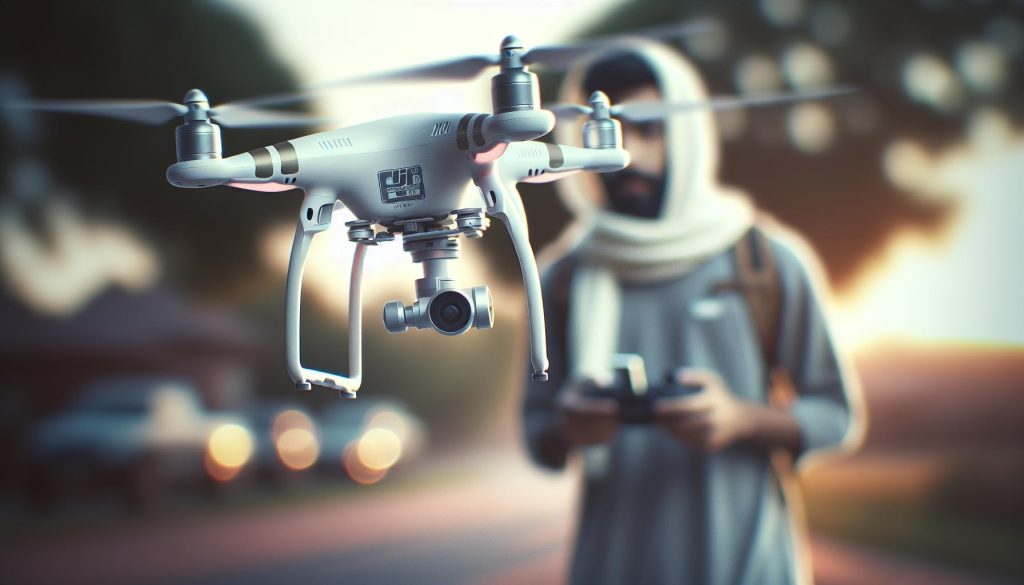
As drone technology evolves, compliance with regulations becomes increasingly vital for pilots. One of the most significant changes affecting drone operators is the implementation of Remote ID-a system that requires drones to broadcast their identification and location information. This is essential for maintaining airspace safety and accountability. Understanding whether your DJI drone supports Remote ID and how to adhere to these requirements not only enhances safety but also ensures that you can enjoy flying your drone legally. With the growing focus on regulation, many hobbyists and professionals alike are concerned about how this might impact their flying experience. By familiarizing yourself with the compliance journey, you can navigate the airspace with confidence and stay ahead of the curve. Let’s dive deeper into the intricate details of DJI drones and Remote ID compliance, helping you fly smart while satisfying regulatory demands.
Understanding Remote ID Regulations for DJI Drones
is crucial for both recreational and commercial pilots as it shapes the future of safe and responsible drone usage. Remote ID is akin to a digital license plate for drones, allowing them to transmit their identity, location, and control information to nearby aviators and authorized entities. This initiative aims to enhance the safety and accountability of drone operations, especially in congested airspaces where the risk of mid-air collisions increases.
The Federal Aviation Administration (FAA) in the United States has laid down specific regulations for Remote ID, requiring most drones weighing more than 0.55 pounds to possess this capability. DJI models such as the Mavic Air 2 and Mavic 3 already incorporate Remote ID technology, ensuring compliance for users of these platforms. As part of the regulatory framework, drone operators must understand the implications of Remote ID, not only for compliance but also for enhancing safety practices.
To effectively navigate these regulations, DJI pilots should regularly check the firmware of their drones and ensure that the DJI Fly app settings are correctly configured for Remote ID functionality. Keeping firmware updated will help ensure that the drone broadcasts its location and identity as required by law. Furthermore, this technology increases transparency and can facilitate easier interaction with law enforcement and air traffic management, creating a community where drone usage aligns with aviation safety standards.
How DJI Drones Implement Remote ID Technology
DJI drones are at the forefront of implementing Remote ID technology, which is rapidly becoming an essential aspect of drone operations. This technology functions as a digital identification system, allowing drones to broadcast critical information, including their location, speed, and altitude, to nearby operators and authorities. By integrating Remote ID, DJI enhances both safety and accountability within the drone community.
How DJI Implements Remote ID Technology
To ensure compliance with regulatory requirements, DJI has equipped several of its drone models with built-in Remote ID capabilities. This includes popular models like the Mavic Air 2 and Mavic 3, which come with firmware that automatically transmits identification data during flight. The integration of this system not only simplifies compliance for the user but also enhances the situational awareness of those operating in shared airspace.
Users can manage Remote ID settings through the DJI Fly app, where they can verify that the drone is actively broadcasting its information. Regular firmware updates play a crucial role in maintaining functionality and ensuring that the Remote ID features remain compliant with evolving regulations. Keeping the firmware updated is straightforward; users can check for updates directly in the app, making it a user-friendly experience.
Practical Implications for Drone Operators
For drone operators, understanding the implications of Remote ID extends beyond simple compliance. It promotes a culture of responsibility, encouraging pilots to be more aware of their surroundings and the potential impact of their flights on other airspace users. Furthermore, Remote ID fosters better relations with law enforcement and regulatory bodies by enhancing transparency and accountability.
In conclusion, DJI’s approach to embedding Remote ID functionality into its drones not only meets current legal requirements but also aligns with the broader goal of improving airspace safety. As Remote ID regulation becomes more widespread, understanding and leveraging these features will be essential for all drone operators.
Essential Compliance Requirements for Drone Operators
The advent of Remote ID technology in the drone industry marks a significant shift towards enhanced safety and regulatory compliance. For drone operators, especially those flying DJI models, understanding the compliance requirements associated with this technology is essential. Failure to adhere to these regulations can lead to fines, legal repercussions, and an increased perception of risk in the broader community. Thus, being well-informed about the obligations helps ensure that operators can fly responsibly and within the legal framework.
DJI drones equipped with Remote ID broadcast their identification information, including unique identifiers, position, altitude, and velocity, which can be received by local authorities and other drone operators. Operators must ensure their drones are equipped with the correct firmware that facilitates this broadcasting. Regularly updating the firmware is crucial, as manufacturers like DJI often release updates to improve functionality and compliance with new regulations. Failure to update can result in non-compliance and could inhibit the drone’s ability to operate legally in certain airspaces.
In addition to broadcasting capabilities, operators are required to be aware of specific geographic restrictions. Many regions have designated no-fly zones where drone usage is often restricted or regulated. DJI includes detailed maps within their applications that help pilots avoid restricted areas, but it is ultimately the operator’s responsibility to remain informed and comply with local laws. Drone operators should familiarize themselves with the legal requirements of their region, as they can differ widely from one area to another. Key compliance actions include:
- Keep firmware updated: Always check for and install updates via the DJI Fly app.
- Understand local regulations: Know the airspace your drone will operate in, including any applicable no-fly zones.
- Register drone if required: Some jurisdictions mandate that drone operators register their drones with the appropriate regulatory authority.
- Ensure Remote ID functionality: Confirm that your DJI drone is actively broadcasting its Remote ID information.
By taking these proactive measures, operators can navigate the shifting landscape of drone regulations with confidence, ensuring their flights not only comply with the law but also contribute to a safer airspace for all users. Navigating Remote ID compliance might seem daunting, but understanding these essential requirements will empower drone pilots to take responsible actions, enhancing safety and trust within the community.
Benefits of Remote ID for Drone Safety
The introduction of Remote ID technology is revolutionizing drone safety, acting as a critical layer of transparency in an increasingly crowded airspace. By continuously broadcasting vital flight information-including the drone’s unique identification, position, and altitude-Remote ID allows authorities and other airborne craft to verify the presence and intentions of drones in real-time. This capability not only aids in the enforcement of airspace regulations but also fosters a culture of accountability among drone operators.
One of the most significant benefits of Remote ID lies in its potential to enhance situational awareness. For instance, if local authorities are notified of a drone operating in restricted airspace, they can respond more effectively, minimizing potential safety risks. Additionally, Remote ID can help mitigate conflicts between drones and manned aircraft, as operators of both can see and understand each other’s presence, ultimately leading to safer operating conditions. This exchange of information empowers both hobbyists and commercial operators to navigate their environments with increased confidence and safety.
Moreover, Remote ID plays a vital role in building public trust in drone technology. As privacy concerns rise and misconceptions about drone operations persist, having an identifiable and verifiable system serves as assurance for the community. By making it easier for the public to know which drones are operating in their vicinity and who is behind them, Remote ID helps to alleviate fears associated with drone use. Increased transparency can promote positive perceptions of drones as beneficial tools for innovation and progress, rather than as threats to safety or privacy.
Furthermore, compliance with Remote ID regulations enhances community safety initiatives. For example, during emergencies or search and rescue operations, drone pilots broadcasting Remote ID information can coordinate more seamlessly with first responders, thereby optimizing resource allocation and response times. As Remote ID continues to evolve, its integration will not only revolutionize the drone industry but will also set the groundwork for a safer, more organized aerial ecosystem that benefits all stakeholders.
Troubleshooting Common Remote ID Issues
In the fast-evolving landscape of drone technology, Remote ID presents new challenges along with its benefits. Operators might encounter common issues while trying to ensure their DJI drones are compliant with Remote ID regulations. Understanding these potential pitfalls and their solutions can empower users to maintain compliance and enhance the safety of their flights.
One common problem occurs when a drone fails to broadcast its Remote ID information effectively. This can happen due to outdated firmware. Regularly updating your drone’s software ensures it has the latest features and fixes, which are essential for proper Remote ID functionality. Always check for updates via the DJI Fly app or your drone’s dedicated software interface before flight.
Another issue can stem from interference or weak GPS signals, which may prevent your drone from accurately transmitting its location data. To mitigate this, it’s advisable to conduct pre-flight checks, ensuring that you’re flying in an open area away from obstacles that could obstruct GPS signals. If problems persist, recalibrating the drone’s GPS can enhance its signal reception.
- Check Firmware: Ensure your drone’s software is updated to the latest version.
- GPS Signal: Fly in open spaces to maintain strong GPS reception.
- Recalibrate: If issues continue, perform a GPS recalibration.
Occasionally, operators may also notice that their Remote ID broadcasts do not appear on designated apps or platforms that track drone flights. This could be due to app settings or account-related restrictions. Always confirm that your Remote ID settings are enabled within the app, and check if your account meets all operational criteria necessary for viewing aerial traffic information. If unclear, consulting the app’s support resources or user community forums can provide insights and troubleshooting tips specific to your situation.
Ultimately, staying informed about the latest regulations and best practices regarding Remote ID will prepare operators to address these common challenges effectively.
Comparative Analysis: DJI Models and Remote ID Features
In the evolving realm of drone technology, understanding how different DJI models implement Remote ID features is essential for operators seeking compliance and enhanced flight safety. As new regulations come into play, DJI has taken steps to ensure that their drones not only meet but exceed these requirements, providing operators with the capability to navigate both recreational and commercial airspace effectively.
Different DJI models, from the compact Mini series to the advanced Mavic and Phantom lineups, feature varying degrees of Remote ID integration. The Mavic 3, for instance, offers robust broadcasting capabilities that adhere to the FAA’s Remote ID requirements, allowing it to transmit its identification and location details seamlessly. This feature not only promotes regulatory compliance but also enhances situational awareness in crowded airspaces, contributing to overall flight safety. Conversely, older models may require firmware updates or may not be equipped to support Remote ID, leading to potential compliance challenges for their users.
To help operators better understand which DJI drones support Remote ID, consider the following aspects:
- Firmware Updates: Many DJI models can receive updates that enable Remote ID capabilities. Always check the DJI Fly app or DJI’s official website for the latest versions that include Remote ID support.
- Hardware Integration: Newer models like the Mavic 3 and Air 2S come with built-in Remote ID technology, while older models like the Phantom 4 may require other solutions to achieve compliance.
- User Interface: The menu systems in DJI’s software provide straightforward ways to check and enable Remote ID settings, making it user-friendly for operators at all levels.
Furthermore, different regions may impose varying Remote ID requirements, and not all DJI drones are automatically compliant everywhere. Operators must familiarize themselves with local regulations to ensure that they are operating within legal boundaries. This adaptability is crucial as drone technology continues to advance and regulatory frameworks evolve, ensuring that operators remain not only compliant but also informed about the capabilities and limitations of their specific models.
By leveraging the advanced features of their DJI drones, operators can enhance their flight experience, uphold the safety of the airspace, and contribute positively to the growing ecosystem of drone operations in compliance with Remote ID requirements.
Legal Obligations for Drone Pilots in Different Regions
Drone pilots must navigate a complex landscape of legal obligations that vary significantly by region, making it essential to stay informed and compliant. In the United States, the Federal Aviation Administration (FAA) has established clear guidelines mandating Remote ID for certain categories of drones. Under FAA regulations, all drones weighing over 0.55 pounds must broadcast their identification information, including location and altitude, to allow for tracking by governmental agencies and other parties. This requirement enhances safety in navigable airspace, especially in congested areas.
Regional Variations and Considerations
Across the globe, the implementation of Remote ID varies widely. In the European Union, for instance, the European Union Aviation Safety Agency (EASA) mandates Remote ID to promote safety and accountability but has set different compliance deadlines from the FAA. Similarly, countries like Canada and Australia are in the process of establishing their regulations, which may differ in technical specifics and enforcement mechanisms. Operating a DJI drone in these regions means adapting to local laws regarding Remote ID-failure to do so can lead to fines and restrictions on flight operations.
- Understanding Local Laws: For those looking to fly internationally, it’s critical to research and understand the legal drone framework of the destination country. Resources like government aviation websites or local drone user communities can provide invaluable insights.
- Documenting Compliance: Keeping meticulous records of compliance, such as firmware updates that enable Remote ID broadcasting, is advisable. This documentation can serve as proof of adherence during inspections or inquiries.
- Using Authorized Equipment: Investing in DJI drones that are equipped with built-in Remote ID capabilities from the manufacturer simplifies compliance. For older models that lack this technology, seeking third-party solutions can be a necessary step.
Being proactive about awareness and compliance not only fosters safer drone operations but also protects pilots from potential legal repercussions. As international drone regulations continue to evolve, staying updated with changes and adapting to new requirements is an ongoing responsibility for all drone operators. Embracing these obligations not only enhances safety and accountability but also encourages the positive growth of the drone industry as a whole.
Future of Drone Technology: Trends in Remote ID
The drone industry is on the cusp of significant transformation, particularly with the growing implementation of Remote ID technology. As more jurisdictions mandate the broadcasting of drone identification information, it is pivotal for operators to understand these trends and their implications for the future of aerial operations. Recent advancements in Remote ID technology not only enhance safety and accountability but also catalyze new opportunities for drone usage across various sectors.
One of the most notable trends is the integration of Remote ID into the design of future DJI drone models. As regulatory bodies worldwide continue to tighten their aeronautical safety laws, DJI has proactively equipped many of its latest drones with built-in Remote ID capabilities. This forward-thinking approach allows users to operate in compliance with regulations without additional modifications or third-party devices. For operators, this means less stress about compliance and more focus on flying and capturing great footage.
Moreover, the data generated from Remote ID broadcasting holds potential for innovation in airspace management. As more drones take to the skies, the ability to track them in real time can help shape smart traffic regulations and inform strategies for decongesting urban airspaces. This information could also provide insights into flight patterns and operational best practices, contributing to safer flying conditions and more efficient use of airspace. By recognizing the need for responsible flying, drone manufacturers and regulatory authorities can work together to devise comprehensive frameworks that foster safety and innovation.
In light of these advancements, drone operators are encouraged to stay informed about the evolving Remote ID regulations and actively participate in discussions regarding their implementation. Engaging with community forums, attending industry workshops, and keeping abreast of technological developments can enhance compliance and safety while empowering pilots to leverage the full capabilities of their DJI drones. As Remote ID continues to evolve, embracing these changes not only safeguards operations today but also paves the way for a dynamic future in drone technology.
User Experiences: Real-World Impacts of Remote ID
As Remote ID regulations take flight, a growing number of drone operators are sharing their experiences-and the impacts of these regulations are profound. The introduction of Remote ID technology has fostered a sense of accountability and heightened awareness among pilots in both recreational and commercial sectors. Users now report a greater understanding of their operational surroundings and engagement with local communities, leading to enhanced relationships between drone pilots and non-drone users.
For instance, many operators have commented on how Remote ID has made them more conscious of where they fly, particularly in populated areas. Knowing that their drone’s information is publicly accessible encourages responsible flying and adherence to safety protocols. This has led to positive dialogues with local authorities who can now better understand drone usage within their jurisdictions. In some cases, law enforcement has even approached drone operators to learn more about their craft, resulting in collaborative efforts to ensure safe airspace management.
Additionally, early adopters of Remote ID technology have shared stories of how compliance has benefited their businesses. Commercial drone operators, in particular, have found that displaying Remote ID information has reassured clients about transparency and safety. As Remote ID becomes a standard requirement, firms that have integrated this technology into their operations are positioning themselves ahead of competitors, showcasing their commitment to responsible drone usage.
However, transitions have not been entirely seamless. Some users have encountered challenges with device compatibility and maintaining consistent connectivity while broadcasting their ID. This has sparked lively discussions in online forums, where experienced users share troubleshooting tips, software updates, and solutions. These shared experiences not only assist operators in overcoming technical challenges but also contribute to a communal sense of resilience among drone enthusiasts, fostering an environment of collaboration and support across the industry.
Ultimately, the real-world impacts of Remote ID are shaping an era of enhanced safety, responsible drone usage, and community engagement. As more users embrace this technology, the drone industry is steadily moving toward a future marked by increased accountability and innovation. Engaging with fellow operators about their experiences can empower both new and seasoned pilots to fully navigate the evolving landscape of drone regulations with confidence.
Recommendations for Ensuring Compliance with Remote ID
To successfully navigate compliance with Remote ID regulations, drone operators, particularly those using DJI models, must take a proactive and informed approach. As Remote ID becomes a cornerstone of drone operations, understanding your responsibilities is paramount. For instance, DJI drones equipped with Remote ID technology automatically broadcast essential information such as identification, location, takeoff location, and altitude, ensuring that you are operating within the legal parameters set forth by aviation authorities.
One of the most critical steps for compliance is keeping your firmware updated. DJI frequently releases updates that enhance both performance and compliance features. Regularly check for updates through the DJI Fly app or the official DJI website. This ensures that your drone meets all current regulatory requirements and functions optimally, especially in varying airspace scenarios.
Also, familiarize yourself with your local regulations regarding Remote ID. These laws vary significantly across different countries and regions. For drone pilots in the U.S., the FAA has outlined specific compliance measures that must be adhered to, including the requirement to register your drone and maintain operational awareness about restricted flying zones. Consult the local aviation authority’s guidelines or regional drone clubs for up-to-date information and community insights.
Finally, engage actively with the drone community to share experiences and troubleshooting tips. Online forums and social media groups can provide valuable support. For instance, when facing technical issues regarding connectivity or broadcasting strength, discussing these with fellow pilots can yield quick solutions and prevent future complications. Additionally, consider participating in workshops or webinars focused on Remote ID compliance-these platforms can offer practical guidance and answer specific questions about your flying experiences. By taking these steps, you will not only remain compliant but also cultivate a responsible and aware flying practice that enhances safety for all.
Faq
Q: Do DJI drones support Remote ID broadcasting?
A: Yes, DJI drones are equipped to support Remote ID broadcasting. This enables them to share identification and location information with authorized entities, thereby complying with regulations set forth by aviation authorities.
Q: What is the purpose of Remote ID for DJI drones?
A: The purpose of Remote ID for DJI drones is to enhance flight safety and security. It allows for real-time tracking of drones, promoting accountability among operators and facilitating law enforcement’s ability to monitor airspace.
Q: How does Remote ID work on DJI drones?
A: Remote ID works on DJI drones by broadcasting identifying information, such as the drone’s serial number and location, via wireless signals. This data can be received by other devices, ensuring that the drone’s presence is known to aviation authorities and nearby operators.
Q: Are there specific compliance requirements for DJI drone operators?
A: Yes, DJI drone operators must comply with local Remote ID regulations, which may include registering their drones and ensuring they are equipped with the necessary broadcasting technology. It’s essential to stay informed about local laws to ensure compliance.
Q: How can I check if my DJI drone supports Remote ID?
A: To check if your DJI drone supports Remote ID, refer to the user manual or DJI’s official website for specifications. Most recent models, such as the DJI Mini 3, are designed with Remote ID capabilities.
Q: What do I need to do to ensure compliance with Remote ID?
A: To ensure compliance with Remote ID, keep your drone’s firmware updated, register your drone with the appropriate authorities, and make sure it is equipped with the necessary broadcasting capabilities, as outlined in the regulations in your area.
Q: Will Remote ID affect drone flight operation?
A: Generally, Remote ID should not affect the flight operation of DJI drones. However, operators must be aware of any specific local regulations that may adjust how and where they fly in conjunction with Remote ID requirements.
Q: Can I disable Remote ID on my DJI drone?
A: No, Remote ID cannot be disabled on DJI drones that support it, as it is a regulatory requirement for compliant operation. Ensure you familiarize yourself with these requirements to operate legally.
For further information on compliance specifics, refer to the “Essential Compliance Requirements for Drone Operators” section of your article.
In Conclusion
As we’ve explored, understanding whether DJI drones broadcast Remote ID is crucial for compliance and safe flying. This knowledge empowers you to navigate the evolving landscape of drone regulations effectively. Don’t wait-ensure your drone is set up to meet these requirements today to avoid potential issues in the future.
For further insights, check out our detailed guides on drone safety procedures and advanced features like obstacle avoidance. If you’re looking for expert tips on enhancing your flying skills, consider subscribing to our newsletter for the latest updates and tutorials. Your journey with DJI drones is just beginning, so stay engaged and elevate your piloting expertise!
For any lingering questions, feel free to reach out in the comments or explore our community discussions and FAQs where fellow enthusiasts share their experiences. Keep flying smart and compliant!