When it comes to flying drones, one common concern among operators is whether DJI drones float, especially when flying near water. Understanding how your drone interacts with various environments is vital not only for protecting your investment but also for ensuring safety during your flights. While many DJI drones are designed for durability, water exposure can lead to severe damage or loss. This article delves into the floating capabilities of DJI drones and offers essential water safety and crash recovery tips. By arming yourself with this knowledge, you can enhance your flying experience, mitigate risks, and respond effectively should an unexpected water landing occur. Let’s explore how to keep your drone safe and operational, even in challenging circumstances.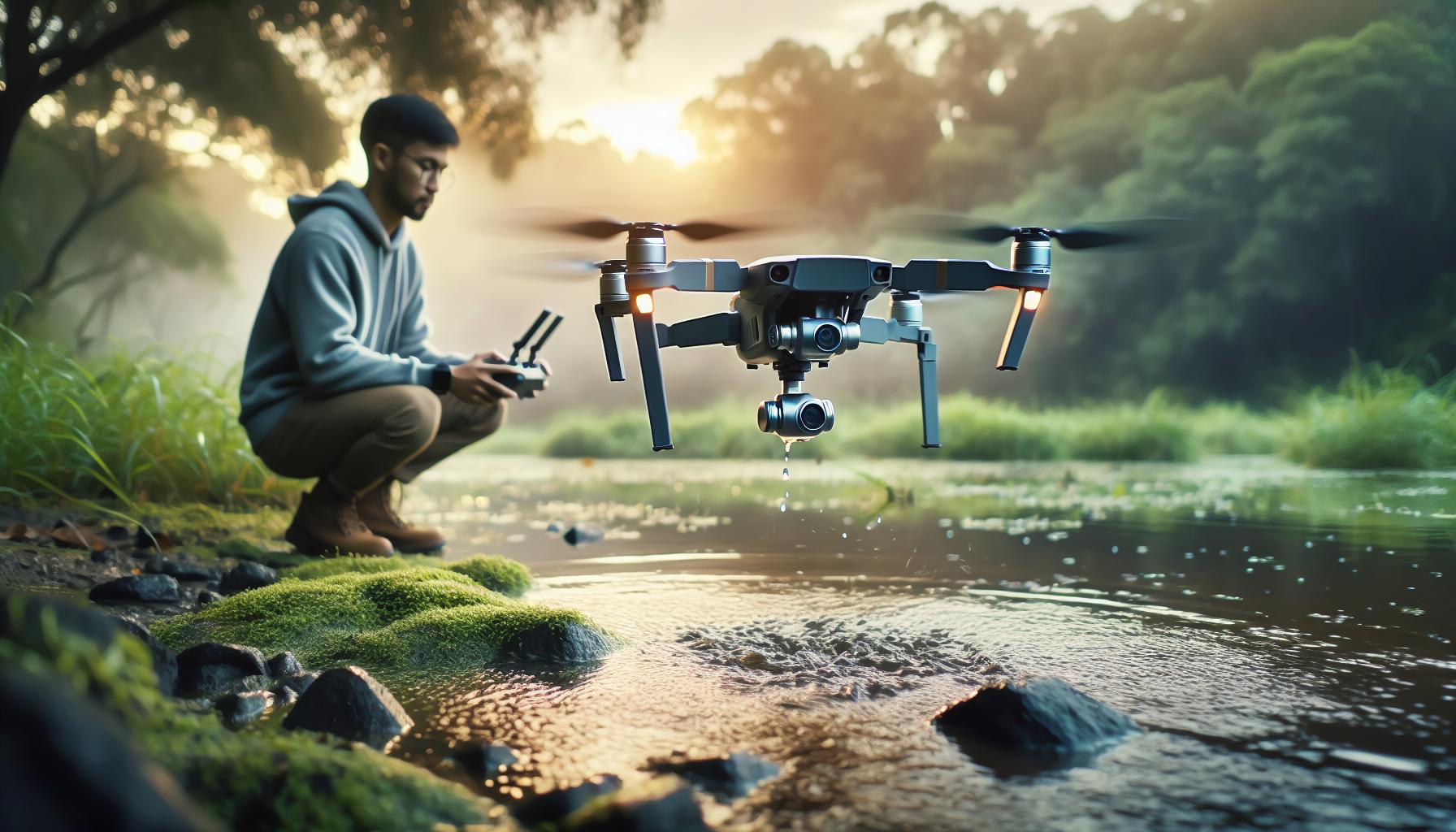
Understanding DJI Drone Water Resistance Levels
Understanding the water resistance levels of DJI drones is crucial for pilots aiming to safely operate their devices around water. DJI has designed various drone models with varying degrees of water resistance, commonly measured by the Ingress Protection (IP) rating. For instance, some drones, like the DJI Mavic 3, are more robust against splashes and light rain, whereas others may not withstand even minimal moisture exposure.
Water resistance in drones is typically denoted with ratings such as IPX4 or IP55, where the first digit indicates solid particle resistance (like dust) and the second digit indicates liquid ingress protection. It’s essential to note that most DJI drones are not designed to be submerged. While they might tolerate light moisture, prolonged exposure can lead to internal damage. Always check specific model specifications, as features tend to vary significantly across the DJI lineup.
Despite the advanced design of these drones, the myths around their floatability can be misleading. While some models may briefly float due to their design, this is not a built-in feature and should not be relied upon in a water incident. For flying around water, it’s advisable to utilize protective measures such as waterproof cases or floats to minimize the risk of water-related accidents. Understanding these resistance levels equips drone pilots with the knowledge to make informed decisions, ensuring the longevity and functionality of their equipment.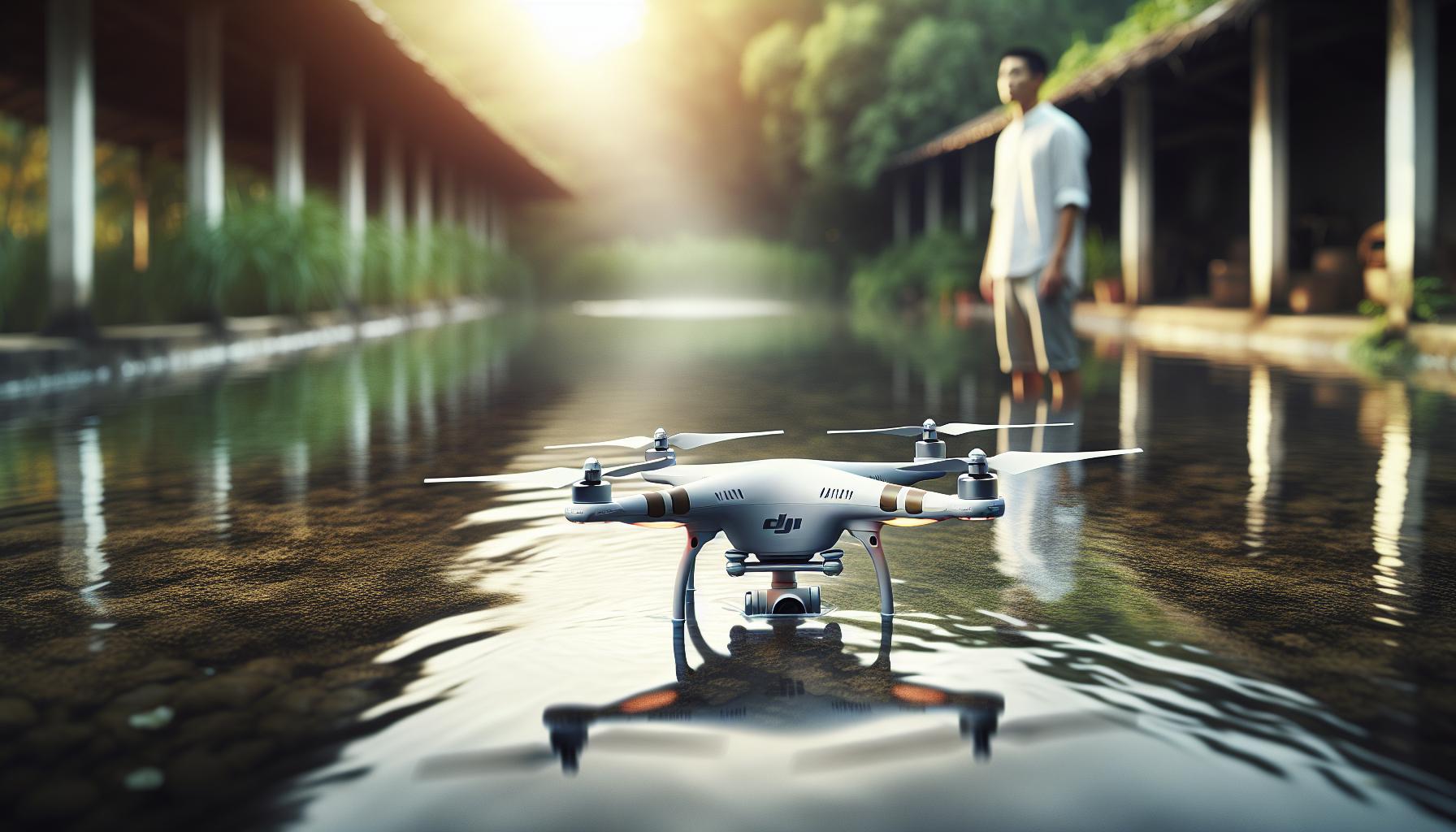
Do DJI Drones Float? Myths vs. Reality
Many drone enthusiasts ponder whether DJI drones can float when they accidentally end up in a body of water. This question is layered with misconceptions, as many believe that some models are designed to remain buoyant. While it’s true that certain drones may exhibit buoyant characteristics for a brief moment, this is not a functional feature that pilots can depend on. In reality, most DJI drones are not engineered to float or withstand extended water exposure without potential damage.
The lightweight materials used in constructing DJI drones, intended to maximize flight efficiency, do not guarantee that a drone will stay on the surface of the water. If a drone does come in contact with water, it is likely to sink quickly, especially if not equipped with additional flotation aids. Moreover, factors like battery weight and internal compartments can contribute to a drone’s inability to float effectively. Therefore, relying solely on buoyancy in a recovery scenario is a risky proposition.
To mitigate risks, all pilots should adopt preventative measures, especially when flying around water. Using floats or waterproof cases specifically designed for different models can significantly enhance your drone’s safety. Such accessories provide a critical buffer against water-related accidents, ensuring that if your drone does become submerged, its chances of survival are much higher. The reality is that while some features may suggest resistance to moisture, true protection and buoyancy require proactive planning and appropriate gear.
A clear understanding of these floating myths enables drone pilots to make informed decisions about operating near water. With proper precautions and the right accessories, the impact of a potential mishap can be minimized, ultimately preserving both the drone and the pilot’s investment in the equipment.
Essential Water Safety Tips for Drone Pilots
Flying drones near water can be exhilarating, offering breathtaking views and unique perspectives. However, it also comes with its set of challenges and potential hazards. Understanding how to navigate these risks is essential for any drone pilot, particularly when operating DJI models. Here are several crucial safety tips to help ensure a successful flying experience around aquatic environments.
Firstly, always be mindful of your drone’s specifications regarding water resistance. While many modern DJI drones feature some level of water resistance, this should not be mistaken for waterproofing. It is vital to familiarize yourself with your specific model’s guidelines and limitations. Ensure that you refrain from flying in adverse weather conditions such as rain or high humidity, which can elevate the risk of water damage. Before each flight, perform thorough pre-flight checks to confirm all systems are functioning correctly, and if operating near water, ensure any potential for splash or spray is minimized.
Utilizing appropriate safety equipment is another important consideration. Drone floats or waterproof cases tailored to your model can provide an extra layer of insurance against water-related mishaps. For instance, flotation devices can keep your drone buoyant for longer, giving you a fighting chance should it accidentally make contact with water. Additionally, consider using lanyards for remote controls and personal flotation devices if you find yourself near deep water.
Lastly, develop a solid recovery plan in advance. In the unfortunate event that your drone does crash into the water, time is of the essence. Always have a plan to retrieve it quickly to minimize irreversible water damage. Equip yourself with tools such as a retrieval hook or net, and establish a protocol to follow during recovery missions. Practicing these steps in safe, dry conditions ensures you’re prepared for any situation should it arise.
By taking these precautions seriously, drone pilots can enhance their safety and the longevity of their devices, allowing for many more successful flights near beautiful waterways.
Best Practices for Crash Recovery in Water
In the unpredictable realm of flying drones, the possibility of a crash-especially near water-can be daunting for any pilot. Quick and decisive action is essential when a DJI drone plunges into aquatic depths. Regardless of the model, having a clear recovery strategy can significantly mitigate damage and save your valuable equipment.
Start by ensuring you have the right recovery tools on hand before your flight. Prepare a retrieval kit that includes a fishing net or a hook for snagging your drone, a floatation device to help keep it buoyant if it sinks, and perhaps even a waterproof backpack to carry your equipment. Additionally, consider using a boating or paddleboard as a platform for retrieval if your drone is out of reach. Training yourself to remain calm in these scenarios is critical; panic can lead to poor decisions during recovery.
Once a crash occurs, every second counts. Assess the situation immediately: determine if the drone is still powered on or if it has submerged completely. If possible, utilize the onboard GPS features that many DJI models boast, allowing you to pinpoint the last known location of the drone. In case the drone is floating, retrieve it quickly while keeping it as horizontal as possible to prevent water from entering any openings. If your drone is entirely submerged, follow a systematic approach: locate, mark the spot, and prepare for a recovery attempt. Use a long pole or a fishing rod to pinpoint the exact area and stake a visual marker on land, so you can efficiently return to the spot.
Post-recovery, time is your enemy. Immediately dry off the drone with absorbent materials, focusing on all external components and connections. It’s crucial to remove the battery to prevent further electrical shock and water damage. Emphasize thorough drying, using techniques such as placing the drone in a container of uncooked rice or silica gel packs to absorb moisture. Following these steps diligently will significantly increase your chances of salvaging your DJI drone, ensuring that it can take to the skies once again.
Ultimately, preparation and rapid response are your best allies when facing the possibility of a water mishap. By implementing these best practices, you’ll not only enhance your recovery skills but also gain confidence in operating your DJI drone in thrilling, water-adjacent environments.
How to Protect Your Drone from Water Damage
To safeguard your DJI drone from water damage, preparation is critical. While certain models may have a degree of water resistance, no drone is truly waterproof. Understanding and implementing protective measures can significantly reduce the risk of water-related mishaps. Here are effective strategies to protect your drone during aquatic operations.
Investing in a good quality waterproof case for your drone is essential. This accessory not only protects against water splashes but also shields your equipment from moisture in humid environments. Ensure the case fits snugly and has adequate padding to cushion against impacts. When flying near water, be mindful of the weather conditions; avoid flying in rain or extreme humidity, as these can compromise your drone’s internal systems.
Before each flight, conduct a thorough pre-flight inspection. This includes checking seals on battery compartments and gimbals to ensure they are intact. A simple way to enhance water resistance is to apply a specialty water-repellent spray on exposed areas. However, remember to avoid critical electronic components. Moreover, if your drone is equipped with a drone floatation device, it can provide an essential buffer if it gets too close to the water’s edge.
During your flight, maintain situational awareness. Keep your drone at a safe altitude above water, ideally above 50 feet, to reduce the chance of water contact in case of a malfunction. Utilize the Return-to-Home (RTH) feature as a failsafe if you lose control or signal. Take proactive steps by programming the RTH altitude, so if a signal loss occurs, your drone will ascend before returning home-minimizing potential water contact.
Finally, post-flight, always assess your drone for any signs of moisture ingestion, even if you believe it has remained dry. If you suspect exposure to moisture, remove the battery and allow the drone to air dry in a warm, dry environment. Following these precautionary steps will significantly enhance your odds of a successful and damage-free flying experience near water.
Steps to Rescue a Water-Damaged DJI Drone
In the unfortunate event that your DJI drone finds itself submerged in water, swift action and careful steps are essential to mitigate damage and potentially salvage your device. Time is of the essence; leaving your drone in water for too long can severely increase the risk of irreparable damage to its electronics and internal components.
Firstly, retrieve the drone from the water as quickly as possible. Avoid powering it on or trying to operate it until you have completed the necessary drying procedures, as this could lead to short circuits. Once you have your drone in hand, remove the battery immediately to cut off power and prevent further electrical damage.
Next, gently shake out any excess water from the drone without forcing it, as residual water can get trapped in small crevices. Use a soft, lint-free cloth to wipe down the exterior and absorb any visible moisture. If available, utilize a handheld vacuum or compressed air to blow out water from hard-to-reach areas, such as the gimbals and motors. Be cautious with compressed air: use it at a low pressure to avoid pushing water further into the device.
Drying Out the Drone
After the initial clean-up, place the drone in a warm, dry area. A popular method involves using silica gel packets or uncooked rice to absorb moisture. Create a small container filled with silica gel packets, and bury the drone inside, ensuring it’s fully surrounded. Leave it there for at least 24 to 48 hours to allow maximum moisture extraction. If possible, remove the propellers and allow them to dry separately.
Key Points:
- Retrieve the drone quickly from water.
- Remove the battery immediately.
- Shake out excess water and wipe the exterior down.
- Use silica gel or rice to draw out moisture.
Once the drying period is over, perform a thorough inspection for any sticky residues or corrosion, which can occur if saltwater is involved. If you observe any damage or buildup, consider contacting DJI support or a professional repair service for assistance. Be ready to replace any critical components, such as the battery, to ensure optimal future performance.
Lastly, after all moisture is eliminated and the drone appears to be in good condition, reinsert the battery and check whether the drone powers up correctly. Proceed with caution: conduct test flights in a safe, controlled environment to confirm that it operates reliably before returning to your typical flying conditions. Following these steps not only enhances your chance of recovering your drone but also equips you with the knowledge to handle future water-related incidents effectively.
Choosing the Right DJI Drone for Aquatic Use
Selecting a drone that performs well in aquatic environments goes beyond mere specs; it involves understanding water resistance, buoyancy, and specific operational features that can enhance your flying experience near water bodies. When considering a DJI drone for aquatic use, it’s crucial to evaluate their water resistance ratings, which can help prevent damage in case of unexpected splashes or rain. For example, the DJI Mavic 3 and Mini 2 have varying degrees of resistance, making them versatile options for coastal landscapes or lakeside shoots.
A common misconception is that all drones can float. While some models might have surface-level waterproofing, they are not typically designed to remain buoyant in water. Most DJI drones, including the popular Mavic series, will sink if they land in water. Therefore, it’s essential to conduct pre-flight checks and understand the limitations regarding water exposure. Choosing a drone specifically designed for environments with potential water interactions, such as the DJI Avata, can make a difference. Its robust build and props that minimize splash impact are particularly advantageous for aquatic operations.
When tackling aquatic environments, consider the type of accessory products that can complement your drone’s performance. Protective cases, such as waterproof shells or floatation devices, can offer additional security during operations near water. Additionally, investing in a drone with good obstacle detection features can help prevent crashes into water, ensuring that you can capture stunning aerial footage without the added stress of equipment failure.
In summary, aim for a drone that not only meets your technical requirements but is also suited to the specific challenges of flying in aquatic settings. Thorough research into models, water resistance features, and protective accessories will enable you to make informed decisions, enhancing both safety and effectiveness in capturing breathtaking water-based imagery.
Post-Crash Recovery: Cleaning and Drying Techniques
Water-logged drones can evoke panic in even the most seasoned pilots, but knowing how to effectively clean and dry your DJI drone can make the difference between recovery and irreparable damage. When a crash occurs in or near water, the priority should be to act swiftly and decisively to mitigate any potential damage caused by moisture intrusion.
As soon as you’ve retrieved your drone from the water, turn it off immediately. If the drone is still powered on, shutting it down minimizes further damage to the electronics. Next, carefully remove any accessible components, such as the battery and microSD card. This step is crucial as it helps to facilitate the drying process and protects your most sensitive data.
Cleaning Process
To clean your drone, gently wipe off any visible mud, debris, or saltwater remnants using a soft, lint-free cloth. Avoid using water directly, as it can spread contaminants. For stubborn spots, consider using a small brush or compressed air to remove dirt from hard-to-reach areas. If your drone has been submerged in saltwater, it’s advisable to rinse non-electronic parts with freshwater to prevent salt crystallization, which can lead to corrosion.
Drying Techniques
After cleaning, focus on drying your drone thoroughly. Here are several effective techniques you can use:
- Air Drying: Place the drone in a cool, dry area with good airflow. Ensure that all components are separated to promote efficient drying.
- Desiccants: Utilize silica gel packets or other desiccants. Placing your drone in a sealed container with desiccants can help absorb excess moisture.
- Heat Application: Use a gentle source of heat, such as a fan or hairdryer set to a low setting, to aid drying. Keep the heat source at a safe distance to avoid damaging the drone’s components.
Finally, allow the drone to dry for at least 48 hours before attempting to power it on. This precaution gives the internal components sufficient time to dry out completely. After the waiting period, conduct a visual inspection for any signs of water damage or corrosion, particularly around connections and ports. If all looks well, reinstall the battery and cautiously power up your drone.
Ensuring your DJI drone is well-cleaned and dried after a water incident can save you from costly repairs or replacements. Following these thorough steps can enhance your recovery efforts and boost your confidence in dealing with unforeseen mishaps in aquatic environments.
Comparing DJI Drones: Water Safety Features
While many drone enthusiasts yearn for beautiful aquatic shots, there’s an undeniable concern regarding water safety features in drone technology. Not every DJI drone offers the same protective capabilities when it comes to water exposure, and understanding these differences can be crucial for planning successful flights near water bodies.
When comparing DJI drones, one of the first aspects to consider is their water resistance levels. For instance, the DJI Mavic Air 2 has an IP rating of 54, meaning it can withstand light splashes and moisture but isn’t designed for submersion. In contrast, the Phantom 4 RTK, while being robust in many ways, also lacks the floatation capabilities or full waterproofness required for aquatic adventures. If you’re considering flying in areas prone to water hazards, opting for a drone with a higher water resistance rating can provide you with better peace of mind.
Another key feature to evaluate is how various models handle potential water damage through design elements like drainage holes and sealed electronics. Drones like the DJI Mini 2 are lighter and more portable, but they are not built for wet conditions and can suffer severe consequences if submerged. On the other hand, the DJI Avata boasts some enhanced features for stability and can manage light water exposure but should not be treated as waterproof either. It’s essential to recognize that while some drones may fare better than others in wet conditions, none of them truly “float” unless fitted with additional buoyancy attachments.
Lastly, when planning to use a DJI drone near water, always consider integrating accessories that enhance water safety. Floating landing gear and waterproof storage options for your drone and its components can significantly mitigate risks. Some users have had success experimenting with DIY methods to add buoyancy, allowing for quick retrieval in the event of a mishap. By understanding the inherent differences in water safety features across DJI models, you can make a more informed decision and enjoy your aquatic adventures with confidence.
Understanding the Impact of Water on Drone Electronics
Water can wreak havoc on a drone’s electronics, significantly impacting its performance and longevity. Understanding how water interacts with these delicate systems is crucial for any drone pilot, especially when considering the risks associated with flying near aquatic environments. The primary concern lies in the fact that water can short-circuit essential components, including the flight controller, motors, and battery connections.
One of the common misconceptions is that just because a drone is marketed as having an elevated water resistance rating, it is fully protected against water exposure. For example, the DJI Mavic Air 2 has an IP rating of 54, which means it can handle splashes but is not designed for submersion. Should it succumb to water, moisture can condense inside the drone, corroding the circuits over time. To minimize such risks, it is advisable to always inspect your drone for seals and drainage holes, allowing any potential moisture to escape.
It’s also worth noting that even small amounts of water can accumulate during flights in foggy or humid conditions. Utilizing protective measures such as silicone conformal coatings on exposed electronics can enhance water resistance. Additionally, if your drone does get wet, it’s critical to power it off immediately. Leaving it on can cause further damage as the electronics heat up, exacerbating any moisture exposure.
Prevention is always better than recovery. By , pilots can make informed decisions on flight locations, understand the importance of maintaining their drone’s seals, and implement protective measures to keep their equipment safe. This proactive approach not only safeguards your investment but also ensures successful aerial missions without the anxiety of unexpected water exposure.
Legal Considerations for Flying Drones Near Water
Flying drones near water can be an exhilarating experience, offering stunning perspectives and unique artistic opportunities. However, it is essential to be mindful of the legal considerations that accompany such flights. Different jurisdictions have specific regulations governing drone operations, particularly in proximity to water bodies, where the potential for accidents and privacy invasions increases.
One crucial aspect of legal compliance is respecting no-fly zones, which may include areas near lakes, rivers, and oceans. For instance, many national parks and protected wildlife areas have strict regulations or outright bans on drone use. Always check local laws and consult the Federal Aviation Administration (FAA) guidelines or your country’s equivalent aviation authority to ensure you are not violating any rules. Additionally, being aware of specific regulations regarding airspace restrictions can help prevent legal issues; for example, certain areas may require permits for commercial filming or photography.
Moreover, piloting a drone near water can lead to privacy concerns. If your flights are capturing images of private properties or individuals, you’re increasing the risk of infringing upon their privacy rights. It’s advisable to seek permission when flying in areas where people are present or where your drone may easily capture views of private residences.
Insurance is another vital consideration. Drone pilots should consider liability insurance, especially when flying near water where the likelihood of accidents increases. This can cover damages to property or injury to individuals in case of a mishap. Furthermore, having a clear understanding of your drone’s water resistance capabilities and limitations can help you avoid accidents that may lead to legal complications. Always assume that water environments pose risks-flying close to water may lead to unforeseen crashes, and water-damaged drones can result in disputes about damages.
In summary, to ensure compliance while enjoying the breathtaking views that drone flying near water provides, stay informed about local regulations, respect privacy, and consider getting insurance. Taking these precautionary steps will not only enhance your flying experience but also protect you legally.
Accessories to Enhance Water Safety for Drones
Flying your DJI drone near water can enhance your aerial photography and videography, but it also increases the risk of water-related accidents. To mitigate these risks, investing in the right accessories is crucial. Here are some essential tools that can enhance the water safety of your drone operations.
One of the most effective accessories to consider is a drone flotation device. These devices are designed to attach to your drone securely and will keep it afloat in case of a crash landing in water. They come in various styles, from inflatable floats to more rigid designs, and are available for different DJI models. Additionally, using landing gear extensions can create a buffer between your drone and the water surface, providing extra protection during takeoffs or landings in wet conditions.
Another important accessory is a waterproof carrying case for your drone. This case protects the drone while transporting it to and from your flying location, ensuring that it remains dry and safe from unexpected weather conditions. Look for cases that feature additional storage for batteries and spare props, which can also help in keeping your equipment organized and water-safe.
Additional Safety Accessories
To further enhance safety during water-based flights, consider these additional accessories:
- Waterproof Remote Controller Bags: These bags protect your remote from splashes and moisture, ensuring reliable control of your drone.
- Drone Recovery Systems: These systems use a recovery parachute or similar mechanisms that deploy in the event of a malfunction, allowing your drone to land safely even if it’s too close to water.
- GPS Tracking Devices: In case your drone does go down, having a GPS tracker installed can simplify the recovery process, making it easier to locate in challenging environments.
- Floating Drone Lights: If you plan to fly in low-light conditions, these lights not only improve visibility but can also assist with tracking your drone in the water.
Whether you are capturing stunning beach sunsets or surveying a lake for wildlife, the right accessories can significantly reduce the risks associated with flying near water. Always prioritize safety by equipping your drone with these enhancements, enabling you to focus on capturing breathtaking visuals without worrying about potential mishaps. By being prepared and informed, you can elevate your drone flying experience in aquatic environments while minimizing potential threats.
Frequently Asked Questions
Q: Do DJI drones come with floatation devices?
A: No, DJI drones do not typically come with built-in flotation devices. If you’re flying near water, consider purchasing an aftermarket flotation device to prevent sinking if your drone crashes into water. These devices can help keep your drone afloat and make recovery easier.
Q: What should I do if my DJI drone falls into water?
A: If your DJI drone lands in water, promptly retrieve it. Turn it off immediately to prevent electrical damage. Remove the battery and dry the drone carefully using a cloth. If possible, submerge it in rice or silica gel for 24-48 hours to absorb moisture, and plan for professional servicing.
Q: How do I check if my DJI drone is water resistant?
A: Check the specifications provided by DJI for your specific drone model. Many DJI drones like the Mavic series boast some level of water resistance, but they are not fully waterproof. Always assume your drone is not meant for aquatic environments unless it explicitly states so.
Q: Can I fly my DJI drone in light rain?
A: While some DJI drones offer limited water resistance, flying in light rain is risky and not recommended. Water can still damage internal electronics. It’s safest to avoid flying in wet conditions altogether to ensure the longevity and functionality of your drone.
Q: What are the risks of flying a DJI drone near water?
A: Flying a DJI drone near water poses risks such as loss of control due to strong winds, potential water crashes, and decreased battery life from humidity. Additionally, the possibility of water damage to electronics increases significantly if the drone lands in water.
Q: Is it safe to land DJI drones on water?
A: It is generally unsafe to land DJI drones on water unless the drone is specifically designed for it, such as those with flotation capabilities. Most consumer drones aren’t equipped for water landings and can suffer irreversible damage if submerged.
Q: How can I protect my DJI drone from water damage during flights?
A: To protect your DJI drone from water damage, use a waterproof case during transport and consider adding a flotation device for extra protection. Before flying, check weather conditions to avoid rain and monitor surroundings for moisture. Utilize propeller guards to reduce risks associated with nearby water.
Q: What cleaning techniques should I use after a water crash?
A: After a water crash, clean your DJI drone using a soft, dry cloth. Avoid using aggressive cleaning chemicals. Inspect the drone thoroughly for any remaining moisture, and use compressed air to blow out water from hard-to-reach areas. Allow the drone to air dry completely before attempting to power it on.
To Conclude
Understanding whether DJI drones float is crucial for safe water-based operations and effective crash recovery. Remember, preventive measures and knowing your drone’s capabilities can significantly enhance your flying experience. If you’re still unsure about water safety or want to dive deeper into drone recovery strategies, check out our detailed guides on drone maintenance and emergency preparedness.
Don’t forget to subscribe to our newsletter for the latest tips, tricks, and updates straight from the drone community. Your feedback is valuable-share your thoughts or experiences in the comments below, and connect with fellow enthusiasts. As you explore further, discover our posts on optimizing your DJI drone setup and overcoming common flying challenges. Stay informed, stay engaged, and elevate your drone flying skills today!