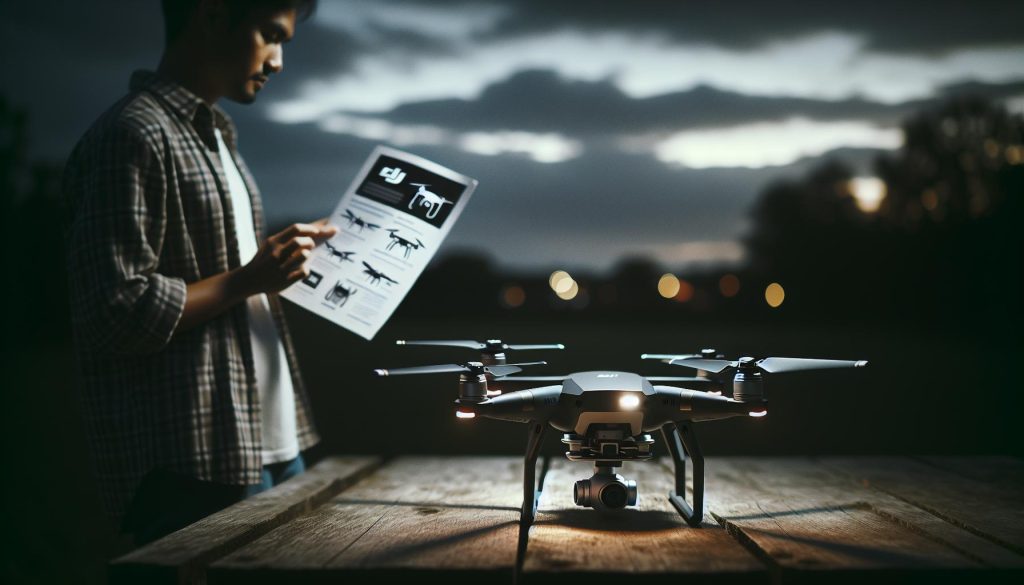
As drone technology advances, many enthusiasts wonder about one crucial capability: night vision. DJI drones, known for their innovative features, often boast impressive low-light performance, allowing pilots to capture stunning aerial footage even after the sun goes down. Understanding the night vision capabilities of these drones can greatly enhance your creative possibilities and ensure safer flights during twilight. Whether you’re a hobbyist seeking to explore new filming techniques or a professional looking to expand your operational toolbox, knowing how to maximize low-light conditions is essential. In this guide, we will delve into the low-light capabilities of DJI drones, unveiling how they work and what features to look for when considering nighttime operations. Your drone’s potential doesn’t have to end at sunset; let’s explore how you can take your aerial photography and videography to the next level.
Do DJI Drones Have Built-In Night Vision Capabilities?
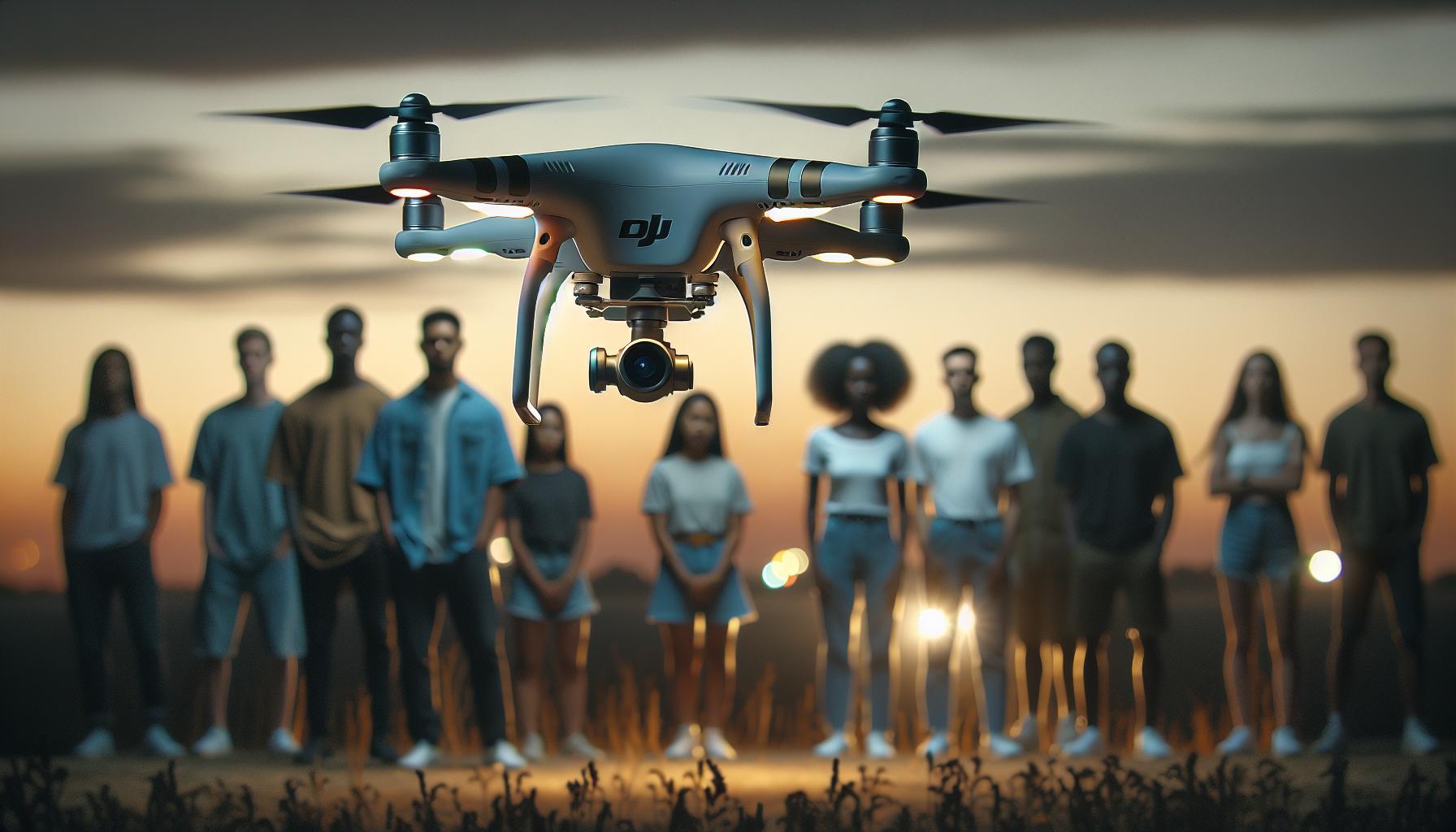
While many DJI drones come equipped with advanced camera systems capable of high-quality low-light performance, true built-in night vision capabilities are largely absent from most consumer-grade models. Instead, DJI’s offerings, such as the Mavic and Phantom series, utilize high-resolution sensors and large apertures to enhance performance in dim lighting conditions. These features allow for better image capture and video quality during twilight hours or low-light environments, but they do not provide traditional night vision sight.
Drones like the DJI Mavic 3 and the Phantom 4 Pro boast exceptional low-light performance due to their sensor technology and image processing abilities. With a larger sensor size, these models can capture more light, resulting in clearer images during nighttime flights. This is complemented by features such as improved ISO settings, enabling users to adjust sensitivity in darker conditions effectively. Pilots seeking the best low-light performance should consider models with these specifications, as they provide the clearest visual data without infrared night vision.
For those requiring enhanced capabilities during night operations, adding accessories such as thermal imaging cameras can greatly improve visibility. Products like the Zenmuse XT series, designed for use with compatible DJI drones, provide thermal imaging solutions ideal for search and rescue missions, building inspections, and wildlife monitoring in the dark. By integrating these specialized attachments, drone operators can expand their operational reach significantly, ensuring that nighttime missions are not only viable but effective.
While traditional night vision is not embedded in most DJI drones, understanding the camera technology and potential upgrades can significantly enhance nighttime flying experiences. Pilots should embrace the advanced optical systems and consider suitable thermal cameras when necessary to ensure optimal performance under low-light conditions.
Understanding Low-Light Performance Across DJI Models
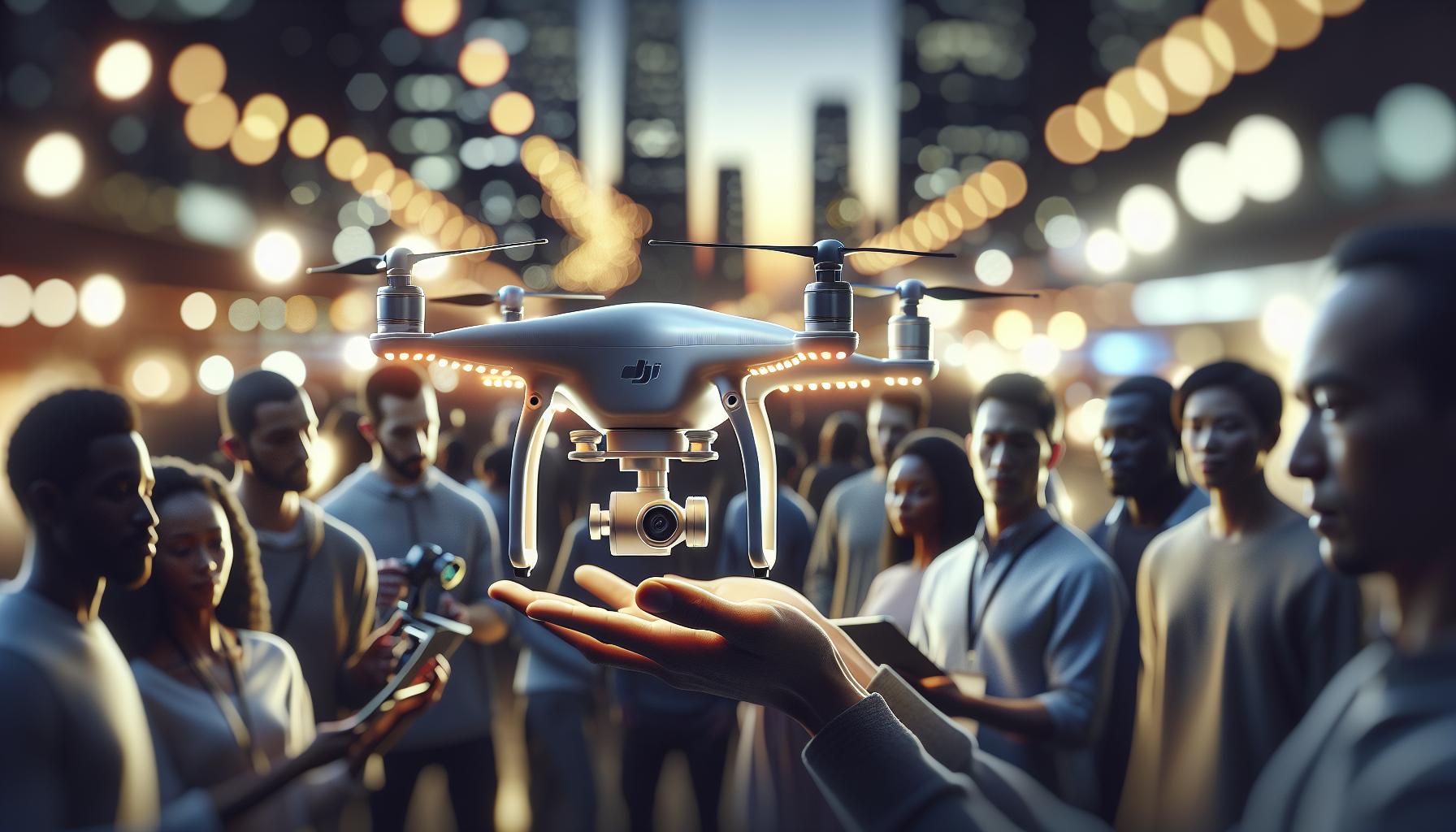
Many drone enthusiasts may overlook how the intricacies of low-light performance can dramatically impact their flying experience. Understanding the capabilities of various DJI models under low-light conditions unlocks a wealth of potential for capturing stunning visuals and performing essential missions after the sun goes down. By examining the attributes that influence these capabilities, pilots can select the right equipment for their nighttime endeavors.
DJI drones, such as the Mavic 3 and Phantom 4 Pro, are renowned for their sophisticated imaging systems and strong low-light performance. The key lies in their advanced sensor technologies, which include larger sensors that gather more light compared to their predecessors. This allows for clearer images without excessive noise even in dim environments. For instance, the Mavic 3’s Hasselblad camera features a 4/3 CMOS sensor that significantly enhances its sensitivity, producing exceptional images and videos during twilight or even nighttime conditions.
Moreover, the implementation of high ISO settings provides additional versatility for pilots flying in low-light scenarios. By adjusting the ISO, users can optimize their drone’s camera performance, allowing for increased sensitivity to light while managing the presence of grain in the images. When combined with intelligent scene recognition capabilities, these drones can automatically adjust settings for improved outcomes in challenging lighting, offering users high-quality results consistently.
To elevate low-light performance even further, DJI operators can explore external accessories. Incorporating filters or specialized lighting can help brighten scenes without compromising frame rates, which is crucial for maintaining image clarity. These enhancements empower pilots to adapt to diverse scenarios, whether for professional videography or recreational captures, maximizing the potential of their equipment in less-than-ideal lighting conditions. As technology evolves, embracing both the inherent features of DJI models and supplementary gear will pave the way for thrilling nighttime flight experiences.
Comparison of DJI Drones with Night Vision Accessories
When it comes to enhancing the night vision capabilities of DJI drones, the incorporation of specialized accessories has become a game-changer for both amateur and professional pilots. Unlike built-in night vision technologies, which are inherently limited, the use of external accessories can significantly expand the applications of these drones in low-light conditions, resulting in enhanced image quality and visibility. Here’s a look at some of the leading DJI drones and the night vision accessories that can elevate their performance for nighttime operations.
Notable DJI Drones and Their Accessories
- Mavic 3: With its impressive 4/3 CMOS sensor, the Mavic 3 boasts excellent low-light performance. Pilots can further augment its capabilities by using external LED lights that can be mounted on the drone. These lights illuminate the scene, making it easier to capture clearer images and videos in complete darkness.
- Phantom 4 Pro: This model is already well-regarded for its camera quality, but pairing it with thermal imaging cameras can create practical applications for search and rescue missions or wildlife observations at night. Accessories such as the FLIR Vue Pro can be integrated to provide thermal imaging capabilities, thereby enabling visibility beyond the capacity of the human eye.
- Inspire 2: Known for its versatility, the Inspire 2 supports interchangeable cameras, such as the Zenmuse X7, which offers exceptional low-light performance. Coupling it with infrared filters can enhance shooting in dimly lit conditions, allowing for dynamic range adjustments to preserve detail in shadows and highlights.
Benefits of Accessorizing
Integrating night vision accessories not only aids in visibility but also enhances creative possibilities. For example, using filters can help control lens flare and improve contrast, while additional lighting can create dramatic effects in photography and videography. Here are some popular accessory types:
- LED Lights: Adjustable brightness levels and mounting options make these lights highly versatile for different environments.
- Thermal Cameras: Perfect for scenarios where detecting heat signatures is crucial, such as in search operations or wildlife monitoring.
- Infrared Filters: These enhance image quality in low light, providing clearer results and broader dynamic range.
When considering night vision accessories, it’s essential to ensure compatibility with your specific drone model and to follow safety guidelines for night flying. Each accessory can add unique capabilities, ultimately transforming the way pilots approach nighttime flights, enabling them to capture stunning visuals and engage in invaluable operations after sunset.
How to Optimize Your DJI Drone for Low-Light Flying
To effectively capture stunning images and footage in low-light conditions, optimizing your DJI drone for night flying is crucial. With the right techniques and preparations, you can transform your nighttime drone operations into seamless and fruitful experiences. Start by understanding the limitations of your drone’s camera system. Various DJI models, such as the Mavic 3 and Phantom 4 Pro, have differing sensor qualities and ISO capabilities that can significantly influence low-light performance.
As a fundamental step, ensure that your drone is equipped with the latest firmware updates, as these often include improvements in low-light performance. Additionally, calibrate your gimbal properly to maintain stability, which is essential in dimly lit environments where camera shakes can easily ruin shots. Utilizing manual camera settings such as adjusting exposure time, ISO, and white balance can provide greater control over your shots. Opting for a higher ISO setting can enhance sensitivity to light, but be mindful of noise, which can degrade image quality.
To further enhance visibility and performance in low-light scenarios, consider investing in additional lighting solutions. External LED lights can illuminate your subject without disturbing the night’s ambiance. These lights often come with adjustable brightness levels to adapt to various shooting situations. Moreover, having a dedicated night mode setting in your drone’s camera can automatically adjust settings for optimal low-light shooting, easing the process, especially for beginners.
Engaging with the community can also provide insights into effective techniques, with shared experiences on platforms such as forums or social media. By combining technical adjustments with community knowledge and the right accessories, you will significantly improve your DJI drone’s functionality in low-light environments, enabling you to capture exceptional imagery and footage after sunset.
User Experiences: Night Vision in Real-World Scenarios
Capturing breathtaking aerial shots at night can transform your drone photography, but it’s not without its challenges. Many DJI drone users have taken to community forums and social media to share their experiences and strategies for navigating low-light conditions. This shared wisdom highlights the potential and limitations of DJI drones under the veil of night.
One common insight from users is the importance of understanding the specific capabilities of different models. For instance, operators of the Mavic 3 often rave about its improved low-light camera performance thanks to its larger sensor, which allows for better ISO handling. Users frequently emphasize the need to experiment with manual settings, such as lowering shutter speed and raising ISO, to find the perfect balance between exposure and noise. One user shared how adjusting these settings resulted in stunning shots of a local festival, capturing vibrant colors against a dark sky.
Lighting accessories also play a critical role in enhancing night photography. Many pilots recommend using external LED lights, which not only illuminate the subject but can also help define the background details. Feedback from the community also suggests that integrating these lights with night vision capabilities can dramatically improve shots in pitch dark conditions. One operator described a nighttime search-and-rescue mission where the added illumination from LED lights helped pinpoint locations that would have been impossible to see otherwise.
Safety remains a top priority during nighttime operations, and user experiences show the importance of proper planning. Drone pilots often discuss flying within legal constraints and being aware of surrounding airspace, particularly in urban areas where lights and buildings can confuse a pilot’s sense of orientation. They recommend conducting test flights during twilight hours to familiarize oneself with how the drone handles mixed lighting conditions, helping to build confidence before fully committing to night-time flights.
Lastly, engaging with fellow drone enthusiasts has proven invaluable, as it provides a support network for troubleshooting and sharing tips. Many users find that participating in forums and local meetups fosters an environment of learning and collaboration, where experiences of night flying can evolve into a deeper understanding of the technology and its innovative applications.
Step-by-Step Guide: Enhancing DJI Drones for Night Use
To harness the full potential of your DJI drone during nighttime operations, it’s essential to prepare meticulously. Low-light flying can yield stunning visuals but requires more than just the push of a button. Follow these detailed steps to enhance your drone’s performance after sunset.
Assessing Your Gear
Before embarking on night flights, confirm that your drone model is capable of handling low-light conditions. The Mavic 3, for example, is known for its superior low-light performance thanks to its larger sensor and improved ISO capabilities. Consider your camera settings; manual adjustments such as increasing the ISO and lowering the shutter speed can significantly enhance image quality in dim lighting.
Enhancing Visibility with Accessories
Utilizing additional lighting can drastically alter your night flying experience. Here are essential accessories that can assist:
- LED Light Strips: Attaching LED strips to the underside of your drone can provide illumination to help define the flying environment.
- Spotlights: Remote-controlled LED spotlights can illuminate subjects from above, making it easier to capture clear images or video of dark landscapes.
- Reflective Tape: Applying reflective tape on your drone can help you keep visual orientation in low visibility conditions.
Optimizing Flight Settings
As you set up for your night flight, pay special attention to your flight settings. Switch to the manual flight mode if available; this allows for greater control over camera settings. Set your drone to hover at a safe altitude, modifying your altitude settings as you become accustomed to the environment. Flight simulations during twilight hours can help familiarize you with how your drone reacts in varying light levels.
Planning Your Flight Path
Before taking to the skies, develop a strategic flight path to avoid obstacles and enhance safety. It can be beneficial to scout your flying location in daylight. Mark potential hazards like trees or buildings that could obstruct your view. Additionally, ensure compliance with local regulations regarding nighttime flying, as adherence to these laws is crucial for safe and responsible operations.
By following these steps, you will not only enhance your capability to fly your DJI drone at night but also ensure a creative and enjoyable experience. Regular practice and continued learning will sharpen your skills, enabling you to capture extraordinary night-time images and videos safely.
Essential Gear for Night-Time Drone Flying
To achieve stunning aerial visuals after sunset, selecting the right gear is essential for enhancing your DJI drone’s night flying capabilities. While many DJI drones, such as the Mavic 3, already come equipped with advanced low-light performance features, there are specific accessories and tools that can elevate your night-time operations to new heights.
Lighting Accessories
Visibility is critical when operating drones in low-light conditions. Employing additional lighting can significantly enhance both safety and image quality. Consider the following accessories:
- LED Light Strips: Attaching LED strips to the underside of your drone can illuminate your surroundings, making it easier to navigate and detect obstacles.
- Remote-Controlled Spotlights: These powerful lights can be pointed at subjects from above, ensuring you capture clear and detailed footage even in darkness.
- Flashing Navigation Lights: Adding lights that blink in different colors can help maintain your drone’s visibility to other pilots and ensure you keep track of its position against the night sky.
Camera Enhancements
Considering a lens upgrade can also make a significant difference in low-light photography. Lenses with larger apertures allow more light to reach the sensor, improving image quality in dark settings. Additionally, using filters like ND (neutral density) filters can help manage exposure levels, allowing for longer exposure times without overexposing your shots.
Additional Safety Gear
Incorporating safety measures is as important as enhancing visibility.
- Reflective Tape: Applying reflective tape on your drone not only helps with visibility but also aids in orientation during flight.
- Emergency Lights: These can be mounted on your drone to signal for assistance during an emergency or if your drone loses contact.
A well-equipped drone isn’t just about capturing beautiful images; it’s about ensuring safe, responsible, and enjoyable flying after dark. By investing in the right accessories and gear, you can unlock a new dimension of aerial photography that captivates viewers and showcases the beauty of the night.
Legal Considerations for Night Drone Operations
Operating a drone after dark can open up exciting new possibilities for aerial photography and videography, but it also comes with a series of legal considerations that every operator must navigate. In various jurisdictions, laws regulating drone usage in illuminated environments often change, and non-compliance can lead to hefty fines or, worse, legal action. Understanding these regulations is essential for a responsible flying experience.
First and foremost, familiarizing yourself with the regulations set forth by local aviation authorities is crucial. For instance, in the United States, the Federal Aviation Administration (FAA) mandates that drones be operated under specific conditions during night flights. Pilots must obtain a special waiver if they wish to fly their drones at night under Part 107 regulations. This includes a requirement for the drone to be equipped with anti-collision lighting visible for at least three statute miles. It’s vital for operators to confirm these specifications are met before taking to the skies.
Additionally, some regions have stricter rules concerning “night vision” capabilities. While many DJI drones boast enhanced low-light performance, this does not automatically grant permission to fly at night. For example, certain parks, nature reserves, or urban areas may have their own regulations, further limiting nighttime flight operations to protect wildlife or maintain peace in residential neighborhoods. Always consult local laws or guidelines, as these can vary significantly, even within the same state.
Moreover, safety is paramount when flying in low light. Operators should consider adopting practices like pre-flight inspections to ensure that LED lighting and any other enhancements are functional. Keeping your drone visible during night operations is not just a legal requirement; it’s an essential safety practice that helps prevent mid-air collisions with other aircraft or natural obstacles. Implementing a flight plan that considers visibility, geography, and local regulations can aid in avoiding accidents.
In summary, legal considerations for nighttime drone operations emphasize the importance of being informed, prepared, and compliant with aviation regulations. By adhering to these guidelines, drone pilots can enjoy the thrill of night flying while promoting safety and responsibility in the air.
Common Issues with Night Vision on DJI Drones
Flying DJI drones under low-light conditions can evoke breathtaking visuals, yet several common issues can hinder optimal night vision performance. A frequent complaint among operators is the limited effectiveness of the drones’ optical sensors in dark environments. While many DJI models, like the Mavic Air 2 and Phantom 4, feature enhanced low-light capabilities, their cameras still struggle to capture clear footage if there isn’t sufficient ambient light. This can result in grainy images and inadequate detail. To mitigate this, ensure that you have a well-planned route that includes areas with some natural lighting or consider investing in additional external lighting solutions, such as LED spotlights.
Another challenge is the battery performance during nighttime flights. Cold temperatures at night can significantly affect battery life, leading to reduced flight times. Pilots should monitor battery levels closely, as a sudden drop can lead to forced landings in less-than-ideal conditions. To combat this, keep your batteries warm before flight; consider using battery warmers or storing them in a pocket to prolong their life during your shoot.
Additionally, operators often encounter issues with GPS signal stability in low-light conditions, as certain reflective surfaces, such as bodies of water or urban environments, can confound the positioning systems. This loss of signal not only leads to difficulties in maintaining control but can also cause the drone to drift. A practical recommendation is to conduct a thorough pre-flight check, ensuring that all firmware is updated and that the drone has a secure GPS signal before taking off. If you find that GPS drift is common in your area, using visual markers to help orient yourself during flight can be beneficial.
Lastly, the application of proper safety measures cannot be overstated. Night flying necessitates enhanced awareness of the surroundings, as visibility is inherently limited. Use anti-collision lights on your drone if it doesn’t come equipped with them, and implement a lightweight yet high-visibility marking system during your flight to help maintain visual contact. Being proactive about these common issues will not only improve your nighttime flying experience but also enhance the quality of the footage captured.
Exploring Future Night Vision Innovations in Drone Technology
The evolution of drone technology is paving the way for remarkable advancements in night vision capabilities, significantly enhancing the functionality of models like those from DJI. As consumer demand for drones equipped for low-light operations grows, manufacturers are investing in innovative technologies that promise to transform nighttime flying experiences. One of the most exciting developments is the integration of thermal imaging technology alongside traditional cameras, allowing operators to capture detailed imagery in complete darkness.
Another trend is the use of advanced sensors that adapt to different lighting conditions. For instance, drones with larger apertures and improved ISO sensitivity are becoming more common, enabling better light capture without introducing excessive noise into the footage. Additionally, software enhancements utilizing artificial intelligence are being developed to improve image processing during low-light conditions, which can help distinguish details in darker scenarios. These innovations not only improve video quality but also make it easier for pilots to navigate and identify objects in low visibility environments.
Emerging Technologies
The future may also see the emergence of multispectral imaging, which involves capturing data across multiple wavelengths. This technology has vast potential for applications ranging from environmental monitoring to search and rescue operations at night. Imagine a DJI drone equipped with this capability-pilots could identify hotspots and track changes in the landscape in real time, even when traditional optical equipment would fail.
Finally, as user needs evolve, the development of lightweight night vision accessories that can be easily attached to drones is also on the horizon. These accessories could include detachable infrared cameras or specialized lenses that enhance the existing capabilities of DJI drones, providing operators with even more flexibility for night-time operations. As these innovations materialize, they will likely redefine the limits of drone technology, ensuring that flying at night is not just viable, but an advantageous option for capturing extraordinary visuals.
Frequently Asked Questions
Q: Do DJI drones have night vision capabilities?
A: DJI drones do not typically come with built-in night vision. However, some models can be equipped with additional low-light sensors or external cameras for enhanced nighttime photography and videography. For dedicated night vision, consider investing in specialized accessories compatible with your DJI drone.
Q: How do DJI drones perform in low-light conditions?
A: DJI drones generally perform well in low-light conditions, especially newer models equipped with larger sensors and improved image processing. Features like increased ISO sensitivity and optimized shutter speed contribute to better low-light performance, allowing for clearer images and stable videos in dim environments.
Q: What are the best DJI drones for night flying?
A: The DJI Mavic 3 and Air 2S are excellent choices for night flying due to their larger sensors and advanced image processing capabilities. These models offer enhanced low-light performance and have features that help stabilize footage taken in challenging lighting conditions.
Q: Can I upgrade my DJI drone for better night vision?
A: Yes, you can upgrade your DJI drone’s capabilities for night use by attaching specialized cameras or thermal imaging equipment designed for low-light performance. Additionally, software updates and custom flight settings can enhance overall flight stability and camera operation in low-light conditions.
Q: What accessories do I need for night-time drone flying?
A: Essential accessories for night-time drone flying include additional LED lights for visibility, external low-light cameras, and quality ND filters to improve image quality. Also, consider using a reliable remote controller with enhanced signal and range capabilities to maintain communication in the dark.
Q: How can I enhance the video quality of my DJI drone at night?
A: To enhance video quality at night, adjust the camera settings to a higher ISO and lower shutter speed. Use stabilization features and ensure your drone has sufficient battery life for longer, smoother flights in low-light conditions. Experimenting with post-editing can also improve footage.
Q: What legal considerations are there for flying drones at night?
A: Flying drones at night typically requires adherence to specific regulations, such as obtaining a waiver or special permission depending on your location. Always check local laws regarding nighttime operations and ensure your drone is equipped with proper lighting for visibility and safety.
Q: Are there common issues when using DJI drones in low-light settings?
A: Common issues include difficulty in maintaining stable flight due to reduced visibility, challenges with image noise in low-light photos, and navigating obstacles more effectively. Ensuring proper calibration and familiarizing yourself with the drone’s low-light capabilities can mitigate these problems.
To Conclude
In conclusion, exploring the low-light capabilities of DJI drones opens a world of creative possibilities for your aerial photography and videography. From understanding their distinct night vision features to maximizing flight performance in challenging lighting conditions, this guide equips you with essential insights. Don’t miss the chance to elevate your drone skills; consider checking our in-depth reviews on the latest models like the Mini, Mavic, and Air Series to find the perfect fit for your needs.
Ready to take your flying to new heights? Dive into our tutorials on drone setup and firmware updates to ensure you’re operating at peak performance. Have questions or insights? Join our community discussion and share your experiences! Remember, with the right techniques and tools, capturing stunning nighttime shots is just a flight away. Keep exploring, and take your drone adventures beyond the ordinary!