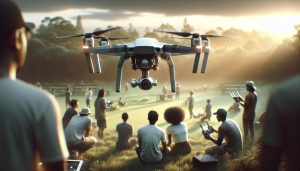
Are you planning a drone adventure but worried about internet connectivity? The truth is, many DJI drones can operate without a WiFi connection, allowing you to explore remote locations without the need for internet access. Understanding how your DJI drone functions offline is crucial for all enthusiasts, especially those venturing into areas with spotty network coverage. In this guide, we’ll demystify the essentials of flying your DJI drone without WiFi, addressing common concerns and ensuring you’re fully equipped to make the most of your aerial experiences. Whether you’re a hobbyist or a professional, knowing how to leverage your drone’s offline capabilities can enhance your flying skills and broaden your creative possibilities. Dive in to discover practical insights that will empower your next flight!
Does DJI Drone Require Internet or WiFi?
For drone enthusiasts and professionals alike, the ability to operate without relying on internet or WiFi connectivity is a crucial feature that enhances their flying experience, especially in remote areas. Many users wonder, “Do DJI drones require internet or WiFi to function?” The answer varies depending on the specific drone model and its intended use. Generally, DJI drones can be flown without internet access, allowing for operational flexibility in places devoid of connectivity.
Most DJI drones can function independently of the internet during flight. Fundamental operational tasks, such as taking off, navigating, and capturing footage, do not require an active internet connection. However, the extent to which you can utilize the drone’s features without WiFi varies from model to model. For instance, features like live streaming video feeds to a mobile device generally necessitate an internet connection. Additionally, flight planning software and some automated flight functions may also leverage internet data for precise location and mapping services.
To enhance offline usability, DJI has implemented features like the “local data mode,” available in some of its apps, which allows users to restrict data flow and maintain privacy during flights. This mode ensures that no data is sent or received, making it ideal for sensitive operations. Nevertheless, users should familiarize themselves with each drone’s manual to understand all features available offline and how to configure settings appropriately. By doing so, drone operators can maximize their flying potential, regardless of internet availability.
Understanding Offline Drone Functionality
Operating DJI drones offline is not only possible but also highly effective for various applications, especially in remote or sensitive environments. While it’s a common assumption that all drone functionalities hinge on internet connectivity, the reality is quite different. Most DJI models are designed to perform essential tasks without needing a WiFi or cellular connection, allowing pilots flexibility in their flying environments.
When utilizing a DJI drone offline, users can engage in fundamental operations such as takeoff, landing, navigation, and capturing photos or videos directly from the drone’s camera. Responsibilities such as planning your flight path or recording are not inherently tied to internet access, making it imperative for users to understand the specific features available without connectivity. For instance, features like live streaming and certain advanced capabilities, including automated mapping or geo-fencing, do rely on real-time data and therefore need internet access.
One of the standout solutions for users operating in sensitive contexts is DJI’s “local data mode,” which restricts all internet communication, maintaining the confidentiality of the mission. This feature can be crucial for businesses that handle proprietary information or require additional privacy during flights. To maximize your experience and enhance security, it is advisable to explore the settings available on your specific drone model and follow recommended practices. This preparation equips operators to make full use of their drones without the constraints of online connectivity, ensuring successful missions even in isolated locations.
In summary, understanding your DJI drone’s offline capabilities can significantly enhance your flying experience. Prioritize familiarity with your drone’s manuals, utilize offline features effectively, and plan your missions accordingly to enjoy seamless operations regardless of internet access.
Types of Tasks You Can Perform Offline
Operating a DJI drone without an internet connection opens up a realm of possibilities for pilots, especially in scenarios where connectivity is unreliable or unavailable. While many assume that piloting requires WiFi or cellular data, the truth is that numerous critical functions can be executed offline, making DJI drones versatile tools for both recreational and professional use.
The fundamental tasks that a pilot can perform without internet access include takeoff, landing, navigation, and capturing images or videos. These essential operations rely solely on the drone’s onboard systems rather than real-time data. Users can easily maneuver through different terrains while relying on GPS signals, which typically don’t necessitate internet connectivity.
Additionally, flight planning can be accomplished offline, provided that the necessary waypoints and parameters are set prior to the flight. Apps like the DJI Fly app and DJI Go, when used in advance to download maps and other relevant data, allow operators to utilize these insights during their flight without needing a connection. However, it’s crucial to prepare your flight plan while online to ensure that all necessary info is available offline.
Moreover, advanced features such as photo and video recording can be executed seamlessly, enabling operators to document their experiences without an internet link. This adjustability is particularly advantageous in areas like construction sites or wildlife reserves where privacy and data security are paramount. DJI’s local data mode is another feature that allows users to operate without making any internet connections, offering enhanced control over sensitive missions-ideal for businesses needing to protect proprietary information.
In summary, the offline capabilities of DJI drones empower users to execute a wide range of tasks effectively, making them reliable companions for both professionals in the field and hobbyists seeking adventure. With the right preparation and understanding, flying without internet access can be just as efficient and fulfilling as online operations.
Essential Settings for Flying Without Internet
Flying a DJI drone without an internet connection is not only possible but also a preferred method for many pilots, particularly those operating in remote areas. To maximize the effectiveness of your offline flying experience, certain settings and preparations are essential. Here are key steps to ensure a successful flight without the need for internet connectivity.
First, activating Local Data Mode is crucial. This setting disables all data flow between your drone and the internet, effectively allowing you to operate in a secure environment. This can be especially important for commercial pilots or anyone concerned about privacy. To activate this mode, navigate to the settings menu in your DJI app and toggle on the Local Data Mode option. Remember, this must be done before you disconnect from the internet.
Next, thorough pre-flight planning is necessary. Since you won’t have access to live data, download relevant maps and set your waypoints in advance for your chosen flight area. Utilizing apps like DJI Fly or Go is beneficial here, allowing you to preload information while you still have internet access. Ensure that all waypoints, altitude settings, and any necessary parameters are configured before your flight.
In addition, firmware updates should be completed ahead of time. While flying without internet means your drone will not receive real-time firmware updates, ensuring your drone’s software is up-to-date before heading offline is essential for optimal performance and safety. Regularly check for updates when you have internet access to maintain the best operational capability.
Finally, check your drone’s battery and GPS functionality. Ensure your batteries are fully charged, as extended flights require ample power. Verify that GPS signal strength is good before takeoff, as this is critical for navigation without internet assist. If your DJI drone has a feature allowing for offline mode adjustments, make sure those are set correctly to help optimize performance.
By addressing these essential settings and preparations, pilots can confidently operate their DJI drones without needing an internet connection, paving the way for productive and enjoyable flight experiences in various environments.
Using DJI Drones in Remote Areas
In the vast expanses of nature, where cell phone reception often falters, DJI drones present an extraordinary opportunity for pilots seeking adventure and exploration. Operating a DJI drone in remote areas not only enhances the flying experience but also allows enthusiasts to capture breathtaking landscapes without the constraints of an internet connection. As many seasoned drone operators will attest, flying offline can be as straightforward as it is rewarding, provided you plan strategically.
When venturing into remote or off-grid locations, thorough pre-flight preparations become indispensable. Before setting off, utilize the DJI Fly app to download offline maps of your intended flight area. This feature ensures you have access to essential navigation tools, including local topography and potential obstacles, without relying on real-time connectivity. Furthermore, setting up predefined waypoints and flight paths while still online allows for a seamless transition to offline operations once you are in the field.
During operations, it’s critical to ensure that the drone’s battery life and GPS accuracy are maximized. In remote environments, a fully charged battery is fundamental; extended flights may take longer than anticipated due to natural elements or unforeseen obstructions. Additionally, while some areas may have limited satellite visibility, ensuring your drone has a strong GPS lock before takeoff is vital for safe navigation. This preparation minimizes the risk of losing control or misjudging critical flight maneuvers.
Consulting community forums and experiences of other pilots further enriches your knowledge base. For example, many users share their successful offline flights in regions like the Australian outback, demonstrating that extended internet-free operations are not only possible but enjoyable. Whether capturing stunning landscapes or observing wildlife, DJI drones empower pilots to explore the untouched corners of the world, all while flying confidently without an internet connection.
Firmware Updates: Necessity for Internet
One critical aspect of managing your DJI drone, which often gets overlooked until it’s too late, is the need for firmware updates. These updates are vital for enhancing performance, fixing bugs, and adding new features to your drone. However, to execute these updates, an internet connection is a necessity. Whether you’re an enthusiastic hobbyist or a professional pilot, understanding the implications of firmware updates is crucial for ensuring your drone operates at its best.
When you connect your DJI drone to the DJI Fly app or the DJI Assistant software, the first step is often to check for available firmware updates. These updates can contain important fixes that improve flight stability, enhance camera functions, and expand flight modes, making them essential for getting the most out of your equipment. Having the latest firmware not only optimizes drone capabilities but also helps avoid issues during flights that could lead to safety concerns, particularly in challenging environments.
Without regular firmware updates, pilots may not only experience degraded performance but could also encounter compatibility issues with accessories or applications designed to enhance their flying experience. An outdated firmware version might limit specific functions, restricting the full potential of newer drones like the Mavic Air 2 or the DJI Mini series, which rely heavily on software improvements. Given that many battery power management protocols and flight modes are updated regularly, it’s wise to schedule check-ins online every time you prepare for a critical flight.
In summary, while flying without internet is possible and can be quite enjoyable, it’s crucial to handle firmware updates ahead of time, so your drone is in optimal condition for your next adventure. Always plan for internet access during pre-flight check-ups to ensure that you have the latest updates installed, as this not only enhances safety but also broadens the creative possibilities in your drone operations.
Troubleshooting Offline Connection Issues
In an era where connectivity is often taken for granted, many drone operators find themselves facing challenges when attempting to fly their DJI drones without an internet connection. Whether due to remote environments, travel restrictions, or personal preference, understanding how to troubleshoot issues that arise in offline scenarios is crucial for a smooth flying experience. By following a systematic approach, you can optimize your flight operations even without Wi-Fi connectivity.
First, ensure your drone and controller have been adequately charged and are properly synchronized. Often, connectivity issues stem from a lack of proper pairing between devices. If you experience connection problems, reestablish pairing by turning off both devices, then restarting them in the correct sequence-first the controller, followed by the drone. This reset can sometimes clear any minor bugs that affect functionality.
Next, familiarize yourself with the offline capabilities of your specific DJI model. Many drones, such as the Mavic series, allow for essential functionalities even without a network connection. However, features that rely on cloud-based functionalities-like live mapping and certain automated flight modes-will be unavailable offline. Pre-loading necessary maps and data before heading out to more remote areas ensures that your drone operates at its best without needing to check in online. To download offline maps, utilize the DJI Fly app before your flight, ensuring you have all required mapping data saved to your device for convenient access.
Should you encounter more significant issues, such as the drone not responding or showing abnormal behavior, conduct a thorough inspection of the firmware version. While you’ve already established that updates require internet access, having the latest firmware pre-loaded before your ventures into offline territory is critical. If you’ve preemptively managed firmware updates, any offline anomaly can often be resolved by performing a simple restart of the drone and controller, as outdated software versions may lead to glitches during operation.
Common Troubleshooting Steps:
- Verify the battery levels of both the drone and controller.
- Re-pair the drone and controller if connection issues persist.
- Ensure offline maps and data are downloaded in advance using the DJI Fly app.
- Restart the devices to resolve potential software glitches.
- Keep a record of your drone’s firmware version and update it regularly when online.
By taking these proactive steps, drone operators can confidently navigate the skies without the constant need for internet connectivity, maximizing their flying potential in any environment.
Safety Considerations When Operating Without WiFi
When operating a DJI drone without WiFi, safety becomes a paramount concern. The absence of an internet connection can limit access to real-time updates, vital data, and certain features that enhance flight safety. However, you can ensure a secure flying experience by implementing simple yet effective practices. Familiarize yourself with your drone’s capabilities and limitations when offline-understanding what features work without connectivity can help prevent accidents and mishaps.
Before takeoff, ensure that your drone’s firmware is updated while you still have internet access. Having the latest software equipped allows your drone to operate within the safety parameters defined by the manufacturer. Remember that some critical features-like live mapping and certain automated functions-may be disabled without an internet connection, which could hinder your ability to navigate effectively. Pre-flight checks should include verifying battery levels, propeller conditions, and the overall system health of your drone.
While flying, maintain visual line-of-sight with your drone at all times; this is crucial when you lack the support of GPS or cloud-based data. In remote areas, where obstacles might not be easily identifiable through maps, vigilance is key. If your model has an option for local data mode, activate it to prevent data from being shared inadvertently, thereby retaining control over your information [3[3]. Additionally, familiarize yourself with the local regulations governing drone flights, as operating without an internet connection doesn’t exempt you from compliance.
One of the most effective ways to mitigate risks is to conduct thorough pre-flight planning. Use offline resources to gather information about your flying area, such as terrain features and possible hazards. Creating a mental map or drawing out a flight plan can provide significant advantages. By preparing thoroughly and staying alert, you can ensure a safe and enjoyable flying experience, even in the absence of WiFi.
Comparing DJI Models: WiFi Needs Overview
When considering which DJI drone to purchase, understanding their varying dependencies on WiFi and internet connectivity can significantly impact your flying experience, especially if you tend to operate in remote areas. Different models, from the compact Mini series to the advanced Mavic and Phantom lines, exhibit distinct capabilities regarding internet requirements and offline functionality.
Most DJI drones can operate without an internet connection once they are set up properly, allowing for extended flights in areas devoid of WiFi. The capabilities to function offline primarily depend on firmware updates and your pre-flight preparations. For example, models like the Mini 4 Pro can be utilized offline indefinitely, which is advantageous for pilots exploring rural landscapes where connectivity is scarce DJI Mini Series By examining these models through the lens of their internet needs, you can make a more informed choice tailored to your flying environment and preferences. Whether you’re flying in urban or isolated settings, understanding these nuances will enhance your flying experience and ensure you maximize your drone’s potential without being dependent on WiFi connectivity. Indoor flying presents a unique challenge for drone enthusiasts, especially when internet connectivity is absent. However, with proper planning and understanding of your drone’s capabilities, you can enjoy a smooth indoor flight experience. To begin with, ensure that your DJI drone’s firmware is fully updated before the flight. Outdated firmware can lead to operational issues, and the absence of internet means you won’t have access to real-time updates. It’s essential to familiarize yourself with your drone’s indoor-specific flight modes. Many DJI models, including the Mavic and Mini series, offer a “GPS Off” mode, allowing for flying indoors where GPS signals might be weak or nonexistent. Instead, these drones often rely on vision sensors and infrared sensing systems for stable flight. When flying indoors, it’s crucial to validate that these sensors are functioning correctly, as they play a pivotal role in maintaining altitude and navigating obstacles. Another key aspect of successful indoor flying involves creating an optimal environment. Look for spacious areas free of obstructions like overhead fans, light fixtures, and furniture. Maintain a clear takeoff and landing space, and be mindful of the drone’s prop wash, which can cause disturbances in confined spaces. Practice using gentle controls to maintain stability and reduce the risk of collisions, ensuring that you can safely maneuver despite the limited space. Lastly, it’s beneficial to develop a series of pre-flight checks tailored specifically for indoor flying. This checklist should include verifying battery levels, checking the calibration of sensors, and ensuring propellers are secure. Additionally, keep in mind that some indoor variations, like temperature changes and humidity levels, can impact flight performance. By preparing adequately and understanding your drone’s features and limitations, you can enjoy engaging and safe indoor flights without relying on internet access. In the world of drone operation, adaptability is key, especially for those who prefer or need to fly without a reliable internet connection. Exploring alternative control methods can significantly enhance your flying experience and ensure seamless operations in remote areas or during instances of connectivity issues. For DJI drones, several strategies exist that allow you to maintain control and achieve your flight objectives. One practical method is utilizing the DJI Go 4 or DJI Fly applications in offline mode, which can still provide essential functionalities such as accessing previously downloaded flight maps, reviewing settings, and managing flight logs. Before heading out, it’s crucial to download any relevant data, ensuring you have access to necessary information during your flight. This is particularly helpful when operating in locations devoid of WiFi or cellular networks. Another effective alternative is using remote controls equipped with built-in displays. For example, the DJI Smart Controller allows for a robust operating experience without relying on mobile devices or internet connectivity. By leveraging its standalone capabilities, pilots can enjoy a more concentrated flying experience, thus eliminating potential connectivity disruptions that could arise from using a smartphone. Additionally, consider implementing manual flight control techniques. Understanding how to operate your drone entirely through physical controls, rather than relying on live statistics or video feeds, can be invaluable when faced with connectivity issues. Familiarity with the basic control functions such as altitude and directional controls will empower you to fly safely and confidently, even if certain real-time information is unavailable. Lastly, keep in mind that many DJI drones come equipped with GPS Mode and ATTI Mode. In locations where GPS signals are unreliable or absent, switching to ATTI mode will allow your drone to maintain stability and altitude without GPS assistance. Pilots should practice flying in various modes, ensuring they’re equipped to handle any situation that arises during flights in less-than-ideal conditions. By mastering these alternative control methods, drone enthusiasts and professionals alike can confidently operate their DJI drones without a constant internet connection, enhancing both their skill set and flying experience. In an age where data security and privacy are paramount, understanding the legal regulations surrounding drone operations without internet access is crucial for both hobbyists and professionals. When flying DJI drones offline, it’s essential to maintain compliance with local and national airspace regulations, which often govern where and how you can operate, regardless of internet connectivity. Many jurisdictions require drone operators to register their drones and may impose restrictions based on the type of airspace, which can include no-fly zones near airports, government facilities, or populated areas. Without an internet connection, it’s important to ensure that your drone’s internal systems, such as GPS navigation and flight logs, are functioning properly before takeoff. Operating offline does not exempt pilots from adhering to safety protocols or legal standards, so possessing thorough knowledge of your drone’s capabilities and limitations is vital. For instance, familiarize yourself with the altitude limits and maintain visual line-of-sight with your drone to comply with FAA regulations in the United States, which apply whether or not you are connected to the internet. Additionally, while flying in remote areas, it’s advisable to have a backup plan for emergencies, such as the ability to manually navigate back to your home point if GPS signals are lost. Compliance extends to insurance requirements as well; some regions mandate liability coverage for drone operation, independent of internet access. Always check with local authorities or drone communities for up-to-date regulations applicable to your area to avoid potential legal repercussions. When considering where to fly, keep in mind that laws regarding data collection can differ based on location, especially if you’re filming or photographing sensitive areas. Ensure you’re not inadvertently infringing on the privacy of individuals or private property, which can lead to legal challenges, even if you’re flying without an internet connection. By staying informed and proactive about legal standards, you can enjoy a safer and more responsible flying experience with your DJI drone. Q: Can I fly my DJI drone without an internet connection? Q: What features of DJI drones do I lose without WiFi? Q: How can I set up my DJI drone for flying offline? Q: Are there safety concerns when flying DJI drones offline? Q: What should I do if my DJI drone loses GPS signal while offline? Q: Can I use my DJI drone in remote areas without internet? Q: What troubleshooting steps should I follow if my DJI drone cannot connect to WiFi? Q: Why is it important to update firmware before flying offline? If you’re eager to take your DJI drone adventures to the next level, understanding that your drone can operate without internet opens up a world of possibilities. While connectivity can enhance functionalities, knowing how to fly and use your drone effectively in offline mode ensures you’re prepared for any situation. So, whether you’re planning your next flight or troubleshooting issues, dig deeper into our resources on essential drone tips and tricks, troubleshooting firmware updates, and maximizing your drone’s capabilities[[[1]](https://forum.dji.com/thread-331556-1-1.html) [[2]](https://forum.dji.com/thread-326385-1-1.html). Don’t leave without exploring our in-depth tutorials and model comparisons-your ideal drone experience awaits! If you have any more questions or concerns about maximizing your drone’s potential, drop a comment below or reach out for personalized consultations. Join our community of drone enthusiasts today, and let’s elevate your flying skills together!DJI Mavic Series
DJI Phantom Series
DJI Avata
Best Practices for Indoor Flying Without Internet
Exploring Alternative Control Methods for DJI Drones
Legal Regulations for Flying Without Internet Access
FAQ
A: Yes, you can fly a DJI drone without an internet connection. The drone operates independently once it’s set up and calibrated, allowing you to perform basic functions and capture images or videos. However, access to some features, like live maps and updates, requires internet connectivity.
A: Without WiFi, you’ll lose access to features such as firmware updates, live map downloads, and some advanced flight modes that rely on real-time data. Basic flight, camera operation, and remote control are unaffected, allowing for standard aerial photography and videography.
A: To set up your DJI drone for offline use, ensure all firmware is up-to-date while connected to the internet. Once updated, you can operate the drone without an internet connection, as long as you have pre-downloaded maps and settings configured (Essential Settings for Flying Without Internet).
A: Yes, there are safety concerns, such as limited access to real-time weather updates and restricted emergency features. Always plan your flight path in advance and be aware of your surroundings, as certain safety features may not function without internet access (Safety Considerations When Operating Without WiFi).
A: If your DJI drone loses GPS signal while flying offline, it may switch to ATTI mode, which can reduce stability. Maintain visual line-of-sight and be prepared to land manually, as autonomous landing features may not work without GPS.
A: Yes, DJI drones can be operated in remote areas without internet. Just ensure your drone is preconfigured with necessary settings, maps, and any required flight parameters. Always conduct thorough pre-flight checks and familiarize yourself with local regulations (Using DJI Drones in Remote Areas).
A: If your DJI drone cannot connect to WiFi, first check for nearby signal interference and ensure the WiFi network is functioning properly. Restart the drone, check the app settings, or reconnect to the remote. If issues persist, consult the troubleshooting section for specific device instructions (Troubleshooting Offline Connection Issues).
A: Updating your drone’s firmware before flying offline ensures you have the latest safety features, performance improvements, and bug fixes installed. This preparation enhances your drone’s functionality and mitigates risks associated with operating under outdated software.In Retrospect