As the sun sets and darkness blankets the landscape, the capabilities of DJI drones are pushed to their limits. But did you know that many DJI drones are equipped with advanced night vision technology? This feature not only expands your flying possibilities but also enhances your aerial photography and surveillance capabilities in low-light conditions. Whether you’re a hobbyist wanting to capture stunning nightscapes or a professional needing reliable drones for search and rescue missions, understanding how to leverage these low-light capabilities can transform your drone experience. In this article, we’ll dive deep into the secrets of DJI’s night vision features, exploring how they work, which models are equipped with them, and tips for getting the best results. Get ready to elevate your drone skills and make the most of every flight, day or night!
Does DJI Drone Have Night Vision Capabilities?
Many drone enthusiasts and professionals are often intrigued by the capabilities of DJI drones when it comes to low-light operations, particularly regarding night vision technology. Yes, certain DJI models are equipped with night vision capabilities that enable users to capture high-quality images and videos in low-light conditions. Drones like the DJI Mavic 3T exemplify this advancement; they feature thermal imaging and enhanced low-light cameras, making them suitable for various applications, including search and rescue, surveillance, and land surveying. The integration of specialized sensors allows these drones to detect heat signatures, providing a clear advantage during nighttime missions when visibility is compromised.
When exploring the night vision capabilities of DJI drones, it’s essential to consider the specific model and its features. For instance, DJI’s thermal drones can display real-time thermal images, which are invaluable for identifying people, animals, or equipment in total darkness. The efficiency of these drones stems from their high-resolution cameras and advanced imaging technology, which together work to deliver crisp visuals even under challenging lighting conditions. Additionally, the ease of use of DJI’s flight control apps allows operators to adjust camera settings seamlessly to optimize performance.
To maximize the potential of night vision on DJI drones, users can adopt several practices. Ensure that the firmware is up-to-date, as manufacturers regularly release improvements that enhance the performance of imaging technologies. Familiarizing oneself with the drone’s manual settings for ISO and shutter speed can also yield better results in varying light conditions. Whether for recreational photography or commercial applications, leveraging these advanced features effectively will lead to more successful outcomes in low-light environments.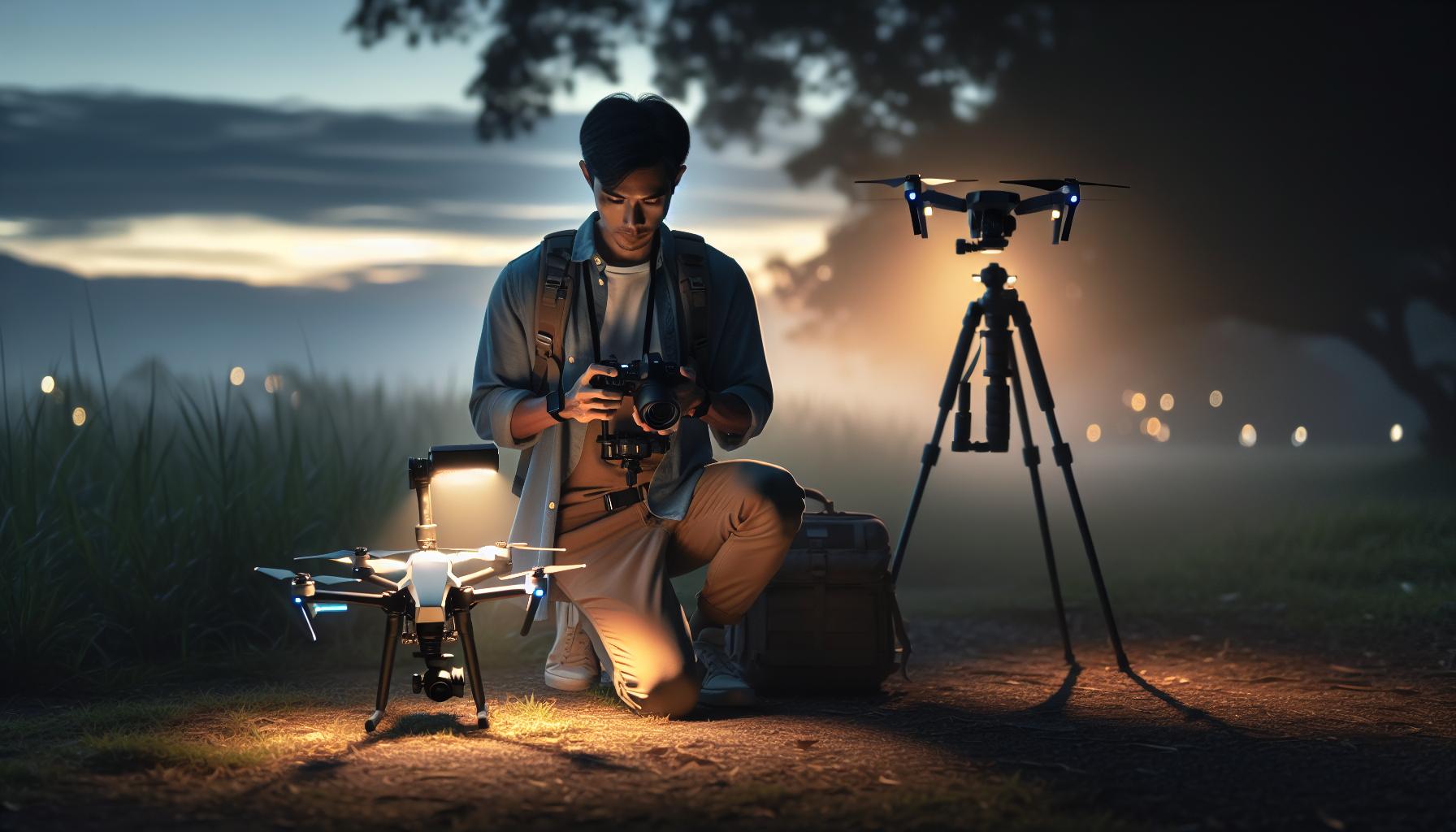
Understanding Low Light Performance in DJI Drones
The ability to capture stunning visuals during the twilight hours or in darkness is a hallmark of modern drones, with DJI leading the charge in low-light performance. DJI drones utilize advanced sensor technology paired with sophisticated algorithms to enhance image quality in dim lighting. This combination allows pilots to operate effectively when natural light diminishes, whether for cinematography, real estate photography, or search-and-rescue missions.
One of the critical factors in the low-light performance of DJI drones is their camera technology, specifically the sensor size and quality. Larger sensors can capture more light, reducing noise and improving image clarity under challenging conditions. For instance, the DJI Mavic 3T and other advanced models feature sophisticated low-light cameras and thermal imaging systems, enabling the capture of heat signatures in complete darkness. This technological edge empowers operators to identify targets or navigate spaces where visibility is a concern.
To fully leverage the capabilities of DJI drones in low-light situations, understanding the camera settings is paramount. Adjustments to the ISO settings, shutter speed, and exposure can dramatically influence the outcome of night-time imagery. A higher ISO can enhance sensitivity to light but may introduce grain; therefore, finding the right balance is crucial for optimal results. Additionally, incorporating practices such as utilizing an ND filter can help control exposure and achieve the desired artistic effects while shooting after sunset or before dawn.
As drone technology continues to evolve, keeping abreast of updates and enhancements is essential. Manufacturers often release firmware updates that improve low-light conduct, further refining how drones process images in challenging lighting. Regularly checking for updates and practicing with your drone in different low-light conditions can cultivate familiarity, ultimately boosting confidence and competence in nighttime operations. By mastering these aspects, pilots can unlock the full potential of their DJI platforms, creating breathtaking aerial content that truly shines, even in the absence of sunlight.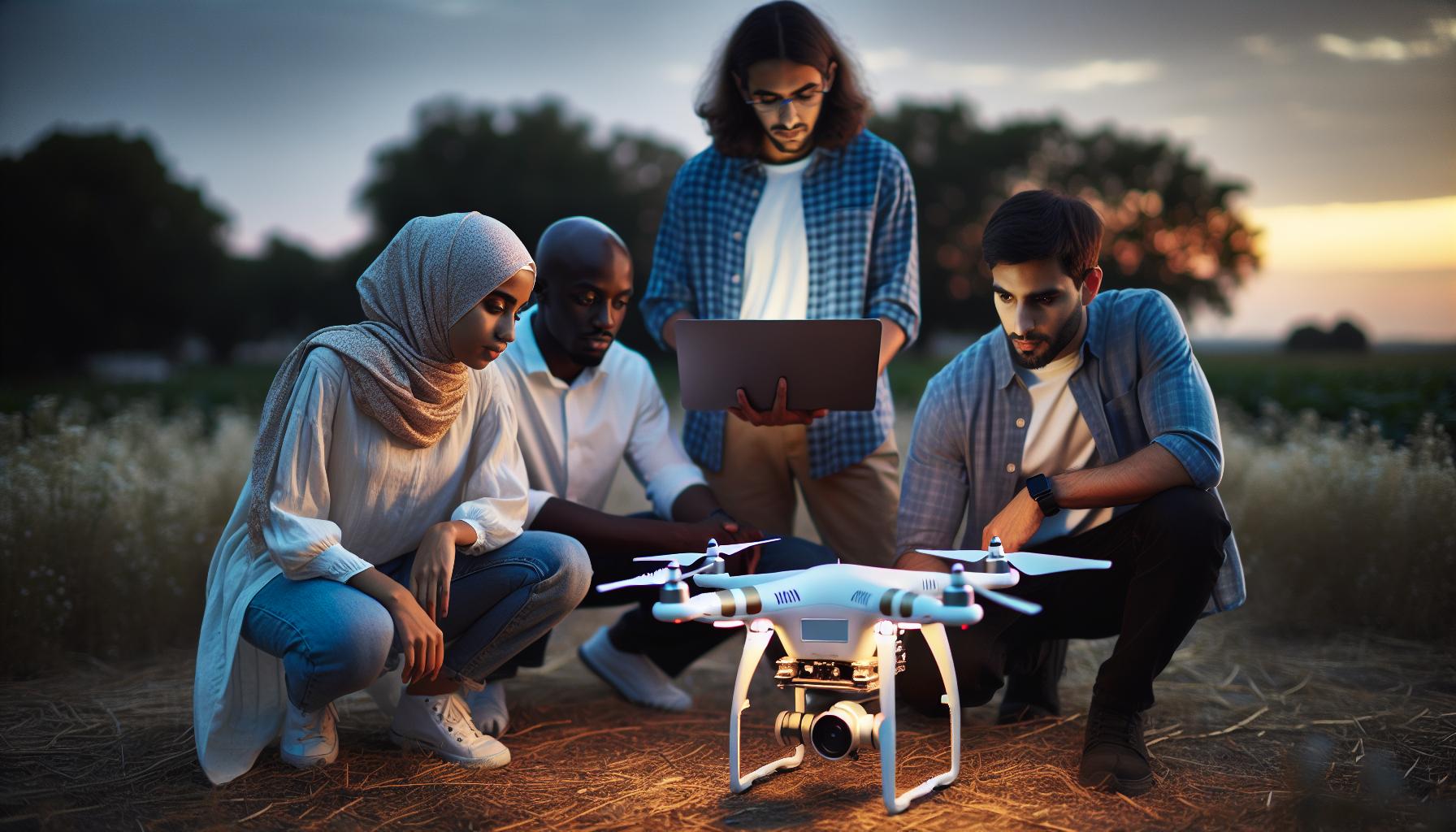
Exploring Night Vision Technology in Drones
The evolution of drone technology has led to impressive advancements, particularly in low-light and night vision capabilities. DJI has emerged as a leader in this realm, integrating night vision technology that can transform how aerial photography and videography are approached during the darker hours. The incorporation of special sensors and cameras designed specifically for low-light conditions enables these drones to capture stunning visuals that were once challenging, if not impossible, to obtain without extensive lighting equipment.
Modern DJI models, such as the Mavic 3T, are equipped with advanced low-light cameras that excel in capturing images in near darkness. These drones utilize larger sensor sizes, which allow more light to be gathered, reducing noise levels and enhancing overall image clarity. Additionally, many DJI drones feature thermal imaging capabilities. This technology allows operators to see heat signatures in complete darkness, making it an invaluable tool for search-and-rescue missions, wildlife monitoring, and even inspection tasks where visibility is compromised.
To maximize the effectiveness of night vision technology, understanding the settings and best practices is crucial. For example, pilots should familiarize themselves with adjusting ISO settings, which can effectively improve low-light performance while being mindful of the potential for added noise. Experimenting with different shutter speeds can also yield great results; slower speeds can capture more light, while faster speeds may prevent motion blur in windy conditions. Moreover, using an ND filter can help in controlling exposure and achieving cinematic results, even in low light scenarios.
Regular firmware updates play a significant role in enhancing night vision capabilities. DJI often releases updates that refine how drones process images in varied lighting conditions, allowing for continuous improvement in performance. Staying informed about these updates ensures operators can take full advantage of the latest features and enhancements available, thus elevating their nighttime flying experiences. By embracing these technologies and techniques, drone pilots can become more proficient and confident, capturing breathtaking visuals that showcase the beauty of nighttime scenery.
Comparing DJI Drones with Night Vision Features
Understanding the variety of DJI drones equipped with night vision capabilities is essential for enthusiasts and professionals alike. These advanced features not only enhance low-light performance but also expand the practical applications of drone technology in fields such as search and rescue, wildlife monitoring, and infrastructure inspection.
A standout model in DJI’s lineup is the DJI Mavic 3T, which boasts exceptional low-light imaging capabilities. Its larger sensor allows it to gather more light, resulting in clear, high-quality images even in near darkness. This drone also incorporates thermal imaging technology, enabling operators to visualize heat signatures distinctly in complete darkness, which can be a lifesaver in critical situations.
Another noteworthy candidate is the DJI Matrice 300 RTK, especially favored for industrial applications. It supports various payloads including the Zenmuse H20N, which features both optical and thermal capabilities. This dual function is particularly beneficial for professionals conducting inspections at night or in low visibility conditions. The integration of night vision features makes the Matrice series a versatile choice for commercial operators requiring reliable imaging technology under varying lighting conditions.
For hobbyists, the DJI Mini 4 Pro offers an impressive entry into low-light drone photography. Its night vision capabilities are not just a gimmick; they provide practical enhancements that allow users to capture stunning visuals after sunset. While it may not have the extensive features of higher-end models, its portability and user-friendly interface make it an excellent option for those looking to explore night photography without significant investment in professional equipment.
When comparing these models, it’s important for potential buyers to consider their specific needs. Hobbyists may prioritize lightweight and ease of use, while professionals might require advanced features like thermal imaging and extended flight times. As night vision technology advances, the distinctions between models will only grow more nuanced, and understanding these options will empower users to select the ideal drone for their nighttime missions.
Best DJI Models for Low Light Photography
For enthusiasts and professionals alike, mastering low-light photography with drones opens up a world of creative possibilities. DJI has engineered several models with impressive capabilities in this arena, allowing pilots to capture stunning visuals after dusk. Among the front runners, the DJI Mavic 3T stands out due to its large sensor and advanced imaging technology, which excels in dim conditions. It not only captures high-quality images but also integrates thermal imaging, making it a versatile tool for various applications, such as search and rescue operations and wildlife monitoring.
Another exceptional option is the DJI Matrice 300 RTK. This model is designed with industrial use in mind and supports a range of payloads, including the Zenmuse H20N gimbal, which offers both optical and thermal imaging. This dual functionality allows operators to conduct night inspections and monitor infrastructure effectively, ensuring that robust imagery is captured even in minimal light. The Matrice 300 RTK is often favored by professionals needing reliable performance in challenging environments.
For those who are new to aerial photography but want to explore nighttime capabilities, the DJI Mini 4 Pro provides an accessible entry point. Despite being compact and user-friendly, it offers commendable low-light performance, enabling users to achieve impressive results after sunset without the need for extensive equipment investment. This model proves that even lighter drones can deliver high-quality images, catering to hobbyists eager to enhance their nighttime photography skills.
When choosing the right DJI drone for low-light photography, consider factors such as specific needs-whether you’re a hobbyist or a professional-and the features that align best with your shooting scenarios. Whether you prioritize ease of use, advanced imaging technology, or customizable payload options, DJI’s diverse lineup offers something suitable for every type of pilot seeking to leverage the magic of low-light environments.
How to Use DJI Drones in Low Light Conditions
Mastering the art of flying DJI drones in low light conditions can unlock stunning visual opportunities that many enthusiasts and professionals overlook. Utilizing features like large camera sensors, advanced low-light performance settings, and smart flight modes, pilots can achieve exceptional results even after sunset. Whether you are monitoring wildlife, capturing nightscapes, or conducting inspections, understanding how to effectively operate your drone in these conditions is crucial.
To begin, ensure you have the right equipment. DJI models like the Mavic 3T and Matrice 300 RTK are equipped with capabilities designed for low light, including enhanced ISO settings and optical/thermal imaging. Before your flight, configure the camera settings: increase the ISO if you need to capture more light, but beware of too much noise in your images. Utilize the drone’s manual mode to gain complete control over exposure settings, allowing for better adjustments in dynamic lighting environments.
Planning and Preparation
Preparation is key when planning a flight in low light. Here are some vital steps to follow:
- Scout the Location: Familiarize yourself with the area during the day. Knowing the landscape will help you navigate more effectively at night.
- Pre-flight Checks: Ensure your drone’s firmware is up to date and conduct a thorough inspection of all hardware before takeoff.
- Lighting Conditions: Understand the available ambient light. Use natural light sources, such as street lamps or moonlight, to your advantage.
- Flight Time: Plan for shorter flight durations than a daytime flight, as battery performance can be impacted by cooler temperatures at night.
By executing thorough planning and correct operational techniques, flying a DJI drone in low-light scenarios can lead to breathtaking imagery and heightened versatility for various applications. Whether you’re shooting stunning landscapes or conducting essential nighttime inspections, these practices will enhance your capabilities while ensuring safer operations. Always remember to respect local regulations regarding drone use during night and inclement weather conditions, keeping in mind that visibility and public safety are of utmost importance.
Tips for Optimizing Night Vision on Drones
Capturing stunning images at night or in low-light conditions with DJI drones is not merely a matter of having high-quality equipment; it requires a strategic approach to optimize the drone’s night vision capabilities. To make the most out of your drone’s performance after sunset, consider several practical strategies tailored to enhance your low-light photography and videography.
One key aspect is to adjust your camera settings for optimal performance. Increasing the ISO can lead to better light capture, but be cautious; excessively high ISO settings may introduce unwanted noise into your images. Start by experimenting with moderate ISO values, gradually increasing them to find the right balance between sensitivity and clarity. Using manual mode allows you to take control of the exposure settings, enabling real-time adjustments as lighting conditions change. Remember, a slow shutter speed can help gather more light, but it may require steadying the drone to avoid motion blur.
Furthermore, investing in a high-performance lens filter can dramatically improve your low-light imaging. A neutral density (ND) filter helps manage the amount of light entering the lens without affecting the colors, offering greater clarity during twilight or nighttime photography. Additionally, meticulously plan your flight to utilize ambient light sources such as streetlights or the moon, enhancing your subjects while minimizing reliance on artificial lighting.
Considerations for Effective Usage
- Utilize Gimbal Stability: Ensure your gimbal is properly calibrated for smooth footage, particularly at slower shutter speeds where vibrations can severely affect image quality.
- Choose Optimal Flight Modes: Switch to intelligent flight modes that maximize stability and ease of operation, like tripod mode, which significantly reduces drone speed while increasing precision.
- Conduct Test Flights: Before an important shoot, conduct test flights in similar lighting conditions to fine-tune your settings and gain confidence in the drone’s performance.
- Monitor Battery Life: Cold temperatures can reduce battery efficiency, so keep an eye on your power levels and be prepared to land sooner than you would during daylight operations.
Combining these strategies can significantly enhance your results, allowing you to unlock the full potential of your DJI drone in low-light scenarios. With practice and attention to these critical aspects, you’ll be well-equipped to create breathtaking visuals even under the veil of night.
Common Myths About DJI Drones and Night Vision
Many enthusiasts believe that DJI drones possess advanced night vision capabilities akin to military-grade technology, but this misconception can lead to unrealistic expectations. While the camera systems in DJI drones, especially those like the Mavic series, are designed to perform admirably in low-light conditions, they do not feature true night vision functionality that amplifies ambient light in the same manner as dedicated night vision devices. Instead, they rely on high-quality sensors that can capture stunning images and videos by utilizing available light, making them more akin to low-light cameras rather than night vision gear.
Another common myth revolves around the idea that all DJI drones have the same low-light capabilities. This is not true, as different models come equipped with varying camera quality and sensor size. For instance, flagship models like the Mavic 4 Pro offer superior performance in low-light scenarios, thanks to their enhanced sensors and advanced imaging technologies. Comparing models, you might find that while some are better suited for low-light photography, others may struggle to produce clear images at dusk or dawn due to less effective light sensitivity.
Additionally, many drone operators assume that flying a DJI drone in complete darkness is safe and practical. In reality, operating drones without adequate ambient light poses significant risks, including difficulties in navigation and potential collisions. It is vital for pilots to understand that while drones can capture footage in low light, they should always prioritize safety by ensuring proper visibility and situational awareness.
Lastly, a prevalent misconception is that post-processing can entirely rectify poor-quality low-light footage captured by drones. While editing software can improve exposure and contrast to some extent, it cannot replace the inherent limitations of the original capture. Thus, achieving quality low-light images starts with a well-planned flight and proper camera settings, accompanied by a good understanding of how to make the best use of what the drone’s camera technology has to offer.
Firmware Updates for Night Vision Enhancements
Taking advantage of firmware updates can significantly enhance the performance of DJI drones in low-light conditions. DJI regularly releases firmware updates designed to improve various functionalities, including camera performance, battery efficiency, and flight stability. These updates can often include enhancements specifically aimed at bolstering the low-light capabilities of drone cameras, enabling users to achieve better results during nighttime or in dimly lit environments.
When updating firmware, it is essential to follow the correct procedures. First, ensure that your drone’s battery is fully charged, as interruptions during the update can cause issues. Connect your drone to the DJI Fly or DJI GO app on your mobile device and check for available updates. The app will guide you through the process, prompting you to download and install the latest firmware version. After the update, it’s advisable to recalibrate the gimbal and perform a test flight to confirm that the camera functions optimally.
Another notable aspect of firmware updates is the addition of new features that enhance nighttime photography. For instance, some updates have improved the noise reduction algorithms, allowing the drone to capture clearer images with less grain, even at higher ISO settings. Utilizing these advancements can lead to more detailed images in conditions where ambient lighting is minimal. To further optimize low-light performance, users can adjust camera settings after performing firmware updates; experimenting with exposure settings, shutter speeds, and ISO can yield dramatic improvements in image quality.
Lastly, staying informed about the latest updates and joining forums or user groups can provide valuable insights into how others are leveraging these enhancements for night flying. Reading user experiences also helps understand which firmware updates have had the most significant impact on low-light capabilities, enabling pilots to make informed decisions on when to update their devices and how to use their drones more effectively in low-light situations.
User Reviews: Night Vision Experiences with DJI Drones
Users frequently share their firsthand experiences with DJI drones and their performance in low-light conditions, offering valuable insights for prospective buyers and enthusiasts. Many pilots highlight that while DJI drones do not feature traditional “night vision” technology similar to FLIR systems, their superior low-light capabilities can produce impressive nighttime imagery with careful adjustments. For instance, drones like the Mavic 3 series have received glowing reviews for their ability to maintain clarity and detail even in dimly lit scenarios, primarily due to effective noise reduction and enhanced sensor performance.
Real-World Experiences
Many drone operators recommend specific strategies to optimize low-light flights. A common approach involves using manual camera settings to adjust the ISO and shutter speed. Operators have reported success by lowering the ISO as much as possible while using slower shutter speeds to allow more light to hit the sensor, which can significantly improve image quality at night. Some users mention the importance of utilizing ND filters. By reducing light intake during twilight hours, professionals can take longer exposures without overexposing their shots.
User feedback also indicates that pre-flight planning is crucial. Several pilots stress the importance of familiarizing themselves with the drone and its capabilities before flying in low-light conditions. Reports from various forums suggest that practicing flight maneuvers in daylight helps build confidence and experience, making pilots better prepared for nighttime operations. Users emphasize that having clear and open areas to soar is particularly beneficial for avoiding obstacles that become much harder to detect in the dark.
Image Examples and Feedback
Numerous reviews showcase stunning imagery with DJI drones, highlighting the contrast and vibrance achievable even in low-light contexts. Users often post comparisons of drone shots taken at dusk versus those captured at night, illustrating the gradual loss of detail and color depth as darkness sets in. Photographers frequently note the effectiveness of utilizing the automatic shooting modes after performing thorough firmware updates, which can introduce new features such as improved low-light functionality.
Despite the praise for low-light performance, it’s not without its challenges. Some pilots have voiced concerns about the lack of dedicated night vision, leading to hesitations about flying after sunset due to legal and safety implications. Many suggest adhering to local regulations regarding night flying and considering the use of flashing beacons or strobe lights to enhance visibility during low-light operations, underscoring the necessity of both safety and compliance while maximizing the creative potential of DJI drones in various lighting conditions.
Legal Considerations for Night Flying with Drones
Navigating the complexities of night flying with drones requires not only skill and experience but also an awareness of the legal landscape surrounding nighttime operations. As drone technology continues to advance, understanding the regulations that govern their use in low-light conditions is essential for both hobbyists and professional operators. In many jurisdictions, flying at night is subject to specific requirements that differ significantly from daytime operations.
First and foremost, it’s crucial to check local aviation regulations, as these can vary widely. In the United States, for instance, the Federal Aviation Administration (FAA) has established guidelines for night flying under Part 107 regulations, which apply to commercial drone operators. These guidelines stipulate that pilots must have a remote pilot certificate, maintain visual line of sight (VLOS) of the drone, and ensure that the drone is equipped with anti-collision lights. For hobbyists, different rules may apply, and registering your drone with the FAA is typically required.
To enhance safety during night flights, it’s recommended to utilize additional equipment. This includes adding strobe lights or LED beacons to increase visibility, which can help other flyers and aircraft see the drone. Operators should also plan their flights meticulously, ensuring they are familiar with the area and have identified potential hazards or obstacles that may be more difficult to see in the dark. Conducting thorough pre-flight checks and utilizing features such as GPS for precise positioning can further mitigate risks.
Furthermore, pilots must remain aware of their surroundings and avoid flying over populated areas or sensitive locations at night. This not only adheres to privacy regulations but also ensures the safety of individuals who may be unaware of drone operations nearby. Always consult the local laws and regulations regarding drone use after sunset, as certain areas may prohibit night flying altogether. Compliance with these regulations not only protects the operator but also promotes responsible use of drone technology within the community.
Frequently asked questions
Q: What DJI drones have night vision capabilities?
A: DJI models like the Mini 4 Pro and the Zenmuse H20N are equipped with night vision capabilities. The Mini 4 Pro features advanced sensors for low-light performance, while the Zenmuse H20N is designed specifically for nighttime operations with starlight sensors integrated into its cameras[1[1][3[3].
Q: How does night vision technology work in DJI drones?
A: Night vision technology in DJI drones typically utilizes starlight sensors and advanced imaging technology to enhance low-light performance. This allows the drone to capture detailed visuals in dark conditions, making it suitable for surveillance and nighttime photography[2[2].
Q: Can I use DJI drones for night photography?
A: Yes, you can use DJI drones for night photography, especially models with night vision capabilities. Ensure you understand the drone’s settings to optimize camera exposure and ISO levels for nighttime conditions to achieve the best results[1[1].
Q: What is the best way to improve low-light performance in DJI drones?
A: To enhance low-light performance in DJI drones, utilize manual settings to control exposure and ISO, keep the drone stable during shots, and utilize features like night mode if available. Reviewing the settings in the “How to Use DJI Drones in Low Light Conditions” section can provide further insights[1[1].
Q: Are there any legal restrictions for flying DJI drones at night?
A: Yes, flying DJI drones at night is subject to regulations. In many regions, operators must have specific FAA waivers or licenses to fly after dark. It’s crucial to check local laws and ensure compliance with safety guidelines[1[1].
Q: How can firmware updates enhance night vision features in DJI drones?
A: Firmware updates can improve night vision capabilities by optimizing camera settings and enhancing image processing algorithms. Check your DJI drone’s support page for the latest updates, which may include vital enhancements for low-light performance[2[2].
Q: What accessories can enhance night flying with DJI drones?
A: Using additional lighting accessories, like drone-mounted LED lights, can enhance visibility during night flights. Battery life accessories are also beneficial to ensure extended operation time in low-light conditions[1[1].
Q: How do I troubleshoot night vision issues with DJI drones?
A: To troubleshoot night vision issues, ensure the camera settings are optimized for low-light conditions, check for any firmware updates, and verify that the sensors are clean and unobstructed. Refer to the “Common Myths About DJI Drones and Night Vision” section for more insights[1[1].
In Conclusion
As we’ve explored, DJI drones indeed offer remarkable low-light performance, allowing you to capture stunning imagery even in dim conditions. Understanding how to leverage night vision capabilities can elevate your aerial photography to new heights. If you’re eager to optimize your drone experience further, check out our in-depth guides on drone setup techniques and the latest DJI model comparisons.
Don’t miss out on future insights! Subscribe to our newsletter for exclusive tips and updates that enhance your flying skills. If you have any lingering questions about night flying or DJI features, drop a comment below-we’d love to help! Remember, mastering your drone opens up a world of creative possibilities, so gear up and take flight today!