Did you know that effective communication between your DJI drone and its controller can drastically enhance your flying experience? Understanding how this intricate connection works is vital for ensuring seamless operation, maximizing flight range, and even safeguarding against potential interference. DJI employs advanced communication protocols like OcuSync and AES-256 encryption to create a reliable link, allowing both hobbyists and professionals to enjoy improved performance and security. As you delve into the mechanics of drone communication, you’ll uncover tips and insights that not only enhance your flying skills but also empower you to navigate challenges with confidence. Let’s explore the fascinating world of DJI drone communications and unlock the full potential of your aerial adventures.
Understanding DJI Drone Communication Technology

The evolution of drone communication technology is a cornerstone of the remarkable capabilities of DJI drones, transforming how operators connect with their aerial devices. Central to this innovation are the advanced communication systems that DJI has developed, such as OcuSync, which enhance the range and reliability of the connection between the drone and the controller. This sophisticated technology leverages multiple frequency bands, enabling seamless signal transmission even in complex environments.
DJI’s communication protocols are designed not just for efficiency but also for security. The use of encryption techniques, notably AES-256, is critical in safeguarding data during transmission. While basic models may not feature the same level of encryption as enterprise versions, DJI has made significant strides in improving the security of their communications, addressing prior concerns regarding potential vulnerabilities. This commitment to security is vital for operators who need to ensure that their control signals and data remain protected against interference and unauthorized access.
The establishment of a connection between DJI drones and their controllers involves a series of steps initiated as soon as the devices are powered on. The controller typically scans for available drones, allowing the operator to select the specific unit to connect with. Once linked, the drones and controllers communicate through a robust signal that adjusts dynamically to environmental conditions, optimizing performance and ensuring stable operation during flights. This foundational aspect of drone technology provides not only real-time piloting capabilities but also the functionality to transmit high-resolution video back to the operator.
Understanding DJI’s communication framework also involves acknowledging the potential challenges that can affect performance. Common factors influencing communication include physical obstructions, electronic interference, and environmental conditions such as weather. Keeping these elements in mind can help pilots mitigate risks and enhance their overall flying experience. By mastering the intricacies of these systems, users can better harness the full potential of their DJI drones for both recreational and professional applications.
The Role of Frequency Bands in Drone Control
Communication between DJI drones and their controllers relies heavily on the mastery of frequency bands, which are pivotal in ensuring seamless data transmission and control. DJI implements advanced frequency technologies to enhance the reliability and range of its drones, notably through its proprietary OcuSync technology. This system dynamically switches between 2.4 GHz and 5.8 GHz bands, optimizing the connection based on environmental conditions. The flexibility to alternate between these bands helps mitigate interference from various sources, such as Wi-Fi networks and urban obstacles, providing a stable connection even in challenging environments.
Using multiple frequency bands allows for improved performance characteristics during a flight. The 2.4 GHz frequency, while prone to interference due to its widespread use, offers greater range and is generally better at penetrating obstacles. Conversely, the 5.8 GHz frequency provides a higher data transfer rate and is less congested, enabling a clearer signal in open spaces. This switchability becomes especially critical for professional applications such as aerial photography or surveying, where the integrity of video and telemetry data is vital.
To make the most of these frequency capabilities, operators should be mindful of their flying environments. In areas with heavy electronic interference, selecting a clearer frequency band can significantly enhance control responsiveness and video feed quality. Additionally, familiarity with the conditions in which their drone performs best can lead operators to choose optimal flight paths, avoiding dense urban areas where interference might degrade performance.
Ultimately, understanding the role of frequency bands is essential for any DJI drone operator. Knowledge of these principles allows pilots to make informed decisions, enhancing their flying experience while maximizing the drone’s potential for both personal use and professional projects. Regularly updating firmware also ensures that the drone can access the latest enhancements in frequency management, further improving performance reliability in various situations.
Types of Communication Protocols Used by DJI

To navigate the skies effectively, it’s essential to understand the various communication protocols that enable DJI drones to connect seamlessly with their controllers. These protocols are fundamental in ensuring not only command execution but also the transmission of telemetry data and video feeds back to the pilot.
One of the most significant communication protocols employed by DJI is OcuSync. This proprietary technology leverages advanced algorithms to switch between 2.4 GHz and 5.8 GHz frequencies dynamically, allowing for superior signal stability and range. OcuSync is particularly adept at minimizing latency, which is crucial for applications such as live aerial videography where real-time feedback is necessary. This protocol enhances user confidence by providing a reliable connection over considerable distances, often exceeding 10 km for compatible models.
In addition to OcuSync, DJI drones utilize the Lightbridge system, especially in older models like the Phantom series. Lightbridge offers robust HD video transmission capability, which made it a popular choice before the introduction of OcuSync. Although its range and data rates are generally lower than those of OcuSync, it still provides considerable quality in capturing clear video and maintaining control within reasonable distances.
DJI also employs standard protocols such as Wi-Fi for connecting with mobile devices and some controllers. While not as robust as OcuSync or Lightbridge, Wi-Fi connections can serve essential functions, particularly for quick setup or when flying in environments where robust connection is not as critical. For instance, app interfaces often rely on Wi-Fi for firmware updates or for accessing multimedia content captured by the drone.
To ensure that pilots can make informed decisions regarding their flight operations, understanding these protocols is crucial. Each protocol serves a specific purpose and has its strengths and weaknesses. For instance, OcuSync excels in environments with potential interference, while Wi-Fi might suffice for short-distance leisure flying. Being knowledgeable about these technologies enables operators to optimize their flying conditions, choose the appropriate settings, and troubleshoot any connectivity issues that may arise during operation.
How DJI Drones Establish Connection with Controllers
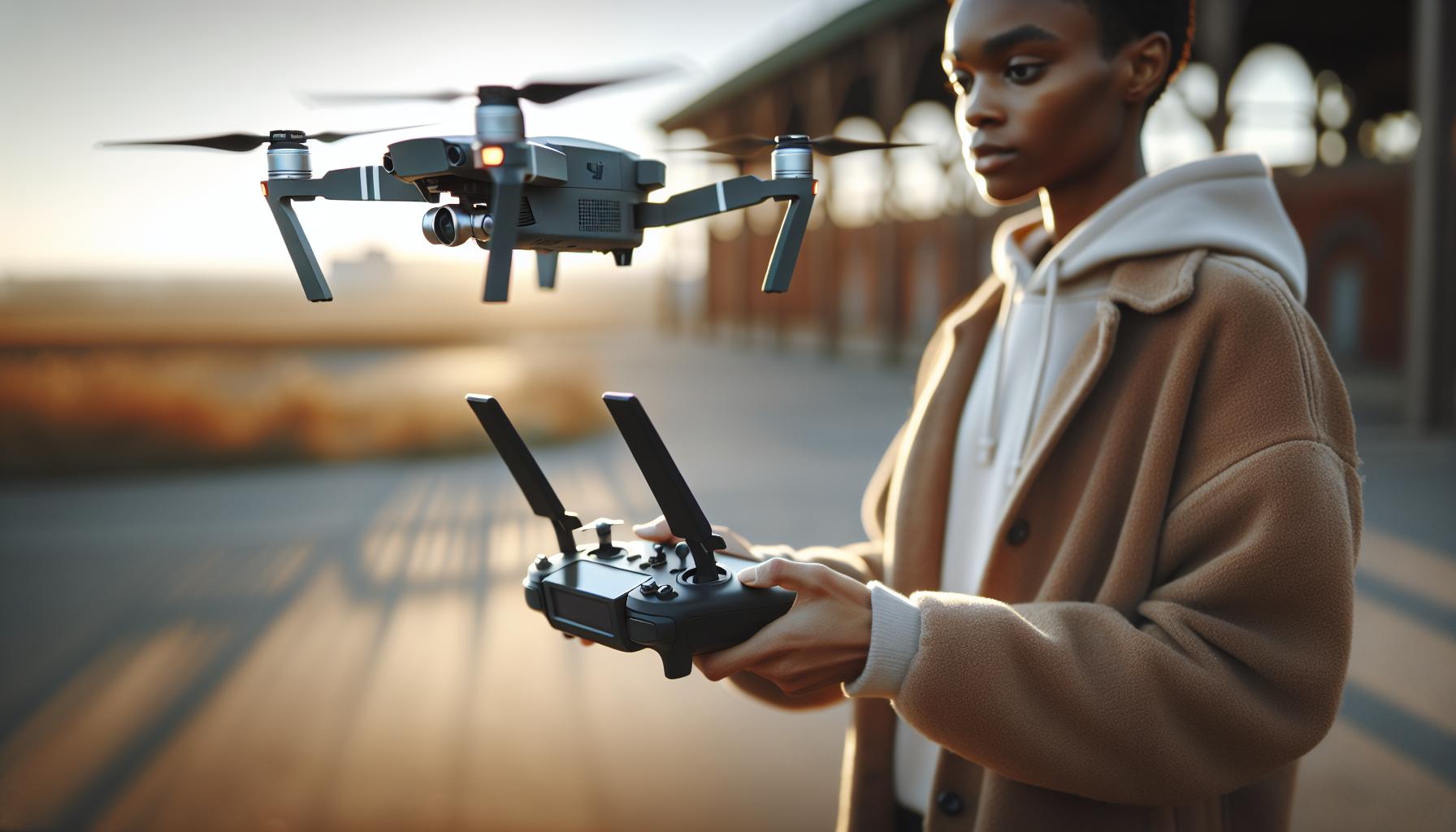
To achieve seamless communication between DJI drones and their controllers, a sophisticated series of steps is employed that ensures reliability and responsiveness. This process begins with the activation of a connection sequence, typically initiated when both the drone and the controller are powered on. The controller then searches for the drone, utilizing its built-in radio frequency (RF) technologies to establish a link. This connection is critical for enabling real-time input from the pilot and transmitting essential data back to the controller.
The primary communication method for most DJI drones, particularly in newer models, is based on the proprietary OcuSync technology. This system dynamically switches between 2.4 GHz and 5.8 GHz frequency bands to maintain optimal signal strength and reliability. By adapting to environmental conditions, OcuSync minimizes interference and latency, which is pivotal for maneuvers requiring quick reflexes, such as FPV (first-person view) flying. As a result, pilots can enjoy smoother control inputs along with uninterrupted video feeds that can reach distances exceeding 10 kilometers in ideal settings.
Once the initial connection is established, a handshake protocol is executed. This security layer confirms that both devices recognize and authenticate each other, ensuring that unauthorized interference is minimized. The drone begins to stream data such as GPS information, battery status, and telemetry back to the controller. This feedback loop is crucial for maintaining situational awareness, allowing operators to make informed decisions during their flight operations.
However, while the connection process is generally reliable, pilots may encounter occasional disruptions caused by interference from buildings, trees, or other technological devices. Understanding how to troubleshoot these issues-such as repositioning for a clearer line of sight or switching to an alternative frequency band-can help maintain a stable connection. Maximizing the drone’s communication capabilities not only enhances the flying experience but also promotes safe and effective aerial navigation.
Data Transmission and Signal Range Explained

Effective data transmission and signal range are crucial for the successful operation of DJI drones, allowing pilots to maintain control and receive real-time feedback from their aerial devices. At the core of this reliability is DJI’s proprietary OcuSync technology, which enables seamless communication even over long distances, typically exceeding 10 kilometers under optimal conditions. This impressive range is augmented by the ability to dynamically switch between 2.4 GHz and 5.8 GHz frequency bands, a feature that minimizes interference and maintains robust signal strength in diverse environments, whether in rural areas or urban settings with various obstructions.
The Role of Data Transmission Components
Successful data transmission involves several key components, including the drone, the remote controller, and the communication link established between them. Once the initial connection is established, a handshake protocol ensures both devices authenticate each other’s identity, creating a secure line for data sharing. This connection facilitates various types of data transmission, such as telemetry information, video feeds, and control commands. For instance, real-time telemetry data, including GPS coordinates, battery status, and altitude, is sent from the drone back to the controller, ensuring the pilot remains informed about the flight’s dynamics.
Issues with signal loss or interruptions can arise due to physical obstructions such as trees, buildings, or even other electronic devices operating within the same frequency range. To combat these common challenges, pilots should understand the positioning of their drone and controller. Maintaining an unobstructed line of sight significantly enhances the signal quality. Additionally, switching the frequency band manually, when possible, can help mitigate interference and restore a stable connection.
Enhancing Your Data Transmission Experience
For the best flight performance, ensure your DJI drone’s firmware is up to date, as updates often include improvements to connection stability and data transmission efficiency. Furthermore, practicing in various environments can help pilots learn how to better adapt to changing conditions that could affect signal range and data integrity. By following these guidelines, operators can maximize the potential of their DJI drones, enhancing both their flying experience and operational effectiveness in capturing stunning aerial imagery.
Common Interference Issues with Drone Communication
The seamless operation of DJI drones hinges on robust communication between the drone and its controller, yet several interference issues can disrupt this crucial link. Understanding these common challenges can empower pilots to navigate potential disruptions effectively and maintain steady control over their devices.
Physical obstacles present one of the most significant barriers to stable communication. Urban environments, characterized by dense buildings and numerous obstacles, can scatter signals, resulting in weakened connections. Similarly, natural barriers like trees, hills, or even heavy foliage can obstruct the signal path. To mitigate these issues, pilots should practice maintaining an unobstructed line of sight with their drone, thereby maximizing signal clarity and range. Utilizing the manual frequency switching feature, if available, can also help navigate crowded signal environments by selecting the less congested band.
Additionally, electronic devices operating within the same frequency range can introduce interference. Common household items such as Wi-Fi routers, microwaves, and Bluetooth devices might disrupt communication by competing for bandwidth. When planning a flight, pilots should be aware of their surroundings and avoid flying in areas densely populated with electronic devices, particularly those utilizing the 2.4 GHz frequency, which is common for both consumer Wi-Fi and drone controls.
Wireless communication systems are inherently subject to environmental conditions. Factors like atmospheric moisture, heavy precipitation, and electromagnetic interference from nearby power lines can degrade signal quality and lead to control loss. Pilots should be vigilant about weather conditions and adjust their flying plans accordingly. Flying in adverse weather not only risks losing signal but may also endanger the aircraft.
Ultimately, being proactive about potential interference issues equips pilots with the knowledge to prepare for flights comprehensively. By understanding the environmental and electronic factors affecting drone communication, users can enhance their flying experience, maximize operational safety, and ensure the effective capture of spectacular aerial imagery.
Safety Features in DJI Drone Communication Systems
From automatic return-to-home functions to encrypted data transmission, DJI drones are designed with an array of safety features that enhance communication reliability and pilot confidence in various conditions. In an ever-evolving landscape of drone technology, understanding how these safety measures work can significantly improve operational efficiency and reduce risks during flight.
One of the paramount safety features integrated into DJI’s communication systems is the return-to-home (RTH) functionality. This feature is triggered either manually by the pilot or automatically if the drone loses connection with its controller. Upon activation, the drone autonomously navigates back to its takeoff location, safeguarding it from potential hazards. This failsafe not only mitigates the risk of losing the drone but also ensures that it comes to rest in a planned spot, which is crucial for maintaining an effective communication link during critical operations.
Another key aspect is the use of frequency hopping and signal redundancy. DJI drones utilize 2.4 GHz and 5.8 GHz frequency bands, which allow for switching between channels in real-time to avoid interference. This capability is particularly beneficial in urban areas crowded with wireless signals. The intelligent transmission system continuously assesses the best possible frequency to operate on, enhancing the reliability of the connection and minimizing the likelihood of signal loss.
Furthermore, advanced encryption protocols are utilized, especially in DJI’s commercial products. This ensures secure data transmission, protecting flight data from unauthorized access. The encryption protocols not only secure control commands sent to the drone but also safeguard the video feed and telemetry data relayed back to the pilot. For operations involving sensitive data-like surveying infrastructure or filming in private locations-these security measures are essential for compliance and privacy.
Lastly, DJI includes a feature that alerts pilots to low signal strength or loss of control signal. By providing real-time feedback on the communication status, pilots can take appropriate actions before a connection is completely severed. This capability allows for timely decision-making, potentially avoiding dangerous situations where the drone could become uncontrollable.
By harnessing these safety features, DJI enhances the overall flying experience, allowing users to concentrate on capturing the perfect shot or executing complex missions with peace of mind. Understanding and effectively utilizing these robust safety measures can be a game-changer for both novice and experienced drone enthusiasts, enabling them to operate confidently in varied environments and challenging conditions.
Troubleshooting Connection Problems Between Drone and Controller
Connection issues between your DJI drone and controller can significantly hamper your flying experience. These problems often arise from various factors-whether interference from other devices, low battery on either unit, or even software glitches. Knowing how to troubleshoot these issues is crucial for smooth operation and ensuring you can get the most out of your flying sessions.
To resolve connection problems effectively, start by checking the battery levels of both your drone and remote controller. A low battery can lead to poor signal strength, causing disconnects or lagged responses. Make sure both devices are fully charged before heading out. If you’re using the DJI Go or Fly app, ensure there are no pending updates or glitches in the app that could interfere with the connection. Regular updates can fix known bugs and improve overall performance.
Next, consider the environment in which you’re flying. Signal interference is a common issue that can disrupt communication. DJI drones operate on multiple frequency bands (primarily 2.4GHz and 5.8GHz), and urban areas with numerous wireless signals can pose challenges. To mitigate this, try to relocate to a different area, ideally one with fewer obstacles and better line-of-sight access between you and the drone. Additionally, resetting the controller and drone connection can often resolve minor glitches. Most DJI remotes allow you to initiate a quick reconnection by simply pressing a combination of buttons, which reestablishes the communication link.
Lastly, keeping your drone’s firmware updated is essential. Each update not only introduces new features but typically also addresses potential connection issues and enhances overall performance. You can check for updates via the DJI app before your flight. If you continue to experience issues after following these steps, it may be beneficial to consult the user manual or DJI’s customer support for more specialized guidance tailored to your specific model.
By taking these proactive steps, you can minimize downtime due to connection problems and maximize the fun and functionality of your DJI drone. Whether you are a hobbyist capturing stunning aerial imagery or a professional conducting critical surveys, ensuring a stable connection is fundamental to a successful flight experience.
Advanced Communication Features in DJI Drones
DJI drones are equipped with cutting-edge communication technologies that significantly enhance their operation and user experience. One of the standout features is the OcuSync transmission system, which goes beyond traditional Wi-Fi connections, providing higher reliability and extended range. Not only does OcuSync allow for seamless video transmission and control, but it also supports live streaming in HD, which is crucial for both recreational and professional applications.
Another advanced feature is the ability to connect multiple devices. This means that a single remote controller can manage several drones simultaneously, opening new avenues for coordinated operations, such as aerial photography, surveying large areas, or conducting search and rescue missions. The emphasis on efficient multi-device connectivity underscores DJI’s commitment to innovation in drone capabilities.
Robust Data Security
Security plays a vital role in DJI’s communication framework. The system employs robust encryption protocols, including AES-256, to ensure the data transmitted between the drone and controller remains secure. This is particularly relevant for enterprise users handling sensitive data, as it protects against potential interceptions and unauthorized access.
Adaptive Frequency Switching
DJI drones also utilize adaptive frequency switching, allowing the systems to automatically switch between frequency bands (typically 2.4 GHz and 5.8 GHz) to optimize signal strength and minimize interference. This technology is essential for operating in environments teeming with potential disruptions, such as urban areas populated with various wireless signals. By maintaining a stable connection through these adaptive measures, DJI ensures a safer and more reliable flying experience for users.
In summary, the not only enhance operational efficiency but also ensure user safety and data integrity. Understanding and leveraging these features will empower drone operators to maximize their capabilities, whether for leisure, film-making, or professional surveying tasks.
Impact of Firmware Updates on Drone Communication
Regular firmware updates are paramount for maintaining the robust communication systems within DJI drones. These updates not only introduce new features and improvements but also enhance the existing communication protocols that ensure reliable interactions between the drone and its controller. One of the most significant impacts of firmware updates is the improvement of transmission stability. Users often report enhanced signal resilience and reduced lag times, which are critical when navigating complex environments or executing precision maneuvers.
Additionally, firmware updates can address vulnerabilities and patch security loopholes that could be exploited during data transmission. Given the sensitive nature of data collected during flights, such as aerial surveillance or mapping, ensuring secure communications is vital for both hobbyists and professional operators alike. For instance, enhancements to encryption protocols may be rolled out through updates to safeguard against potential interception, thus protecting the operator’s and client’s interests.
Moreover, these updates often include optimizations for frequency band usage. Adapting to changing environmental conditions, such as increased wireless interference, ensures that the drone maintains a stable operational frequency, thereby preventing signal dropouts and ensuring smoother connectivity. Operators may notice improved performance in urban settings where signal congestion is high, thanks to updated algorithms and adaptive frequency switching.
In conclusion, routinely checking for and applying firmware updates is not merely a precaution; it is essential for maximizing the communication effectiveness of DJI drones. By keeping the firmware current, operators can leverage the latest advancements in drone technology, ensuring their systems are as efficient, secure, and reliable as possible. Such vigilance not only enhances flight experience but also instills greater confidence in navigating the intricate landscapes where these drones operate.
Comparing DJI Communication Systems Across Different Models
When it comes to the communication systems used by DJI drones, understanding the differences across various models can significantly affect piloting experience and capabilities. DJI has developed a range of communication technologies tailored to meet the specific needs of different drone series, such as the Mini, Mavic, Phantom, Air, and Avata. Each model features unique attributes that enhance pilot control, data transmission, and security, making it essential for operators to comprehend these distinctions.
The Mini Series, for instance, typically utilizes simplified communication protocols suited for casual users. This means while it may lack some advanced features, it provides an intuitive flight experience. The Mavic Series, on the other hand, integrates more robust communication systems, including OcuSync technology, which offers extended range and improved signal transmission. OcuSync allows pilots to enjoy live video feeds at distances up to 10 km, thus enabling aerial photography and videography in challenging conditions.
Advanced Communication in the Phantom and Air Series
The Phantom Series employs a slightly older, yet still effective, Lightbridge technology, which ensures stable video transmission and allows up to 5 km distance control. In contrast, the Air Series also utilizes the latest OcuSync iterations but enhances it with more advanced features such as real-time HD video streaming and superior anti-interference capabilities, making it well-suited for both professional use and recreational flying in urban settings.
Finally, the Avata drone stands out with its FPV (First Person View) technology, integrating Wi-Fi 6 for enhanced communication speed and streaming quality. This model emphasizes drone racing and immersive flying experiences, showcasing DJI’s commitment to pushing the limits of drone technology in specialized applications.
Comparison Table: DJI Drone Communication Systems
| Model | Communication Technology | Max Range | Video Transmission Quality |
|---|---|---|---|
| Mini Series | Standard Protocol | 2 km | 480p |
| Mavic Series | OcuSync | 10 km | 1080p |
| Phantom Series | Lightbridge | 5 km | 720p |
| Air Series | OcuSync 3 | 10 km | 1080p |
| Avata | Wi-Fi 6 | 6 km | 1080p |
By recognizing the variations in communication systems, drone operators can better select a model that suits their specific flying needs, whether for casual photography, professional surveying, or immersive racing experiences. Each model’s unique communication technology plays a pivotal role in not only enhancing performance but also ensuring the safe and effective operation of DJI drones.
Future Trends in Drone Communication Technology
The rapidly evolving landscape of drone communication technology is set to transform how DJI drones interact with their controllers and the environment around them. As the demand for more sophisticated drone applications continues to rise, several key trends are shaping the future of this sector, making it essential for both enthusiasts and professionals to stay informed.
One significant trend is the advancement in communication protocols, particularly the wider adoption of 5G technology. With its ability to offer ultra-fast data transfer and lower latency, 5G can enhance real-time video streaming and control over greater distances. This could enable new possibilities such as live video feeds with minimal lag, crucial for applications like search and rescue operations or remote inspections. Additionally, the integration of artificial intelligence (AI) will likely play a key role in processing data collected during flights, allowing drones to make real-time decisions and improve flight safety.
Enhancements in Signal Resilience
As drone usage expands into urban and crowded areas, signal interference becomes a critical concern. The future may see improvements in signal resilience through advanced algorithms that dynamically adjust frequencies and power levels based on environmental conditions. This adaptability will not only ensure stable connections but also minimize the risk of losing control during operation. Furthermore, the implementation of mesh networks can facilitate a more reliable communication system among multiple drones, enhancing coordinated tasks such as monitoring large areas or performing complex aerial maneuvers.
Increased Focus on Cybersecurity
With enhanced communication capabilities, the issue of cybersecurity becomes paramount. Future DJI drones will likely incorporate sophisticated encryption protocols to protect data transmitted between the drone and its controllers. This focus on security will help safeguard sensitive information, particularly when drones are used for commercial purposes, such as surveying or data collection. Enhanced security measures will also build trust among users, encouraging wider adoption in various industries.
The Role of Edge Computing
Edge computing is another trend that will redefine drone communication. By processing data locally on the drone itself rather than relying heavily on cloud servers, the system can reduce latency and increase efficiency. This shift can lead to real-time analytics and quicker responsiveness, vital for applications in emergency services or critical infrastructure monitoring. As this technology matures, we can expect robust communication frameworks that empower DJI drones to operate more independently while still maintaining reliable connections with ground control.
In summary, the future of drone communication technology is poised for significant enhancements driven by advancements in 5G, AI, signal resilience, cybersecurity, and edge computing. These developments will not only improve the operational capabilities of DJI drones but also expand their applications across diverse sectors, empowering pilots to maximize their flight experiences safely and efficiently. As these trends unfold, staying informed and adapting to new technologies will be critical for drone operators looking to leverage the full potential of their aerial tools.
Frequently asked questions
Q: How do DJI drones communicate with their controllers?
A: DJI drones communicate with their controllers using encrypted radio signals, primarily through Wi-Fi or dedicated frequency bands such as 2.4 GHz and 5.8 GHz. This ensures a secure and reliable connection for both control commands and telemetry data transmission.
Q: What frequency bands do DJI drones use for communication?
A: DJI drones typically use 2.4 GHz and 5.8 GHz frequency bands for communication. These frequencies help maintain a stable connection while minimizing interference from other devices. The choice of band can affect signal range and quality.
Q: How does DJI establish a connection between the drone and the controller?
A: DJI drones establish a connection through a pairing process, which involves turning on both devices and selecting the appropriate communication channel. The drone and controller perform a handshake to ensure a secure link before initiating flight operations.
Q: Why is signal range important for drone communication?
A: Signal range is crucial because it determines how far the drone can fly from the controller while maintaining control. A greater signal range allows for more extensive flight paths without risking loss of connection or control.
Q: What are common interference issues with DJI drone communication?
A: Common interference issues include obstacles like buildings or trees, electromagnetic interference from devices such as radios and Wi-Fi routers, and environmental factors like weather. These can disrupt the signal and affect the drone’s responsiveness.
Q: How can I troubleshoot connection problems between my DJI drone and controller?
A: To troubleshoot connection issues, ensure both devices are charged and updated to the latest firmware. Check for signal interference and try moving to a location with fewer obstacles. Re-pair the devices if necessary by following the manufacturer’s instructions.
Q: What safety features enhance drone communication systems?
A: Safety features in DJI drone communication systems include return-to-home functionality, low signal warnings, and failsafe mechanisms that automatically land the drone if it loses connection with the controller, ensuring user safety and equipment protection.
Q: How do firmware updates affect DJI drone communication?
A: Firmware updates can enhance communication reliability, introduce new features, and fix existing bugs. Keeping your drone’s firmware updated is essential for optimizing its performance and maintaining effective communication with the controller.
The Way Forward
Understanding how DJI drones communicate with their controllers unlocks the full potential of your flying experience. By mastering the connection methods and signals, you can ensure smoother operation and enhanced performance. If you’re ready to soar to new heights, explore our detailed guides on advanced flight modes and tips for legal compliance to elevate your skill set immediately.
Don’t stop here! Dive deeper into drone setup and troubleshooting by checking out our expert tutorials on firmware updates and gimbal calibration. Have questions or insights? We’d love to hear from you in the comments below-join our growing community of drone enthusiasts today! For more invaluable resources and drone reviews, subscribe to our newsletter and stay ahead of the curve. Your next great flight starts now!