When it comes to flying a DJI FPV drone, one of the most pressing questions for enthusiasts and professionals alike is, “How far can it fly?” Understanding the range of your drone not only enhances your flying experience but also ensures safety and compliance with regulations. With advancements in technology, DJI FPV drones boast impressive distances, allowing you to capture breathtaking aerial views and immersive footage. However, factors such as battery life, environmental conditions, and flight modes can significantly impact this range. Whether you’re a hobbyist eager to explore new horizons or a professional seeking optimal performance, knowing the limitations and capabilities of your drone can greatly influence your planning and execution. Dive deeper into this guide as we explore the intricacies of DJI FPV drone range, ensuring you maximize every flight while staying informed and prepared.
Understanding DJI FPV Drone Range Specifications
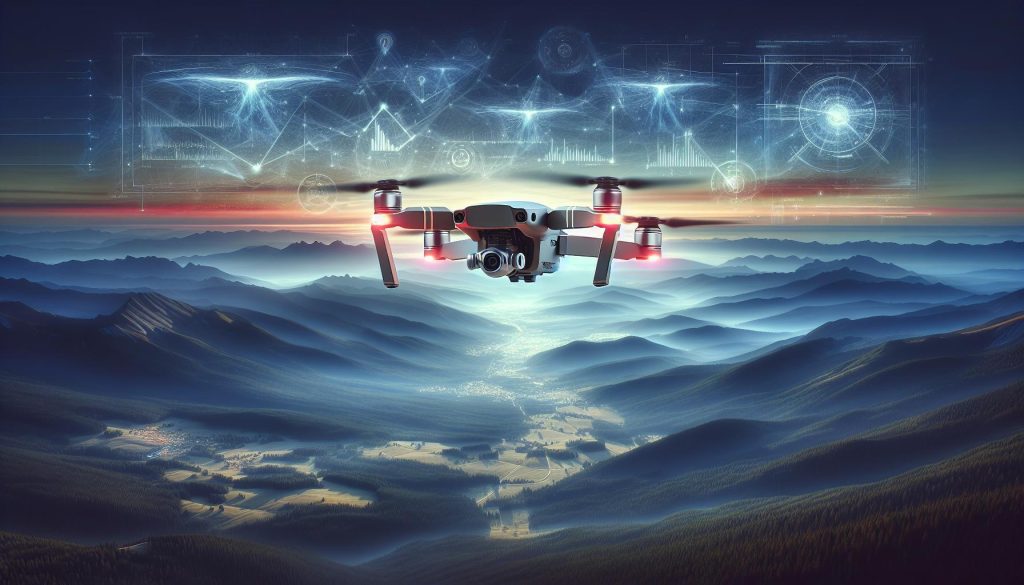
The DJI FPV drone is engineered with impressive range specifications that are crucial for both recreational flyers and professional users. In optimal conditions, the DJI FPV drone can achieve a maximum transmission range of up to 10 kilometers (6.2 miles) using the latest OcuSync technology. This not only allows pilots to explore expansive areas but also opens up the possibility for capturing stunning aerial footage from distances previously considered unfeasible. The drone’s combination of high-definition live video feed and low-latency control ensures a seamless flying experience, even at considerable distances.
To fully understand these specifications, it’s essential to consider how factors such as location, environment, and drone settings can impact flight range. For instance, flying in urban areas with numerous obstacles like buildings can reduce the effective range due to signal interference. Conversely, using the drone over open fields or at higher altitudes can significantly enhance the operational distance. Moreover, selecting the appropriate mode of flight-like Normal, Manual, or Sport-can influence both the control range and overall drone performance.
Maintaining optimal conditions not only involves understanding range specifications but also ensuring that the drone’s firmware and software are current. Regular updates from DJI often include enhancements to the drone’s communication protocols, which can improve stability and extend range. Additionally, the placement of the remote controller antenna can make a marked difference; utilizing a high position and avoiding obstructions can help maintain a robust connection. With proper knowledge and adherence to these specifications, drone operators can maximize their flight experiences while enjoying the remarkable capabilities that the DJI FPV offers.
Key Factors Influencing Drone Flight Distance
The range capabilities of DJI FPV drones are impressive, but understanding the various factors that influence flight distance is key for maximizing performance and ensuring reliable operation. Several elements contribute to how far your DJI FPV drone can fly, including environmental conditions, aircraft settings, and the nature of the remote control signal. Recognizing these factors empowers both hobbyists and professional operators to enhance their flying experience.
Environmental Factors
The environment in which you operate your drone plays a significant role in its overall flight distance. Urban areas filled with tall buildings and other obstructions often create signal interference that can drastically reduce range. In contrast, open spaces, such as fields or elevated areas, allow for clearer line-of-sight communication between the drone and remote controller, thereby improving the effective range. Additionally, flying at higher altitudes can also mitigate signal loss from obstacles on the ground.
Battery and Power Management
Battery performance is another critical factor affecting range. The DJI FPV drone’s power management system is designed to optimize battery usage, thereby extending flight times under optimal conditions. However, heavy payloads, aggressive flight maneuvers, and high wind resistance can drain the battery faster, limiting how far the drone can go. Regularly maintaining your battery health-such as avoiding deep discharges and keeping the battery charged between 40% and 80%-can help ensure consistent range performance.
Flight Mode and Settings
Choosing the right flight mode can also have a significant impact on range. For instance, flying in Normal mode typically balances speed and battery efficiency, offering extended flight distances suitable for most recreational uses. Meanwhile, modes like Sport may prioritize performance and responsiveness, which, while exhilarating, can reduce battery life and thereby limit range. Understanding these nuances allows pilots to tailor their flying style based on their specific needs, whether it’s capturing breathtaking aerial footage or simply enjoying a leisurely flight.
Signal Strength and Interference
The DJI FPV drone employs advanced OcuSync technology to maintain a strong connection between the drone and remote controller. However, signal strength can be influenced by several external factors including other electronic devices, physical barriers, and atmospheric conditions. To optimize signal integrity, pilots should aim to operate their drones in open areas away from Wi-Fi networks and other potential sources of interference. Additionally, positioning the remote controller antenna appropriately can enhance connectivity, further extending range capabilities.
By taking these critical factors into consideration, drone operators can significantly enhance their flying distance and overall experience while using the DJI FPV drone. Each flight presents a unique opportunity to apply these insights, ensuring not only compliance with safety guidelines but also elevating the quality of aerial photography and exploration.
Battery Life and Its Impact on Range
The performance of DJI FPV drones heavily relies on battery life, which directly impacts the distance the drone can effectively fly. Typically, the DJI FPV drone is equipped with a powerful lithium-polymer battery that offers around 20 to 30 minutes of flight time under optimal conditions. However, understanding how various factors affect battery performance can help pilots maximize their flying range.
One critical aspect of battery management is the drone’s weight capacity. Adding additional weight, such as mounting a camera or extra accessories, can strain the battery, causing it to drain more rapidly. To counteract this, it’s advisable to keep the drone as lightweight as possible. Frequent high-speed maneuvers can also consume battery life at an accelerated rate, so adopting smoother flight patterns can preserve energy for longer distances. Regular maintenance checks on battery health, including avoiding complete discharges and adhering to recommended charging protocols, can significantly enhance flight duration.
Additionally, battery life is influenced by the chosen flight mode. For example, flying in “Normal” mode typically optimizes battery use and allows for extended flight times, making it ideal for leisurely navigation and capturing footage. Conversely, “Sport” mode, while thrilling, can lead to quicker battery depletion due to its demands for speed and agility. Choosing the right mode based on your flying goals can help you navigate the balance between performance and battery endurance.
Lastly, environmental conditions shouldn’t be ignored. Higher wind speeds and adverse weather can compel the drone to work harder, consequently draining the battery faster. Pilots should monitor weather forecasts and opt for clear days to ensure each flight achieves maximum range. In summary, by managing weight, selecting appropriate flight modes, and keeping an eye on weather conditions, UAV operators can extend their flying range, enabling them to enjoy their apparatus to the fullest.
Real-World Testing: How Far Can It Go?

Testing the limits of a DJI FPV drone can yield exciting insights into its capability, revealing just how far it can fly under various conditions. Real-world examples often highlight that while the theoretical maximum range may be impressive, actual flight distances can vary based on numerous factors. Pilots have reported typical ranges reaching up to 10 kilometers (approximately 6.2 miles) under optimal conditions, utilizing the advanced OcuSync technology for stable HD video transmission.
However, these impressive numbers come with caveats. Various elements, including regulatory restrictions and the drone’s battery life, play essential roles in determining practical flight distance. For instance, pilots often experience significant range reduction in congested environments where obstacles and interference from buildings and other electronic devices hinder signal strength. Additionally, when flying in areas with high electromagnetic interference or heavy vegetation, the effective range can decrease, sometimes by half or more.
Real-world testing also demonstrates that battery performance and flight behavior directly influence operating distance. For instance, pilots who maintain a steady altitude and speed can maximize flight time significantly compared to those who frequently engage in aggressive maneuvers. A smoother flight pattern can preserve the battery, allowing for longer journeys. Moreover, factors such as wind resistance can pose challenges; a strong headwind will require more energy, thereby reducing the drone’s range. In ideal conditions, maintaining an altitude of around 100 meters (328 feet) helps in achieving optimal distances while ensuring the drone remains within regulatory visibility limits.
Ultimately, while it’s possible to push the boundaries of how far a DJI FPV can fly, understanding its operational limits through real-world testing is crucial. Evaluating conditions, battery management, and flight strategies makes informed piloting decisions, helping to safely maximize the exhilarating capabilities of these advanced drones.
Comparing DJI FPV to Other Drones in Range
One of the most compelling aspects of drone technology is the evolution of flight ranges among various models. The DJI FPV drone, boasting a theoretical maximum range of up to 10 kilometers (approximately 6.2 miles) under ideal conditions, showcases the potential of OcuSync technology in providing stable video transmission. When compared to other popular models, such as the DJI Mavic Air 2 or the Inspire series, this range is considerably impressive. The Mavic Air 2, for example, has a maximum range of around 10 km as well but lacks the immersive FPV capabilities that define the DJI FPV experience.
Range Comparison with Other DJI Models
To better grasp the range capabilities of the DJI FPV, it’s important to examine how it stacks up against its peers:
| Model | Max Range | Transmission Technology | FPV Features |
|---|---|---|---|
| DJI FPV | 10 km | OcuSync 3.0 | Yes |
| Mavic Air 2 | 10 km | OcuSync 2.0 | No |
| Inspire 2 | 7 km | Lightbridge | Yes |
| Phantom 4 Pro V2.0 | 7 km | Lightbridge | No |
When considering flight distance, one must also take into account the unique flight characteristics that the FPV drone offers. This model is designed specifically for high-speed activities and engaging maneuvers, allowing for a more thrilling flying experience compared to others, which often focus on stability and camera quality. With its advanced FPV features, such as low-latency video transmission and immersive first-person views, the DJI FPV provides not just a longer range but a distinctly enhanced piloting experience.
Other Brand Comparisons
When we look beyond DJI, brands like Autel Robotics and Parrot offer alternatives that feature competitive flight ranges. The Autel EVO Lite+, for instance, has a maximum range of up to 7.4 km, significantly benefitting from robust transmission capabilities, but it does not match the immersive experience of the DJI FPV. Parrot Drones, although often praised for their compact designs and obstacle avoidance, typically have a more limited range of approximately 4 km, which may not meet the expectations of serious FPV enthusiasts.
In summary, while the DJI FPV drone stands out with its exceptional range and immersive capabilities, understanding how it compares with both DJI’s own lineup and competitors enriches the overall understanding of its positioning in the drone market. This knowledge empowers pilots to make informed choices based on their specific flying needs and preferences.
Environmental Factors Affecting Flight Distance
The performance of the DJI FPV drone, particularly its range capabilities, can be significantly influenced by various environmental factors. Understanding these variables is essential for any operator aiming to maximize their flying experience. Conditions such as wind speed, temperature, and even urban interference can all play a pivotal role in how far and how effectively a drone can operate.
Wind Conditions
One of the most impactful environmental factors is wind. High winds can not only cause loss of control but also increase the amount of power required for the drone to maintain stability. For instance, while the DJI FPV may boast a theoretical range of 10 km, strong headwinds could drastically reduce this effective range, sometimes halving it during challenging conditions. Pilots should regularly check local weather reports and consider flying in the early morning or late afternoon when winds are typically calmer.
Temperature Extremes
Temperature variations also affect flight performance. Lithium polymer batteries, like those used in the DJI FPV, perform best in moderate temperatures, typically around 20°C to 25°C (68°F to 77°F). In colder conditions, battery efficiency decreases, leading to reduced flight times and, consequently, range. Conversely, high temperatures may cause the drone to overheat, activating thermal protection and limiting performance. Pilots flying in extreme conditions should prepare by adjusting battery usage and minimizing heavy maneuvers to conserve power.
Urban Areas and Signal Interference
Flying in urban areas presents another challenge. The increased number of obstacles, including buildings and electric interference from numerous devices, can interrupt the drone’s transmission signals. DJI’s OcuSync technology provides robust transmission capabilities; however, pilots are advised to maintain a direct line of sight whenever possible. Flying in areas with fewer obstructions and away from high interference zones can help achieve optimal range.
By aware of these environmental conditions and adjusting their flight strategies accordingly, operators can unlock the full potential of the DJI FPV drone. Optimal range is not solely a factor of the drone’s specifications but also of the conditions in which it is flown.
Tips for Maximizing Your Drone’s Range
To achieve the highest possible range with your DJI FPV drone, a combination of strategic planning, technical optimization, and environmental awareness is essential. By understanding how different factors affect performance, you can significantly extend your drone’s operational distance and enhance your flying experience.
One key practice is to pre-flight planning. Always check the weather conditions before your flight. Ideal conditions involve low wind speeds and moderate temperatures, as both can greatly affect battery life and signal integrity. Additionally, consider the time of day; flying early in the morning or late in the afternoon often results in calmer air, allowing your drone to fly farther without the interference of strong gusts.
Another critical point is battery management. Ensure your batteries are fully charged and calibrated before every flight. Avoid aggressive maneuvers that can drain the battery quickly, and consider flying at a steady pace instead of rapid accelerations. Keep an eye out for battery health indicators on your controller to avoid going beyond safe limits. When flying, maintain a direct line of sight to the drone to help with signal integrity, which contributes to improved range.
Finally, utilize the advanced features of your DJI FPV system, such as the OcuSync technology. This technology enhances your transmission range and stability, even in urban environments. Ensure your firmware is up to date to take advantage of any performance improvements. By combining these elements, not only can you enhance your flight range, but you also ensure a safer and more enjoyable flying experience.
Implement these strategies, and you’ll maximize the potential of your DJI FPV drone, making the most out of every flight.
Understanding the DJI FPV Remote Controller
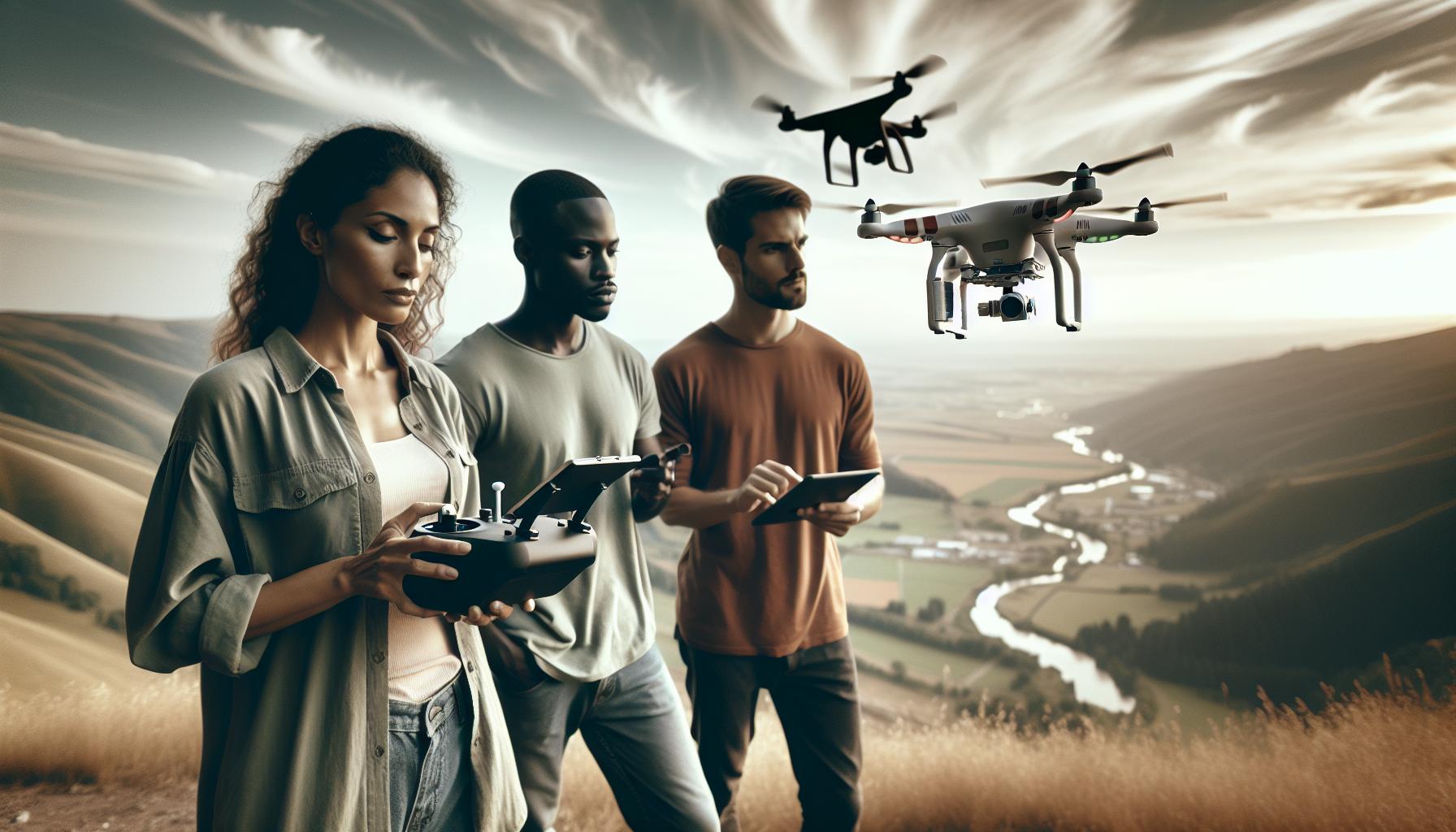
The DJI FPV Remote Controller is a powerful tool that significantly influences your drone’s range and overall flying experience. It features advanced technology, such as OcuSync 3.0, which provides an impressive transmission range of up to 10 kilometers under optimal conditions. This means you can enjoy high-definition video streaming and real-time telemetry data far beyond what most pilots might expect. Using the remote controller effectively can help you push the boundaries of your FPV flights, enhancing your ability to explore and capture stunning aerial footage.
The ergonomics of the DJI FPV Remote Controller also play a crucial role in its functionality. Designed with user comfort and intuitive control in mind, it offers customizable buttons that allow you to set up shortcuts for frequently used features. This capability ensures that essential controls are easily accessible, enabling you to focus on flying rather than fumbling with controls. The high-quality analog sticks provide precise movements, which is particularly important during FPV flying where quick reflexes are required to navigate obstacles.
To maximize the effective range and signal integrity, ensure that the remote controller is not obstructed by any objects. Always keep it oriented towards the drone for optimal line-of-sight communication. If you’re flying in areas with potential interference, such as near tall buildings or trees, consider adjusting your flight path to maintain a clearer connection. Regularly checking the firmware of your remote controller and the drone itself will also keep your systems up to date and improve overall performance, making your flying experience even more reliable.
In summary, understanding and utilizing the features of the DJI FPV Remote Controller can significantly enhance your flight range and effectiveness. By customizing controls, maximizing line-of-sight connections, and keeping systems updated, you can enjoy an unparalleled drone flying experience.
Maintaining Signal Integrity for Longer Flights
Maintaining optimal signal integrity is crucial for DJI FPV drone pilots who want to push the boundaries of flight distance while ensuring safety and control. One of the standout features of the DJI FPV system is the OcuSync 3.0 technology, which enables a robust connection and long-range transmission. However, to maximize these capabilities, attention to various factors is essential.
To begin, always maintain a clear line of sight between the remote controller and the drone. Obstacles such as buildings, trees, or even heavy foliage can disrupt the signal, leading to degraded video feed and potential loss of control. Pilots should also be mindful of surroundings while choosing flight locations. Flying in open spaces with minimal interference not only improves the signal integrity but also enhances the overall flying experience.
Additionally, the positioning of the remote controller plays a pivotal role in maintaining signal strength. Keep the antennas pointed toward the drone, as this orientation optimizes the transmission. If aerial maneuvers require changing the drone’s direction, subtly adjusting the controller’s position can help retain a strong connection. Here are some practical tips to reinforce signal integrity during flights:
- Pre-flight Check: Always check both drone and remote controller firmware before flying. Outdated software can impair performance.
- Monitor Interference: Be aware of your surroundings. Avoid flying near high-tension wires, radio towers, or Wi-Fi routers.
- Use Signal Boosters: Consider using external antennas or repeater systems to extend range, particularly in challenging environments.
- Adjust Flight Altitude: Sometimes, flying at a higher altitude can improve signal clarity by reducing the number of potential obstructions.
Lastly, pilots should regularly practice maintaining their drone within the optimal range of the remote controller during flight. Gradually testing the limits in various environments can build confidence and familiarity with how distance affects signal strength. As technology continues to evolve, keeping abreast of the latest advancements will empower pilots to utilize their DJI FPV drones more effectively and safely, ensuring a thrilling and trouble-free aerial experience.
Legal Restrictions on Drone Flight Distance
In the world of drone flying, understanding the legal landscape is crucial for ensuring safe and compliant operations. Each country has its own regulations governing drone usage, and these laws often include specific restrictions on flight distances. For example, in the United States, the Federal Aviation Administration (FAA) requires that drone operators maintain visual line of sight (VLOS) with their aircraft at all times. This rule limits practical flight distances, especially when flying beyond this visual range becomes necessary for capturing unique aerial perspectives.
In the European Union, regulations enforced by the European Union Aviation Safety Agency (EASA) mandate that drones must operate within the confines of certain “zones” and comply with altitude limits. For instance, the maximum altitude for recreational drone pilots is typically capped at 120 meters (approximately 400 feet) above ground level, which can further influence flight distance. It is essential for DJI FPV drone pilots to familiarize themselves with these restrictions, as violating them can lead to severe penalties, including fines and potential loss of flying privileges.
Key Considerations for Compliance
Engaging in responsible drone flying starts with thorough knowledge of local laws and regulations. Here are some vital aspects to consider:
- Registration Requirements: Ensure your drone is registered with the relevant aviation authority, as many countries require this step based on the drone’s weight.
- Restricted Airspace: Be aware of no-fly zones, such as near airports, military bases, or densely populated urban areas, where flight is prohibited or heavily restricted.
- Altitude Limits: Follow specified altitude limits to minimize risks to manned aircraft and ensure safety.
- Flying at Night: Many jurisdictions have limitations on flying after dark, necessitating special permissions or equipment for night operations.
Maintaining a comprehensive understanding of these legalities not only protects you as a pilot but also contributes to the safe integration of drones into the airspace. Regularly checking for updates to laws and regulations is crucial, especially as drone technology and its applications continue to evolve. Engaging with local drone communities and forums can also provide valuable insights on navigating these complexities effectively.
Troubleshooting Common Range Issues
In the pursuit of capturing breathtaking aerial footage with a DJI FPV drone, encountering range issues can be frustrating. However, understanding and troubleshooting these common challenges can significantly enhance your flying experience. A solid grasp of potential pitfalls will empower operators to maximize their drone’s performance and utility in various conditions.
One prevalent issue is signal interference, which can arise from various sources, including nearby Wi-Fi networks, cellular towers, or even certain types of weather. To mitigate this, always conduct pre-flight checks in a location with minimal electronic interference. Operating in open spaces away from urbanized areas can help maintain a robust connection. If your signal does weaken unexpectedly while flying, returning to a known strong signal zone can often restore communication before you lose the drone.
Battery life plays a crucial role in operating range. It’s essential to ensure that your drone’s batteries are fully charged and in good condition before flight. Regularly checking battery health through the DJI app can provide insights into whether a battery needs replacement. If you find that your drone is losing connection too soon, consider carrying a spare battery to boost your total flight time and improve the likelihood of completing your objectives without incident.
Environmental factors are another critical aspect to be aware of. High winds, heavy foliage, and structural obstructions can all reduce the maximum range. Understanding your drone’s capabilities and adjusting your flying altitude or direction according to the terrain can help counteract these challenges. For instance, flying higher can sometimes provide a clearer line of sight and reduce the impact of obstacles.
Lastly, ensure that your firmware is always up to date. Manufacturers like DJI frequently release updates that can enhance flight stability and range. Regularly checking for updates and implementing them before flying can ensure that you are utilizing your equipment’s full potential, resulting in a smoother flying experience with reduced likelihood of encountering range-related issues. By tackling these common range problems with informed strategies, you can significantly enhance your drone piloting proficiency and enjoy your flights to the fullest.
Future Innovations: What’s Next for Drone Range?
The future of drone range technology holds exciting possibilities that promise to enhance the flying experience for enthusiasts and professionals alike. Innovations in signal transmission, battery efficiency, and integrated technology are set to redefine how far drones like the DJI FPV can operate without losing connection or compromising performance.
One of the most promising advancements lies in the development of improved communication protocols such as OcuSync and Lightbridge, which have already demonstrated substantial improvements in signal reliability and distance capabilities. These technologies utilize adaptive frequency hopping and increased transmission power, enabling drones to maintain robust connections over greater distances. This not only enhances the operational range but also provides better video quality and controls in real-time, regardless of the environment.
In concert with these communication enhancements, advancements in battery technology are equally crucial. The ongoing research into lighter, more efficient batteries-such as lithium-sulfur and solid-state batteries-may significantly extend flight times and range. With longer-lasting batteries, drone operators can explore expansive landscapes or conduct complex missions without the constant worry of battery depletion disrupting the flight. Moreover, improved energy recovery systems during descents can help sustain power levels, effectively pushing the boundaries of distance capabilities.
Automated features such as geofencing and intelligent obstacle avoidance are also vital in future innovations. As drones become smarter, their ability to navigate autonomously in unfamiliar terrains can reduce the need for constant manual control, allowing pilots to explore areas that were previously difficult to reach. Enhanced AI systems will soon facilitate real-time route planning, optimizing flight paths based on current weather conditions, battery status, and even air traffic.
Lastly, regulatory frameworks are slowly adapting to new technology, potentially removing traditional barriers and encouraging innovation. As global regulations evolve, there may be greater flexibility in terms of altitude and range, fostering an environment where drone capabilities can expand almost unbounded. This shift could ultimately lead to a landscape where drones seamlessly integrate into everyday activities, revolutionizing industries from filmmaking to agriculture and beyond.
As these developments materialize, stay engaged with the latest updates from DJI and other manufacturers. Participating in drone communities and forums can also provide insights into upcoming features that could impact flight range, ensuring you remain ahead in this rapidly evolving field.
FAQ
Q: How far can a DJI FPV drone fly?
A: The DJI FPV drone has a maximum range of approximately 10 kilometers (6.2 miles) in optimal conditions. However, various factors such as battery life, terrain, and signal interference can significantly affect this range.
Q: What factors affect the range of a DJI FPV drone?
A: Several key factors influence the flight distance of a DJI FPV drone, including battery life, environmental conditions (like wind and obstacles), and the quality of the signal from the remote controller.
Q: Can I increase the flight range of my DJI FPV drone?
A: Yes, you can maximize your DJI FPV drone’s range by flying in open areas away from obstructions, ensuring your firmware is up to date, and using the correct flight modes that optimize signal integrity.
Q: Are there legal restrictions on how far I can fly a DJI FPV drone?
A: Yes, local regulations typically impose restrictions on drone flight distances and areas. Always check your country or region’s drone laws before flying your DJI FPV drone.
Q: How does battery life impact the range of a DJI FPV drone?
A: Battery life directly affects the maximum achievable range of a DJI FPV drone. As the battery depletes, the drone’s effective range decreases, and it may not maintain a stable signal, leading to potential loss of control.
Q: How does the DJI FPV drone’s range compare to other drones?
A: The DJI FPV drone offers a competitive maximum range of about 10 kilometers, similar to many high-end drones but less than some specialized long-range models. For detailed comparisons, check the “Comparing DJI FPV to Other Drones in Range” section of our article.
Q: What measures can I take to maintain signal integrity during flight?
A: To maintain signal integrity for longer flights, keep the drone in line of sight, avoid flying near tall structures, and monitor environmental factors like radio frequency interference.
Q: What are some common range issues with the DJI FPV drone?
A: Common range issues include signal loss due to obstacles, poor battery health, and interference from other electronic devices. If you encounter range problems, refer to our “Troubleshooting Common Range Issues” section for solutions.
Closing Remarks
In conclusion, understanding the range capabilities of DJI FPV drones empowers you to optimize your flying experience and unlock new creative possibilities. Whether you’re a hobbyist capturing stunning aerial footage or a professional pushing the limits, knowing how far your drone can fly is crucial. If you’re eager to elevate your skills further, check out our guides on drone setup and maintenance, as well as tips for mastering advanced flight modes.
Ready to take your DJI flying experience to the next level? Don’t miss our expert tutorials on drone calibration and firmware updates! Join our community by commenting below with your experiences, sharing this article, or exploring more insightful content. Remember, your next great adventure is just a flight away-so get out there and make the most of your drone. Exploring safety procedures and additional features like obstacle avoidance can also enhance your flying confidence. Keep discovering, and happy flying!