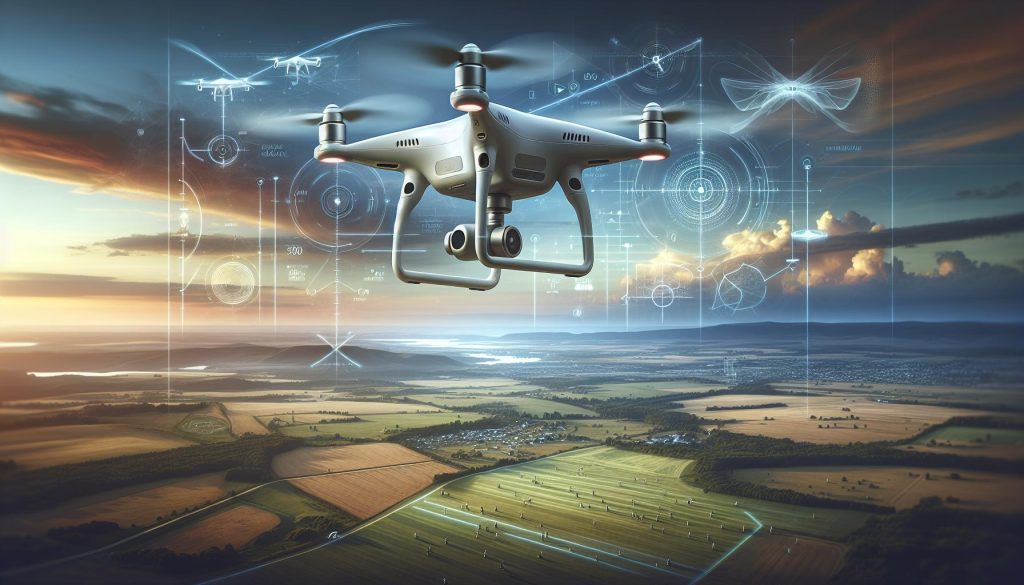
Did you know that many DJI drones can achieve impressive flight ranges, often reaching up to several miles? This capability fascinates hobbyists and professionals alike, but understanding the difference between legal and technical limits is crucial for safe and responsible flying. Whether you’re capturing breathtaking landscapes or conducting professional aerial surveys, adhering to regulations while maximizing your drone’s potential is essential. In this article, we’ll explore how far DJI drones can truly fly, considering both the technical specifications and the legal frameworks that govern drone usage. Stay tuned to unleash the full capabilities of your aerial adventures while staying within the bounds of the law.
How Far Can DJI Drones Fly? Understanding Flight Range
Understanding how far DJI drones can fly involves grasping both the legal and technical limitations that pilots face. The range of a drone is primarily determined by its control signal, battery capacity, and various external environmental factors. For example, several DJI models can achieve impressive ranges-often up to 8 kilometers (roughly 5 miles)-under ideal conditions. This potential distance showcases the advancements in drone technology, but it’s essential to remember that this range can significantly vary.
Legal Limitations
Regulatory bodies like the FAA in the United States have put in place regulations that restrict drone operations beyond a certain distance from the operator, typically limited to visual line-of-sight (VLOS) flights. This means that even if a drone is technically capable of flying further, legal constraints often prevent pilots from doing so. Understanding these regulations is essential for any operator, as they can lead to fines or even the confiscation of equipment if violated.
Technical Limitations
Several factors influence the flight range of DJI drones, including:
- Signal Interference: Obstacles like buildings, trees, or hills can obstruct communication between the drone and the remote controller.
- Battery Performance: A fully charged battery is crucial for maximizing range; as the battery depletes, the signal strength and drone performance can decline.
- Firmware Updates: Keeping drone firmware up-to-date can optimize performance and potentially enhance range.
- Environmental Factors: Weather conditions such as wind and rain, as well as electromagnetic interference, can affect the drone’s range.
This interplay of legal and technical aspects makes understanding flight range an essential component of responsible drone operation. Enabling the maximum flight distance while adhering to local laws and recognizing your drone’s technical capabilities allows for safe and effective aerial photography or recreational flying.
Legal Limitations for Drone Flight: What You Need to Know
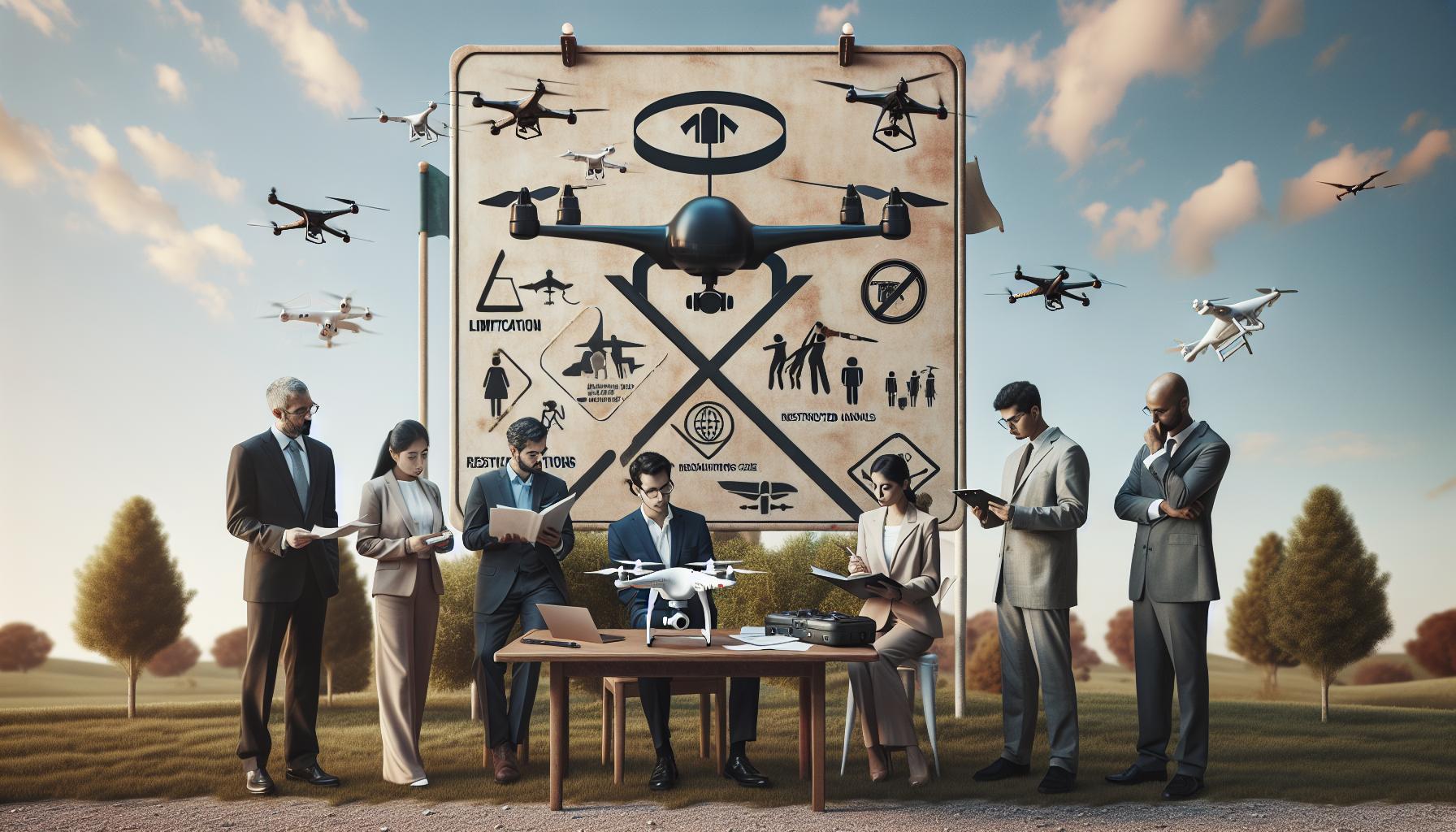
Understanding the legal landscape surrounding drone flight is crucial for any operator looking to maximize the potential range and capabilities of their DJI drones. Each country has its own regulations governing the operation of drones, and these laws can significantly impact how far and in what manner drones can be flown. For instance, in the United States, the Federal Aviation Administration (FAA) enforces strict guidelines that prohibit flying beyond visual line-of-sight (VLOS). This means that even though your DJI drone might technically have the capacity to fly several kilometers away, legally, you must maintain a direct visual line to the aircraft to ensure safe operation.
In addition to VLOS requirements, operators must consider airspace restrictions. Drones cannot be flown in controlled airspace without appropriate permissions, which typically involves filing for a waiver or ensuring the drone remains below certain altitude limits. National parks, near airports, and urban areas often have additional local restrictions that can limit your ability to fly without prior permissions. Violating these airspace regulations can result in hefty fines, damage to your reputation, and potentially severe legal consequences.
As the popularity of drone technology continues to surge, local jurisdictions are establishing more specific laws concerning drone usage, often involving registration and user accountability. Operators should ensure their drones are registered and that they are familiar with local regulations. Regularly checking for updates on these laws is essential, as compliance not only preserves good standing in the community but also ensures the safe and responsible use of this technology.
Finally, be aware that some areas may have temporary restrictions in place due to special events, emergency situations, or environmental considerations, further affecting where and how far you can fly. Familiarizing yourself with applicable regulations is not just about adhering to the law-it’s about cultivating responsible flying habits that enhance the safety and enjoyment of drone operation for everyone involved. Always ensure you are up to date, as rules could change based on new legislation or evolving technology.
Technical Flight Limits: Factors Affecting Range

Understanding the technical specifications of DJI drones is crucial for maximizing their flight range. Various factors come into play, significantly influencing how far these capable machines can travel. Notably, the flight range can be affected by the drone’s design, environmental conditions, and pilot actions, making it essential for operators to comprehend these elements for optimal performance.
One primary factor is the transmission technology used in DJI drones. Most models feature OcuSync technology, which enables high-definition video transmission over considerable distances. For example, the Mavic Air 2 can connect to the remote control from up to 10 kilometers away, given ideal conditions. However, it’s vital to remember that this distance can decrease significantly in urban environments filled with obstacles that can interfere with signal strength. Therefore, operators should always test their drone in diverse settings to understand how different conditions affect the control range.
Another crucial aspect is battery life, which directly impacts how far a drone can travel. The flight time of DJI models typically ranges from 30 to 46 minutes, depending on payload, wind conditions, and how the drone is flown. To maximize distance, pilots should aim for efficient flying, avoiding aggressive maneuvers and keeping flight paths steady. Utilizing smart flight modes such as Waypoints or Follow Me can enhance battery efficiency by maintaining an optimal path without unnecessary adjustments.
Weather also plays a substantial role in flight capabilities. Wind speed, temperature, and even humidity can affect performance and safety. For instance, strong winds can reduce flight stability and force an early return due to battery depletion. Understanding your specific drone’s limitations under different weather conditions is fundamental for planning long-distance flights effectively.
Lastly, firmware updates can enhance performance and often introduce new features that can improve flight efficiency and range. Regularly updating your DJI drone ensures that you benefit from the latest performance upgrades and fixes, ultimately allowing you to optimize its technical capabilities for flying at longer distances. Staying informed about the latest firmware can empower operators to explore greater ranges with confidence.
In summary, maximizing your DJI drone’s flight range involves understanding technical limitations while employing smart flying techniques, leveraging technology, and staying aware of environmental conditions. By mastering these factors, you can ensure longer, safer, and more enjoyable flights.
Comparing Flight Ranges of DJI Drone Models

When exploring how far DJI drones can fly, it’s essential to compare the capabilities of different models. Each drone in the DJI lineup boasts unique features and specifications that contribute to its overall flight range, which can be significantly influenced by factors like environmental conditions and pilot discretion. Understanding these differences not only helps in selecting the right drone for specific needs but also empowers users to push the limits of their drone’s potential.
Flight Range Overview
The flight range of DJI drones varies widely depending on the model. For instance:
| Drone Model | Max Flight Range | Battery Life |
|---|---|---|
| Mavic 3 Pro | 15 km | 46 minutes |
| Mini 4 Pro | 15 km | 38 minutes |
| Air 3S | 12 km | 40 minutes |
| Phantom 4 Pro V2.0 | 7 km | 30 minutes |
The Mavic 3 Pro and Mini 4 Pro each offer an impressive range of up to 15 kilometers, making them ideal for long-distance aerial photography and surveying. The Air 3S follows closely with a maximum range of 12 kilometers. In contrast, the Phantom 4 Pro V2.0, while still capable, has a shorter maximum range of 7 kilometers, emphasizing the evolution in range as DJI’s technology improves.
Factors Influencing Range
While these figures represent ideal conditions, real-world factors can significantly influence performance. Urban environments, for example, can disrupt signal transmission due to obstacles such as buildings and trees. Pilots should also consider whether they are operating in high-voltage areas or locations with interference sources, which can further reduce effective range.
Moreover, battery life is a critical aspect of range. The longer a drone remains airborne, the further it can fly. Efficient battery management, by avoiding aggressive maneuvers and utilizing smart flight modes like Waypoints or Return to Home, can extend your range even with limited battery life.
In reflecting on the differences among DJI models, it’s clear that flying techniques and the choice of drone can yield vastly different experiences in terms of flight range. By understanding these variables, operators can make informed decisions to enhance their flying experience and maximize the capabilities of their chosen drone.
Understanding Battery Life and Its Impact on Distance
When it comes to maximizing the flight capabilities of a DJI drone, understanding battery life is crucial. The battery not only powers the drone but also directly influences how far it can travel and how long it can stay airborne. For instance, the Mavic 3 Pro boasts a flight time of up to 46 minutes, allowing users to cover substantial distances-up to 15 kilometers under optimal conditions. Conversely, shorter battery life may limit the operational range, even if the drone is capable of flying longer distances.
Effective battery management is a skill that every drone pilot should develop. To extend flight times, pilots can employ strategies such as avoiding aggressive maneuvers which consume more power, and utilizing smart flight modes designed to optimize battery usage. Engaging GPS-based flight functions like Waypoints not only helps in conserving battery but also enhances the overall efficiency of long-distance flights. Keeping an eye on battery levels and recognizing when it’s time to return is paramount for safe operations.
Additionally, factors such as temperature can impact battery performance. Cold weather can significantly reduce battery life, so it’s essential to prepare accordingly. Before flying in low temperatures, consider warming up the batteries or keeping them insulated when not in use. Always conduct a pre-flight check to ensure batteries are fully charged and functioning optimally, as a well-maintained battery can make the difference between a successful long-distance flight and an unexpected landing.
Investing in spare batteries or utilizing battery management systems can also aid in achieving extended flight durations. With planned battery swaps or having extras on hand, you can further enhance your drone’s range and versatility. By understanding the nuances of battery life and its direct impact on flying distance, drone operators can make informed decisions that will elevate their aerial adventures, ensuring they capture every stunning angle without the worry of running out of power.
Tips to Maximize Your DJI Drone’s Flight Range
Maximizing the flight range of your DJI drone requires a combination of technical understanding, careful planning, and effective management of resources. With the right strategies, even hobbyists can significantly expand their drone’s flying capabilities. One critical consideration is weather conditions; flying in calm, clear weather not only enhances stability but also helps the drone conserve battery power. Windy conditions can lead to increased drag and reduced flight times, so planning flights during optimal weather can be a game changer.
Another vital aspect is the use of flight modes specifically designed for longer ranges. Utilizing features like Waypoint mode allows the drone to follow a pre-programmed path, reducing manual control requirements which can consume more battery. Additionally, pilots should familiarize themselves with the Sport mode or Tripod mode, as each provides varying balances between speed, maneuverability, and energy efficiency depending on the task at hand.
To enhance battery life during flight, consider the following tips:
- Avoid aggressive maneuvers: Rapid ascents, descents, or sharp turns drain battery life quickly.
- Optimize weight: Ensure your drone is not carrying unnecessary accessories, which can increase energy consumption.
- Monitor battery levels: Set alerts for battery statuses and plan to return before reaching critically low levels.
- Regular maintenance: Keep your drone in top condition by performing regular checks on motors and propellers to ensure they are functioning optimally.
Furthermore, investing in additional batteries can extend your flight sessions. Carrying spare batteries during an outing allows you to swap them out seamlessly, thus enabling longer exploration without the need to return home for recharging. Finally, keep software and firmware updated; upgrades often include performance enhancements that can improve flight range and stability. By implementing these practices, pilots can enjoy extended flights while maintaining safety and compliance with drone regulations.
Obstacles to Navigation: Weather, Terrain, and Regulations
When flying DJI drones, enthusiasts often confront a variety of obstacles that can significantly hinder their navigation capabilities. Weather conditions, varying terrains, and regulatory frameworks play crucial roles in determining both the safety and efficiency of flight operations. Each of these factors can impose limitations on how far and effectively a drone can fly, making it essential for pilots to be educated about their potential impacts.
Starting with weather, conditions such as wind speed, precipitation, and temperature can dramatically influence flight performance. For instance, high winds can lead to instability, making it difficult for the drone to maintain its path, which could result in a shorter operational range and increased power consumption. Conversely, calm, clear days not only provide better visibility but also enhance battery efficiency. Pilots should diligently check local weather forecasts before planning flights and avoid launching in adverse conditions like rain or snow, which can damage equipment and impede visibility.
Terrain is another crucial factor that can affect drone navigation. Flying over rugged landscapes with uneven heights can pose unique challenges, leading to potential signal loss or obstruction. For example, hilly or densely wooded areas might disrupt the line of sight required for optimal control and communication with the remote. It’s advisable to assess the geographical features of the flight area beforehand and choose paths that minimize such complications, further extending the reachable distance during a flight.
Finally, understanding regulatory limitations is paramount for any drone pilot. Different countries and regions enforce various laws regarding flying altitudes, no-fly zones, and required permits. DJI drones often come equipped with geofencing capabilities that prevent them from entering restricted areas, which can limit their operational range and flexibility. Familiarizing oneself with local regulations not only promotes responsible flying but also ensures compliance, allowing for safe, enjoyable flight experiences without legal repercussions.
In summary, by taking into account the effects of weather, terrain, and regulations on drone operations, pilots can better navigate the complexities of flight and make informed decisions. Preparation and knowledge in these areas not only enhance flight safety but also significantly improve the chances of experiencing the full capabilities of their drones.
The Role of Firmware Updates in Drone Performance
Regular firmware updates are critical to maximizing the performance of DJI drones, influencing everything from flight range to overall reliability. These updates often include enhancements that can address previously identified issues, improve battery management, and refine communication between the drone and its remote controller. To illustrate, a recent thread on the DJI Forum discussed problems stemming from a firmware update that caused remote control responsiveness issues and screen freezes during flights, ultimately affecting the ability to capture desired footage effectively [[1]].
Updating your firmware ensures that your drone operates with the latest features and security patches that improve functionality. This is particularly important for performance metrics like flight range, which can be hindered by outdated software. Firmware updates may introduce enhancements to the drone’s communication system, optimizing transmission signals that allow for greater distances and improved control, even in challenging environments. For instance, updates can refine the algorithms that govern how a drone navigates and avoids obstacles, thereby increasing both safety and operational limits.
To manage firmware updates effectively, pilots should routinely check for updates within the DJI app or through the DJI website before flights. This proactive approach not only facilitates smoother operation but also enhances the user experience by enabling pilots to take advantage of new features and fixes that could potentially expand their flying capabilities. When preparing for a significant flight, especially in remote or expansive areas, ensuring that your drone’s firmware is up to date can make a substantial difference in its range and the reliability of its operations.
In conclusion, firmware updates are not just a routine check; they are an essential part of maintaining the high performance of DJI drones. By incorporating these updates into your regular maintenance schedule, you can significantly enhance your flying experience, allowing for longer, safer, and more enjoyable flights.
Safety Procedures for Long-Distance Drone Flights
Ensuring the safety of long-distance drone flights is paramount for both the operator and the environment. The allure of capturing stunning aerial footage from vast distances can be tempting, but without proper precautions, the risks can escalate quickly. To mitigate these risks, it is crucial to adhere to a robust set of safety procedures.
Start by conducting thorough pre-flight checks. This includes inspecting the drone’s battery levels, propellers, and overall physical condition. It’s also essential to ensure that your firmware is up to date, as this can affect the drone’s performance and safety features. Before taking off, familiarize yourself with the area where you intend to fly. Understand the local regulations, including no-fly zones, and check the weather conditions; strong winds and adverse weather can drastically affect flight safety.
When operating at long distances, maintain visual line of sight with your drone whenever possible. If your operation requires flying beyond visual line of sight (BVLOS), consider using a spotter to assist with navigation. This extra set of eyes can help identify potential hazards that may obstruct the drone’s path. You should also monitor the drone’s telemetry closely-in particular, battery life and signal strength. Many successful operators establish an altitude limit that is dependent on the battery life to correctly gauge when to return.
Planning an effective flight path is crucial. Utilize tools and software applications that allow for waypoints and geofencing to create a designated route that keeps your drone within safe operational parameters. Additionally, be prepared for unexpected events. Have a contingency plan to handle situations like loss of signal or low battery warnings, including a predetermined return-to-home (RTH) altitude. By employing these safety procedures, you can enjoy the thrill of long-distance drone flights while minimizing the risks associated with them.
Best Practices for Expanding Your Drone’s Reach
To maximize the reach of your DJI drone and enhance your aerial adventures, it’s imperative to combine strategic planning with an understanding of both technological and regulatory frameworks. Start by familiarizing yourself with your specific drone model’s capabilities, as the performance can vary significantly between models like the Mavic series and the Mini series. Review the manufacturer’s specifications regarding maximum flight distance, battery life, and signal range, as these parameters will lay the groundwork for your flight planning.
Utilizing flight planning apps can significantly improve your operational efficiency. These tools assist in mapping your route, allowing you to incorporate waypoints, set altitude parameters, and avoid restricted areas. A well-planned flight path should also take into account ambient conditions such as wind speed and direction, which can dramatically affect flight performance and should be monitored continually. Always choose to fly during optimal weather conditions; calm winds and clear visibility can extend your practical flight range.
Moreover, calibrating your drone’s compass and camera gimbal before each flight can ensure stable performance and improved navigation accuracy. Regular firmware updates are crucial as they can enhance your drone’s capabilities, fix bugs, and improve navigation protocols. Make it a routine to check for and install the latest updates through the DJI GO or Fly app to maintain your drone’s peak performance.
Stay aware of legal constraints that apply to drone operations in your area. This includes respecting no-fly zones, altitude limits, and local laws. Implementing geofencing features available in most DJI models will help you avoid accidental incursions into restricted airspace. Understanding these limits not only protects you from legal repercussions but also supports safer flying practices that can enhance your drone’s operational distance.
Understanding Geofencing Limitations for DJI Drones
Geofencing technology is a powerful feature that enhances the safety and compliance of drone operations, yet many pilots are still unaware of its full implications. By creating virtual barriers around defined geographical areas, DJI drones are equipped to prevent unauthorized flights into restricted zones. This not only helps the operator but also ensures adherence to local regulations that protect people and property on the ground.
One of the most notable applications of geofencing is its ability to restrict access to sensitive areas such as airports, military bases, and densely populated urban environments. When a pilot attempts to fly a drone into these geofenced areas, the system will either prevent takeoff or limit altitude, ensuring operational safety and legal compliance. For example, a drone operator planning a shoot near an airport may find that without the necessary permissions, their drone cannot fly beyond a certain point or height-an important feature for preventing accidents and avoiding violations.
However, geofencing is not foolproof. Pilots should be aware that these restrictions can sometimes prevent flights even in areas where they may be legally permitted. This can be frustrating, especially for those who rely on drones for tasks like surveying or event coverage. It’s crucial to check with your specific drone model’s settings or the DJI app for potential areas of restriction and verify permissions required for operation. Updates to geofencing data can occur regularly, so keeping the firmware and apps up to date ensures that the drone is operating with the most current geospatial information.
Additionally, geofencing comes with the option to request additional access if lawful operation is necessary in restricted areas. For those seeking to expand their operational range, understanding how to navigate these systems can not only enhance flying experience but also significantly broaden the scope of projects that utilize drone technology. Thus, embracing geofencing not only aligns your practices with legal standards but also opens avenues for safe and responsible flying that can foster creativity and ingenuity in your aerial endeavors.
Real-World Experiences: Users Share Their Flight Range Stories
Many DJI drone pilots have remarkable stories that highlight the practical limits of flight range, showcasing how both technical specifications and legal restrictions can shape their experiences in the air. One common theme among users is the balance between technical range capabilities and real-world limitations imposed by local regulations. For instance, a hobbyist in rural areas often boasts about flying their DJI Mavic Air 2 over 10 kilometers in open fields without encountering any issues, all thanks to its impressive signal stability. Conversely, that same pilot might find themselves grounded in a densely populated urban zone, where geofencing and altitude restrictions prevent them from taking off or maintaining full control beyond a few hundred meters.
The interplay between battery life and flying distance is another critical consideration shared by users. A professional aerial photographer recently recounted how they meticulously planned a shoot along a picturesque coastline, only to discover that wind conditions severely impacted their drone’s battery life, forcing them to cut their flight short. This user emphasized the importance of not just knowing their drone’s maximum range-around 12 kilometers for a DJI Mavic 3-but also understanding how environmental factors, like wind and temperature, can dramatically reduce achievable distances.
Additionally, stories of piloting in challenging weather conditions highlight the real-time decision-making required in drone operation. One user described attempting to fly in light rain to capture footage of a local festival but quickly found that the drone’s sensors struggled, limiting its altitude and range. This prompted them to invest in a drone with better weather resistance, showing how personal experiences guide equipment choices. It’s these shared narratives that not only inform new pilots but also foster a community of informed operators who appreciate the nuanced balance between technological prowess and grounded operational realities.
In summary, user experiences underline the importance of understanding both the technical capabilities of DJI drones and the practical constraints that can influence flight. Combining anecdotes about battery management, the challenges of urban flying, and environmental considerations empowers both new and seasoned pilots to plan better, fly safely, and maximize their drone’s potential in diverse conditions.
Faq
Q: How far can DJI drones typically fly?
A: DJI drones can typically fly between 4 to 7 kilometers (2.5 to 4.3 miles) from the remote control, depending on the model. Factors like battery capacity, environmental conditions, and local regulations can impact this range.
Q: What are the legal flight limits for DJI drones?
A: Legally, DJI drones must be flown within visual line of sight, which often limits the effective distance to about 1-2 kilometers (0.6-1.2 miles) in many countries. It’s essential to check local regulations to comply with specific flight restrictions.
Q: What factors affect the technical limits of DJI drone flight range?
A: Technical limits of DJI drone flight range can be affected by battery life, signal strength, environmental obstacles (like buildings and trees), and interference from other devices. Regular firmware updates can also influence performance.
Q: How can I maximize the flight range of my DJI drone?
A: To maximize your DJI drone’s flight range, ensure your battery is fully charged, avoid flying in areas with heavy interference, maintain a clear path for signal transmission, and perform pre-flight checks to prevent malfunctions.
Q: Are there ways to extend the battery life during flights?
A: Yes, to extend battery life, consider flying at a lower altitude, avoiding aggressive maneuvers, and using battery-saving modes. Additionally, regular maintenance and calibration help optimize battery performance.
Q: What are the practical implications of geofencing on flight range?
A: Geofencing can restrict your drone’s flight range by preventing flights in designated no-fly zones, such as near airports or restricted areas. Always check geofencing settings to avoid unintentional flight limitations.
Q: How does weather impact the range of DJI drones?
A: Weather significantly impacts drone flight range. High winds, rain, or extreme temperatures can reduce battery efficiency and signal strength. Flying in calm, clear conditions is advisable to achieve optimal flight distances.
Q: What should I do if I lose signal while flying my DJI drone?
A: If you lose signal while flying, most DJI drones will automatically initiate a return-to-home (RTH) sequence. Ensure you have RTH enabled and maintain your drone’s firmware updates for better signal recovery features.
Insights and Conclusions
Understanding the legal and technical limits of how far your DJI drone can fly is essential for maximizing your aerial adventures while staying compliant with regulations. We’ve covered the key aspects, from the typical ranges of models like the DJI Mini and Mavic series to safety protocols you must observe. To deepen your knowledge, explore our detailed guides on drone setup and maintenance, or check out our comprehensive comparisons between different DJI models for specific use cases.
Don’t let uncertainty hold you back-subscribe to our newsletter for the latest insights on drone technology and tips to enhance your flying experience. Whether you’re a hobbyist or a professional, feeling confident in your ability to navigate these limits is crucial. Have questions or want to share your experiences? Drop a comment below! The sky’s the limit-discover more, fly higher, and unlock your potential with DJI!