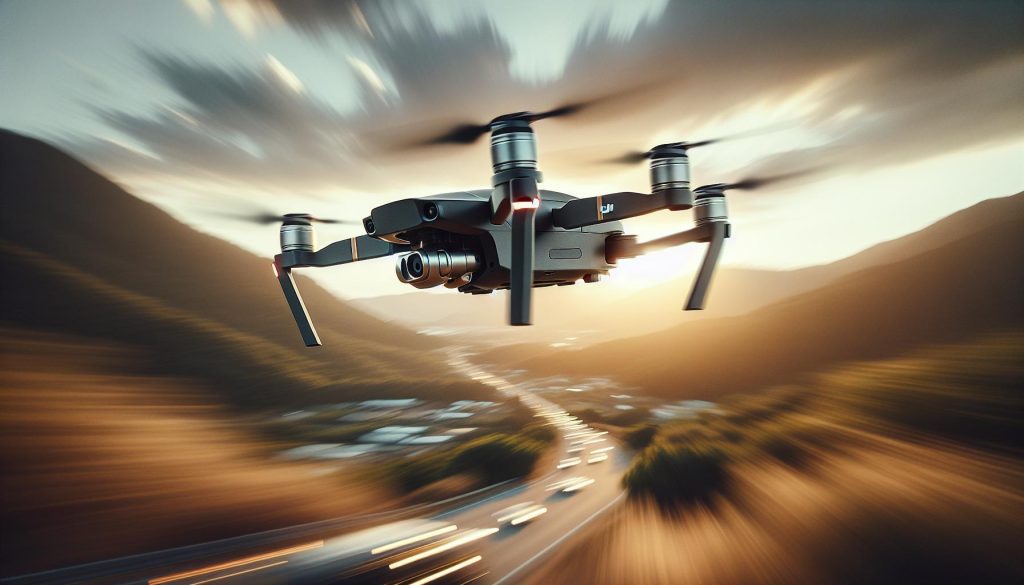
When it comes to FPV (First Person View) drones, speed can make all the difference, whether you’re racing, capturing dynamic footage, or simply enjoying the thrill of flight. The DJI FPV drone boasts an impressive max velocity that showcases its capabilities, but how fast can it actually go? Understanding its speed isn’t just about numbers; it influences your flying experience, safety measures, and the types of shots you can capture. With the right knowledge, you can maximize the capabilities of your DJI FPV drone, pushing your piloting skills to new heights while ensuring a safe and exhilarating experience. Let’s dive deeper into the specifics of how fast the DJI FPV drone can fly and what that means for your flying adventures.
How Fast Is the DJI FPV Drone: Key Specs Explained
The DJI FPV Drone is engineered to deliver exhilarating performance, with a maximum speed of up to 87 mph (140 km/h) in its racing mode. This impressive velocity allows users to capture breathtaking aerial footage and experience the thrill of first-person view (FPV) flying like never before. The FPV Drone combines advanced aerodynamics with powerful propulsion, making it one of the fastest consumer drones available, specifically designed for racing and dynamic filming.
When seeking to enhance your flying experience, it’s crucial to understand various factors that can affect speed. Weight plays a significant role; additional payloads such as cameras or equipment can slow the drone down. Atmospheric conditions like wind resistance and temperature also impact performance. Pilots should consider these variables when planning a flight to ensure they operate within optimal parameters for speed.
Moreover, the FPV Drone is equipped with multiple flight modes that can influence its speed capabilities. In normal mode, it prioritizes stable flight and ease of control, while sport mode allows for increased agility and speed. For the most extreme experiences, racing mode unleashes the drone’s full potential, pushing the limits of speed and maneuverability. Understanding how to switch between these modes effectively enables pilots to maximize their flying performance based on needs and conditions.
In practice, real-world testing reveals diverse speed performance across different environments. Open spaces free from obstacles can allow pilots to fully exploit the capabilities of the drone. Additionally, maintaining a high charge on the battery ensures optimal propulsion and flight duration. For sustained high-speed performance, it is paramount to regularly check and calibrate equipment, maintaining it in top condition to handle fast speeds efficiently.
Understanding DJI FPV Drone’s Maximum Speed
The DJI FPV Drone stands out in the market not only for its impressive flying capabilities but also for its exhilarating maximum speed, which reaches up to 87 mph (140 km/h) in racing mode. This speed isn’t just a number-it translates into breathtaking maneuvers and the thrill of first-person view flying, making it a favorite among racing enthusiasts and aerial cinematographers alike. Understanding this maximum speed requires diving into the engineering that makes it possible.
The drone’s aerodynamic design plays a crucial role in its velocity. With streamlined body contours and powerful propulsion systems, it cuts through the air efficiently, important at high speeds where drag becomes a significant factor. Moreover, the combination of lightweight materials and a powerful battery allows the DJI FPV Drone to maintain speed without sacrificing control. Pilots can harness this speed to capture dynamic shots or simply experience the rush of flying at such high velocities.
For optimal performance, it’s essential to ensure that all systems are functioning correctly. Regular maintenance, including checking propeller integrity and battery health, is crucial for achieving and sustaining high speeds. Pilots should also be aware that flying in low battery conditions can diminish performance, leading to reduced speed and responsiveness. Additionally, enhancing your skill set in managing flight controls at high speeds can significantly impact your ability to safely navigate in such thrilling scenarios. Always remember, while speed can be exhilarating, controlling it effectively is the key to a safe and enjoyable flight experience.
Factors Affecting Flight Speed of the DJI FPV
Understanding the intricacies that contribute to the flight speed of the DJI FPV Drone can significantly enhance a pilot’s ability to maximize performance during flights. Several key factors play pivotal roles in determining how fast this impressive machine can fly, and understanding them can empower both hobbyists and professionals to exploit the drone’s full potential.
One of the foremost factors impacting flight speed is the drone’s weight-to-power ratio. The DJI FPV is designed with a lightweight yet durable frame that allows its powerful motors to efficiently propel it to high speeds. Formulating an effective balance between the drone’s weight, payload, and thrust capacity directly affects acceleration and top speed. A lighter drone can reach its maximum velocity more quickly, while adding extra weight, such as accessories or a camera, can impede its capability.
Environmental conditions also play a crucial role in flight speed. Wind resistance can significantly hinder a drone’s performance; flying against strong winds can reduce its maximum attainable speed and affect stability. Therefore, pilots should always consider the weather before attempting high-speed maneuvers. Ideally, flying on calm days or in sheltered areas minimizes the impact of wind on the drone’s performance, allowing soaring speeds to be reached more effortlessly.
The flight mode selected can further influence speed capabilities. The DJI FPV Drone is equipped with different modes, such as Normal, Sport, and Manual, each of which offers varying levels of control and speed outputs. In Manual mode, for instance, pilots have the ability to fully utilize the drone’s capabilities, resulting in quicker acceleration and sharper maneuvers. Understanding these modes allows pilots to tailor their flight experience according to their skill level, comfort, and requirements for speed.
Lastly, proper maintenance cannot be overlooked. Ensure that the propellers are undamaged and securely attached, as any imbalance or drag can reduce speed. Additionally, regular checks of the battery health and calibration of firmware can also optimize performance. Invest time into verifying that all systems are functioning correctly and avoid flying with low battery levels, which could significantly curtail speed and responsiveness.
By integrating knowledge of these critical factors-weight, environmental conditions, flight modes, and maintenance-pilots can enhance their experiences with the DJI FPV Drone, achieving thrilling speeds while ensuring safe and effective operation.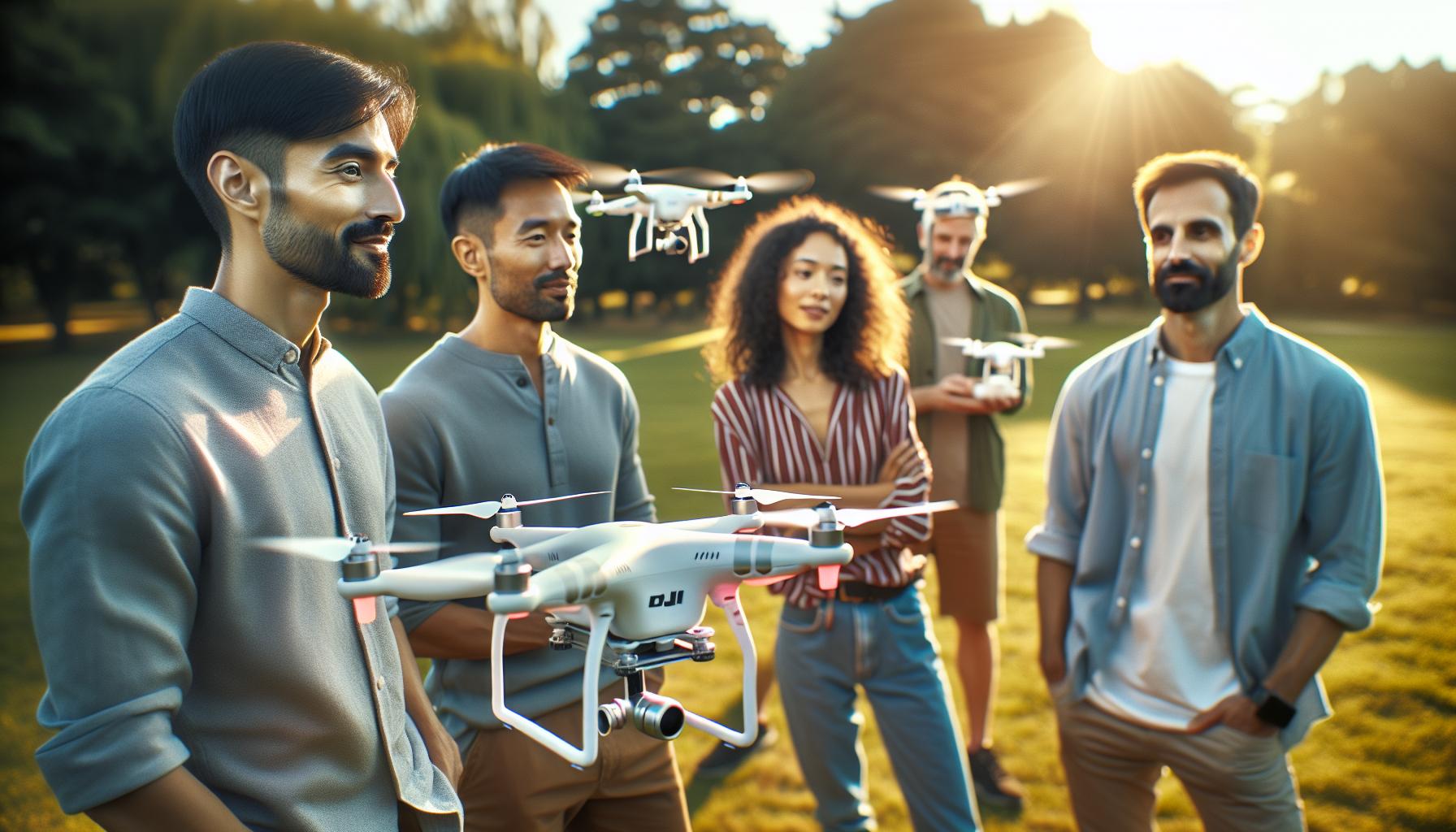
Comparing DJI FPV Speed with Other Drones
The DJI FPV drone commands attention not only for its immersive first-person view capabilities but also for its impressive speed. With a maximum velocity of approximately 87 mph (140 km/h) in manual mode, it stands out in the racing and FPV drone categories. However, how does it compare to other notable drones in the market?
When juxtaposed with the likes of the DJI Mavic Air 2, which boasts a top speed of 42.5 mph (68.4 km/h), the FPV drone excels in raw speed but is designed with a different purpose in mind. The Mavic series, known for its portability and high-quality imaging, prioritizes stability and flight time over extreme velocities. Similarly, when considering drones like the DJI Mini 2, which maxes out at about 35 mph (56.3 km/h), the distinction becomes even clearer. The FPV drone’s focused engineering makes it a go-to for thrill-seekers and racing enthusiasts, while the Mavic and Mini series cater to those looking for an easier and more stable flying experience.
In the realm of competitive racing drones, models such as the EMAX Hawk 5 can often match or exceed the DJI FPV’s speed. Many racing drones use custom components that allow for fine-tuning, which can lead to higher top speeds but may require advanced piloting skills and experience to manage such velocities effectively. This difference highlights the DJI FPV’s user-friendly interface and comprehensive design, allowing both novices and seasoned pilots to enjoy exhilarating experiences without overly complex adjustments.
Ultimately, understanding these comparisons allows potential buyers to make informed decisions based on their needs. Whether you seek speed for thrilling races or prefer a drone for aerial photography, knowing how the DJI FPV stacks against its peers will guide you to the right choice for your flying aspirations.
Flight Modes and Their Impact on Speed
The DJI FPV drone boasts impressive speed capabilities, but how quickly it can reach those velocities heavily depends on the flight mode selected by the operator. This drone offers several modes designed not only for thrill-seeking but also for different flying experiences, each impacting speed, control, and responsiveness.
In Manual Mode, pilots unlock the maximum speed of approximately 87 mph (140 km/h). This mode also offers the most control over the drone, allowing skilled operators to push it to the limits. However, this increased speed comes with a higher demand for piloting skills, as the drone is sensitive to inputs and requires swift reflexes to navigate effectively at high velocities.
In contrast, the Sport Mode is designed to strike a balance between speed and stability, allowing users to reach speeds of up to 62 mph (100 km/h). This mode still provides a thrilling flying experience but incorporates features like simplified controls and reduced obstacle avoidance, offering a more user-friendly environment for both beginners and intermediate pilots.
On the other hand, Normal Mode caps the speed further at approximately 28 mph (45 km/h). This mode is ideal for new pilots who are still mastering the basics of drone operation, as it emphasizes stability and ease of control. The reduced speed in this mode enables beginners to learn without the overwhelming fear of losing control or crashing at high velocities.
For those looking to enhance their speed experience while ensuring safety, understanding these flight modes is essential. Each mode not only alters the drone’s maximum speed but also influences how responsive the drone is to pilot inputs, making it crucial for operators to select the appropriate mode based on their skill level and the flying conditions. Therefore, whether you’re racing through an obstacle course or simply enjoying a scenic view, choosing the right flight mode can significantly enhance your overall flying experience with the DJI FPV drone.
Real-World Testing: Speed Performance Insights
Flying a drone at high speeds is an exhilarating experience that truly defines the capabilities of the DJI FPV drone. In real-world testing scenarios, pilots have provided valuable insights into how speed is not just about raw numbers; it’s about the drone’s responsiveness, stability, and the adrenaline rush associated with FPV flying. From racing enthusiasts to everyday hobbyists, several tests have illustrated the FPV drone’s ability to handle various conditions while maintaining impressive speed.
In practical use, many testers reported achieving close to the maximum specifications under optimal conditions, such as calm weather and open spaces. Under these ideal circumstances, operators have clocked speeds nearing 87 mph (140 km/h) in Manual Mode. However, factors such as battery charge, environmental conditions, and even pilot experience can impact performance. For example, users flying in turbulent winds or with low battery levels often observed a notable decrease in speed, showcasing that while the FPV boasts significant capabilities, environmental variables play a crucial role in flight dynamics.
Moreover, user experiences in Sport and Normal Modes demonstrate how speed can be adapted to various skill levels and scenarios. Pilots training in Sport Mode found the transition to higher speeds thrilling yet manageable, allowing for rapid skill advancement. Normal Mode, restricting speed to about 28 mph (45 km/h), remains crucial for new pilots who need to build their confidence without the daunting pressure of high-speed performance. The versatility of these modes ensures that every pilot, regardless of expertise, can enjoy the robust features of the FPV drone while fine-tuning their speed experience according to their comfort.
Ultimately, real-world testing shows that speed with the DJI FPV isn’t just about how fast it can fly; it’s also about how well it responds to pilot commands in varying conditions. As pilots become familiar with the drone’s behavior at different speeds, they develop better control, allowing for a more thrilling and safe flying experience. Understanding these performance insights helps all operators-whether casual flyers or seasoned professionals-make informed decisions about their flying modes, enhancing their skills and enjoyment in the skies.
Tips to Optimize Your DJI FPV Drone Speed
Flying your DJI FPV drone at peak speed is not just about the thrill; it’s also about precision and control. To unlock the full potential of your drone, consider these effective strategies that can enhance its speed and performance.
To begin with, opt for Manual Mode when you’re ready to push your drone to its limits. This mode offers the least amount of assistance, allowing experienced pilots to unleash the drone’s maximum speed of approximately 87 mph (140 km/h). If you’re transitioning from Sport Mode, where speeds are more controlled, ensure you are comfortable with quick maneuvers and tight turns, as you’ll need to maintain control at higher velocities.
Optimize Your Settings
Before each flight, check and adjust your firmware settings and flight parameters. Ensure that your drone’s firmware is up-to-date, as updates often include performance enhancements. Within the DJI Fly app, set the maximum altitude and distance limits to ensure you have the freedom to explore high-speed maneuvers without sudden restrictions. Fine-tuning your drone’s gain settings can also enhance responsiveness, making it quicker to react when you push the throttle.
Environmental Factors
It’s crucial to take advantage of optimal weather conditions when aiming for top speed. Flying on calm days, free from wind and severe weather changes, will not only help you reach the drone’s speed capabilities but also ensure safer operations. A headwind can dramatically reduce your speed, while a tailwind can give you that extra push. Moreover, choosing open areas away from trees and buildings allows for safer high-speed flights without the risk of collision.
Additionally, consider the impact of battery health on your drone’s performance. Make sure your battery is fully charged and in good condition. A strong battery not only boosts your drone’s speed but also improves its overall flight dynamics. Regularly calibrating your battery and avoiding deep discharges can help maintain its peak performance.
Incorporating these tips can elevate your flying experience, ensuring you make the most out of your DJI FPV drone’s capabilities. Always remember that while speed is exhilarating, it should never come at the cost of safety and control.
Safety Considerations for High-Speed Flying
Flying at high speeds can be thrilling, but it also introduces unique risks and responsibilities for drone pilots. Understanding safety considerations is paramount to ensure not only your own well-being but also that of bystanders and property. High-speed operations demand heightened situational awareness, as quick maneuvers leave little room for error. Engage in thorough pre-flight checks that include assessing environmental conditions and potential obstacles in your flight path.
A key aspect is establishing a safe flight zone. Always choose open areas free from obstacles like trees, buildings, or power lines, and remain aware of your drone’s visual line of sight. This is especially critical at high speeds, where closing distances happen rapidly. Wind conditions can significantly impact control; avoid flying in strong winds or adverse weather that might impair your drone’s stability, notably when accelerating. Additionally, consider utilizing the Return-to-Home (RTH) feature wisely; enabling this function can provide a crucial backup if you lose direct control while pushing your drone to its limits.
Understanding the drone’s payload capability also plays a vital role in maintaining safety. Heavier loads can reduce responsiveness and increase landing distances. Ensure your drone is not only within weight limits but that it also has a fully charged battery and optimal settings to sustain higher speeds for the duration of your flight. Regular maintenance, including propeller checks and calibration, will reduce the risk of mechanical failure, which becomes even more critical under high-speed conditions.
Lastly, pilot education is a valuable component of safety. Familiarizing yourself with local regulations regarding drone operation can prevent legal complications and promote responsible flying. Attending training sessions specifically focused on high-speed flight can improve your skills, enabling you to handle your drone with confidence and precision during exhilarating maneuvers. By taking these precautions, you can enjoy the thrill of high-speed flying while minimizing risks associated with such exhilarating activities.
Upgrades and Modifications for Enhanced Velocity
The thrill of flying a DJI FPV drone at high speeds can be exhilarating, and for those looking to maximize velocity, several upgrades and modifications are available to enhance your flying experience. By strategically selecting components and making necessary adjustments, both hobbyists and experienced pilots can significantly improve their drone’s performance.
Propeller Upgrades
One of the most effective ways to boost your drone’s speed is by upgrading to high-performance propellers. These propellers are designed to provide improved thrust and efficiency, which can directly translate to higher speeds. When selecting propellers, consider larger sizes or those specifically engineered for speed. Always ensure that the new props are compatible with your drone model and that your electronic speed controllers (ESCs) can handle the increased power draw.
Battery Enhancements
Another critical area for enhancing velocity is upgrading the battery. High-capacity lithium-polymer (LiPo) batteries can provide more power and a longer flight time at high speeds. Look for batteries with a higher discharge rate (measured in C ratings), as this will allow your drone to draw more power when needed, improving acceleration and maintaining speeds throughout the flight. However, be aware of weight considerations, as heavier batteries may affect overall flight dynamics.
Firmware Updates
Keeping your drone’s firmware updated is crucial not only for performance enhancements but also for unlocking new features that may optimize speed. DJI regularly releases updates that enhance flight stability and responsiveness. Always check for the latest firmware for your FPV drone and apply updates via the DJI Fly app or desktop interface. These updates can fine-tune your drone’s performance parameters, allowing for smoother and faster flying.
Tuning Your Flight Settings
Properly tuning the flight settings can have a significant impact on your drone’s speed capabilities. Utilize the drone’s flight controller settings to adjust parameters like PID values, which can help improve throttle response and stability during high-speed maneuvers. Investigating options such as “Race Mode” or similar settings can also reduce stability features, permitting faster speeds, albeit at the cost of some control stability.
By combining these upgrades, DJI FPV drone operators can achieve remarkable speeds and enjoy enhanced performance. Always remember to conduct routine checks and maintain proper care for your equipment to ensure safe and effective high-speed flying.
Common Speed-Related Issues and Troubleshooting
Flying at high speeds with your DJI FPV drone can be thrilling, but it also comes with its share of challenges. Understanding and troubleshooting common speed-related issues is essential for a smooth experience. Pilots often encounter situations where their drone fails to reach expected speeds or performs erratically during fast maneuvers.
One prevalent issue could be related to battery performance. If your drone seems sluggish, it might be worth checking the health of your battery. A battery that has reached its cycle limit or shows signs of swelling may not deliver the necessary voltage, which can significantly impact acceleration and maximum speed. Always ensure that your batteries are well maintained, and consider replacing them if they show signs of wear or fatigue.
Another factor to consider is the environmental conditions during flight. Speed can be negatively affected by strong winds or obstacles in the vicinity that cause drag or turbulence. Be sure to evaluate wind conditions before flight and adjust your flight plans accordingly. Additionally, settings such as the flight mode can dramatically influence speed capabilities. Using “Race Mode” can enhance speed but might sacrifice stability, leading to potential control issues in certain environments. It is essential to find a balance between speed and control based on your flying conditions and skill level.
Finally, if you’re experiencing performance drops or erratic behavior at high speeds, calibrating your drone’s settings may be necessary. This includes adjusting PID settings, ensuring that firmware is up-to-date, and regularly performing compass calibrations. These steps can help enhance responsiveness and mitigate common speed-related issues. By addressing these factors, you can enjoy safer and more exhilarating high-speed flight experiences with your DJI FPV drone.
Max Velocity in Different Conditions: What to Expect
Flying at high speeds with the DJI FPV drone can be exhilarating, but various environmental factors can significantly influence its maximum velocity. Conditions such as wind speed, air density, and obstacles can affect not only how fast the drone can fly but also the stability and safety of high-speed operations. Understanding these factors helps pilots to optimize flight conditions for the best performance.
When assessing how environmental conditions impact drone speed, consider the following aspects:
- Wind Conditions: High winds can drastically reduce the effective speed of the drone. A headwind can counteract acceleration, while a tailwind might provide a temporary boost but can lead to instability if flying towards obstacles. Ideally, pilots should aim to fly in calm conditions or with winds that are manageable.
- Altitude: The DJI FPV drone performs differently at varying altitudes. As a drone climbs, air density decreases, which can reduce lift and thrust. However, flying at a lower altitude might expose the drone to increased ground turbulence.
- Temperature and Humidity: Hot and humid conditions can affect battery performance and motor efficiency. High temperatures can lead to overheating, which might throttle the drone’s speed. Conversely, cooler temperatures generally allow the drone to perform optimally, but managing battery warmth during extended high-speed runs is crucial.
- Obstacles and Layout: Flying in open, unobstructed areas enables maximum velocity, whereas urban settings or forested areas with trees and buildings can create turbulence and drag, hindering speed.
To illustrate, a pilot attempting to reach the top speed of 87 mph (140 km/h) in a strong headwind might find the drone only achieves speeds of around 70 mph (113 km/h) due to the wind resistance. Conversely, in ideal conditions, they could enjoy a full throttle experience and push the drone to its limits.
Considering these variables, it’s essential for pilots to plan their flights strategically by evaluating weather forecasts, scouting locations for potential obstacles, and adjusting their flight plans accordingly. By doing so, they can maximize the DJI FPV drone’s capabilities while ensuring a safe and thrilling flying experience.
How to Maximize Speed While Ensuring Safety
Maximizing speed while ensuring safety is crucial for any drone pilot, especially when operating a high-performance machine like the DJI FPV drone. Understanding the balance between thrill and risk is key to enhancing your flying experience. Proper planning, technique, and awareness can significantly elevate both speed and safety.
One effective strategy is to conduct a thorough pre-flight check. Ensure that your drone is in optimal condition, including battery levels, motor efficiency, and firmware updates. A well-maintained drone not only performs better but is also less likely to malfunction during high-speed maneuvers. Furthermore, familiarize yourself with the flight modes available-the DJI FPV drone features various settings like Normal and Sport modes. Selecting the appropriate mode can enhance your control and responsiveness, particularly when achieving high speeds.
Next, choose your flying location wisely. Open areas devoid of obstructions such as trees and buildings allow you to reach maximum velocity while reducing the risk of collisions. Consider the environmental conditions as well; flying on calm days with minimal wind can significantly enhance speed and stability. Additionally, always keep an eye on the drone’s battery temperature, as overheating can impair performance and safety. Utilizing features like Intelligent Flight Modes can aid in maintaining height and stability as you navigate at high speeds.
Finally, practice gradual acceleration techniques. Don’t rush into full throttle; instead, incrementally increase your speed as you become comfortable with the drone’s handling characteristics. This approach not only builds skill but also increases awareness of how different speeds affect control and response times. Engaging in such practices ensures a thrilling flying experience without compromising safety, so you can enjoy the exhilarating world of FPV drone racing to its fullest.
FAQ
Q: What is the maximum speed of the DJI FPV Drone?
A: The maximum speed of the DJI FPV Drone is approximately 87 mph (140 km/h) in Sport mode, providing an exhilarating flight experience. For optimal speed performance, ensure your firmware is updated and that you’re flying in ideal conditions.
Q: How does weather affect the speed of the DJI FPV Drone?
A: Weather conditions such as wind speed, rain, and temperature significantly impact the DJI FPV Drone’s speed. Flying against strong winds can reduce overall speed, while optimal conditions improve performance. Always check the forecast before flying to maximize speed.
Q: What settings can I adjust to increase the DJI FPV Drone’s speed?
A: To increase speed, use Sport mode for maximum velocity, minimize payload, and ensure the drone is calibrated. Adjusting the camera angle can also improve aerodynamics. Regular maintenance of propellers and rotors helps maintain optimal performance.
Q: Can the DJI FPV Drone fly faster with modifications?
A: Modifying components like propellers or motors may enhance speed beyond the factory settings. However, these changes can void warranties and risk safety. For advanced performance changes, refer to specialized forums and ensure you’re adhering to regulations.
Q: What is the difference between Sport mode and Normal mode in terms of speed?
A: Sport mode allows the DJI FPV Drone to reach its maximum speed (up to 87 mph), while Normal mode limits speed for stability and beginner-friendly flight. Use Sport mode for high-speed maneuvers and Normal mode for safer, easier flying.
Q: Is it safe to fly the DJI FPV Drone at high speeds?
A: Flying at high speeds can be safe if you maintain situational awareness, avoid obstacles, and respect local regulations. Always practice in open areas and consider using a spotter for additional safety during high-speed flights.
Q: How can I troubleshoot speed-related issues with the DJI FPV Drone?
A: If you experience speed issues, check for blockages in the propellers, ensure the battery is fully charged, and verify that firmware is up to date. Consulting the troubleshooting section of the user manual can provide additional solutions.
Q: How does weight influence the speed of the DJI FPV Drone?
A: The weight of the DJI FPV Drone impacts its speed; heavier payloads can decrease overall velocity. For best performance, limit additional accessories and monitor battery life, as weight plays a critical role in flight efficiency.
Future Outlook
Thanks for diving into our exploration of the DJI FPV drone’s maximum velocity! Understanding how fast this drone can fly not only enhances your flying experience but also ensures you make the most of its capabilities. If you’re curious about which flying modes suit your style or need guidance on setup and safety procedures, check out our detailed guides on the DJI Mini and Mavic Series.
Don’t miss out on further enhancing your drone knowledge-sign up for our newsletter for the latest tips and exclusive content. Ready to take the next step? Explore our comprehensive reviews and accessories recommendations to optimize your drone experience. Have questions or experiences to share? We’d love to hear from you in the comments below. Fly safe and fly smart!