The DJI FPV drone isn’t just designed for breathtaking aerial views; it’s engineered for speed and agility, specifically in Racing Mode, where it can reach a staggering top speed of 87 mph (140 km/h). This incredible capability makes it a thrilling choice for racing enthusiasts and filmmakers alike. Understanding how fast the DJI FPV can go not only helps pilots optimize their flying techniques but also enhances their ability to capture dynamic, fast-paced shots. Whether you’re a competitive pilot striving for the best lap times or a hobbyist looking to elevate your aerial photography game, harnessing the full potential of Racing Mode can transform your experience. Read on to discover the intricacies of speed in the DJI FPV and how you can master this exhilarating aspect of flight.
How Fast Can the DJI FPV Drone Fly?
Flying at blistering speeds, the DJI FPV drone can reach a maximum speed of 87 mph (approximately 140 km/h) in its Racing Mode. This feature, specifically designed for speed enthusiasts, allows pilots to experience an exhilarating flying experience akin to racing FPV (First Person View) drones. The FPV drone’s swift acceleration and agile maneuverability provide a competitive edge, making it a popular choice among hobbyists and racers alike.
The DJI FPV’s unique design and advanced technology contribute to its impressive speed capabilities. Featuring a lightweight structure and powerful motors, this drone achieves rapid flight dynamics that can easily rival many traditional racing drones. By using a combination of aerodynamic design and high-capacity batteries, pilots not only enjoy high speeds but also enjoy extended flight durations, adding to the overall excitement of racing.
For those interested in maximizing speed during flights, it’s vital to understand various factors that may affect performance. Firstly, selecting the right flight mode is crucial. Racing Mode optimizes responsiveness and acceleration, allowing pilots to push the FPV to its limits. Moreover, keeping the firmware updated ensures that the drone is running on the latest software enhancements, which often include improvements to speed and stability.
When preparing for high-speed flights, pilots should also consider the impact of weather conditions. Wind resistance can significantly alter speed and stability; therefore, choosing calm days for racing will deliver much better flying experiences. Additionally, removed unnecessary accessories, which could add weight and drag, will help achieve peak performance. By mastering these aspects, anyone can take full advantage of the DJI FPV’s incredible speed capabilities.
Understanding Racing Mode Features
The Racing Mode of the DJI FPV drone elevates adrenaline-fueled flying to a whole new level. Designed for enthusiasts who crave speed, Racing Mode enhances the drone’s responsiveness and acceleration, allowing pilots to push their limits and experience a true racing atmosphere. By enabling pilots to navigate through tight courses and execute sharp maneuvers, this mode transforms the aerial landscape into a dynamic racecourse.
One of the standout features of Racing Mode is its ability to prioritize flight dynamics that are essential for competitive flying. In this mode, the drone adjusts its flight parameters to ensure maximum agility. For example, the throttle response is finely tuned, allowing for quicker accelerations and smoother transitions, which are crucial when zipping around obstacles. Additionally, the DJI FPV drone minimizes latency, providing a real-time flying experience that is vital during high-speed races.
When using Racing Mode, it’s essential to familiarize yourself with the drone’s controls since the sensitivity levels can differ significantly from other flying modes. Pilots may find that a delicate touch on the controls can yield impressive results, enabling rapid ascents and swift dives. Moreover, understanding flight paths and the drone’s limitations will help in preventing mishaps during intense races. Engaging in practice sessions to master the drone’s handling will also contribute to improving performance and speed.
Ultimately, Racing Mode not only amplifies the thrill of flying but also encourages pilots to hone their skills and engage in friendly competition. Whether it’s racing against friends or flying through an obstacle course, the DJI FPV drone in Racing Mode offers a unique experience that caters to both thrill-seekers and those looking to refine their flying techniques. By mastering this mode, pilots can confidently embrace the challenges of drone racing and enjoy the exhilarating speeds that the DJI FPV drone has to offer.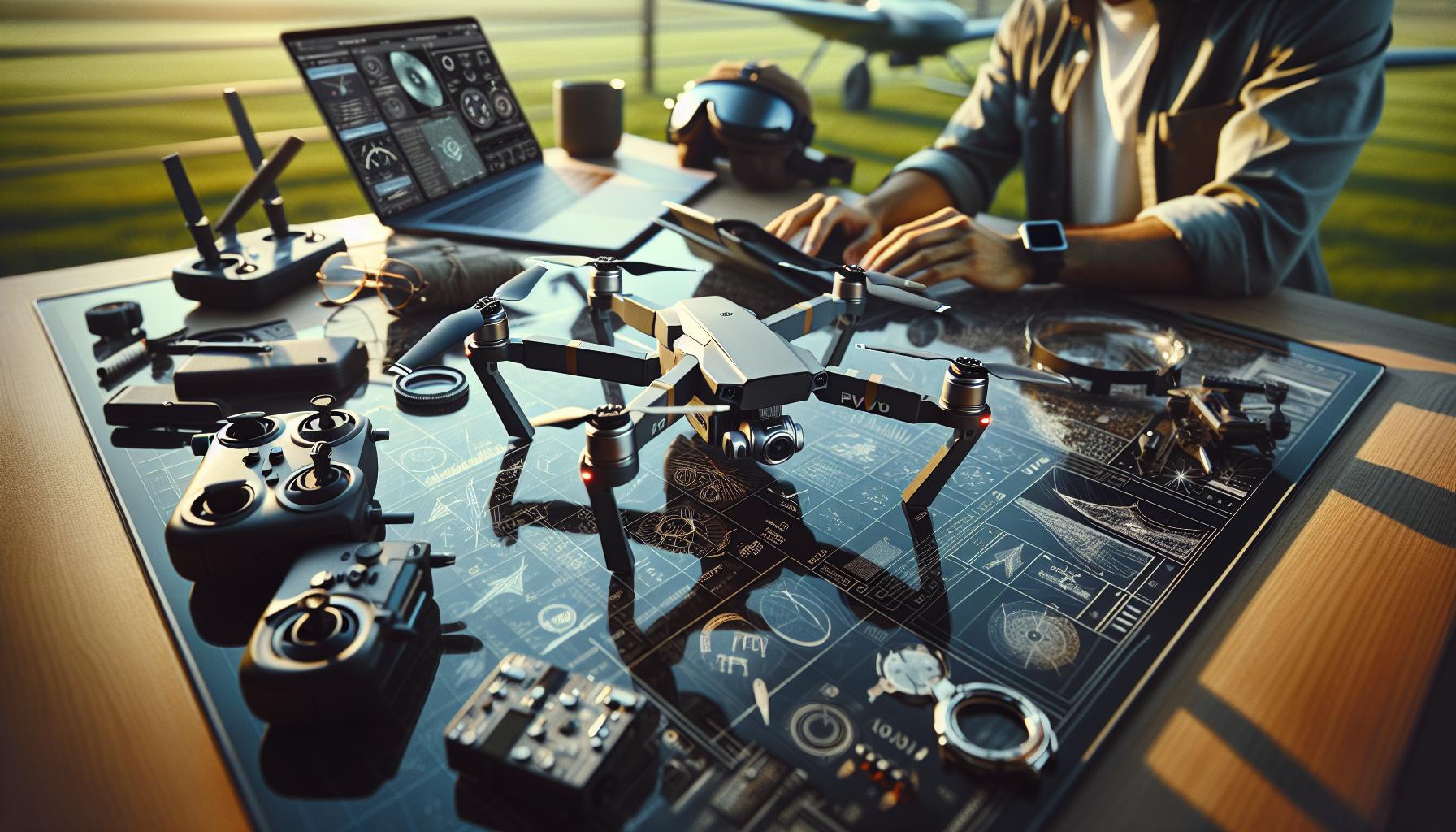
Key Specs of the DJI FPV Drone
The DJI FPV drone is engineered for speed enthusiasts, combining cutting-edge technology with a compact, aerodynamic design. When it comes to sheer performance, this drone does not disappoint. With a maximum speed of up to 87 mph (140 kph) in Racing Mode, the DJI FPV delivers an exhilarating experience for both novice and seasoned pilots. This impressive speed capability is complemented by its sophisticated stabilization algorithms, ensuring that even at high velocities, the drone maintains control and responsiveness, critical for navigating tight turns and obstacles.
One of the standout specifications of the DJI FPV drone lies in its advanced propulsion system. Featuring a powerful 4S LiPo battery, the drone boasts a flight time of around 20 minutes under optimal conditions. While this duration may vary based on flight style and environmental factors, it provides ample time to enjoy high-speed maneuvers and racing challenges. The drone also comes equipped with a Dual-Frequency Transmission system, operating on both 2.4 GHz and 5.8 GHz bands, which enhances its ability to maintain a stable video connection even during rapid movements.
Key Specifications Overview
| Specification | Details |
|---|---|
| Maximum Speed | 87 mph (140 kph) |
| Flight Time | Up to 20 minutes |
| Battery Type | 4S LiPo |
| Camera Resolution | 4K at 60fps |
| Transmission Range | Up to 10 km |
With these compelling specs, the DJI FPV not only proves to be a formidable competitor in racing scenarios but also serves as an excellent platform for aerial photography and videography enthusiasts, capable of capturing stunning footage even at breakneck speeds. Understanding these specifications helps pilots optimize their flying experience, ensuring they make the most of the capabilities offered by this innovative drone.
Comparing Speed with Other DJI Models
In the world of consumer drones, the quest for speed often defines a model’s appeal, and the DJI FPV stands out as a leader with its impressive maximum speed of 87 mph (140 kph) in Racing Mode. When assessed against other DJI offerings, it becomes clear that while the FPV excels in raw speed, other models like the Mavic and Mini series prioritize stability and versatility over sheer velocity.
For instance, the DJI Mavic Air 2 boasts a respectable top speed of 42.5 mph (68.4 kph) in Sport Mode, which, while lower than the FPV, is more than adequate for capturing dynamic footage with its advanced camera features. The Mavic series, known for their portability and impressive imaging capabilities, are designed for a broader range of applications, from casual photography to professional cinematography. The Mavic’s emphasis on flight stability and user-friendly features makes it a preferred choice among aerial photographers who require control over their shots, even when flying at a decent speed.
In contrast, the DJI Mini 2 reaches a maximum speed of 36 mph (58 kph). While it delivers an impressive flight time and compact design for easy transport, its lower speed limits its competitiveness in racing scenarios. However, for hobbyists and those prioritizing ease of use and safety regulations, the Mini 2 offers a gentle introduction to drone flying, focusing on accessibility rather than high-speed thrills.
The unique features of these models, including the FPV’s integration of first-person view (FPV) piloting experience, add further layers to their use cases. While the FPV is tailored for adrenaline-pumping racing and exhilarating maneuvers, the other DJI models cater to users seeking a balance of speed and stability. This diversification within DJI’s lineup allows pilots to choose based on their specific needs-whether chasing speed or capturing stunning visuals in stable flight.
By understanding these differences, users can make informed choices that align with their flying style, ensuring that whether they seek high-speed thrills or capture breathtaking landscapes, there’s a DJI drone fit for the task.
Real-World Speed Testing Results
The DJI FPV Drone sets a new standard in the world of racing drones, not only showcasing remarkable speed but also a system built for performance. In real-world testing, pilots have consistently reached the maximum speed of 87 mph (140 kph) in Racing Mode under optimal conditions. This extraordinary capability allows drone enthusiasts to experience the thrill of racing and aerial maneuvers in a manner previously only dreamed of.
Several factors influence the FPV’s performance during speed testing. One vital consideration is the drone’s weight and aerodynamic design, which significantly contribute to its efficiency and speed. During tests, users reported that the drone could cut through the air effectively, making quick turns and maneuvers while maintaining high speeds. Effective battery management is also crucial; using fully charged batteries with minimal payload allowed many pilots to achieve near-peak speed. Additionally, the use of custom props designed for high-speed flying can lead to better thrust and efficiency, further enhancing performance.
The real-world applications of the FPV’s speed extend beyond mere racing. Filmmakers and aerial photographers can leverage this capability in creative ways, such as capturing dynamic shots that require rapid movement through environments. Pilots looking to push the limits should note that speed isn’t the only consideration; maintaining control during high-speed flights is essential. Skillful piloting, familiarity with the controls, and an understanding of the drone’s behavior at high velocity can prevent crashes and ensure a smooth flight experience.
In summary, the DJI FPV Drone’s impressive speed capabilities are backed by hands-on testing and piloting experience. By understanding the impact of weight, aerodynamic design, and battery management, pilots can enjoy exhilarating high-speed flights while effectively balancing control and creativity. Whether for racing or professional videography, the FPV’s performance can be harnessed to achieve spectacular results in the sky.
Tips for Maximizing Flight Speed
To unleash the full speed potential of the DJI FPV Drone, a combination of tweaks, careful preparation, and smart flying techniques can significantly enhance performance. Achieving peak speed isn’t merely about throttle; it relies on several interdependent factors that can be optimized for high-speed flights.
One of the primary ways to maximize flight speed is by ensuring your drone is as lightweight as possible. This involves not only removing unnecessary accessories but also configuring your payload. For instance, when filming or racing, carrying only the essential equipment can lead to a marked improvement in speed. Additionally, using lightweight aftermarket parts, such as props designed specifically for speed, can enhance thrust and aerodynamics. Custom propellers can help reduce drag and improve efficiency, allowing for quicker accelerations and tighter maneuvers.
Battery health and management play a crucial role in achieving high speeds. Always use fully charged, high-quality batteries, as voltage drops can significantly affect performance. Regularly checking your battery’s cycle count and ensuring it’s in good condition can help maintain peak functionality. Fine-tuning settings in the drone’s flight app can also increase maximum throttle limits and adjust responsiveness based on personal preferences and flying conditions.
Fine-Tuning Your Settings
Navigating through the DJI FPV’s flight settings can genuinely unlock its racing mode potential. Ensure that you activate Racing Mode before flying, as this setting alters the drone’s behavior to permit higher speeds and quicker maneuvers. You can also customize the Expo settings for roll and pitch; a lower value can allow for a more responsive control stick movement, which is essential for high-speed flying.
To encapsulate your speed-enhancing strategy, always keep weather conditions in mind. Windy days can dramatically impact speed and stability, so choosing calm days for high-speed flights will yield the best results. Also, understanding how the drone reacts in different weather scenarios can aid in making better flight decisions, optimizing for speed while maintaining control.
By integrating these practices, pilots can not only achieve exhilarating speeds but also enjoy the thrill and safety of flying at high velocity. With practice and attention to detail, unlocking the full speed potential of the DJI FPV Drone becomes an engaging and rewarding experience.
Impact of Weather on Drone Speed
The ability of the DJI FPV Drone to achieve impressive speeds can be dramatically influenced by weather conditions. Wind, temperature, and precipitation all play crucial roles in a drone’s performance, particularly when pushing the envelope in racing mode. For instance, flying into a strong headwind can significantly reduce your drone’s maximum speed, forcing it to work harder to overcome the resistance. Conversely, flying with a tailwind can provide that extra boost, allowing for faster speeds without additional throttle.
Wind Influence on Performance
Strong winds can also affect flight stability and maneuverability. A gusty environment may result in jerky movements and reduced control, which not only hampers speed but can also pose a danger if the drone becomes unstable. Pilots should be particularly cautious of crosswinds that can push the drone off its intended flight path during high-speed maneuvers. Choosing calm days for racing or speed tests is highly recommended, as steady conditions promote more predictable performance and improved handling.
Temperature Considerations
Temperature is another factor that affects drone performance. Colder temperatures can lead to diminished battery efficiency, which might decrease the power available for high-speed flights. Additionally, if a drone’s motors are not warmed up sufficiently prior to high-speed attempts, they may fail to reach optimal performance levels. Thus, pilots should be aware of the environmental temperature and adjust their plans accordingly, perhaps allowing for a short warm-up flight before tackling speed challenges.
Precipitation and Visibility
Flying in rain or snow can introduce variable drag on the drone, further compromising speed. Moisture accumulation can lead to increased weight and affect aerodynamics. Additionally, reduced visibility in fog or heavy precipitation can hinder the pilot’s ability to navigate effectively, which is essential when flying at high speeds. In such weather, it is advisable to delay flights until conditions improve to guarantee better safety and performance.
Navigating the complexities of weather impacts on drone speed requires thoughtful planning and awareness. By considering these factors and selecting the best conditions for flying, DJI FPV pilots can maximize their speed capabilities while ensuring a safe and enjoyable experience.
Speed Customization: Firmware and Settings
Customization of speed for the DJI FPV Drone plays a significant role in enhancing your flying experience, particularly in racing mode. With the right settings and firmware updates, pilots can unlock the true performance potential of their drones. To take full advantage of the drone’s capabilities, understanding how to adjust the settings associated with speed can mean the difference between a thrilling flight and a frustrating one.
Start by ensuring that your drone’s firmware is updated to the latest version. DJI regularly releases updates that not only enhance performance but can also introduce new features and optimizations that impact speed. To perform a firmware update, utilize the DJI Fly app or the DJI Assistant 2 software, which will guide you through the process in a user-friendly interface. Pay attention to the release notes provided, as they often contain essential information on changes related to speed features or any adjustments needed in various flight modes.
Fine-tuning the settings within the DJI Fly app can further increase speed. Pilots can explore various flight modes; for example, switching to “Racing Mode” optimizes the responsiveness and maximum speed of the drone. Within this mode, settings like maximum tilt and speed limitations can be adjusted, allowing for a more tailored experience based on personal preferences and flying conditions. A visual representation of these settings can help you gauge what adjustments to make for optimal speed during flights.
Additionally, consider your drone’s weight as a crucial factor in speed customization. Accessories such as cameras, LED lights, or additional batteries can add weight, which ultimately slows down your drone. Where possible, minimize excess equipment and ensure that your setup is lean and aerodynamic. The right balance of hardware impacts both your speed and flight time, enabling you to make the most of racing scenarios.
In essence, maximizing the DJI FPV Drone’s speed is a combination of proper firmware management, utilization of flight mode settings, and mindful accessory choices. By focusing on these areas, pilots can significantly enhance their racing experience, pushing the limits of what their drone can achieve while enjoying the thrill of high-speed maneuvers.
The Influence of Accessories on Performance
When it comes to achieving peak performance in racing mode, the accessories you choose for your DJI FPV Drone can significantly impact its speed and agility. While the thrill of high-speed maneuvers is alluring, ensuring your drone remains lightweight and aerodynamically efficient is crucial. Adding accessories can enhance your flying experience, but it’s essential to strike a balance that won’t compromise the drone’s performance.
One of the most influential factors is the weight of your accessories. Items like external cameras, additional batteries, or LED lights can add considerable mass, leading to reduced speed and maneuverability. To maximize your drone’s performance, consider removing non-essential accessories before a racing session. A minimal setup not only improves speed but also enhances overall flight stability, a critical factor when navigating tight corners or making quick turns.
Types of Accessories and Their Impact
The type of accessories you’re using can also play a role in how your drone performs. For instance:
- Camera Gear: Lightweight, specialized racing cameras can capture high-quality footage without adding much weight.
- Battery Choices: Opt for lighter batteries with higher energy densities that provide sufficient flight time without weighing down your setup.
- Propeller Upgrades: Switching to high-performance propellers can enhance thrust and efficiency, translating to better speed during races.
It’s also worth noting that using accessories that are specifically designed for racing can yield better results. For example, racing antennas can improve communication ranges without significantly adding weight, ensuring your drone operates optimally at high speeds.
Maintenance and Setup Tips
Beyond just reducing weight, proper maintenance of your accessories is vital for peak performance. Regular checks on battery health, propeller condition, and the overall integrity of your drone can prevent unexpected slowdowns or malfunctions during flights. Making sure that everything is securely attached and functioning well means you can focus on enjoying the thrill of racing without the distraction of equipment issues.
In summary, the accessories you choose can profoundly influence your DJI FPV Drone’s performance in racing mode. By keeping your setup as light and efficient as possible, and by selecting high-quality, purpose-driven accessories, you can push your drone to its limits, ensuring every flight is both exhilarating and successful.
Safety Considerations for High-Speed Flying
Flying a drone at high speeds can be exhilarating, but it also comes with its share of risks that every operator must manage. Ensuring safety during high-speed racing sessions is not merely a preference; it’s a crucial aspect of responsible drone piloting. Pilots must remain vigilant about their environment, equipment, and personal safety to prevent accidents and ensure an enjoyable experience.
Before takeoff, conduct a thorough pre-flight check, ensuring all components of your DJI FPV Drone, including propellers and batteries, are secure and operational. Even a minor issue can escalate rapidly at high speeds, leading to crashes or loss of control. Utilizing the drone’s built-in data and telemetry features can provide insights into system alerts and performance metrics, allowing for informed decisions before engaging in high-speed maneuvers.
Clear and open flying spaces are preferred for high-speed operations. Avoid populated areas, obstacles, and potential hazards to minimize risks to persons and property. Ensure you have permission to fly in specific areas, and always check local regulations regarding drone racing and high-speed aerial activities. Additionally, keep a safe distance from other pilots to avoid collisions and ensure a smooth flying experience.
Training and practice are key to maximizing safety and performance. Familiarize yourself with your drone’s controls and responsiveness in lower-speed scenarios before tackling high-speed racing. This can help develop muscle memory and reaction times, facilitating better management of the drone during intense maneuvers. Consider joining local racing clubs or communities where you can learn from experienced pilots and share best practices in a controlled environment.
Finally, maintaining situational awareness during flight is paramount. This means constantly monitoring the drone’s velocity, altitude, and surroundings. High-speed racing demands quick reflexes and the ability to react to unexpected changes in wind conditions or obstacles, as well as understanding how varying speeds can affect your drone’s stability and control. Remember that engaging in high-speed maneuvers requires not just skill but also a commitment to safety and readiness, ensuring every flight can be both thrilling and responsible.
Common Issues Affecting Drone Speed
The DJI FPV Drone is engineered for speed, but various factors can impede its performance and reduce overall flight speed. Understanding these issues is crucial for maximizing the exhilarating experience this drone offers in racing mode. Some include battery health, firmware settings, environmental conditions, and mechanical integrity.
Battery Health and Performance
Battery performance plays a critical role in achieving optimal speed. As batteries age, their ability to hold charge diminishes, resulting in reduced thrust and overall speed. Regularly monitoring battery health-with a focus on voltage levels and cycle count-can help ensure peak performance. Pilots should replace batteries that show significant degradation to maintain high-speed capabilities. Additionally, ensuring batteries are fully charged before races and using high-quality replacement parts enhances flight performance.
Firmware and Settings
Firmware plays a pivotal role in the drone’s operation, including speed parameters. An outdated or improperly configured firmware can limit performance settings, including response times and flight modes. Pilots should regularly check for firmware updates via the DJI Fly app and read change logs to understand adjustments that may enhance speed. Additionally, customizing settings within the app, such as the max altitude and speed settings, allows for a tailored racing experience that prioritizes speed over safety.
Environmental Conditions
Weather can dramatically impact drone performance, with wind speed and direction hindering flight speed. High winds create drag, which can slow down even the most powerful drones. Pilots should avoid flying in adverse weather conditions and pay attention to wind forecasts before racing. The altitude at which the drone operates also affects speed; flying at lower altitudes where air density is higher can improve lift and performance.
Mechanical Integrity
Lastly, the mechanical condition of the drone affects its ability to achieve high speeds. A malfunctioning or misaligned propeller, for instance, can cause instability and inefficiency, reducing speed. Regular maintenance checks-including propeller inspection, motor functionality, and overall frame integrity-are essential for ensuring that each component operates optimally. Keeping the drone clean and free of excessive dirt or obstruction enhances aerodynamics, allowing for maximum speed during racing sessions.
By staying vigilant regarding these common issues, pilots can harness the full potential of their DJI FPV Drone, ensuring that they enjoy thrilling high-speed flights while minimizing risk and maintaining control.
User Experiences: Speed in Practice
Flying at speeds of up to 87 mph (140 km/h), the DJI FPV drone delivers thrilling experiences that can challenge even experienced pilots. User experiences in racing mode reveal insights into what it takes to fully harness this speed, with many enthusiasts praising the combination of its dynamic responsiveness and sleek design. Pilots frequently comment on the importance of thorough preparation; minor tweaks and adjustments can significantly impact speed and handling.
To maximize performance, many users emphasize the necessity of comprehensive pre-flight checks. This includes inspecting propellers for damage, calibrating the drone’s sensors, and ensuring that the battery is fully charged. A well-maintained battery not only provides the necessary power but also contributes to better speed retention over longer flights. One seasoned pilot shared a tip: “Always reset your flight parameters after each major firmware update to ensure optimal performance; an incorrectly configured setup can lead to disappointing flight speeds.”
In addition, environmental conditions play a vital role in real-world speed. Users have noted that flying in low wind conditions can lead to impressive speed records. For instance, one pilot noted that racing against a slight tailwind significantly increased their speed during practice sessions, while crosswinds caused noticeable drag. This understanding has led many pilots to plan their racing sessions around weather forecasts, seeking clear skies for the best performance possible.
Finally, many acknowledge the thrill of competing against others in organized drone races. These events not only push users to maximize their drones’ capabilities but also foster a community of enthusiasts sharing tips and personal experiences. Whether it’s the adrenaline rush of racing through gate obstacles or the strategic use of racing mode for agility and speed, the collective input of users continues to shape and enhance the understanding of the DJI FPV drone’s speed potential in practical settings.
Frequently asked questions
Q: How fast can the DJI FPV drone fly in Racing Mode?
A: The DJI FPV drone can reach speeds of up to 87 mph (140 km/h) in Racing Mode. This high-speed capability is designed for adrenaline-pumping performance and competitive racing scenarios.
Q: What is Racing Mode on the DJI FPV drone?
A: Racing Mode allows the DJI FPV drone to achieve maximum speed and agility, providing pilots with enhanced control and rapid response for thrilling flying experiences. This mode is ideal for racing and freestyle flying.
Q: How does the DJI FPV race mode compare to other drones?
A: Compared to other drones, the DJI FPV in Racing Mode offers one of the highest speeds, surpassing many consumer and professional models, allowing for superior agility and rapid maneuvers.
Q: What factors affect the speed of the DJI FPV drone in Racing Mode?
A: Factors like battery charge, wind conditions, and the weight of attached accessories can significantly impact the speed of the DJI FPV drone in Racing Mode. Optimizing these variables is crucial for achieving peak performance.
Q: Can I customize the speed settings on the DJI FPV drone?
A: Yes, you can customize the speed settings on the DJI FPV drone through firmware updates and app settings. Adjusting these options can help tailor the drone’s performance to suit your flying style and preferences.
Q: What safety considerations should I keep in mind for high-speed flying?
A: When flying at high speeds in Racing Mode, always maintain a safe distance from people and obstacles. Use appropriate areas for flying, and ensure you’re familiar with the drone’s controls to enhance safety.
Q: How do weather conditions impact the DJI FPV drone’s speed?
A: Weather conditions, especially wind and rain, can drastically affect the DJI FPV drone’s speed and stability. It’s advisable to avoid flying in adverse weather to maintain optimal performance.
Q: What are some tips for maximizing speed in Racing Mode?
A: To maximize speed in Racing Mode, ensure your drone is fully charged, fly in calm weather, and minimize the weight by removing unnecessary accessories. Regular maintenance can also keep the drone in top condition for fast flying.
The Way Forward
With the DJI FPV drone, you’re equipped to experience exhilarating speeds of up to 31 miles per hour in Normal mode and much more in Racing Mode, giving you a taste of high-octane flying. Don’t just take our word for it; your next adventure in the skies awaits! If you’re looking to dive deeper, check out our in-depth guides on mastering drone flight modes and enhancing your skills with safety tips for beginners and advanced users alike.
Ready to elevate your aerial experience? Explore our top reviews and comparisons of DJI’s best models, from the versatile Mavic to the compact Mini. Join our community today by signing up for our newsletter, so you never miss an update or exclusive content. Share your thoughts in the comments below-what features of the DJI FPV excite you the most? With your passion for flight and our expert insights, the sky’s the limit!