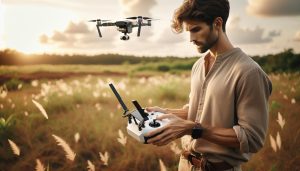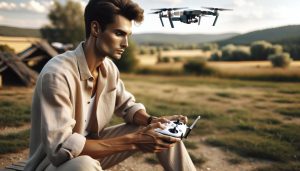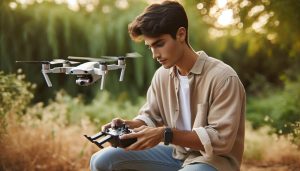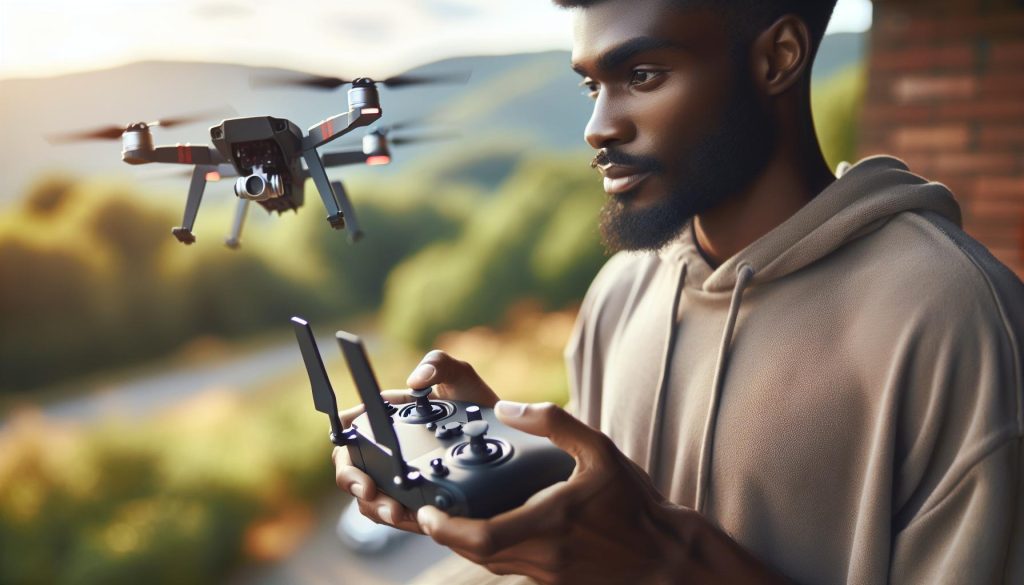
When it comes to drone racing and aerial photography, speed is often a defining factor in performance and maneuverability. The DJI FPV drone, known for its advanced technology and exhilarating flight experience, raises an important question for enthusiasts and professionals alike: just how fast can it really go? Understanding the speed capabilities of the DJI FPV drone not only enhances your flying skills but also informs crucial decisions about its application in various scenarios-be it racing, filming, or just enjoying the thrill of flight. In this performance analysis, we’ll delve into the impressive speed metrics, real-world flight experiences, and how this drone stacks up against competitors. Whether you’re a seasoned pilot or a curious beginner, this exploration will equip you with valuable insights to elevate your drone experience. Buckle up, as we take you on a journey to uncover the speed secrets of the DJI FPV drone.
Understanding the DJI FPV Drone Specifications
The DJI FPV drone represents a significant leap in drone technology, blending advanced flight capabilities with immersive piloting experiences. Understanding its specifications is crucial for both enthusiasts and professional pilots who seek to maximize performance in varied conditions. This drone features a robust propulsion system that allows for speeds up to 87 mph (140 km/h) in Manual mode, complemented by an impressive acceleration profile that can go from 0 to 62 mph in just 2 seconds. Such metrics not only enhance the thrill of FPV flying but also open doors for racing and acrobatic maneuvering.
At the heart of the DJI FPV drone is its innovative integrated gimbal-stabilized camera, capable of shooting 4K video at 60 fps, ensuring that every high-speed flight is captured with stunning clarity. The FPV drone supports multiple flight modes, including Normal, Sport, and Manual. Each mode alters the flight dynamics, affecting speed and handling, which pilots must understand to adapt to their specific flying style and objectives. Additionally, it is equipped with advanced safety features like obstacle detection, which helps mitigate risks during high-speed maneuvers.
When examining the DJI FPV’s specifications, one must consider its battery life and system responsiveness. With a flight time of approximately 20 minutes, users need to strategize when engaging in high-speed activities to prevent unexpected returns to home due to battery depletion. Moreover, the drone incorporates dynamic transmission technology, providing a crucial edge for remote control responsiveness, crucial in competitive racing scenarios.
Overall, mastery of the DJI FPV drone’s specifications translates to enhanced flying experiences, giving pilots the tools to push their limits while ensuring safe and controlled operations. Understanding these features is not merely for performance enhancement; it is vital for maintaining compliance with aviation regulations while achieving the best possible results in various flying environments.
Top Speed and Acceleration Metrics Explained
The DJI FPV drone is designed for exhilarating flight experiences, reaching impressive top speeds that make it a standout in the drone landscape. Capable of accelerating from 0 to 62 mph (0 to 100 km/h) in just 2 seconds, this drone harnesses a powerful propulsion system specifically engineered for performance. Such rapid acceleration not only enhances the thrill of first-person view (FPV) flying but also places it among the top contenders in the racing drone category.
One important aspect to consider is the different flight modes available on the DJI FPV drone. In Manual mode, pilots can achieve maximum speeds of up to 87 mph (140 km/h), ensuring they have the ability to push the limits during competitive flying or adrenaline-fueled maneuvers. In contrast, Sport and Normal modes tailor the drone’s response characteristics-providing a more controlled and forgiving flying experience, which is ideal for beginners or casual users. Understanding these modes is essential for maximizing performance and adapting the flying style to the specific capabilities of the drone.
To optimize speed and acceleration even further, several factors come into play. The drone’s weight, propeller design, and battery charge level can significantly affect its performance metrics. A lighter setup will generally yield faster acceleration and improved top speeds. Similarly, ensuring that the FPV drone’s battery is fully charged not only supports peak speed capabilities but also contributes to the overall responsiveness during critical flying moments. Performing regular maintenance, such as inspecting propellers for wear and ensuring the firmware is updated, can further enhance acceleration and efficiency.
With these insights into speed and acceleration, pilots can make informed decisions that boost their flying experience. By understanding how speed metrics influence performance, enthusiasts can harness the full potential of the DJI FPV drone, transforming typical flights into high-octane adventures filled with excitement and precision.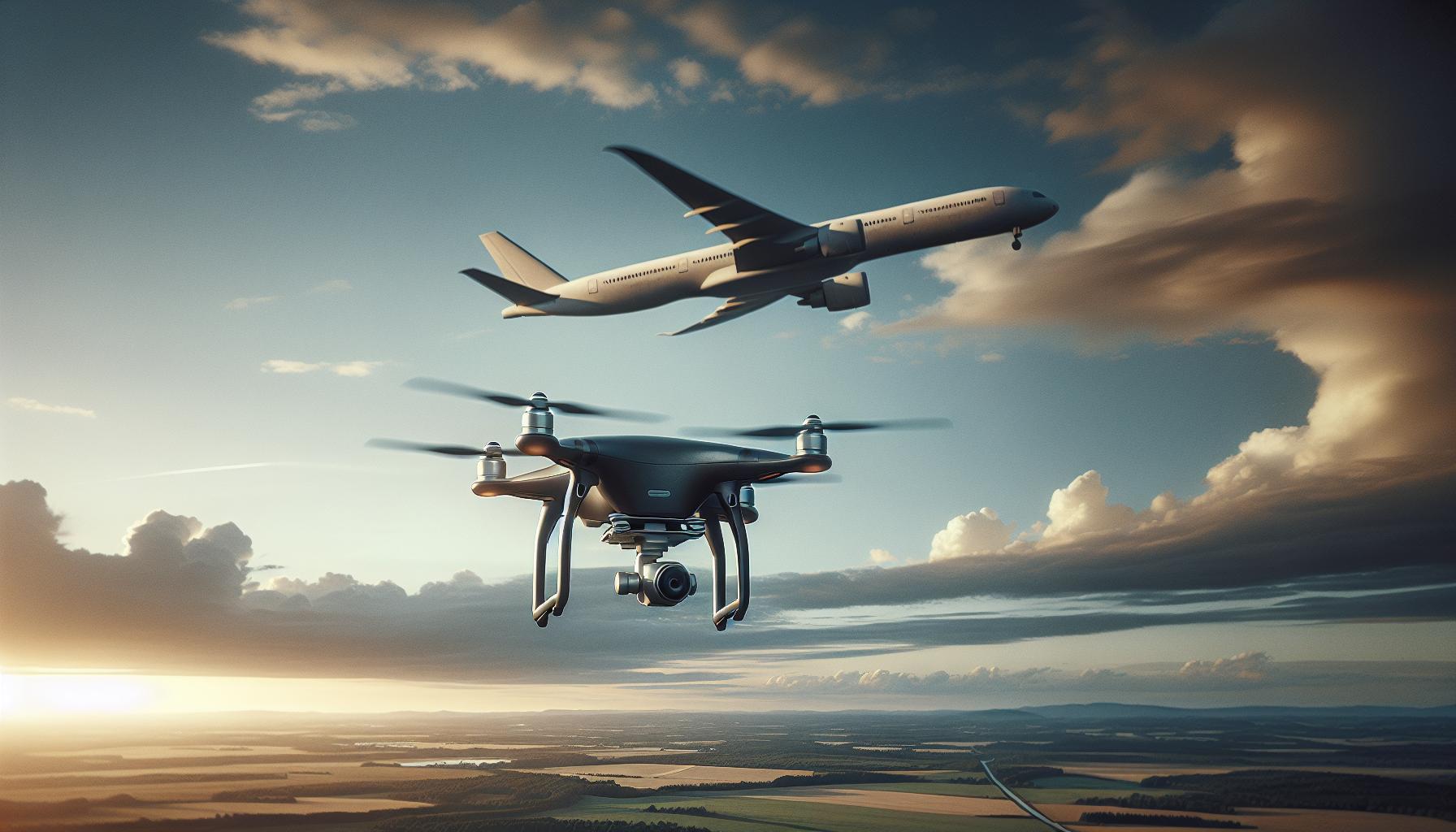
Flight Modes: How They Impact Speed
Understanding the intricacies of flight modes is essential for maximizing the performance capabilities of the DJI FPV drone. Each mode-Manual, Sport, and Normal-offers distinct characteristics that cater to different flying styles and experience levels. For adrenaline aficionados, the Manual mode allows pilots to tap into the drone’s true potential, achieving remarkable top speeds of up to 87 mph (140 km/h). This mode requires skill and intuition, as it provides fewer safety overrides and puts the pilot in full control of all aspects of flight, enhancing the thrill during competitive scenarios or aerial acrobatics.
On the other hand, Sport mode serves as a perfect bridge between Manual and Normal modes, offering faster speeds while retaining some automated safety features. This mode is designed for those who want to push their limits without the full complexity of Manual mode. It gives pilots the freedom to enjoy spirited flying, coupled with responsive controls that make it easier to manage speed and maneuverability.
Normal mode is tailored for beginners or those who prefer a more relaxed flying experience. It caps the speed and smooths out the controls, allowing new pilots to grow comfortable with basic drone operations without the overwhelming speed or complexity of the other modes. This gradual introduction to flight dynamics fosters confidence and encourages new users to explore the capabilities of their FPV drone at a manageable pace.
To effectively harness the speed capabilities regardless of the chosen mode, it’s crucial for pilots to consider their environment and the drone’s specifications. Factors such as weather conditions, battery charge levels, and the drone’s overall weight can all play a significant role in determining how these modes impact actual flight performance. Regular practice and familiarity with each mode can lead to improved pilot proficiency, resulting in not only higher speeds but also greater safety and control in diverse flying conditions.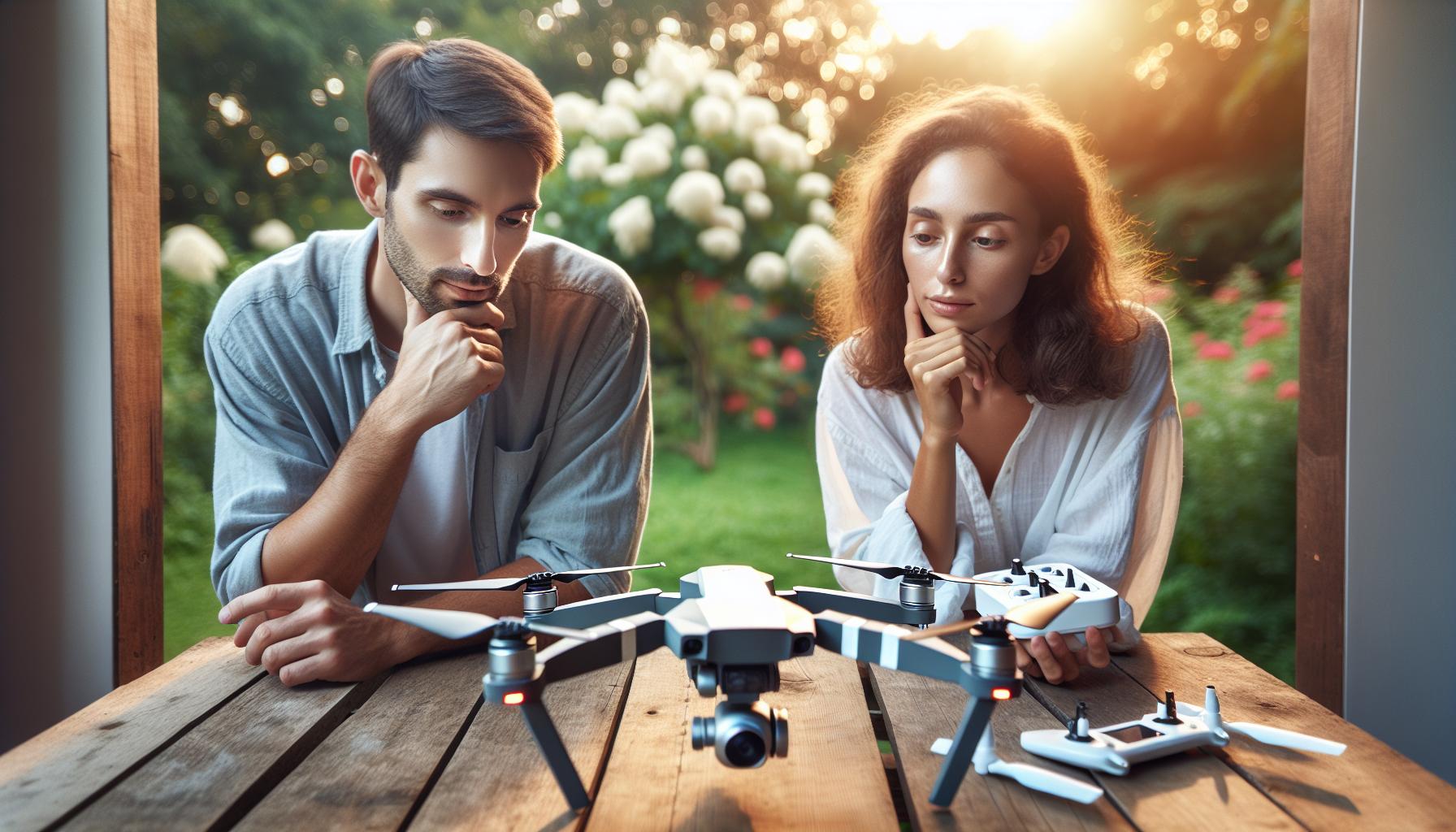
Comparing DJI FPV with Other Drones
When comparing the DJI FPV drone to other models in the market, it quickly becomes evident that its design focuses explicitly on speed and agility. Capable of reaching speeds up to 87 mph (140 km/h) in Manual mode, the FPV drone stands out against competitors like the Autel Robotics EVO Lite or the Skydio 2, which typically reach maximum speeds between 42-60 mph (68-97 km/h) depending on their flight modes. This impressive speed makes the DJI FPV an exceptional choice for enthusiasts looking to engage in racing or high-speed maneuvers.
Unique Features of the DJI FPV
The FPV drone features an integrated first-person view (FPV) system that offers an immersive flying experience through its goggles, allowing pilots to feel as though they are in the cockpit. This feature, combined with low-latency video transmission and real-time feedback, enhances control during high-speed flights. In contrast, many traditional drones, such as the DJI Mavic Air 2, while excellent for photography and surveying, lack the same immersive capabilities, which makes them less suitable for racing or acrobatic flying.
Flight Performance Under Competitive Conditions
In real-world scenarios, the DJI FPV drone excels not just in raw speed but also in handling and responsiveness. Unlike higher-end photography drones that prioritize camera stability over speed, the FPV’s lightweight design and powerful propulsion system allow quicker acceleration and sharper turns. Pilots looking to compete in FPV racing leagues will find that the advanced flight modes-particularly Manual mode-offer the precision and responsiveness required to perform complex maneuvers efficiently.
Speed Trade-offs with Other Features
However, it is essential to acknowledge that high speed comes with certain trade-offs. The DJI FPV’s battery life suffers due to its powerful motors and speed capabilities, with flight times typically ranging from 20 to 25 minutes. This is notably shorter compared to drones designed primarily for leisure photography, like the DJI Mavic 3, which offers extended flight times exceeding 30 minutes. Therefore, while the FPV drone excels in speed, users looking for longer flight sessions may need to consider how they prioritize performance versus endurance.
In conclusion, the DJI FPV drone sets a high standard in the speed-centric segment of the market, offering features unmatched by other drones aimed at different use cases. By focusing on immersive flying experiences and rapid capabilities, it gives both hobbyists and professional drone racers a compelling option, albeit with some considerations regarding battery life and overall versatility for longer flights or less demanding applications.
Real-World Speed Tests and Results
The DJI FPV drone has established itself as a formidable contender in the world of high-speed aerial robotics, noted not only for its speed but also for its agility and responsiveness. During comprehensive field tests, pilots have consistently reported impressive speed metrics, with many pushing the drone up to its advertised maximum of 87 mph (140 km/h) in Manual mode. This outstanding velocity allows users to engage in thrilling flight experiences and competitive racing scenarios, setting it apart from more conventional drones that often prioritize stability over speed.
In practice, real-world tests have revealed that achieving top speed is not merely about raw power. The DJI FPV’s lightweight construction and advanced propulsion system contribute significantly to its impressive acceleration and handling capabilities. As pilots maneuver through obstacles and perform dynamic stunts, the drone’s agile flight performance highlights its design tailored for racing enthusiasts. For example, one test scenario involved navigating a complex course of gates and pylons, where the FPV drone completed the track in less time compared to competitors, all while maintaining precision control and seamless maneuverability.
Moreover, speed consistency is a crucial factor during these tests, especially under varying environmental conditions. Pilots have noted that while the drone excels in calm weather, wind resistance can slightly affect its performance, particularly at high speeds. Understanding this aspect is essential for operators looking to maximize the FPV drone’s capabilities. Maintaining awareness of weather conditions can help pilots plan their flights to coincide with optimal flying environments, leading to more successful and enjoyable experiences.
In short, real-world speed tests for the DJI FPV confirm that it lives up to its high-performance claims. With its robust features and sleek design, the FPV drone not only meets the expectations of speed but also offers an engaging and immersive experience. For enthusiasts and professionals alike, the FPV drone becomes a versatile tool that enhances both racing performance and aerial exploration.
Factors Affecting Drone Speed Performance
Achieving optimal speed performance with the DJI FPV drone involves multiple interlinked factors that can significantly affect its efficiency in the air. Understanding these elements equips pilots to maximize their flying experience, whether for racing or casual aerial photography.
The drone’s weight and build materials play a pivotal role in its overall speed capabilities. The DJI FPV’s lightweight design enhances its acceleration and agility, allowing it to reach impressive speeds quickly. In contrast, heavier drones may struggle at high velocities due to increased drag and decreased maneuverability. For both hobbyists and competitive pilots, choosing a drone made from lightweight yet durable materials can optimize speed.
Battery performance is another critical aspect impacting the FPV drone’s speed. The capacity and condition of the batteries determine how much energy is available for propulsion. A fully charged, high-quality battery not only sustains longer flight times but can also support sustained high-speed performance. It’s essential for pilots to monitor battery health and replace old or compromised batteries to ensure they are flying at peak performance.
Weather conditions also introduce variability in speed performance. Factors such as wind speed and direction have a noticeable impact; flying against a strong headwind can drastically reduce speed, while a tailwind can enhance it. Additionally, pilots should be aware of how temperature affects battery performance, as extreme cold can reduce battery efficiency. Planning flights during optimal weather conditions allows pilots to achieve the best possible speed metrics.
Moreover, the flight mode selected significantly influences how the drone behaves at high speeds. The DJI FPV provides various flight modes-such as Manual, Sport, and Normal-that cater to different flying styles and skill levels. In Manual mode, where pilots have complete control, the drone can be pushed to its maximum speed. However, this requires a higher skill level to manage the increased responsiveness and agility effectively. Understanding how flight modes affect power management and speed can help pilots make better decisions based on their flying preferences and environment.
By taking these factors into account-weight, battery performance, weather conditions, and flight mode-pilots can enhance their experience with the DJI FPV drone and unlock its full speed potential. Whether you’re racing against the clock or navigating through obstacles, being mindful of these elements will lead to more thrilling and successful flights.
Tips for Maximizing Your FPV Drone Speed
Achieving maximum speed with the DJI FPV drone requires a combination of technical understanding and practical flying skills. With the right approach, pilots can unlock their drone’s full potential, whether for racing or simply enjoying exhilarating flights. Here are several actionable tips that can enhance your speed experience while maintaining control and safety.
First and foremost, calibrate your drone’s settings before each flight. This includes checking the propeller installation and ensuring they are free from damage, as faulty propellers can drastically reduce speed and efficiency. Additionally, keeping the drone clean, unobstructed, and free from dirt or debris will help maintain its aerodynamic integrity. Consider performing a pre-flight check routinely to ensure all components are functioning properly, allowing the drone to perform at its best.
Optimize Your Flight Position and Technique
Your body position and control inputs can also make a difference. Maintain a low, stable flight altitude to reduce wind resistance while flying faster. When transitioning from hovering to forward flight, a smooth and gradual tilt of the control sticks can help maintain speed without sacrificing control. Practicing your maneuvers-such as quick turns and ascents-will improve your agility, enabling you to adapt and accelerate swiftly during flight.
Furthermore, choose the right flying environment. Open spaces with minimal obstacles will facilitate higher speeds without the concern of collisions. Avoid flying in crowded areas or during high wind conditions, as these factors can not only impact your speed but also lead to erratic flight paths. If possible, use flight simulation software for practicing advanced maneuvers and understanding your drone’s handling prior to actual flights.
Lastly, consider upgrading your drone’s accessories for optimized performance. High-quality batteries with a higher discharge rate can provide more power for acceleration, while lightweight aftermarket parts can reduce the overall weight of your drone. Customization options like advanced flight controllers and optimized firmware can also contribute to better speed control and performance.
By integrating these strategies into your routine flying practice, you can push the limits of your DJI FPV drone’s speed while enjoying a safe and controlled flying experience.
Understanding Battery Life and Speed Trade-offs
Battery life can significantly affect how fast and efficiently the DJI FPV drone performs, emphasizing the intricate balance between speed and sustainability in a high-energy environment. When pilots maximize speed, it often leads to increased power consumption, which can reduce flight duration. Understanding this relationship is essential for effective flight planning and execution.
When the DJI FPV is pushed to its limits, such as in racing scenarios, you might experience rapid depletions in battery life. This is particularly true at high throttle settings where the motors draw considerable power. For instance, using “manual mode” often results in greater speeds, but at the cost of operating the drone’s battery much faster than during relaxed flight conditions. It’s essential to monitor the battery’s state of charge closely and be aware of how aggressive maneuvers-like rapid ascents or sharp turns-can compound power drain.
To effectively manage the trade-offs between speed and battery life, pilots can implement several strategies:
- Choose the Right Battery: Higher discharge rate batteries can deliver more power when needed without as much risk of overloading the battery.
- Plan Your Flight Path: Optimizing your flight route to include periods of less aggressive flying can help conserve battery life.
- Monitor Battery Levels: Use the telemetry features available in the DJI FPV’s app to keep an eye on battery voltage and remaining capacity during flight.
- Adjust Flight Modes: Utilizing different flight modes, such as ‘Sport’ or ‘Normal’, can help ground your speed to accommodate longer flight times.
By carefully managing these aspects, pilots can enjoy elevated speeds while optimizing battery performance, ensuring they have sufficient power for safe returns. Understanding this balance enhances overall flight experience and supports achieving both speed and efficiency during operation.
Environmental Impact on Drone Speed
The environmental conditions in which a DJI FPV drone operates play a crucial role in determining its speed and overall performance. Factors such as wind, temperature, and altitude can significantly influence how fast a drone can fly and maintain stability during flight. Understanding these elements allows pilots to optimize their flight experiences and anticipate potential challenges.
Wind is perhaps the most impactful environmental factor. When flying against a strong headwind, the drone must exert more power to maintain speed and altitude, which may lead to a decrease in flight efficiency and battery life. Conversely, tailwinds can aid in achieving higher speeds, but they also come with risks, such as difficulty managing landing approaches and controlling the drone’s path. It’s recommended to check weather forecasts and wind conditions before flight. Pilots should also practice advanced techniques such as exploiting wind currents while racing or engaging in aerobatic maneuvers.
Temperature can affect battery performance; colder conditions may lead to decreased battery efficiency, reducing the drone’s ability to achieve optimal speeds. To mitigate these effects, pilots should ensure batteries are warmed up before flight, perhaps by keeping them in an insulated pouch when not in use. Additionally, high-altitude flights may result in diminished propeller efficiency due to thinner air, which can reduce lift and speed. Pilots flying at elevation should be prepared to adjust their flying techniques and expectations regarding speed.
Ultimately, by tailoring flight plans to suit environmental conditions and leveraging the effects of weather, pilots can enhance their DJI FPV experience. Regularly checking environmental factors not only improves speed but also contributes to a safer flying experience, allowing for more confident and controlled maneuvers.
Common Performance Issues and Troubleshooting
Despite the remarkable speed and agility of the DJI FPV drone, even seasoned pilots can encounter performance issues that hinder flight experience. Understanding these potential challenges is crucial for optimizing performance and maintaining an efficient flying experience. Common issues may arise from factors such as firmware discrepancies, hardware malfunctions, or user oversight, which can significantly impact speed and overall functionality.
One frequent concern is related to firmware compatibility. Drones that are not updated to the latest firmware may experience reduced performance, including slower speeds and erratic flight patterns. Regularly checking for firmware updates and ensuring they are installed can help mitigate this issue. Additionally, any sudden loss of speed or control could stem from a malfunctioning GPS module. Pilots should test the drone in open areas to ensure a strong GPS signal, as weak signals can lead to performance degradation.
Battery health also plays a pivotal role in maintaining optimal performance. Over time, drone batteries can degrade, leading to less efficient power output and increased weight. This can affect the maximum achievable speed and flight time. Pilots should monitor battery cycles and replace old or damaged batteries to sustain peak performance. Moreover, ensuring proper battery care-such as storing in a moderate temperature and avoiding full discharges-can extend battery life significantly.
Common Troubleshooting Steps
- Firmware Updates: Regularly check DJI’s official site or app for updates. Perform these updates before critical flights.
- Pre-Flight Checklist: Always conduct a thorough pre-flight inspection. Verify battery health, propeller condition, and GPS signal.
- Calibration: Perform a compass and ESC calibration if the drone displays erratic behavior, which can enhance responsiveness and speed.
- Environmental Awareness: Assess weather conditions before flight-high winds can impede your drone’s speed and control.
- Consult Logs: Review flight logs to identify unusual patterns that may signal emerging issues.
By troubleshooting these issues methodically, pilots can significantly enhance their flying experience. Adapting to each drone’s unique operation conditions and capabilities will empower both hobbyists and professionals to fly with confidence and maximize the impressive speed potential of their DJI FPV drones.
Upgrades and Modifications for Enhanced Speed
To unlock the full potential of your DJI FPV drone, consider a variety of upgrades and modifications that can enhance speed, agility, and overall performance. While the stock specifications already offer impressive capabilities, a few targeted improvements can lead to an exhilarating flying experience.
One of the most impactful upgrades is the propulsion system. Switching to high-performance propellers can drastically affect speed and handling. For example, tri-blade propellers often provide better lift and more responsive control, making them a great choice for racing or high-speed flights. Be sure to select propellers designed specifically for your drone model to ensure compatibility and safety.
Battery upgrades are another crucial aspect. Utilizing a higher capacity battery can extend your flight time and allow for more power during maneuvers, directly influencing speed. Consider experimenting with different battery types, such as LiPo batteries with higher discharge rates, which can significantly improve thrust output and acceleration. However, always keep in mind that increased battery weight may offset the potential speed increase, so it’s essential to find a balance that works for your specific flight goals.
In addition to hardware modifications, fine-tuning your drone’s firmware and settings can lead to notable improvements in performance. Adjusting PID settings can make your drone more responsive to stick inputs, particularly during rapid maneuvers. Understanding and employing features like “Race Mode” or “Manual Mode” can maximize speed, allowing your drone to reach its top velocity.
For those interested in a more interactive experience, integrating advanced telemetry systems can provide real-time data on speed, battery health, and GPS reception. Having this information readily available can help you make better strategic decisions during flight, such as when to initiate high-speed passes or conserve battery life.
Investing in upgrades and modifications not only enhances speed but can also transform your overall flying experience into one that is more thrilling and fulfilling. Embrace these enhancements, and you’ll discover just how exhilarating your DJI FPV drone experience can become.
Regulatory Considerations for High-Speed Flying
Operating a DJI FPV drone at high speeds can be thrilling, but it also comes with a crucial need to adhere to regulatory considerations that ensure both your safety and compliance with the law. Most countries have established guidelines and regulations that govern the use of drones, particularly when they are capable of high-speed flight. Familiarizing yourself with these regulations is essential to avoiding fines and other legal repercussions.
One of the primary considerations involves the registration of your drone. In many jurisdictions, drones that exceed a certain weight require registration with the relevant aviation authority. This provides a level of accountability for drone pilots, particularly as speed and agility increase, making it imperative to have clear ownership information in case of any incidents. Make sure to check the specific requirements in your country or region.
Additionally, many regulations stipulate that drone operators must maintain a Visual Line of Sight (VLOS) on their drones during flight. This can become increasingly difficult at higher speeds, as your drone covers ground quickly. To comply, operators should plan their flights in open areas where they can maintain visibility. In rural settings, this often means keeping the drone within sight at all times, even as it zooms through the air.
Safety Measures and Airspace Regulations
Ensuring safe flight paths is another regulatory dimension that cannot be ignored. Most areas have restricted airspaces, particularly near airports, populated areas, and government buildings. Before initiating high-speed maneuvers, it’s crucial to check airspace regulations applicable to your flying location. Tools such as airspace maps and drone-specific apps can be incredibly helpful in identifying these zones.
Furthermore, operators should be aware of nighttime flying restrictions. Many regions prohibit drone flights after dark unless the drone is equipped with specific lighting that ensures visibility. Pilots looking to push the limits of speed should plan their flights for daytime when compliance with visibility rules is achievable without additional equipment.
Community and Personal Responsibility
Lastly, being part of the drone flying community can foster a culture of safety and compliance. Engaging with local clubs or online groups can provide valuable insights into regulatory updates and best practices from experienced pilots. This communal knowledge can help inform your flying techniques, ensuring that high-speed operations remain safe for you and those around you.
Ultimately, balancing your desire for speed with awareness and adherence to regulations will not only enhance your experience but also contribute to a safer drone-flying environment for everyone. Make it a habit to remain informed and vigilant about regulations as you explore the thrilling capabilities of your DJI FPV drone.
Frequently asked questions
Q: What is the maximum speed of the DJI FPV drone?
A: The DJI FPV drone can reach a maximum speed of 87 mph (140 km/h) in its Sport mode. This impressive speed makes it ideal for racing and dynamic maneuvers. For more details on speed metrics, refer to our section on “Top Speed and Acceleration Metrics Explained.”
Q: How does the DJI FPV drone compare to other racing drones?
A: The DJI FPV drone is known for its high speed and stability, often outperforming many racing drones within the same class. It combines advanced technology with superior speed, making it a popular choice among enthusiasts. Check our “Comparing DJI FPV with Other Drones” section for a deeper analysis.
Q: What factors can affect the speed of the DJI FPV drone?
A: Factors affecting speed include battery life, wind conditions, the drone’s weight, and the selected flight mode. Pilots can optimize conditions for better performance by understanding these variables. Visit our “Factors Affecting Drone Speed Performance” section for tips on enhancing speed.
Q: How do flight modes affect the speed of the DJI FPV drone?
A: Flight modes such as Normal, Sport, and Manual significantly impact speed. In Sport mode, the drone achieves higher speeds, while Normal mode is optimized for ease of use. Learn more in our section on “Flight Modes: How They Impact Speed.”
Q: Can environmental conditions affect my DJI FPV drone’s speed?
A: Yes, environmental conditions like wind, temperature, and altitude can influence the drone’s speed and overall performance. For tips on how to manage these conditions, see our “Environmental Impact on Drone Speed” section.
Q: Will upgrading parts on my DJI FPV drone increase its speed?
A: Yes, upgrading components such as propellers, motors, or flight controllers can enhance speed and performance. However, it’s important to ensure compatibility and balance with the drone’s specifications. Refer to our “Upgrades and Modifications for Enhanced Speed” section for guidance.
Q: How can I maintain optimal speed performance with my DJI FPV drone?
A: To maintain optimal speed, regularly check and calibrate your drone, keep software updated, and ensure that batteries are fully charged and properly maintained. For detailed maintenance tips, explore our “Tips for Maximizing Your FPV Drone Speed” section.
Q: Is there a trade-off between battery life and speed in the DJI FPV drone?
A: Yes, flying at maximum speed generally consumes more battery life. It’s crucial to balance speed and flight duration to prevent losing power mid-flight. For insight into managing this balance, check our “Understanding Battery Life and Speed Trade-offs” section.
In Summary
As we’ve explored, the DJI FPV drone offers impressive speed and performance, making it a top choice for thrill-seekers and aerial enthusiasts. If you’re eager to take your flying experience to the next level, don’t hesitate to check out our detailed guides on optimizing drone performance and mastering flight techniques. Have questions or insights about your experience with the DJI FPV? We’d love to hear from you in the comments below!
For more in-depth analysis, explore our reviews on the latest DJI models or delve into tips for troubleshooting common issues. You’ll find everything you need to enhance your drone flying skills and ensure a safe and exhilarating experience. Remember, each flight is an opportunity to refine your skills-take action today and venture into the skies with confidence! Sign up for our newsletter to stay updated on the latest drone news and resources.