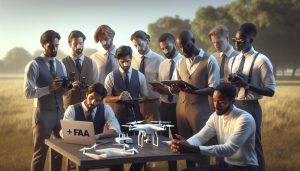
In today’s visually driven world, captivating video content can set your work apart, especially when it features breathtaking drone footage. Editing DJI drone footage is not just about piecing clips together; it’s about transforming your aerial shots into stunning narratives that evoke emotions and leave a lasting impact. Whether you’re a hobbyist eager to enhance your skills or a professional looking to refine your editing prowess, learning how to elevate your drone videos is essential. This guide explores effective techniques and tools to enhance your footage, ensuring your unique perspective shines through. As you delve into editing, you’ll gain insight into storytelling, color grading, and sound design, turning raw aerial footage into polished masterpieces that engage your audience and elevate your content creation game. Ready to unlock the full potential of your DJI drone footage? Let’s dive in!
Understanding DJI Drone Footage Basics
Capturing breathtaking aerial footage with a DJI drone is just the beginning of your creative journey. Understanding the nuances of your footage is crucial for editing compelling videos that resonate with viewers. DJI drones come equipped with advanced sensors and cameras that can record in various formats, including 4K and even 6K on the latest models. The clarity and detail in the imagery can elevate your storytelling, but it’s essential to grasp how these technical specifications impact your final output.
One key aspect to consider is the frame rate at which you shoot. Higher frame rates, such as 60 fps or 120 fps, allow for smooth slow-motion effects during editing, giving you flexibility in crafting dynamic sequences. Conversely, standard frame rates like 24 fps or 30 fps are perfect for cinematic looks. Additionally, the resolution impacts editing as 4K footage requires more processing power and storage, but it provides greater detail, which is advantageous for cropping or stabilizing shots during post-production.
The color profile is another critical element; DJI cameras often support D-Log or other flat color modes, designed to give you a wider dynamic range. This allows for more creative control in the color grading process, enabling you to infuse your videos with specific moods and aesthetic styles. Understanding the basics of these profiles will allow you to tailor your edits more precisely, ensuring that the final product achieves your artistic vision.
Lastly, consider the importance of metadata, as DJI drones automatically embed information like GPS coordinates, altitude, and flight patterns into your footage. This data can enhance storytelling, as you might choose to overlay maps or visual references in your edits to provide context for the viewer. By mastering these fundamentals of DJI drone footage, you’ll not only streamline your editing process but also enrich the narrative quality of your videos, making each project more engaging and impactful.
Essential Software for Editing Drone Videos
To edit the stunning aerial footage captured by your DJI drone, choosing the right software is essential. The landscape of video editing tools is vast, catering to both beginners and seasoned professionals. Each software comes with its own unique features and capabilities tailored to enhance the editing process. Understanding which tools align best with your editing style and requirements can significantly impact your workflow and final output.
Popular choices include Adobe Premiere Pro, renowned for its powerful editing capabilities and flexibility. This professional-grade software supports a range of formats and resolutions, making it ideal for 4K and 6K footage from your drone. The timeline feature allows for detailed editing, while integrated tools for color grading, audio mixing, and adding effects provide comprehensive control over your project. In contrast, Final Cut Pro is a favorite among Mac users, offering a seamless editing experience with an intuitive interface and robust performance, particularly for large files.
For those new to drone video editing or looking for more accessible options, DaVinci Resolve stands out with its free version that includes advanced color correction tools and a professional nonlinear editing environment. The combination of editing, color grading, visual effects, and audio post-production in one package makes it a versatile option for both novices and experts. Additionally, iMovie serves as a simple and user-friendly starting point for beginners who want to learn the basics without overwhelming features, while still maintaining essential editing functionalities.
When selecting software, consider the $ costs, compatibility with your operating system, and the learning curve associated with each tool. Many platforms offer trial versions which allow you to explore their functionalities before making a commitment. This experimentation can help you discover the best match for your unique editing style and needs, streamlining your workflow and enhancing the quality of your completed projects.
Step-by-Step Guide to Importing Footage
To effectively transform your DJI drone footage into a polished video, the first crucial step is to import your content seamlessly into your chosen editing software. This process, although straightforward, can sometimes lead to confusion if not done properly. Whether working with a PC or Mac, it’s essential first to ensure that your drone is disconnected from any mobile devices to avoid file transfer interruptions. Remember, preparing your footage for a smooth editing experience is paramount.
Begin by connecting your drone’s SD card to your computer using a card reader. This method is generally faster and more reliable than importing directly from the drone itself. Once the SD card is accessed, you’ll find your video files organized in folders, often by date or by flight session. It’s good practice to create a specific folder on your computer where you will copy these files to maintain organization. This way, you can easily locate them later during the editing process.
After transferring the footage to your dedicated folder, launch your editing software. Most editing programs allow you to import files through a simple drag-and-drop interface or by navigating through a file selector. In programs such as Adobe Premiere Pro or DaVinci Resolve, locate the “Import Media” option in the File menu. You will then navigate to your previously created folder and select the footage you wish to work with. It’s typically advisable to import all files related to a project at once to prevent missing any important clips.
As you import, take note of the file naming conventions. DJI footage often comes with additional identifiers such as resolution and the date of capture in the file name, which can aid in better sorting and organization. Once the files are imported, check for any necessary conversions or adjustments, particularly if you’re working with 4K footage, as some editing software may require additional processing power. Keeping your edits organized and accessible from the start will greatly enhance your editing workflow and help you make the most of your drone footage.
Key Editing Techniques for Stunning Visuals
Capturing breathtaking aerial footage with your DJI drone is just the beginning; the real magic happens in the editing room. By utilizing effective editing techniques, you can elevate your visuals from raw captures to stunning cinematic experiences. One key approach is to emphasize the unique perspectives that drone footage affords, such as sweeping landscapes or intricate moves through urban environments, allowing viewers to engage with your content on a deeper level.
Start with Strong Cuts
Editing drone footage effectively often begins with the selection of strong cuts that share a clear story or emotion. This means identifying the best clips to highlight the drone’s capabilities, such as smooth tracking shots or dramatic flyovers. When selecting clips, consider varying the angles and perspectives to maintain viewers’ interest. Use tools such as the “Razor” blade in software like Adobe Premiere Pro or the “Split” feature in Final Cut Pro to trim clips effectively. Aim for quick transitions between sections to create a dynamic rhythm that retains engagement.
Utilize Motion Effects
Incorporating subtle motion effects can enhance the overall feel of your video. Slow-motion sequences can bring dramatic visuals to life, particularly when capturing fast-moving subjects or stunning scenery. Conversely, speeding up clips may effectively condense long journeys into captivating highlights. Don’t hesitate to experiment with keyframes to add motion to still images, giving the illusion of a pan or zoom that further draws the viewer’s eye towards critical elements of your composition.
Layering Sound for Depth
While visuals are essential, sound plays a crucial role in creating an immersive experience. Layer ambient sounds-like winds, waves, or city hums-under your visuals to establish context and atmosphere. You can also add a soundtrack that aligns with the footage’s emotion, creating a seamless audio-visual narrative. Always keep audio transitions smooth to maintain professional quality; using fades in and out can prevent jarring audio shifts that disrupt viewing.
Final Touches and Quality Control
Before exporting, make sure to give your footage a thorough review. Watch your video multiple times to check for pacing, visual coherence, and any abrupt transitions that might detract from the viewer’s experience. Consider the final export settings carefully to ensure optimal quality-select a format that preserves the high resolution of your drone footage, especially if you’ve filmed in 4K or higher.
With the proper techniques, your DJI drone footage can transform into captivating visuals that not only impress but also tell compelling stories that resonate with audiences. Each edit is an opportunity to refine your skills and explore new creative directions, making the editing process just as thrilling as the flight itself.
Color Grading Tips to Enhance Your Videos
Color grading is a transformative step in the post-production process that can significantly enhance the storytelling power of your DJI drone footage. By manipulating the colors and tones within your video, you can evoke specific emotions, improve visual coherence, and create a unique mood that resonates with your audience. Understanding the principles of color grading allows you to customize your footage to match your creative vision while ensuring that it looks stunning and professional.
To get started with color grading, it’s essential to understand the technical aspects of your footage. First, assess the lighting conditions under which your drone shots were captured. Footage filmed in bright daylight may require different adjustments than those taken during golden hour or under overcast skies. Using your editing software’s color tools, consider adjusting the exposure to ensure your highlights and shadows are well balanced. Most programs will allow you to manipulate the histogram, providing a visual representation of your image’s brightness levels. Keep an eye on the skin tones if your footage includes people, aiming for accuracy to maintain natural representation.
Utilizing LUTs for Efficient Grading
One effective way to enhance your color grading is by using Look-Up Tables (LUTs). LUTs offer pre-defined color profiles that can instantly elevate the aesthetic of your footage, providing a cohesive look across your entire video. Many editing software programs, such as DaVinci Resolve or Adobe Premiere Pro, come with built-in LUTs tailored for various styles and genres. It’s often useful to apply a LUT as a starting point, after which you can fine-tune your colors, saturation, and contrast to better suit your footage. Don’t hesitate to experiment with multiple LUTs to find the one that best matches the mood you’re aiming for.
Employing Advanced Techniques
In addition to basic adjustments, consider utilizing more advanced color grading techniques. Tools like color wheels and curves allow for granular control over specific color ranges. For example, you can isolate and enhance the blues in your sky or the greens in lush landscapes without affecting the rest of your image. This selective color grading technique is ideal for highlighting different elements of your footage and ensuring that they stand out. Remember, the key is subtlety; the goal is to enhance your visuals while keeping them believable.
Incorporating color grading into your editing workflow not only improves the visual appeal of your DJI drone footage but also enhances the narrative elements, drawing viewers deeper into your story. Each color can evoke different feelings; warm tones can create a sense of comfort, while cooler tones can evoke calmness or distance. Thus, mastering the art of color grading will level up your drone videos, allowing your creativity to shine through as you share your unique perspective and experiences with your audience.
Adding Music and Sound Effects to Footage
Integrating music and sound effects into your DJI drone footage can elevate your videos from simply beautiful visuals to a captivating audiovisual experience. Sound plays a crucial role in storytelling, and when paired effectively with stunning aerial shots, it can evoke emotions and enhance the overall impact of your project. Whether you’re working on a personal video for family and friends or a professional project, the right audio can make all the difference.
Start by selecting a soundtrack that aligns with the tone and style of your footage. A sweeping orchestral piece might complement breathtaking landscapes, while an upbeat electronic track could suit fast-paced action scenes. Royalty-free music libraries, like Artlist or Epidemic Sound, offer a wide range of tracks that cover various genres. Be sure to choose music that fits the length of your video or is easily editable to match specific segments. Additionally, some video editing software allows you to adjust the tempo or pitch, providing flexibility to align the audio with your visuals seamlessly.
Sound effects are another essential element that can add depth to your footage. Consider integrating ambient sounds that correspond with your visuals, such as the rustling of leaves in a forest scene or the sound of waves crashing along a coastline. You can source sound effects from libraries like Freesound or directly within your editing software. Utilizing these sounds helps create a more immersive viewing experience.
When editing, pay attention to levels; music should enhance the visuals without overpowering them. Use audio keyframes to adjust volumes at specific points, ensuring smooth transitions between music and sound effects. For instance, if a character speaks in your video, lower the music’s volume to keep dialogues clear.
Lastly, don’t forget to review your final cut with fresh ears. It’s helpful to step away after your initial edits and come back with a clear mindset to assess how well your audio complements the visuals. The right combination of music and sound effects will resonate with your audience, drawing them into your aerial narrative and leaving a lasting impression.
Incorporating Transitions and Effects Seamlessly
In the world of video editing, transitions and effects can significantly enhance the storytelling aspect of your drone footage. These elements not only help to maintain viewer engagement but also reinforce the narrative by smoothly guiding the viewer from one scene to another. When working with DJI drone footage, the integration of transitions should be done with care to ensure that they complement rather than overwhelm the visual flow of your project.
Choosing the right type of transition is essential. Depending on the mood and pacing of your video, you might opt for softer fades for serene landscapes or sharper cuts for action sequences. Cross dissolves can be effective in creating a smooth emotional connection between two scenes, while hard cuts can punctuate moments of excitement or surprise. It’s advisable to keep transitions consistent in style to maintain a unity throughout the video-too many different transitions can distract rather than enhance.
When applying effects, always consider the context of the footage. For instance, a subtle motion blur can add a professional touch to quick movements captured with your DJI drone, creating a sense of speed and fluidity. On the other hand, effects like color correction or filters should align with the overall aesthetic of your video. Always test effects in moderation; overuse can lead to a cluttered viewing experience.
It’s also crucial to create seamless segue points. This can be achieved by matching the visual and thematic elements of consecutive clips. If a previous scene ends with the sound of waves, a subsequent clip beginning with a beach or water scene can provide a natural transition. You might also want to play with speeds and layers; slowing down a clip right before a transition can intrigue viewers and enhance the overall drama of your narrative.
involves a balance between creativity and discipline. Keep refining your techniques by experimenting with different approaches while always prioritizing clarity and storytelling integrity. By adopting a thoughtful and strategic method when integrating these elements, your DJI drone videos can achieve a professional polish that captivates and resonates with your audience.
How to Stabilize and Smooth Out Clips
Capturing smooth, professional-grade footage with a DJI drone is a common goal for both hobbyists and seasoned pilots. However, even the best drones can produce shaky or jittery footage due to external factors like wind, abrupt movements, or operator error. The key to achieving that cinematic quality lies in employing stabilization techniques during the editing process. Here’s how you can effectively smooth out your drone clips to create visually stunning videos.
A fundamental technique for stabilizing drone footage is using video editing software equipped with stabilization features. Programs such as Adobe Premiere Pro, Final Cut Pro X, and DaVinci Resolve offer built-in stabilization options that analyze the movement of the footage and compensate for unwanted shakes. In Adobe Premiere Pro, for instance, you can apply the “Warp Stabilizer” effect, which automatically smooths out your clips. Apply the effect by dragging it onto your clip in the timeline, and the software will process the footage to eliminate jitters, providing a much more polished look.
For clips that still exhibit minor shakes after stabilization, consider additional techniques like cutting to B-roll footage or adding slow-motion segments. Integrating B-roll allows you to transition away from shaky sections without losing engagement, while slow-motion can mask imperfections by reducing the pace of the footage. When implementing slow-motion, ensure that the original footage is shot at a higher frame rate (like 60fps or more) to maintain clarity and detail when slowed down.
Finally, it’s essential to incorporate gimbal calibration as a proactive approach. DJI drones typically come equipped with a three-axis gimbal, which plays a crucial role in stabilizing your camera during flight. Before embarking on a shoot, ensure that the gimbal is properly calibrated through the DJI Go app. This step helps minimize any inherent shaking during flight, leading to smoother footage right from the start and reducing the amount of stabilization needed in post-production.
By pairing effective editing techniques with meticulous pre-flight setup, you can dramatically improve the smoothness of your drone footage, elevating your projects to a professional standard while enjoying a seamless editing experience.
Creating Engaging Storylines with Your Footage
Capturing stunning aerial footage with a DJI drone is only the beginning of your creative journey. To truly elevate your work, it’s essential to weave a compelling narrative that resonates with your audience. Engaging storylines transform simple visuals into a captivating viewing experience. By structuring your footage around a clear narrative arc, you can effectively draw viewers in, making them feel connected to the scenes unfolding before their eyes.
One effective method to craft engaging stories is by planning your shots with intention. Before you fly, develop a storyboard or outline that highlights the key moments you want to capture. For example, if you’re documenting a hike, consider starting with an establishing shot of the landscape, followed by footage of your journey through various terrains, interspersed with close-up shots of interesting features you encounter. This approach not only enhances viewer engagement but also creates a cohesive storyline that flows seamlessly from one scene to another.
Using a variety of shot types can also enhance storytelling. Incorporate wide shots to establish context, medium shots to capture action, and close-ups for emotional details. By varying your angles and perspectives, you can keep the audience’s attention while effectively conveying your message. For instance, if your footage covers a community event, wide shots of the crowd can set the scene, while close-ups of individuals interacting tell personal stories that evoke empathy and connection.
Finally, think about the pacing of your video. Just as a written story requires a rhythm to maintain interest, so does your edited footage. Use transitions to guide your audience through the narrative, deciding where to speed up or slow down based on the emotional intensity of the moment. This dynamic pacing can help ensure the viewer remains engaged throughout the journey, effectively enhancing the overall impact of your storytelling.
By thoughtfully assembling your drone footage into a story that connects emotionally with viewers, you can create a powerful narrative that is not only visually stunning but also meaningful, positioning your work as memorable and impactful.
Exporting Settings for Optimal Video Quality
When it comes to ensuring your drone footage shines, choosing the right exporting settings can make all the difference. Exports can either enhance the visual quality of your video or result in a loss of details. Therefore, optimizing the settings is crucial for showcasing the heart of your aerial creativity. Whether you’re aiming for social media sharing or high-quality presentations, knowing how to finalize your videos properly sets the stage for their reception.
To maintain the highest quality in your exports, consider the following essential parameters:
- Resolution: Export at the native resolution of your footage, usually 4K (3840 x 2160) for the latest DJI models. This ensures that you retain all the details captured during your flight.
- Frame Rate: Match the frame rate of your export to that of your footage. If your drone recorded in 30 fps, export in 30 fps to avoid motion artifacts.
- Bitrate: Use a higher bitrate for better quality. For HD videos, target a bitrate of around 8-12 Mbps, and for 4K, consider 35-45 Mbps or even higher if your editing software allows.
- Codec: H.264 is a widely compatible format that balances quality and file size, suitable for most platforms. If you’re looking for superior quality and have capacity, H.265 (HEVC) is recommended, especially for 4K content.
- Color Space: Export in the Rec. 709 color space for standard viewing, or use Rec. 2020 if you’re working with HDR footage. This ensures consistent color representation across different devices.
Additionally, keep your audience in mind when selecting formats for sharing. If you’re uploading to platforms like YouTube or Vimeo, consider sticking to their recommended settings for optimal playback quality. For instance, YouTube recommends 4K at 30 fps with an H.264 codec, ensuring quick uploads and smooth playback.
Lastly, test your exports before finalizing your projects. Play them on various devices to ensure the quality is consistent and edit further if necessary. With mastery over these exporting settings, you’ll be equipped to present your DJI drone footage in its best light, capturing the stunning visuals and excitement that drove your original shoot.
Sharing Your Drone Videos Effectively
Sharing your stunning drone videos is as crucial as capturing them in the first place. With captivating visuals and aerial perspectives at your disposal, presenting your footage effectively can elevate your work and engage your audience. Whether you’re aiming to share your adventures on social media or create a professional portfolio, understanding the nuances of video sharing will maximize the impact of your drone creations.
To begin with, choose the right platform based on your intention. For quick social media sharing, platforms like Instagram and TikTok can highlight short, engaging clips. Conversely, for in-depth storytelling, consider platforms like YouTube or Vimeo, where longer videos can be appreciated by viewers. Each platform has unique dimensions and quality requirements; thus, optimizing your videos according to these specifications will ensure that they look their best. Always preview your footage in the context of the platform before uploading, as this helps adjust aspects like aspect ratio and resolution to fit the medium.
Optimize Your Video for Each Platform
When preparing to share your footage, pay close attention to the recommended settings for each platform. Here’s a quick guide for some popular options:
- YouTube: Aim for 4K resolution at 30 fps, using H.264 codec for compatibility.
- Instagram: For feed posts, use a 1:1 or 4:5 aspect ratio with a maximum video length of 60 seconds. For Stories, go vertical with a 9:16 aspect ratio.
- Facebook: Follow similar guidelines as Instagram but leverage their autoplay feature by putting your key visuals in the first few seconds.
Lastly, consider the narrative aspect of your footage. Engaging content tells a story that resonates with viewers. Incorporate captions or brief explanations if necessary, and think about including background music that complements your visuals. Music can set the tone and enhance the viewing experience, making it more enjoyable. There are many royalty-free music platforms, so ensure your choice aligns with the mood and theme of your footage while staying legally compliant.
By following these strategies, you’ll not only present your drone footage effectively but also create a meaningful connection with your audience, allowing them to experience your adventures from the sky like never before.
Common Editing Mistakes to Avoid
Editing drone footage can be an exhilarating creative process, but it’s also easy to make errors that detract from your final product. Many novice editors overlook common pitfalls that can significantly impact the quality of their videos. Understanding and avoiding these mistakes will ensure that your stunning aerial shots truly shine.
One prevalent error is poor organization during the editing phase. Without a structured approach to categorizing clips, including raw footage and labeled folders, you can easily lose track of valuable material. Utilizing a consistent naming convention for files, such as including the date and location, can simplify navigation, enhancing your workflow. Additionally, keeping a backup of originals ensures that you won’t lose any key footage if a file gets corrupted.
Another mistake is neglecting the importance of sound design. Many editors focus solely on visuals and forget that audio plays a crucial role in creating an immersive experience. Failing to balance sound effects and background music or overlooking the need for audio transitions can leave your video feeling disjointed. Always consider how sound complements your visuals and enhances the viewer’s emotional engagement.
Overusing transitions and effects is yet another misstep that can undermine the professionalism of your video. While it may be tempting to employ numerous flashy effects, this can distract rather than enhance your storytelling. Strive for simplicity in your transitions, ensuring they support the narrative instead of overtaking it. Remember, subtlety often leads to a more polished and cohesive video.
Lastly, do not underestimate the impact of color grading; skipping this essential stage can lead to a lack of visual cohesion. Each shot taken with your DJI drone may have varying lighting conditions, and without proper color correction, the video can appear uneven. Invest time in color grading to ensure a consistent and visually appealing aesthetic throughout your footage. By focusing on these common editing pitfalls, you can elevate the quality of your drone videos, making them more engaging and professionally polished.
FAQ
Q: What is the best software for editing DJI drone footage?
A: The best software for editing DJI drone footage includes Adobe Premiere Pro, Final Cut Pro, and DaVinci Resolve. These programs offer advanced editing tools, including color grading, stabilization, and a range of effects, which are essential for creating stunning videos. Check the article’s Essential Software for Editing Drone Videos section for more recommendations.
Q: How can I stabilize my DJI drone video footage?
A: To stabilize your DJI drone video footage, use video editing software that offers stabilization features, like Adobe Premiere Pro or DaVinci Resolve. Import your clips, select the stabilization option, and apply it to your footage to smooth out any shaky shots. Refer to the Stabilize and Smooth Out Clips section for detailed steps.
Q: Should I color grade my drone footage?
A: Yes, color grading your drone footage can significantly enhance its visual appeal. It allows you to adjust colors and brightness to achieve a consistent and vibrant look. For tips on effective color grading, see the Color Grading Tips to Enhance Your Videos section in the article.
Q: What are common mistakes when editing drone footage?
A: Common mistakes in editing drone footage include overexposure, neglecting stabilization, and improperly balancing audio. These can detract from the overall quality of your video. To avoid these, check out the Common Editing Mistakes to Avoid section for further insights and guidelines.
Q: How do I add music to my DJI drone videos?
A: To add music, import your chosen audio file into your editing software, drag it to the timeline, and sync it with your footage. Ensure the audio levels are balanced and the music complements the visuals. For more tips on sound, refer to the Adding Music and Sound Effects to Footage section.
Q: What resolutions should I export my DJI drone videos for optimal quality?
A: For optimal quality, export your drone videos at 4K resolution (3840 x 2160 pixels) if your footage supports it. Use the highest bitrate possible while ensuring compatibility with your target platform. Check the Exporting Settings for Optimal Video Quality section for detailed guidance on export settings.
Q: How can I create engaging storylines with my DJI drone footage?
A: To create engaging storylines, plan your shots in advance and consider your video’s narrative structure. Use a mix of wide, medium, and close-up shots to convey emotion and context. Explore the Creating Engaging Storylines with Your Footage section for more storytelling techniques.
Q: Is it necessary to use transitions in drone footage?
A: While not strictly necessary, using transitions can enhance the flow between scenes and maintain viewer engagement. Use them sparingly to avoid distraction. For more on this topic, check the Incorporating Transitions and Effects Seamlessly section for best practices.
To Conclude
As you embark on your journey to transform your DJI drone footage into stunning videos, remember the key techniques we’ve explored today, from color grading to effective cuts that breathe life into your content. Don’t let your creativity stagnate-now’s the perfect time to put these insights to work! Dive deeper into our resources on advanced editing techniques and optimal drone settings to elevate your skills further.
If you enjoyed this guide, be sure to check out our articles on “Best DJI Drones for Beginners” and “Top Editing Software for Drone Footage” for more expert tips. Don’t forget to subscribe to our newsletter for the latest updates and exclusive tutorials; your next great video adventure is just around the corner! Share your progress in the comments-we can’t wait to see what you create!