Have you ever lost track of your DJI drone during a flight? With an increasing number of drone enthusiasts worldwide, the stakes for protecting your valuable investment are higher than ever. “How to Find DJI Drone: Never Lose Your Investment Again” is your essential guide to masterfully navigating the potential pitfalls of drone flying, ensuring you never lose sight of your aerial companion. In this article, you’ll discover practical tips and advanced techniques for locating your drone, utilizing cutting-edge technology to enhance your flying experience. Whether you’re a hobbyist capturing stunning landscapes or a professional seeking precise imagery, knowing how to quickly and effectively find your DJI drone is crucial. Join us as we delve into the tools and strategies that empower you to maintain control and confidence during your flights, turning potential mishaps into seamless adventures.
How to Prevent Losing Your DJI Drone
Every drone pilot knows the sinking feeling that comes when their DJI drone goes out of sight. Recent advancements in technology have made it possible to significantly diminish this risk through careful planning and preventative measures. Here’s how you can avoid the heartache of losing your investment.
A critical first step is to conduct a pre-flight check. This includes verifying the drone’s firmware is updated, checking battery levels, and ensuring all sensors are functioning correctly. Keeping everything in top shape ensures that your drone operates optimally and is less likely to malfunction mid-flight.
Another effective methodology is to utilize local geography to your advantage. Familiarize yourself with the terrain of your flying area. Certain environments can hinder signal reception or cause unexpected losses in connectivity. Opt for open areas devoid of heavy obstructions, and always keep the drone within your line of sight. Engaging in flight within familiar surroundings can also aid in better managing the drone’s return path.
Additionally, understanding the return-to-home (RTH) feature can be a game-changer. Properly set your RTH altitude to avoid potential obstacles, and activate the function before launching. This way, should the drone lose connection with the controller or the battery run low, it can autonomously return to its takeoff point, reducing the risk of loss. Checking that your GPS and compass are calibrated before every flight can also enhance RTH efficiency.
Lastly, consider investing in tracking devices or modules that provide real-time location data. Many advanced DJI models are equipped with built-in tracking systems; utilizing them ensures you can locate your drone quickly in the event of a signal loss. By combining preparedness, environmental awareness, and technology, you can enjoy peace of mind and significant protection against losing your DJI drone.
Essential Tools for Locating Your Drone
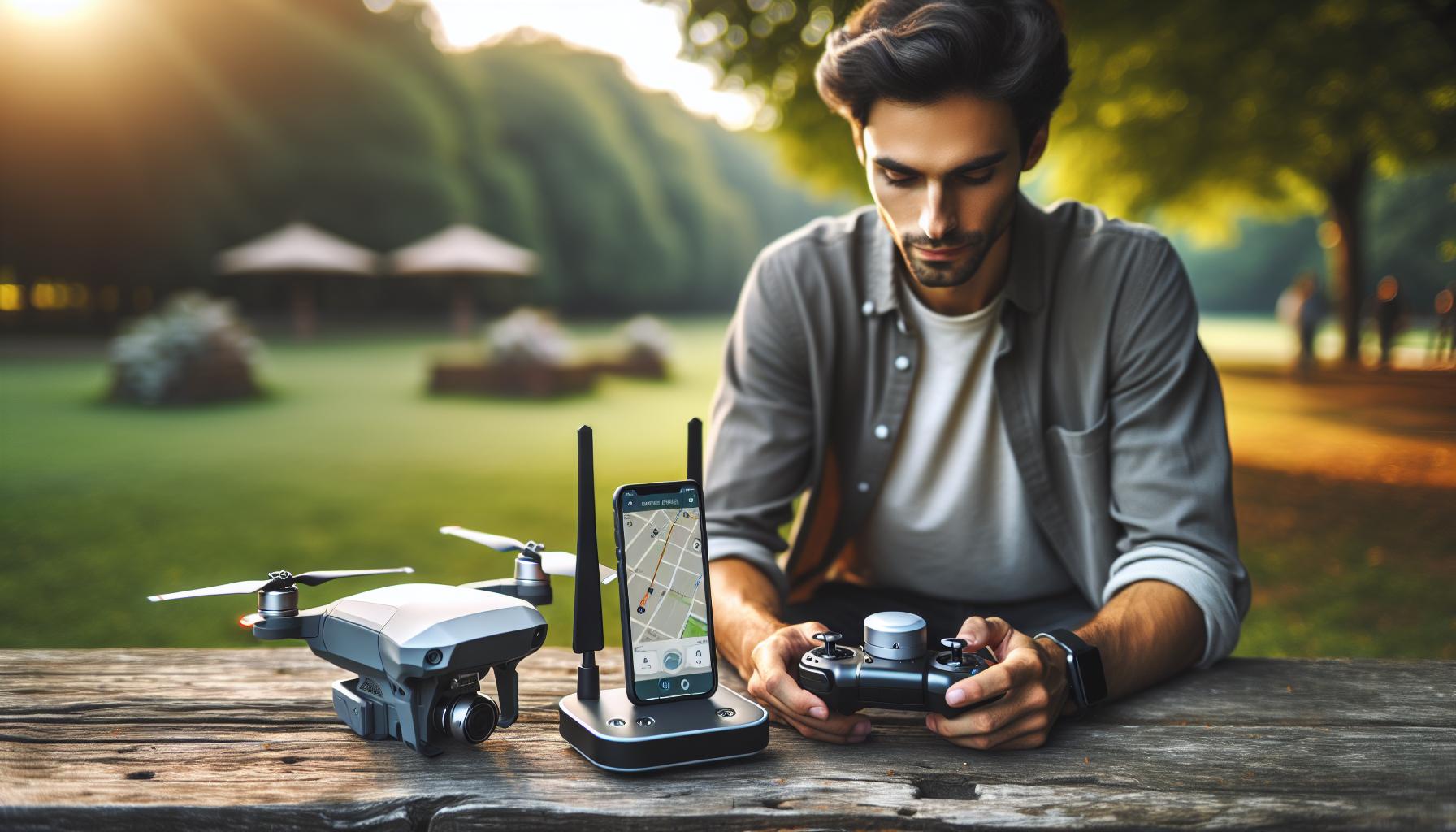
In the face of potential drone loss, having the right tools at your disposal can make all the difference. From GPS trackers to mobile apps designed specifically for locating DJI drones, employing these resources can dramatically reduce the stress associated with hunting for a misplaced aircraft. The capability to efficiently track and locate your drone should be considered essential kit for any pilot eager to safeguard their investment.
One of the most effective tools is a reliable GPS tracking device. Many modern DJI drones come equipped with built-in GPS, allowing you to track coordinates in real-time through the associated mobile app or dedicated software. Regularly connecting your drone to the app ensures that you can navigate to its last known location effortlessly. For older models lacking this feature, third-party GPS trackers can be discreetly attached to the drone, providing continuous tracking updates even when the drone is out of sight.
In addition to GPS tools, consider utilizing visual aids designed to enhance locateability. Brightly colored skins or reflective tape can make your drone more visible, helping you quickly spot it from above, especially in vast or densely wooded areas. Another innovation in drone recovery is the use of mobile applications that send alerts to your phone when your drone is at risk of losing signal. This proactive approach allows you to take necessary precautions before connection is lost entirely.
Lastly, remember that experiences shared within the drone flying community serve as invaluable resources. Platforms and forums are filled with ideas on innovative tools and techniques fellow pilots have successfully implemented to prevent loss and aid recovery. Engaging with this community can open doors to new tracking technologies and methods, keeping you at the forefront of drone recovery solutions. By investing in these essential tools, you ensure that losing your DJI drone doesn’t have to be a nightmare, but rather a manageable setback.
Setting Up DJI Fly Safe Features
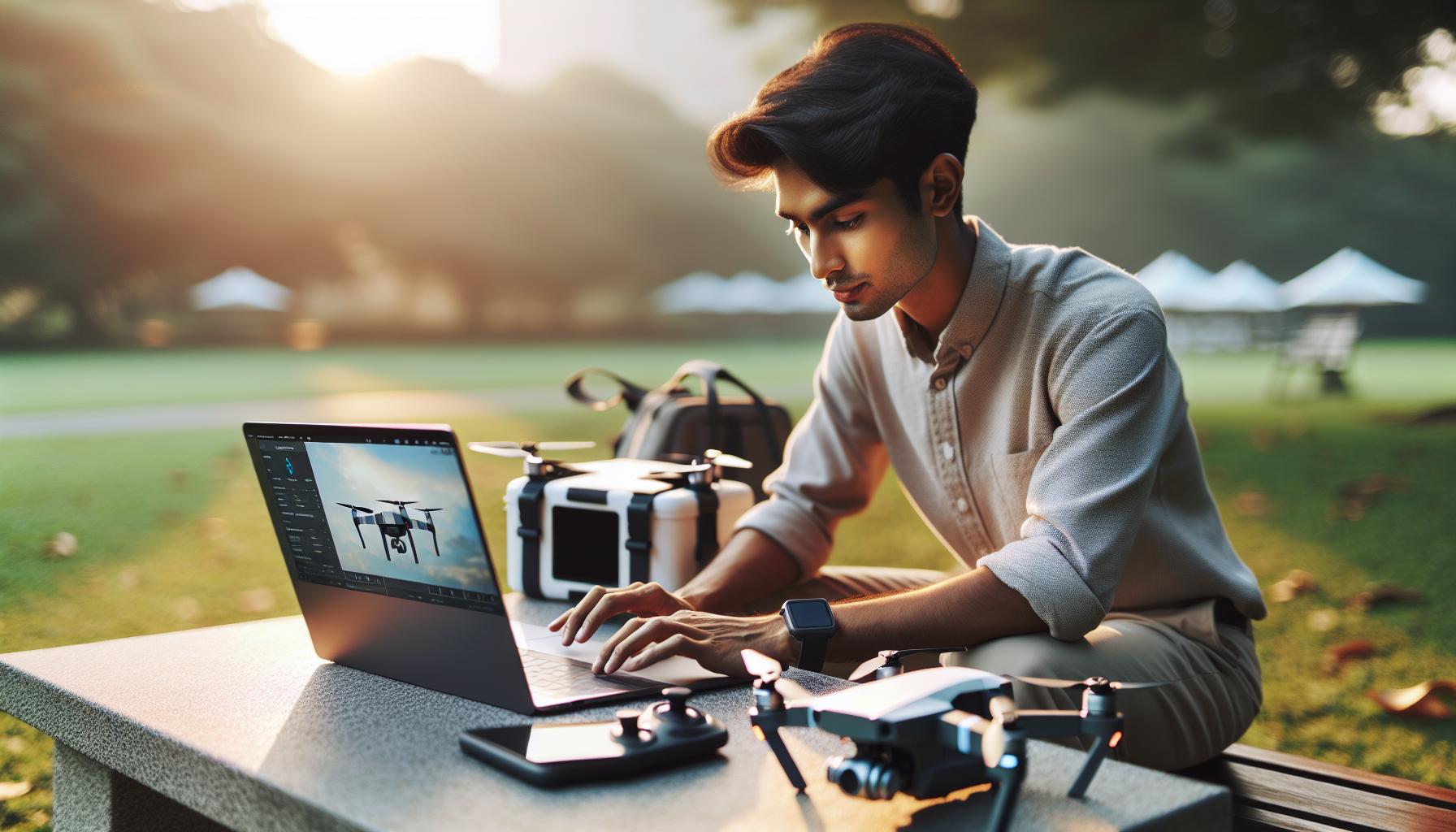
To ensure your DJI drone remains safely in your control and to minimize the risk of losing it, leveraging the Fly Safe features integrated into most DJI drones is essential. These features, designed to enhance flying safety, help navigate potential hazards and maintain control, even in challenging conditions. The first step in harnessing this technology is to engage with the DJI app, which serves as the command center for configuring Fly Safe settings for your specific drone model.
Begin by connecting your drone to the DJI Fly app and navigate to the settings menu. Here, you’ll find options for enabling Geofencing. This feature creates virtual boundaries, restricting your drone from flying into areas where flying is prohibited, such as airports or sensitive locations. By setting these geofences according to your local regulations, you can prevent accidental incursions into restricted airspace.
Next, consider activating the Altitude Limit feature. This allows you to set a maximum height for your drone, helping to avoid obstacles like trees and communication towers that could lead to a loss of signal or crash. Similarly, configuring the Return-to-Home (RTH) feature is crucial for recovery. When signal is lost due to distance or interference, the drone will autonomously return to its launch point. Ensure that you regularly test this feature and adjust the RTH altitude to accommodate the flying environment, thereby ensuring a safe recovery path.
Additionally, reviewing and understanding the Fly Safe Map is invaluable. This map reflects various flight restrictions and potential hazards in your area. Keeping an eye on this map during your flights can help inform your decisions when planning a flight route. Lastly, engaging with updates provided through the DJI app will keep your firmware current, ensuring that your drone performs optimally and is equipped with the latest safety features.
By effectively setting up these Fly Safe features, you cultivate a proactive approach to minimize risks and enhance your overall flying experience. Empower yourself with knowledge and utilize these tools to protect your investment and enrich your adventures in the skies.
Utilizing GPS Tracking for Your Drone
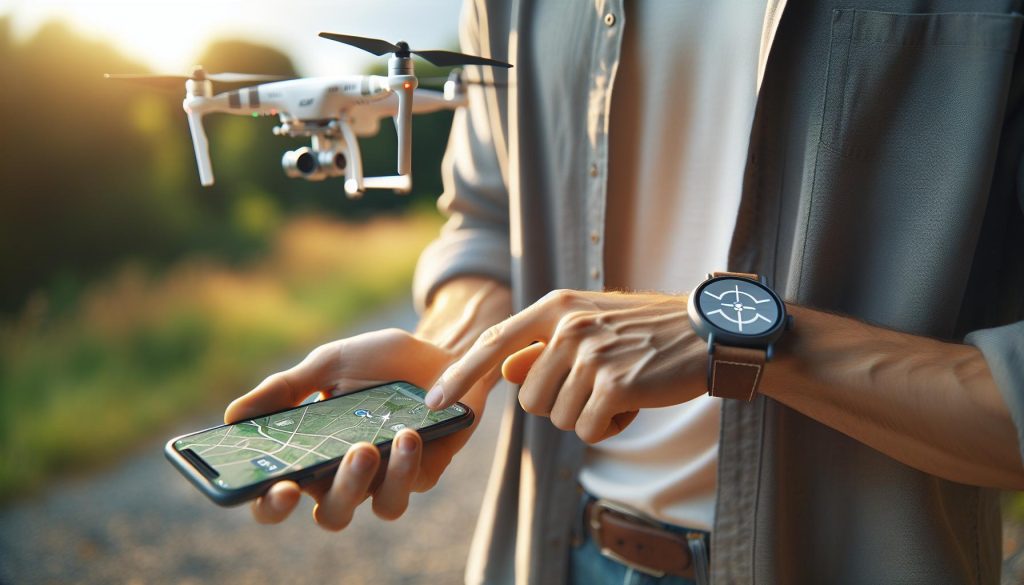
Leveraging GPS tracking is vital for enhancing the safety and recoverability of your DJI drone. This technology not only aids in locating your drone should it stray from view but also provides peace of mind during those thrilling flights. Most DJI models come equipped with integrated GPS capabilities, which, when correctly set up, provide real-time location tracking and assist with navigation.
To fully utilize GPS tracking, users should begin by ensuring their drones are connected to the DJI Fly app. This application serves as the central hub for monitoring GPS status, displaying real-time data on the drone’s location, altitude, and distance from the pilot. It’s essential to familiarize yourself with the user interface, particularly the map feature that plots your drone’s position against your location. This real-time feedback is invaluable, especially when flying in unfamiliar areas.
One effective strategy to make the most of GPS capabilities is to configure your drone’s Return-to-Home (RTH) settings appropriately. RTH automatically guides your drone back to a designated home point if it loses signal or the battery level drops critically low. To avoid any mishaps, regularly check and update your home point as needed, especially before taking off. Additionally, adjusting the RTH altitude according to the nearby terrain can ensure a safe and unobstructed return, significantly reducing the risk of losing your drone.
Lastly, consider investing in advanced GPS tracking accessories or third-party applications designed to enhance tracking capabilities further. Some devices can provide enhanced tracking and alerts for when your drone strays beyond a set distance from you, offering another layer of security and the chance to maintain visual line-of-sight even in challenging conditions. By integrating these GPS tools and best practices, drone pilots can significantly minimize the risk of losing their valuable DJI investment while enjoying the exhilaration of flight.
Understanding Drone Signal Loss and Recovery
Understanding the dynamics of drone signal loss and recovery is essential for every pilot, as it represents one of the most critical risks in drone operation. Signal loss can occur due to various factors, including interference from obstacles, transmission range limits, and environmental conditions like radio frequency interference. When the connection between the drone and the remote controller is severed, the risks of losing the drone increase significantly; however, understanding how to recover from such an event can turn potential disaster into a manageable situation.
The first line of defense against signal loss is the Return-to-Home (RTH) feature, integrated into most DJI models. This function is designed to automatically guide the drone back to a pre-set home point when it loses signal, whether due to distance or interference. To maximize the reliability of this feature, pilots should ensure their RTH settings are properly configured, particularly the home point and altitude. Regular updates to both the firmware and the DJI Fly app are crucial, as these updates often include improvements to RTH functionality and signal management.
In situations where you experience a loss of signal and RTH does not engage, it is vital to remain calm and take immediate action. Utilize any remaining visual contact with the drone to steer it back toward you. Some drones allow for a switch to manual control, which can help regain control over the unit if it’s still within line of sight but out of signal range. Keep in mind the drone’s current altitude and battery level, as these factors influence both the duration of the flight and the drone’s ability to return safely.
Having a thorough understanding of environmental factors affecting signal strength can also improve recovery outcomes. For instance, avoid flying near dense materials, such as buildings or mountains, which can obstruct the signal. Furthermore, consider the frequency of the control signal-in instances of interference, drones operating on 2.4GHz may experience more disruptions than those operating on 5.8GHz. Always perform thorough pre-flight checks and familiarize yourself with your drone’s operational range and limitations, ensuring peace of mind during each flight.
Lastly, investing in additional accessories such as signal boosters or utilizing advanced tracking technologies can further enhance your drone’s resilience against signal loss. These devices can extend your operational range and provide additional layers of security, ensuring that your DJI investment can be located and recovered effectively, no matter the circumstances. By understanding these aspects of signal loss and recovery, you’ll be better equipped to prevent losing your drone and can navigate challenges more confidently.
Best Practices for Maintaining Drone Visibility
Keeping constant visibility of your drone during flight is not merely a best practice; it’s essential for both maintaining control and ensuring the safety of your investment. A drone out of sight can quickly become a drone lost. Understanding strategies to maintain visibility can significantly enhance your flying experience and recovery chances should signal loss occur.
One effective way to maintain visibility is by adopting a systematic approach to your flight paths. Pilots should always establish a flight perimeter that keeps the drone within direct line of sight. This not only helps you visually track the drone but also aids in adhering to local regulations that often mandate drones remain within the operator’s visual line of sight (VLOS). Utilizing landmarks, such as trees or buildings, can help orient yourself while flying further distances.
Color and Design Considerations
Choosing the right color scheme for your drone can also enhance visibility. Drones painted in bright colors or featuring high-contrast patterns are easier to spot against various backdrops, whether it’s a blue sky or a lush green landscape. If you’re considering custom modifications, opt for fluorescent tapes or paints that can be added to the fuselage for increased visibility.
Flight Altitude Management
Maintaining an appropriate altitude also plays a key role in visibility. Flying at a higher altitude provides a wider view while also reducing the chance of the drone becoming obscured by obstacles such as trees or buildings. However, always be mindful of local regulations regarding maximum altitude limits, which can vary significantly.
Utilizing Drone Features
Most DJI drones come equipped with features designed to enhance visibility. The ‘Beacon’ or ‘Strobe Light’ accessories, when attached, can significantly increase visibility from afar, especially in low-light conditions. Similarly, familiarizing yourself with your drone’s positioning lights-like the bright LEDs on certain models-provides added assurance during daytime operations.
In an emergency scenario where visibility is compromised, using the Find My Drone feature can be invaluable. This GPS-based solution allows you to locate your drone’s last known position, provided it still has battery life. Keeping your firmware updated ensures these tools and features function optimally, helping you maintain control and visibility effectively.
By implementing these practices, you can significantly reduce the chances of losing your drone. A proactive approach, emphasizing good visibility techniques throughout your flight planning stages, will ensure that your flying experience is both safe and productive.
Emergency Landing Procedures for DJI Drones
In the world of drone flying, knowing the proper emergency landing procedures can mean the difference between a successful recovery and a lost investment. DJI drones are equipped with a variety of safety features that help pilots handle unforeseen circumstances, such as low battery warnings, signal loss, or even unexpected obstacles. By familiarizing yourself with these procedures ahead of time, you can enhance your chances of safely landing your drone when a crisis occurs.
One of the first steps in emergency landings is recognizing the warning signs. DJI drones often provide alerts for low battery, loss of GPS signal, or critical system errors. When you receive these warnings, it’s crucial to remain calm and take immediate action. If the battery is low, initiate an automatic return-to-home (RTH) feature if activated. Make sure you have the RTH altitude set high enough to avoid obstacles on the way back.
In scenarios where GPS is lost, you’ll need to rely on your manual piloting skills. Maintain visual contact with your drone, and gently guide it back to a safe landing area. If you’re in a densely populated area or near obstacles, consider initiating a controlled emergency landing where the drone hovers and descends vertically in place, minimizing the risk of collisions.
Another effective practice is to regularly check and set up your drone’s Fail-Safe settings in the DJI aircraft settings menu. This includes options such as setting the altitude for the RTH function and specifying whether the drone should land immediately or return to the last known home point. It’s advisable to conduct pre-flight checks to ensure that these settings are properly configured before each flight.
Prudent planning goes beyond just settings; your physical surroundings play a vital role in successful emergency landings. Prior to takeoff, survey the area for potential landing spots that are free from obstacles. Keeping a safe landing zone in mind can help you react swiftly and effectively if the need arises. By combining appropriate settings, vigilance during flight, and foresight in planning, you can significantly enhance your drone’s safety and recovery protocols, ensuring your investment remains secure.
Exploring Drone Recovery Accessories
Integrating the right recovery accessories into your drone flying setup can be the key to never losing your investment and enjoying peace of mind during your flights. With the continuous advancements in technology, several tools and gadgets have emerged to enhance the recovery capabilities of DJI drones, ensuring that retrieving your aircraft becomes more efficient and reliable.
One of the most essential accessories to consider is a GPS tracker. These small, lightweight devices can be attached to your drone and provide real-time location updates via a mobile app. Many GPS trackers offer features like geofencing, which can alert you if your drone flies outside a designated area, and some even include anti-theft measures. This can be particularly useful if you’re flying in vast, open spaces where losing track of your drone is easier.
Another valuable accessory is a drone recovery net or parachute system. These systems are designed to safely bring your drone down in the event of a malfunction, signal loss, or low battery warning. The net can be deployed automatically, providing a controlled descent that helps prevent damage upon landing. Parachute recovery systems are particularly beneficial for drones flying at higher altitudes or during challenging conditions, as they mitigate potential damage from falls.
Having a high-powered LED light can also significantly improve your drone’s visibility, especially during dusk or dawn flights. Enhanced visibility increases the likelihood of manually spotting your drone if it goes out of range, and many pilots find it helpful when flying over water or in low-light situations. Additionally, consider investing in a return-to-home (RTH) accessory that reinforces the built-in functionality of your DJI drone. These devices can bolster the RTH signal, ensuring your drone makes its way back safely to its takeoff point.
By equipping yourself with these accessories and incorporating best practices into your flying routine, you enhance not only your recovery options but also your overall flying experience. Always consider how each accessory complements your flying style and environment, and regularly check for any advancements in drone recovery technology to keep your setup as effective as possible.
Firmware Updates: Ensuring Your Drone’s Safety
Keeping your DJI drone up to date with the latest firmware is crucial not just for optimizing performance but also for enhancing safety and features that can help you recover your drone if it goes missing. Regular firmware updates often include improvements to GPS accuracy, enhancements to return-to-home features, and bug fixes that prevent signal loss-all vital components in ensuring that your drone remains within the bounds of your control and can find its way back to you when necessary.
To stay ahead, routinely check for firmware updates via the DJI Fly app or the DJI official website. Here’s how you can ensure your drone is updated:
- Launch the DJI Fly app: Open the app on your mobile device and connect your drone.
- Check notifications: If an update is available, you will receive a prompt in the app’s notifications.
- Follow the prompts: Select the firmware update option and follow the step-by-step instructions provided in the app.
- Verify upgrade: Once the update is complete, do a double-check to ensure it has installed correctly.
Additionally, maintain a checklist of essential updates before each flight to ensure all safety protocols are met. This can include confirming the GPS system is aligned, the return-to-home function is operating correctly, and any pre-defined geofencing settings are set appropriately. By doing this, you not only enhance the performance of your drone but also minimize the risks associated with flying in challenging environments.
Incorporating a routine for firmware updates into your flying preparations can greatly reduce the likelihood of losing your drone. In regions with dense structures or obstacles, improved firmware may optimize your drone’s obstacle avoidance systems, reducing the chances of accidents that could lead to loss. Always remember, in the fast-evolving world of drone technology, keeping your firmware up to date is a proactive measure that yields significant long-term benefits for both safety and functionality.
Common Troubleshooting for Disappearing Drones
A common frustration among drone operators is the unsettling moment when their aircraft suddenly goes out of sight or loses connection. Understanding how to troubleshoot these situations is crucial, not only to recover your drone but also to enhance your flying experience. One of the first steps in troubleshooting a disappearing drone is to assess your drone’s signal strength. A weak signal can result from obstacles such as trees or buildings obstructing the line of sight between your drone and its remote controller. Always ensure you fly in open areas and maintain a direct line of sight to your drone wherever possible.
If your drone does go out of range or loses signal, use the Return-to-Home (RTH) feature. This mode can automatically guide your drone back to its takeoff point, provided it has sufficient battery power. Before your flight, familiarize yourself with the RTH altitude settings and ensure that it is set adequately to avoid any potential obstacles during its return path. If your drone lands unexpectedly while still in flight mode, check for low battery warnings and other alerts through the DJI Fly app, as these can provide insight into what caused the disconnection.
In addition to maintaining visual contact, another practical troubleshooting tip involves regularly checking your drone’s firmware. Outdated firmware can lead to performance issues and an increased risk of losing signal. Run periodic checks through the DJI Fly app and update your drone to the latest software versions to enhance reliability and functionality. In some cases, recalibrating the compass and IMU (Inertial Measurement Unit) before flights can resolve erratic behavior that might tempt the drone to drift or behave unexpectedly.
Lastly, be aware of environmental factors affecting your drone’s performance. Changes in wind patterns, nearby electronic interference, and even weather conditions can lead to signal loss. A reliable strategy is to conduct a pre-flight check that assesses these variables. Recording your drone’s last known position can also aid in recovery if it does go missing. By being proactive and informed, you significantly minimize the risk of losing your investment while enjoying the freedom and excitement that flying a DJI drone provides.
Legal and Safe Flying Tips to Avoid Losing Your Drone
Flying a drone can be an exhilarating experience, but it also comes with responsibilities that extend beyond simply operating the device. Adhering to legal guidelines and safe practices is paramount in ensuring not only the safe use of your drone but also its successful operation without the risk of loss. Many drone operators overlook the importance of understanding and complying with local and national regulations, which can lead to unnecessary risks and potentially the loss of the aircraft itself.
To keep your drone safe, start by familiarizing yourself with local laws and regulations. Many countries have specific restrictions regarding where and how drones can be flown. For example, in the United States, the FAA mandates that drones must be flown below 400 feet, away from crowded areas, and must not be flown within five miles of an airport without prior notification. Missing these regulations could lead to your drone malfunctioning or being grounded. You can check the local regulations through various resources such as the FAA’s website or local aviation authorities. Keeping yourself informed helps prevent awkward situations and potential accidents.
In addition to legal adherence, monitoring your flying environment is crucial. Always conduct a pre-flight check that assesses the area for potential hazards, such as power lines, trees, or wildlife. Adverse weather conditions like high winds, rain, or fog can dramatically affect your drone’s performance and should be carefully considered before each flight. Not only does this help prevent signal loss but it also optimizes your flight experience, allowing for smoother operation. Using apps designed to provide real-time weather updates can greatly assist in making informed decisions before taking off.
Furthermore, consider joining a local drone community or online forum where you can share insights and learn from others’ experiences. Engaging with fellow drone enthusiasts can give you practical tips and tricks that enhance your flying skills and awareness of safety practices. Many pilots also find it helpful to utilize available tools and accessories, like no-fly zone guides and visibility flags, which can mitigate the risks of losing their drone while ensuring they are flying within safe parameters. By committing to legal practices and improving your flying skills, you’ll significantly enhance both your enjoyment and security when piloting your DJI drone.
Advanced Tracking and Recovery Technologies
With drone technology advancing rapidly, the ability to track and recover your drone has become more sophisticated than ever. Utilizing not only enhances the safety of your drone but also ensures that your investment is guarded against unforeseen mishaps. Many DJI drone models come equipped with built-in features and support accessories designed specifically to assist in tracking and recovering your drone with ease.
GPS Tracking Systems
One of the most effective ways to prevent losing your drone is by leveraging the GPS tracking systems integrated into DJI drones. These drones continuously update their location in real-time, allowing operators to view their aircraft’s position on a connected device. Using the DJI Fly app, you can easily access this information, facilitating immediate action if your drone goes out of range or loses connection. Furthermore, many DJI models support the “Find My Drone” feature, which uses both GPS signals and the built-in transmitter to help locate the drone even in challenging environments.
Return-to-Home (RTH) Functionality
Another invaluable feature is the Return-to-Home (RTH) functionality, which automatically brings your drone back to the takeoff point if it loses signal, the battery runs low, or if manually activated. Ensuring this feature is correctly calibrated before flight can significantly reduce the chances of losing your device. Set a suitable RTH altitude to avoid obstacles, allowing for a safe return even in cluttered environments. It’s highly recommended to test this function periodically to ensure it operates correctly.
Advanced Tracking Accessories
To further enhance recovery efforts, consider using third-party accessories designed for tracking lost drones. Devices such as Tile or Bluetooth trackers can be attached to your drone, providing additional redundancy in case it goes missing. These devices typically operate through mobile apps and can help you locate your drone even if it’s out of range of conventional GPS signals. Additionally, some advanced telemetry systems are available for professional-grade drones, offering even more precise tracking data that can be vital in high-stakes operations.
By employing a combination of these , DJI drone operators can significantly increase their chances of swiftly locating their drone in various scenarios. The layered approach, utilizing integrated features and supplementary devices, creates a robust safety net that safeguards your investment while providing peace of mind during your aerial adventures.
FAQ
Q: How can I track my DJI drone if I lose sight of it?
A: You can track your DJI drone using the built-in GPS feature. Ensure the DJI Fly app is open, which displays the drone’s location on a map. If your drone is out of range, try to follow the last known GPS coordinates to recover it. Always check “Find My Drone” features if available.
Q: What should I do if my DJI drone loses signal?
A: If your DJI drone loses signal, it will usually enter a fail-safe mode. It may automatically return to home if this feature is enabled. To prevent problems, maintain line-of-sight and avoid flying in areas with heavy interference. Check our section on understanding signal loss for more tips.
Q: Why is my DJI drone not connecting to GPS?
A: Issues with GPS connectivity can arise from flying in areas with poor satellite reception, such as urban environments or heavy foliage. Always allow the drone to initialize fully before flight. Refer to our guide on troubleshooting common GPS issues for detailed steps.
Q: What features can help me find my lost DJI drone?
A: DJI drones often include features like “Return to Home,” GPS tracking, and the “Find My Drone” function. Activate these settings before flying. For more advanced recovery options, check our section on exploring drone recovery accessories.
Q: How can I prevent my DJI drone from getting lost?
A: To minimize the risk of losing your DJI drone, conduct pre-flight checks, use the “Return to Home” function, and maintain control in GPS mode. Enhance visibility by using bright decals. Explore our tips on best practices for maintaining drone visibility.
Q: Is there an app to help locate my DJI drone?
A: Yes, the DJI Fly app and other third-party applications have features that aid in locating your drone. They display the real-time location and flight path. Ensure you familiarize yourself with the app functionalities prior to flying for best results.
Q: Can I recover a DJI drone after it crashes?
A: Recovery after a crash depends on the damage’s extent and the drone’s location. First, check the drone’s status via the app. If it remains operational, attempt retrieval. For further guidance, refer to our emergency landing procedures section.
Q: How often should I update my drone’s firmware for safety?
A: It’s crucial to regularly update your DJI drone’s firmware to ensure peak performance and safety features are working properly. Set reminders to check for updates every few weeks or after major software releases. More information can be found in our firmware updates section.
In Summary
Now that you know how to find your DJI drone and protect your valuable investment, it’s time to take action! Always ensure your tracking features are set up correctly before your next flight, and don’t forget to explore our in-depth guides on optimizing your drone setup and mastering advanced flight techniques. By staying informed, you enhance your flying experience and safeguard against mishaps.
If you found this information helpful, check out our articles on firmware updates and troubleshooting common drone issues to further bolster your skills. Have questions or experiences to share? We’d love to hear from you in the comments below! Remember, your next adventure awaits-stay connected and keep flying safely!