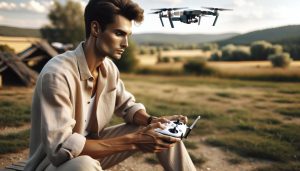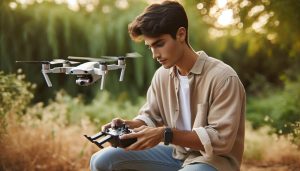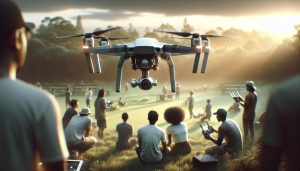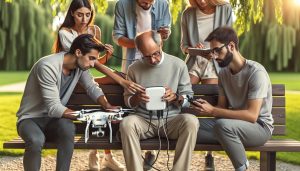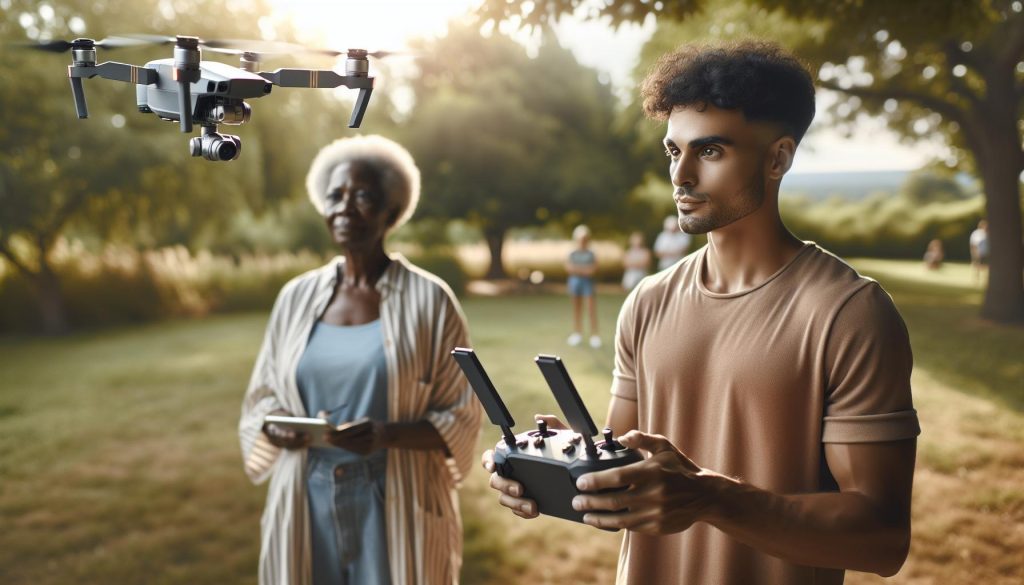
Flying a DJI drone opens up a world of possibilities, from capturing breathtaking aerial footage to exploring new perspectives on familiar landscapes. Whether you’re a hobbyist eager to take your first flight or a seasoned pro looking to refine your skills, mastering the basics is essential for safe and effective drone operation. With just ten minutes of focused learning, you can gain confidence in managing your drone, understanding its controls, and following essential safety protocols. In this guide, we’ll give you the practical tips and insights needed to navigate your DJI drone with ease, ensuring that your flying experience is both enjoyable and productive. Prepare to elevate your skills and unlock the full potential of your drone as we dive into the essential techniques that every pilot should know!
How to Choose the Right DJI Drone for Your Needs
Choosing the right DJI drone can significantly enhance your flying experience, whether you’re a casual hobbyist or a seasoned professional. Each model comes with its unique features tailored to different use cases, making it essential to align your choice with your specific needs. For those interested in stunning aerial photography, drones like the Mavic Air 2 or the Mini 4 Pro offer high-quality camera capabilities and portability, perfect for travel. If your goals lean towards advanced mapping and surveying, consider the Mavic 3 Enterprise or the Phantom 4 RTK, which excel in precision and data capture.
Before making your selection, assess the features that matter most to you. Here are some key aspects to consider:
- Camera Quality: Consider the resolution and stabilization features. Higher quality cameras allow for better image and video capture, pivotal for commercial projects.
- Flight Time: Look for models with longer battery life if you need extended flight sessions for large areas or complex missions.
- Mobility: Compact and foldable models like the Mini series are ideal if you need something portable that can easily fit into a backpack.
- Intelligent Flight Modes: Drones equipped with intelligent features, such as ActiveTrack or Waypoints, can automate complex tasks easily, which is beneficial for both beginner and advanced pilots.
Ultimately, the best DJI drone for you will depend on your intended applications, desired features, and budget. Take the time to research and, if possible, try out different models to find the one that feels right in your hands. Investing in a drone that aligns with your needs will ensure a fulfilling aerial photography or videography venture.
Essential Pre-Flight Checks for Safe Operations
Before launching your DJI drone, performing thorough pre-flight checks is essential to ensure safe and successful operations. Neglecting this step can lead to equipment damage or accidents, so developing a routine to verify all systems can significantly enhance your flying experience.
Start by checking the weather conditions. Understanding wind speed, temperature fluctuations, and potential rain can prevent problematic flights. Avoid flying in high winds, as they can impact stability and control. Next, conduct a physical inspection of your drone to ensure it’s in top shape. Look for any signs of damage, such as cracks in the propellers or body, and ensure that all connections are secure. Pay special attention to the battery: check its charge level, and make sure the contacts are clean and free from corrosion.
Additionally, calibrating the compass is crucial before each flight, especially if you have changed locations. This helps prevent disorientation and ensures that the drone responds correctly to directional inputs. Make sure GPS is acquiring signals efficiently; a minimum of six satellites is ideal for optimal navigation. Finally, always review and comply with local regulations and airspace restrictions. Doing so not only promotes safety but also helps you fly confidently, knowing you are operating within the law.
In summary, by systematically examining your environment and your equipment prior to takeoff, you enhance your safety and increase your overall flying enjoyment. Integrated into this routine is the mindset that every flight should start with careful preparation, setting you up for success in the skies.
Step-by-Step Guide to Setting Up Your DJI Drone

Setting up your DJI drone correctly is the foundation for a successful flight experience. Every model, from the compact Mini series to the advanced Mavic and Phantom, follows a similar setup process that ensures your drone is ready to take to the skies safely and effectively. With a systematic approach and attention to detail, you’ll not only enhance your flying experience but also extend the longevity of your equipment.
Begin by unpacking your drone and ensuring all components are included. Most DJI drones come with essential hardware such as propellers, batteries, and the remote controller. Take a moment to read the quick start guide that accompanies your drone, as it contains model-specific instructions. Next, charge your drone’s battery fully, as low power can lead to limited flight time or premature landings. Use the official DJI charger to ensure compatibility and safety.
Once your drone is charged, install the propellers securely, ensuring they click into place. It’s important to note that each propeller may have a designated position, which is often indicated by color coding or markings on the drone’s arms. After securing the propellers, perform a pre-flight calibration by powering on the drone and following the prompts in the DJI Fly app or the hardware menu. The calibration typically involves balancing the gyroscope and compass, which is crucial for accurate flight control.
Make sure to update the firmware of both the drone and the remote controller. Firmware updates may include performance improvements, new features, and essential safety updates. Connect your drone to the DJI Fly app via your smartphone, follow the onscreen instructions, and apply any available updates. Once updated, double-check your settings within the app, ensuring safety features like Return to Home and altitude limits align with your flying intentions.
Lastly, conduct a final visual inspection of your drone to ensure everything is in order. Check that the camera gimbal is free of obstructions, and verify that the SD card is installed if recording footage. With your drone fully set up, you are now ready to embark on your flying adventure, confident in your preparedness for a safe and enjoyable experience.
Understanding Drone Flight Modes and Their Benefits
Understanding the various flight modes of your DJI drone can elevate your flying experience by tailoring it to diverse scenarios, whether you’re capturing breathtaking aerial footage or navigating complex environments. From beginners to seasoned pilots, knowing which mode to use can greatly enhance both safety and performance.
Flight Modes Overview
DJI drones typically feature several flight modes, including but not limited to:
- Attitude Mode (ATTI): This mode allows full manual control without GPS. It’s perfect for experienced pilots who want to practice flying skills, as it challenges your ability to maintain a stable flight.
- GPS Mode: The default mode for most flights, providing stability and precise positioning using GPS. It’s ideal for beginners, as the drone will resist drifting and hold its position when you take your hands off the controls.
- Sport Mode: For those looking to push the limits, Sport Mode increases the drone’s speed and responsiveness. It disables some safety features, which makes it crucial for pilots to have a solid grasp of their drone before engaging.
- Follow Me Mode: This intelligent flight feature allows the drone to autonomously follow and capture video of the pilot. This is particularly useful for outdoor activities like biking or hiking.
- Waypoint Mode: Pilots can set predetermined GPS locations that the drone will follow, providing an ideal option for capturing consistent footage over established paths.
Benefits of Choosing the Right Mode
Each flight mode has specific benefits tailored to particular flying needs. For instance, GPS Mode offers stability and ease of use, making it suitable for beginners who are just getting acquainted with drone controls. In contrast, experienced pilots may prefer Sport Mode for high-speed maneuvers or Attitude Mode to refine their manual flying skills.
Understanding these modes not only enhances your flying capabilities but also contributes to safer drone operations. For example, when piloting in urban environments or when conducting aerial surveys, selecting the correct flight mode can help you manage potential obstacles more effectively. Moreover, utilizing features like Follow Me or Waypoint Mode allows for creative freedom in capturing drone footage, which is invaluable for content creation or recreational flying.
By mastering the various flight modes, you will not only improve your piloting skills but also ensure that your drone operates efficiently in all circumstances, leading to a more enjoyable and successful flying experience.
Gimbal Calibration: Achieving Smooth and Stable Footage
Achieving smooth and stable footage can make all the difference in your aerial videography, and gimbal calibration is essential for this. A properly calibrated gimbal not only helps in stabilizing your camera’s movement but also enhances the overall quality of the shots you take, resulting in professional-looking videos and photographs. Whether you’re capturing a landscape or tracking fast-moving subjects, understanding how to calibrate your drone’s gimbal will significantly improve your filming prowess.
To calibrate your gimbal effectively, follow these steps:
- Prepare Your Drone: Before starting the calibration process, ensure that your drone is on a flat, stable surface and powered on. Make sure the gimbal is free from obstructions.
- Open the DJI App: Connect your drone to the DJI app on your smartphone or tablet. This is where most calibration and settings are accessed, depending on your specific model.
- Access Gimbal Settings: Navigate to the gimbal settings within the app. This section might be labeled differently depending on the drone model but look for terms like ‘Gimbal Calibration,’ ‘Gimbal Settings,’ or similar.
- Follow On-Screen Instructions: The app will guide you through the calibration process, which typically involves moving the gimbal to various positions. You may be asked to tilt the drone to allow the gimbal to learn its range of motion and ensure it stabilizes correctly across the full spectrum of movement.
- Test the Calibration: Once the calibration is complete, it’s advisable to perform a test flight. Observe the footage captured during the flight to check for any unwanted shaking or vibrations. If necessary, repeat the calibration process to refine the settings.
Practical Tips for Gimbal Calibration
- Regular Checks: It’s a good practice to recalibrate your gimbal before important flights or after any significant impacts or crashes.
- Environmental Factors: Wind and other environmental factors can affect gimbal performance. Always try calibrating in calm conditions.
Proper gimbal calibration not only enhances the quality of your footage but also contributes to your confidence as a drone pilot. When your camera is steady, your shots will be smoother, allowing you to focus on creative framing and capturing stunning aerial perspectives. Whether you’re a hobbyist or an aspiring professional, mastering gimbal calibration is an integral step in achieving cinematic results with your DJI drone.
Mastering Basic Drone Controls: Takeoff to Landing
Starting your journey with a DJI drone doesn’t have to be overwhelming; understanding the basic controls is the first step to ensuring successful flights and capturing stunning aerial footage. Mastering these controls allows you to have better command over your drone’s movements, enhancing both your safety and creativity.
To take off, position your drone on a flat, unobstructed surface and ensure that it is powered on. Use the DJI app to calibrate the compass if prompted, as this will enhance flight stability. Initiate the takeoff sequence by either tapping the takeoff icon in the app or pressing the control sticks (usually the left stick upwards) as per your drone model’s guidelines. As the drone ascends, maintain a steady view of your surroundings to avoid obstacles, as the area will become more visible as the drone gains altitude.
During flight, familiarize yourself with both sticks on the controller: the left stick typically controls altitude and rotation, while the right stick directs horizontal movement. Practice hovering at different altitudes to gain confidence and learn how your drone responds to inputs. Additionally, engaging the Return-to-Home function ensures that your drone will safely return to its launch spot if any interruptions arise, such as low battery or loss of signal.
As you prepare for landing, gradually reduce altitude by carefully manipulating the left stick downwards. Ensure you have a clear view of your landing area, and slow your descent to avoid jarring impacts that could damage your drone. When close to the ground, use minimal throttle input to gently touch down. Finally, turn off the motors via the app or by pressing the relevant command on your controller. Practicing these fundamental movements will provide a solid foundation for further advancements in your DJI drone piloting skills.
Overall, by gaining a thorough understanding of basic drone controls from takeoff to landing, you’ll have the confidence to explore more complicated maneuvers and make the most of your DJI drone’s capabilities.
Navigating DJI’s Intelligent Flight Features
DJI drones come equipped with an array of intelligent flight features designed to simplify flying while enhancing creativity and safety. These sophisticated capabilities allow both novice and experienced pilots to capture stunning imagery and navigate complex environments with ease. Understanding and mastering these features can significantly elevate your flying experience, enabling you to focus more on creativity than on technicalities.
One of the standout features of DJI drones is ActiveTrack, which allows the aircraft to automatically follow a subject while keeping it in frame. This is particularly useful for capturing dynamic action shots, such as during sports or outdoor adventures. Simply select your subject using the DJI app, and your drone will seamlessly track and frame them, leaving you free to concentrate on adjusting your camera for the perfect shot. Meanwhile, QuickShots simplifies cinematic capture by providing pre-programmed flight patterns, allowing you to generate complex movements like Dronie or Circle with minimal input. This not only saves time but also helps develop your understanding of flight dynamics and planning.
Another essential feature is Obstacle Sensing, which enhances flying safety. Equipped with sensors that detect obstacles in the drone’s flight path, this system can automatically adjust the drone’s course to avoid collisions. Pilots can engage Advanced Pilot Assistance Systems (APAS), which actively navigate around obstacles in real-time, making it easier to pilot the drone in crowded or unpredictable environments. Understanding and utilizing this feature can give you confidence to explore new areas without fear of damaging your equipment.
Finally, leveraging the Geofencing feature helps ensure you stay compliant with local regulations. DJI drones have predefined no-fly zones that restrict access to sensitive areas like airports and military installations. By keeping the geofencing settings active, you help maintain legal compliance and ensure safe flying practices.
Integrating these intelligent features into your flying routine doesn’t just make operations simpler; it allows for more creative shooting opportunities while fostering a safer flying environment. As you engage with your DJI drone, take time to explore and experiment with each feature, gradually incorporating them into your flying regimen to truly master the art of drone operation.
Indoor Flying Tips: Techniques and Safety Considerations
Flying a DJI drone indoors can be both exhilarating and challenging due to the confined spaces and unique environmental factors that differ from outdoor flying. To ensure a safe and enjoyable experience, it’s crucial to adhere to specific techniques and safety considerations tailored for indoor operations.
First and foremost, familiarize yourself with your drone’s features. DJI drones are equipped with advanced sensors and intelligent flight modes, which can significantly aid in indoor flying. For instance, the Obstacle Sensing feature helps avoid collisions with walls and furniture, but it’s essential to manually calibrate your drone’s landing gears to ensure it recognizes nearby obstacles. Most DJI drones, like the Mavic and Air series, utilize downward vision sensors for stabilization, which can be particularly useful when flying in tight quarters.
Another critical aspect of indoor flying is controlling your altitude and speed. Start slow and steady: Begin with low altitude and gradually increase your confidence. Make small, gentle inputs with the controls to avoid sudden movements that could lead to crashes. Additionally, utilizing GPS-free mode can help stabilize your drone’s flight in environments where GPS signals are unreliable, allowing for smooth maneuvers.
Safety Checks Before Indoor Flying
Before taking off, consider the following safety checks:
- Space Assessment: Ensure the flying area is clear of people, pets, and fragile objects. A spacious room without low ceilings is ideal.
- Battery Check: Always ensure your drone is fully charged to avoid mid-flight crashes due to battery failure.
- Environment Hazards: Be aware of potential hazards such as hanging lights, vents, and furniture that could obstruct safe flying.
- Loss of Control Precautions: Use a soft protective landing pad to cushion any unexpected landing incidents.
Mindfulness about your surroundings and practicing controlled flying techniques will significantly enhance your indoor flying experience. Whether you’re capturing creative footage or simply enjoying the flight, these considerations will help ensure both safety and fun while navigating the unique challenges that indoor environments present.
Troubleshooting Common DJI Drone Issues
When flying a DJI drone, encountering issues is not uncommon, especially for those new to the hobby. Addressing these concerns promptly can prevent minor problems from escalating into major dilemmas. One of the most frequently reported issues is connection problems between the drone and the remote controller. If you find your drone is not responding to commands or showing weak signal messages, ensure that your remote controller firmware is up to date and check for any obstructions that could interfere with the signal, such as trees or buildings.
Battery conditions are another critical aspect that novice pilots often overlook. If your drone’s flight time seems shorter than expected, first check the battery’s health through the DJI app. Older batteries or those that have undergone many charge cycles may not hold power effectively. Always ensure you are using the recommended battery for your specific model, as using incompatible batteries can lead to performance issues or even damage your drone.
In-flight stability is vital for capturing high-quality footage. If your drone experiences unexpected wobbling or drifting, recalibrating the compass might be necessary. This procedure is usually straightforward: access the calibration option directly from your DJI app, follow the on-screen instructions, and perform the movements specified to reset the compass. Additionally, ensure your firmware is updated regularly, as updates often include bug fixes and enhancements that improve flight stability and performance.
Finally, error messages can be a source of confusion and anxiety. Each DJI drone model is equipped with an array of sensors designed to safeguard against potential failures. If your drone prompts an error, consult the specific code in the user manual or the DJI support site for guidance. Understanding what each error means will help you troubleshoot effectively and get back into the air with confidence. Taking a proactive approach to drone maintenance and familiarizing yourself with common issues ensures a smoother flying experience and enhances your overall piloting skills.
Legal Compliance: What You Need to Know Before Flying
Flying a DJI drone opens up a world of creative possibilities, but it also demands a responsible approach to legal compliance. Understanding the regulations governing drone use is crucial for both hobbyists and professionals. In many regions, the laws surrounding drone operations are continuously evolving as technology advances and concerns about safety and privacy increase. To fly safely and legally, it’s imperative to familiarize yourself with the relevant rules before you take off.
To begin with, it’s essential to check if you need to register your drone. In many countries, including the United States, drones weighing over 0.55 pounds (250 grams) must be registered with the national aviation authority. Registration typically involves providing your contact information and paying a small fee. Once registered, make sure to prominently display your registration number on your drone to comply with regulations.
Moreover, understanding where you can fly is just as critical. Drones are often restricted from flying near airports, certain government buildings, and other sensitive areas. Familiarize yourself with local airspace classifications-controlled, uncontrolled, and restricted airspace-to avoid violating air traffic regulations. Utilizing apps specifically designed for drone pilots can help you identify safe flying zones and provide updates on airspace changes.
Always respect the privacy of others while flying. Many areas have laws protecting individuals from unwanted aerial photography or surveillance. It’s good practice to ask for permission before capturing images or videos over private property. Additionally, be considerate of public gatherings and events; flying over crowds may not only violate local laws but also pose safety risks.
Lastly, remaining updated on changes in regulations is vital. Consider joining local drone clubs or online communities, which often provide valuable resources and updates on legislation. Continuous education will not only enhance your flying skills but also ensure that you are operating within the law, thereby protecting yourself and others while enjoying your drone hobby.
Accessories to Enhance Your DJI Drone Experience
Flying a DJI drone can be more than just an exhilarating experience; it can also be enhanced significantly with the right accessories. These tools not only improve the functionality of your drone but can also elevate your content creation and overall piloting experience. Whether you’re a casual flyer or a professional videographer, certain accessories can make your flights smoother and results more polished.
Battery Life and Charging
To maximize your flight time, consider investing in additional batteries and a charging hub. With most DJI drones, stock batteries typically offer around 20-30 minutes of flight time. Having a few extra batteries can allow you to extend your sessions without waiting for a recharge. A battery charging hub can efficiently charge multiple batteries simultaneously, ensuring you’re always ready for action. Look for a hub that is designed for your specific DJI model to guarantee compatibility and efficiency.
Camera Enhancements
For those focused on aerial photography and videography, an ND filter kit is an invaluable addition to your gear. These filters reduce the amount of light entering the camera, allowing for smoother video captures and better exposure settings in bright conditions. This is particularly useful when flying during the golden hours for photography. Additionally, consider a gimbal mount if you use an action camera or other devices, which adds stability and allows for smoother footage, especially during motion.
Carrying and Storage Solutions
Transporting your drone safely is crucial, and a well-designed carrying case can provide not just protection but also convenience. Look for cases that offer compartments for spare batteries, propellers, and other accessories. Waterproof or rugged cases are ideal for outdoor enthusiasts who might encounter varying weather conditions. For those who plan to hike or travel with their drone, a back-pack style bag designed for drones can be extremely helpful, providing both comfort and security for your gear.
Additional Accessories to Consider
Beyond the essentials, there are various accessories that can elevate your drone experience even further:
- Propeller Guards: These are essential for beginners and indoor flying, protecting both the drone and the environment around it.
- Sunshade for Remote Controller: This accessory is invaluable for bright sunny days to improve visibility on your controller screen.
- Smartphone Mounts: If using your smartphone for FPV (First Person View) flying, a secure mount can enhance control and comfort.
With the right accessories, flying a DJI drone transforms from a simple hobby to an impressive and professional experience. Whether it’s about extending flight time or elevating your aerial imagery, investing in quality enhancements allows you to extract the full potential of your drone and enjoy every moment in the skies.
Tips for Advanced Drone Piloting Skills and Techniques
Mastering advanced drone piloting skills goes beyond the basics of takeoff and landing; it opens up a realm of creativity and technical finesse. To truly harness the capabilities of your DJI drone, consider the following strategies that can elevate your piloting to a professional level.
One of the cornerstones of advanced flying is understanding and utilizing the various flight modes DJI drones offer. Switching between modes such as Atti (Altitude) mode, Point of Interest (POI), and Waypoint flying can significantly enhance your aerial photography and video productions. For example, using POI allows you to capture dynamic shots around a subject while maintaining focus and smooth motion, crucial for professional-quality content.
Refining Your Flight Techniques
To improve your control and precision, practice exercises such as figure-eight flying. This technique not only enhances your coordination but also allows you to get comfortable with the drone’s responsiveness. Start at a low altitude to build confidence before gradually increasing your height and complexity. Additionally, flying in different environmental conditions-like windier or more confined spaces-will help you understand your drone’s capabilities and limitations, making you a more adaptable pilot.
Leveraging Intelligent Flight Features
DJI drones come equipped with numerous intelligent flight features that can aid in achieving cinematic shots without cumbersome maneuvers. Features such as ActiveTrack allow the drone to follow a moving subject autonomously, providing you the freedom to concentrate on composition and framing. Understanding how to effectively use these features not only saves time but also can produce results that would be difficult to replicate manually.
Post-Flight Analysis and Continuous Learning
Taking the time to review your flight data and footage is critical for improvement. DJI’s app provides flight logs that can highlight areas for enhancement, such as battery usage efficiency or flight path optimization. Analyze your footage critically; look for areas where stability could be improved or where different angles could tell a better story. Consider joining drone communities online or attending workshops to share experiences and techniques with other pilots-collaboration often sparks new ideas and innovations.
By integrating these advanced techniques into your flying practice, you’ll not only enhance your skill set but also expand your creative horizons, transforming your drone flying into an art form.
Frequently Asked Questions
Q: What are the best beginner drones from DJI for learning to fly?
A: The DJI Mini SE and the DJI Mavic Mini are excellent beginner drones. They are lightweight, user-friendly, and come with features like easy takeoff and landing, making them perfect for new pilots. Check the section on choosing the right DJI drone for more insights.
Q: How do I ensure my DJI drone is safe to fly?
A: To ensure your DJI drone is safe to fly, perform essential pre-flight checks like inspecting the battery, propellers, and ensuring firmware is updated. Always refer to our pre-flight checks section for a comprehensive checklist you can follow to enhance safety.
Q: What are the primary controls I need to learn to fly a DJI drone?
A: The primary controls you need are throttle (for altitude), yaw (to rotate), pitch (forward/backward movement), and roll (sideways movement). Familiarize yourself with these controls in the section on mastering basic drone controls for effective flying.
Q: How can I improve my drone flying skills quickly?
A: To improve your drone flying skills quickly, practice consistently, familiarize yourself with different flight modes, and watch tutorial videos. Our tips for advanced piloting skills and techniques provide valuable insights for rapid improvement.
Q: What should I do if my DJI drone loses connection during a flight?
A: If your DJI drone loses connection, don’t panic; it may automatically return to home. Make sure you are familiar with your drone’s safety features outlined in the troubleshooting section to efficiently address connection issues.
Q: What are the drone flight regulations I need to know?
A: Familiarize yourself with your local drone regulations, which typically include altitude restrictions, no-fly zones, and registration requirements. Refer to the legal compliance section for in-depth guidance on what you need to know before flying.
Q: Can I fly my DJI drone indoors?
A: Yes, you can fly a DJI drone indoors, but it requires different techniques. Be aware of obstacles and use the right modes for indoor flying, as detailed in the indoor flying tips section, to enhance safety and control.
Q: What accessories enhance the flying experience of DJI drones?
A: Accessories such as extra batteries, ND filters, and carrying cases can significantly enhance your flying experience. Explore the accessories section for recommendations suited to your needs as a drone pilot.
To Conclude
Congratulations on taking your first steps into the exciting world of DJI drone flying! By mastering the basics in just 10 minutes, you’re now equipped to explore more sophisticated features and techniques. Don’t stop here-delve deeper into drone setup, maintenance, and advanced flight modes by checking out our guides on gimbal calibration and troubleshooting common issues.
Ready to elevate your skills further? Explore our comparison of the latest DJI models like the Mavic and Phantom series, which will help you make informed decisions about your next purchase. If you have questions or experiences to share, drop a comment below; we love hearing from fellow drone enthusiasts! Plus, subscribing to our newsletter will keep you updated on the latest tips, reviews, and drone news. Your journey in mastering drone technology is just beginning-let’s take flight together!