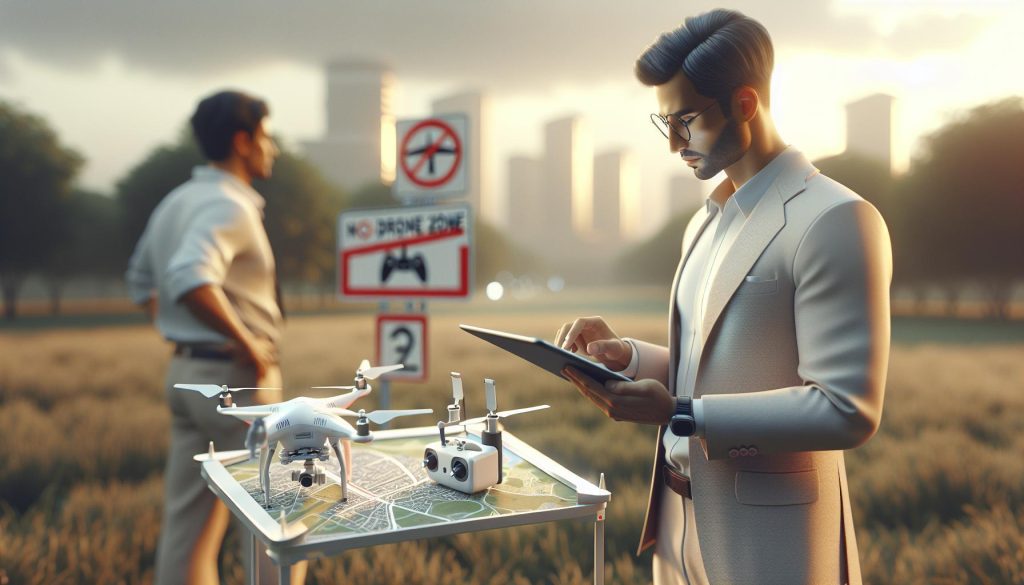
Flying a DJI drone in restricted zones can be both a thrilling and daunting challenge. With evolving regulations and potential safety concerns, it’s crucial for drone operators to navigate these areas responsibly, avoiding hefty fines or penalties. Whether you’re a hobbyist eager to capture breathtaking landscapes or a professional aiming for precision shots, understanding the legalities and safety protocols of restricted zones is essential. This guide provides you with practical tips and expert advice to help you fly your drone safely and legally, ensuring your flying experience is enjoyable and trouble-free. Get ready to unlock the secrets of drone operation in restricted areas while respecting the boundaries and regulations that keep everyone safe.
Understanding Restricted Zones for Drone Flight
Understanding the complexities of restricted zones for drone flight is crucial for any operator seeking to fly responsibly and legally. These zones, often established for safety and privacy reasons, can significantly limit where you can launch your DJI drone. Understanding these restrictions not only protects your investment but also ensures the safety of others and compliance with aviation laws.
Restricted zones are commonly found around airports, military bases, and other sensitive areas such as nuclear facilities, national parks, and large public events. Federal Aviation Administration (FAA) regulations in the U.S. and similar regulations worldwide dictate no-fly zones, and violations can result in hefty fines or legal repercussions. Before flying, it’s essential to consult official resources like the FAA’s B4UFly app or online maps showing restricted airspace to ensure your flight path is clear. For instance, areas may be temporarily restricted during special events or emergencies, so staying updated with the latest information is vital.
To navigate these restrictions effectively, familiarize yourself with the various categories of airspace: Class B, C, D, and E represent different levels of control and restrictions. Each type has specific regulations governing drone use, affecting everything from altitude limits to pre-flight notification requirements. Understanding airspace classification allows you to plan your flights carefully, making it easier to identify suitable locations that comply with legal guidelines.
Always be proactive in researching local regulations and any temporary flight restrictions (TFRs) that may be in place. Consider joining local drone clubs or online forums where pilots share information about specific zones and recent changes, aiding in collective compliance efforts. By staying well-informed and practicing responsible flying habits, drone operators can enjoy their hobby while respecting the airspace rules that protect both the public and their drones.
Legal Regulations for Flying DJI Drones
Navigating the intricate landscape of requires a solid understanding of the prevailing laws and guidelines that dictate where and how you can operate these airborne devices. Whether you are a seasoned pilot or just starting, comprehending these legal parameters is essential to avoid fines and penalties while ensuring the safety of both your drone and those around you.
In many countries, including the United States and Canada, drone operators must adhere to specific regulations established by aviation authorities, such as the Federal Aviation Administration (FAA) in the U.S. or Transport Canada. These regulations classify airspace into different categories, with each category having its own set of rules that dictate operational restrictions. For example, Class B airspace-which encompasses major airports-usually requires pilots to obtain clearance before flying, whereas Class G airspace may have fewer restrictions, allowing for more flexibility but still necessitating awareness of surrounding air traffic.
The importance of registration cannot be overstated. In the U.S., all drones weighing more than 0.55 pounds (250 grams) must be registered with the FAA. This holds for commercial operators and hobbyists alike. Furthermore, all pilots must adhere to visual line-of-sight mandates, ensuring they can see their drone at all times during operation. Knowing when and where to fly involves consulting relevant resources, including the FAA’s B4UFly app or the U.S. National Park Service, which provides up-to-date information on airspace restrictions, temporary flight restrictions (TFRs), and newly designated no-fly zones.
To help ensure compliance, pilots should consider utilizing DJI’s built-in geofencing features. These are designed to prevent takeoff in restricted areas while providing alerts for nearby obstacles. Taking time to familiarize yourself with the software and any local regulations, seeking guidance from drone forums, reliable flight planning tools, and staying updated on airspace changes can greatly enhance both compliance and safety in your flying activities. Embracing these regulatory insights not only fosters a responsible flying experience but also contributes to the broader community’s perception of drone operators as conscientious and informed users of the airspace.
Essential Safety Tips for Drone Pilots

Flying a DJI drone in restricted zones requires more than just technical know-how; it calls for a meticulous approach to safety. Understanding how to navigate this landscape not only protects your investment but also ensures you are flying responsibly within the legal boundaries. One of the first rules of thumb is to always conduct a thorough pre-flight check before engaging the drone’s propellers. This includes verifying that the firmware is up to date and ensuring that all controls, including the gimbal and camera, are functioning correctly.
Stay Informed about Your Environment
Being aware of your flying environment significantly enhances safety. Regularly consult airspace maps and apps that provide real-time information about restricted zones, temporary flight restrictions (TFRs), and changing regulations. Utilizing tools like DJI’s own Fly Safe database not only informs you of no-fly zones but also allows you to plan flights that avoid high-risk areas. Engage with local drone clubs or online forums for additional insights, as fellow pilots often share valuable tips about specific locations.
Always Maintain Line of Sight
One of the most crucial safety practices is to keep the drone within your visual line of sight at all times. This is a legal requirement in many jurisdictions and plays a vital role in maintaining situational awareness. When flying near restricted areas, look out for other aircraft, obstacles, and people on the ground. If a situation arises where visual contact is lost, make sure you are trained on how to regain control of the drone promptly.
Utilize Emergency Features
Lastly, know your drone’s emergency features. DJI drones are equipped with various fail-safes, such as Return to Home (RTH) and Low Battery RTH, which can be automatic triggers to safeguard your device. Test these features in safe environments to gain confidence in their function. Additionally, practice emergency procedures so that you can act swiftly should the unforeseen arise while navigating restricted airspace.
By embedding these safety tips into your flight preparation and execution, you will not only protect your drone but also cultivate a positive relationship with local authorities and fellow citizens who share the space around you. Following these guidelines fosters a culture of responsibility among drone operators while enhancing overall safety in the skies.
Preparing Your DJI Drone for Restricted Areas
Flying your DJI drone in restricted areas requires methodical preparation to ensure both compliance with regulations and optimal safety. Before you take to the skies, it’s essential to engage in a thorough checklist that governs everything from pre-flight inspections to understanding airspace regulations. An informed pilot is a safer pilot, especially in zones where legal boundaries are more stringent.
Start with conducting a comprehensive pre-flight inspection. This process includes ensuring that you have the latest firmware updates installed on your drone, as these updates often contain crucial safety features and compliance enhancements. Additionally, verify the functionality of all controls, such as the gimbal and camera, to ensure they operate smoothly during your flight. Calibration of GPS and compass systems is also vital, as accurate positioning is crucial when flying near restricted airspaces.
Know Your Environment
Understanding your surroundings is equally important in preparing for a flight in restricted zones. Utilize resources like airspace maps and applications that provide real-time updates on temporary flight bans and no-fly zones. DJI’s Fly Safe database is an invaluable tool that can help you identify both permanent and temporary restrictions efficiently. Joining local drone clubs or online forums can also expand your knowledge base; fellow pilots often share insights and experiences that can inform your planning and enhance your safety protocols.
Obtain Necessary Permissions
In some cases, particularly when flying near airports or in other heavily regulated areas, you may need to seek permissions from relevant authorities. This might involve submitting a request through official channels or following specific guidelines to obtain clearance. Familiarizing yourself with these procedures ahead of time allows you to plan your flight well in advance, mitigating risks associated with unapproved flights.
Ultimately, successful navigation of restricted areas involves preparation through thorough checks, an understanding of local regulations, and a commitment to continual learning. By prioritizing these aspects, you not only protect your investment but also contribute to a safer flying environment for everyone involved.
Navigating Airspace: Tools and Resources
Navigating the complexities of airspace is crucial for any drone pilot, especially when flying DJI drones in restricted zones. The first step in this journey is leveraging technology and tools specifically designed to aid pilots in understanding their flying environment. By utilizing up-to-date resources, you can ensure compliance with regulations while enhancing your safety during flight operations.
One of the most effective tools available to drone pilots is DJI’s Fly Safe database, which provides comprehensive information on no-fly zones, temporary restrictions, and area-specific regulations. This database is integrated into DJI’s flight apps, allowing for real-time data regarding airspace conditions. Additionally, mapping applications such as AirMap and UAV Forecast are invaluable for providing detailed airspace information and updates on flight restrictions. These apps not only highlight restricted areas but also offer insights into weather conditions and local air traffic, enabling informed decision-making before taking off.
For a broader perspective on regulatory compliance, accessing government resources like the FAA’s B4UFLY app can help understand flight requirements and airspace rules. This app offers a user-friendly interface that alerts pilots to nearby restrictions and provides guidance on the necessary permissions for flights in various zones, ensuring you remain within legal boundaries.
Furthermore, understanding local regulations varies significantly, as different regions may have unique requirements. Engaging with local drone pilot communities through forums or clubs can be an excellent way to share experiences and gain insights into local airspace nuances. Whether it’s getting tips on how to communicate with local air traffic control or learning about common pitfalls in specific areas, peer feedback can significantly enhance your flying proficiency.
Ultimately, by combining DJIs proprietary tools with real-time data and community resources, you can navigate restricted zones with confidence. Embracing these tools not only ensures legal compliance but also elevates your overall flying experience by implementing best practices tailored to specific airspace challenges.
Using DJI Software for Compliance Check
Making informed decisions before launching your DJI drone can be the difference between a successful and compliant flight versus facing legal repercussions. The suite of software tools provided by DJI is designed not just to enhance your flying experience but also to ensure that you operate within the bounds of the law. Central to this system is the DJI Fly Safe database. This resource provides real-time information on no-fly zones, temporary flight restrictions, and specific regulations for various locations. Pilots can integrate this database into DJI’s flight apps, allowing for seamless checks that inform you of any restrictions or requirements for your intended flight area.
To maximize the benefits of DJI’s software, it is crucial to familiarize yourself with the different features available, especially when preparing for flights in restricted zones. Before you fly, access the app’s interactive map to visualize airspace restrictions, FAA regulations, and relevant notifications that pertain to your location. This map not only displays no-fly zones but also alerts you to temporary situations such as large events or military exercises that may impose additional constraints. Furthermore, the software allows for safety checks based on your drone model, ensuring you have the latest firmware updates and compliance features necessary for safe operation.
While the DJI Fly Safe database is invaluable, integrating it with other apps can enhance your landscape awareness even further. Tools like AirMap and UAV Forecast complement DJI’s offerings by providing detailed weather forecasts and local air traffic updates. This additional information can be crucial in determining not just if you can fly, but when is the best time to launch based on wind conditions and visibility.
Using DJI’s compliance check tools empowers pilots of all levels to operate safely and legally. By regularly consulting these resources before each flight, you position yourself more favorably as a responsible drone operator. Knowledge and preparation foster confidence, enabling you to enjoy your aerial adventures while adhering to all necessary regulations.
Advanced Flight Modes: Maximize Your Safety
Flying a DJI drone in restricted zones requires an understanding of advanced flight modes that can enhance both safety and compliance with legal regulations. Many DJI models, such as the Mavic series and the Mini, offer multiple flight modes designed to help pilots navigate challenging environments while minimizing risk. By familiarizing yourself with these modes, you can ensure a safer and more enjoyable flying experience.
One critical mode is ActiveTrack, which allows the drone to autonomously follow a subject while maintaining a safe distance. This mode is particularly useful in restricted zones where pilots must be cautious about proximity to people or structures. For example, if you’re required to document an event at a distance, ActiveTrack enables you to capture the action without jeopardizing safety or violating regulations.
Another essential feature is Obstacle Avoidance, integrated into many DJI drones. This technology uses sensors to detect potential collisions and automatically adjusts the drone’s flight path to avoid obstacles. In restricted areas, where there may be unseen barriers or sudden changes in terrain, utilizing obstacle avoidance can prevent accidents. This feature is especially valuable in dynamic environments, such as near construction sites or dense forests, where maintaining visual line-of-sight can be difficult.
Recommended Flight Modes for Safety
To further enhance your flying experience in restricted areas, consider using the following flight modes:
- GPS Mode: Maintains stable flight through satellite signals, especially critical in areas where other navigational aids may be lacking.
- Tripod Mode: Slows down the drone’s movements, allowing for precise control when flying in tight spaces or near sensitive locations like wildlife sanctuaries.
- Return-to-Home (RTH): Automatically brings the drone back to its launch point in the event of signal loss or low battery, ensuring you can safely retrieve it without risking an unauthorized flight.
Utilizing these advanced flight modes not only maximizes safety but also reinforces your commitment to responsible drone operation. Always remember to conduct pre-flight checks and stay updated on the latest firmware to ensure all features function correctly. With the right understanding of your drone’s capabilities, you can confidently maneuver within restricted zones while adhering to legal guidelines.
Handling Emergencies in Restricted Zones
In the unpredictable world of drone piloting, emergencies can arise at any moment, especially when navigating restricted zones. Whether it’s a sudden change in weather conditions, a malfunctioning drone, or unanticipated obstacles, being prepared to handle these situations is paramount for safety and compliance. Natural disasters, wildlife encounters, or unexpected no-fly zone activations underscore the importance of having a well-rehearsed emergency plan.
Understanding your drone’s fail-safes, such as the Return-to-Home (RTH) feature, is crucial. This function is designed to automatically bring the drone back to its launch point if the control signal is lost or if the battery is critically low. Ensure that you’ve configured the RTH settings properly before each flight, including the altitude at which the drone will ascend before returning home. In cases where you must initiate RTH manually, doing so quickly can prevent your drone from drifting into hazardous areas or nearby restricted locations.
It’s also essential to maintain constant situational awareness while flying. Regularly check your drone’s telemetry data for battery levels, signal strength, and GPS status. If you suspect that you may be nearing the boundaries of a restricted zone, proactively adjust your flight path to avoid entering these areas. Being aware of your surroundings and any changes in airspace status could provide critical information that aids in a safe flight experience.
Moreover, should an emergency arise that requires you to land your drone immediately, be sure to familiarize yourself with manual landing procedures. Identify safe landing zones beforehand and quickly evaluate potential risks as you prepare to descend. In restricted areas, communicate with any authorities if necessary, and document your flight details post-landing to support any potential inquiries regarding your flight operations.
In summary, the key to lies in proactive preparation and constant vigilance. By understanding your drone’s capabilities, configuring fail-safe features appropriately, and maintaining situational awareness, you can navigate challenging airspaces while minimizing risks and maintaining compliance with legal regulations.
Common Misconceptions about No-Fly Zones
Numerous drone pilots are often misled by common myths surrounding no-fly zones, which can lead to unintentional violations and legal repercussions. For instance, one of the most pervasive misconceptions is that all restricted areas are clearly marked and easily identifiable. While some no-fly zones, like those around airports and certain government buildings, are well-documented, others can be more ambiguous or subject to change. Pilots must take proactive steps to confirm no-fly zones before each flight, as local regulations can vary significantly and may not always be reflected in every drone’s navigation system.
Another prevalent myth is the belief that flying lower than the specified altitude can exempt a pilot from no-fly zone restrictions. This assumption is dangerous and misleading; altitude alone does not determine whether a pilot is compliant with airspace laws. Many no-fly zones encompass specific vertical limits, and flying within those boundaries-even at lower altitudes-can still result in violations. Understanding where these vertical limits lie is crucial for ensuring safe and legal operations, as well as for avoiding incidents with manned aircraft, emergency services, or sensitive sites.
A notable misconception is that drone pilots can gain special permissions simply by notifying local authorities. While communication with officials may help clarify uncertainties, it does not automatically grant exemptions from regulations set by entities like the Federal Aviation Administration (FAA) in the U.S. Pilots must comply with all established rules, including those related to no-fly zones, regardless of their intentions or prior coordination. Engaging with local authorities is helpful, but becoming familiar with your drone’s software equipped with geo-fencing technology is critical for maintaining compliance and ensuring a responsible flying experience.
Ultimately, dispelling these misconceptions begins with thorough research and education on airspace regulations. By staying informed and utilizing available tools-such as apps that show real-time airspace conditions-drone pilots can confidently navigate their flying activities while respecting restricted zones. Engaging in forums, attending local drone meetups, and accessing updated resources also contribute to a more holistic understanding of safe drone operation, equipping pilots to tackle challenges effectively as they take to the skies.
Reporting and Responding to Violations
Drone operators must be vigilant about compliance with airspace regulations to ensure the safety and legitimacy of their flying activities. However, even the most cautious pilot can encounter violations, whether due to unintended entry into restricted zones or unexpected changes in flight conditions. It’s essential not only to understand how to react when a violation occurs but also how to report it appropriately to maintain the integrity of drone operations within the community.
When a drone pilot believes they may have violated a no-fly zone, the first step is to safely land the drone and review the incident. This involves examining the flight logs available through DJI’s app, which can help pinpoint exactly how and where the violation occurred. Understanding the incident allows pilots to assess whether it was a simple mistake or if there was a misunderstanding of the airspace regulations. If necessary, they should gather any relevant information, such as location, flight path, and environmental factors that contributed to the violation.
In cases where a violation results in a collision or potential risk to others, it’s important to report the incident to the appropriate authorities. This may include local law enforcement, the Federal Aviation Administration (FAA), or aviation regulatory bodies in other countries. Providing detailed accounts-such as the drone type, flight duration, altitude, and specifics of the infraction-will not only assist authorities in their investigations but also demonstrate the pilot’s commitment to responsible flying practices. Pilots should also consider notifying their local drone community and finding support resources, as the collective knowledge can provide insights into preventing future incidents.
Furthermore, it’s beneficial to maintain a proactive approach to compliance. Consider participating in workshops or online forums that focus on drone regulations and best practices. Resources like the FAA’s website and local aeronautics organizations often offer guidance tailored for specific areas, which can include updated maps of restricted zones. Engaging with fellow drone enthusiasts can foster a culture of accountability and shared learning, ultimately creating a safer flying environment for everyone. By reporting incidents and analyzing them collaboratively, pilots can contribute to a more informed and responsible drone community, minimizing risks and encouraging adherence to legal standards.
Best Practices for Drone Flight Planning
Planning a drone flight, especially in restricted zones, is crucial for preventing legal issues and ensuring safety. Each flight requires meticulous preparation, including understanding airspace classifications, researching local regulations, and leveraging the advanced features of DJI drones. Before ever taking to the skies, familiarize yourself with both your drone’s capabilities and the specific airspace you’ll be navigating.
First, examine the airspace you plan to fly in. Use online resources such as the FAA’s B4UFLY app or similar DJI tools to identify restricted zones, including military areas, airports, and temporary flight restriction (TFR) locations. Create a checklist of these zones and plan your route accordingly, ensuring you have a safe buffer around them. Incorporating waypoints into your flight plan can enhance navigation and keep you away from any restricted areas.
Another important step is to check the weather conditions for the day of your flight. Extreme wind, rain, or low visibility can pose risks, especially in areas where restricted flying might limit your ability to react to sudden changes. Consider wind speed and direction as they can significantly impact your drone’s control and battery life. Maintain a flexible schedule, allowing you to adjust your plans based on weather changes or unexpected obstacles.
Finally, document your flight plan, including departure and return times and any potential landing zones. Maintain clear records of your flight data, as this can be invaluable should you encounter any compliance issues. Strong preparation increases safety and helps ensure that your flights contribute positively to the community by adhering to all regulatory standards. By adopting a proactive approach to planning, you enhance your skills as a pilot and contribute to the overall credibility of the drone flying community.
Evaluating Drone Accessories for Enhanced Safety
When flying in restricted zones, enhancing your drone’s safety features is not just a precaution; it’s a necessity. The right accessories can significantly heighten situational awareness, reduce accidents, and ensure compliance with regulations. As DJI drones are equipped with cutting-edge technology, selecting compatible accessories can further maximize their capabilities.
One of the most crucial accessories to consider is an advanced obstacle avoidance system. While DJI drones come with basic sensors, upgrading to an enhanced system can provide additional protection against unexpected obstacles in restricted areas, ensuring a safer flight. Look for systems that offer 360-degree obstacle detection and advanced analytics, allowing you to better understand your surroundings before and during your flight.
Another valuable accessory is a robust GPS module. Integrated GPS with enhanced frequency options not only increases your drone’s precision in navigation but also helps you stay aware of restricted zones marked on the digital map. These modules can offer real-time updates, alerting you to any changes in airspace restrictions or hazardous conditions, facilitating more informed decision-making.
For those flying in areas prone to sudden weather changes, a high-quality weatherproofing kit is essential. This kit should include a protective cover and moisture-resistant components to safeguard your drone against rain and humidity. The ability to shield your drone from adverse weather increases your chances of safely completing a mission without equipment failure.
Lastly, consider using battery management accessories that monitor and optimize power consumption during flight. Accessories such as smart batteries that provide real-time telemetry can alert you to low battery levels well ahead of time, ensuring you have ample opportunity to land safely before power loss.
By thoughtfully selecting the right accessories, you can significantly enhance the safety of your flights-especially in restrictive zones-ensuring that both your equipment and your operations remain compliant and secure.
Faq
Q: What are the consequences of flying a DJI drone in a restricted zone?
A: Flying a DJI drone in a restricted zone can lead to severe consequences including hefty fines, legal action, and confiscation of your drone. Always check local regulations to ensure compliance before flying. Refer to the sections on Legal Regulations for Flying DJI Drones for more information.
Q: How can I check if a specific area is a no-fly zone for my DJI drone?
A: You can check for no-fly zones using DJI’s Fly Safe map on their official website or within the DJI Fly app. These resources provide up-to-date information on restricted areas and help ensure compliance before your flight.
Q: Can DJI drones be flown in temporary flight restriction areas?
A: Yes, DJI drones can be flown in temporary flight restriction areas if you have the proper authorization. Always obtain necessary permissions from aviation authorities and confirm with the local air traffic control to ensure safety and legality.
Q: Are there any drone models that handle restricted zones better than others?
A: While all DJI drones come with built-in no-fly zone features, recent models like the DJI Mavic 3 series have advanced capabilities for real-time airspace data and auto-updates, potentially providing better support in navigating restricted areas.
Q: What should I do if I accidentally fly into a restricted zone?
A: If you accidentally fly into a restricted zone, immediately land your drone safely. Document the incident, including location and time, and report it to the appropriate authorities. Familiarize yourself with emergency response tips in your article for future reference.
Q: How do I appeal a fine received for flying in a restricted zone?
A: To appeal a fine for flying in a restricted zone, gather evidence supporting your case, such as flight logs or communication with air traffic control. Submit a formal appeal to the relevant aviation authority, clearly detailing your reasons. Review the Reporting and Responding to Violations section for guidance.
Q: Are there tools I can use to help plan flights around restricted zones?
A: Yes, several apps and tools can assist in planning flights around restricted zones, such as AirMap or SkyVector. These platforms provide real-time airspace information, ensuring you avoid restricted areas during your drone flights.
Q: What resources does DJI provide for compliance with restricted zones?
A: DJI provides several resources, including the Fly Safe website and the DJI Fly app, which contain maps of restricted areas and educational materials on legal flight practices. The Using DJI Software for Compliance Check section is also a valuable resource for staying informed.
In Retrospect
As you navigate the complexities of flying your DJI drone in restricted zones, remember that safety and legality are paramount. Equip yourself with the knowledge to make informed decisions and ensure a smooth flight experience. To delve deeper, explore our guides on drone setup and essential firmware updates, and don’t miss our comprehensive comparisons of the Mini, Mavic, and Air Series drones.
Ready to take your skills to the next level? Subscribe to our newsletter for the latest tips and exclusive insights into the world of drone flying, or check out our recommended accessories to enhance your UAV experience. By staying informed, you’re setting yourself up for a successful and enjoyable journey in drone piloting. Share your thoughts in the comments below, or connect with fellow enthusiasts in our community-your next adventure awaits!