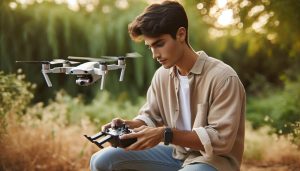
When planning your aerial adventures with the DJI Avata 2, it’s crucial to consider its weather resilience, especially if you’re an outdoor enthusiast. Many drone pilots frequently find themselves in unpredictable weather conditions and need to know how their gear holds up against rain or splashes. This guide addresses the water resistance of the DJI Avata 2, providing you with essential information to protect your investment and enhance your flying experience. By understanding the drone’s capabilities and limitations, you’ll be better equipped to make informed decisions about when and where to fly, ensuring your shots remain steady and spectacular while keeping your equipment safe. Dive into our thorough exploration of the Avata 2’s weather protection features, and learn how to fly confidently, rain or shine!
Is DJI Avata 2 Water Resistant?: Understanding Its Weather Capabilities
The DJI Avata 2 is designed with outdoor enthusiasts in mind, boasting features that cater to various weather conditions. While it is not marketed as fully water-resistant, it does offer a level of protection against splashes and light rain. Understanding the limitations of its weather capabilities is crucial for drone operators who wish to maximize their flying experience while minimizing risks associated with adverse conditions.
The Avata 2’s robust airframe helps resist the effects of minor moisture exposure, but it lacks an official IP rating that confirms comprehensive water resistance. For users planning to fly in wet environments, it is essential to keep in mind that even with its protective design, prolonged exposure to water can lead to damage. Always check weather forecasts before heading out and avoid flying during heavy rain or extreme weather conditions, as these can significantly impact the drone’s performance and lifespan.
In practice, pilots often recommend implementing precautions, such as using protective covers or enclosures that can help shield the drone from moisture. Additionally, understanding the risks associated with flying in different weather scenarios can empower operators to make informed decisions about their flying routes and maintenance schedules. Regularly inspecting the drone for moisture intrusion and conducting proper maintenance, including drying and cleaning the components after exposure to rain, can significantly enhance the Avata 2’s longevity in challenging weather situations.
Key Features That Enhance Water Resistance
The DJI Avata 2 integrates several thoughtful design features aimed at enhancing its ability to withstand minor exposure to water and moisture. While it is essential to understand that the drone does not possess an official water-resistance rating, its construction incorporates protective elements that can help mitigate damage during light rain or accidental splashes.
One of the standout features boosting its water-resistance is the robust airframe. Built with high-quality materials, the drone’s outer shell helps to deflect water and prevent moisture from seeping into sensitive electronic components. The strategic design elements, such as sealed compartments and reinforced joints, work effectively to minimize exposure during unplanned weather conditions. Pairing this structural integrity with an efficient drainage system ensures that, in the event of water exposure, liquid can flow out rather than remain trapped inside.
Additionally, the Avata 2 includes weather-resistant motors that are designed to handle wet conditions better than standard models. These motors are equipped with enhanced sealing, reducing the risk of water entry and increasing reliability for outdoor flights. This means fewer concerns about performance drops when faced with unexpected drizzle or humidity.
For drone pilots looking for added peace of mind, accessories like protective weather covers or custom enclosures can provide an extra layer of defense against the elements. Implementing such measures not only prolongs the life of the drone but also enhances the overall flying experience, allowing operators to engage in adventurous flights without the constant worry of rain. With these features in mind, the Avata 2 stands as a capable companion for those who embrace the thrill of outdoor flight amid varied weather conditions.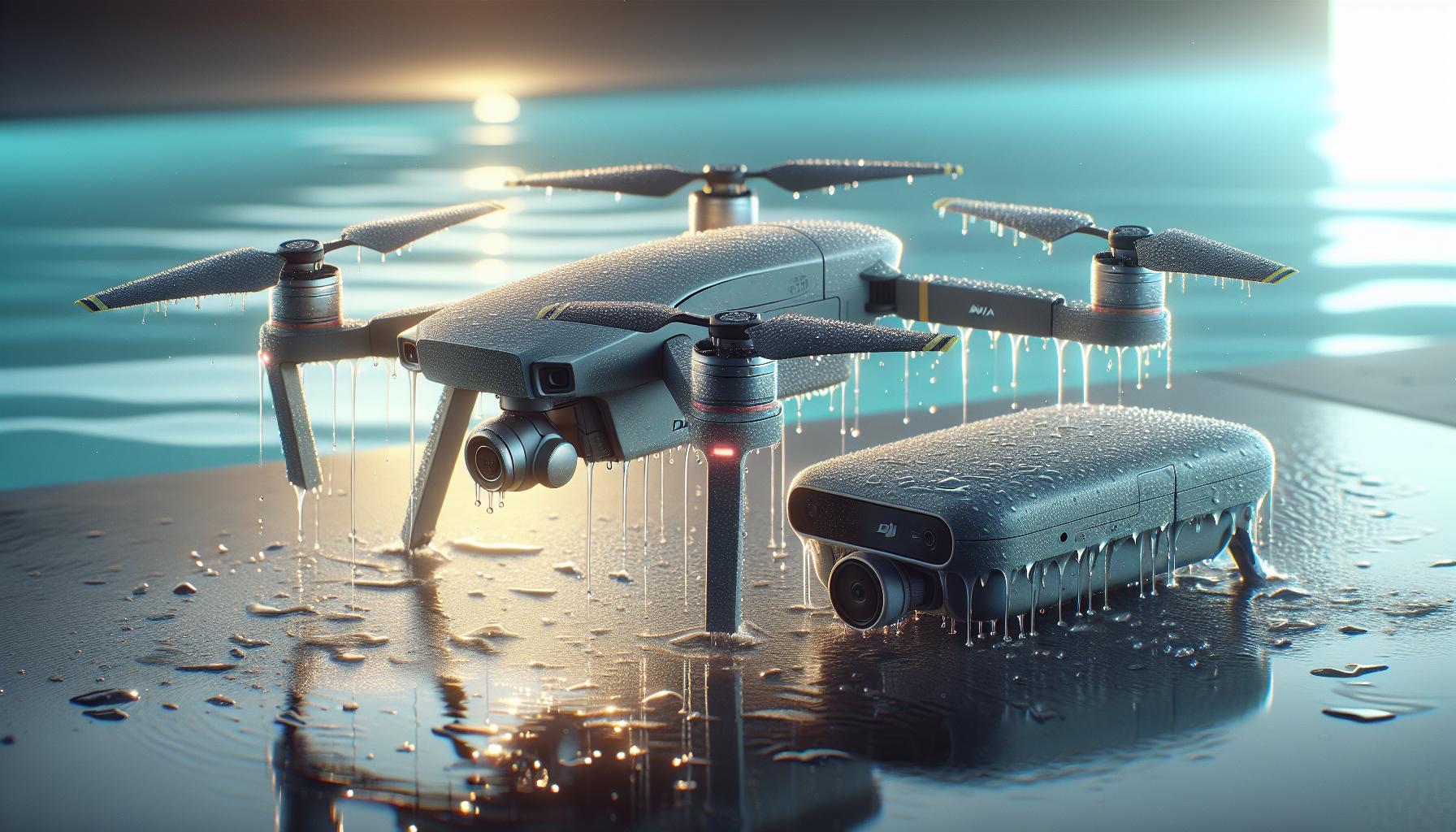
DJI Avata 2 vs Competitors: Water Protection Comparison
The DJI Avata 2 stands out among its competitors in terms of water protection features, providing drone enthusiasts with added confidence when flying in less-than-ideal weather. While many drones in the market lack formal water resistance ratings, the Avata 2 employs a variety of protective elements designed to withstand splashes and light rain. This strategic design gives it an edge over other models, such as the Autel EVO Lite and the Parrot Anafi, which generally offer no substantial water resistance.
Competitive Edge
When comparing the Avata 2 to models like the Autel EVO Lite, which features a robust design yet lacks any water resistance claims, users might find the Avata 2’s construction more reassuring. The Avata 2 utilizes high-grade materials that not only contribute to durability but also enhance moisture deflection. Its airframe includes sealed compartments that help prevent water ingress, a factor where the EVO Lite falls short, as users must remain vigilant about flying in wet conditions.
Another notable comparison is with the Parrot Anafi. The Anafi possesses a lightweight structure that sacrifices durability for portability, which may make it more susceptible to environmental challenges. Unlike the Avata 2’s proactive engineering, the Anafi does not offer the same protections against splashes or unexpected rain, compelling users to avoid inclement weather altogether.
Real-World Performance
In real-world flying conditions, users of the Avata 2 report more successful experiences in light drizzle compared to competitors. For instance, the enhanced sealing around the motors and critical components significantly reduces the risk of performance issues or malfunctions. Other drone pilots have documented their experiences with the Avata 2 in mildly adverse conditions, highlighting the drone’s ability to maintain stability and performance levels that rival those of more water-resistant counterparts, such as the DJI Mavic Air 2.
Overall, the Avata 2’s sophisticated design not only boosts user confidence when braving the elements but also sets a benchmark for water protection in recreational drones. By integrating durable materials and seals designed specifically to keep moisture at bay, DJI has crafted a device that not only competes but excels in environments where many others would falter.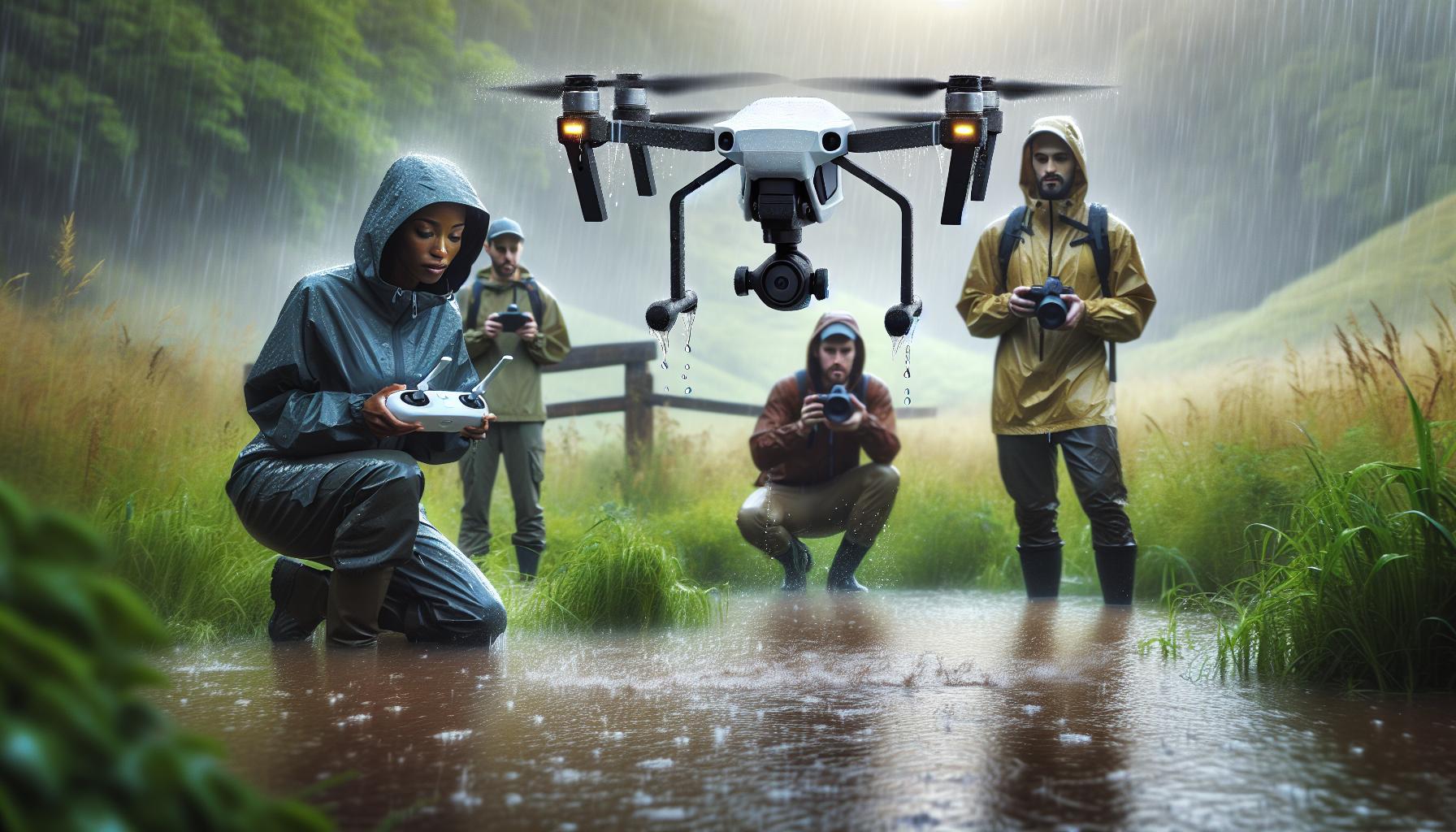
Real-World Testing: DJI Avata 2 in Rain and Splash Conditions
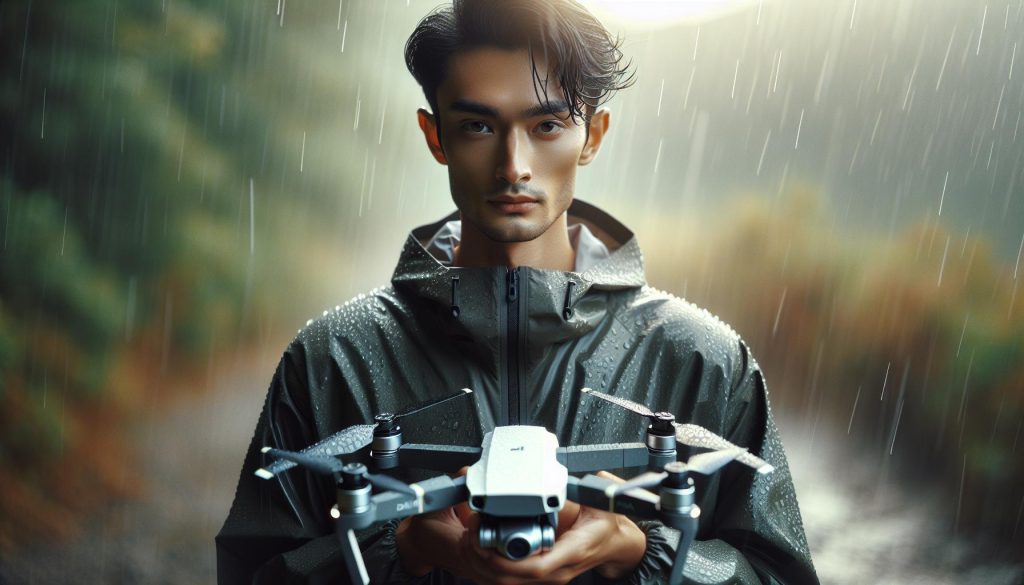
Many drone enthusiasts are eager to explore the skies even when weather conditions are far from ideal. The DJI Avata 2 has emerged as a strong contender in the realm of light rain and splash protection, with users increasingly putting this capability to the test in real-world scenarios. Experience shared by fellow pilots shows that the Avata 2 performs commendably in various wet conditions, showcasing its impressive design and engineering aimed at weather resilience.
When pilots flew the Avata 2 on drizzly days, many noted its ability to maintain stability and control, which is crucial when dealing with wind and moisture. The drone’s enhanced sealing around critical components, such as the motors and battery compartments, helps prevent water ingress during light rain. In practical tests, several users reported successful flights without any noticeable performance degradation, highlighting the Avata 2’s ability to resist malfunction due to unexpected splashes or light showers. This is especially important for those who want to capture dynamic aerial footage regardless of the forecast.
To maximize the Avata 2’s performance in adverse conditions, it’s advisable to keep a few considerations in mind. First, ensure proper pre-flight checks are conducted to verify that all seals and covers are securely in place. Flying in light drizzle is acceptable, but heavy downpours or wet ground conditions are best avoided. Additionally, maintaining a vigilant eye on battery levels is crucial, as flying in damp conditions can sometimes lead to unexpected power management issues.
In summary, the real-world testing of the DJI Avata 2 in rain and splash conditions proves this drone can handle more than just sunny skies. Its thoughtful design elements provide reassurance to pilots who seek adventure without being grounded by unpredictable weather. As with any drone operation, understanding the limits of your equipment and practicing cautious flying are the keys to enjoying successful aerial endeavors, rain or shine.
Tips for Safe Flying in Various Weather Conditions
When flying drones like the DJI Avata 2 in various weather conditions, understanding how to navigate the elements can significantly enhance your flying experience and extend the longevity of your equipment. The Avata 2 is somewhat resilient to light rain and splashes, but pilots need to adopt a considered approach to ensure safe operation in unpredictable weather.
To begin with, it’s essential to monitor weather conditions diligently. Always check localized forecasts before planning a flight; sudden changes in weather can cause challenges that may not have been anticipated. Pay particular attention to wind speeds and precipitation levels. While light rain can be manageable, strong winds can affect control and stability, risking potential accidents. As a rule of thumb, avoid flying in conditions where winds exceed 15 mph or if visibility is low due to haze, fog, or heavy rain.
Pre-flight checks are another crucial aspect of preparing for any flight, especially in wet conditions. Confirm that all components of the Avata 2, including battery compartments and motor seals, are secure and functioning properly. Not only does this help prevent moisture ingress, but it also ensures that the drone operates smoothly. If possible, fly in warm or mildly humid environments, as extreme temperature changes can impact battery performance and the drone’s electronic systems negatively.
During the flight, remain vigilant about how the drone responds to varying conditions. If you notice any abnormal behavior, such as erratic movements or diminished power, it’s advisable to land immediately. Keeping a close eye on battery levels becomes even more critical when flying in rain. Moisture can sometimes lead to reduced battery efficiency, so always ensure that you have ample charge to return safely.
To further enhance safety during various weather scenarios, consider using accessories that can provide additional protection. For instance, a drone skin or cover can help protect against splashes and debris while flying. Continuous learning and adapting your flying style in different weather conditions will not only enhance your skills as a pilot but also build confidence in your equipment’s capabilities.
In summary, while the DJI Avata 2 can withstand light rain and splashes, practicing good weather awareness and safety procedures is vital for successful operation. By prioritizing thorough preparations and responding quickly to changing conditions, pilots can maximize their enjoyment and ensure a longer, safer flying experience.
Understanding IP Ratings and What They Mean for Drones
When examining the resilience of drones like the DJI Avata 2 to environmental factors, understanding IP (Ingress Protection) ratings is essential. These ratings provide valuable insight into how well electronic devices can withstand exposure to solids and liquids, which is crucial for drone enthusiasts who operate in variable weather conditions. An IP rating is typically denoted by the letters “IP” followed by two digits; the first digit signifies protection against solid objects, while the second digit denotes resistance to liquids.
For example, a drone with an IP rating of IP54 indicates that it is protected against dust ingress (the ‘5’ indicates limited dust protection) and is resistant to water splashes from any direction (the ‘4’ signifies this). This is particularly relevant for the DJI Avata 2, which is designed to handle light rain and splashes, but does not mean it is waterproof. Understanding these ratings allows pilots to make informed decisions regarding their flying conditions.
When choosing a drone, particularly for challenging environments or wet conditions, it’s beneficial to compare the IP ratings of different models. Drones with higher IP ratings will generally perform better in adverse weather. For instance, a drone rated IP67 can withstand prolonged submersion in water, making it more robust for unpredictable flying scenarios compared to one rated IP33, designed only for light exposure to moisture. Although the Avata 2’s splash resistance is adequate for moderate conditions, pilots should remain cautious and avoid flying in heavy rain or strong winds where exposure risks increase.
To maximize your drone’s performance and longevity in various weather conditions, regularly check the manufacturer’s specifications for IP ratings, and consider using additional protective accessories. Protective covers, gimbal guards, and moisture-absorbent bags can help mitigate risks even when flying in seemingly safe conditions. Moreover, understanding the limits of your drone, such as the effects of moisture on the battery and electronics, equips you as a pilot to adapt your flying strategies, ensuring safe and effective drone operation.
Maintaining Your DJI Avata 2 for Longevity in Challenging Weather
Maintaining optimal performance and longevity of the DJI Avata 2 in challenging weather conditions is paramount for any pilot aspiring for the best flying experience. Despite its durability, operating in adverse weather requires diligence and proactive measures to safeguard your investment. Here are essential maintenance tips to extend the lifespan of your drone during inclement weather.
Regularly inspect your drone before and after flights in moisture-rich environments. Check for any signs of water ingress, especially in critical areas such as motor housings and battery compartments. Use a soft, dry cloth to wipe away any moisture that may accumulate. Additionally, consider using a moisture-absorbing bag during storage to prevent dampness from seeping into electronic components.
Battery Care
Batteries are particularly sensitive to environmental conditions. Always ensure that your DJI Avata 2’s batteries are fully dry before recharging. Moisture can lead to short circuits or degradation of battery life. Store batteries in a cool, dry place, and ideally at a state of charge between 40% and 60% for optimal health.
Firmware Updates and Calibration
Keep your firmware up to date, as manufacturers often release updates that enhance performance and weather resistance. Before flying in challenging conditions, recalibrate your drone’s sensors to ensure that it is operating optimally. This process helps in effective navigation and stabilization during gusty winds or unexpected weather changes.
Protective Measures
Investing in accessories designed to enhance durability in wet conditions can significantly improve your flying experience. Protective covers are available that can shield your drone from light rain and splashes. Gimbal guards help protect delicate components, while propeller guards can lessen damage in case of a fall. Particularly in wet weather, utilize these accessories to minimize risks.
Implementing these practices will not only enhance the performance of your DJI Avata 2 but also ensure that it withstands the rigors of challenging weather conditions effectively. By taking a proactive approach, you enable a safer and more enjoyable flying experience, regardless of the situation at hand.
Accessories to Improve Weather Resistance for DJI Avata 2
To effectively tackle adverse weather conditions, equipping your DJI Avata 2 with the right accessories can make a significant difference in its ability to withstand the elements. While the Avata 2 is designed for durability, it’s important to enhance its weather resistance through various protective measures.
One essential accessory is a drone cover or rain shield. These lightweight and flexible covers can be draped over the drone to protect it from light rain and splashes. Look for covers with proper ventilation to avoid overheating while providing a barrier against moisture. Gimbal guards are another effective addition, as they safeguard the delicate gimbal mechanism from water and debris, ensuring smooth and stable footage even in challenging conditions.
Moreover, consider adding propeller guards which can reduce the risk of damage during unexpected crashes or during maneuvering through branches or wet environments. Not only do these guards protect the propellers, but they also offer an additional layer of safety by reducing the chances of entanglement with wet foliage.
Lastly, moisture-absorbing silica gel packets can be placed in your drone’s carrying case. These packets help to keep the interior dry, absorbing any moisture that may accumulate during storage after flying in humid or rainy conditions. Together, these accessories can bolster the DJI Avata 2’s resilience against weather challenges, enabling pilots to capture stunning aerial footage without compromise.
User Experiences: DJI Avata 2 in Harsh Weather Conditions
Many drone enthusiasts have pushed the boundaries of their DJI Avata 2 by flying it in various harsh weather conditions, sharing their experiences and insights with the community. Whether it’s light rain, windy days, or even unexpected splashes, operators have documented both successful flights and valuable lessons learned. One notable testimonial comes from a pilot who ventured out during a light drizzle, equipped with a rain cover. They reported that, while the drone handled the moisture well, the cover prevented any significant water intrusion, allowing for an uninterrupted flight and stunning footage of a stormy landscape.
Feedback from users in particularly windy regions highlights the Avata 2’s stability and handling capabilities, even when faced with gusts that would typically challenge other models. Many pilots have emphasized the importance of pre-flight checks and ensuring that the drone’s connections and gimbal are secured tightly, as these elements can be vulnerable in turbulent conditions. A common tip shared among operators is to adjust camera settings beforehand, such as increasing the shutter speed to combat motion blur caused by wind.
In contrast, some users have encountered difficulties, particularly when attempting to operate their Avata 2 in heavier rains or extreme conditions without proper preparation. Reports reveal instances of performance degradation in very wet climates, highlighting the importance of using additional protective gear such as gimbal and propeller guards. These accessories can mitigate risk during unpredictable weather changes, allowing pilots to maintain their flying sessions without undue concern for water damage.
Moreover, the experiences underline a critical takeaway: pilots are encouraged to familiarize themselves with their drone’s limits. Many emphasize the peace of mind that comes with understanding the drone’s IP rating in relation to real-world conditions. While the Avata 2 is designed for durability, user feedback confirms that employing preventative measures and accessories can significantly enhance operational success in challenging environments. By sharing their journeys, fellow Avata 2 operators not only foster a supportive community but also aid others in making informed decisions about drone weather resistance and safe flying practices.
Troubleshooting Common Issues in Wet Flying Scenarios
Flying the DJI Avata 2 in wet conditions can be both thrilling and challenging, yet it’s essential to acknowledge the potential issues that may arise. Wet weather can compromise the drone’s performance and lead to unexpected malfunctions, but with careful preparation and troubleshooting, many of these challenges can be effectively managed. Understanding what common problems might occur during wet flights can help pilots act swiftly and confidently.
One prevalent issue when flying in wet conditions is the risk of moisture intrusion into the drone’s electronic components. To mitigate this, always conduct thorough pre-flight inspections. Ensure that all ports and connections are tightly secured, as this can prevent water from getting inside. Additionally, consider employing a waterproofing spray or using an appropriate cover to thwart water entry, particularly if flying during light rain. Some pilots have invested in custom rain covers, which not only shield the drone but also help maintain visibility for the onboard cameras.
Another concern is the performance stability of the drone in wet weather. Wet propellers and sensors can affect flight dynamics. If you notice that your drone is responding sluggishly or the control inputs seem delayed, it’s prudent to land immediately and perform a quick assessment. After landing, inspect the propellers for water drops or clogs and allow them to dry before the next flight. If your drone begins to act erratically, it may be a sign of water damage to the electronic systems, necessitating a more thorough inspection or consultation with a professional.
Lastly, pilots should be aware that flying in wet conditions can impact battery performance. Water can create unusual connections or cause short circuits, especially if it seeps into the battery compartment. It’s advisable to keep batteries dry and monitor their performance closely. Always check the battery health post-flight, including any signs of swelling or corrosion.
In summary, successful flying of the DJI Avata 2 in wet conditions hinges on proactive measures and troubleshooting techniques. From pre-flight inspections and protective gear to careful monitoring of the drone’s response, maintaining awareness of potential issues allows for safer operation and more enjoyable flying experiences in changing weather. By empowering themselves with this knowledge, operators can confidently explore the skies, even when conditions turn less favorable.
Preparing for Weather Changes During Drone Flight
As unpredictable as nature can be, one of the core competencies of a skilled drone pilot is the ability to adapt to sudden weather changes. Even if the forecast was clear before takeoff, a drone pilot may find themselves confronting unexpected rain or gusty winds. To ensure safe flying, preparing for such weather shifts starts long before you lift off.
Begin your flying session by closely monitoring both the weather conditions and the environment around your launching site. Use reliable weather apps that provide detailed radar and real-time updates, looking specifically for any changes in wind patterns, precipitation levels, and temperature fluctuations. Always take into account local geography, as nearby hills or bodies of water can unexpectedly alter conditions. It’s advisable to have a partner with you to help monitor these changes and assist during emergencies.
Before your flight, ensure that your DJI Avata 2 is equipped for sudden weather changes. This might involve investing in select accessories designed for weather protection, such as waterproof skins, covers, or protective cases for your remote and spare batteries. During your pre-flight check, confirm that all seals and ports on your drone are secure to prevent moisture intrusion. A small emergency kit that includes towels or absorbent cloths can be helpful for quickly drying off any surfaces if rain catches you off guard.
If you notice any signs of impending changes, such as darkening clouds or a drop in temperature, consider grounding your drone. Many pilots choose to establish a ‘weather threshold,’ a set of conditions that would prevent them from flying safely. Be prepared to land or bring your drone back as soon as the weather shows signs of worsening.
In the event you do encounter unanticipated weather, maintain clear communication with any people around you. Keeping an eye on your drone’s telemetry will also help in assessing battery levels and the drone’s performance as conditions change. Ultimately, a proactive approach involving thorough checks, proper equipment, and attentive monitoring positions you to handle unexpected weather challenges successfully. This not only ensures your DJI Avata 2 remains damage-free but also cultivates greater piloting skills in varied conditions.
Legal Considerations for Flying in Adverse Weather
Flying a drone like the DJI Avata 2 in adverse weather carries not only risks to equipment but also serious legal considerations. Understanding the regulations that govern drone flight can help protect both the pilot and the drone, especially when conditions challenge operational limits. Before embarking on a flight, it’s crucial to familiarize oneself with the specific laws set forth by aviation authorities such as the FAA in the United States or equivalent bodies worldwide.
Navigating legalities in adverse weather begins with recognizing local laws regarding flying in rain, snow, or other severe weather conditions. Many jurisdictions have specific rules against flying in conditions that might impair visibility or create hazardous situations for the pilot or the aircraft. Being caught in poor weather could result in violations that carry fines or, in worse scenarios, loss of flight privileges. Always check any restrictions related to weather and airspace in your area.
Considerations for Safe Flying:
–
- Visibility: Most regulations require a minimum visibility to operate a drone legally. Fog or heavy rain can quickly reduce visibility, making it unsafe and illegal to fly.
- Aircraft Condition: Regulations also specify that drones must be in a safe operating condition. Water damage from rain can compromise the aircraft, leading to legal ramifications if it results in an incident.
- Notification of Authorities: In some cases, if you’re flying in rapidly changing weather, it’s wise to notify local authorities about your flight plans, especially if you’re operating near populated areas.
In addition to understanding the regulations, staying informed about your drone’s capabilities and limitations regarding water resistance is crucial. The DJI Avata 2 may be resistant to minor splashes, but flying in heavy rain could violate both manufacturer guidelines and local laws. Furthermore, documenting any weather-related decisions with timestamped notes can provide valuable evidence should any disputes arise regarding your flying conditions.
Ultimately, responsible drone operation in adverse weather not only enhances safety but also aligns with legal compliance. By being proactive in understanding environmental regulations, you safeguard your equipment and ensure the safety of others while enjoying the skies.
Frequently asked questions
Q: Is the DJI Avata 2 safe to fly in light rain?
A: The DJI Avata 2 is not officially rated for water resistance, but some users report successful flights in light rain. It’s best to avoid flying in wet conditions to prevent damage. For more on weather protection, see our section on real-world testing.
Q: What is the IP rating of the DJI Avata 2?
A: The DJI Avata 2 does not have an official IP rating, meaning its resistance to water and dust is not certified. For a better understanding of IP ratings and their significance for drones, refer to our section on understanding IP ratings.
Q: How can I protect my DJI Avata 2 from water damage?
A: To protect your DJI Avata 2 from water damage, consider investing in waterproof drone bags or covers and avoid flying in adverse weather. You can also read our tips for safe flying to enhance your drone’s longevity.
Q: Can I use the DJI Avata 2 in foggy conditions?
A: While you can fly the DJI Avata 2 in foggy conditions, visibility may be reduced, impacting your ability to control the drone effectively. Always prioritize safety and refer to our tips for flying in various weather conditions.
Q: What should I do if my DJI Avata 2 gets wet?
A: If your DJI Avata 2 gets wet, immediately turn it off and remove the battery. Allow it to dry completely before attempting to power it on again. For troubleshooting common issues in wet scenarios, check our troubleshooting section.
Q: Are there any accessories to enhance the DJI Avata 2’s weather resistance?
A: Yes, accessories like drones bags, protective covers, and lens protectors can enhance the DJI Avata 2’s resistance to the elements. Review our accessories section for more options tailored to improve weather resistance.
Q: How does the DJI Avata 2 compare to other drones in rainy conditions?
A: The DJI Avata 2 lacks an IP rating, making it less effective than some competitors designed for wet conditions. For a thorough comparison, refer to our section on DJI Avata 2 vs. competitors regarding water protection.
Q: What legal considerations should I be aware of when flying in poor weather?
A: When flying in poor weather, check local regulations as flying in certain conditions may require special permissions. Review our legal considerations section to comply with all flying requirements.
In Retrospect
As you explore the capabilities of the DJI Avata 2, understanding its water resistance is crucial for maximizing your flying experience. Remember, while it offers some protection from the elements, it’s not fully waterproof. For those looking to enhance their drone setup, consider checking out our detailed guides on firmware updates and accessory recommendations to secure your next aerial adventure.
Don’t forget to share your thoughts in the comments below or check out our other articles on drone maintenance and safe flying practices. If you found this guide helpful, subscribe to our newsletter for the latest updates and tips in the world of DJI drones. Take flight with confidence and explore the skies knowing you have the knowledge to protect your gear!