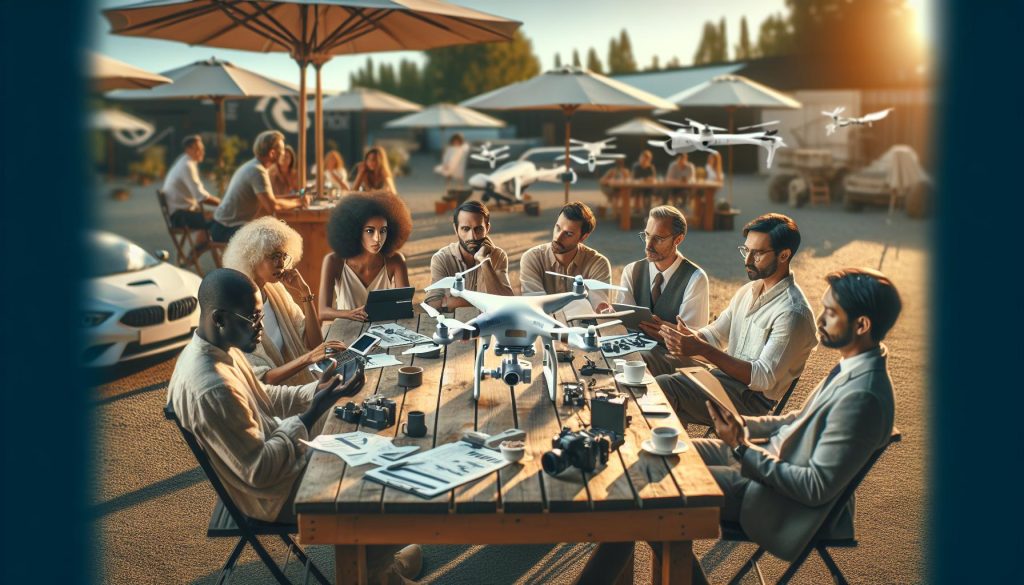
In the rapidly evolving world of drones, DJI stands out as a leading contender, captivating both enthusiasts and professionals alike. With its innovative technology and user-friendly designs, DJI drones have become a staple for capturing breathtaking aerial footage. Yet, as the drone market expands, many potential buyers wonder: Is DJI really the best choice? This comparison and review delve into the strengths and weaknesses of DJI against its competitors, addressing common concerns about performance, safety features, and overall value. Whether you’re a hobbyist eager to explore the skies or a professional seeking reliable tools, understanding how DJI measures up can significantly impact your drone experience. Read on to uncover essential insights that will guide your purchasing decision and elevate your aerial adventures.
Understanding DJI Drones: A Comprehensive Overview
In the rapidly advancing world of aerial technology, DJI stands as a beacon of innovation and quality. Renowned for its exceptional range of drones, the brand has become synonymous with high-performance UAVs (Unmanned Aerial Vehicles) that cater to both hobbyists and professionals alike. From capturing breathtaking landscapes to executing complex aerial maneuvers, DJI drones are engineered to empower users with the tools necessary to bring their creative visions to life. This commitment to quality is illustrated by their ongoing investment in R&D and rigorous testing, ensuring each model meets the high standards that consumers expect.
One of the key reasons DJI has garnered a loyal user base lies in its focus on user experience, offering intuitive interfaces and smart flight modes that simplify the flying process. New users can seamlessly engage with their drones without being overwhelmed by complex setups. For instance, features like GPS positioning, obstacle avoidance, and automated flight paths allow even novices to capture stunning footage with ease. Advanced pilots appreciate the customizable flight settings that let them fine-tune their experience, catering to an array of filming needs or aerial objectives.
Moreover, the versatility of DJI drones is unmatched, with options ranging from the ultra-compact Mini series to the robust Mavic and Phantom drones designed for professional use. Each model offers unique features and capabilities, enabling users to select the perfect drone to meet their specific requirements-be it lightweight portability for travel or enhanced stability and camera quality for cinematic projects. DJI also provides substantial educational resources including tutorials, forums, and user support to ensure that customers can maximize their drone’s capabilities.
In an era where visuals dominate content, having the right drone can make all the difference. Whether you’re capturing vivid sunsets or intricate details in a bustling cityscape, understanding your equipment and how to use it effectively is crucial. DJI not only offers the hardware but also cultivates a community of enthusiasts eager to share knowledge and experiences, fostering a continuous learning environment that benefits all users.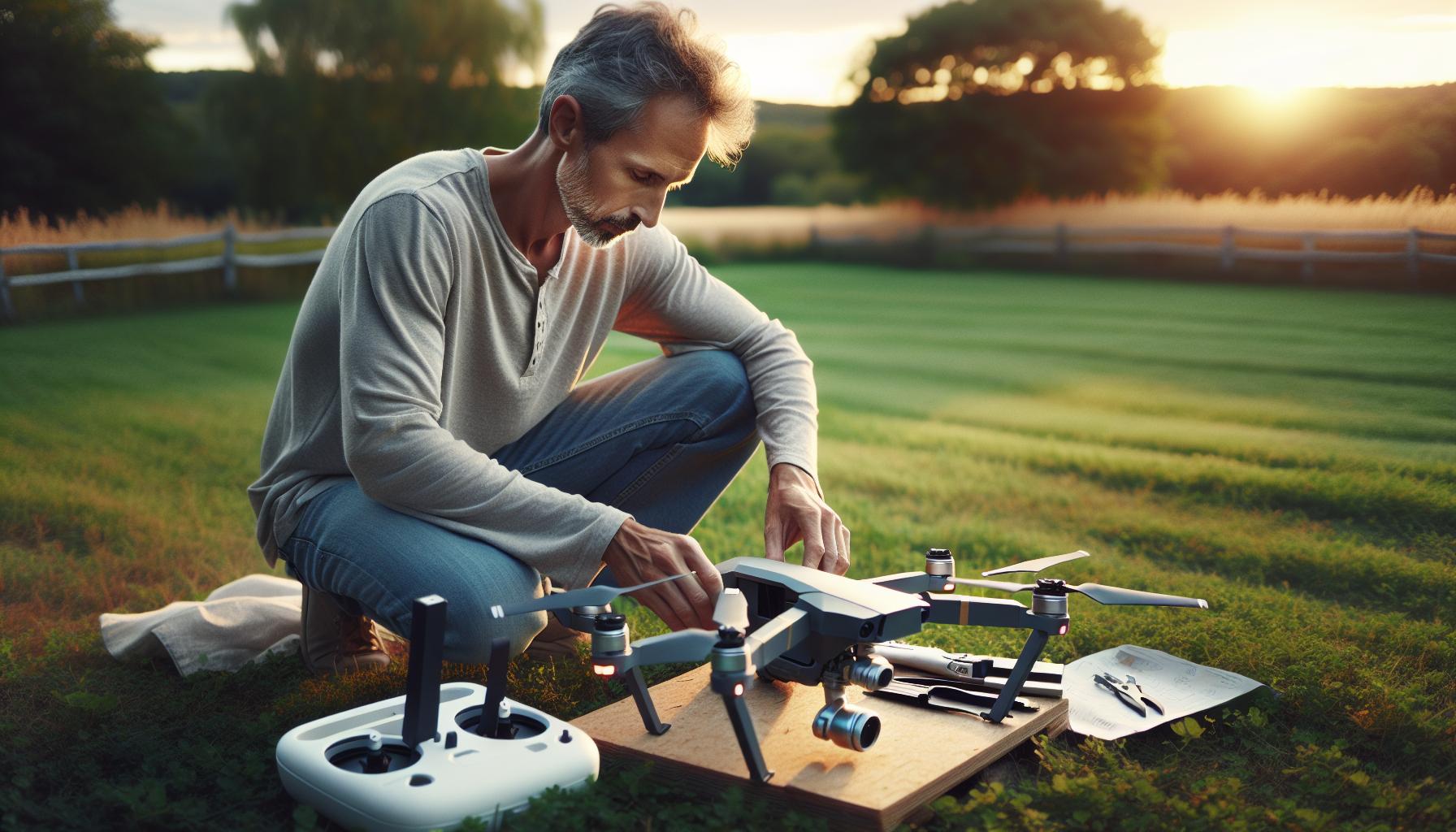
Why Choose DJI? Key Brand Advantages
In the rapidly evolving landscape of drone technology, DJI has established itself as a household name, synonymous with quality, innovation, and reliability. One compelling reason to choose DJI is its unwavering commitment to user-friendly design. The majority of DJI drones are equipped with intuitive interfaces and well-engineered flight systems, allowing users of all skill levels-from beginners to seasoned pilots-to navigate effortlessly and achieve stunning aerial shots. Features such as GPS positioning, intelligent flight modes, and automated return-to-home capabilities enhance the flying experience while ensuring safety and ease of use.
Another significant advantage is the robust ecosystem DJI has created around its products. The company offers extensive educational resources, including tutorials and community forums, where users can learn from each other and enhance their skills. This support network is invaluable, particularly for new drone operators who may feel overwhelmed by the technical aspects of drone flying. Additionally, DJI frequently updates its firmware, ensuring that users have access to the latest features and improvements, which adds to the longevity and value of their devices.
Moreover, the versatility of DJI drones is unmatched, catering to a broad spectrum of needs. Whether you are a traveler seeking a compact model like the Mini series, a filmmaker in need of the exceptional capability of the Mavic series, or a professional photographer relying on the advanced features of the Phantom series, there’s a DJI drone designed specifically for your requirements. This wealth of options allows users to choose a model that aligns perfectly with their creative visions or commercial objectives, promoting greater satisfaction and investment return.
Finally, DJI’s reputation for superior performance and durability cannot be overstated. Through rigorous testing and continuous innovation, DJI drones are designed to withstand various environmental conditions while delivering unparalleled image quality. Their high-quality cameras and stabilization technologies produce breathtaking aerial footage that can redefine your approach to visual storytelling. When choosing a drone, opting for a DJI model ensures you are equipped with cutting-edge technology backed by years of expertise and a community of enthusiastic users.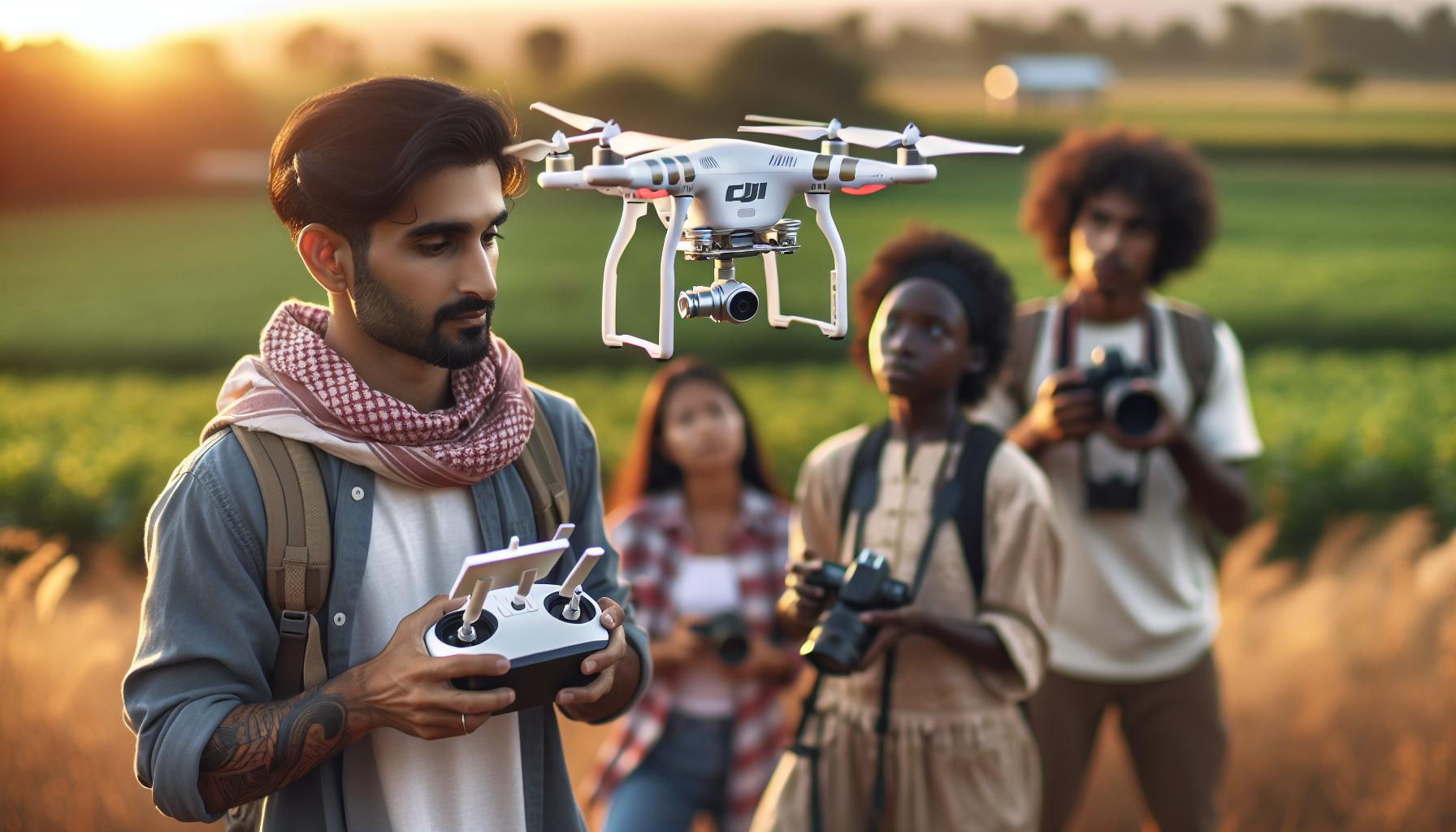
Comparing DJI Drone Models: Which Is Best for You?
In the world of consumer drones, choosing the right model can significantly enhance your flying experience, whether for casual use or professional applications. DJI offers a broad range of drone models, each tailored to meet specific needs and preferences, making the decision process both thrilling and daunting.
To simplify your selection, it’s essential to consider your primary usage. If you’re a beginner or looking for an ultralight option, the DJI Mini Series is a perfect match. These drones are compact, easy to operate, and do not require FAA registration due to their weight. They come equipped with impressive features like 4K camera capabilities and extended battery life, making them excellent for casual filming and photography.
For those seeking versatility, the Mavic Series stands out. These drones excel in various filming conditions, offering advanced features such as obstacle avoidance, intelligent tracking, and superior camera stabilization. They cater to both amateur and professional filmmakers and are known for their foldable design, making them highly portable without compromising on quality.
If you require a robust drone for professional-grade aerial photography or cinematic projects, the Phantom Series offers exceptional performance and advanced features like a 1-inch sensor for better imaging in low-light conditions. Additionally, it has customizable settings that appeal to professional filmmakers who need more control over their shots.
For an immersive first-person view (FPV) experience, check out the Avata Drone. It combines the thrill of racing drones with cinematic capabilities, allowing pilots to fly with unmatched control and responsiveness. This model is unique for offering a true FPV experience, making it ideal for drone enthusiasts who want to push their flying skills to the limit.
The Air Series, on the other hand, bridges the gap between portability and high performance. These drones are lightweight yet boast remarkable features, making them suitable for travelers and hobbyists who want powerful capabilities in a manageable form factor.
Deciding which DJI model is best for you ultimately hinges on your intended use, budget, and how much you value advanced features. Evaluate factors such as camera quality, flight time, portability, and ease of use in your decision-making process. With each drone model designed for different user profiles, you’re sure to find a DJI drone that aligns perfectly with your needs and aspirations.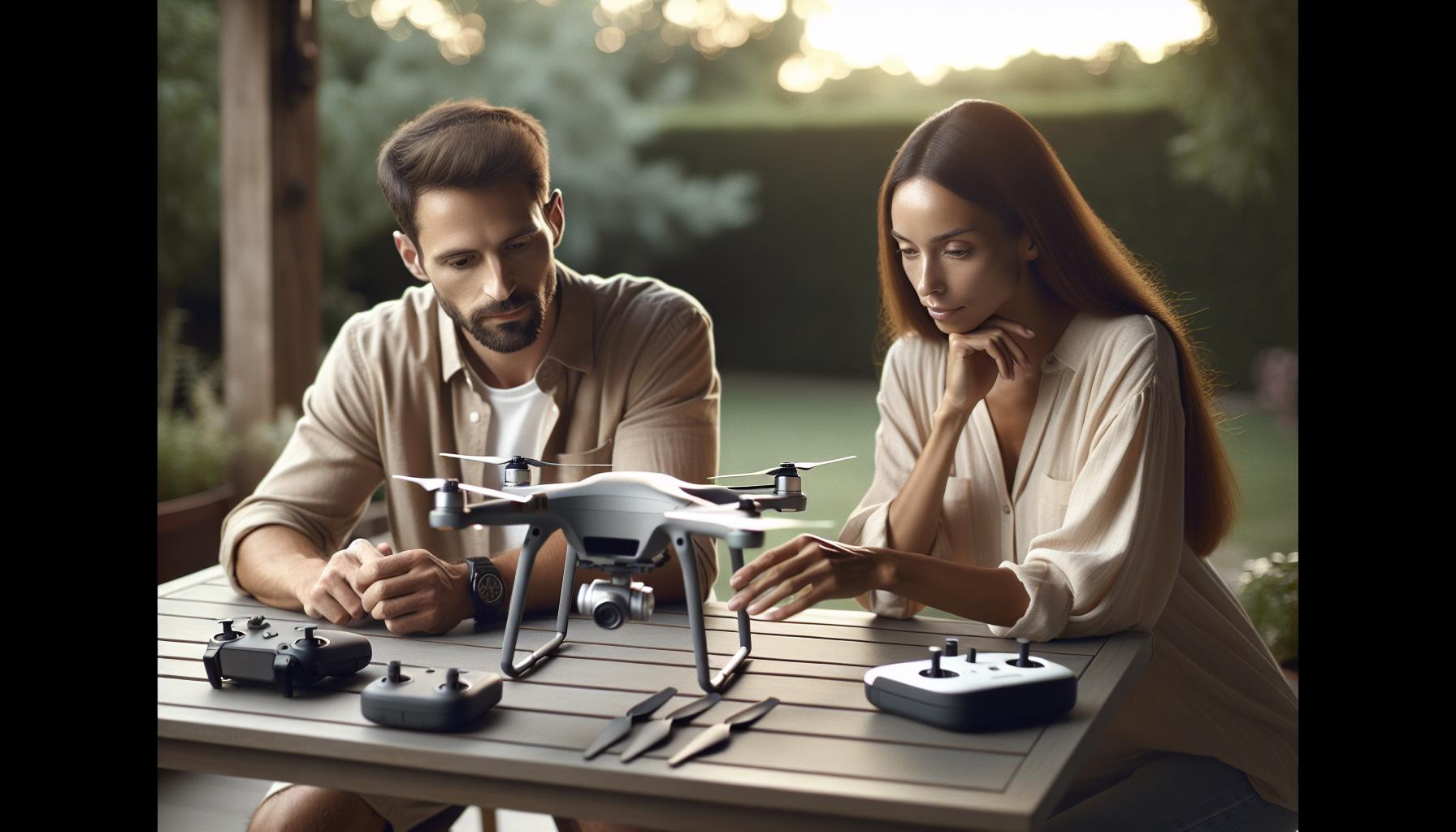
In-Depth Review: DJI Mini Series Features and Benefits
The DJI Mini Series has redefined the entry-level drone market by combining exceptional performance with an ultra-compact design. With models like the Mini 2 and Mini SE, DJI has created a product line that caters to both hobbyists and aspiring content creators who seek high-quality aerial photography without the complexities often associated with larger drones. One of the series’ standout features is its lightweight build; at less than 250 grams, these drones require no FAA registration, making them an incredibly convenient option for beginners.
Key Features of the DJI Mini Series
- Camera Quality: The Mini Series boasts impressive camera capabilities, including 4K video recording and 12 MP still image capture. This quality allows users to create professional-grade content without needing advanced photography skills.
- Flight Time: With a maximum flight time of up to 31 minutes on the Mini 2, users can enjoy extended flying sessions, making it easier to capture the perfect shot without constantly worrying about battery life.
- Intelligent Flight Modes: Features such as QuickShots and Dronie simplify content creation, enabling users to capture cinematic shots with just a few taps. These modes are particularly beneficial for beginners who may not have experience with more complex flying maneuvers.
- Portability: The foldable design ensures that the Mini drones can easily fit in a backpack or even a larger pocket, making them ideal companions for travel enthusiasts.
Flying a DJI Mini drone is intuitive, with GPS-assisted hovering and a user-friendly app that provides real-time feedback, camera settings adjustments, and a live feed. These features not only enhance the flying experience but also foster a greater sense of confidence for novice pilots. The Mini Series also incorporates safety features such as automatic return-to-home upon low battery or losing connection, which helps to protect the investment should an unforeseen issue arise.
In summary, the DJI Mini Series stands out as an exceptional choice for anyone looking to explore the world of drones without overwhelming complexity. Its balance of advanced technology, compact design, and accessible features make it a go-to option for both casual users and those looking to create stunning aerial visuals. As drone technology continues to advance, the Mini Series remains a testament to DJI’s commitment to quality and user satisfaction, solidifying its position as a leader in the drone market.
Exploring the Mavic Series: Versatility and Performance
The Mavic series has established itself as a benchmark in the world of drones, known for its perfect blend of versatility, performance, and advanced technology. Starting with the Mavic Pro, the series has continually evolved to meet the diverse needs of both amateur enthusiasts and seasoned professionals. What sets the Mavic apart is its ability to deliver high-quality aerial photography and videography in a compact, portable design, making it an ideal companion for adventurers and content creators alike.
One of the standout features of the Mavic series is the impressive camera capabilities. Many models, such as the Mavic Air 2 and Mavic 3, offer 4K video recording and a host of intelligent shooting modes. The Mavic 3, for instance, comes equipped with dual cameras, enabling users to switch between wide-angle and telephoto lenses seamlessly. This flexibility is fundamental for capturing diverse perspectives, whether you’re shooting scenic landscapes or intricate details from afar. Additionally, features like HDR video and improved low-light performance empower creators to produce stunning visuals even in challenging conditions.
In terms of flight performance, the Mavic series excels with extended flight times, often exceeding 30 minutes depending on the model and conditions. The innovative propulsion systems and aerodynamic designs enhance both efficiency and stability during flight. With advanced features such as obstacle avoidance sensors and automated flight modes like ActiveTrack and Waypoints, operators can focus more on creativity rather than technicalities. These features not only improve safety but also allow complex shots to be executed with ease, fostering a seamless user experience.
The Mavic series also prides itself on ease of use, making it accessible to beginners while still providing depth for experienced pilots. The DJI Fly app features an intuitive interface that guides users through setup, allows for real-time telemetry, and offers various customization options. Furthermore, firmware updates and gimbal calibration can be easily managed through the app, ensuring that your drone is always performing optimally. This level of support reflects DJI’s commitment to enhancing the user experience, paving the way for continuous learning and skill development in drone operation.
In summary, the Mavic series stands at the intersection of cutting-edge technology and user-friendly design, making it a top choice for anyone serious about drone photography and flying. Whether you’re capturing breathtaking landscapes or live events, the versatility and performance of the Mavic series are unmatched, ensuring a rewarding experience, regardless of your skill level.
Phantom Drones: Professional Grade for Serious Aerial Work
When it comes to professional aerial work, the Phantom series stands out as a favorite among commercial drone operators and serious hobbyists alike. With its robust construction and advanced technology, the Phantom drones have earned a reputation for reliability and outstanding performance in various demanding environments. Particularly, the DJI Phantom 4 Pro exemplifies this blend of power and precision, featuring a 1-inch 20MP sensor capable of shooting 4K video at 60 frames per second, providing unparalleled image quality for filmmaking and surveying tasks.
One of the major advantages of the Phantom series is its stability in flight, which is crucial for capturing sharp images and smooth video. The drone’s advanced GPS and vision sensors work in tandem to ensure precise hovering and positioning, even in challenging conditions. This makes the Phantom an excellent choice for aerial cinematography, where maintaining stability while capturing dynamic scenes is essential. Additionally, the Phantom 4 Pro offers several intelligent flight modes, including ActiveTrack and TapFly, which enhance ease of use, allowing operators to focus on their creative vision without getting bogged down by complex piloting tasks.
Technical Features for the Pros
The Phantom series does not skimp on technical features that appeal to professionals. With a maximum flight time of around 30 minutes, pilots can complete extensive shoots without the constant worry of battery life. The drone is equipped with a 3-axis gimbal that ensures smooth footage, while its obstacle avoidance systems help prevent collisions during complex maneuvers. Furthermore, the robust build quality of the Phantom is tailored for various professional uses, from aerial photography and videography to mapping and inspection, making it a highly versatile tool in the aerial toolkit.
Software Integration
Equally important is the integration of powerful software that DJI provides to enhance the overall user experience. Pilots can utilize the DJI GO 4 app to control their drones and access advanced features such as real-time telemetry and customizable settings that allow for tailored control depending on the shooting conditions. The app also supports firmware updates, enabling operators to keep their equipment updated with the latest improvements and functionalities, thereby maximizing the longevity and reliability of their investment.
In summary, if you are in the market for a drone that delivers professional-grade performance combined with user-friendly controls and versatile applications, the Phantom series is an exceptional choice. Its ability to produce stunning imagery coupled with its intelligent flight features sets a high standard in the aerial photography and videography landscape, ensuring that both beginners and seasoned experts can achieve remarkable results with confidence.
The Avata Drone: Immersive FPV Experience Explained
The Avata drone represents a significant leap in immersive first-person view (FPV) technology, offering an unparalleled flying experience for enthusiasts and professionals alike. Designed for those who seek a thrilling perspective while navigating through the air, the Avata combines agility with cutting-edge features that enhance user control and creativity. With its lightweight frame and compact design, this drone is particularly suited for dynamic environments, making it a top choice for capturing high-octane shots in various settings, from urban landscapes to rural trails.
One of the standout features of the Avata is its intuitive flight system that facilitates smooth maneuverability, allowing pilots to experience the euphoric sensation of flying. The drone supports advanced flight modes like manual control and follow-me options, catering to both beginners and experienced pilots. Additionally, the Avata includes enhanced safety features, such as obstacle avoidance sensors that provide a safety net during complex flights, enabling users to focus more on creativity and less on navigation risks.
High-Quality Imaging
Beyond its impressive flight capabilities, the Avata excels in capturing stunning video and imagery. Equipped with a 4K camera supported by DJI’s renowned gimbal stabilization technology, it delivers smooth, cinematic footage even in fast-paced situations. The ability to shoot in various resolutions and frame rates gives operators the flexibility to create dynamic content that stands out, whether for action sports, real estate photography, or artistic projects.
For those wondering about the practicality of the Avata, it also comes with a robust set of accessories designed to enhance the FPV experience. This includes goggles for an immersive view, allowing pilots to feel as though they are truly in the cockpit. With a relatively simple setup process and readily available tutorials on how to calibrate the drone and its camera, new users can quickly adapt to this innovative technology.
In summary, the Avata drone is not just another addition to DJI’s extensive lineup; it is a gateway to a new kind of aerial storytelling. Its user-friendly design, high-quality imaging capabilities, and safety features make it a compelling choice for anyone looking to explore the realm of FPV flying while creating breathtaking visual narratives.
Unpacking the Air Series: Lightweight Yet Powerful
While many drones prioritize power and capability, the Air Series from DJI perfectly balances lightweight design with impressive performance. Ideal for both hobbyists and professionals, these drones offer users the advantage of portable, easily transportable devices without sacrificing the advanced features expected from DJI products. The Air Series exemplifies how cutting-edge technology can be seamlessly integrated into a compact form, making it a versatile choice for a range of applications-from casual photography to professional aerial videography.
The lightweight nature of the Air Series, particularly the DJI Air 2S, significantly improves flight times and maneuverability. Pilots can experience extended flight durations, allowing them to capture more footage without the frequent need to recharge. With a robust battery life of up to 31 minutes, this model enables extended shooting while minimizing the interruptions often faced in film production or exploratory flights. This drone also features a high-quality 1-inch CMOS sensor capable of shooting 5.4K video, ensuring that every frame is as stunning as possible.
Smart Features and Controls
DJI has integrated smart flight modes into the Air Series, enhancing the user experience and expanding creative possibilities. Users can take advantage of intelligent features such as QuickShots, which automate complex cinematic shots, or FocusTrack, which keeps subjects in frame with ease. Advanced obstacle sensing technology, including forward, backward, and downward sensors, adds a layer of security, allowing the aircraft to navigate through intricate spaces with greater confidence. This level of sophistication is complemented by user-friendly controls through the DJI Fly app, making the setup and operation accessible even for beginners.
In summary, the Air Series represents a significant advancement in lightweight drone technology, combining portability, longevity, and high-quality imaging capabilities. Whether you’re a seasoned aerial photographer or a novice eager to elevate your skills, investing in a drone from this series will empower you to explore the skies with confidence and creativity.
Essential Features to Look for in DJI Drones
When choosing a DJI drone, understanding the essential features can greatly enhance your flying experience and ensure you select a model that fits your specific needs. DJI’s drones are equipped with advanced technology designed to provide both novice and experienced pilots with a reliable flying platform. As the brand is known for integrating quality with cutting-edge technology, several key features stand out.
Firstly, camera quality is a crucial consideration. The capability to shoot in high resolutions, such as 4K or 5.4K video, impacts the quality of aerial photography and videography. Look for drones that utilize large sensors-like the 1-inch CMOS sensor found in the DJI Air 2S-which allows for better low-light performance and greater detail in images.
Additionally, battery life and efficiency can significantly affect your flying time. High-performance models like those in the Mavic series often provide up to 31 minutes of flight time on a single charge. This extended duration allows for longer shooting sessions without the distraction of frequent recharging.
Moreover, consider the intelligent flight modes offered by DJI drones. Features such as QuickShots, which enable automated shots like Dronies and Circle, allow users to create professional-looking videos effortlessly. Also, obstacle avoidance technology is vital for safety and ease of navigation, with many models equipped with front, rear, and downward sensors to help prevent collisions during flight.
Lastly, usability is improved with app integration. The DJI Fly app, for instance, provides an intuitive interface for beginners while giving advanced users access to extensive settings and flight modes. It’s important to ensure compatibility of any chosen drone with these user-friendly applications for a smooth operating experience.
In summary, focusing on camera quality, battery life, intelligent flight modes, advanced safety features, and user-friendly app integration will guide you to make an informed decision when selecting a DJI drone that meets your expectations and enhances your aerial experience.
Understanding Drone Regulations: What You Need to Know
Drone enthusiasts should be aware that flying a drone is not just about piloting skills and choosing the right equipment; compliance with local regulations is a critical component of a responsible and enjoyable experience. Regardless of whether you own a DJI Mini, Mavic, or Phantom, understanding the legal landscape helps ensure that your aerial adventures are both safe and lawful. Drone regulations can vary significantly by country, state, and even by locality, encompassing aspects such as airspace restrictions, registration requirements, and operational rules.
One key regulatory aspect is the classification of airspace in which you intend to fly. In many regions, particularly around urban areas, specific airspace is designated as restricted or prohibited-often due to the presence of airports, military bases, or sensitive areas such as government buildings. Drones are not permitted to operate within these zones without necessary clearances, which can typically be obtained through formal applications to aviation authorities. For DJI drone users, applications like the DJI Fly app may display no-fly zones and help you plan your flights accordingly.
Additionally, registration is another crucial consideration. Many countries require that drones above a certain weight be registered with a relevant authority before they can take to the skies. For example, in the United States, the Federal Aviation Administration (FAA) mandates that all drones weighing over 0.55 pounds must be registered, which involves a straightforward process. Compliance with these registration requirements not only enhances accountability but also fosters a culture of responsible drone use.
To maintain a safe and enjoyable flying experience, operational guidelines must also be adhered to. These typically include maintaining a visual line of sight with your drone, avoiding flying over people or private property without permission, and ensuring that you do not exceed specified altitude limits. For instance, many jurisdictions have a ceiling of 400 feet above ground level. Additionally, flying under adverse weather conditions or during nighttime hours can also be restricted unless your drone is equipped with the appropriate lights and technology.
Ensuring compliance with drone regulations may seem daunting, but staying informed and prepared is important for successful drone operation. Utilize resources from official aviation authorities and reputable drone communities to stay updated on local regulations. By doing so, you not only protect yourself from legal repercussions but also contribute to the safety and integrity of the airspace-creating a better environment for all pilots, particularly in the expansive and increasingly popular DJI community.
Accessories and Upgrades: Enhance Your DJI Experience
To elevate your drone experience, investing in the right accessories and upgrades can significantly enhance both functionality and enjoyment while piloting your DJI aircraft. Whether you’re a beginner looking to improve your flying skills or a seasoned professional needing advanced equipment, there is a plethora of options available to customize your setup. Furthermore, DJI has developed a variety of accessories tailored specifically for their drones, which can help unlock potential features and ensure optimal performance.
Battery Upgrades
One of the first upgrades to consider is additional or higher-capacity batteries. Extended flight time is often a constraint for drone enthusiasts, and having extra batteries on hand can greatly increase your aerial adventure time. Most DJI drones, including the Mavic and Mini series, offer intelligent flight batteries that not only enhance duration but also feature smart technology to monitor battery health and charge cycles. This ensures that you fly longer and more safely, reducing the likelihood of a mid-air power failure.
Camera Filters and Gimbals
For those passionate about aerial photography or videography, neutral density (ND) filters can be a game-changer. These filters reduce the amount of light entering the lens, allowing for slower shutter speeds and achieving the coveted cinematic look, even in bright conditions. Additionally, upgrading the gimbal or adding a gimbal cover can protect your camera during transport and enhance stability during flight, ensuring smoother footage and sharper images.
Carrying Cases and Safety Accessories
Proper transport and protection are essential for maintaining your drone’s longevity. Investing in a high-quality carrying case ensures that your equipment is safe from physical damage during travel. Look for options that include padded compartments for your drone, batteries, and accessories. Likewise, safety accessories such as propeller guards and landing pads can protect both your drone and the environment, enhancing operational safety by preventing accidents during takeoff and landing.
Smart Controllers and Software
Another layer of sophistication can be added through smart controllers or specialized software. DJI offers advanced remote controls with integrated screens, like the DJI Smart Controller, which provides real-time data without the need for a separate device. Furthermore, various apps and software solutions are designed to enhance your flying experience, offering features such as flight planning, tracking, and post-flight analysis, giving you a tactical advantage for improved performance.
Exploring these accessories not only improves the usability of your DJI drone but also adds a personal touch to your flying experience, catering to your specific needs and flight style. Whether you’re capturing breathtaking landscapes or completing professional projects, these enhancements contribute to the overall enjoyment and functionality of your drone, allowing you to fly with confidence and creativity.
Common DJI Drone Troubleshooting Tips and Solutions
Addressing the common challenges faced by DJI drone operators is crucial for maximizing your aerial experience and ensuring smooth flights. Many issues can arise due to technical glitches, firmware updates, or even simple user oversights. Equipped with some handy troubleshooting tips, you can address these hurdles head-on and keep your DJI drone flying at its best.
One frequent problem is unresponsive remote control, often arising after a firmware update. In these cases, pilot error can be avoided by regularly checking for and installing firmware updates on both the drone and remote controller. If your screen image freezes but you can still control basic flight functions, the first step is to restart the remote control to reset the system. Ensure that all devices are charged fully before flights to prevent power-related issues. Regularly clearing the cache and ensuring that the connection signals are strong will also contribute to seamless operation.
Another common challenge is calibration issues, particularly with the GPS and compass. To ensure accurate flight and avoid drifting, perform a compass and IMU calibration before every flight in a safe location. This is essential, especially if you’ve flown in a different area or after any significant updates. Watch for abnormal behavior such as erratic flight patterns, which could indicate a need for recalibration.
Lastly, familiarize yourself with the recovery options available if things go wrong. Most DJI drones feature Return-to-Home (RTH) functionality, which can be a lifesaver. However, proper setup of this feature – including defining the correct home point and altitudes – is critical for effective operation. Testing this feature in a safe environment is recommended to build confidence during actual flights.
With these insights and strategies, you can resolve many common obstacles associated with flying DJI drones. Mastering these troubleshooting techniques not only enhances your command over the equipment but also enriches your flying experience, instilling greater confidence whether you’re capturing stunning footage or simply enjoying the flight.
Q&A
Q: What makes DJI drones stand out compared to other brands?
A: DJI drones are known for their exceptional stability, advanced features like obstacle avoidance, and impressive camera quality. Their user-friendly interfaces and robust ecosystems of accessories also contribute to their popularity over other brands, making them suitable for both beginners and professional users.
Q: Are there any drawbacks to using DJI drones?
A: While DJI drones offer excellent performance, they can be more expensive than competitors and may require regular firmware updates to maintain their features. Some users also express concerns about privacy regulations and potential data collection practices.
Q: How does DJI’s customer support compare to other drone brands?
A: DJI generally provides comprehensive customer support, including online resources, guides, and a responsive service team. However, user experiences can vary, so checking reviews and community feedback might offer insights into specific issues encountered by customers.
Q: Which DJI drone is best for professional photography?
A: For professional photography, the DJI Phantom 4 Pro V2.0 is highly recommended. It features a larger 1-inch sensor, manual camera control, and 4K video capabilities, making it ideal for capturing high-quality images and videos in various conditions.
Q: How do DJI drones perform in terms of flight time?
A: DJI drones typically offer flight times ranging from 20 to 30 minutes, depending on the model. The Mavic series, for instance, is designed for extended flights, allowing users to capture more footage without frequent landings for battery changes.
Q: What should I consider when choosing a DJI drone for beginners?
A: Beginners should look for drones with user-friendly features like automated flight modes, easy-to-use controls, and good camera quality. The DJI Mini SE and Mini 2 are popular choices, as they are lightweight, affordable, and offer great performance for new users.
Q: How does the DJI Air series compare to the Mavic series?
A: The DJI Air series is designed to be lightweight and portable, emphasizing convenience for casual users, while the Mavic series offers more advanced features and enhanced camera performance for professionals. Choosing between them depends on specific needs like portability versus capabilities.
Q: Are DJI drones reliable for long-distance flying?
A: Yes, DJI drones are generally reliable for long-distance flying due to their advanced transmission technology, which can support stable connections over considerable distances. However, it’s essential to adhere to local regulations regarding maximum flight distances and ensure you maintain visual line-of-sight with the drone.
Final Thoughts
In conclusion, DJI stands out in the drone market for its exceptional technology, robust features, and user-friendly design, making it an excellent choice for both beginners and seasoned pilots. If you have questions or need assistance selecting the right model for your needs, don’t hesitate to check out our detailed guides on drone setup and calibration or advanced flight techniques.
We encourage you to explore our comprehensive reviews on the Mavic and Mini series as you consider your purchase. With so many advancements in the drone industry, staying informed will help you maximize your flying experience. Dive into the world of aerial photography and videography today-check out our latest accessory recommendations to enhance your flying adventures!
Your feedback matters! Share your thoughts in the comments below, and if you found this review helpful, consider subscribing to our newsletter for the latest drone news and tips. Your journey in discovering the best DJI drone begins now-take action and elevate your aerial skills!