In a world where aerial photography and drone technology are rapidly advancing, many enthusiasts and professionals are eager to capture breathtaking vistas with their DJI drones. However, if you’re planning to travel to India with your drone, understanding import rules and registration processes is essential. India has specific regulations regarding drone use, which can be daunting for newcomers. Navigating these rules not only ensures compliance but also enhances your flying experience by avoiding legal pitfalls. Whether you’re a hobbyist excited to explore new landscapes or a professional aiming to elevate your projects, this guide will equip you with the critical information you need to safely and legally take your DJI drone to India. Read on to uncover key insights and practical steps that will make your journey seamless and enjoyable.
Understanding India’s Drone Import Regulations
Navigating the complexities of drone import regulations in India can be a daunting task for both hobbyists and professionals. With the soaring popularity of drones, especially from manufacturers like DJI, understanding the legal framework surrounding their import is crucial for a hassle-free experience. Key regulations are outlined in the Directorate General of Civil Aviation (DGCA) guidelines, which aim to ensure safety and compliance with national security protocols.
Before importing a DJI drone into India, it is essential to familiarize yourself with the classification of drones. Drones are categorized based on their weight, which plays a pivitol role in import regulations. For instance, drones weighing under 250 grams typically have fewer restrictions compared to those above this limit. Additionally, all imported drones must be registered with the DGCA prior to their operation in Indian airspace.
Importers need to also consider the requirement for a Unique Identification Number (UIN) for each drone, which is indispensable for legal operation. Manufacturers or distributors must provide a Letter of Authorization to facilitate the import process. Furthermore, understanding the customs duty implications is vital-drones may incur varying rates based on their value and specification.
To streamline the process, it’s advisable to maintain all relevant documentation, including purchase receipts, authorization letters, and technical specifications, readily available to customs officials upon request. This preparedness not only expedites the importation process but also ensures compliance with India’s legal requirements for drones. With the right knowledge and careful planning, importing your DJI drone can be a smooth and rewarding journey, paving the way for exciting aerial adventures in India.
Essential Steps for Importing DJI Drones
Importing a DJI drone into India may seem intricate, but with a clear understanding of the essential steps, you can navigate the process smoothly. Before starting your import journey, ensure that you’ve selected the right DJI model for your needs, whether it’s the lightweight Mini series or the advanced Mavic Pro. Each model has specific use cases and regulatory considerations based on its weight and capabilities.
Step 1: Understand Regulatory Framework
Familiarize yourself with the Directorate General of Civil Aviation (DGCA) guidelines, which govern drone operations in India. Key regulations include obtaining a Unique Identification Number (UIN) for your drone, which you must secure before importation. Additionally, all imported drones must be registered in the DGCA’s digital platform, which is part of ensuring compliance with national security measures.
Step 2: Collect Necessary Documentation
Prepare essential documents before importing your drone. This includes:
- Purchase invoice, which serves as proof of ownership and purchase value.
- Letter of Authorization from the manufacturer or distributor, needed to facilitate customs clearance.
- Technical specifications of the drone, necessary for classification and import duty assessment.
Having these documents organized will smooth the customs process and help avoid delays.
Step 3: Customs Duties and Taxes
Be prepared to pay customs duties, which vary based on the drone’s value and specifications. Understanding the duty structure not only aids in budgeting your import costs but also prevents unexpected financial burdens upon arrival. It’s advisable to check the latest duty rates under the Customs Act or consult a customs broker for detailed guidance on the applicable rates.
Step 4: Importation Process
Once your drone arrives in India, present the collected documents along with the drone itself to customs. They will verify the details and validate the UIN. Make sure the packaging and condition of the drone are intact to avoid issues during inspection. The more transparent and prepared you are during this process, the easier it will be.
Adhering to these essential steps will empower you to import your DJI drone successfully, paving the way for exciting aerial experiences in India. With the right approach, your drone can take to the skies for captivating photography, videography, or recreational fun while ensuring compliance with all local regulations.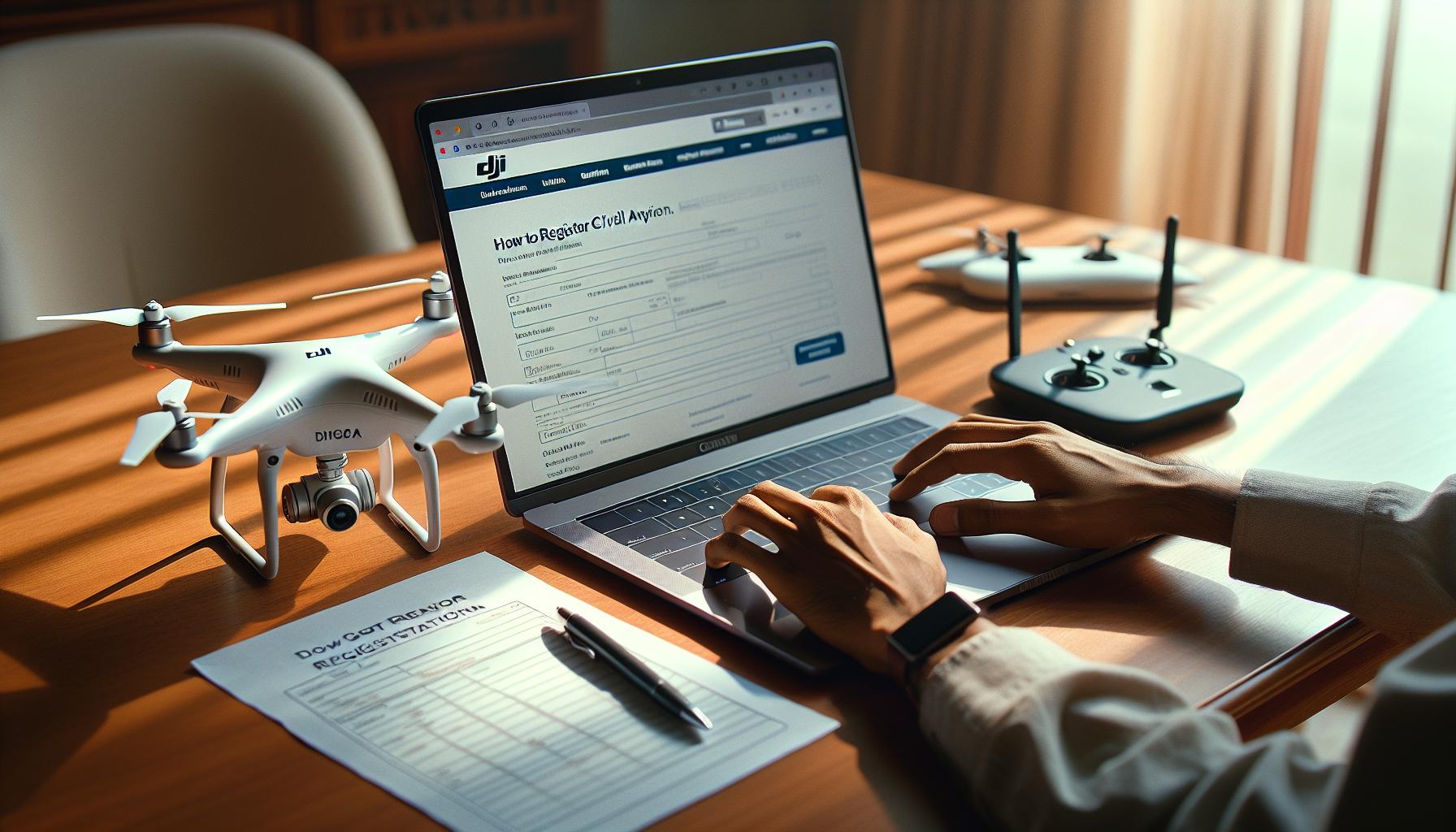
How to Register Your DJI Drone in India
To fly your DJI drone in India, proper registration is not just necessary-it’s essential. A drone that is unregistered can lead to severe penalties, including confiscation. Understanding the registration process will provide peace of mind and enable you to focus on capturing breathtaking aerial footage.
First, you’ll need to obtain a Unique Identification Number (UIN) from the Directorate General of Civil Aviation (DGCA). This code acts as your drone’s fingerprint, required for operating any drone above 250 grams in India. The application for the UIN can be completed online through the DGCA’s digital platform. Ensure that you have all necessary information at hand, such as your drone’s specifications, proof of ownership, and your personal details. The process typically involves filling out the application form and uploading supporting documents, including your purchase invoice and a Declaration of Conformity (DoC) regarding compliance with Indian safety standards.
Once you’ve secured your UIN, the next step is to register your drone on the DGCA’s digital platform. This process generally requires you to input the UIN, drone details-including model and serial number-along with personal information and the purpose of use. After submitting this registration, you’ll receive a registration certificate, which you should keep on hand while flying your drone. Note that if you plan to use the drone for commercial purposes, additional permissions may be required, and this involves a more elaborate approval process detailing your flight plans and operational protocols.
Ultimately, adhering to these registration requirements is crucial not only for legal compliance but also for safety and security regulations in Indian airspace. As drone technology evolves, staying informed about the latest regulatory updates will ensure a smooth flying experience and help you avoid any legal complications. With your DJI drone registered and ready for action, you can embark on your aerial adventures across India’s stunning landscapes, from bustling cities to serene rural settings.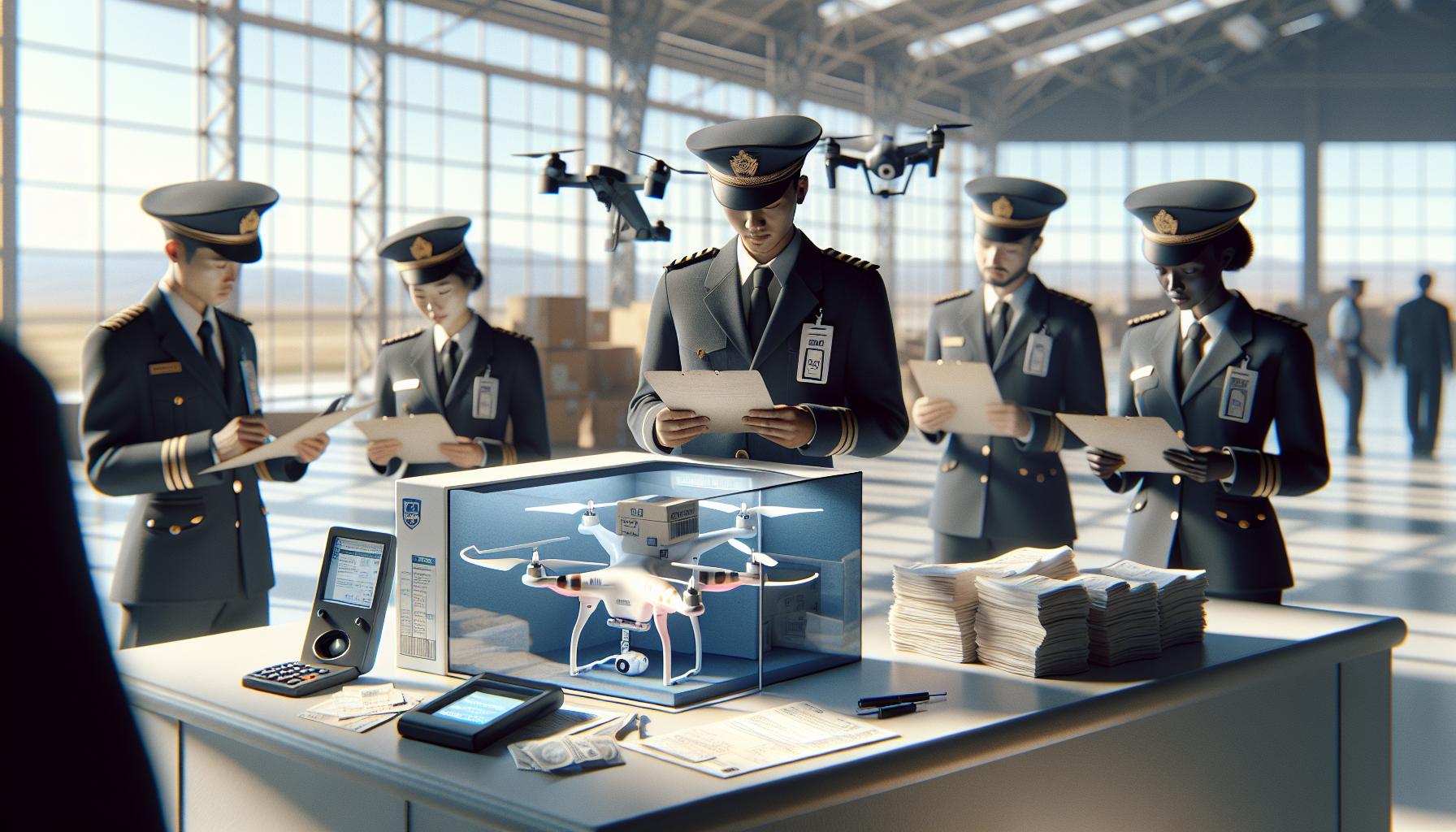
Customs Duties and Taxes for Drone Imports
When considering bringing a DJI drone into India, understanding the customs duties and taxes applicable is crucial for a smooth import experience. Not only does this ensure compliance with local laws, but it also helps budget for the total cost of acquiring the drone. India uses a specific categorization for drones, and depending on the drone’s value and specifications, the customs duties can vary significantly.
Customs Duties Overview
For drones imported into India, the customs duty typically falls under the category of “unmanned aerial vehicle” (UAV) imports. The applicable customs duty rate is generally 40% on the item’s assessed value, which consists of its cost, insurance, and freight (CIF) value. However, it’s essential to keep in mind that other taxes might also apply, adding to the overall expense.
In addition to customs duties, the Goods and Services Tax (GST) of 18% is applicable on the import value post-duty assessment. This means that the total tax burden can significantly increase the cost of your drone. Here’s a simplified breakdown:
| Component | Rate |
|---|---|
| Customs Duty | 40% |
| GST | 18% (applied post customs duty) |
Practical Steps for Calculating Duties
To compute your total cost, first, determine the CIF value of the drone. Then calculate the customs duties and GST as follows:
- Determine CIF Value: This is the total cost of the drone, including costs, insurance, and freight.
- Calculate Customs Duty: Multiply the CIF value by 40%.
- Add Customs Duty to CIF: This gives you the assessable value for GST.
- Calculate GST: Multiply the assessable value by 18%.
- Total Amount Payable: Add the customs duty, GST, and CIF value to find out the total cost when importing your drone.
Knowing these details before the import process can prevent unexpected financial burdens and legal complications once the drone arrives in India. It’s also advisable to consult with a customs agent or legal expert specializing in drone imports to ensure compliance and to navigate potential nuances in the regulations.
Navigating Legal Airspace Restrictions
Operating a drone in India requires careful navigation of airspace restrictions, which are essential for ensuring safety and compliance with local regulations. With the growing popularity of drones, the Indian government has established specific rules to protect both aerial and ground safety. These guidelines dictate where and how drones can be flown, preventing potential hazards while still enabling drone enthusiasts and professionals to utilize this innovative technology.
Before taking to the skies, it’s crucial to review the airspace classification in India. The country’s airspace is divided into several zones, including controlled, restricted, and prohibited areas. Drones are generally prohibited from flying in these restricted spaces, which include airports, military installations, and areas where events such as VIP movements are occurring. Users must familiarize themselves with the Digital Sky Platform, a government initiative that provides updated maps indicating these airspace restrictions. Before every flight, a check on this platform ensures compliance and minimizes the risk of unauthorized flying.
Additionally, drone operators must adhere to altitude limits set by the Directorate General of Civil Aviation (DGCA). Flying above 400 feet in uncontrolled airspace is typically restricted, while more controlled areas may have even lower ceilings. Understanding these limits is vital for both safety and legal compliance. For recreational pilots, following the Visual Line of Sight (VLOS) rule is also mandatory, meaning that the drone must remain within sight at all times during operation.
Finally, getting familiar with local regulations is equally important. Certain states or regions may impose additional restrictions, which can be particularly different if you are flying for commercial purposes. Engaging with local drone clubs or communities can provide valuable insights and updates about regional laws and best practices when flying your DJI drone in India. By staying informed and proactive, operators can enjoy a safe and responsible flying experience while navigating the complexities of India’s airspace restrictions.
Understanding Drone Size and Weight Regulations
Understanding the size and weight regulations for drones in India is crucial for anyone looking to fly, particularly for DJI drone operators. The Directorate General of Civil Aviation (DGCA) has classified drones into specific categories based on their weight, which determines the operational requirements for each class. This classification not only influences the registration and compliance processes but also affects the safety protocols that pilots must follow.
Drones are generally categorized as follows based on their maximum take-off weight (MTOW):
- Micro Drones: Up to 250 grams – No registration required.
- Small Drones: From 250 grams to 2 kilograms – Registration required.
- Medium Drones: From 2 kilograms to 25 kilograms – Registration and certification required.
- Large Drones: Above 25 kilograms – Requires a Special Permission from DGCA.
This classification system ensures that lighter drones, which are less likely to cause damage in the event of a crash, enjoy more lenient regulations. However, operators of heavier drones must adhere to rigorous guidelines including obtaining pilot licenses, drone registration, and operation tracking, which can involve considerable prerequisites such as flight permits and insurance.
Moreover, compliance with size and weight regulations contributes significantly to safe drone operation. For instance, when operating a DJI Mavic Mini, which weighs around 249 grams, the pilot enjoys the benefits of minimal regulatory constraints. Conversely, a DJI Mavic Air 2 at 570 grams requires the operator to register the drone and follow all operational limitations set forth by the DGCA. Understanding these distinctions prepares operators not just for regulatory adherence but also enhances their ability to navigate the airspace safely, ensuring accountability in every flight.
By staying informed about these size and weight categories, drone operators can make educated decisions about which models suit their needs while remaining compliant with Indian regulations. As the drone industry continues to evolve, keeping abreast of these classifications and their implications will empower operators to fly responsibly within the legal framework set forth by the Indian government.
Safety and Operational Compliance for Drone Users
Flying a drone in India is not just an exhilarating experience; it comes with a set of responsibilities that are pivotal for ensuring safety and compliance with the laws. As a drone user, understanding these operational guidelines is essential for both personal safety and the protection of the public. Whether you are debating the purchase of a new DJI model or preparing to use your current drone, embracing good practices and adhering to regulations will allow you to fly with confidence.
First and foremost, familiarize yourself with the Directorate General of Civil Aviation (DGCA) regulations that govern drone usage. Operators must ensure that they have completed the necessary registration process, which includes obtaining an Unmanned Aircraft Operator Permit (UAOP) if required and following the guidelines based on the weight classification of your drone. For instance, small drones (250 grams to 2 kilograms) require registration, while larger drones necessitate more extensive compliance measures. It is also vital to designate a specific flying zone, as certain areas such as airports, military bases, and populated regions might be restricted.
Pre-Flight Checks and Operational Practices
Prior to launching, perform thorough pre-flight checks to ascertain the functionality of all drone systems. This includes checking battery levels, ensuring all components are secure, and verifying that the firmware is up to date. Ensure that you are familiar with your drone’s flight modes and safety features, such as return-to-home functions and obstacle avoidance, which can significantly mitigate risks during flight. Moreover, flying during suitable weather conditions-avoiding high winds and poor visibility-will enhance safety and improve the overall flight experience.
When you take to the skies, respect the flight height limitations imposed by the DGCA. Generally, drones are not allowed to operate above 120 meters (400 feet), which helps maintain safety margins with manned aircraft. Furthermore, maintain visual line-of-sight (VLOS) with your drone at all times to maintain control and awareness of your surroundings. Employing a spotter can provide an extra layer of safety, making it easier to follow your drone’s position in the sky and spot any potential hazards.
Post-Flight Procedures and Reporting
Once your flight concludes, ensure to conduct a post-flight inspection by checking for any damage or wear and tear on your drone. Keeping a flight log that records operational details including flight duration, conditions, and any incidents will prove useful for both maintenance and compliance audits. Should any accidents or near-misses occur, reporting these incidents to the DGCA as required by law ensures transparency and helps improve future regulations.
By prioritizing safety and operational compliance, you not only protect your investment in your DJI drone but also contribute positively to the growing drone community in India. Embracing these best practices establishes you as a responsible drone pilot, fostering an environment where drone use can flourish without compromising the safety of others.
Best Practices for DJI Drone Maintenance in India
To ensure longevity and optimal performance of your DJI drone, adhering to best maintenance practices is essential. Regular care not only helps to prevent mechanical failures but also enhances flight safety and efficiency. One crucial aspect of maintaining your drone is performing routine inspections after each flight. Conduct thorough checks focusing on the battery, propellers, and gimbals. For example, examine the propellers for chips or cracks, as even minor damage can lead to catastrophic failures during flight.
Another key practice is managing the drone’s firmware and software updates. Keeping your firmware up to date is vital for both enhancing drone capabilities and ensuring safety. DJI periodically releases updates that can improve performance and rectify known issues. This can be easily done via the DJI Fly or Go app, which notifies users when new updates are available.
When not in use, store your drone in a clean, dry environment. Drones can be sensitive to temperature fluctuations and humidity. Consider using a protective case or bag specifically designed for drone storage to shield it from dust and moisture. Moreover, it’s wise to remove the battery and store it separately, maintaining it at a charge level recommended by the manufacturer to prolong battery life.
Lastly, engaging in routine calibration is advantageous. Regularly calibrating the compass and IMU (Inertial Measurement Unit) ensures that your drone is responding accurately to your commands and remains stable in flight. This is particularly important if you frequently change flying locations or experience a lot of vibration when transporting the drone. By following these practices, you can maximize your drone’s performance, safety, and lifespan.
Troubleshooting Common Drone Issues in India
When it comes to flying your DJI drone in India, encountering technical issues can be a frustrating experience, especially if they disrupt your plans for aerial photography or video capturing. However, understanding and troubleshooting common drone problems can save you time and help ensure a safe and successful flight.
A frequent issue that DJI pilots face is signal loss or weak transmission between the drone and the controller. This can be caused by interference from other electronic devices or flying in an area crowded with communications equipment. To mitigate this, always inspect your surroundings before takeoff and ensure there are no significant sources of interference. Utilize the “Return to Home” (RTH) feature if your signal drops significantly. Regularly check for firmware updates, as manufacturers like DJI often improve signal strength and transmission reliability through software enhancements.
Another common concern is the drone’s battery performance-especially in warmer climates. If you notice reduced flight times, ensure you’re checking the battery health and calibration frequently. Batteries can lose efficiency over time, so maintaining them in optimal conditions is crucial. Always charge them using the manufacturer’s recommended charger, store them partially charged if not used for an extended period, and avoid depleting them completely during flights. Additionally, setting up battery discharge and warning thresholds in the DJI Fly app can safeguard against operating while the battery is too low.
If the drone experiences instability during flight-such as unwanted yaw or drift-it may indicate a calibration issue. To rectify this, perform an IMU and compass calibration before flights, especially when changing locations or after crashes. Detailed guidance for calibration is available in the user manual or through the DJI app, simplifying the process even for users who are newer to the hobby.
Lastly, if you’re experiencing camera issues, such as the gimbal not responding properly or footage appearing shaky, check to ensure the gimbal has been initialized correctly and that there are no obstructions. If issues persist, consider recalibrating the gimbal within the app settings and confirm that all firmware updates are installed. Regular maintenance, which includes keeping the gimbal clean and free from dust or debris, can also prevent these problems.
By proactively monitoring your drone’s health and recognizing these common issues, you can enhance your flying experience in India while ensuring compliance with local regulations. Prepare with knowledgeable troubleshooting steps, and you’ll find greater enjoyment and reliability in your DJI drone adventures.
Popular DJI Models: Which One to Choose?
When considering which DJI drone to bring to India, it’s essential to evaluate your specific needs and the model’s capabilities to ensure an optimal flying experience. Each DJI model has unique features that cater to different types of users-from hobbyists looking to capture stunning images to professionals needing advanced capabilities for serious projects.
The DJI Mini 3 is an excellent choice for those seeking portability without compromising quality. Weighing under 250 grams, it requires minimal registration and offers impressive 4K video capabilities, making it ideal for casual users and adventurers alike. Its compact design allows easy transport, making it perfect for capturing breathtaking landscapes during travel around India.
On the other hand, if you are looking for more advanced features, the DJI Mavic 3 should be at the top of your list. With dual-camera functionality, including a Hasselblad sensor and 5.1K video recording, it appeals to professional filmmakers and photographers seeking outstanding image quality. The Mavic 3’s advanced obstacle avoidance and longer flight time add to its reliability, even in complex environments.
For those interested in immersive flying experiences, the DJI Avata offers a unique first-person view (FPV) flying experience. It combines ease of use with high-quality video capture, making it suitable for both beginners and seasoned pilots. Its robust design and safety features, such as emergency brake functions, empower users to explore creative, dynamic shots while minimizing risks.
Lastly, the DJI Air 2S balances performance and versatility, featuring a 1-inch CMOS sensor that excels in low-light conditions. Its compact design, alongside intelligent shooting modes like Mastershots and FocusTrack, makes it user-friendly for novice pilots while providing ample creative options for experienced operators.
When choosing your DJI model for import to India, consider factors such as your primary use case, required features, and compliance with local regulations. Understanding these elements ensures that you select a drone that not only meets your expectations but also aligns with the rules governing drone operations in India, enhancing your flying experience.
Accessories for DJI Drones: What You Need
When venturing into the world of drone flying, particularly with DJI models, equipping yourself with the right accessories can significantly enhance your flying experience and ensure your equipment’s longevity. Understanding what you need before transporting your drone to India or any international location proves essential for any drone enthusiast or professional.
A well-rounded selection of accessories will not only protect your investment but also optimize your flying capabilities. Start with high-capacity spare batteries; these extend your flying time, allowing you to maximize captures of stunning sights in India without frequent landings for recharging. Carrying multiple batteries is especially beneficial in places with limited access to electricity or when shooting in remote locations. Of equal importance are battery charging hubs that allow simultaneous charging, saving you time.
Another critical accessory is a high-quality carrying case or backpack. Not only does it offer protection against damage during transit, but many models come equipped with compartments for storing all your necessities, from additional lens filters to extra propellers. Additionally, consider incorporating a set of ND filters into your toolkit. These filters enhance your photography and videography capabilities by reducing glare and controlling exposure, particularly in India’s bright, sunny climates.
Essential Accessories Checklist
- Spare Batteries: Ensure extended flying time.
- Charging Hubs: Charge multiple batteries simultaneously.
- Carrying Case/Backpack: Protect yourequipment during travel.
- ND Filters: Improve image quality in bright conditions.
- Extra Propellers: Prepare for any unexpected damages.
- Screen Sunshade: Reduce glare on your controller screen.
- Remote Controller Lanyard: Enhance comfort during long flights.
Don’t overlook the importance of software and app-based tools; telemetry data and flight planning apps can significantly enhance the way you operate your drone. These tools assist in navigating regulatory requirements while flying in India, ensuring you stay compliant with local laws. By thoughtfully selecting accessories tailored to your specific DJI drone model and your unique flying needs, you can elevate your drone usage experience and achieve unforgettable aerial captures.
Insurance and Liability Coverage for Drone Pilots
Flying drones comes with a certain level of responsibility, not just for the pilot but also for the public. Acquiring appropriate insurance and understanding liability coverage is paramount for anyone planning to operate a DJI drone in India. It not only safeguards your finances but also enhances your credibility as a drone operator.
Insurance acts as a safety net against potential mishaps, such as unintentional damage to third-party property or injuries to individuals. Most seasoned pilots recommend obtaining liability insurance tailored specifically for drone users. This type of coverage typically includes features like property damage liability, which protects you if your drone causes accidental damage to someone else’s possessions or personal injury. For example, if your drone were to crash into a property and cause significant damage or injury, having this coverage would ensure that you are not left financially devastated.
When choosing your insurance plan, consider coverage limits and deductibles, as these may vary widely among providers. Be sure to inquire if the plan accommodates international flying, as you may travel to other countries. Some companies offer add-ons to their insurance policies for enhanced protection, such as coverage for theft or loss, which might be particularly beneficial if you are traveling with high-value DJI models like the Mavic or Phantom series.
Additionally, familiarize yourself with the legal requirements for drone operation in India, as failure to comply could lead to hefty fines or even criminal charges. Some regions in India may require proof of insurance before you can legally fly your drone. Align your insurance with local regulations to ensure seamless flying and peace of mind. A well-structured insurance policy not only protects your investment but also positions you as a responsible and informed drone pilot in the evolving landscape of drone technology and regulations.
Frequently Asked Questions
Q: What are the import duties for bringing a DJI drone to India?
A: Import duties for DJI drones in India can vary based on the drone’s value and specifications. Generally, customs duties can range from 10% to 60%. It’s essential to verify current rates via the Indian Customs Department or consult your shipping provider for accurate information.
Q: Do I need any special permits to fly my DJI drone in India?
A: Yes, flying a DJI drone in India requires a Unique Identification Number (UIN) from the Directorate General of Civil Aviation (DGCA). Additionally, a Remote Pilot License (RPL) is mandatory for commercial operations. Always check the DGCA’s guidelines for the latest requirements.
Q: What documents are needed to import a DJI drone to India?
A: Key documents for importing a DJI drone to India include a bill of entry, invoice, packing list, and any applicable import permits. Ensure to retain your drone’s original invoice and warranty documents for clearance at customs.
Q: Is it legal to use a DJI drone for commercial purposes in India?
A: Yes, it is legal to use a DJI drone for commercial purposes in India, but you must obtain a Remote Pilot License after registering your drone with the DGCA. Compliance with local airspace regulations is also essential for safety and legality.
Q: What is the process to register my DJI drone in India?
A: To register your DJI drone in India, visit the DGCA’s Digital Sky platform, submit required documents, including identity proof and the drone’s specifications, and apply for a UIN. After approval, follow all operational guidelines during flights.
Q: Are there restrictions on where I can fly my DJI drone in India?
A: Yes, flying DJI drones in India is subject to airspace restrictions. No-fly zones include areas near airports, military establishments, and other sensitive locations. Always consult the Digital Sky platform for updated airspace maps before flying.
Q: How can I ensure compliance with India’s drone safety regulations?
A: To ensure compliance with drone safety regulations in India, familiarize yourself with the DGCA guidelines, use your drone within legal airspace, carry necessary licenses, and always conduct safe flight operations. Regular training and updates on regulations are advisable.
Q: What should I do if my DJI drone encounters issues while flying in India?
A: If your DJI drone encounters issues while flying in India, land it safely as soon as possible. Review the drone’s user manual for troubleshooting steps, and consult online forums or DJI customer support for specific problems related to your model.
Future Outlook
As you embark on your journey to take a DJI drone to India, remember that understanding import rules and registration processes is key to ensuring a smooth experience. Don’t let uncertainties hold you back-take the necessary steps today to enjoy the stunning aerial views that only a drone can offer. If you’re looking for great drone models, check out our comprehensive reviews of the latest DJI Mini, Mavic, and Phantom series to find the perfect fit for your needs.
For more practical tips, explore our guides on drone setup, firmware updates, and safety procedures. And if you want to stay updated on drone regulations and trends, consider signing up for our newsletter. Dive deeper into your drone adventures and let us help you make the most of your flying experience-because every moment in the sky counts! Join the conversation below, share your insights, or ask your questions; we’re here to support your passion for drone flying.