As drone technology becomes increasingly integrated into our daily lives, concerns about data privacy and security are paramount. With millions of DJI drones flying around the world, many users are asking: “Do DJI drones send data to China?” Understanding how your drone handles sensitive information is crucial, whether you’re a hobbyist capturing scenic landscapes or a professional using drones for critical projects. This in-depth analysis delves into the complexities of data transmission, regulatory environments, and the implications for users. By exploring these dimensions, we aim to provide clarity and empower you to make informed decisions about your drone usage. Continue reading to uncover essential insights that will help you navigate the intersection of innovation, security, and your rights as a drone operator.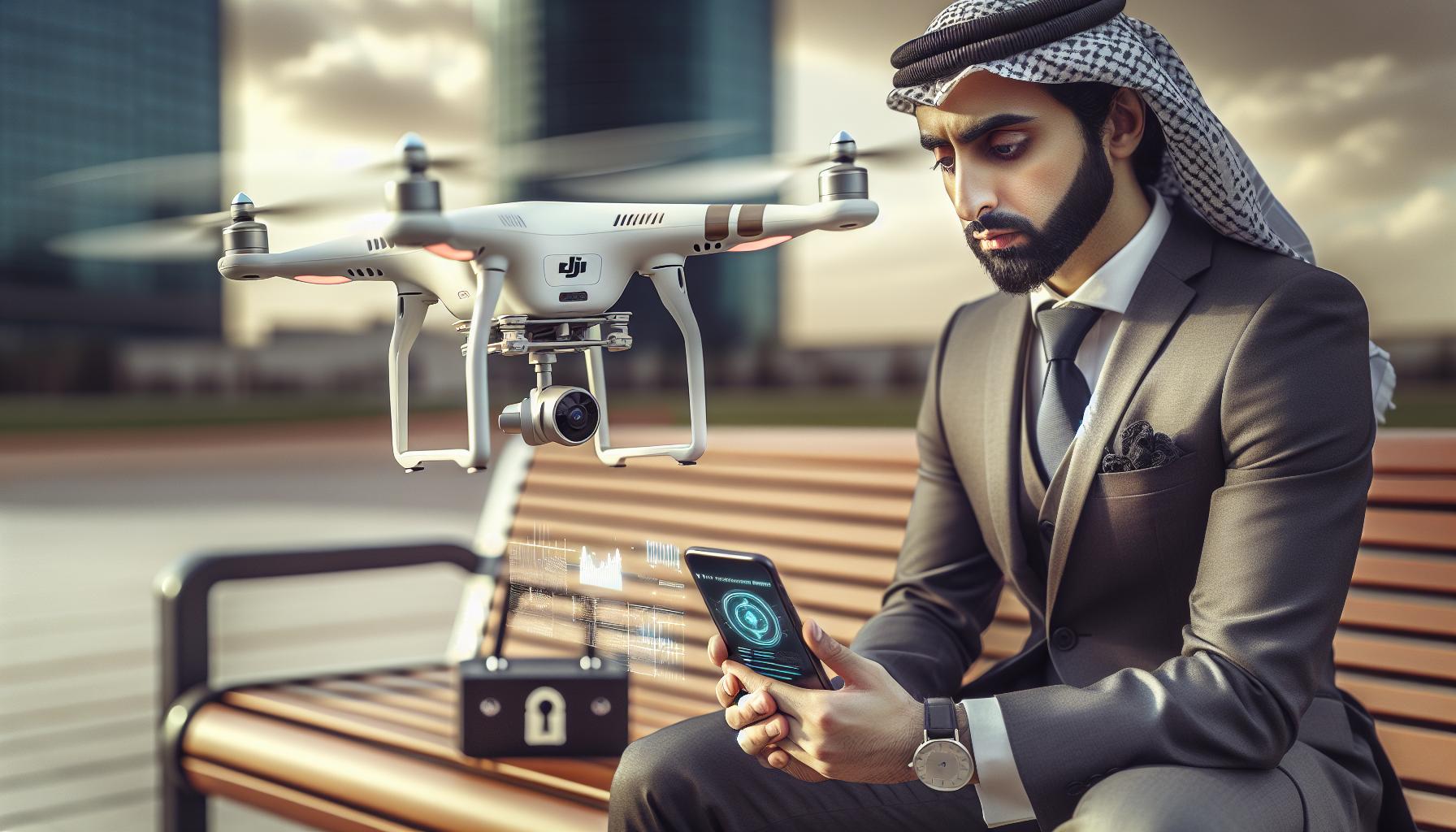
Data Privacy Concerns with DJI Drones
In the age of digital technology, data privacy has become a paramount concern, especially for users of drones like those manufactured by DJI. With numerous reports suggesting that drones collect vast amounts of data, understanding DJI’s practices becomes crucial for ensuring user privacy and security. Moreover, the complexities of data transmission-especially in the context of geopolitical tensions-raise pertinent questions about where that data ultimately ends up.
DJI drones, by their design, are equipped with sophisticated telemetry systems that collect data during flight. This includes user GPS locations, flight paths, photos, and videos captured by the drone’s camera. While this data collection is essential for enhancing user experience and improving drone functionality, it also entails significant privacy considerations. Users often wonder how this data is processed and whether it is transmitted back to DJI’s servers, which are predominantly based in China.
Concerns about data being sent to China stem from broader discussions around cybersecurity and national security, particularly in nations like the United States, where DJI has faced scrutiny due to alleged ties to the Chinese government. Investigations have prompted regulators to question the extent of data sharing and the policies DJI has in place regarding user data. However, DJI has publicly stated that the data collected by its drones does not automatically get sent to its servers unless users enable specific features that require such connectivity.
To protect your data while operating DJI drones, consider the following tips:
- Disable Internet Connectivity: Keep your DJI drone offline if possible, limiting any data exchanges.
- Understand App Permissions: Review and manage permissions for the DJI app, especially concerning location services and data access.
- Regularly Update Firmware: Ensure your drone is on the latest firmware to benefit from improved security features.
In essence, while DJI drones inherently collect data necessary for their operation and user engagement, it is vital for users to remain informed about data handling practices and regulatory scrutiny. By understanding these aspects, drone operators can take proactive steps to manage their privacy effectively.
Understanding DJI’s Data Collection Practices
DJI drones have revolutionized the way we capture aerial imagery, but with this innovation comes a pressing concern over data collection practices, especially amid geopolitical tensions. Each time a user flies their drone, it collects a wealth of information-ranging from flight data, GPS coordinates, to audio and visual recordings. This telemetry data is crucial for enhancing flight operations and creating immersive experiences, yet it also raises red flags about privacy and data security.
At the heart of these concerns lies the question of how this data is processed and stored. While DJI maintains that no data is sent to their servers without explicit user consent, it’s essential for drone operators to understand the nuances of this data collection. For instance, features like DJI’s cloud services and flight logging necessitate internet connectivity, which can lead to automatic data uploads unless users opt out. The clarity around such practices is vital as users often remain unaware that certain functionalities may expose their data to external servers, potentially including those based in China.
To mitigate risks associated with data collection, users can take proactive steps. It is prudent to disable certain settings in the DJI app that may allow data sharing, particularly when flying in sensitive areas or for sensitive missions. Adjusting app permissions and ensuring that location services are only enabled when necessary can significantly diminish data exposure. Additionally, opting for offline modes can further enhance privacy. Regular firmware updates also play a pivotal role; these updates not only optimize performance but often include security enhancements that protect against known vulnerabilities, fortifying user data.
As the conversation around privacy and data security evolves, understanding the mechanisms behind DJI’s data collection practices empowers users to make informed decisions. By staying educated and taking advantage of the available security measures, drone operators can effectively navigate the complex landscape of privacy, all while enjoying the remarkable capabilities that DJI drones offer.
How DJI Drones Communicate with Servers
DJI drones are equipped with sophisticated communication systems that enable them to transmit data during flight, which raises critical considerations regarding privacy and data security. Each time a drone takes to the skies, it may send telemetry information such as flight paths, GPS locations, and even live video feeds back to DJI’s servers, depending on the user settings and the specific functionalities being utilized. This communication occurs primarily through the DJI Go app or its newer equivalents, which require an internet connection to function optimally.
When operating a DJI drone, users often have the option to use various features that can impact data transmission. For instance, cloud services allow for easy access to flight logs and media storage, but they may also lead to automatic data uploads. Users should be aware that when these features are enabled, their data might be uploaded unless explicitly restricted. It’s not uncommon for operators to overlook privacy settings in the app, which could expose sensitive information to external servers, including those potentially based in China.
To take control over what data is shared, drone operators should consider adjusting their app settings. Disabling auto-upload features and turning off unnecessary data-sharing permissions can significantly mitigate risks. Engaging the drone’s offline modes can also reduce exposure, ensuring that flight data is retained solely on the device rather than transmitted to external servers.
Moreover, regular updates to drone firmware play a crucial role in securing communication channels. These updates not only enhance the drone’s performance and features but often include critical security patches designed to protect data integrity and privacy. By keeping firmware updated, users can take a proactive step in safeguarding their information while enjoying the advanced capabilities of their DJI drones.
Is Your Flight Data Sent to China?
In recent years, the question of whether flight data from DJI drones is sent to China has gained considerable attention, stirring concerns about user privacy and data security. Given that DJI is a Chinese company, many users wonder if their flight information-such as GPS data, flight paths, and images-might end up on servers located in China without their knowledge or consent. This concern is particularly pressing for operators who use drones for commercial purposes or sensitive activities where data confidentiality is paramount.
DJI’s data handling practices have evolved, but the company asserts that it has taken steps to mitigate privacy concerns. For example, users can control their data settings through the DJI Fly or DJI Go apps, where they can opt-out of automatic data uploads and connectivity with DJI servers. However, the settings are not always intuitively presented, leading to user oversight which could inadvertently result in data sharing. It is crucial for operators to familiarize themselves with these settings and adjust them according to their privacy preferences, especially if exporting data to external servers is a concern.
Moreover, while DJI has stated that data is encrypted during transmission, the specifics of how it manages and secures that data, especially with respect to international privacy laws, are sometimes unclear. Users should be aware that certain features-particularly those enabling cloud integrations or real-time data sharing-can automatically send data back to DJI’s cloud services, presumably for service enhancement, troubleshooting, or feature updates. Therefore, if privacy is a primary concern, operators may want to avoid using these features and, instead, prioritize offline functionalities.
To further protect their data, users can take proactive measures such as regularly checking the app’s privacy settings, enabling flight modes that restrict network access, and adhering to best practices for firmware updates, which often include security improvements. Engaging in a mindful approach regarding what data is shared and how can empower DJI drone users to operate with greater confidence and security, all while enjoying the advanced capabilities these drones offer.
User Experiences: Privacy Issues Reported
Concerns over data privacy have grown in recent years among drone users, especially since DJI is a Chinese company. Many operators are apprehensive about whether their flight data, such as location, usage patterns, and even images, could be transmitted to servers in China without their awareness. Some users have reported experiences that heighten these concerns. For example, individuals utilizing DJI drones for commercial activities have noted unexpected data transmissions that seemed excessive for the service features being used. Complaints have emerged in forums where users discuss flying in sensitive areas, sharing their unease over the possibility of inadvertently sending potentially classified data back to parent company servers.
To navigate these challenges, users often turn to community forums and online resources to share their strategies for mitigating privacy risks. One predominant recommendation is to disable options that enable cloud uploads and to carefully review privacy settings in the DJI Fly or DJI Go apps. Even experienced drone operators sometimes overlook these settings, resulting in unwanted data sharing. By actively managing app permissions and understanding which features require data transmission, users can better control their privacy and reduce unauthorized data exposure.
Moreover, anecdotal evidence suggests users who operate in high-security environments, such as government facilities or private corporations, have developed robust protocols for limiting connectivity during flights. For instance, some pilots advocate for the use of airplane mode, blocking all signals and ensuring no data can be sent unintentionally. This practice, coupled with the proactive engagement of user communities, illustrates a growing consciousness that helps drone operators protect their data. Users must remain vigilant as technology and regulations evolve, ensuring they stay informed about potential vulnerabilities related to drone data transmission.
Regulatory Scrutiny: DJI Drones Under Review
Heightened scrutiny surrounds DJI drones as governments worldwide grapple with data privacy concerns linked to the Chinese-based manufacturer. In recent years, various authorities have raised alarms about potential risks associated with sensitive data transmission from UAV devices. For instance, the U.S. government has issued specific warnings about data security in relation to DJI’s technology, labeling it a potential national security threat. This has prompted investigations into how DJI collects, processes, and stores user data, particularly flight logs and real-time telemetry information.
The nature of regulatory scrutiny varies by region. In the U.S., there have been calls for stringent regulations, including potential bans on DJI drones by federal agencies using taxpayer money. Some states have gone further, outright prohibiting the use of DJI drones for official purposes due to concerns that data could ultimately end up in Chinese hands. In Europe, similar apprehensions have led to increased inspections and audits of drone usage in public and private sectors, focusing closely on data handling policies that govern their use.
As regulatory frameworks evolve, users must stay informed about compliance requirements that may affect their operations. Joining local drone organizations or forums can provide essential insights into how regulations might impact DJI users. Understanding these dynamics can empower operators to make informed decisions, ensuring their activities not only align with current laws but also mitigate potential risks associated with data privacy.
Engaging with these developments will require a proactive approach from all drone operators. By keeping abreast of changes in legislation and adopting best practices for data management-such as regularly updating firmware and opting for flight operations that minimize connectivity-users can demonstrate due diligence. Ultimately, as scrutiny intensifies, remaining well-informed about regulatory issues will be crucial for ensuring safe and responsible drone operations.
Comparing DJI Drones to Competitors on Privacy
The privacy landscape for drone technology is rapidly evolving, particularly when it comes to major players like DJI and their competitors. Understanding how various manufacturers manage data privacy can empower drone operators to make informed choices about their equipment. For many consumers, the assurance of robust privacy protocols may be just as important as flight performance or camera specifications.
When comparing DJI drones to competitors, several key factors emerge in the context of data privacy. Many manufacturers, such as Autel Robotics and Parrot, emphasize localized data storage and processing. For instance, Autel has highlighted its commitment to ensuring that data collected by its drones remains within specific jurisdictions, which contrasts sharply with DJI’s ambiguous data governance practices. Parrot, on the other hand, has actively marketed its drones with encryption and secure information sharing as core features, appealing particularly to enterprise users concerned about sensitive data surveillance.
Moreover, the transparency of data practices plays a crucial role in building trust. Companies like Skydio and Yuneec offer more detailed information about their data handling processes, giving users a clearer picture of how flight data is utilized and stored. DJI, in contrast, has faced scrutiny for not being as forthcoming about whether flight data-potentially including imagery and telemetry-could be accessed by the Chinese government under national security laws. Users must weigh these considerations, especially in sensitive environments where data exposure could lead to significant implications.
Ultimately, conducting thorough research and evaluating the data privacy policies of various drone manufacturers can significantly reduce risk. Drone operators might consider the following practical approaches:
- Check Documentation: Review the privacy policies and data handling procedures outlined by different manufacturers. Look for detailed explanations of how your data is stored and shared.
- Community Feedback: Engage with fellow drone users or forums about their experiences and any privacy concerns they have encountered.
- Regulatory Compliance: Ensure that the company complies with local regulations and standards regarding data privacy and protection.
- Data Management Practices: Opt for drones that provide options for local data storage or allow you to control when data is transmitted.
By staying informed and proactive, drone users can navigate the intricacies of data privacy in a technological landscape that is still finding its footing in terms of regulations and ethical practices. As drone technology continues to develop, so will the strategies companies employ to protect user data and address privacy concerns.
Tips for Protecting Your Data with Drones
To ensure your data remains secure while using DJI drones, adopting proactive strategies is essential. With privacy being a growing concern among drone operators, it’s crucial to be well-informed about personal data management and the implications of flying a connected device. Here are some practical steps to safeguard your data effectively.
First, it’s advisable to adjust your settings in the DJI app. Before your flight, dive into the app settings and check data-sharing options. Disable features that you don’t use or need, particularly cloud-based services that may automatically upload your flight data. This action limits the volume of information being sent to external servers.
Next, consider local data storage options whenever possible. Some DJI models allow you to save images and data directly to your device rather than transmitting them over the internet. Ensure that your drone usage aligns with the necessary privacy standards or regulations pertinent to your location. Keeping sensitive projects offline by using microSD cards may also reduce exposure.
Moreover, conduct regular firmware updates to enhance your data security. DJI frequently releases updates that address vulnerabilities and improve the overall security of your drone. Make it a habit to check for updates regularly and install them prior to your flights. Keeping your devices up-to-date can significantly mitigate risks posed by potential security breaches.
Lastly, engage in community discussions on drone forums and social media groups to stay informed about any emerging privacy concerns or experiences shared by other users. Understand their approaches to data privacy, and learn from their experiences. This collaborative exchange of information will help you navigate the complexities of drone data management while enhancing your operational practices.
By applying these strategies, you can protect your data more effectively and enjoy a more secure flying experience with your DJI drone. Remaining vigilant and informed empowers you to operate your drone responsibly in a world increasingly concerned about data privacy.
What Happens to Data After Use?
When you conclude your flight with a DJI drone, the fate of the captured data largely hinges on the settings you’ve configured and the specific practices you follow. Upon completing your flight, the data-ranging from flight logs to photographs and videos-can be stored in several locations depending on how you’ve set things up. The most crucial decisions revolve around whether the data is retained locally on your device or uploaded to DJI’s servers, which brings substantial implications for privacy and security.
For users who prefer local storage, DJI drones typically save all flight data onto a microSD card installed in the drone. This allows for complete control over who has access to the data. Users can then manually transfer files to their computers for editing or archiving while ensuring that sensitive information remains offline. However, it’s essential to regularly back up these files in secure locations to prevent loss due to card corruption or physical damage.
In contrast, if the automatic cloud synchronization feature is enabled, flight data-including telemetry, geo-tagged data, and HD video-may be sent to DJI’s servers immediately after the flight. This can facilitate easy access and sharing, but it raises eyebrows regarding data ownership and the risk of it being shared or sold without the user’s consent. Reports suggest that flight records and aircraft logs could potentially be leveraged during data analysis or even shared with government entities in certain jurisdictions. Users must be vigilant in reviewing the settings within the DJI app to mitigate unnecessary data transmission.
Data Monitoring and User Control
Moreover, DJI actively provides tools for users to manage their data post-flight. Users can access their flight records through the Fly app, allowing them to review, delete, or export data as needed. It’s advisable for users to periodically audit what data is uploaded and shared to maintain privacy. Keeping track of what data is being sent to servers helps ensure compliance with regional data regulations.
To sum up, the way data is handled post-flight can significantly impact user privacy. By opting for local data management practices and staying engaged with the apps and settings provided, drone operators can exert stronger control over their personal and operational data. Enhanced awareness of these practices not only fosters a secure flying experience but also instills confidence in operating a DJI drone within increasingly stringent privacy frameworks.
The Role of Firmware Updates in Data Security
Keeping your DJI drone’s firmware up to date is crucial for bolstering data security and ensuring optimal performance. Firmware updates often contain fixes for previously identified vulnerabilities, enhancements to privacy protocols, and new features that can protect your data while flying. These updates are more than just routine maintenance; they are strategic upgrades that can significantly reduce risks associated with data breaches and unauthorized access.
Firmware updates typically address various aspects of drone functionality, including data transmission protocols. By regularly installing these updates, you help safeguard your flight data from potential threats. DJI releases firmware updates that, among other improvements, patch exploits that could be used to intercept or manipulate data being sent to their servers. This proactive approach to security is essential, particularly for drone operators who frequently operate in sensitive or regulated areas.
To ensure you are protected, follow these best practices when performing firmware updates:
- Check for Updates Regularly: Make it a habit to check the DJI Fly app or the DJI website for the latest firmware versions before each flight session.
- Read Release Notes: Always review the release notes associated with updates to understand what changes have been made, especially those related to data handling and security.
- Update All Devices: Ensure that not only your drone but also your remote controller and any connected devices are updated. Inconsistent firmware can lead to performance issues and potential security lapses.
- Backup Your Data: Before proceeding with any firmware update, back up your flight data and any important settings to prevent loss during the update process.
Remember, an informed operator is a responsible operator. By embracing the latest updates, you not only enhance your drone’s functionality but also fortify its defenses against evolving security threats. Being proactive about firmware updates reflects a commitment to operating within safe parameters and helps uphold the principles of responsible drone use in an increasingly scrutinized environment. This diligence not only protects your data but contributes to the broader effort of ensuring that drone operations can coexist with privacy and security expectations.
Can You Trust DJI? An Expert Analysis
The question of whether DJI drones can be trusted often leads to heated discussions within the drone community, primarily due to the brand’s origin in China and the nature of its data practices. DJI has consistently emphasized that it prioritizes user privacy and data security, yet concerns about potential data transmission to Chinese servers remain prevalent. To assess whether DJI’s assurances hold up, it is essential to delve into the company’s data collection policies, the legal frameworks governing data privacy, and the actual user experiences reported in the field.
DJI drones collect a variety of data during operation, including flight logs, user interaction data, and, in some instances, location data. This data can be utilized for purposes such as improving flight safety and enhancing user experience. Nevertheless, the company has faced scrutiny as users question how this data is stored, processed, and whether it may be accessible by Chinese authorities. DJI has stated that flight data is generally stored locally and not transmitted unless needed for troubleshooting or customer support. However, the ambiguity surrounding the specifics of these practices has understandably led to mistrust, particularly among users who operate in sensitive environments.
To further complicate matters, user experiences vary widely. While many drone enthusiasts express satisfaction with DJI’s products and their performance, others have reported concerns about privacy and data security. Some users have reported inadvertently sharing sensitive data during flights in regulated airspace, raising valid concerns about data handling. The differing experiences highlight the importance of understanding the specific needs of users and the context in which they operate their drones.
Given these factors, trust in DJI must be assessed on an individual basis. Operators should conduct thorough research, review DJI’s privacy policies, and stay informed about developments in data privacy regulations. Additionally, utilizing best practices can help mitigate any potential risks related to data privacy, such as using flight data management tools, opting for local data storage settings where possible, and performing regular firmware updates to benefit from the latest security enhancements. Ultimately, fostering a safe and secure drone operation hinges on informed decision-making and continuous vigilance regarding data protections.
Future of Drone Data Privacy Regulations
As the drone industry continues to grow exponentially, so too does the conversation surrounding data privacy regulations. With increasing scrutiny on manufacturers, particularly those based in countries with differing privacy standards, the future landscape of drone data privacy will likely be shaped by both technological advancements and evolving legislation. Users are rightfully concerned about how their data is collected, stored, and potentially shared, especially with companies like DJI, which has been under the microscope due to its origins in China.
Anticipated Regulatory Changes
In response to these concerns, governments across the globe are beginning to implement stricter data privacy laws that directly affect drone operations. The General Data Protection Regulation (GDPR) in Europe is a notable example, mandating transparency and requiring user consent for data collection. Similar frameworks are emerging in regions like North America and Asia, pushing manufacturers to adhere to more stringent privacy standards. Expect future regulations to focus on:
- User Consent: Stricter requirements around obtaining explicit consent for data collection.
- Data Localization: Mandates for data to be stored within the country of operation, reducing overseas transmission risks.
- Transparency Reports: Requirements for companies to disclose data sharing practices and breaches.
These changes not only aim to enhance consumer protection but also build trust in the industry. Manufacturers will need to adapt to these regulations by revising their data policies and possibly redesigning their data storage and transmission infrastructures.
Emerging Technology and Best Practices
As regulations evolve, so will technology aimed at strengthening data privacy. For instance, drones may start incorporating advanced encryption protocols to safeguard data during transit, ensuring that any potential breaches do not compromise user information. Additionally, local processing technology may emerge, allowing drones to analyze flight data without transmitting it back to the manufacturer’s servers, thus keeping sensitive information within the user’s control.
To navigate this shifting terrain, drone operators should remain proactive about their data privacy. Here are some practical tips to ensure better data security:
- Stay Informed: Regularly review updates on privacy laws that may impact drone usage in your jurisdiction.
- Utilize Data Management Tools: Implement software solutions that allow you to manage flight data locally.
- Firmware Updates: Regularly update your drone’s firmware to take advantage of the latest security enhancements.
By understanding the evolving regulatory landscape and adapting to best practices, both hobbyists and professionals can continue to operate their DJI drones with greater confidence and security. The future of drone data privacy lies in a collaborative effort between regulators, manufacturers, and users to ensure that technological advancements do not come at the expense of personal privacy.
Faq
Q: Do DJI drones automatically send data to China?
A: Yes, DJI drones transmit flight data and geolocation information to the company’s servers, which may process this data in China. To understand this better, refer to the section on “How DJI Drones Communicate with Servers” in the main article.
Q: What types of data do DJI drones collect?
A: DJI drones collect various types of data, including flight logs, user account information, and geographic locations. For further details on data collection practices, see “Understanding DJI’s Data Collection Practices.”
Q: Can I disable data sharing on my DJI drone?
A: While you cannot entirely disable data sharing, you can limit certain information sent to DJI by adjusting privacy settings in the app. More tips are available in “Tips for Protecting Your Data with Drones.”
Q: Are there privacy concerns with using DJI drones?
A: Yes, privacy concerns exist, particularly regarding how and where data is processed. Users should read the “User Experiences: Privacy Issues Reported” section for insights on real-world experiences.
Q: How does DJI’s data sharing compare to competitors?
A: DJI’s data sharing practices are similar to some competitors, but specifics can differ significantly. For a detailed comparison, refer to “Comparing DJI Drones to Competitors on Privacy.”
Q: What are the implications of DJI drones being under regulatory scrutiny?
A: Regulatory scrutiny can lead to stricter data protection laws or bans in certain regions. Check the section “Regulatory Scrutiny: DJI Drones Under Review” for implications on users and manufacturers.
Q: What should I know before flying a DJI drone regarding privacy?
A: Understanding DJI’s data collection policies is crucial before flying. Always review the “Data Privacy Concerns with DJI Drones” section to stay informed about your rights and data management.
Q: How often does DJI update its privacy policies?
A: DJI frequently updates its privacy policies to comply with regulations and improve user trust. Staying updated with announcements and privacy revisions is essential for any user.
Insights and Conclusions
As we’ve explored, the question of whether DJI drones send data to China raises important considerations about privacy and security. Understanding how your drone operates and what data it may collect is crucial for making informed decisions. If you’re still concerned about data privacy, be sure to check out our guides on drone settings, enhancing your security measures, and what alternatives might be available to you.
Don’t miss out on optimizing your flying experience-subscribe to our newsletter for the latest tips and insights on drone technology, or explore our detailed reviews of various models like the Mavic and Phantom series. Join the conversation by sharing your thoughts in the comments below. Together, let’s navigate the skies safely and informed. Your drone knowledge is just a click away-keep exploring!