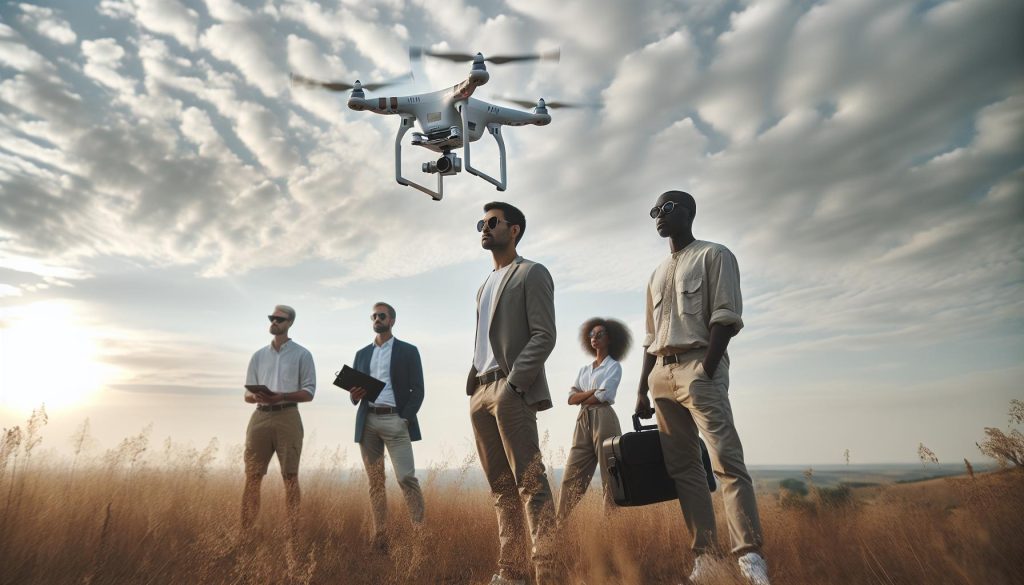
When it comes to flying a DJI FPV drone, understanding legal altitude limits is crucial for safe and responsible operation. Did you know that varying regulations across different regions can significantly impact how high you can fly? Knowing these limits not only keeps you compliant but also helps you make the most of your drone’s capabilities. Many drone enthusiasts are eager to explore the skies, capturing breathtaking aerial shots, yet they often overlook the importance of adhering to local laws. As we delve into the specifics of altitude restrictions, you’ll gain insights that empower your flying experience while ensuring safety for yourself and others. Continue reading to uncover the legal heights, best practices, and tips to enhance your aerial adventures.
How High Can DJI FPV Drones Fly? Understanding Altitude Limits
When flying DJI FPV drones, understanding the altitude limits is crucial for both safety and compliance with regulations. Generally, FPV drones, including models like the DJI FPV, are capable of flying up to approximately 6,000 meters (around 19,685 feet), depending on the specific model and flight conditions. However, this potential height is often tempered by national and local aviation regulations, which typically restrict drone operations to within 120 meters (approximately 393 feet) above ground level in many regions, including the United States and European Union. Exceeding these limits can lead to severe penalties, including fines and grounding of flying privileges.
The legal framework surrounding drone altitude restrictions is shaped by multiple entities, including national aviation authorities. For example, the Federal Aviation Administration (FAA) in the U.S. mandates that all drone flights must remain below 400 feet in populated areas and discourages flights above that height to minimize risks to manned aircraft and ensure the safety of people on the ground. Understanding both the technical potential of your DJI FPV drone and the legal boundaries is essential to ensure you fly within safe and legal limits.
Moreover, various factors influence the altitude you can fly, including battery life, weather conditions, and the drone’s software limitations. For instance, the DJI FPV drone incorporates altitude settings that can be configured to comply with local regulations while optimizing performance within those limits. By familiarizing yourself with these aspects, you can better plan your flights, whether you aim to capture breathtaking aerial photography, race competitively, or engage in leisurely explorations. Following the established altitude restrictions can ensure a harmonious experience for both drone operators and the wider community.
The Legal Framework for Drone Altitude Restrictions

Understanding the legal landscape that governs drone flight is essential for every operator, especially when it comes to altitude restrictions. Various authorities enforce stringent regulations designed to mitigate risks associated with drone operations. In the United States, the Federal Aviation Administration (FAA) plays a pivotal role by establishing altitude ceilings. For most recreational flights, the FAA mandates a ceiling of 400 feet above ground level in uncontrolled airspace, with restrictions often applied in urban areas, around airports, and near sensitive sites such as stadiums or federal buildings. This legal framework not only ensures the safety of the airspace but also protects the integrity of manned aircraft operations.
In addition to the FAA, other countries have established their own regulatory bodies that set similar altitude limits. In the European Union, the European Union Aviation Safety Agency (EASA) has guidelines that align closely with those of the FAA, advocating for a maximum altitude of 120 meters (approximately 393 feet) for drones. Local regulations may impose even stricter limits, reflecting the growing concern over airspace congestion and the potential hazards posed by drones. Therefore, it is critical for DJI FPV drone pilots to conduct thorough research on local laws before flying, as ignorance of these rules can lead to fines or legal action.
Moreover, exceeding altitude limits can have legal and safety implications. Pilots may not only face potential fines but could also risk grounding their flying privileges or damaging the reputation of the drone community as a whole. To navigate this complex regulatory environment smoothly, interests in flying high should be balanced with adherence to the established laws. Operators must always ensure that their drone’s settings comply with local regulations, possibly through software adjustments that prevent flights beyond acceptable heights. By actively staying informed and compliant, UAV enthusiasts can maintain a responsible flying record, contributing positively to the ever-evolving world of drone technology.
Key Factors Influencing Drone Flight Altitude
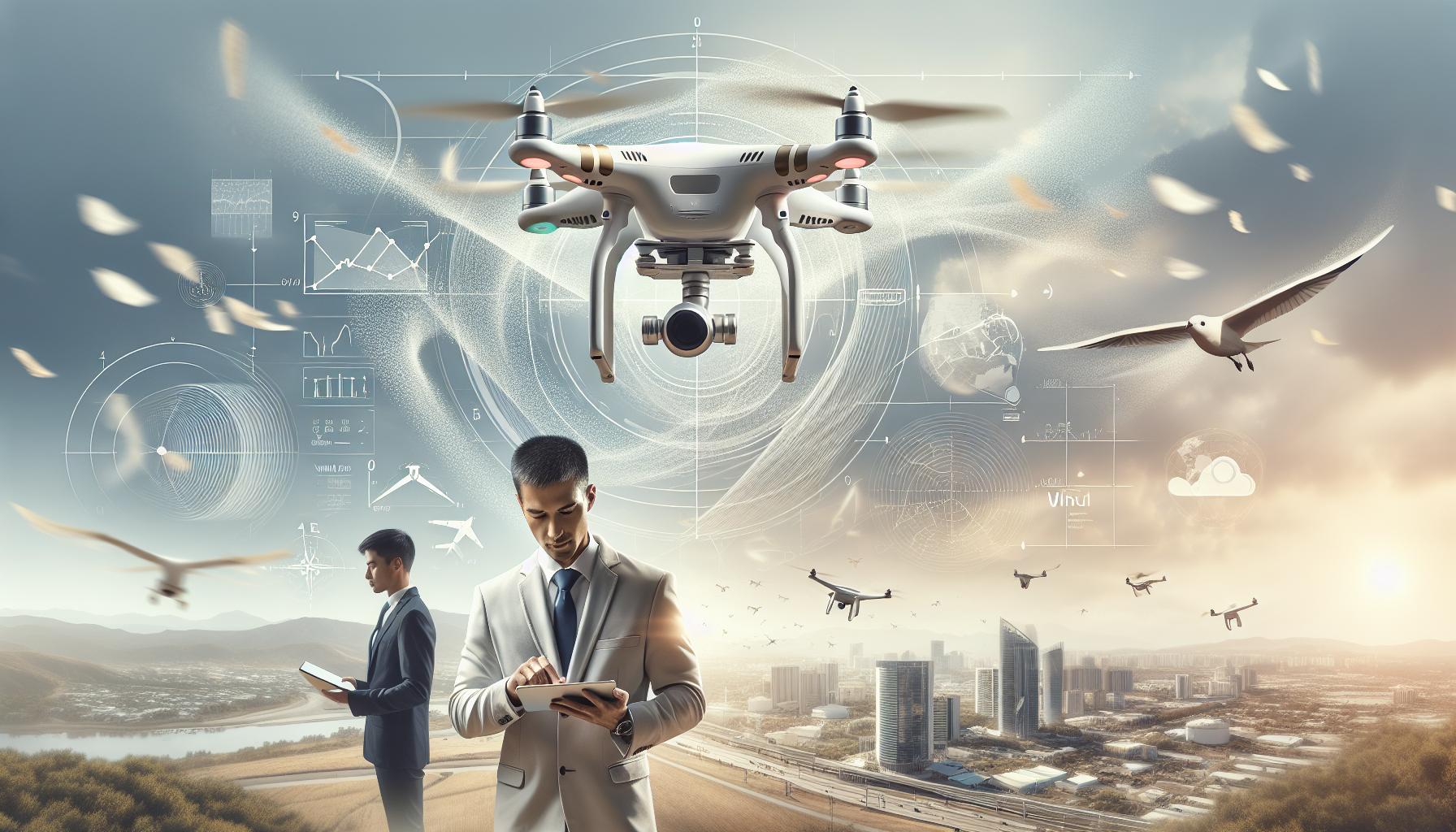
Flying a drone is an exhilarating experience, but understanding the factors that influence flight altitude is crucial for safe and legal operation. For DJI FPV (First Person View) drone pilots, these factors can dictate not only how high you can fly but also how to enjoy your flying sessions without running into regulatory issues. One of the primary influences on altitude is the design limitations of the drone itself. The DJI FPV drone is engineered with specific altitude capabilities, allowing for impressive heights up to approximately 6,000 meters (around 19,685 feet) under optimal conditions. However, the actual altitude achieved is often limited by various external factors.
Weather conditions play a significant role in determining safe flying altitude. Strong winds, turbulence, and changing weather patterns can compromise flight stability and control. Pilots should monitor weather forecasts and adapt their altitude accordingly, particularly in windy conditions where stability becomes a concern. Additionally, the location of the flight can impact altitude limits considerably. Urban flying often presents obstacles such as buildings and other structures, which can not only affect the drone’s flight path but can also impose legal limitations due to proximity to controlled airspace.
Furthermore, battery life is a critical aspect that influences how high and for how long a DJI FPV drone can operate. Higher altitudes can result in increased energy consumption, leading to shorter flight times. Pilots should plan their flights accordingly to ensure that they have sufficient battery life to reach their desired altitude and return safely. Understanding the drone’s GPS capabilities and the associated altitude limits in various areas is also essential. Many DJI drones come equipped with geofencing technology that restricts flights in high-risk areas such as airports and sensitive locations, helping pilots comply with legal requirements while planning their flights.
In summary, effectively navigating the altitude limits of DJI FPV drones involves a combination of understanding your equipment, analyzing environmental conditions, and adhering to regulatory guidelines. Pilots who remain vigilant and adaptive will not only enhance their flying experience but will also contribute to the safety and responsibility of the drone community.
Comparing DJI FPV Altitude to Other DJI Models

The DJI FPV drone boasts impressive altitude capabilities, reaching up to approximately 6,000 meters (about 19,685 feet) under optimal conditions. This altitude is significantly higher than many other consumer drones in DJI’s lineup, showcasing the FPV drone’s focus on high-performance capabilities tailored for racing and immersive flying experiences. To appreciate the FPV drone’s capabilities, it’s essential to contrast it with other models like the DJI Mavic and Phantom series.
Comparative Altitude Overview
When comparing the altitude limits of various DJI models, the distinctions in design and intended use become evident:
| DJI Model | Maximum Altitude (meters) | Ideal Use Case |
|---|---|---|
| DJI FPV | 6,000 | FPV Racing, Aerial Exploration |
| DJI Mavic Air 2 | 5,000 | Photography, Travel |
| DJI Mini 2 | 4,000 | Casual Flying, Vlogging |
| DJI Phantom 4 Pro | 5,200 | Professional Photography, Surveying |
The Mavic Air 2 and Phantom 4 Pro both have impressive altitude limits as well, even if they are somewhat lower than the FPV model. The Mavic Air 2 can fly up to 5,000 meters, primarily focusing on delivering high-quality photo and video capabilities rather than the high-speed thrills of FPV racing. The Mini 2, though having a maximum altitude of approximately 4,000 meters, is designed for those who want an ultra-portable drone for casual use.
Performance Factors Beyond Altitude
While altitude limits are crucial when selecting a drone, it’s essential to consider other performance factors. The FPV drone’s design focuses on fast acceleration and highly responsive flight controls, making it ideal for racers and enthusiasts who seek an adrenaline-pumping experience. In contrast, models like the Mavic and Phantom series offer stability and advanced camera systems, reinforcing their roles in aerial photography and videography.
Additionally, flight range, battery life, and obstacle avoidance technology also play a pivotal role in a drone’s overall performance. High altitude does not always equate to high accessibility; pilots must be adept at navigating their environments and understanding the legalities governing drone flight within those altitudes. Therefore, choosing the right DJI drone involves balancing your altitude ambitions with the intended use, operational skills, and adherence to local regulations.
In summary, while the DJI FPV can soar to remarkable heights, it serves a different purpose than its Mavic and Phantom counterparts, each tailored to the diverse needs of drone enthusiasts and professionals.
Pilot Responsibilities: Compliance with Flight Laws
Operating a DJI FPV drone at its impressive altitude of 6,000 meters (approximately 19,685 feet) brings exhilarating experiences, but it also comes with significant responsibilities. Understanding and complying with flight laws is critical not only for ensuring your safety but also for protecting the airspace for all users. Each country has its own regulatory framework governing drone operations, and pilots must familiarize themselves with these laws to avoid legal pitfalls. Notably, many jurisdictions enforce a maximum altitude limit often set around 400 to 500 feet for recreational and commercial drone flights, which is substantially lower than the FPV drone’s maximum capabilities.
Strong compliance with flight regulations involves several key practices. First, it is essential to conduct thorough pre-flight checks, ensuring your drone is in good working condition and that you are aware of the surrounding environment. Prior to launching, always register your drone with the relevant aviation authority if required, and confirm that you’ve obtained any necessary permissions, especially for flights in controlled airspace or near airports. Beyond registration, utilizing flight apps that provide real-time airspace updates can enhance your situational awareness, allowing you to see restrictions and ensure you do not inadvertently encroach upon no-fly zones.
Additionally, it’s crucial to operate with accountability. Responsible piloting includes maintaining visual line of sight with your drone during flight, which can be challenging when flying at the upper limits of altitude. For this reason, many pilots prefer to limit their flight altitudes significantly below the maximum permissible height. Not only does this enhance the ability to manage the drone effectively, but it also minimizes risks associated with other aircraft that might be operating at higher altitudes.
Finally, embracing community guidelines and best practices fosters a safer flying culture. This includes respecting others’ privacy, avoiding populated areas, and participating in local drone flying groups, which often serve to educate pilots on best practices and local laws. In adhering carefully to these principles, drone pilots not only safeguard themselves from legal consequences but also contribute positively to the perception of the drone flying community as a whole.
Navigating Airspace Regulations for Drones
Navigating the regulatory landscape for drone operations, especially when concerning altitude limits, can seem overwhelming but is crucial for every pilot-whether a hobbyist or a professional. One important aspect to understand is that airspace is divided into various classifications, each with its own set of regulations concerning drone flights. For example, Controlled Airspace (typically around airports) is heavily regulated, and flying a drone without proper authorization here can lead to severe penalties. The Federal Aviation Administration (FAA) in the United States, for example, offers tools and resources, such as the B4UFLY app, which can help pilots determine whether they can fly in a specific area and at what altitude.
To safely traverse the intricacies of airspace regulations, it’s vital to be proactive about information gathering. Always check local regulations prior to flying, as they can vary significantly from one location to another. Register your drone if required (some countries have specific weight thresholds), and keep your registration info up to date. Familiarizing yourself with local no-fly zones and temporary flight restrictions before a flight is essential to avoid legal issues and ensure safe operation.
Real-time situational awareness is a significant factor in compliance. A multitude of mobile applications designed specifically for drone pilots can provide updates on airspace status and alert you to nearby aircraft, no-fly zones, and altitude limits. Using these tools can dramatically enhance your ability to navigate airspace responsibly. Consider integrating pre-flight checklists into your routine to double-check regulations applicable to your intended flight area.
In addition, understanding the responsibilities that come with each flight can help prevent accidents. Maintaining a visual line of sight with your drone, even when flying at maximum altitude-where the DJI FPV can reach up to 6,000 meters-ensures that you can react promptly if there are any emergencies or unexpected aircraft encounters. Moreover, adhering to community guidelines and fostering a culture of compliance among fellow pilots build trust and safety within the airspace, promoting a more favorable environment for all drone enthusiasts.
Safety Protocols for High Altitude Drone Flying
Flying a drone can take you to breathtaking heights, but it also requires a robust commitment to safety, particularly at high altitudes. Understanding how to navigate these challenges not only helps in achieving your creative visions but also ensures compliance with legal and safety standards. DJI FPV drones, capable of reaching altitudes of up to 6,000 meters, demand special attention to safety protocols due to their operational capacities.
To maintain safe flight operations, start with a thorough pre-flight checklist. Key elements to cover include battery levels, hardware integrity, and environmental conditions such as wind speed and weather forecasts. Always ensure that your drone’s firmware is up to date, as manufacturers often release updates that enhance flight performance and safety features. The DJI Fly app, for instance, provides essential alerts about potential hazards and optimal flight conditions.
When flying at high altitudes, utilizing the right operating mode can significantly enhance safety. DJI FPV drones feature multiple flight modes, including Normal, Sport, and Manual, each with varying levels of responsiveness and control. For high-altitude flights, stick with the Normal mode unless you are an experienced pilot familiar with manual controls. Additionally, employing altitude limits within your app settings can prevent accidental ascents beyond legal thresholds, making your operations safer and more compliant.
It’s also critical to maintain situational awareness by keeping a visual line of sight with your drone. This practice not only allows you to monitor the drone’s behavior in real-time but also keeps you alert to surrounding air traffic, natural obstacles, and changing weather conditions. Consider investing in additional tools like optical sensors or radar devices that can enhance obstacle detection capabilities.
Remember, prior to launching into the skies, always check local regulations, as altitude limits may vary depending on your location. Following aviation guidelines and best practices fosters a responsible flying culture and encourages safety among all drone users. By adhering to these principles, you can fully enjoy the exhilarating experience of high-altitude flying while minimizing risks and embracing the beauty of aerial exploration.
Consequences of Exceeding Legal Altitude Limits
Exceeding legal altitude limits when flying DJI FPV drones can lead to serious repercussions, both for pilots and the broader airspace community. When regulations are overlooked, risks increase not only for the operator but also for other aircraft and people on the ground. Penalties can range from fines and drone confiscation to more severe consequences such as criminal charges. Pilots could face monetary penalties that can escalate significantly depending on the severity of the violation, potentially reaching thousands of dollars.
Enforcement of Regulations
Regulatory bodies like the FAA in the United States enforce altitude limits through various measures, including surveillance of airspace and public reporting. Reports from the public can lead to investigations, resulting in consequences for those failing to adhere to the laws. Such enforcement not only aims to maintain safe operational practices but also to protect the integrity of national airspace, which is shared with manned aircraft.
Impact on Safety
Flying at altitudes above legal limits can lead to hazardous situations, particularly when encroaching upon airspace reserved for manned aviation. Collisions in this airspace can have catastrophic consequences, given the potential speeds and technologies involved. Not only could a hobbyist pilot endanger commercial flights, but they also risk the safety of themselves and their drones. Thus, staying within prescribed altitude limits isn’t just about compliance; it’s about safeguarding life and property.
Community Perception and Responsibility
Moreover, disregarding altitude regulations can tarnish the reputation of the drone community as a whole. Responsible flying fosters trust between drone enthusiasts and local authorities, ensuring more favorable regulations in the future. When pilots keep their flights legal and safe, they contribute to a culture that appreciates aerial technology, encouraging innovation rather than restriction.
By understanding the potential repercussions associated with altitude limit violations, pilots can better appreciate the importance of adhering to regulatory guidelines. Ensuring that flights remain within legal boundaries preserves not just personal safety but also the rights and freedoms of all who appreciate the skies.
Community Guidelines and Best Practices for DJI Pilots
Responsible drone operation is not just about adhering to basic regulations; it’s about fostering a positive community perception and ensuring a safe flying environment for everyone. DJI pilots, whether novices or seasoned operators, should follow a set of community guidelines and best practices that promote responsible flying while maximizing the potential of their equipment.
Know Your Surroundings
Prior to each flight, familiarize yourself with the area you intend to fly in. This includes checking for bystanders, wildlife, and other aircraft. Utilizing apps such as Fly Safe by DJI or local airspace awareness tools can help identify no-fly zones and altitude restrictions.
Maintain Line of Sight
Always keep your drone within visual line of sight. This practice not only complies with legal regulations in many jurisdictions but also helps you maintain better control and awareness of your surroundings, effectively reducing the risk of accidents.
Pre-Flight Checklist
Creating a pre-flight checklist can greatly enhance safety and operational efficiency. Consider including tasks such as:
- Ensuring the drone’s firmware is updated.
- Calibrating the compass and gimbal if necessary.
- Checking battery levels and ensuring all equipment is functioning properly.
- Reviewing local regulations and weather conditions.
Respect Privacy and Property
Drone operators should respect the privacy of individuals and not capture images or videos without consent. Additionally, avoid flying over private property unless you have permission. This demonstrates respect for the community and helps maintain a good reputation for all drone pilots.
Engage with the Community
Participate in local drone clubs or online forums. These communities can provide invaluable resources, support, and tips for safe flying. Engaging with fellow enthusiasts fosters a culture of sharing knowledge and innovations, which ultimately enhances the flying experience for everyone.
By adhering to these community guidelines and best practices, DJI pilots can ensure not only their own safety but also contribute to a positive public perception of drone technology. This culture of responsibility and respect can lead to more favorable regulations and opportunities for all drone enthusiasts.
Future Trends in Drone Altitude Regulations
As drone technology advances, so too do the regulations governing their operation, particularly regarding altitude limits. The trend is moving towards more comprehensive frameworks that consider safety, privacy, and the evolving landscape of air traffic management. The integration of unmanned aerial vehicles (UAVs) into the national airspace is becoming increasingly important, prompting authorities to reevaluate and tighten existing regulations. This evolution means that drone pilots, including those operating DJI FPV drones, must stay informed about changing laws that could affect how high they can fly.
One significant focus of future regulations is the harmonization of international standards. As drones become more common worldwide, the need for consistent altitude limits across borders grows. This could simplify operations for international drone users and improve safety by reducing the risk of incidents in shared airspace. To prepare for these changes, pilots should familiarize themselves with upcoming regulatory developments from authorities such as the Federal Aviation Administration (FAA) and the European Union Aviation Safety Agency (EASA), which are likely to set the tone for future regulations.
Moreover, the advent of advanced technologies, such as geofencing and remote ID systems, is likely to redefine altitude compliance. Drones equipped with these features can automatically restrict flight altitude based on real-time data regarding airspace restrictions. This is particularly beneficial for DJI FPV operators, who can leverage these advancements to ensure adherence to legal limits without manual intervention. Awareness and integration of such technology will play a crucial role in how effectively drone pilots can navigate legal altitude constraints.
Ultimately, adopting a proactive approach to understanding upcoming altitude regulations and leveraging technological advancements will empower UAV operators to fly confidently and responsibly. Staying engaged with the community and regulatory updates will not only foster compliance but also contribute to a safer airspace for all users.
Expert Tips for Maximizing Your FPV Drone’s Altitude
Maximizing the altitude capabilities of your DJI FPV drone requires a blend of technical know-how, strategic planning, and a keen awareness of both safety and regulatory standards. Did you know that conditions such as air temperature and battery performance can significantly impact your drone’s flight altitude and stability? Understanding these facets can help you unlock optimal flying heights.
To enhance your altitude performance, start with thorough pre-flight preparations. Weather conditions play a crucial role; clear skies and low winds yield the best results. Use apps that provide live weather updates and wind forecasts to determine the ideal flying conditions. Additionally, battery health is paramount-ensure your drone’s batteries are fully charged and in good condition as lower battery capacities can limit your drone’s climbing ability. Engaging in battery maintenance practices, such as avoiding complete discharges, can significantly enhance performance.
Another effective strategy is to take advantage of intelligent flight modes offered by DJI. Modes like “Sport” allow your drone to ascend quickly and reach higher altitudes without the programming constraints of other modes. However, always ensure that you stay within your local altitude regulations. Utilizing custom settings to adjust maximum altitude parameters within the DJI Fly app can also yield beneficial results, ensuring you can reach your desired height safely.
Leveraging Technology for Maximum Altitude
Modern advancements such as geofencing provide critical insights to ensure you’re aware of your altitude limitations. Pre-set geofencing features for areas where flying is restricted can automatically prevent your drone from exceeding allowable limits, allowing you to focus on flight maneuverability. Moreover, consider upgrading your drone’s firmware regularly; DJI frequently releases updates that can optimize drone performance, including enhancements to altitude-control algorithms.
In conclusion, maximizing your DJI FPV drone’s altitude potential is a multifaceted endeavor. By taking into account weather conditions, ensuring battery health, leveraging intelligent flight modes, and utilizing technology safeguards, you can safely explore new heights while adhering to legal requirements. Emphasizing safety while pushing the limits of altitude ensures an exciting and compliant flying experience.
Frequently Asked Questions
Q: What is the maximum altitude for the DJI FPV drone under FAA regulations?
A: The maximum altitude for the DJI FPV drone, as per FAA regulations, is 400 feet above ground level. Pilots must also ensure they fly within visual line-of-sight and avoid restricted airspace to remain compliant.
Q: Are there altitude limitations for DJI FPV drones in urban areas?
A: Yes, altitude limitations can vary in urban areas due to local regulations and airspace restrictions. Be sure to check with your local authority and the FAA before flying to ensure compliance with specific altitude limits.
Q: How can I check if my altitude is within legal limits when flying my DJI FPV drone?
A: To check your altitude, use the altitude indicator displayed in the DJI Fly app during flight. Make sure to adjust your flying height according to the 400 feet legal limit and any local regulations.
Q: What could happen if I exceed the legal altitude limits while flying my DJI FPV drone?
A: Exceeding legal altitude limits can result in fines, penalties, and even the suspension of your drone’s registration. Additionally, flying above recommended altitudes can increase the risk of collisions with manned aircraft.
Q: Are there any exceptions to the altitude limits for DJI FPV drones?
A: Exceptions exist for certain cases, such as when flying in controlled airspace with specific authorization or when conducting emergency services. However, these require prior approval from relevant authorities.
Q: Is it legal to fly my DJI FPV drone above 400 feet in certain situations?
A: While it is generally illegal to fly above 400 feet, exceptions may apply with proper authorization from the FAA, especially for commercial purposes or research flights. Always verify before attempting such flights.
Q: Can I use my DJI FPV drone in restricted airspace without permission?
A: No, flying in restricted airspace without permission is illegal and can have serious legal consequences. Always check airspace classifications and obtain necessary permissions before flying.
Q: How does weather affect my ability to safely fly my DJI FPV drone at high altitudes?
A: Weather plays a significant role in safe drone operations. High winds, low visibility, and storms can complicate high-altitude flights, potentially impacting your ability to control the drone and adhere to legal altitude limits. Always check the weather before flying.
Key Takeaways
Now that you know the legal limits on how high the DJI FPV drone can fly, it’s time to elevate your drone flying experience. Understanding these regulations not only keeps you compliant but also maximizes your aerial creativity. If you’re eager to explore more about DJI’s extensive range of drones and enhance your flying skills, check out our detailed guides on Drone Setup Essentials and Legal Compliance for UAVs.
Don’t miss out on the chance to stay updated-subscribe to our newsletter for the latest tips and product reviews that will boost your drone knowledge. Have questions or tips of your own? Leave a comment below and join our community of fellow drone enthusiasts! Together, let’s continue pushing the limits of what’s possible in the skies!