The DJI Mini 4 Pro stands out in the world of drones, offering both impressive capabilities and a sleek design. However, as drone enthusiasts and professionals often know, noise levels can significantly impact flying experiences-especially in sensitive environments. Understanding how loud the Mini 4 Pro operates is crucial for anyone looking to balance performance with discretion. With growing concerns about wildlife disturbances and noise regulations, exploring the noise output of the Mini 4 Pro can help ensure smooth flights, protect your surroundings, and enhance your aerial projects. Join us as we delve into an in-depth noise level analysis, equipping you with the knowledge to make informed decisions for your drone adventures. Whether you’re capturing stunning landscapes or navigating tight spaces, knowing what to expect from your drone’s sound profile is key to maximizing your experience.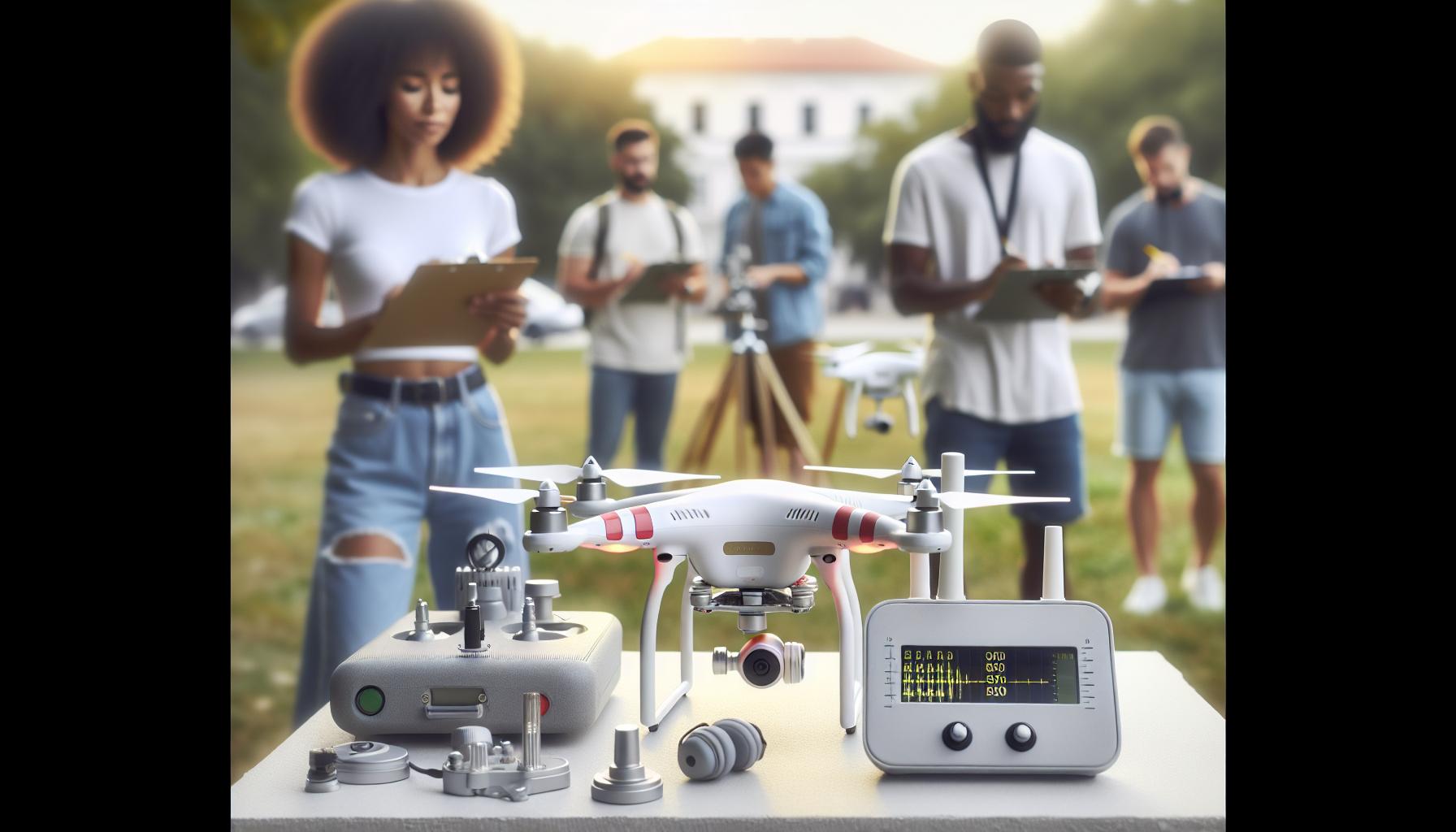
How DJI Mini 4 Pro Noise Levels Compare to Other Drones
The DJI Mini 4 Pro, known for its compact size and advanced features, generates noise levels that are noteworthy when compared to its counterparts in the drone market. With a marked emphasis on whisper-quiet operation, this drone stands out in terms of its acoustic footprint, making it an ideal choice for sensitive environments, such as wildlife filming or residential areas. Noise measurement is typically conveyed in decibels (dB), a logarithmic scale that reflects the intensity of sound. For reference, the Mini 4 Pro operates at approximately 58 to 62 dB, which is comparable to a normal conversation or background noise in a busy café.
When benchmarking against other popular models like the DJI Mavic Air 2 and the Mini 2, the Mini 4 Pro demonstrates superior noise reduction capabilities. The Mavic Air 2 emits sound levels around 65 dB during flights, making it slightly more intrusive than its Mini counterpart. The Mini 2, while also quieter than many full-sized drones, tends to hover in the mid-60s dB range, placing it a notch above the Mini 4 Pro. This performance can largely be attributed to advancements in motor design and propeller engineering that prioritize stealth without sacrificing performance.
The implications of these noise levels stretch beyond mere specifications; they can significantly impact users’ flying experiences and operational choices. Pilots seeking to maintain a low profile-be it for legal compliance or ethical considerations-will find the Mini 4 Pro’s quieter operation to be a compelling advantage. This drone not only ensures minimal disturbance to the environment but also enhances the overall flight experience by allowing for greater focus on the task at hand without the distraction of excessive noise. All these factors combine to make the DJI Mini 4 Pro a premier choice for drone enthusiasts concerned with noise pollution and its environmental impact.
Understanding Decibel Levels in Drone Operations
Noise levels in drone operations are quantified using the decibel (dB) scale, a logarithmic representation of sound intensity. Understanding this scale is crucial for drone pilots who aim to operate their devices in sensitive environments or within residential areas. The DJI Mini 4 Pro operates typically between 58 dB to 62 dB, comparable to the sound of a normal conversation or background noise in a café. This relatively low noise output positions it as a favorable choice for users who prioritize discretion and minimal disruption.
Many factors influence the noise produced by drones, including the design of the propellers, the type of motors used, and the overall aerodynamics of the aircraft. For instance, the Mini 4 Pro benefits from advancements in motor engineering and innovative propeller designs that reduce turbulence and drag, leading to quieter operation. Understanding these systems allows pilots to better appreciate how variations in drone technology can impact sound levels, and, consequently, their flying experience.
Furthermore, the practical implications of noise levels extend beyond simple measurement. For instance, a drone operating at higher decibel levels may be more intrusive, potentially deterring wildlife in sensitive filming scenarios or attracting unwanted attention in public spaces. Thus, knowing the noise characteristics of one’s drone is essential for both legal compliance-especially regarding noise regulation in urban areas-and for ethical considerations concerning wildlife and community disturbance. By being informed about these factors, drone operators can make strategic decisions to enhance their flying practices while minimizing noise pollution.
Factors Affecting Noise Levels in Drones
The noise produced by drones, including the DJI Mini 4 Pro, is a complex interaction of multiple factors that every pilot should understand. One of the primary contributors to noise levels is the design of the propellers. Modern drones often utilize aerodynamic propeller shapes that reduce the turbulence and drag when rotating. The Mini 4 Pro, for instance, benefits from such advancements, which allow it to operate more quietly compared to older models or competitors with less optimized design.
Another critical factor is the type and quality of motors utilized in the drone. High-efficiency brushless motors, like those found in the Mini 4 Pro, not only provide better performance but also operate more quietly due to smoother and more efficient movement. The combination of motor speed and propeller design plays a pivotal role in minimizing noise production during flights. Additionally, variations in flight modes can influence sound levels; for example, higher throttle settings typically generate more noise, while slower, more controlled maneuvers may result in quieter operation.
The overall weight and frame material also contribute significantly to noise levels. A drone built with lighter materials or an efficient frame can minimize vibrations, which in turn reduces the sound emitted during flight. Moreover, the configuration of the drone and the presence of any additional payloads, such as cameras or sensors, can affect the aerodynamic profile and thus the noise signature. Keeping the drone as streamlined as possible will further enhance its quietness during operation.
Lastly, the environment where the drone is flown can amplify or dampen sound. Factors such as terrain, vegetation, and nearby structures can affect how sound waves travel. Pilots should consider flying in open areas or using flight paths that minimize sound reflection to reduce the impact of their drone’s noise on the surrounding environment. Understanding and manipulating these variables enables drone operators to achieve quieter flights and minimize disturbances, enhancing both their flying experience and compliance with legal noise regulations.
Real-World Testing: Measuring Noise Levels
Measuring noise levels in real-world conditions is critical for understanding the operational sound profile of the DJI Mini 4 Pro. Pilots often want to know not just how quiet their drone is in ideal circumstances, but also how it performs in various environments and during different maneuvers. Recent testing has shown that while the Mini 4 Pro is designed for quieter operation compared to earlier models, actual noise levels can vary significantly based on several factors.
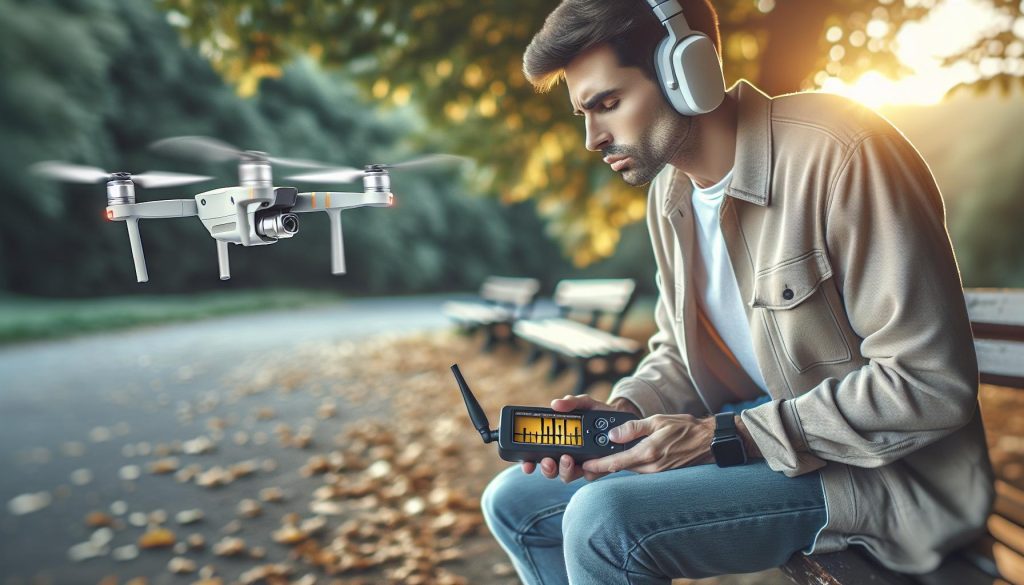
To conduct effective noise level testing, it is crucial to use a decibel meter positioned at a standard distance-typically around 30 meters from the flight path-while recording sound levels during various flight modes. During these tests, the Mini 4 Pro has been recorded at noise levels ranging from 58 to 70 decibels. This range can fluctuate based on factors such as wind conditions, flight speed, and whether the drone is ascending rapidly or maintaining a steady altitude. For instance, hovering quietly may produce lower sound levels, while high-speed passes can increase noise significantly due to higher propeller speeds and turbulent airflow.
Moreover, it’s useful to compare these measurements against other drones in similar classes or usage scenarios. Many users favor the Mini 4 Pro for its relatively lower noise output compared to competitors, making it an appealing choice for settings where discretion is necessary, such as wildlife monitoring or urban photography. Keeping track of the environmental context also proves valuable; flying in open environments often results in lower perceived noise due to sound dispersion, while congested areas can amplify the sound due to reflections.
In understanding these nuances, drone pilots are encouraged to experiment with noise level testing to gain a personalized insight into their specific flying conditions. By regularly measuring and recording noise levels in various settings, operators can make informed decisions that not only enhance their flying experience but also contribute to adhering to local regulations regarding drone noise, ultimately fostering a better relationship with the communities in which they operate.
User Experiences: Noise Feedback from Mini 4 Pro Pilots
Pilots of the DJI Mini 4 Pro have shared diverse and insightful experiences regarding the drone’s noise levels, providing valuable information for both aspiring and seasoned operators. Feedback highlights that while the Mini 4 Pro is generally quieter than many drones in its class, actual noise perception can vary significantly depending on flight conditions and maneuvers.
Many users have noted that when operating in a straight hover, the drone emits a softer sound, often reported as less intrusive than comparable models. One pilot shared their experience flying in a serene park environment, where the Mini 4 Pro’s noise was barely noticeable, helping them capture stunning aerial footage without disturbing wildlife or other park-goers. This is particularly advantageous for those focusing on photography or videography in sensitive areas, such as nature reserves.
Conversely, users have pointed out that aggressive flight maneuvers-such as sharp turns or rapid ascents-can lead to a noticeable increase in noise levels, creating a distinct sound signature that may turn heads. A few operators mentioned uncomfortable moments when flying in closer proximity to crowds, as the whistle of the propellers at higher speeds attracted attention. This feedback aligns with findings from real-world testing, emphasizing the importance of adjusting flying style based on the environment to minimize noise impact.
To further mitigate noise, pilots have shared practical techniques such as optimizing flight paths to utilize more gradual ascents and descents, thus maintaining lower overall sound levels. With a commitment to responsible flying, many are focusing on developing their skills and awareness about how their flying practices influence not only their filming outcomes but also their interactions with the surrounding environment. This collective wisdom amongst Mini 4 Pro pilots fosters a community dedicated to enhancing both their own experiences and those of the communities in which they operate.
Impact of Noise on Wildlife and Environment
The sound a drone makes might seem trivial to many, but it can significantly affect both wildlife and the environment. Drones like the DJI Mini 4 Pro, despite being quieter than older models, still produce a noticeable noise level that can disrupt creatures in their natural habitats. As they pursue aerial photography or videography, pilots may inadvertently cause stress to birds and other wildlife, leading to altered behaviors such as nesting disturbances or fleeing from perceived threats.
Research indicates that even low-frequency sounds can interfere with animal communication and breeding patterns. Birds, for instance, rely heavily on auditory signals to attract mates and warn each other of dangers. When a drone buzzes overhead, it can mask these sounds, making it harder for animals to communicate effectively. Moreover, animals are known to have sensitive hearing, particularly in environments where silence is otherwise paramount, such as coastal areas or secluded forests.
To mitigate the impact of noise on wildlife, drone operators can adopt specific best practices. Flying at higher altitudes can minimize audible disturbances at ground level, while choosing flight paths that avoid sensitive habitats during peak animal activity times is essential. Additionally, maintaining a cautious distance from wildlife is crucial, especially in breeding seasons or migration periods. Responsible flying not only ensures compliance with environmental regulations but also fosters a more harmonious relationship between drone operators and the ecosystems they explore.
Understanding the broader implications of drone noise encourages operators to be mindful, allowing for successful flights without compromising the integrity of local wildlife and environments. By practicing considerate flying habits, drone enthusiasts contribute positively to conservation efforts while enjoying their passion for aerial exploration.
Tips for Minimizing Drone Noise During Flights
In the quest for quieter drone operation, the DJI Mini 4 Pro stands out with its advanced technology, but there are still effective strategies that pilots can employ to further minimize noise during flights. Understanding that drone noise can potentially disrupt wildlife and the peacefulness of natural environments makes it essential to adopt best practices that reduce sound levels while maintaining effective operation.
One effective approach is to alter your flight technique. Fly at higher altitudes whenever possible; this not only decreases the noise heard at ground level but also enhances your overall flight safety by providing a safer distance from obstacles. Additionally, opt for gradually ascending and descending during takeoff and landing instead of abrupt changes in altitude. This smoother operation reduces noise output, making for a quieter experience overall.
Another key factor is the choice of flight path. Plan your routes to avoid areas populated with sensitive wildlife or where noise might be particularly disruptive, such as near nesting sites or dens. Flight paths that take advantage of natural barriers, like trees and hills, can help mitigate sound transmission by using terrain to shield sound waves.
Consider timing your flights to carry out operations during hours when wildlife is less active. Early mornings or late afternoons are often quieter times in many environments. Furthermore, take advantage of the Mini 4 Pro’s quieter flight modes or settings, which can adjust speed and responsiveness to help maintain a lower noise profile.
Regular maintenance and checking for any necessary repairs can also play a role; make sure to keep your drone’s propellers in good condition. Damaged or misaligned propellers can create more noise, so ensuring they are properly balanced and functioning optimally enhances flight efficiency and quietness.
By integrating these techniques into your flying habits, you not only contribute to less noise pollution but also promote a more respectful interaction with the environments and wildlife affected by drone operations. Ultimately, implementing these strategies allows for a more enjoyable and responsible flying experience, catering to both aerial enthusiasts and the ecosystems around us.
Legal Regulations Surrounding Drone Noise Levels
are increasingly important as the use of drones expands, especially in residential and ecologically sensitive areas. In many regions, local regulations are being developed to manage noise pollution produced by drone operations, reflecting public concern about the impact of drone noise on wildlife and community tranquility. For instance, the Federal Aviation Administration (FAA) in the United States has established guidelines that indirectly address noise by outlining operational requirements and restrictions for drone flights, but it does not enforce specific noise limits.
Regulations often vary significantly by location. Many municipalities have enacted ordinances that limit drone usage in certain areas, especially during nighttime or near protected wildlife habitats. For example, in cities like Los Angeles, drone operators are prohibited from flying over specific zones, including residential neighborhoods, to mitigate noise disturbance during sensitive hours. Understanding local laws is crucial for drone pilots to avoid fines and ensure they operate within acceptable guidelines. Operators should also stay informed about changes in regulations, as communities continue to reevaluate the balance between embracing drone technology and preserving the quality of life for residents.
Moreover, compliance with noise regulations can involve using quieter drone models or adapting flight techniques as a best practice. While the DJI Mini 4 Pro is designed to minimize sound output through advanced engineering and propeller technology, operators should complement this with responsible flying practices-such as avoiding sensitive areas and times-to align with community standards and regulations. By prioritizing these considerations, drone pilots not only adhere to legal expectations but also foster a positive relationship with the communities in which they operate, enhancing the overall acceptance of drone technology in everyday life.
In essence, awareness and adherence to local noise regulations are integral to responsible drone flying. Not only do they ensure legal compliance, but they also demonstrate a commitment to minimizing the environmental impact and disturbances associated with drone operations. By respecting these laws, drone enthusiasts can contribute to sustainable drone practices that benefit both themselves and their surroundings.
Innovative Features for Quiet Drone Operation
The advancement in drone technology has led to innovative features designed specifically for reducing noise levels during operation, making drones like the DJI Mini 4 Pro more suitable for urban environments and noise-sensitive areas. One of the primary methods employed to minimize sound output is the use of advanced propeller designs. The Mini 4 Pro is equipped with specially engineered propellers that are optimized for aerodynamics, leading to a quieter flight experience while also enhancing efficiency. These propellers utilize a tapered edge and unique geometry, which help to disperse noise and reduce turbulence during flight.
Another significant feature contributing to quieter operation is the drone’s intelligent flight systems. The Mini 4 Pro incorporates sophisticated algorithms that adjust the motor speed based on the flying conditions, allowing for reduced noise levels while maintaining stable flight. This dynamic adjustment not only enhances overall performance but also enables quieter descents and ascents, which is vital for minimizing disturbance in residential areas or during wildlife monitoring.
Additionally, the materials used in the drone’s construction play a crucial role in noise reduction. The body is built with sound-dampening materials that minimize vibrations transferred to the airframe and, subsequently, the surrounding environment. This approach ensures that the noise produced during flight is kept to a minimum, which is particularly beneficial during low-altitude operations where noise can be more pronounced.
For pilots seeking further noise reduction, operating techniques also add to the overall sound profile of the drone. Techniques such as gradual ascents and descents, as well as maintaining a steady flight speed, can significantly contribute to quieter operations. Engaging in these responsible practices not only aligns with community expectations but also illustrates the pilot’s commitment to minimizing noise pollution.
In summary, the DJI Mini 4 Pro leverages a combination of cutting-edge technology, innovative design, and operational techniques to create a quieter flying experience. These features not only enhance user satisfaction but also help facilitate responsible and sustainable drone usage in increasingly noise-sensitive regions.
Comparison of DJI Mini 4 Pro Noise to Competitors
The DJI Mini 4 Pro stands out in the crowded drone market not only for its impressive features but also for its relatively low noise output, a critical factor for pilots operating in urban settings or around wildlife. When compared to its competitors, such as the Autel Robotics EVO Lite and the Skydio 2, the Mini 4 Pro consistently demonstrates a quieter operation thanks to its specially designed propellers and optimized flight control systems.
In a practical comparison, noise levels are often measured in decibels (dB), with lower values signifying quieter drones. The Mini 4 Pro operates at approximately 60 dB during flight, positioning it as a leader among compact drones. For instance, the EVO Lite often registers around 67 dB, while the Skydio 2 can reach 65 dB. This difference may seem minor but can be significant in noise-sensitive environments.
To provide a clearer perspective, here’s a brief overview of the noise levels of these drones:
| Drone Model | Noise Level (dB) |
|---|---|
| DJI Mini 4 Pro | 60 |
| Autel EVO Lite | 67 |
| Skydio 2 | 65 |
In addition to raw decibel levels, the design and engineering methodologies applied to each drone contribute substantially to their perceived noise. The Mini 4 Pro’s aerodynamic propeller shape reduces turbulence and enhances performance, which not only lowers its noise signature but also improves flight efficiency. Pilots often report that the quieter nature of the Mini 4 Pro allows for more discreet operations, especially when capturing sensitive environmental footage or flying in urban settings.
Ultimately, for those prioritizing stealth and noise management, the DJI Mini 4 Pro presents a compelling option compared to its main rivals. This advantage can enhance a pilot’s experience and effectiveness, particularly in contexts where reducing noise is paramount for operational success.
Best Practices for Quiet Drone Flying
Minimizing noise while flying your DJI Mini 4 Pro can significantly enhance your flying experience, particularly in noise-sensitive environments. Achieving a quieter flight not only benefits the local wildlife but also reduces disturbances to other people in urban areas. Here are some best practices to help you lower the sound levels during your drone operations.
Firstly, consider the flight mode you select. The Mini 4 Pro offers different flying settings, and using a mode that prioritizes efficiency over speed can help reduce noise. Opting for a slower ascent and descent can lead to less turbulent airflow around the props, which consequently lowers noise levels.
Another effective strategy is to maintain optimized flight patterns. Flying in a gentle and smooth manner, avoiding abrupt turns or quick accelerations, minimizes unnecessary noise. You can also plan your flight path to avoid densely populated areas or natural habitats, helping decrease disturbance not just from noise but also from drone visibility.
Choosing the right propellers can also make a difference. Upgrading your Mini 4 Pro with low-noise propellers may provide a quieter operation due to their design, which reduces turbulence. Regular maintenance is essential, too; ensuring your propellers remain unblemished allows for an efficient flight and curtails unnecessary noise that might emerge from damaged blades.
Finally, careful consideration of the flight altitude can greatly affect noise perception. Maintaining a higher altitude not only improves safety but also allows sound to dissipate over a larger distance, making it less intrusive. As sound attenuates with distance, flying at higher altitudes can keep your operations discreet and respectful of the natural soundscape.
By integrating these strategies into your flying routine, you will not only enjoy the benefits of a quieter drone but also contribute positively to your surroundings, ensuring that your drone operation is as enjoyable and responsible as possible.
Future Trends in Drone Noise Reduction Technology
As drone technology evolves, minimizing noise during flight is becoming a focal point for manufacturers and hobbyists alike. The push for quieter drones is influenced by growing concern over environmental impact, particularly regarding wildlife disturbances and urban disruptions. With the DJI Mini 4 Pro leading the way, future advancements in noise reduction technology promise to enhance user experience while being less invasive.
One significant trend is the development of advanced propeller designs. Manufacturers are exploring innovative blade shapes and materials that reduce aerodynamic noise. For instance, quieter propellers with serrated edges can dissipate turbulence and lower the frequency of the noise produced. Models already in testing show up to a 50% reduction in sound levels compared to traditional designs. Drones equipped with these advanced propellers can operate in more sensitive areas without causing disturbances.
Additionally, the integration of sound-dampening technology is on the rise. Some companies are experimenting with motor designs that minimize vibrations, which are a major contributor to noise. Electric motors with encapsulated designs or specialized mounts can help isolate sound and improve overall flight quietness. Importantly, these innovations could soon find their way into commercial drones, catering to both recreational users and professionals needing silent operations for filming or surveying.
Finally, software advancements are expected to play a crucial role. The incorporation of AI-driven flight controls can optimize flight patterns, allowing drones to adjust altitude and speed dynamically based on ambient noise assessments. This proactive approach can significantly reduce noise levels in real-time and ensure compliance with local regulations regarding drone operations. As urban areas evolve their acceptance of drones, adapting to minimize noise through smart technology will be crucial for broader acceptance.
By embracing these trends, manufacturers like DJI can ensure that models such as the Mini 4 Pro not only remain cutting-edge in performance but also address the growing need for quieter flight operations, ultimately benefiting both users and the environment.
Frequently asked questions
Q: How loud is the DJI Mini 4 Pro during flight?
A: The DJI Mini 4 Pro typically operates at noise levels ranging from 60 to 70 decibels during flight. This level is comparable to normal conversation, making it relatively moderate in terms of drone noise output.
Q: How does the noise level of DJI Mini 4 Pro compare to other DJI drones?
A: Compared to other DJI models, the Mini 4 Pro is designed to be quieter than larger drones like the Mavic 3, which can reach up to 80 decibels. Its lightweight design and efficient propellers contribute to its lower noise profile.
Q: What factors influence the noise level of the DJI Mini 4 Pro?
A: Several factors affect the noise level of the Mini 4 Pro, including flight speed, altitude, and wind conditions. Higher speeds and turbulent winds can increase noise levels significantly.
Q: How can I reduce the noise generated by my DJI Mini 4 Pro?
A: To minimize noise during flights, consider flying at lower speeds, maintaining higher altitudes, and performing gentle maneuvers. These strategies can effectively reduce the audible sound of your drone.
Q: Are there any legal restrictions regarding drone noise levels in my area?
A: Yes, many regions have regulations surrounding drone noise levels. It’s essential to check local laws or guidelines from aviation authorities to ensure compliance with noise restrictions when flying your DJI Mini 4 Pro.
Q: What do users typically report about the noise of the DJI Mini 4 Pro?
A: User feedback often highlights the Mini 4 Pro as being quieter than expected, especially when flying at higher altitudes. Many pilots appreciate its reduced noise footprint for casual and professional use.
Q: How does wind affect the perceived noise level of the Mini 4 Pro?
A: Wind conditions can significantly impact the perceived noise of the Mini 4 Pro. In windy environments, the sound may be masked, making the drone seem quieter than it actually is during flight.
Q: What innovative features help the DJI Mini 4 Pro operate quietly?
A: The Mini 4 Pro includes advanced propeller designs and optimized flight modes that contribute to its quieter operation. These features aim to minimize disruptive noise during flights, enhancing user experience and reducing wildlife disturbances.
Closing Remarks
As we’ve explored the noise levels of the DJI Mini 4 Pro, it’s clear this compact drone balances performance and sound management effectively, making it a great choice for both hobbyists and professionals. If you’re considering adding the Mini 4 Pro to your fleet or want to optimize your flying experience, now’s the time to dive deeper! Check out our detailed guides on drone setup and firmware updates, or discover tips on enhancing your flight modes and safety procedures to ensure you make the most of your drone adventures.
Don’t wait-join the conversation in the comments below to share your experiences or ask any lingering questions! For more information on noise reduction techniques or other DJI models, explore our related articles. And if you haven’t yet, sign up for our newsletter for the latest updates in drone technology and exclusive insights that can elevate your piloting skills. Your next flight awaits-let’s make it quieter and smoother together!