The potential ban of DJI drones has far-reaching implications that resonate deeply with hobbyists, professionals, and the entire drone community. As one of the leading manufacturers globally, DJI has set the standard for innovation in aerial technology-making their potential exclusion from the market a significant concern. This analysis delves into the impact of such a ban, exploring everything from the effects on personal and commercial drone operations to the broader implications for technological advancement and regulatory frameworks. With the popularity of drones soaring and their applications expanding, understanding what a ban could mean for users and the industry at large is crucial. Join us as we unravel the complexities of this situation and its potential consequences on the future of drone technology.
What Are the Implications of a DJI Drone Ban?
A potential ban on DJI drones signals a paradigm shift in the drone industry, with far-reaching implications that could reshape the landscape for manufacturers, enthusiasts, and regulators alike. As one of the most prominent players in the drone market, DJI’s departure or restrictions on its operations would create a vacuum that other manufacturers could attempt to fill, but the transition would not be seamless. With DJI’s sophisticated technology, extensive ecosystem, and established consumer loyalty, any ban would leave many users seeking alternatives that may not match the quality or user experience they have come to expect.
The immediate concern for drone enthusiasts and hobbyists would be access to reliable, high-quality drones. Many recreational users have invested heavily in DJI products, and a ban would complicate their ability to obtain parts, firmware updates, and customer support. Furthermore, the community built around DJI drones-ranging from forums and online groups to organized events-would likely fragment as users are forced to migrate to other brands. This shift not only risks the loss of community engagement but also the wealth of shared knowledge that has flourished around DJI’s platforms. Enthusiasts may find it challenging to adapt to new brands or models that operate differently, thus impacting their flying experiences.
Regulation is another area ripe for change. A ban on DJI drones could lead to a reassessment of drone regulations, as authorities might seek to ensure that alternatives meet safety and security standards. In this scenario, manufacturers of non-DJI drones may need to navigate a labyrinth of compliance requirements, potentially slowing innovation as they adapt. The regulatory environment would likely become more stringent, requiring transparency and accountability in data handling practices, especially if concerns over privacy and data security continue to mount.
The implications extend even further into the realm of national security and international relations, as governments reassess their trust in foreign-made technology. The repercussions of a DJI ban could stimulate further investment into domestic manufacturers and promote homegrown technology development, which, while beneficial in the long term, may disrupt the immediate availability of affordable, high-performance drone options. All of these factors underscore the complexities of a potential DJI ban, highlighting not only the direct impact on consumers but also the broader shifts in technology, regulation, and market dynamics.
Understanding DJI’s Market Position in the Drone Industry
The dominance of DJI in the drone industry is underscored by its groundbreaking technology, user-friendly interfaces, and a robust ecosystem that appeals to both novice and professional drone operators. DJI’s product range, which includes the popular Mavic, Mini, and Phantom series, sets industry standards for camera quality, flight stability, and ease of use. This has not only positioned DJI as a market leader but has also shaped consumer expectations regarding performance and innovation in the drone sector.
One of the key factors contributing to DJI’s success is its commitment to advancing drone technology. The integration of cutting-edge features such as obstacle avoidance systems, automated flight modes, and sophisticated gimbal stabilization has made DJI drones incredibly appealing. For instance, the Mavic Air and Mavic Pro series incorporate intelligent flight modes that allow users to capture complex aerial shots with minimal piloting experience. Such advancements enhance the drone user experience, making professional-quality aerial photography accessible to hobbyists.
Additionally, DJI’s extensive ecosystem-comprising software applications like the DJI GO and DJI Fly apps-facilitates seamless operation, firmware updates, and community engagement. These apps not only provide flight control but also allow users to easily share their content on social media, fostering a vibrant community of creators and enthusiasts. This interconnected experience keeps users invested in the DJI brand, providing them with support, updates, and resources that enhance their flying proficiency.
However, the potential for a ban on DJI drones raises questions about market dynamics and the future landscape of the drone industry. With DJI representing a significant portion of the market, a sudden absence would create gaps that other manufacturers might struggle to fill. Smaller companies might not have the resources or brand recognition to attract the loyal DJI customer base, which could lead to a temporary decline in the quality and variety of drones available to consumers. In this rapidly evolving field, DJI’s influence has not only driven technological innovation but also established a benchmark that alternative brands must meet or exceed to gain traction in the absence of DJI.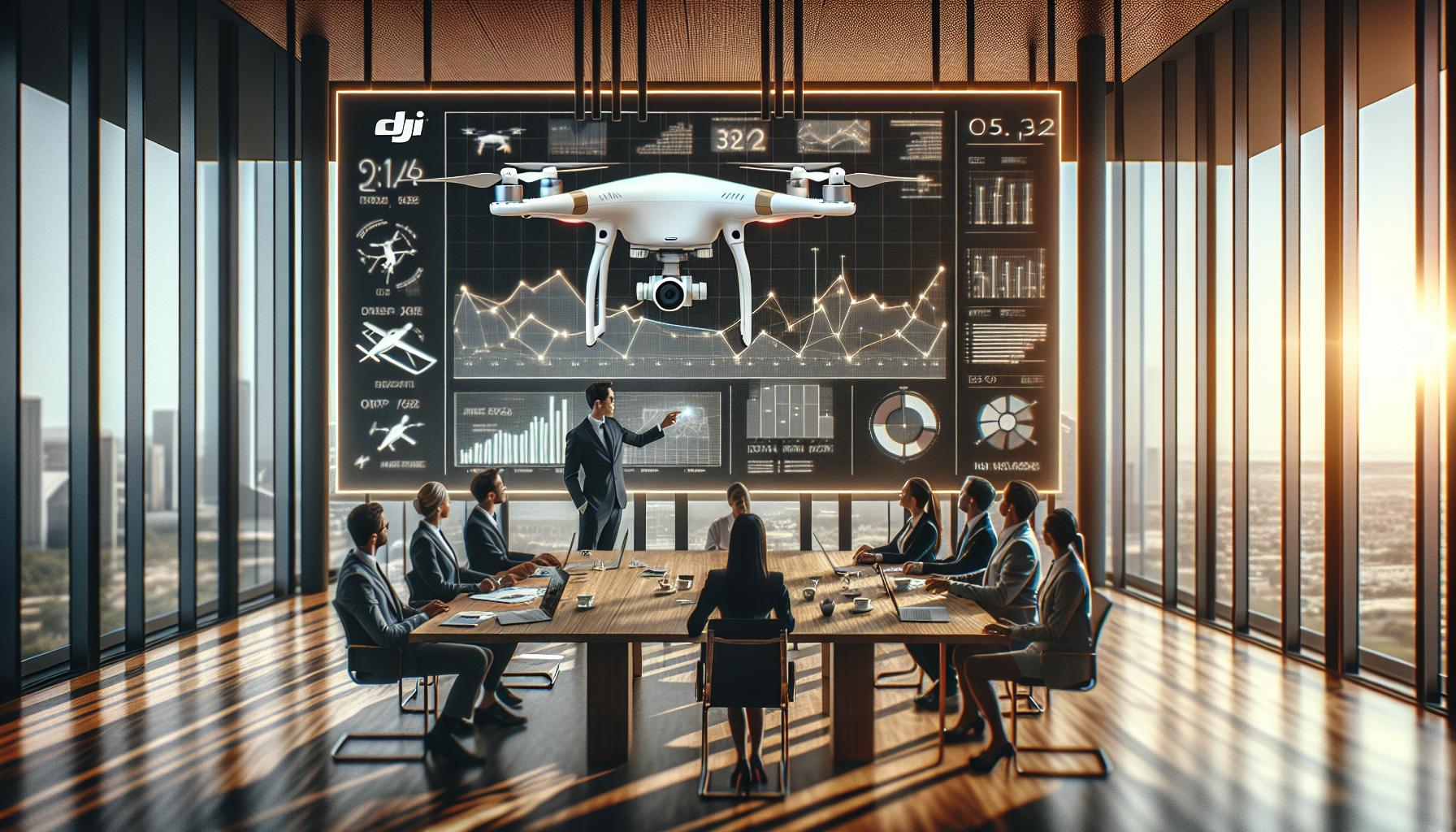
Potential Economic Effects on Drone Manufacturers
The prospect of a ban on DJI drones could send shockwaves through the entire drone manufacturing ecosystem, reshaping market dynamics in profound ways. DJI holds a significant share of the global drone market, and its absence could create an immediate void that other manufacturers may struggle to fill. If DJI’s popular models, such as the Mavic or Mini series, were to be removed from the market, both established and emerging drone manufacturers would need to rethink their product offerings and marketing strategies to attract DJI’s loyal customer base.
Primarily, smaller manufacturers and startups could be placed at a disadvantage. Many of these companies lack the extensive resources, brand recognition, and distribution channels that established players like DJI have cultivated over the years. As a result, they may find it challenging to compete effectively, potentially leading to a temporary decrease in the quality and diversity of available drone options. This could discourage potential customers from entering the market, exacerbating the economic impact on manufacturers reliant on consumer interest and innovation in drone technology.
Moreover, the loss of a major player such as DJI may drive some brands to innovate rapidly in an attempt to capture market share. This could lead to increased R&D investments and a surge of new, competitive products. For instance, manufacturers like Parrot or Autel Robotics could emerge as key players by enhancing their existing models or developing next-gen drones that surpass the capabilities of current offerings. The innovation sparked by the necessity to fill the gap left by DJI could positively affect the drone sector in the long term, fostering a more vibrant and competitive market environment.
Economic Ripple Effects
The economic implications of a DJI ban extend beyond direct competitors. Parts suppliers, retailers, and service providers who thrive on the DJI ecosystem could also experience significant declines in revenue. A reduction in DJI products on the shelves would lead to diminished sales for retailers, affecting everything from drone accessories to repair services. Consequently, a vibrant ecosystem surrounding DJI drones could shrink, limiting opportunities for new entrants and impeding overall growth in the industry.
In conclusion, while a ban on DJI drones could lead to an immediate downturn in the drone manufacturing sector, it may also pave the way for innovation and increased competition. As manufacturers seek to adapt to the changing landscape, the emphasis on developing high-quality, user-friendly, and technologically advanced drones could ultimately benefit the industry and consumers alike, ushering in a new era of drone technology.
Impact on Drone Enthusiasts and Hobbyists
The potential ban on DJI drones represents not just a regulatory hurdle, but a shift that might deeply impact the community of drone enthusiasts and hobbyists. For many, DJI drones like the Mavic and Mini series are not merely tools, but gateways to creativity and exploration, allowing users to capture breathtaking aerial footage, engage in exhilarating flight experiences, and delve into the rapidly evolving field of drone technology. The loss of these popular models could disrupt workflows and limit the artistic and recreational avenues that enthusiasts currently enjoy.
Hobbyists may find themselves at a crossroads. With DJI’s cutting-edge features such as obstacle avoidance, advanced flight modes, and user-friendly app interfaces, many users have become accustomed to a higher standard of performance and ease of use. Should these drones be removed from the market, users may have to adjust to alternatives that may not offer the same level of sophistication. This transition could be challenging, especially for beginners who rely on the intuitive nature of DJI’s products to develop their flying skills. Aspiring aerial photographers and videographers might find it more difficult to achieve the quality of work they could accomplish with DJI drones, possibly leading to frustration and a steeper learning curve with less user-friendly alternatives.
Moreover, the loss of DJI drones could ripple through the community as users express their sentiments in forums and social media platforms. Hobbyist groups thrive on shared experiences, tips, and the spirit of camaraderie fostered by the collective use of these drones. The absence of DJI products might dilute this community experience, as users turn to other brands that may not yet have established a similar support network or culture around them. Nevertheless, this challenging landscape may also fuel innovation, with manufacturers pivoting to fill the gap left by DJI and introducing their unique features and user experiences.
One potential silver lining could be an increase in interest toward DIY drone building and customization. With a shift away from DJI products, enthusiasts might explore kits and alternative brands, experimenting with different configurations tailored to their specific needs. This could lead to a renaissance of creativity and technical skill development within the hobby, empowering users to expand their capabilities and understanding of drone mechanics.
Overall, while the implications of a DJI ban loom large over the drone enthusiast community, it may also usher in opportunities for growth, learning, and the exploration of new avenues within the hobbyist landscape. Adapting to a new era of drone technology will challenge existing paradigms, but it can also invigorate creativity and innovation among dedicated pilots.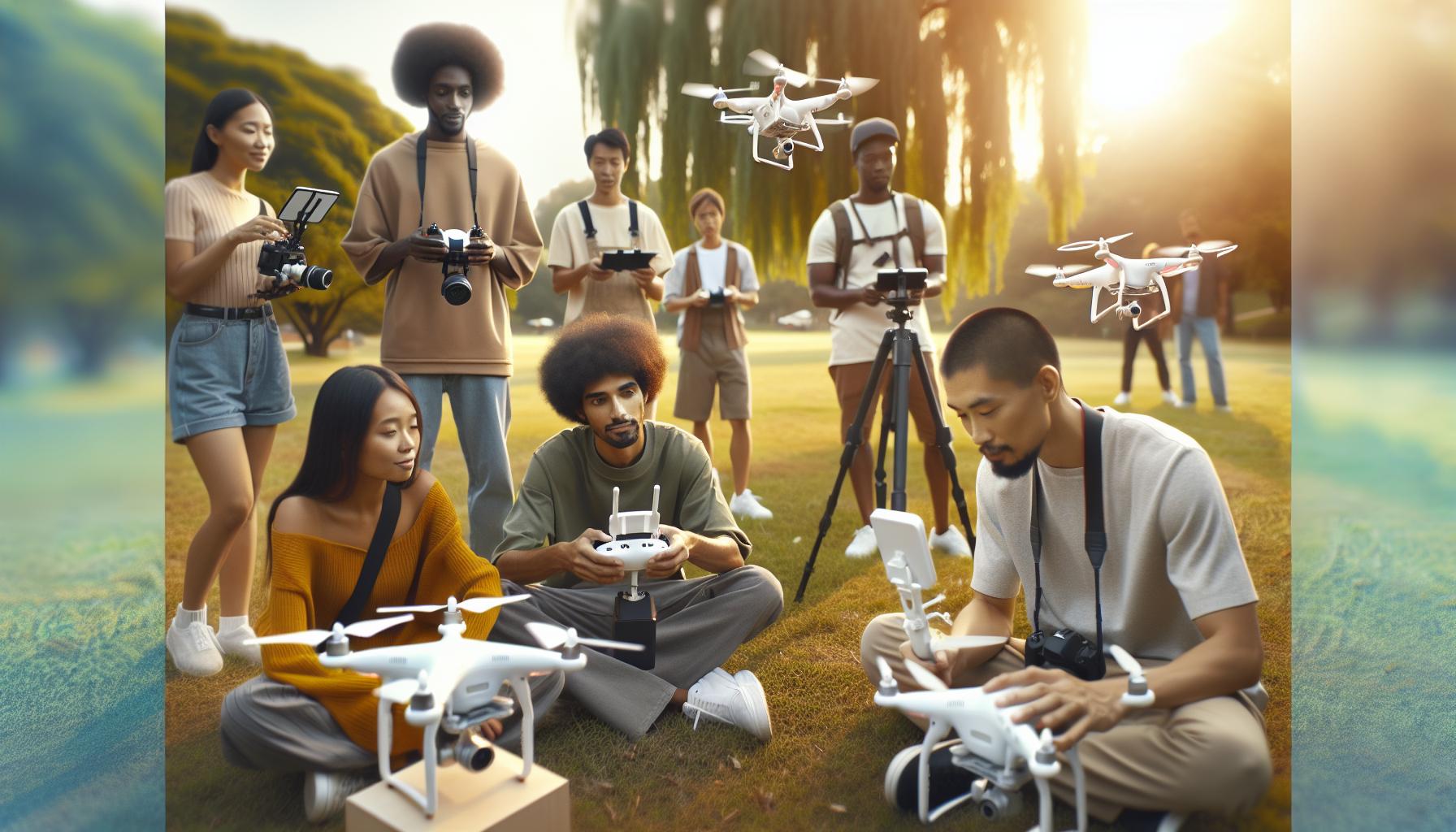
Changes to Regulatory Environments for Drone Operations
The landscape of drone operations is set to undergo significant changes if DJI drones are banned, affecting regulatory environments worldwide. Regulations are typically shaped by technological developments, and with DJI’s market exit, authorities will need to reassess existing frameworks designed around popular models known for their reliability and compliance with safety standards. This circumstance creates an opportunity for regulators to tighten requirements, ensuring that alternatives meet rigorous safety, privacy, and operational conditions.
In regions currently leveraging DJI products, local laws requiring registration, operational permissions, or compliance with no-fly zones might be scrutinized. As new players emerge, regulators may establish more defined categories for drone classifications based on capabilities and use cases, catering to a diversified market. This move could lead to the implementation of standardized testing for all drone manufacturers, ensuring that even lesser-known brands comply with heightened safety protocols.
Moreover, if the ban prompts an increase in home-built or custom drones, regulators might introduce guidelines specific to DIY drone construction and operation, emphasizing safe practices and technical know-how. This could foster a more engaged community of pilots who are not only users but also builders and innovators. The establishment of comprehensive guidelines will be critical to mitigating risks associated with untested drones flooding the market.
Ultimately, the pivot away from DJI could stimulate regulatory bodies to combine best practices from various nations, fostering a more unified approach to drone legislation globally. Enhanced collaboration among regulatory agencies may facilitate a faster adaptation to emerging technologies, paving the way for safer and more innovative drone operations while ensuring public confidence in drone technology as a whole.
Alternatives to DJI Drones: What Are Your Options?
As the drone industry braces for potential changes in the wake of a ban on DJI products, a diverse landscape of alternatives is emerging. Whether you are a seasoned pilot or just starting out, exploring options beyond DJI can uncover various possibilities that align with your needs, budget, and specific use cases.
Several reputable manufacturers produce drones that cater to different niches. For example, Autel Robotics offers models like the Autel EVO Lite and EVO Lite+, which are praised for their robust imaging capabilities and flight performance. The EVO series features impressive camera specs and user-friendly software, making them ideal for both photographers and videographers. Parrot, particularly known for its ANAFI series, has gained traction with its portability and unique 180-degree gimbal, allowing for versatile shooting angles.
Choosing the Right Alternative
When considering alternatives, it’s essential to assess the primary functions you require from your drone:
- Aerial Photography and Cinematography: Look for drones with high-resolution cameras and advanced stabilization features. Models such as the Skydio 2 excel in autonomous tracking and obstacle avoidance, ideal for capturing dynamic scenes.
- Racing and Freestyle: If you seek adrenaline and agility, look into racing drones like those from Fat Shark or Walkera, which provide the speed and responsiveness needed for competitive flying.
- Mapping and Surveying: For professional applications, consider drones offered by senseFly or DroneDeploy that provide specialized features for geospatial data collection.
Additionally, newcomers might explore the growing range of DIY or modular drones. Platforms such as the DJI Mini SE have encouraged a culture of customization; however, in its absence, enthusiasts can engage in building drones using kits from brands like Kittyhawk or 3DR, which not only enhance technical skills but also offer tailored flight performance.
Incorporating these alternatives into your flying repertoire can expand the boundaries of your aerial capabilities without relying solely on DJI. As the market diversifies, embracing these options can lead to innovative uses in both personal and professional contexts, strengthening the community of drone operators around the world.
Effects on Drone Security and Privacy Concerns
The potential ban on DJI drones raises significant concerns regarding security and privacy that are pertinent to both manufacturers and consumers. As DJI has become a leading player in the drone market, its technology is deeply integrated into various applications, including surveillance, photography, and even mapping. This reliance makes the implications of a ban particularly profound; any disruption could lead to heightened security vulnerabilities and increased risk of privacy breaches, primarily among state and enterprise users who utilize these drones for sensitive operations.
A primary concern revolves around the data that drones collect. DJI drones regularly capture high-resolution imagery, spatial data, and potentially sensitive information while flying. Should alternatives not replicate DJI’s cybersecurity standards, the risk of data leaks could escalate. For instance, if manufacturers of alternative drones do not implement robust encryption measures, this could create openings for unauthorized access to collected data, thereby endangering users’ privacy and possibly national security. Additionally, with different manufacturers adhering to varying security protocols, users may find themselves in a quagmire of compliance challenges, needing to constantly assess which products safeguard their data adequately.
Moreover, transitioning away from a dominant player like DJI may lead to a fragmented market where the lack of standardized security measures could expose users to additional risks. In attempting to fill the gap left by DJI, new companies could prioritize rapid development over security features, unintentionally sacrificing user safety for market share. This scenario demands vigilance from consumers to validate the security practices of new drone manufacturers. Enhanced education on data privacy and security should become a priority for both users and regulators to mitigate potential adverse effects on security that potentially arise from this transitional period.
As users seek alternatives, they also need to be cognizant of the importance of reviewing the privacy policies and data handling practices of new drone manufacturers. Greater scrutiny towards these factors will empower consumers to make informed decisions, ensuring they choose drones that not only meet their operational needs but also uphold the necessary standards for data protection and privacy in an increasingly digitized landscape.
Future of Drone Technology Without DJI
The possible ban on DJI drones could usher in a transformative phase within the drone technology landscape, challenging existing paradigms and encouraging innovation. As DJI has set a high bar in commercial and consumer drone capabilities, including exceptional flight stability, camera performance, and intuitive software, its absence may lead to an innovation vacuum, ripe for disruption. Upcoming manufacturers would need to step up their game to fill this void, offering alternative drones that not only equal but potentially surpass DJI’s impressive technology and user experience.
In the wake of a ban, we could see a burgeoning of startups and established companies diversifying into the drone market. These entities might leverage advanced technologies-like artificial intelligence, enhanced battery life, and better user interfaces-to redefine what consumers can expect from drone operations. Companies specializing in niche applications, such as agricultural drones or drones for industrial inspections, may proliferate as they capitalize on market demand. The transition would also drive a renewed focus on open-source software solutions that encourage community-driven advancements, fostering a collaborative environment for drone enthusiasts and developers alike.
However, this shift is not without its challenges. The establishment of a saturated market could lead to fragmentation, where different brands utilize varying technology standards. This situation might complicate matters for consumers who rely on interoperability and consistency in their drone experiences. As a measure of resilience, manufacturers should prioritize user education on their products while ensuring robust support systems, addressing quality and reliability concerns that have characterized some emerging brands.
Moreover, regulatory frameworks may evolve in response to a ban, as governments will likely notice protective gaps within the drone ecosystem. Stricter regulations potentially aimed at enhancing security and safety may emerge, impacting how drones are developed, marketed, and operated. The industry’s response to regulatory changes would fundamentally shape the evolution of drone technology, compelling manufacturers to remain compliant while still pushing the envelope of innovation. In essence, though the void left by DJI could present hurdles, it could equally serve as a launchpad for a new era of drone capabilities, fostering a competitive and highly innovative market landscape.
Consumer Sentiment: How Will It Affect Purchases?
The potential ban on DJI drones presents a unique crossroads for consumer sentiment that could fundamentally reshape purchasing behavior in the drone market. DJI has established its dominance through high-quality products characterized by remarkable engineering, user-friendly interfaces, and a robust ecosystem of accessories and software. The sudden absence of such a reliable brand could instigate both anxiety and opportunity among consumers.
Many drone enthusiasts and professionals have built their workflows and recreational activities around DJI’s technology. With the brand’s reputation for innovation, reliability, and extensive after-sales support, consumers might find themselves hesitant to switch to alternatives, as the fear of sacrificing performance and service looms large. However, this environment could also lead to a burgeoning interest in competing brands, as consumers become more motivated to explore new options. The key factors influencing purchasing decisions may include brand trust, product specifications, customer support, and community feedback.
Shifting Brand Loyalty
Given DJI’s significant market presence, consumer loyalty is profoundly entrenched. A ban may trigger a reassessment of brand loyalty as consumers seek substitutes. They might gravitate toward brands that offer comparable or superior technology and assurance of quality. Emerging brands will need to engage heavily in marketing strategies that highlight their unique selling propositions and establish credibility within the community. Potential buyers will likely research alternatives more diligently and may even prioritize brands that emphasize transparency in manufacturing and customer service.
Moreover, as the drone community evolves, word-of-mouth recommendations and reviews will play an increasingly vital role in shaping consumer sentiment. Potential buyers will look to forums, social media, and influencer feedback to guide their decisions. Engaging in dialogue around security, performance, and user experiences will be crucial to swaying opinions. Companies that actively seek to connect with their audience through honest communication and responsive customer service will likely garner greater traction in a post-DJI landscape.
Economic Considerations
Price sensitivity will also likely influence consumer behavior as potential buyers weigh the cost-benefit of alternatives to DJI. In a rapidly shifting economic environment, consumers may opt for lower-priced drones if they perceive that the ban negates the reliability offered by DJI. Conversely, high-end alternatives that promise durability and superior features might entice professionals willing to invest more, seeking assurance against obsolescence.
In summary, the implications of a ban on DJI drones could foster an environment of both uncertainty and exploration. As consumers reconsider their options, the drone market could experience a significant shift in brand dynamics, purchasing criteria, and overall consumer engagement. Understanding these nuances will be vital for both manufacturers positioning their products and consumers making informed decisions in an evolving landscape.
Legal Ramifications: What Happens Next?
A potential ban on DJI drones could revolutionize the legal landscape surrounding drone operations, prompting a reevaluation of existing regulations and the need for new legislative measures. If such a ban were to be implemented, it would not only affect consumers and manufacturers but also create a ripple effect in the regulatory frameworks that govern drone usage. The complexities involved in legislation would necessitate considerable attention from policymakers, stakeholders, and legal experts alike.
First, existing drone regulations typically include guidelines on privacy, safety, and operational standards. A ban on DJI products could instigate a thorough review of these regulations, as authorities may feel pressured to respond to public concerns regarding issues like privacy intrusion and data security. For instance, if alternatives do not meet the same safety standards, this could lead regulators to adopt stricter controls across all drone types, driving the conversation toward comprehensive drone governance.
Moreover, the implications for data collection and management are particularly pronounced. DJI drones are widely used for both commercial and recreational purposes, often involving sensitive data capture-be it for mapping, surveying, or filming. The absence of DJI might necessitate the creation of new legal frameworks addressing how data collected by drones is handled, particularly in sectors like agriculture, real estate, and environmental monitoring. This could include detailed guidelines on data ownership, rights to privacy, and the ethical use of drone footage.
Lastly, legal ramifications could extend internationally. Given DJI’s presence in global markets, a ban in one region might provoke responses in others, resulting in a fragmented international drone ecosystem. Countries could enact varying regulations that complicate the ability of commercial entities to operate across borders. Those in the drone industry must stay informed about legal changes and potential shifts in international trade dynamics, ensuring compliance and adaptation to a new regulatory environment.
Overall, the legal landscape following a DJI drone ban would bring numerous challenges and considerations, highlighting the urgent need for updated regulations that reflect the evolving nature of drone technology and its ubiquitous role in modern society.
Predictions for the Global Drone Market Post-Ban
A ban on DJI drones could dramatically reshape the global drone market, sparking both challenges and opportunities for stakeholders across the industry. As one of the leading manufacturers, DJI has played a pivotal role in establishing drone technology standards, so its absence would not go unnoticed. Companies would likely scramble to fill the gap left by DJI, potentially leading to heightened competition and innovation as other brands seek to capture the substantial market share DJI currently holds.
Emerging drone manufacturers could see increased demand as consumers and businesses search for reliable alternatives. This shift might encourage existing players like Parrot, Skydio, and Autel to enhance their offerings, focusing on improving features such as flight stability, camera quality, and autonomous capabilities. As competitors adapt, we may witness a wave of innovation that not only improves drone technology but also diversifies the market, leading to a broader range of options for users. However, this transition could also lead to a temporary supply chain disruption as companies adjust to the heightened competition and customer expectations.
Moreover, the regulatory landscape surrounding drone use may evolve in response to a potential ban. Governments may implement new guidelines for non-DJI drones, aiming to maintain safety and privacy standards. These regulatory changes could foster a more organized market environment, possibly increasing consumer confidence in alternative brands. Data security concerns, which have been a significant issue with DJI drones, could prompt manufacturers to prioritize transparency in data management, creating a foundation for better trust between users and their devices.
In summary, the potential ban of DJI drones could lead to a more competitive and innovative global drone market. While challenges will arise during the transition, particularly for users accustomed to DJI’s robust ecosystem, the resulting diversity in products and standards may ultimately enhance the drone flying experience. Whether for commercial uses such as mapping and surveying or recreational flying, this period of evolution could lay the groundwork for the next generation of drones, benefiting enthusiasts and professionals alike.
How a Ban Could Alter Drone Innovation and Development
The absence of DJI drones in the market would inevitably catalyze a wave of innovation among existing and emerging drone manufacturers. With DJI’s established presence often setting benchmarks for quality, reliability, and technology, its exit would create a fertile ground for competitors to rethink their strategies and enhance their offerings. Companies such as Parrot, Skydio, and Autel could seize the moment to innovate more aggressively, leading to advancement in critical areas including flight stability, camera capabilities, and automation. This could manifest through improved algorithms for obstacle avoidance, better battery efficiency options, and higher-resolution imaging systems, which are all features that can greatly enhance user experience across various applications, whether for commercial or recreational use.
Encouraging a Diverse Range of Options
In a market landscape stripped of DJI dominance, the push for diversity could ignite a renaissance of smaller players keen to distinguish themselves from the pack. Startups and niche manufacturers might explore unique drone functionalities, such as enhanced ruggedness for extreme environments or specialized drones for agriculture and inspection tasks. The growing need for tailored drones could lead to innovations in areas like modular design, enabling users to customize their drones according to specific needs, whether it’s for carrying specific sensors or storage options.
Moreover, this competitive environment may signal a shift towards open-source technology solutions, as manufacturers strive to create cost-effective alternatives that remain aligned with consumer demands. Increased transparency and cooperation among manufacturers could spur collaborative innovation efforts, enabling the sharing of best practices and technological advancements.
Driving Regulatory Compliance and Security Enhancements
The potential vacuum left by DJI could also prompt a re-evaluation of regulatory frameworks surrounding drone use. As other manufacturers vie for user trust, they may prioritize data security and compliance with privacy standards, seeking to differentiate themselves on the basis of ethical practices. This would not only protect user data but also cultivate consumer confidence in non-DJI brands, as customers become more discerning about the privacy implications of their devices.
In essence, while the departure of DJI from the drone industry presents significant challenges, it also paves the way for a more competitive landscape that fosters innovation, regulatory advancements, and a broader spectrum of choices for users. The ripple effects of such a change could inject new life into drone technology, ultimately benefiting a diverse range of operators-from rigorous commercial entities to casual hobbyists.
Frequently asked questions
Q: What are the potential consequences for DJI users if the company is banned?
A: If DJI is banned, users may face restrictions on the use of their drones, limited access to firmware updates, and potential loss of customer support. Existing devices might become less functional due to lack of software compatibility, impacting both recreational and commercial drone operations.
Q: How might a DJI ban affect the global drone market?
A: A ban on DJI could disrupt the global drone market by creating a void that competitors might fill, potentially leading to increased innovation from alternate brands. This shift could also encourage the development of new regulations as governments seek to stabilize the market and ensure safety.
Q: What are the alternatives to DJI drones if they are banned?
A: Alternatives include brands like Autel Robotics, Parrot, and Skydio. These companies offer drones with various features suitable for both enthusiasts and professionals. Researching these options can help find models that meet similar needs as DJI products, ensuring continued drone use post-ban.
Q: How would a DJI ban impact the regulatory landscape for drones?
A: A DJI ban may lead to stricter regulations for other drone manufacturers as governments aim to maintain safety standards in the absence of DJI’s established protocols. This could also change how drones are registered and operated, possibly affecting users’ legal obligations.
Q: What economic impacts could a DJI ban have on the drone industry?
A: Economically, a DJI ban could result in significant job losses in manufacturing and retail sectors reliant on DJI products. Additionally, reduced competition might lead to higher prices and decreased innovation, negatively impacting consumers and businesses invested in drone technology.
Q: Will consumers’ perception of drone safety and privacy change if DJI is banned?
A: Yes, consumers may perceive higher risks in drone safety and privacy without DJI’s established market presence. Increased scrutiny on other drone manufacturers may lead to heightened concerns over data security and operational safety, shaping future purchasing decisions.
Q: How can drone enthusiasts adapt if DJI is no longer available?
A: Drone enthusiasts can adapt by exploring alternative brands and models that suit their needs. Engaging in community forums, attending workshops, and utilizing online resources can help them gain knowledge about new technologies and maintain their flying experience post-DJI.
Q: What should businesses do to prepare for a potential ban on DJI drones?
A: Businesses reliant on DJI drones should start researching alternative drone technologies to ensure seamless transitions. They should also evaluate their operational processes and consider diversifying their drone fleet to mitigate risks associated with a potential DJI ban.
To Conclude
As the landscape around DJI drones evolves, understanding the implications of a potential ban is crucial for any drone enthusiast or operator. The key takeaways from our analysis emphasize the need to stay informed and proactive in navigating regulatory challenges. If you’re concerned about how such developments might affect your flying experience, now is the time to explore our comprehensive guides on drone compliance and flight safety to ensure you’re prepared for any scenario.
We encourage you to dive deeper into related topics such as “Essential Drone Safety Procedures” and “Navigating Drone Regulations Worldwide” to equip yourself with the knowledge needed to fly confidently. Don’t forget to subscribe to our newsletter for the latest updates on drone technology and industry news, directly to your inbox. Stay engaged, share your thoughts or experiences in the comments below, and keep inspiring others in the drone community. Remember, being informed is your best strategy in the face of uncertainty!