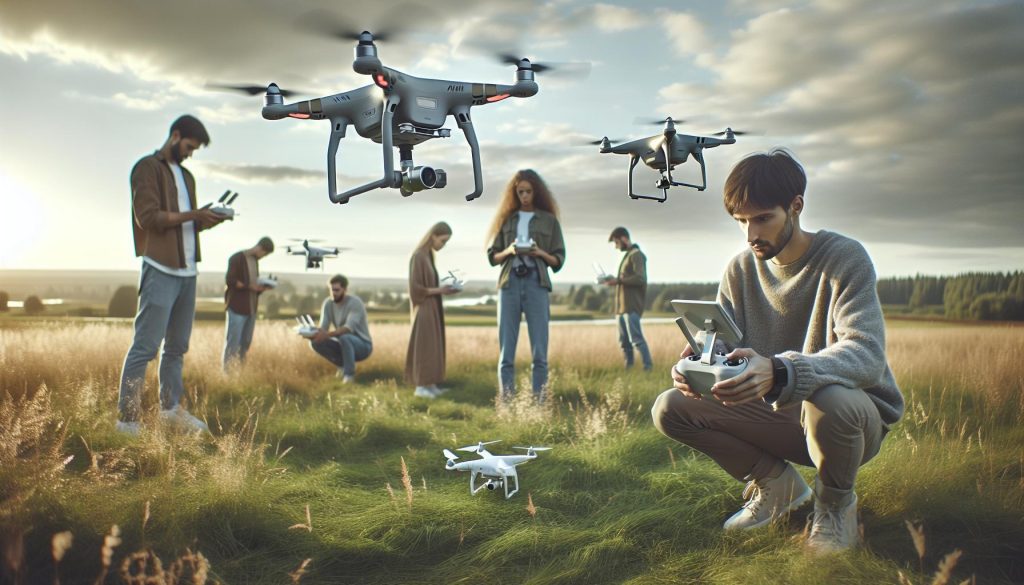
In an age where capturing stunning aerial footage has never been easier, the “Follow Me” feature on DJI drones is a game-changer for hobbyists and professionals alike. With technologies like GPS and computer vision, this feature allows drones to autonomously track and follow you, freeing your hands to focus on what matters most-creating breathtaking content. Whether you’re a budding filmmaker, an adventure seeker, or simply looking to capture dynamic moments with friends, understanding which DJI models offer this intuitive ActiveTrack capability is essential. As you explore this guide, you’ll uncover the top DJI drones equipped with Follow Me technology, along with tips on maximizing your flying experience. Dive in to discover how these remarkable tools can elevate your aerial photography and videography to new heights!
Understanding the ActiveTrack Feature in DJI Drones
ActiveTrack is a groundbreaking feature in DJI drones, revolutionizing how aerial photography and videography are approached. This intelligent tracking system utilizes advanced computer vision algorithms and GPS data to autonomously follow and capture subjects while navigating obstacles and maintaining a stable frame. By relying on both the drone’s onboard camera and smart technology, pilots can easily film dynamic movements without the constant need for manual adjustments, allowing for creative, cinematic shots that were once challenging to achieve.
The power of ActiveTrack lies in its ability to recognize and follow various subjects, including people, vehicles, and animals, making it a versatile tool for content creators of all kinds. It operates in several modes, such as Follow Me, which focuses on stationary targets, and Profile, which captures a side view of a moving subject. Understanding the various features within ActiveTrack can empower pilots to harness its full potential, enhancing their workflow and allowing for stunning footage that captures the action without sacrificing quality or perspective.
To make the most of ActiveTrack, users should ensure that their drone firmware is up-to-date, as DJI frequently releases updates to enhance performance and correct issues. Optimal conditions for using ActiveTrack include well-lit environments with distinct subjects and minimal interference, ensuring that the drone can accurately identify and follow the desired target. Additionally, retaining a sufficient distance between the drone and the subject can prevent obstacles from becoming an issue while still achieving impressive results.
How to Activate Follow Me Mode
Activating the Follow Me mode on your DJI drone opens up a world of creative possibilities, allowing you to effortlessly capture dynamic footage as it tracks you or your chosen subject. This feature harnesses the power of advanced algorithms and GPS to enable your drone to autonomously follow and film without needing constant manual control. Here’s how to easily set it up, so you can start shooting captivating aerial videos.
First, ensure that your drone is properly set up and connected to the DJI Fly app on your mobile device. Once you’re in the air and ready to capture your adventures, start by selecting the FocusTrack option from the app’s control interface. This will present you with three options: ActiveTrack, Spotlight, and Point of Interest. Choose ActiveTrack to continue.
Next, you’ll need to select your subject. You can do this by simply tapping on the object or person you wish to track on your screen-the drone will recognize it and display a bounding box around it. Depending on the emphasis you want for your footage, you may want to adjust the tracking mode between Trace and Parallel. Trace allows the drone to follow behind or in front of your subject, while Parallel keeps the drone at a side angle, maintaining a constant distance. After selecting your desired mode, press the GO button to activate the Follow Me function.
Keep in mind that while in Follow Me mode, it’s crucial to monitor the drone’s environment. Ensure that the area is free of obstacles, as the drone will adjust its path based on the tracking conditions. Additionally, regular firmware updates are essential for optimal performance, ensuring that any known issues are addressed and that your drone has the latest improvements and safety features.
By following these simple steps, you can activate the Follow Me mode on your DJI drone, making your footage dynamic and engaging-from mountain biking journeys to scenic runs on the beach, capturing every moment has never been easier.
DJI Drone Models with ActiveTrack Capability
The ability to seamlessly capture breathtaking footage while on the move has become a sought-after feature among drone enthusiasts, and DJI has mastered this with their ActiveTrack technology. Several DJI models are equipped with this advanced feature, allowing you to follow subjects effortlessly-whether it’s a cyclist winding through a forest trail or a family gathering on a beach. Identifying which models boast the ActiveTrack capability can significantly enhance your aerial photography and videography experience.
Supported DJI Drone Models
Many of DJI’s popular drone series include ActiveTrack functionality. Below is a selection of models with this capability:
- Mavic Series:
- Mavic 2 Pro – Known for its superior camera quality and ability to shoot 4K video while tracking.
- Mavic Air 2 – Offers impressive tracking modes and enhanced obstacle avoidance features.
- Mavic Mini 3 Pro – A lightweight model that supports ActiveTrack, making it ideal for outdoor adventures.
- Phantom Series:
- Phantom 4 Pro – Features advanced tracking supported by robust flight performance.
- Phantom 4 RTK – Tailored for professional mapping and surveying, but retains impressive tracking capabilities.
- Air Series:
- Air 2S – Combines powerful tracking functions with a high-quality camera for stunning footage.
- Avata:
- Offers a unique FPV (first-person view) flying experience with ActiveTrack to follow fast-moving subjects.
These models vary in terms of camera specifications, flight time, and advanced features, yet they universally allow drone pilots to take advantage of the ActiveTrack mode for dynamic shot composition. When choosing your drone, consider what type of shooting you’ll be doing-whether scenic landscapes, sports, or personal projects-as different models excel in various environments and applications.
Implementing ActiveTrack in your flights can elevate your drone piloting skills and expand your creative possibilities, making it easier to capture action-packed or spontaneous moments without the burden of manual controls.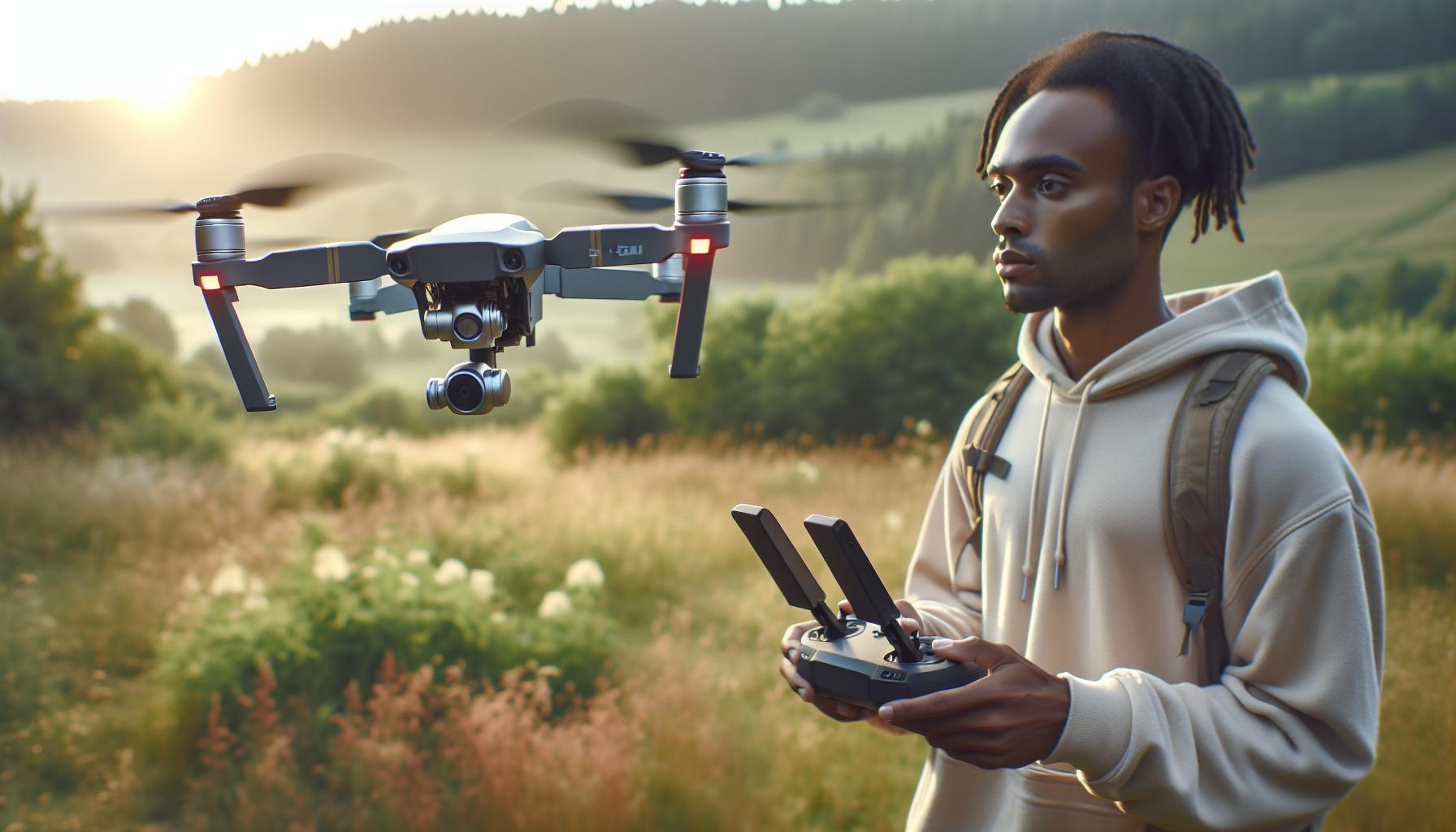
Comparing ActiveTrack Versions Across DJI Models
The evolution of ActiveTrack in DJI drones marks a remarkable advancement in how filmmakers and aerial photographers capture dynamic scenes. With each new model, DJI enhances the ActiveTrack feature, introducing users to various tracking options that cater to different filming needs. This progression is evident when comparing versions across popular series such as the Mavic, Phantom, Air, and Avata.
For example, the Mavic series, particularly the Mavic 3 and Mavic Mini 3 Pro, includes the latest ActiveTrack 5.0. This state-of-the-art system allows for more accurate recognition of subjects, even in complex environments. It intelligently predicts movements, adapting its flight path to keep subjects perfectly centered in the frame. Users benefit from enhanced obstacle avoidance capabilities, allowing smoother tracking in challenging terrains.
In contrast, older models like the Mavic 2 Pro utilize an earlier version, ActiveTrack 2.0, which still offers impressive features but can struggle with rapid movements or intricate backgrounds. Phantom series drones, such as the Phantom 4 Pro, utilize a hybrid ActiveTrack system that integrates both camera and obstacle sensing to maintain focus on subjects effectively. While not as advanced as current models, it remains a reliable option for those prioritizing stability in aerial shots.
Each drone’s capabilities hinge not just on the ActiveTrack version but also on the integration with other technologies such as obstacle avoidance sensors and camera specs. Therefore, selecting the right model depends on specific requirements-whether chasing fast-moving subjects like athletes or capturing serene landscapes. Understanding these nuances can significantly impact the quality and creativity of aerial footage, empowering pilots to craft compelling stories through their lens.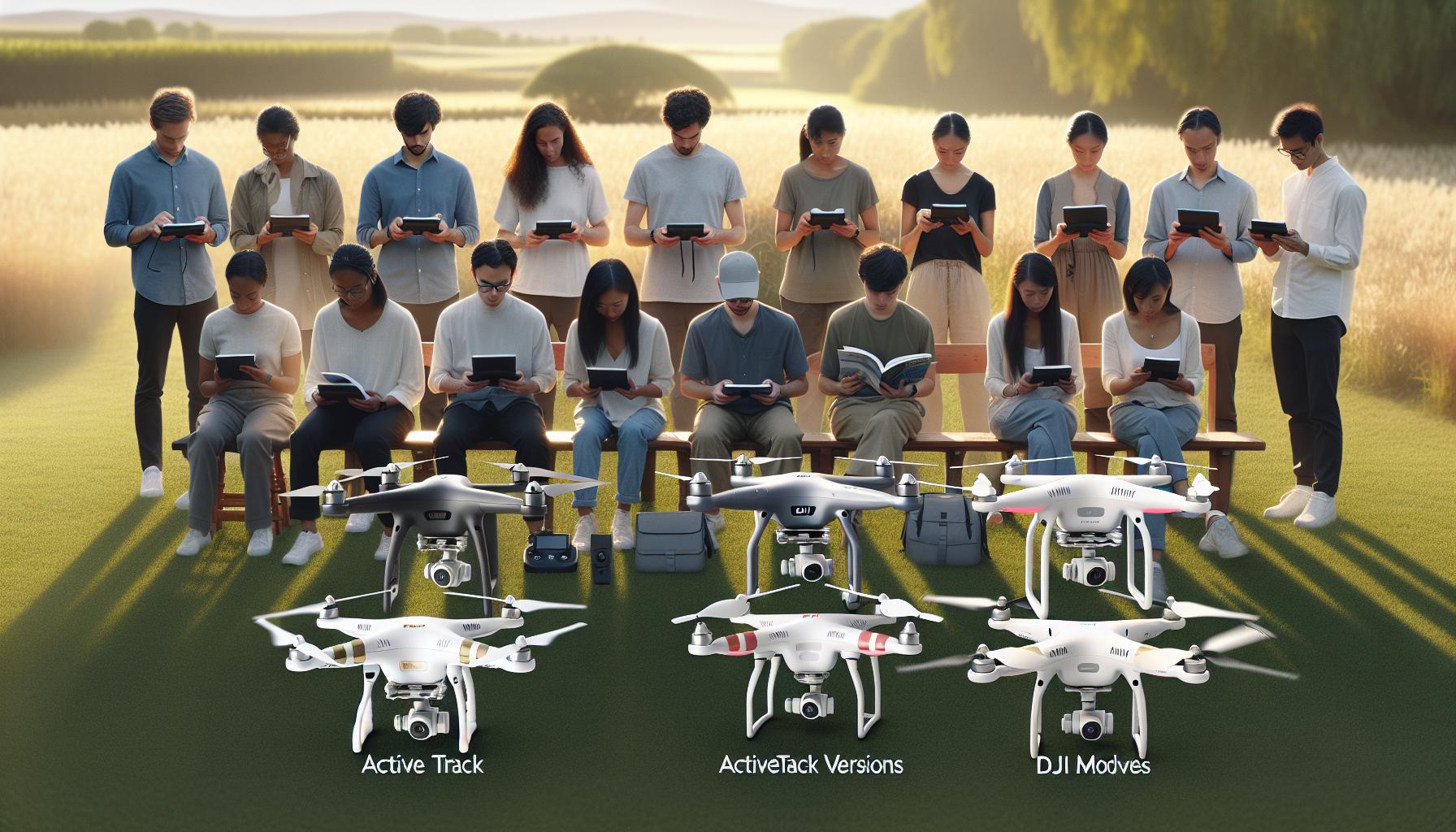
Best Practices for Using Follow Me Mode
Utilizing the Follow Me mode on DJI drones is an exciting way to capture dynamic shots of moving subjects, making it essential to understand some best practices to optimize your experience. One important aspect is to ensure that the subject you wish to track is easily distinguishable. ActiveTrack relies on recognizing a target, so wearing bright colors or using identifiable markings can be advantageous. Additionally, always position yourself in an open area with minimal obstacles; this not only improves tracking reliability but also enhances safety while flying.
When setting up for Follow Me, familiarize yourself with the different tracking modes available-these can range from following directly behind or in front to maintaining a side view. For instance, by selecting the Parallel mode for tracking, your drone can maintain a constant angle, allowing you to capture more compelling side shots. Remember to adjust the drone’s altitude and distance according to the environment to prevent any collisions while still providing an aesthetically pleasing frame.
It is also crucial to maintain a good GPS signal. Strong satellite connectivity is vital for the drone’s ability to lock onto the subject and maintain smooth tracking. Before you fly, it’s wise to take a moment and check the drone’s connection status. If you’re recording a fast-paced scene, such as a mountain bike ride or a skateboard trick, consider using the Slow tracking speed option to ensure the drone tracks without jerking or losing focus.
Lastly, always be prepared to take control. Even with advanced ActiveTrack capabilities, environmental factors like sudden changes in terrain, obstacles, or unexpected movements from the subject can disrupt tracking. Being ready to switch to manual control allows you to handle any situation that may arise, ensuring you capture the desired footage without losing the flow of your activity. Take time to experiment with these tips to discover what works best for your style and ensure that your aerial footage stands out.
Common Issues with ActiveTrack and Their Fixes
ActiveTrack is a powerful feature in DJI drones that allows for impressive tracking of subjects while capturing dynamic footage. However, users may encounter certain challenges while utilizing this feature. Understanding these common issues can significantly enhance your flying experience and result in more polished video captures.
GPS Signal Loss
One of the primary challenges when using ActiveTrack is the loss of GPS signal, which is crucial for the drone to lock onto and follow the subject. Weak GPS can cause the drone to lose track of the subject unexpectedly. To minimize this issue, ensure you fly in open areas with minimal obstruction, and verify your GPS status before takeoff. If you find yourself in a situation with a weak signal, consider switching to another flight mode that doesn’t rely on GPS, or pilot the drone manually until a stable signal is regained.
Obstacles & Environmental Changes
Another common issue relates to obstacles in the flight path, which can interfere with the ActiveTrack capabilities. The drone’s sensors may detect an obstacle, causing it to halt or make sudden corrective maneuvers, thus breaking the tracking lock. To prevent this, maintain a clear line of sight between the drone and the subject and encourage tracking in wide-open spaces. If sudden changes in the environment, such as unexpected terrain features or foliage, complicate the situation, be prepared to manually control the drone or adjust the tracking distance and altitude settings accordingly.
Inconsistent Tracking Performance
Users may also notice inconsistent tracking performance due to variations in lighting conditions or the subject’s speed. For instance, low light might hinder the drone’s ability to properly recognize and track the subject. In bright conditions, high-speed movement can make it difficult for the drone to maintain a steady track. To combat these issues, try to shoot during optimal light conditions and select the appropriate tracking speed mode for your activity. Slowing down the tracking speed can help maintain focus and minimize jerky movements for fast-paced subjects.
Firmware Updates & Calibration
Lastly, failing to regularly update your drone’s firmware can lead to performance concerns with ActiveTrack. New updates often include crucial bug fixes and enhancements in tracking algorithms. Regularly check for firmware updates within the DJI app, and ensure to recalibrate your sensors as recommended by the manufacturer. A well-calibrated drone is more likely to perform reliably in ActiveTrack mode, giving you peace of mind during your flights.
By being mindful of these common ActiveTrack issues and implementing the suggested fixes, you can make the most out of your DJI drone’s tracking functionality, resulting in stunning aerial footage and successful capturing of action-packed moments.
Enhancing ActiveTrack Performance with Accessories
Enhancing the ActiveTrack feature on DJI drones can significantly elevate your aerial footage, turning ordinary shots into visually stunning sequences. Accessories play a pivotal role in optimizing this advanced tracking technology, providing additional stability, enhancing battery life, and facilitating smoother operations in various environments.
One essential accessory is a high-quality ND (Neutral Density) filter. These filters reduce the amount of light entering the camera, which allows for slower shutter speeds and smoother motion blur-especially beneficial during fast-paced tracking scenarios. With a proper ND filter, you can avoid choppy video footage and create more cinematic results. Consider brands like PolarPro or DJI’s own filters, which are designed specifically for compatibility with models like the Mavic series.
Using a reliable external battery pack can also enhance performance, especially during extended filming sessions. ActiveTrack can consume considerable power, especially when maintaining altitude and speed while following a subject. By equipping your drone with additional battery packs or using a smart battery management system, you can ensure longer flying times, thereby allowing the ActiveTrack feature to work without intermittent interruptions due to low battery.
Additionally, consider implementing a gimbal stabilizer for handheld use when you’re operating your drone in ActiveTrack mode close to the ground or in rugged terrain. A gimbal can provide additional stabilization, minimizing the vibrations or shakes that can occur from uneven surfaces. This is particularly useful for action sports or dynamic movements, where the drone might be switching between rapid changes in altitude and tracking speed.
Lastly, always check for the latest firmware updates and consider using DJI’s software tools to optimize performance regularly. The manufacturer often releases updates that refine the ActiveTrack algorithms, enhancing the feature’s effectiveness across diverse scenarios. Keeping your drone’s software updated ensures that you benefit from all enhancements and bug fixes, maximizing your filming capabilities. By leveraging these accessories and practices, you’ll unlock the full potential of ActiveTrack, transforming your aerial footage into remarkable visual stories.
Legal Considerations for Drones Using ActiveTrack
Understanding the legal landscape surrounding the use of drones equipped with ActiveTrack capabilities is crucial for any pilot. As the popularity of drones continues to rise, regulatory bodies around the world have developed guidelines to ensure safe and responsible operations. Operating your DJI drone in Follow Me mode may seem straightforward, but compliance with local laws and regulations is imperative to avoid hefty fines and potential legal issues.
To begin with, federal regulations typically require drone operators to adhere to guidelines set by their respective aviation authorities. For instance, in the United States, the Federal Aviation Administration (FAA) mandates that drone operators maintain visual line of sight with their aircraft at all times, regardless of whether ActiveTrack is being used. Additionally, flying over people without permission can pose serious legal ramifications, as it may violate safety regulations put forth by the FAA. Therefore, it’s essential to familiarize yourself with these rules and ensure that your flights remain compliant.
Furthermore, privacy laws are increasingly becoming a concern as drone technology evolves. The use of ActiveTrack, which captures images and video of moving subjects, raises important questions regarding consent. In many jurisdictions, recording individuals without their permission could result in legal penalties. Thus, it’s wise to always obtain consent from those you wish to film, particularly in private settings. If you’re capturing content in public spaces, be aware of specific local laws regarding privacy and drone use.
Lastly, some regions have enacted drone-specific rules that may include no-fly zones, which are areas where drone activity is restricted or entirely prohibited. These zones often encompass critical infrastructure, crowded areas, or national parks. Before activating Follow Me mode in any new location, consult local airspace maps and drone regulations to identify any restrictions that may apply. Compliance not only enhances safety but also helps in fostering a positive relationship between drone operators and local communities, paving the way for future responsible drone usage.
By staying informed about legal considerations, drone pilots can maximize their usage of advanced features like ActiveTrack while minimizing the risk of violations. Always prioritize safety, respect the rights of others, and keep abreast of evolving regulations to ensure a responsible and enjoyable flying experience.
Tips for Capturing Stunning Footage in Follow Me Mode
Capturing stunning footage in Follow Me mode while using DJI drones can elevate your content significantly, turning ordinary scenes into cinematic masterpieces. By leveraging the advanced capabilities of the ActiveTrack feature, you can create dynamic, engaging videos that showcase movement and action seamlessly. Here are some expert tips to help you maximize your drone’s potential and ensure breathtaking results.
To begin with, choose the right environment for your shoot. Open spaces with minimal obstacles allow your drone to function optimally in ActiveTrack mode. Environments such as beaches, parks, or mountain trails not only provide exciting visuals but also make it easier for the drone to maintain a locked focus on the subject. Avoid cluttered locations where trees or buildings could interfere with tracking and cause the drone to lose its target, resulting in shaky footage.
Maintaining a cohesive composition is crucial when filming. Use the drone’s camera angles effectively to add depth to your shots. For instance, elevating the drone’s altitude can help capture a wider field of view, while angling it to follow your subject from behind can create dramatic tracking shots. Experiment with different heights and perspectives to decide what works best for the scene. Remember, utilizing varying focal lengths can also enhance storytelling; for example, a wider shot captures the environment while a closer perspective emphasizes the subject.
Furthermore, consider the speed settings while using ActiveTrack. Adjust the tracking speed based on the action. For fast-paced activities like biking or running, select a faster tracking speed to keep up with the subject. Conversely, if creating a serene scene, such as a slow walk through the woods, use a slower speed to allow for smooth transitions and cinematic flow. This careful calibration of speed plays a pivotal role in achieving professional-looking footage.
Lastly, consider stabilizing your footage in post-production. ActiveTrack may handle much of the stabilization, but minor jitters can occur, especially during challenging maneuvers. Using software like Adobe Premiere Pro or Final Cut Pro, you can further smooth out any remaining bumps for an overall polished finish. Combining all these elements-environment, composition, speed, and post-processing-will set you on a path to capturing stunning, breathtaking footage that showcases the incredible capabilities of your DJI drone’s Follow Me mode.
User Experiences: Success Stories and Challenges
Many drone enthusiasts have found the ActiveTrack feature a game-changer, enabling them to capture dynamic footage effortlessly. For instance, a mountain biker sharing their experience noted that using the ActiveTrack mode allowed the drone to seamlessly follow them through rugged terrains, capturing stunning aerial shots that would have been challenging to film otherwise. This ability to autonomously track a subject has opened up new storytelling possibilities for users, from athletes to videographers, enabling them to focus on their craft while the drone takes care of the footage.
However, no technology is without its challenges. Some users have reported difficulties when tracking subjects against complex backgrounds, such as forests or urban environments. For example, a runner detailed how the drone occasionally lost track of them due to tree cover, requiring manual control to regain the shot. Such experiences emphasize the importance of understanding the limitations of ActiveTrack and selecting appropriate shooting environments. Educating users on these nuances can contribute to more successful outcomes and less frustration during filming sessions.
The feedback loop from users has also led to valuable discussions on enhancing the ActiveTrack experience. Many photographers have shared tips on adjusting altitude and speed settings to better suit specific scenarios, such as decreasing altitude for tight shots or increasing speed for fast-moving subjects. This collective knowledge sharing helps foster a community of users who constantly improve their skills, creativity, and adaptability in different filming situations, leading to better overall content.
Lastly, as the technology progresses, the anticipation around future iterations of ActiveTrack reflects an engaging narrative in the drone community. Users are eager to see improvements in tracking accuracy, obstacle avoidance, and performance in complex environments, indicating a lively interest in how DJI will continue to innovate. As this development unfolds, it will be crucial for users to stay informed and adaptable, refining their techniques to maximize the potential of DJI drones equipped with ActiveTrack capabilities.
Future of ActiveTrack and DJI Drone Technology
As drone technology continues to advance at a rapid pace, the future of ActiveTrack promises to unlock new realms of creative potential for aerial filming and photography. Enthusiasts and professionals alike are eagerly anticipating enhancements that will significantly improve tracking precision and versatility in various environments. One major factor in this evolution is DJI’s ongoing commitment to refining its algorithms and hardware capabilities, with the goal of achieving reliable tracking even in challenging conditions, such as dense forests or bustling urban landscapes.
The potential improvements in obstacle avoidance are particularly exciting. Enhanced sensor technology could allow drones equipped with ActiveTrack to seamlessly navigate complex crowds or natural obstacles without losing track of the subject. This could lead to safer and more dynamic filming opportunities, dramatically expanding the creative possibilities. Imagine a scenario where a drone follows a skateboarder down an intricate urban course-current models may struggle with such tasks, but future iterations could ensure smoother, uninterrupted footage.
Moreover, the integration of artificial intelligence into drone software is set to play a pivotal role in this transformation. As drones become smarter, they can learn and adapt to the user’s filming style, offering personalized tracking options that cater to individual needs. This adaptive technology could include customizable tracking behavior-allowing the operator to adjust speed settings or select specific focus points, ensuring that the drone captures the essence of each moment in a unique way.
Finally, community feedback and user experiences will continue to shape the development of ActiveTrack features. As users share their successes and challenges, DJI can refine its technology to address real-world usage scenarios. This collaborative approach will drive innovation, making it easier for drone pilots to achieve stunning results with less technical know-how. As a result, the future of ActiveTrack is not just about technological advancements; it also fosters a vibrant ecosystem of creativity and shared knowledge among drone users.
Choosing the Right DJI Drone for Your Needs
When it comes to selecting the ideal DJI drone equipped with the ActiveTrack feature, understanding your specific needs and preferences is essential. The range of DJI drones, from the compact Mini series to the more advanced Mavic and Phantom models, all offer varying capabilities in terms of tracking, imaging quality, and operational range. Whether you’re a hobbyist looking to document family events or a professional videographer aiming for cinematic shots, knowing which drone aligns best with your goals will enhance your aerial photography experience.
One crucial factor to consider is the intended use of the drone. For casual users, such as families capturing outdoor adventures or vloggers documenting daily activities, the DJI Mini series (like the Mini 3 Pro) is an excellent choice. These drones are lightweight, portable, and user-friendly, making them ideal for quick setups and spontaneous flying. With notable features like the 1/1.3-inch sensor and upgraded ActiveTrack modes, they deliver impressive footage without a steep learning curve.
For more demanding users, such as professional filmmakers or serious content creators, the Mavic and Phantom series drones should be on your radar. Models like the Mavic 3 Pro showcase superior image quality, extended flight times, and advanced ActiveTrack functionalities that rival professional equipment. These drones often come equipped with robust obstacle avoidance systems and enhanced battery performance, enabling longer and more dynamic filming sessions in complex environments. The choice between these models largely depends on the level of control and quality required, along with how much you’re willing to invest in your gear.
Another factor to consider is how frequently you expect to use your drone and in what environments. If you anticipate flying in varied locations-like urban settings, forests, or mountainous areas-prioritizing features like obstacle avoidance and reliable GPS will enhance your flying experience and safety. Additionally, the flexibility provided by accessories, such as ND filters for better exposure control and additional batteries for extended flight times, can significantly impact your ability to capture stunning footage consistently.
Ultimately, the decision should align with your photographic goals, budget considerations, and flying preferences. By weighing these factors carefully, you can confidently choose the right DJI drone equipped with ActiveTrack, ensuring both functional performance and breathtaking results as you take to the skies.
Frequently Asked Questions
Q: What is the ActiveTrack feature in DJI drones?
A: The ActiveTrack feature allows DJI drones to automatically follow and record a subject based on selected tracking modes like Spotlight or ActiveTrack. This enables users to capture dynamic footage without manually controlling the drone, making it ideal for action shots and vlogging.
Q: Which DJI drone models support the Follow Me feature using ActiveTrack?
A: Many DJI drones support the Follow Me feature, particularly the Mavic series, Phantom series, and Air series. Notable models include the DJI Mavic Air 2, Mavic 2 Pro, Phantom 4 Pro, and Mini 3 Pro. Each model varies in capabilities and ActiveTrack versions.
Q: How does ActiveTrack work in DJI drones?
A: ActiveTrack works by using GPS, computer vision, and obstacle avoidance technology to lock onto a subject. Users can select the subject in the camera view, choose tracking modes, and the drone autonomously adjusts its flight path to follow the target while avoiding obstacles.
Q: What are the different ActiveTrack modes available in DJI drones?
A: DJI drones typically offer three ActiveTrack modes:
- Trace: Follows the subject from various angles.
- Parallel: Maintains a side view of the subject.
- Spotlight: Keeps the camera focused on the subject while the drone can move freely.
Q: Can the ActiveTrack feature be used in all environments?
A: While ActiveTrack is versatile, its performance can vary based on the environment. Obstacles, such as trees or buildings, can hinder tracking. It’s particularly effective in open spaces but may face challenges in complex terrains or crowded areas.
Q: Are there safety considerations for using ActiveTrack?
A: Yes, safety is crucial when using ActiveTrack. Always be aware of your surroundings, avoid flying over people or restricted areas, and frequently monitor the drone’s battery level. Consult local regulations regarding drone operations to ensure compliance.
Q: How can I improve ActiveTrack performance on my DJI drone?
A: To enhance ActiveTrack performance, ensure that the drone’s firmware is updated, fly in well-lit conditions, avoid cluttered environments, and practice using different tracking modes to understand their strengths. For advanced tracking, consider using additional sensors or accessories.
Q: What should I do if ActiveTrack fails to follow my subject?
A: If ActiveTrack isn’t following correctly, try restarting the drone and app, ensuring clear visibility to your subject, and making sure there are no obstructions. Check for software updates and recalibrate camera and sensors as needed. For detailed troubleshooting, refer to the common issues section.
Final Thoughts
Now that you know which DJI drones come equipped with the impressive Follow Me: ActiveTrack feature, it’s time to elevate your aerial photography game. Whether capturing adventure sports or family gatherings, these drones provide the perfect blend of innovation and usability that every pilot can appreciate. Don’t wait; explore the possibilities with our recommended models today!
For more tips on maximizing your drone’s capabilities, check out our guides on optimizing drone setup and essential flying techniques. If you have further questions or need assistance, feel free to leave a comment below or sign up for our newsletter to stay updated on the latest drone technology and expert insights. Remember, the sky is not the limit; it’s just the beginning. Happy flying!